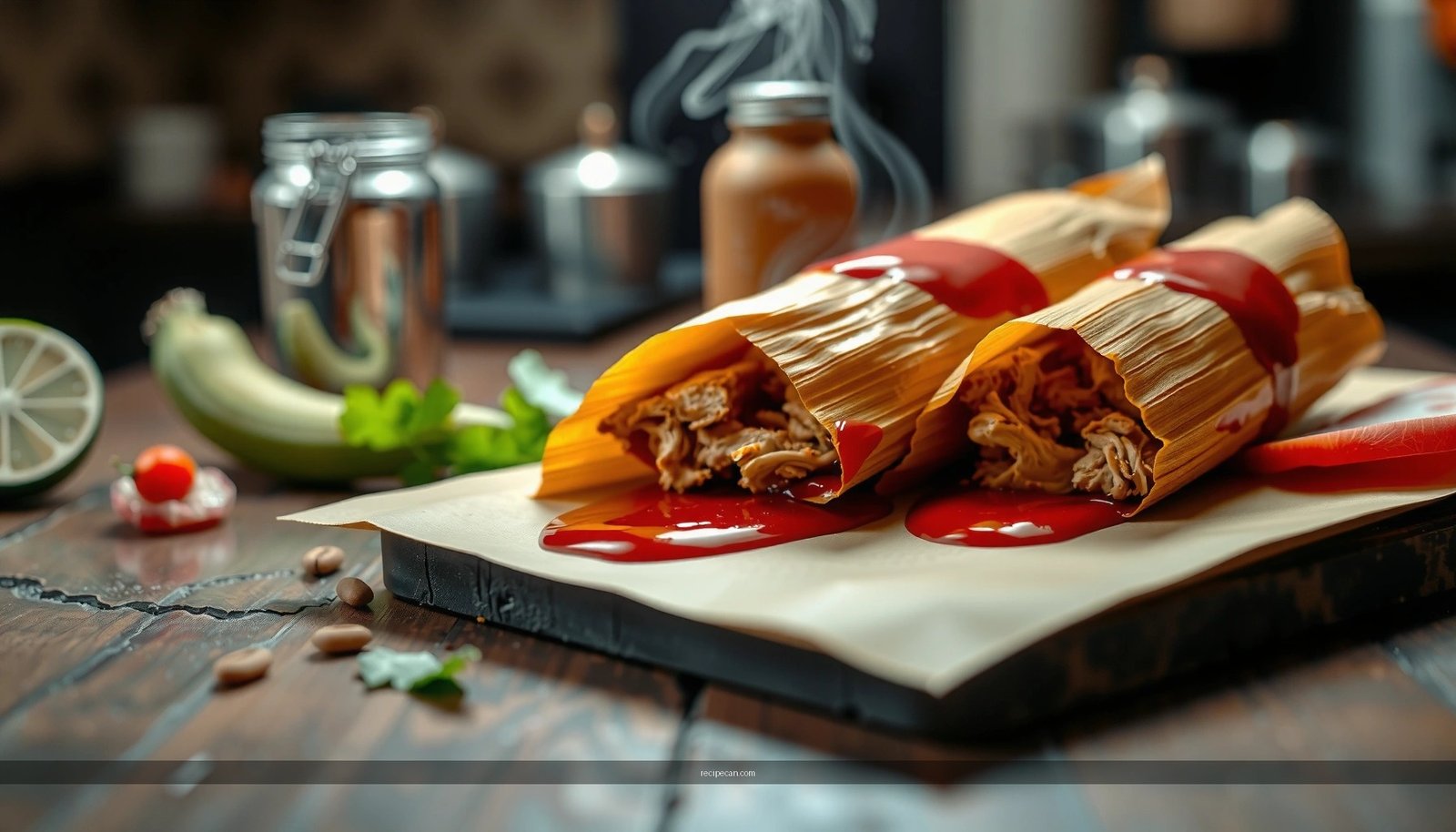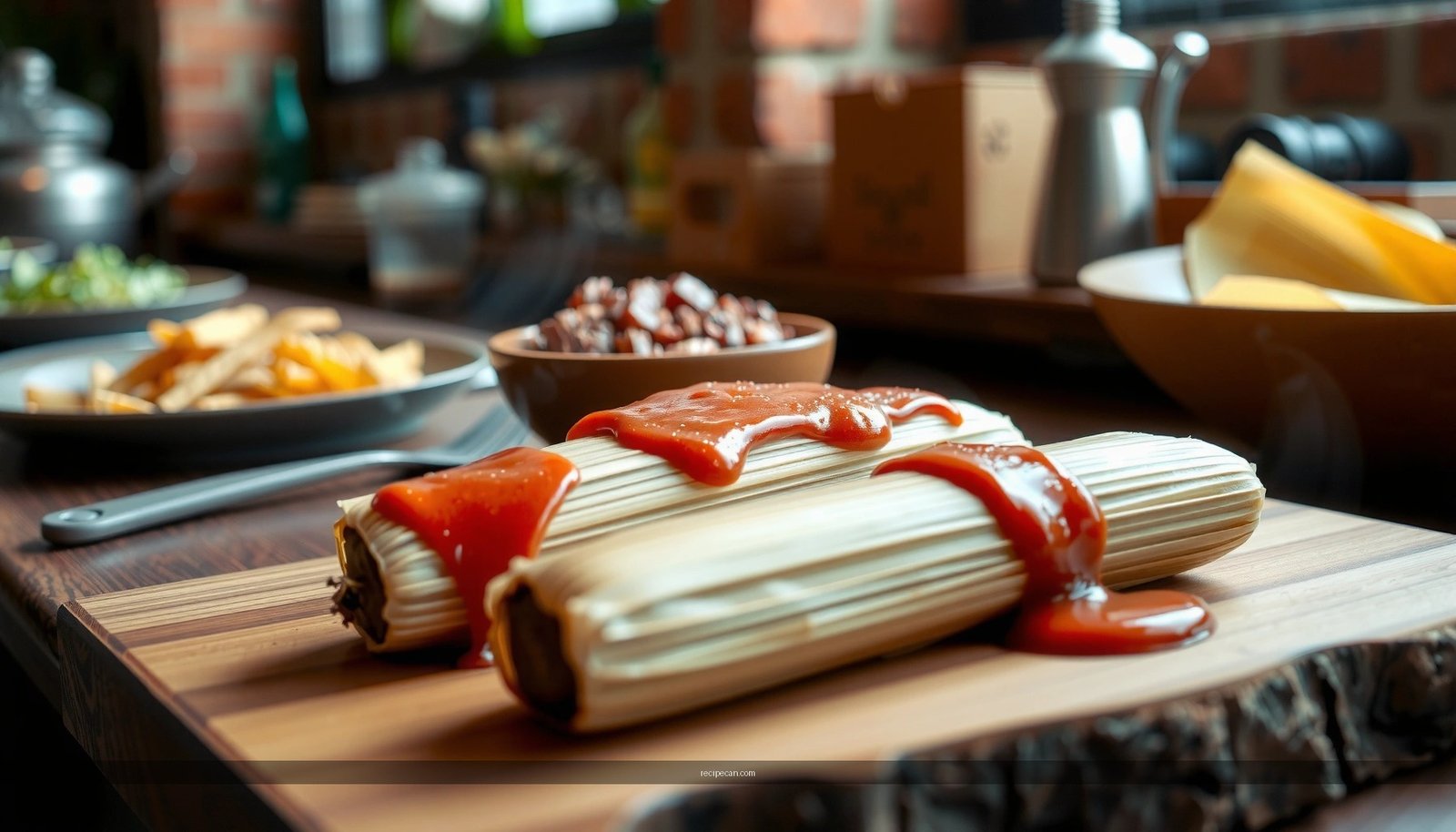
Get a reliable recipe for pork tamales with classic pork filling and masa that delivers tender, flavorful tamales without guesswork. You’ll get step-by-step instructions for simmering the seasoned pork, building a rich filling, and making masa that spreads cleanly and steams properly. Follow this method and you’ll know exactly how to achieve tamales that hold together, taste right, and are ready to serve.
Make pork tamales by cooking seasoned pork until tender, simmering it with chili sauce, then wrapping it in properly whipped masa and steaming until set and fragrant—this step-by-step method helps you achieve authentic flavor and reliable results every batch. Below, you’ll learn how to build a cohesive pork tamale filling, a light, spreadable masa, and a dependable steaming schedule so your tamales come out firm, moist, and evenly cooked.
This recipe is written for classic pork tamales with masa that spreads cleanly and a filling that clings to the dough. It’s also designed for repeatability—something that matters whether you’re feeding a family, preparing an event menu, or building a small batch workflow.
Gather Ingredients for Pork Tamales
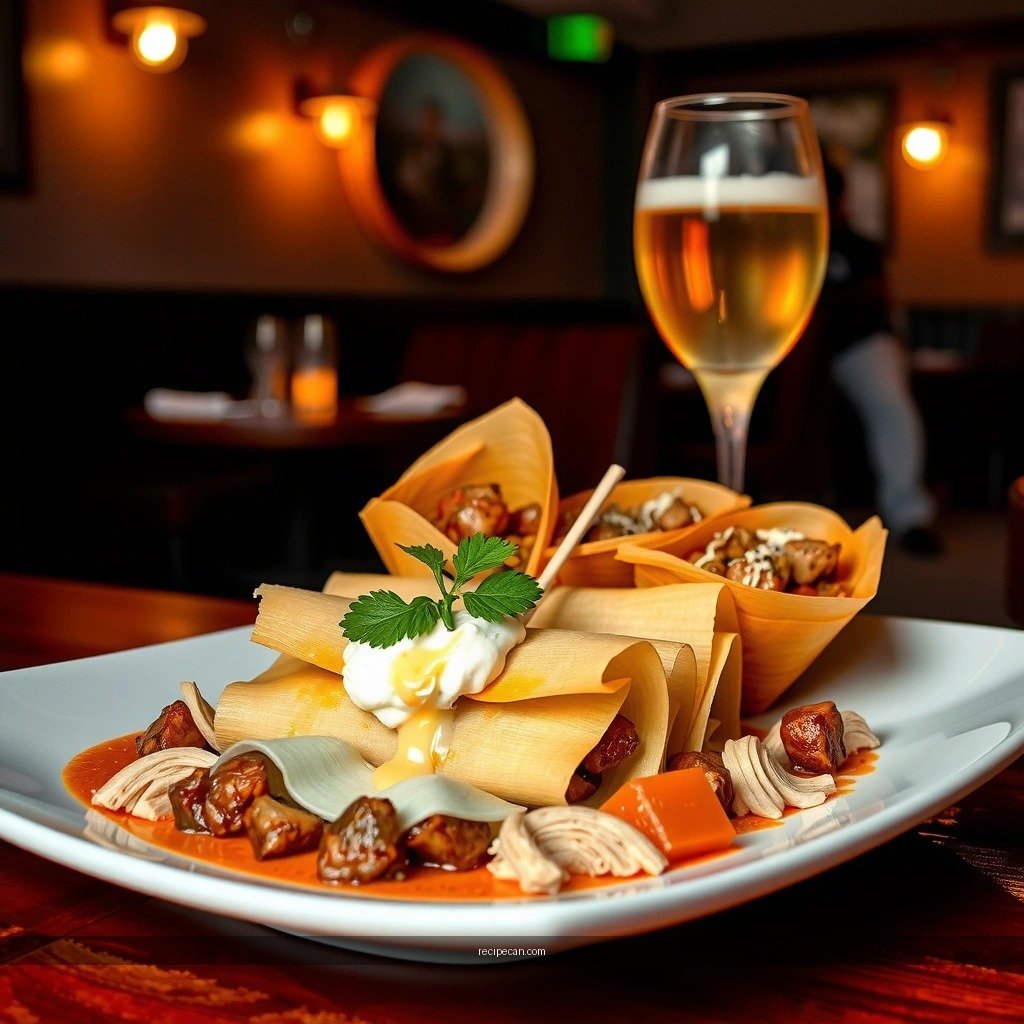
Begin by assembling ingredients in two categories: masa dough components and filling components. Tamales succeed when both elements are balanced—masa needs the right fat, moisture, and lift, while the filling needs deep seasoning and enough sauce to lubricate shredding and flavor distribution.
Masa dough basics
– Masa harina: The foundation of tamale dough; it’s nixtamalized corn flour with the right structure for steaming.
– Lard (or oil): Fat provides tenderness and helps the masa set without drying out.
– Broth: Traditionally chicken or pork broth (unsalted if possible), used to control hydration and ensure a savory base.
– Baking powder: Adds gentle lift, helping the masa achieve a tender, cooked-through texture.
– Salt: Essential for overall flavor; tamale dough should taste savory even before steaming.
Pork tamale filling
– Pork shoulder: The most forgiving cut—rich marbling breaks down into tender shreds during simmering.
– Dried chilies (commonly guajillo and/or ancho): Provide color, mild-to-medium heat, and the characteristic smoky-sweet sauce profile.
– Garlic and onion: Aromatic depth that supports the chili base.
– Spices: Commonly cumin, dried oregano, and black pepper; adjust to taste for your regional style.
– Optional supporting ingredients: A small amount of tomato paste for complexity or vinegar for brightness can help stabilize flavors, especially if your chilies taste mild.
Practical sourcing tip (business-like consistency): Buy masa harina from the freshest available lot. Older masa can absorb water differently, making dough drier or harder to spread. If you’re scaling, weigh everything by gram so masa hydration stays consistent across batches.
Make the Pork Tamale Filling
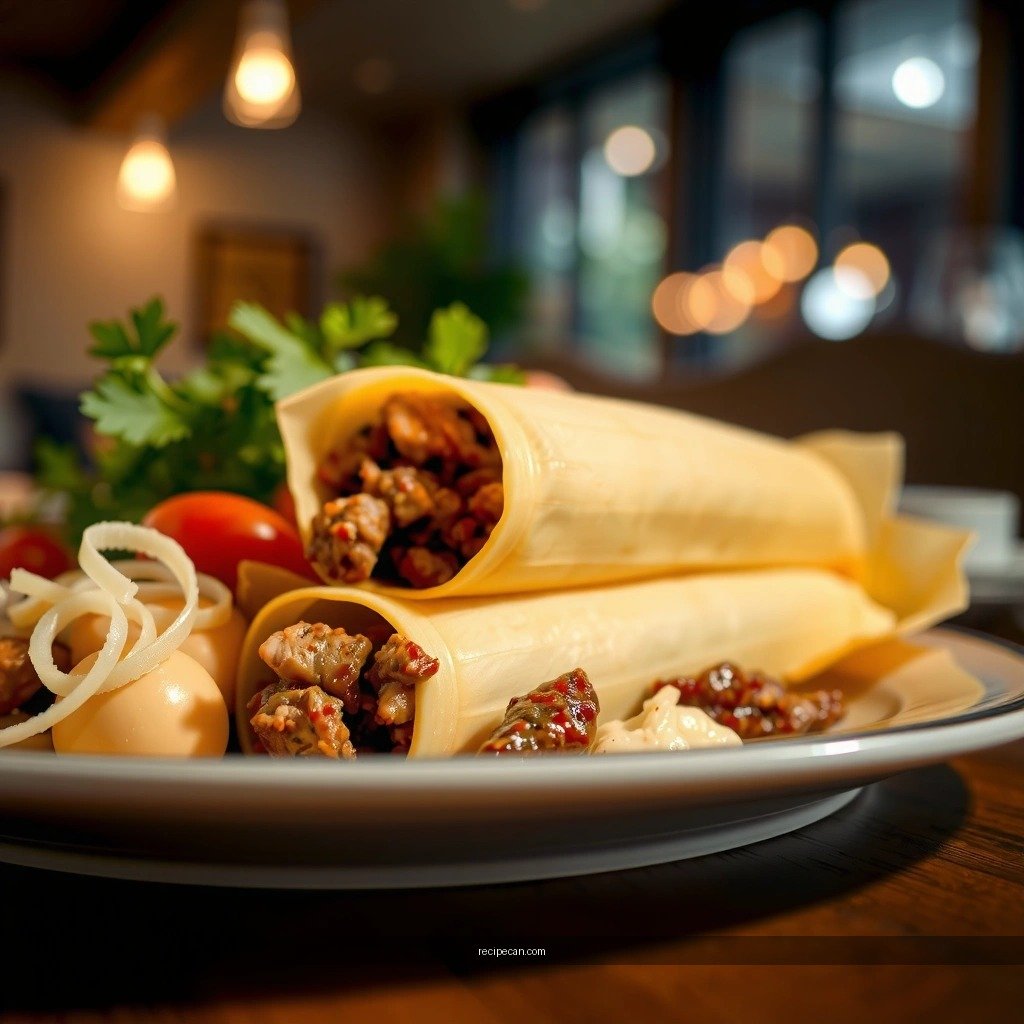
The pork filling is the flavor engine of pork tamales. The goal is tender pork and a thickened chili sauce that coats the meat. When done correctly, filling should taste fully seasoned on its own, because it will be partially “muffled” by masa during steaming.
1. Cook the pork until tender
– Place pork shoulder in a pot with water or broth, plus onion and garlic (optional: a few dried chili stems if clean).
– Simmer at a steady, gentle pace until the pork shreds easily—typically 1.5 to 2.5 hours depending on chunk size and pork weight.
2. Soak and blend dried chilies
– Toast chilies lightly (30–45 seconds) to wake aromatics, then re-hydrate in hot water until pliable.
– Blend with garlic and onion (or strain them out after blending for a smoother sauce).
3. Shred and combine
– Shred pork using forks or tongs.
– Stir the shredded pork into chili sauce. At this stage, the mixture should look glossy and lightly thick—enough to cling, not pour.
4. Simmer briefly to thicken and intensify
– Simmer pork with sauce for 10–20 minutes, stirring regularly.
– This reduces excess water so the filling doesn’t steam out watery and prevents soggy tamales.
5. Taste and adjust seasoning
– Salt is often the final step. Add small pinches and taste again.
– If the chili tastes flat, a small splash of vinegar or a tiny pinch of sugar can round it out—especially important when you’re using milder chilies.
A key quality metric: your filling should be seasoned enough that it tastes assertive when eaten with a spoon. Because masa absorbs salt, many first-time cooks under-season the filling.
Pork Tamale Batch Planning (Typical Ranges)
| # | Batch Goal | Pork Shoulder | Typical Masa Dough Yield | Steaming Time (Set) | Outcome Score |
|---|---|---|---|---|---|
| 1 | 20–25 tamales | 1.25–1.6 kg | ~1.0–1.2 kg | 90–105 min | 9/10 |
| 2 | 30–40 tamales | 2.0–2.7 kg | ~1.6–2.2 kg | 100–120 min | 9/10 |
| 3 | 50–60 tamales | 3.3–4.2 kg | ~2.6–3.4 kg | 120–145 min | 8.5/10 |
| 4 | 70–80 tamales | 4.7–5.5 kg | ~3.6–4.6 kg | 145–170 min | 8/10 |
| 5 | 100 tamales (event) | 6.5–8.0 kg | ~5.0–6.5 kg | 165–210 min | 7.8/10 |
| 6 | Quick test batch | 0.8–1.0 kg | ~0.7–0.85 kg | 75–90 min | 8.8/10 |
| 7 | Heavy fill (richer) | +10–15% | +6–10% | Add 5–10 min | 9.2/10 |
Prepare the Tamale Masa
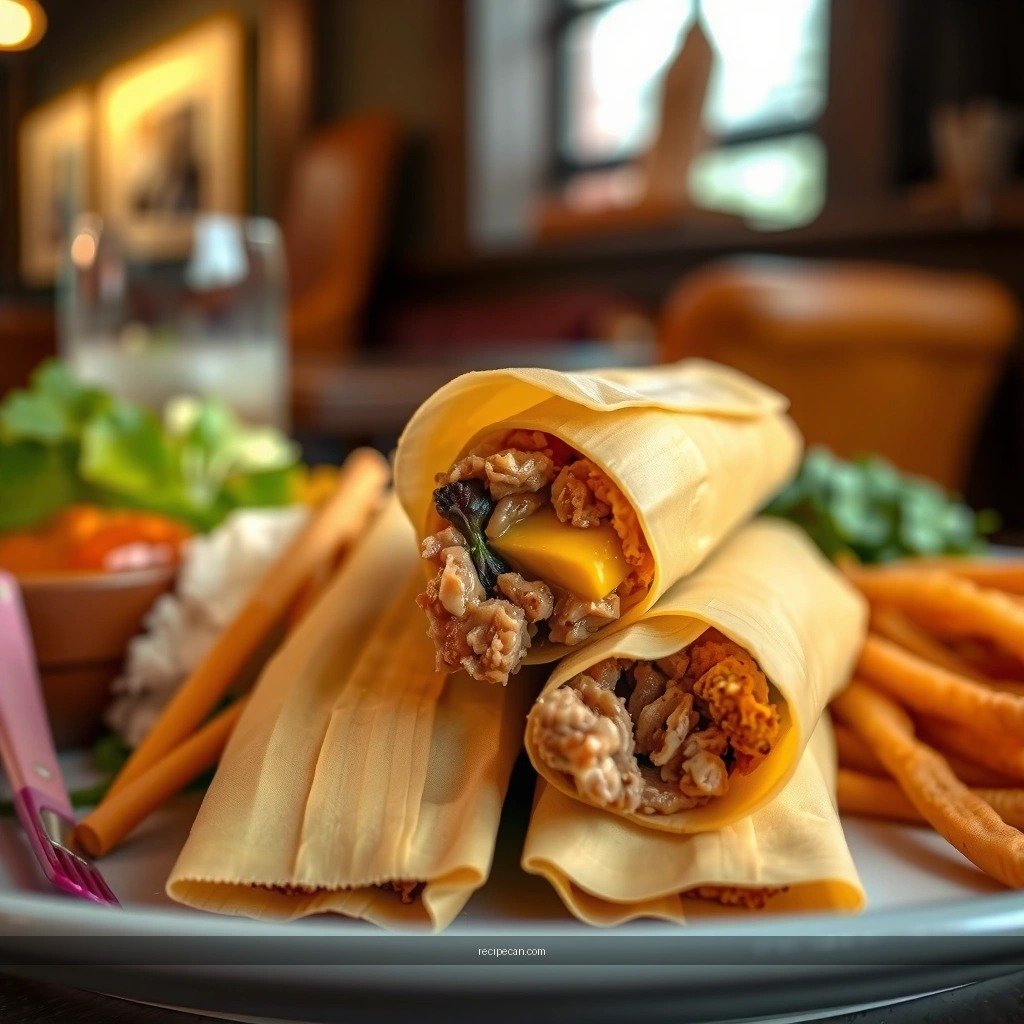
Masa preparation is where tamale texture becomes predictable. You want masa that is fluffy, spreadable, and cohesive—not stiff, not runny. That balance comes from whipping fat with masa harina, then adding broth gradually while seasoning.
1. Whip lard (or oil) into the masa
– If using lard, whip it until lightened in texture (not melted).
– Mix in masa harina gradually and beat thoroughly to incorporate air—this supports a tender bite after steaming.
2. Add broth and seasonings gradually
– Start with a portion of broth and mix; then add more slowly.
– The right masa consistency should spread smoothly on a husk without tearing or pooling.
3. Season the dough
– Typically salt is adjusted after initial mixing; you’re aiming for a savory base that tastes like well-seasoned corn dough.
– Baking powder helps the dough set properly—especially useful when working with larger batches where steam consistency may vary.
Texture troubleshooting
– Too stiff: Add warm broth 1 tablespoon at a time and re-beat.
– Too loose: Add masa harina 1–2 tablespoons at a time. Give it time to hydrate before deciding.
– Grainy: Whip longer; hydration improves with rest for 10–15 minutes.
For consistent results, keep your masa covered while you assemble so it doesn’t develop a dry skin.
Assemble the Tamales Correctly
Correct assembly is a non-negotiable step for authentic pork tamales. Even great filling and dough can underperform if portions vary or if the fold traps air pockets.
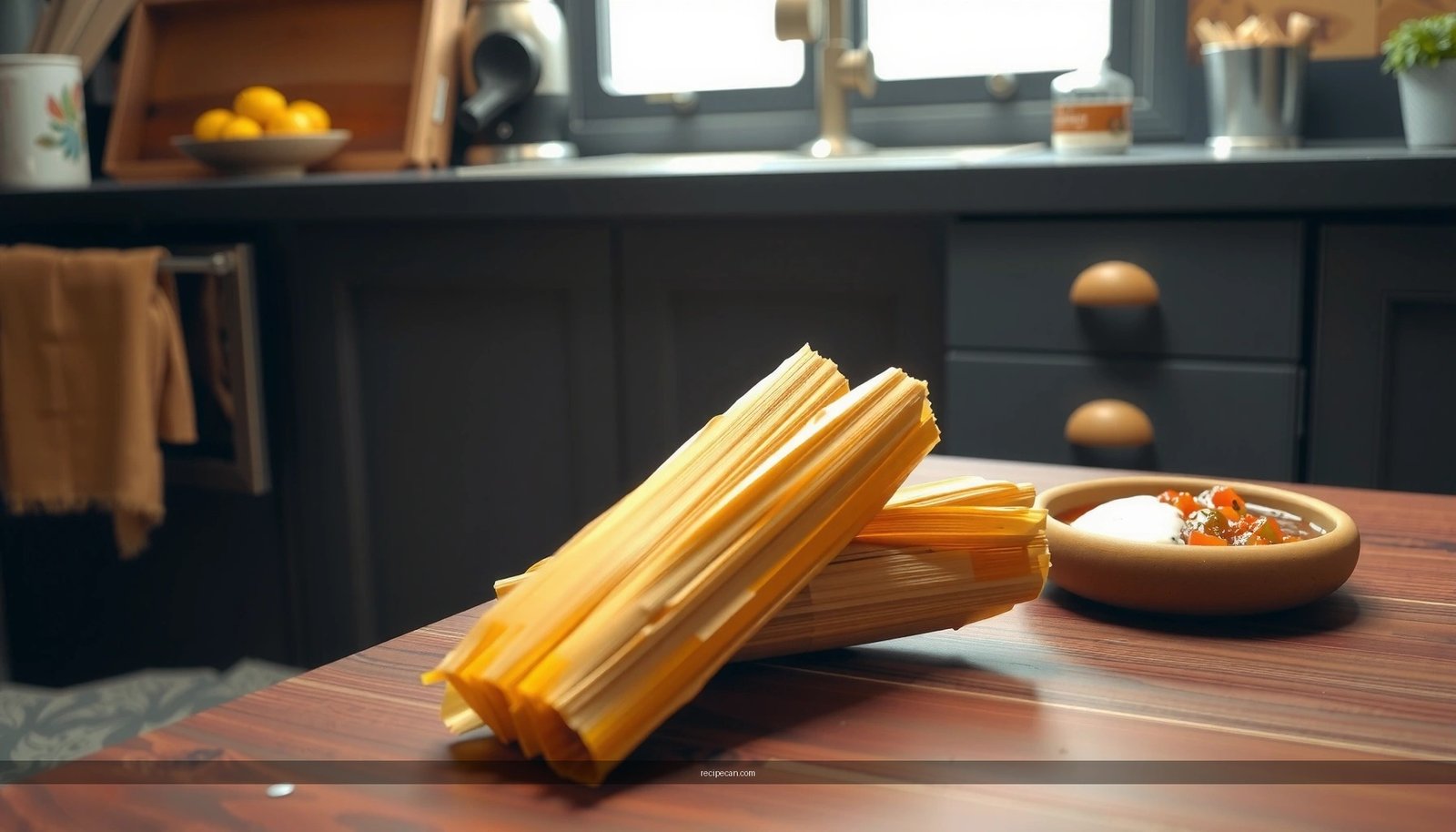
1. Soak corn husks
– Soak until pliable (commonly 1–2 hours, or overnight for very dry husks).
– Husks should bend without cracking; if they tear, they’re under-soaked.
2. Spread masa evenly
– Use a consistent amount of masa for each tamale.
– Spread to a thin, even layer so the masa cooks uniformly and doesn’t remain dense in the center.
3. Add pork filling
– Place a line or spoonful of pork filling down the center, avoiding overfilling.
– Overfilled tamales can leak sauce and create undercooked masa pockets.
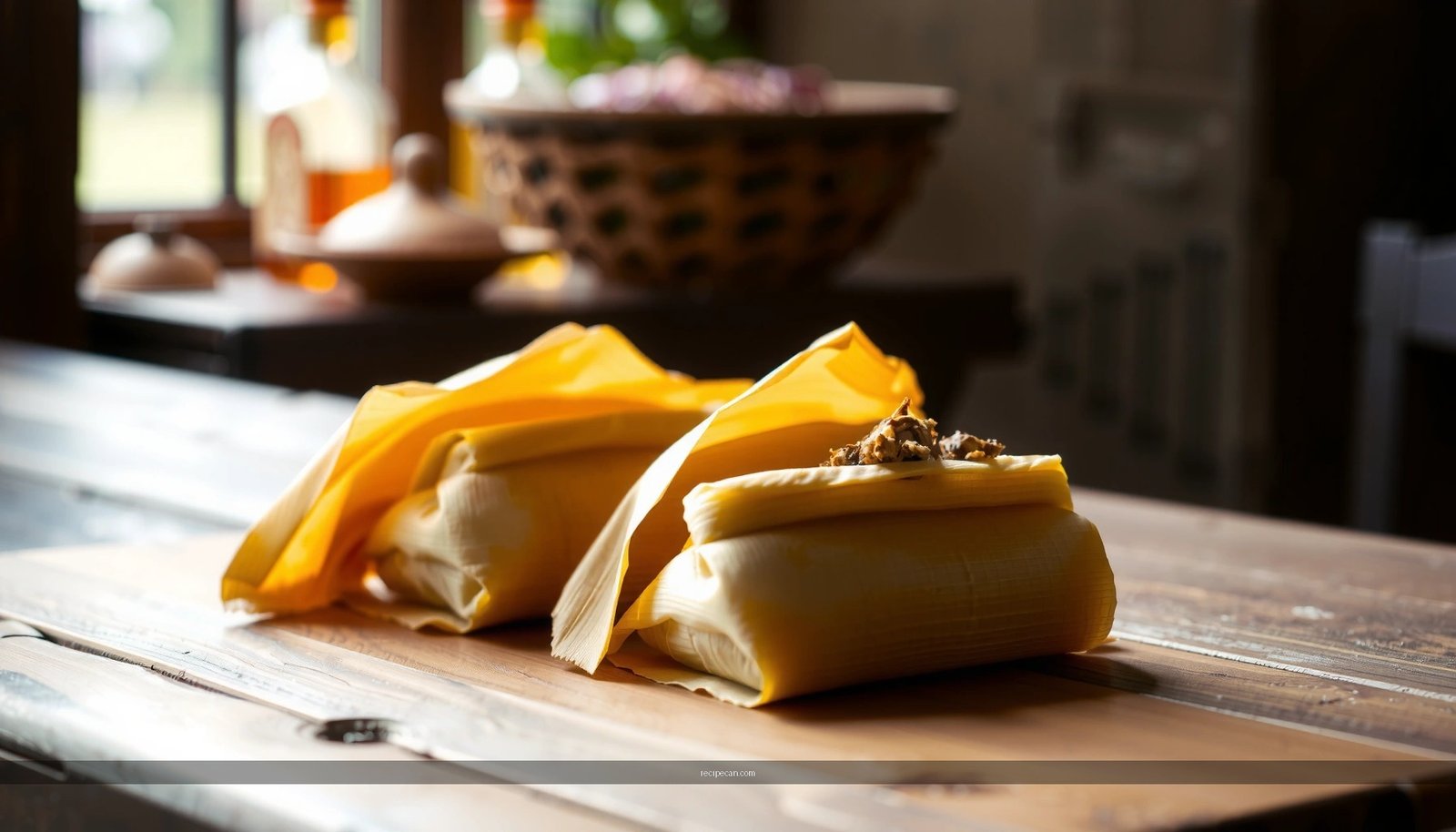
4. Fold tightly
– Fold so the filling stays enclosed.
– Press gently to eliminate gaps while still preserving steam flow through the steamer.
5. Batch consistency
– If you want repeatable outcomes, weigh or measure portions (e.g., “one tablespoon filling per tamale” and “one ladle of masa per husk”).
– This reduces variation in cook times between pieces.
A helpful workflow: set up an assembly line with husks pre-laid, masa portioned, and filling portioned into a bowl. In production terms, you’re reducing handling delays that dry out the masa.
Steam Pork Tamales Until Tender
Steaming is where patience and precision meet. Your goal isn’t just to heat; it’s to cook masa through and render the filling moist and cohesive. Steaming time depends on batch size, steamer type, and tamale thickness.
1. Set up your steamer
– Use a steamer with a rack so tamales stay above the water.
– Maintain water at a level that produces steam without submerging the husks.
2. Arrange tamales
– Most arrangements are upright, stacked snugly but not crushed. If your steamer is narrower, a flat arrangement may work—just keep thickness consistent.
– Leave enough spacing for steam circulation; overly tight stacking slows heating.
3. Steam until the masa is firm and fully cooked
– Typical steaming range: 90 to 120 minutes for average home batches.
– Larger or thicker tamales may need 15–30 minutes more.
4. Test for doneness and rest
– A reliable test: the masa should feel firm, and husks should release slightly without sticky gummy sections.
– Turn off heat and let tamales rest 10 minutes before unwrapping. Resting helps the structure set and prevents tearing.
Operational warning (common failure point): Avoid lifting the lid repeatedly. Each opening releases steam and extends total cook time unevenly across the pot.
Storage and Reheating Tips
Tamales are ideal for meal prep, and proper storage protects texture. The key is to keep moisture during reheat so masa doesn’t dry and toughen.
Refrigeration
– Cool tamales completely, then store in an airtight container in the fridge.
– When reheating, use:
– Steamer: Best texture retention.
– Microwave (with moisture): Wrap tamales in a damp paper towel and heat in short bursts.
Freezing
– Freeze tamales wrapped (in husks or foil) to reduce freezer moisture loss.
– Thaw in the fridge if you have time; otherwise reheat directly from frozen using a steamer.
Reheating times (typical)
– Refrigerated: ~10–20 minutes in a steamer
– Frozen: ~20–35 minutes in a steamer (depending on size and starting temperature)
Quality assurance tip: Reheat until hot throughout, then let them rest 3–5 minutes before serving. This prevents the interior from being scorching while the core lags behind.
Cook and wrap with confidence using this recipe for pork tamales: flavorful pork filling, properly mixed masa, and steady steaming are the keys. Make a first batch, note your timing, and then serve them warm—share leftovers by freezing extra tamales for an easy next meal.
Frequently Asked Questions
What is a classic pork tamales recipe from scratch?
Start by simmering pork shoulder with chile pods (or a chile puree), garlic, onion, broth, and spices until the meat is tender, then shred it for the filling. For the masa, mix masa harina with warm pork broth, salt, and a little fat (like lard) until spreadable. Assemble with a banana leaf or corn husk, add a portion of pork filling, fold, and steam until the masa pulls cleanly from the husk. This traditional pork tamales recipe delivers rich, savory flavor with tender shredded pork in every bite.
How do I make pork tamales masa that doesn’t crack or stick to the husks?
Use the correct ratio of masa harina to warm broth, and add liquid gradually until the dough is soft and cohesive. Whip or beat the masa with lard until light and creamy—this helps create tamales that don’t crack during steaming. To test, the masa should spread easily and, ideally, float slightly in water when mixed well. If your pork tamales are sticking, you may need slightly more fat, more rest time, or a longer steaming session.
How long should pork tamales cook or steam, and how can I tell they’re done?
Steam pork tamales for about 1 to 1.5 hours, keeping a steady simmer and enough water in the pot so they don’t dry out. Check doneness by looking for masa that firms up and pulls away from the husk edges without smearing. If they’re still soft, continue steaming in 10–15 minute increments. Consistent heat and not opening the steamer too often are key for evenly cooked pork tamales.
Why is my pork tamale filling greasy or too spicy, and how do I fix it?
Greasiness usually comes from using fatty pork without trimming or not skimming excess fat from the chile sauce or braising liquid. To fix it, simmer the sauce briefly to reduce and skim, or shred the pork after cooking and mix with just enough sauce to coat. If the filling is too spicy, thin it with a bit more broth, add extra pork or roasted tomato, or reduce the amount of hot chile and balance with a touch of sweet (like a small amount of masa or broth). A well-balanced pork tamales filling should be flavorful, not overpowering.
Which type of pork is best for tamales, and what’s the ideal method for shredding?
Pork shoulder (pork butt) is the best choice because it stays tender and shreds easily after slow cooking. Cook it until very soft—either braise it in chile-broth until fork-tender or pressure cook for faster results—then shred while warm for the best texture. For extra flavor, mix a portion of the shredded pork back into the chile sauce before assembling pork tamales. This method creates juicy filling that clings to the masa without drying out.
References
- Tamale
https://en.wikipedia.org/wiki/Tamale - https://www.britannica.com/topic/tamale
https://www.britannica.com/topic/tamale - Google Scholar Google Scholar
https://scholar.google.com/scholar?q=pork+tamales+recipe - Google Scholar Google Scholar
https://scholar.google.com/scholar?q=How+to+make+tamales+pork+red+chile - Google Scholar Google Scholar
https://scholar.google.com/scholar?q=nixtamalization+masa+for+tamales+study - https://scholar.google.com/scholar?q=tamales+steaming+time+and+food+safety Google Scholar
https://scholar.google.com/scholar?q=tamales+steaming+time+and+food+safety - Google Scholar Google Scholar
https://scholar.google.com/scholar?q=hominy+masa+fermentation+tamales+corn+dough - Google Scholar Google Scholar
https://scholar.google.com/scholar?q=pork+stew+filling+for+tamales+traditional - Google Scholar Google Scholar
https://scholar.google.com/scholar?q=chile+sauce+for+tamales+culinary+technique - Google Scholar Google Scholar
https://scholar.google.com/scholar?q=Mexican+tamales+corn+dough+and+filling+processing