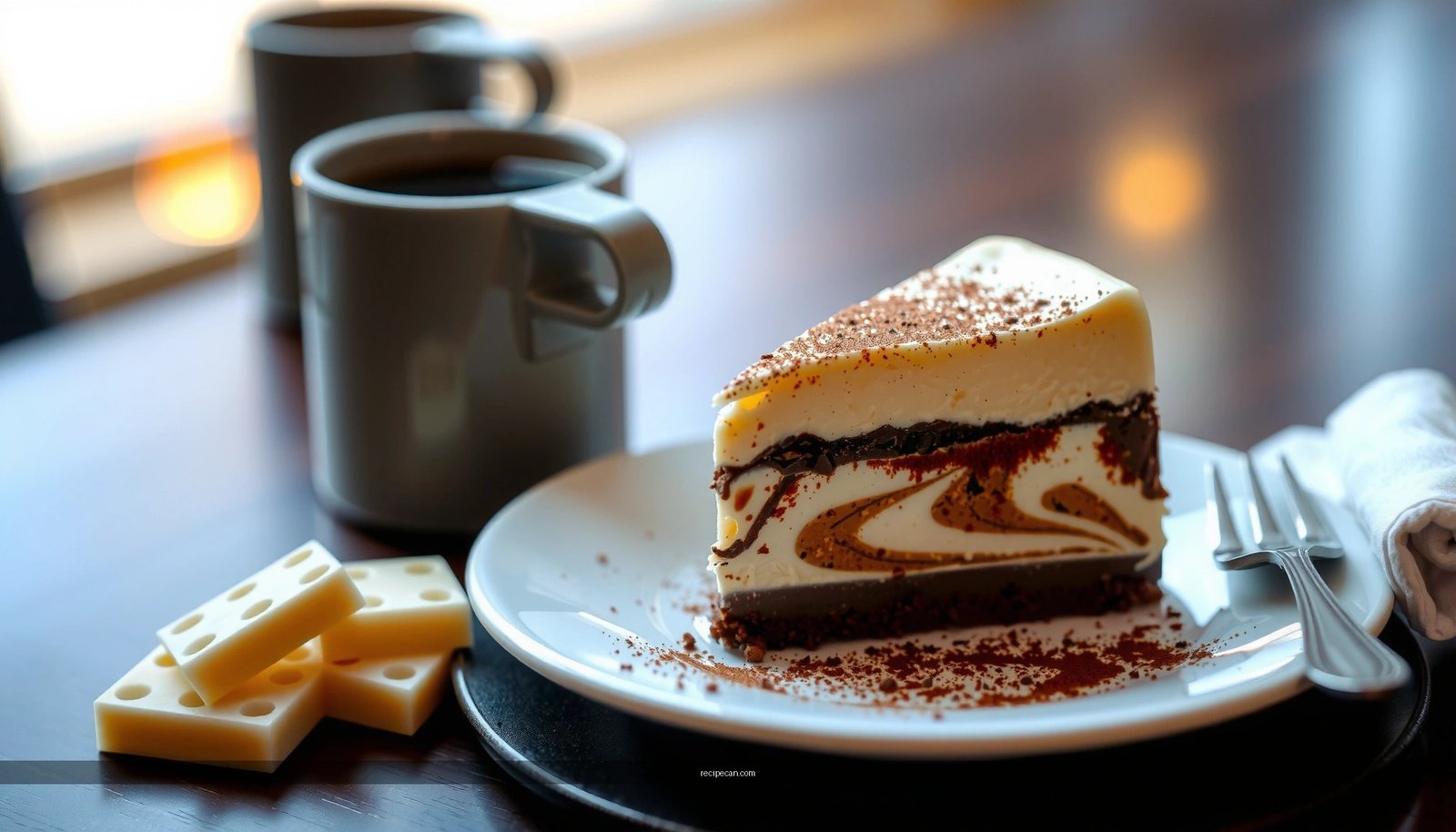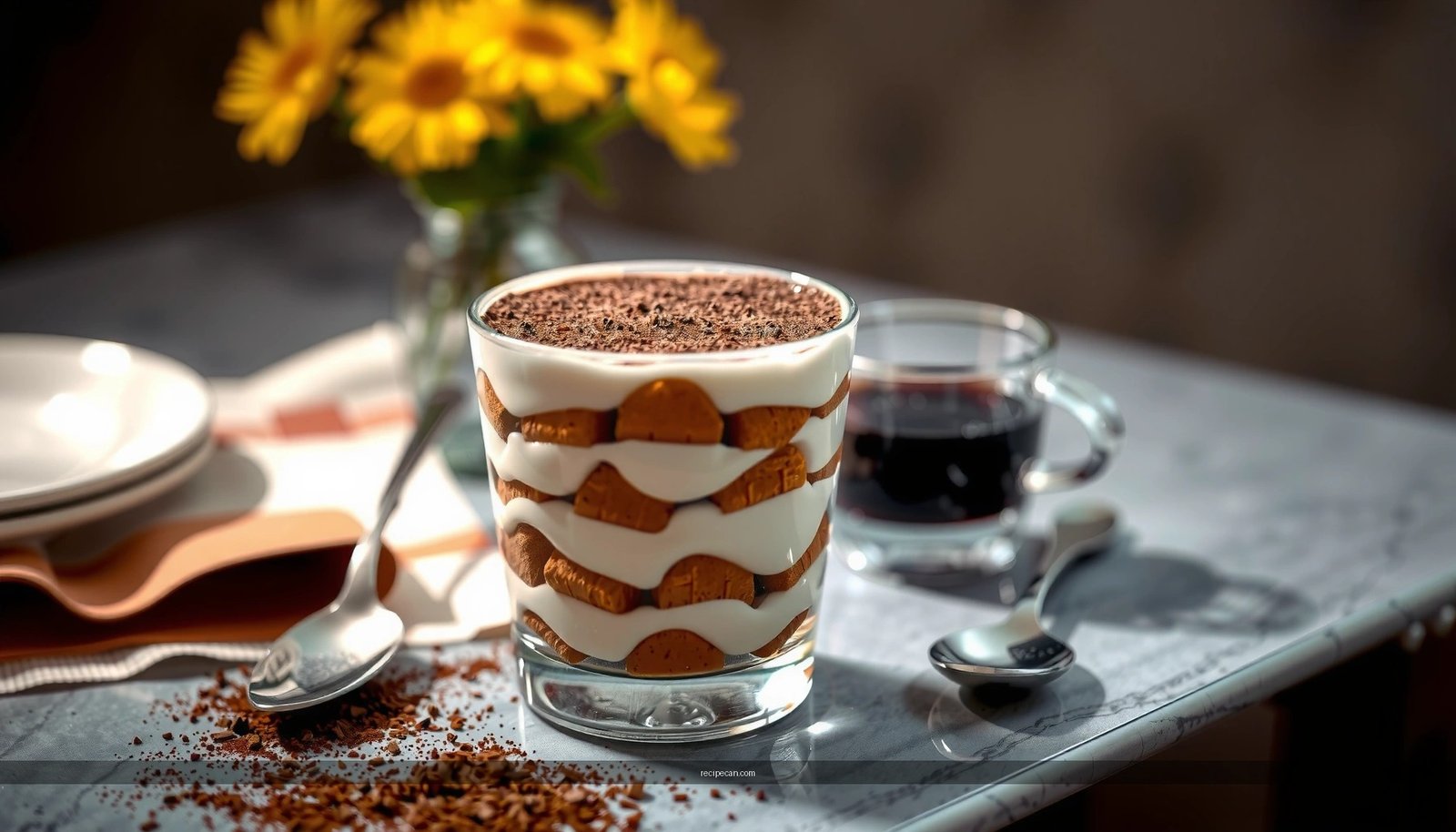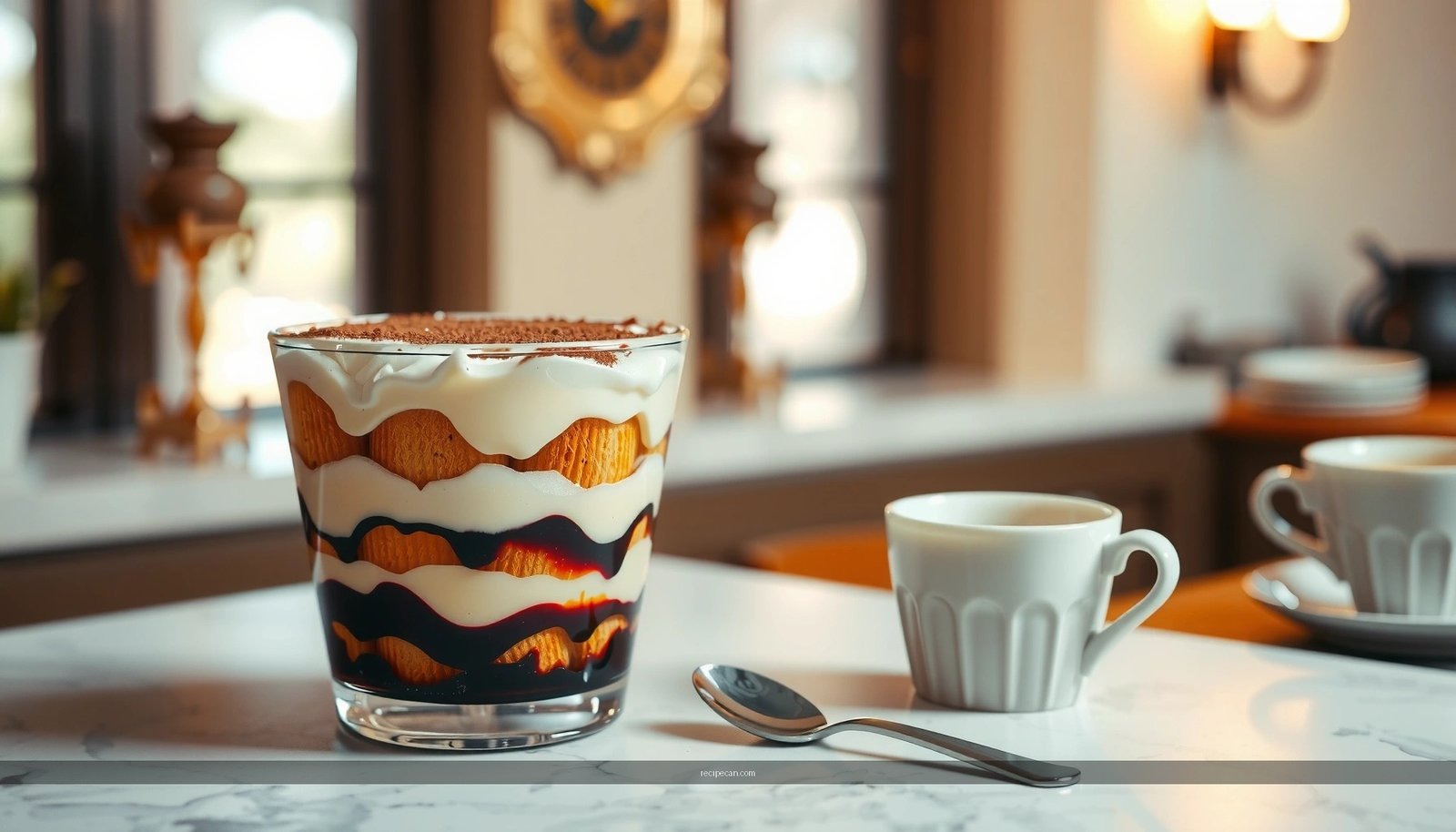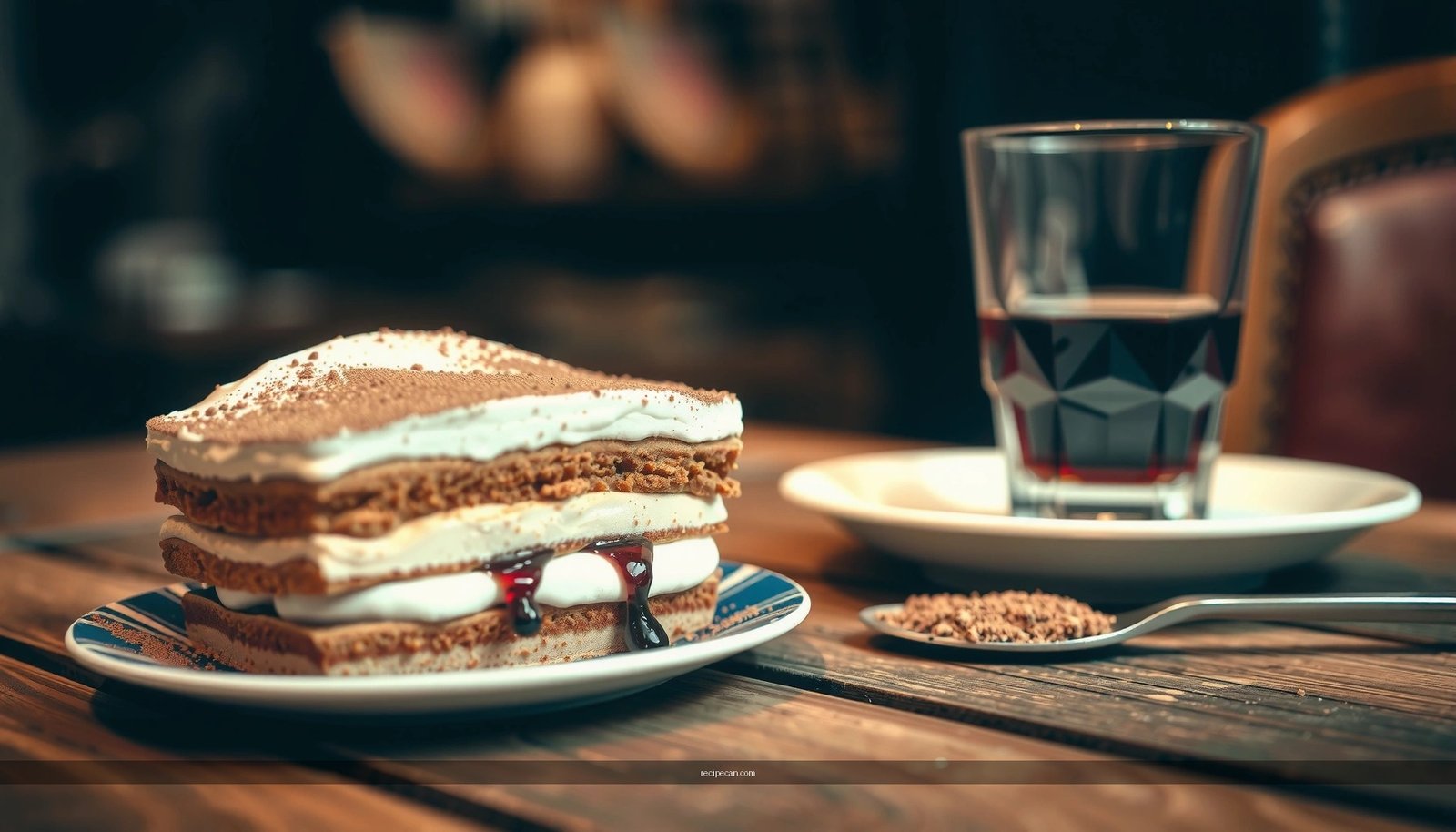
Looking for a tiramisu recipe with alcohol that delivers the classic coffee-soaked layers you expect—without turning soggy or bitter? This recipe is the clear winner for a true tiramisu texture: espresso, mascarpone, and alcohol work together so each bite stays rich, creamy, and distinctly coffee-forward. Follow the steps and you’ll get an elegant, sliceable tiramisu that tastes like the best Italian-style version, not a watered-down dessert.
This tiramisu recipe with alcohol delivers a classic, restaurant-style result by soaking ladyfingers in a carefully balanced spiked espresso mixture (rum, Marsala, or coffee liqueur) and then setting it with a creamy mascarpone filling. Follow the method for strong coffee, controlled alcohol intensity, and proper chilling—so you get distinct layers, not soggy cake.
Choose Your Alcohol for Tiramisu
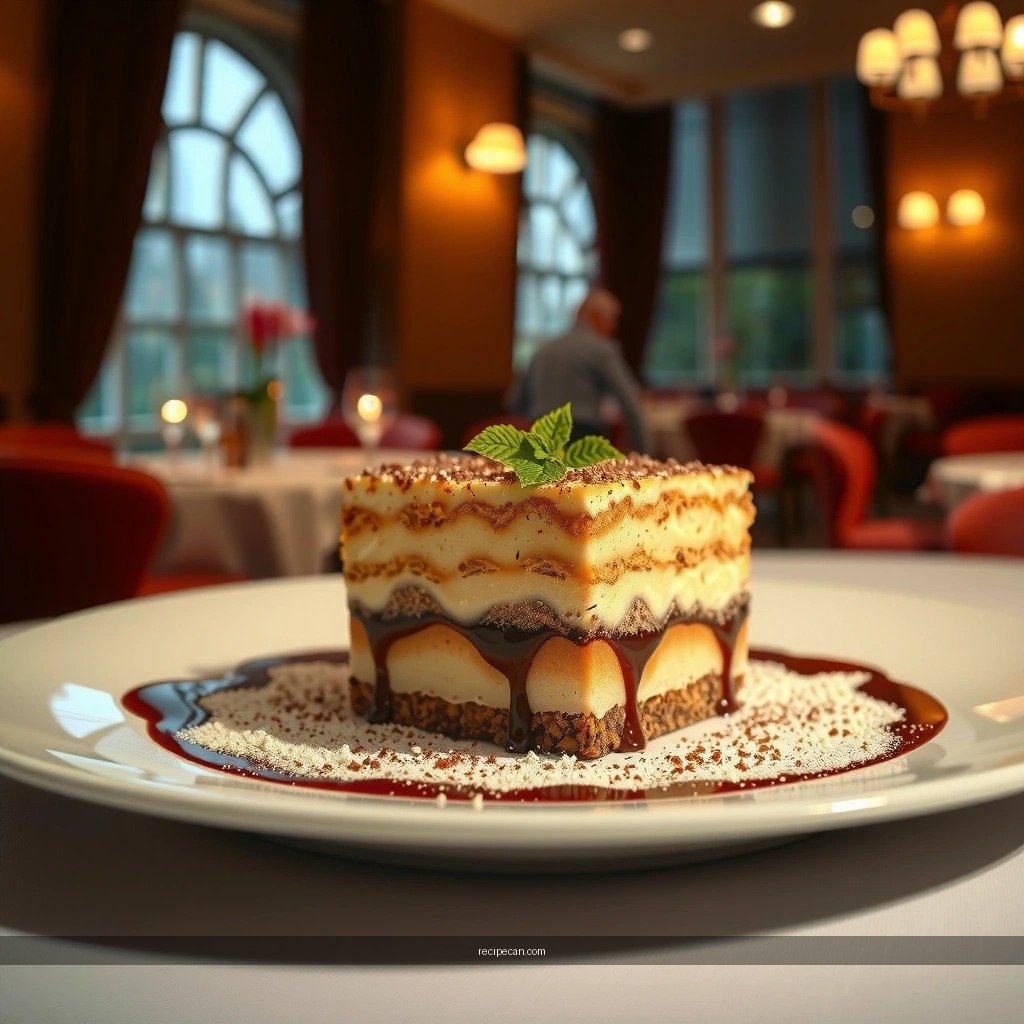
Selecting the right alcohol is less about “adding booze” and more about shaping the flavor profile of your coffee-soaked layers. In tiramisu, alcohol performs three roles: it enhances perceived coffee richness, contributes sweetness or bitterness depending on the spirit, and improves aroma (the part most people notice first).
Classic choices and what they do best:
– Rum (bold and warm): Light or dark rum both work, but light rum tends to keep the dessert tasting more refined and less caramel-like. Rum often pairs naturally with cocoa dusting and espresso’s roasted notes.
– Marsala (sweet and aromatic): Marsala’s characteristic sweetness can replace some of the need for extra sugar in the soak. It’s particularly helpful if your coffee is slightly less bitter or you prefer a softer, dessert-forward profile.
– Coffee liqueur (coffee-forward): If your goal is maximum “coffee depth” in every bite, coffee liqueur is the most direct route. It typically adds both sweetness and aromatic coffee compounds—use it when you want the tiramisu to taste like it “brews again” on the palate.
Actionable guidance for balancing flavor:
– If you like more coffee, less sweetness, choose rum or a dry-style coffee liqueur and use moderate amounts.
– If you like dessert-forward sweetness, choose Marsala and reduce added sugar in the soak or compensate by using less sweetened ladyfingers.
– If you want a harmonized “café” profile, consider blending: for example, a smaller portion of rum with a portion of espresso or coffee liqueur to avoid overpowering.
| Alcohol choice (for soak) | Flavor contribution | Best for | Typical soak role |
|—|—|—|—|
| Light rum | Warm, vanilla-like notes; medium sweetness | Traditional-tasting tiramisu with strong coffee | Main “spike,” supports cocoa |
| Dark rum | Deeper molasses/caramel complexity | Adult desserts, bold flavor lovers | Secondary choice if coffee is very strong |
| Marsala | Honeyed sweetness, dried-fruit aromatics | Softer tiramisu with balanced bitterness | Sweetness + aroma, may reduce added sugar |
| Coffee liqueur | Intensified coffee aroma + sweetness | Coffee enthusiasts | Layer flavor enhancer (often strongest) |
| Brandy (optional variation) | Cognac-like warmth, gentle spice | Elegant, lightly sweet style | Subtle spike; avoid excessive amounts |
Brew the Coffee Soak
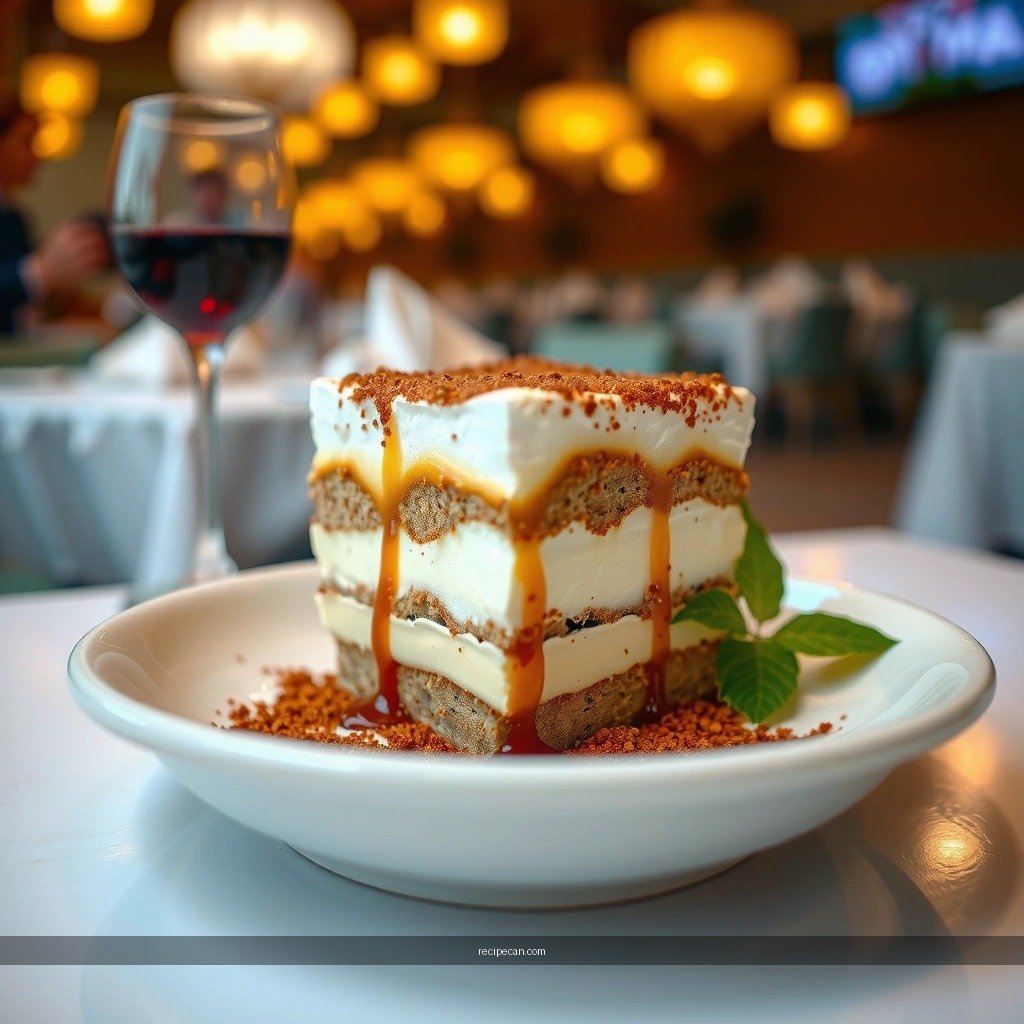
The soak is the engine of tiramisu: it determines how intense the coffee flavor feels and how quickly the ladyfingers hydrate. Strong coffee is essential, but temperature control matters just as much—hot liquid can break down mascarpone’s texture and create a loose cream.
How to brew for the right tiramisu intensity:
1. Aim for concentrate-strength coffee. Espresso is ideal because it brings high extraction with less bitterness than some over-brewed stovetop coffee. If you don’t have an espresso machine, brew coffee using a darker roast and a stronger ratio (think “more coffee grounds per water”).
2. Cool the mixture completely or near-room temperature. Ideally, you’ll mix coffee/espresso with alcohol and let it cool before dipping. This prevents the cream from melting and helps your layers hold shape.
Build the soak with control:
– Start with coffee first, then add alcohol gradually.
– If using rum, a splash can be enough to lift aroma without taking over.
– If using Marsala, note that it already brings sweetness—taste after mixing and adjust sugar accordingly.
Professional “dip timing” matters:
– You want liquid absorption, not collapse. Dip each side briefly—just long enough for the ladyfingers to darken and look saturated, but not dripping.
Recommended Soak Strength Targets for Alcohol-Enhanced Tiramisu (8×8-inch pan)
| # | Soak component (for ~16–18 ladyfingers) | Quantity | Goal result | User preference fit |
|---|---|---|---|---|
| 1 | Espresso (or strong brewed coffee), cooled | 240 mL | Rich, not watery absorption | Coffee-forward |
| 2 | Light rum | 30 mL | Warm aroma without overpowering | Balanced adult classic |
| 3 | Marsala (sweet) | 45 mL | Dessert sweetness + aromatics | Naturally sweet profile |
| 4 | Coffee liqueur | 30 mL | Maximum coffee aroma intensity | Coffee lovers |
| 5 | Granulated sugar (only if needed) | 15–25 g | Adjust sweetness to match alcohol | Tuned sweetness |
| 6 | Dip time per side (average) | 1–2 seconds | Soaked but structurally intact | Clean slice texture |
| 7 | Target cream temperature before assembly | Cool, not cold | Holds peaks; avoids runniness | Prevents over-melting |
Mix the Mascarpone Cream
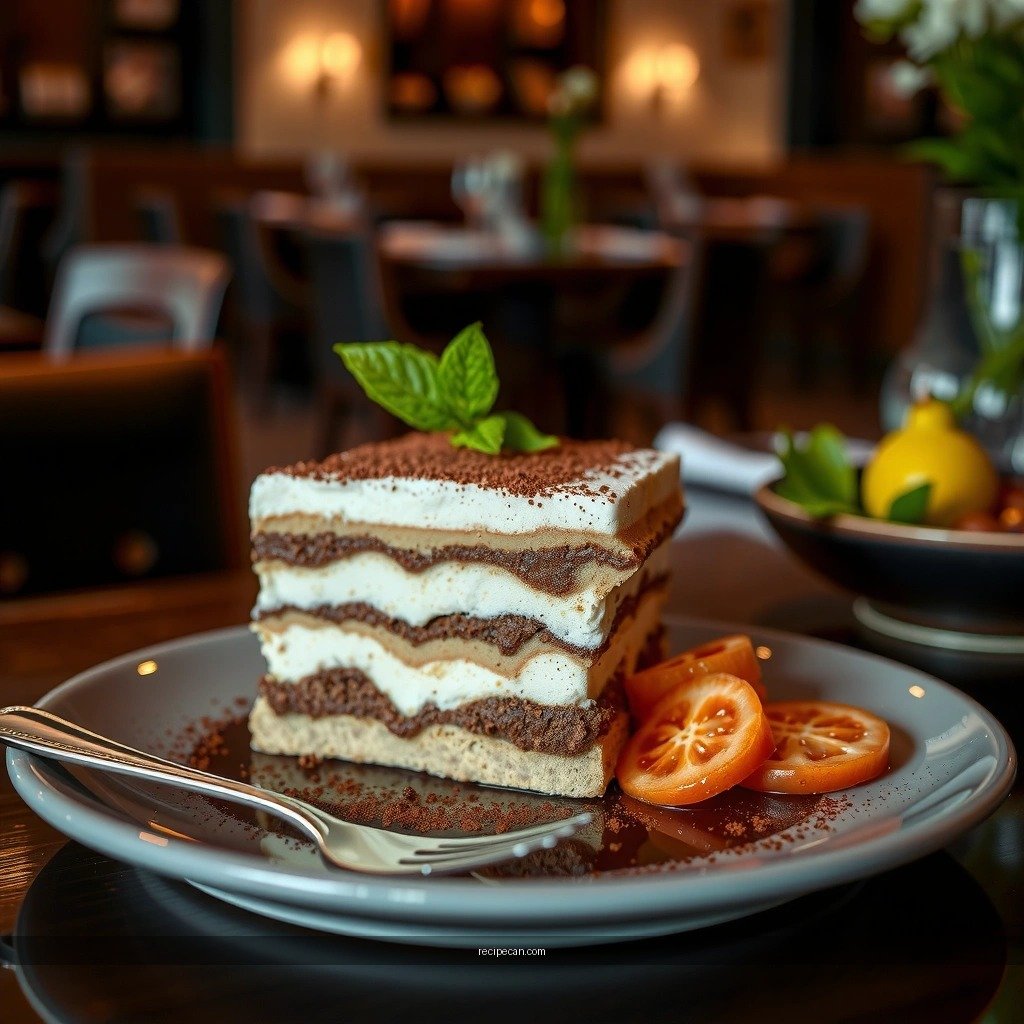
A creamy tiramisu depends on mascarpone quality and correct handling. Mascarpone is rich and delicate—if you over-whip or add warm ingredients, the texture can turn grainy or loosen.
Core approach for the best mascarpone cream:
– Whip mascarpone until smooth (not just “mixed”). This re-structures the fat for a lighter, more spoonable consistency.
– Fold in sweetened egg yolks for classic body and set. Yolks contribute emulsifying properties that stabilize the cream.
Egg yolk method—what to consider:
– In traditional recipes, yolks are often tempered with sugar (and sometimes gently heated) before combining with mascarpone.
– If you prefer a safer alternative, you can:
– Use pasteurized egg yolks, or
– Use a cooked custard-style yolk base (heat until thickened but still smooth), then cool before folding.
Texture troubleshooting (highly practical):
– If the cream looks loose: it often means the mascarpone or yolk base was too warm—chill briefly and then continue assembling.
– If the cream looks curdled: avoid further whipping; gently fold to smooth. Next time, temper yolks more gradually and keep everything cool.
Actionable mixing tip: Make your cream after your coffee soak is cooled. That sequencing reduces waiting time and prevents temperature swings during assembly.
Assemble the Tiramisu Layers
Layering isn’t just aesthetics—it’s where you control hydration and texture. The goal is distinct, coffee-soaked ladyfinger layers sandwiched between stabilized mascarpone cream.
Step-by-step assembly for clean slices:
1. Prepare your pan (often a small square or rectangular dish).
2. Dip ladyfingers quickly: brief exposure, then immediate placement. Over-dipping makes soggy layers and can blur the separation.
3. Layer immediately: add cream right after the ladyfingers so the soak doesn’t keep traveling.
4. Repeat for depth: typically 2–3 alternating layers, then finish with cream on top.
Pro-level consistency checks:
– Ladyfingers should appear evenly darkened, but they should still feel springy when placed.
– Cream should spread smoothly without tearing; if it resists, it may be too cold or too thick—give it a short rest at cool room temperature.
Quick workflow that reduces mistakes:
– Dip 2–4 ladyfingers at a time, layer, then repeat.
– Keep cocoa powder for the finish, not during assembly—fresh cocoa aroma is strongest right before serving.
Set and Serve for Best Texture
Chilling is not optional if you want the signature tiramisu texture: set cream, absorbed coffee, and clean slicing.
Chill timeline that works reliably:
– Minimum: 4–6 hours
– Best: overnight (8–12 hours)
This rest allows the coffee soak to hydrate evenly, and it lets the mascarpone cream firm up for a more cohesive structure.
Cocoa finishing for a fresh, aromatic top:
– Dust generously with cocoa right before serving.
– Use a fine-mesh sieve to avoid clumps and create an even, bakery-style finish.
Serving best practices:
– Wipe your knife between cuts for sharper slices.
– Serve cold; tiramisu softens quickly as it warms.
If you’re prepping for an event, assemble earlier and hold in the refrigerator; apply cocoa shortly before guests arrive for peak flavor.
Alcohol-Free or Low-Alcohol Options
Whether you’re serving guests who avoid alcohol or you simply want a lighter version, you can still achieve a satisfying tiramisu profile—especially because the coffee provides most of the structure and bitterness balance.
Alcohol-free substitutes that maintain the “tiramisu coffee” character:
– Use extra coffee/espresso in the soak instead of alcohol.
– Add a small splash of vanilla extract to mimic some of the aroma lift alcohol provides.
Low-alcohol strategy (the most controlled approach):
– Add alcohol gradually—start with a third of the typical amount, taste the soak, and adjust.
– Even a small amount can enhance aroma, while preventing sweetness overload.
Important note on taste balance:
– If you remove alcohol, your soak may taste more bitter or less aromatic—counterbalance with a small amount of sugar or choose a slightly less intense coffee roast.
– Continue to chill for the full recommended time; set texture depends on resting more than alcohol level does.
Alcohol-Smart Tiramisu Recipe Workflow (Quick Summary)
Tiramisu with alcohol works best when you treat alcohol as a flavor amplifier, not a volume booster. Brew strong coffee, cool it before combining, then dip ladyfingers briefly and layer immediately. Whip mascarpone smoothly, fold in sweetened egg yolks (or a safer pasteurized/cooked alternative), and chill until fully set. Finish with fresh cocoa right before serving for that signature café-style top aroma.
If you want a practical starting point, choose rum for a classic bold profile, Marsala for a sweeter dessert style, or coffee liqueur for maximum coffee intensity—then adjust sweetness and dip time to keep the layers defined.
A well-made tiramisu recipe with alcohol hinges on three controlled variables: coffee strength, alcohol choice and amount, and chilling/assembly timing. Use strong, cooled espresso; dip ladyfingers quickly; stabilize the mascarpone cream properly; and let the dessert set overnight for a clean, creamy slice. Once you dial in your preferred alcohol—rum, Marsala, or coffee liqueur—you’ll reliably produce classic, coffee-soaked layers with the rich, elegant finish people expect from a true Italian-style tiramisu.
Frequently Asked Questions
What alcohol is best for a tiramisu recipe?
The most common choice is espresso-based coffee liqueur like Kahlúa for a rich, chocolatey flavor. For a lighter, more fragrant option, try Marsala wine or dark rum in small amounts. If you prefer classic Italian style, use Marsala because it pairs well with mascarpone and espresso without overpowering the dessert.
How do I make a tiramisu recipe with alcohol without it tasting too strong?
Start by adding the alcohol gradually—typically 1 to 3 tablespoons total for a standard 8×8-inch tiramisu—so the flavor stays balanced. Soak ladyfingers briefly (about 1–2 seconds per side) to avoid turning them soggy and alcohol-forward. You can also dilute with espresso or coffee to mellow the impact while keeping the tiramisu with alcohol taste subtle.
Why does tiramisu with alcohol need to chill, and how long should it sit?
Chilling allows the mascarpone filling to firm up and the flavors—espresso, cocoa, and alcohol—to meld together. For best results, refrigerate at least 4 to 6 hours, and ideally overnight for a more cohesive tiramisu recipe with alcohol. This rest also helps the ladyfingers absorb moisture properly without becoming overly wet.
Which alcohol should I use if I’m making tiramisu for kids or non-drinkers?
If you need a non-alcoholic version, replace the alcohol with extra espresso, vanilla, or a coffee syrup for depth. You can also use “alcohol-free” coffee liqueur products, though flavor can vary by brand. If you’re partially avoiding alcohol, use a very small amount and mix it into the espresso so the tiramisu with alcohol is less pronounced, but note it will still contain trace alcohol.
How much alcohol should I add to a tiramisu recipe to avoid soggy ladyfingers?
A good guideline is about 1/4 to 1/2 cup total liquid mixture for soaking (espresso plus alcohol), with the alcohol contributing roughly 1 to 3 tablespoons of that total. Dip or drizzle the ladyfingers lightly rather than soaking them fully—just enough to moisten without collapsing. This technique keeps your tiramisu recipe with alcohol creamy and sliceable while preserving the signature texture.
References
- Tiramisu
https://en.wikipedia.org/wiki/Tiramisu - https://www.britannica.com/food/tiramisu
https://www.britannica.com/food/tiramisu - Marsala
https://en.wikipedia.org/wiki/Marsala - Rum
https://en.wikipedia.org/wiki/Rum - Kahlúa
https://en.wikipedia.org/wiki/Kahl%C3%BAa - Google Scholar Google Scholar
https://scholar.google.com/scholar?q=tiramisu+marsala+recipe - Google Scholar Google Scholar
https://scholar.google.com/scholar?q=tiramisu+rum+alcohol - Google Scholar Google Scholar
https://scholar.google.com/scholar?q=mascarpone+tiramisu+wine+liqueur - https://pubmed.ncbi.nlm.nih.gov/?term=tiramisu
https://pubmed.ncbi.nlm.nih.gov/?term=tiramisu - https://www.sciencedirect.com/search?qs=tiramisu%20alcohol
https://www.sciencedirect.com/search?qs=tiramisu%20alcohol