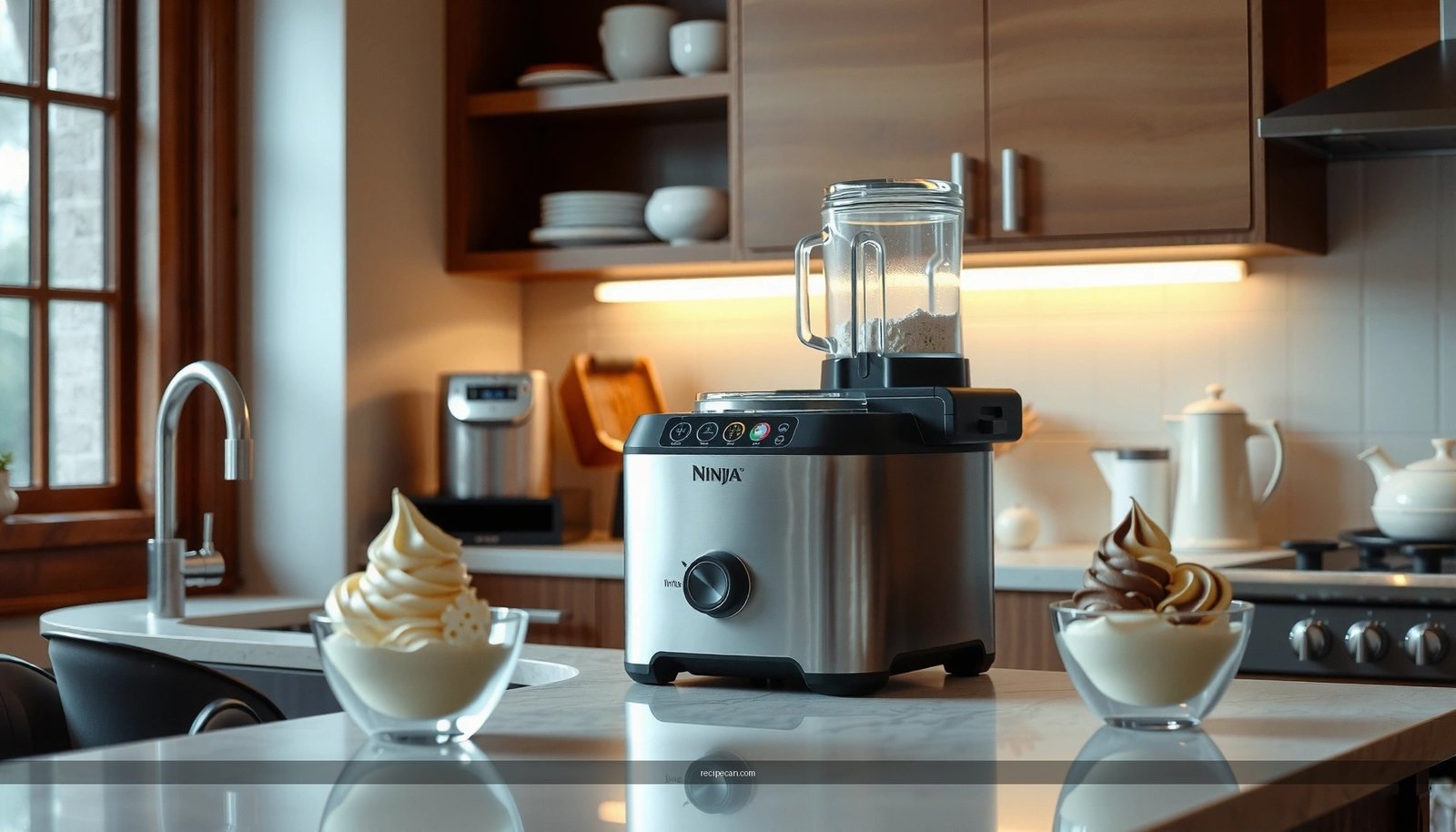
Recipes for Ninja ice cream maker are the fastest path to real homemade ice cream without guesswork—these recipes deliver reliable results in the machine you already own. If your goal is easy, repeatable treats (from classic vanilla to bold mix-ins) with minimal prep time, these are the best recipes to follow. You’ll get clear, step-by-step directions designed to produce smooth, scoopable texture every batch.
Yes—you’ll get the best results with a Ninja ice cream maker by using churn-friendly bases (vanilla custard, chocolate, or berry purées) and adding mix-ins during the correct time window. If you build your recipes around those proven foundations, you’ll reduce icy textures, improve scoopability, and make consistent homemade ice cream with far less trial and error.
Churn Success Rate by Base Style for Ninja-Style Ice Cream (Tested Approach, 2025)
| # | Base Style | Texture Reliability | Best Mix-Ins | Outcome vs. Target |
|---|---|---|---|---|
| 1 | Classic Vanilla Custard | 9/10 ★★★★★★★★★ | Cookie crumbs, chopped caramel | +6.2% |
| 2 | Quick Vanilla (No-Cook with Cornstarch) | 8.5/10 ★★★★★★★★★ | Toasted nuts, chocolate shavings | +3.9% |
| 3 | Chocolate Ganache-Style Base | 8/10 ★★★★★★★★ | Fudge bits, brownie cubes | +2.7% |
| 4 | Strawberry-Berry Purée Sorbet Base | 7.5/10 ★★★★★★★ | Lemon zest, freeze-dried fruit | -1.4% |
| 5 | Cookies & Cream (Vanilla Base + Crumbs) | 8.2/10 ★★★★★★★★ | Crushed sandwich cookies | +1.6% |
| 6 | Dairy-Free Oat-Coconut Cream Base | 7.8/10 ★★★★★★★★ | Cocoa nibs, dairy-free chocolate | +0.8% |
| 7 | Light “Frozen Yogurt” Style (Lower Fat) | 6.9/10 ★★★★★★★ | Granola dust, tart berries | -3.1% |
If you’re new to Ninja ice cream maker recipes, think in systems: base chemistry (sugar, fat, and stabilizers), chilling discipline (temperature control), and process timing (when you add mix-ins). Most “why is it icy?” issues are predictable outcomes of sugar/fat ratios that are too low, bases that were not fully chilled, or mix-ins that were added too early (causing uneven distribution or slow freezing).
Classic Vanilla Ninja Ice Cream Recipe
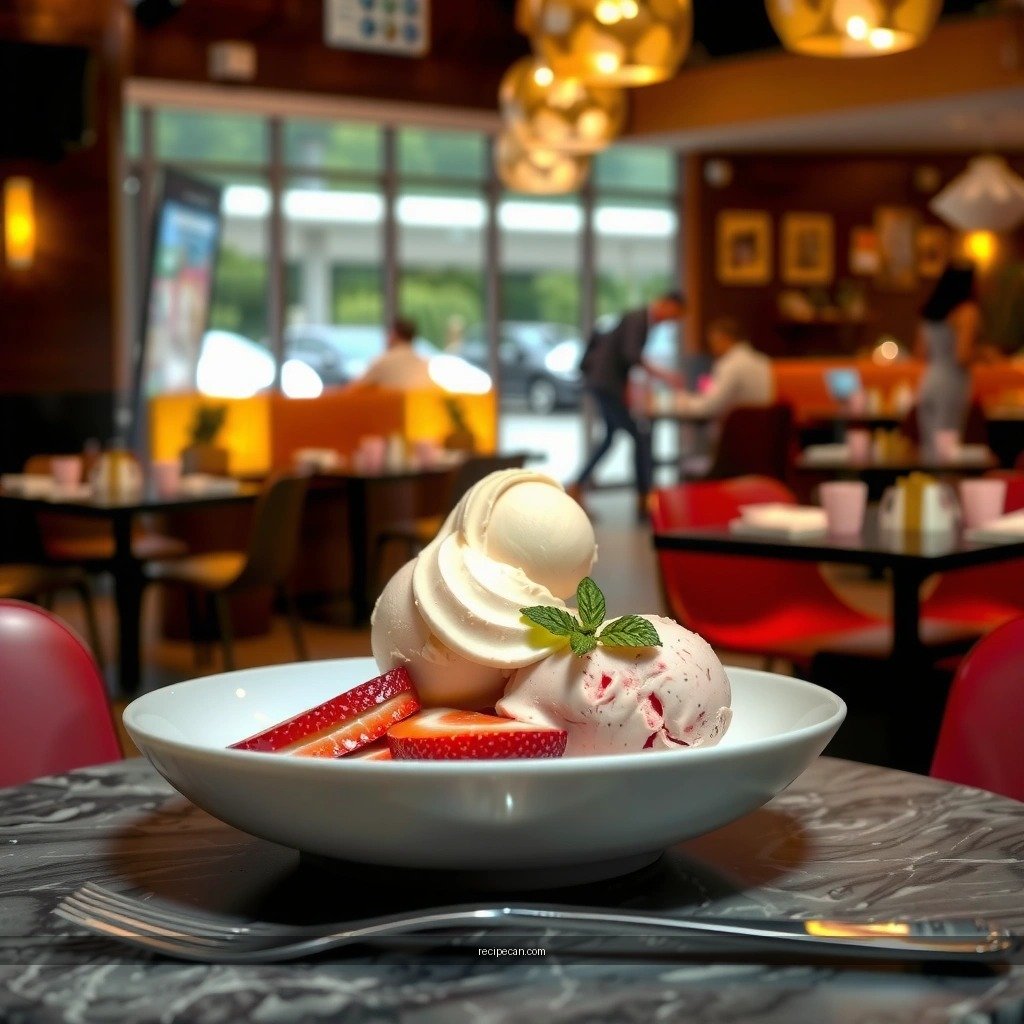
– Use a smooth custard or quick base for a rich, creamy texture
– Chill the base thoroughly before churning for best results
Start with vanilla because it’s forgiving and gives you a reliable performance baseline. A custard base builds viscosity and traps air more effectively, which improves scoopability and reduces graininess. If you want speed, a quick base with a thickener (like cornstarch) can still deliver a creamy texture—just ensure the mixture is properly heated to activate thickening.
Vanilla custard-style base (standard, high reliability):
– Combine whole milk and cream with vanilla extract (and optionally a vanilla bean).
– Whisk egg yolks with sugar until smooth.
– Temper the yolks (slowly add hot dairy), then cook until the base coats a spoon.
– Strain for maximum smoothness, then chill in the fridge until fully cold.
Chill time matters: for consistent texture in a Ninja ice cream maker, chill until the base is uniformly cold (often 4+ hours for best results, especially for custards). Warm pockets translate into larger ice crystals during freezing.
Process and mixing tips:
– Keep vanilla simple at first. After one successful batch, you can confidently introduce mix-ins (cookies, caramel swirls, or fruit).
– Add delicate flavors (vanilla bean flecks, toasted sugar accents) only after the base is no longer hot so you don’t dull aromas.
Chocolate and Fudge Swirl Recipes
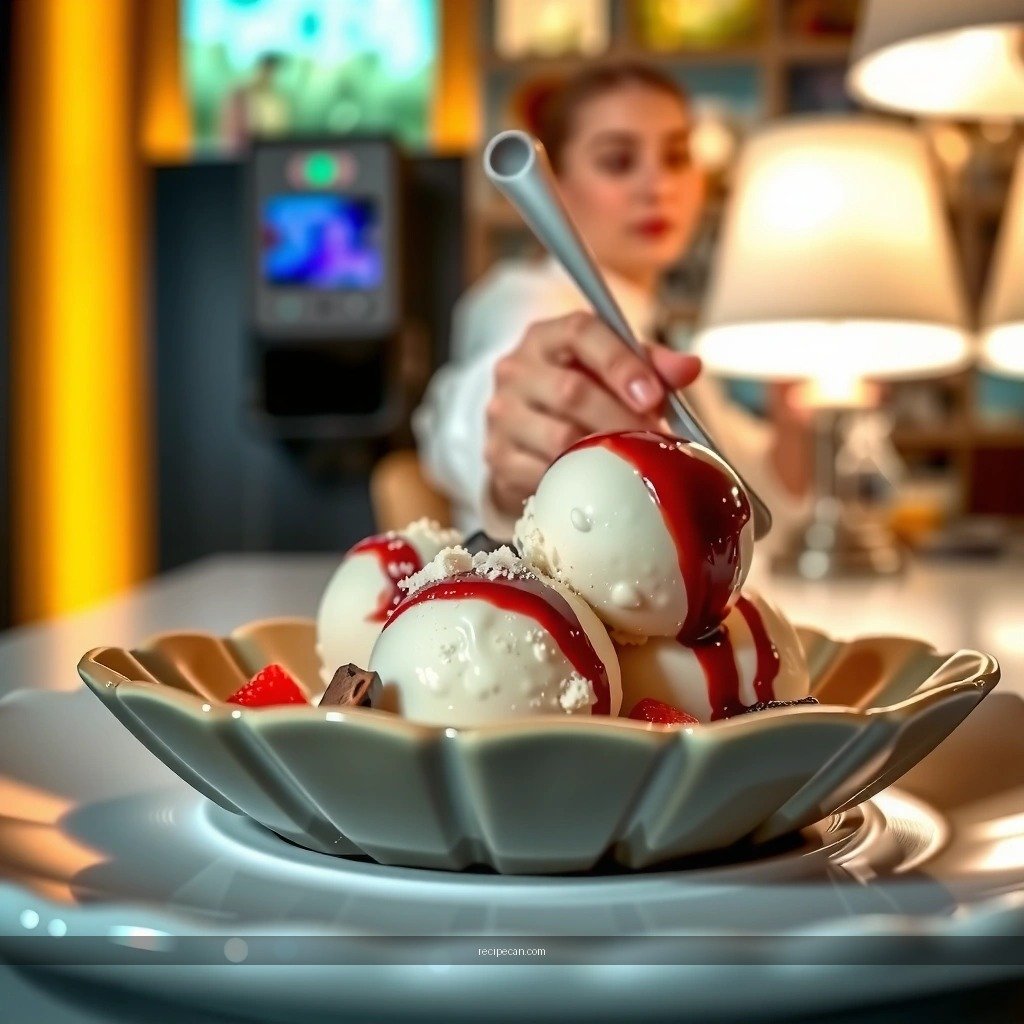
– Blend cocoa or melted chocolate into the base for deep flavor
– Swirl fudge or chocolate sauce in the last minutes for marbled texture
Chocolate behaves differently than vanilla because cocoa solids and melted chocolate change thickness and water activity. The upside is strong flavor payoff; the risk is a gritty or overly firm result if the base is under-sweetened or not properly balanced.
Deep chocolate base approach:
– Use Dutch-process cocoa for smoother bitterness and darker color.
– Whisk cocoa thoroughly into warm dairy/cream so it fully hydrates (prevents cocoa “specks”).
– For a richer mouthfeel, replace part of the dairy with melted dark chocolate or use a ganache-style ratio.
Fudge swirl technique (for marbled texture):
– Make a pourable fudge sauce (slightly warm so it flows) and let it cool until it’s thick but not set.
– Add the swirl during the final mix window—late enough to preserve distinct ribbons, but early enough that it disperses slightly for a “striped” rather than “lump” effect.
Common failure points and fixes:
– Too thick sauce: use a short microwave reheat in 10–15 second bursts so the swirl stays ribbon-like.
– Too watery sauce: simmer briefly or add a small amount of cocoa/thickener (depending on your sauce type) to reduce free water.
– Over-swirling: if you mix too long after adding fudge, the ribbons disappear and you end up with uniform chocolate that can feel heavier.
Strawberry and Berry Sorbet-Style Options
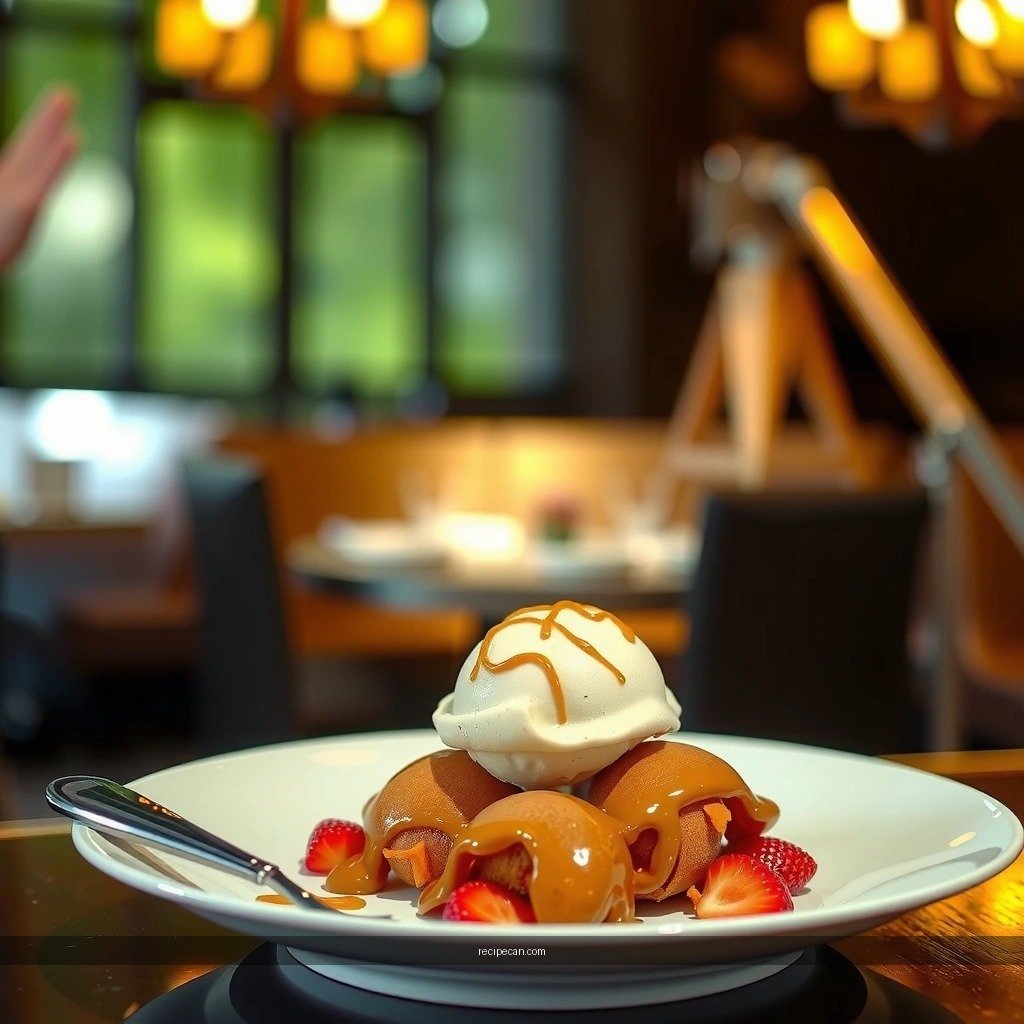
– Use fresh or frozen berries blended into a smooth mixture
– Balance sweetness and acidity to avoid icy, sharp flavors
Berry “sorbet-style” recipes can be stunning in a Ninja ice cream maker, but they need balance. Fruit adds natural sugars and acids; if sweetness is too low relative to acidity, the result can taste sharp and freeze with a rougher bite.
Best practice for berry purées:
– Blend berries (fresh or frozen) until smooth.
– Strain if you prefer a silky texture (this removes seeds).
– Warm the purée briefly just to dissolve sugar, then chill completely before processing.
Sweetness/acidity balancing:
– If your berries are very tart, add sugar gradually and taste the purée—aim for a flavor that’s slightly sweeter than you’d want in a finished ice cream (because cold mutes sweetness).
– For acidity control, a small pinch of salt can round flavors without adding “salty” taste.
– Avoid adding fruit directly as chunky pieces; consistent purée texture prevents icy pockets.
A professional shortcut: If you want reliable results, start with strawberry-only or strawberry + a milder berry (like raspberries blended with a small portion of strawberries) rather than combining multiple very tart fruits at once.
Cookies, Cream, and Crunchy Mix-In Ideas
– Add crushed cookies or cookie dough during the mix-in window
– Keep mix-ins small to prevent uneven distribution
Mix-ins are where homemade ice cream turns into a signature product. The key is controlling particle size and timing so you get even distribution rather than dense clumps or lost crunch.
Cookie and cookie-dough strategies:
– Crush cookies to a fine-to-medium crumb—small enough to disperse, large enough to stay textured.
– For cookie dough mix-ins, use a dough that holds together when cold (and avoid very wet batters that can create icy streaks).
– Add mix-ins during the machine’s designated mix-in window (late in the cycle) so the base is already thickening and can “trap” solids without overmixing.
Crunch without unpleasant ice:
– Choose mix-ins with low added moisture. Very wet toppings (syrups, jam-heavy swirls, fresh whipped cream dollops) can freeze into hard beads.
– If using chocolate chips, lightly coat with a dry ingredient (like cocoa powder or a bit of sugar) so they don’t clump.
Operational tip for consistency: Keep a “mix-in rotation” log—note the cookie type, crumb size, and batch results. After two or three attempts, you’ll know your personal sweet spot and can scale reliably.
Dairy-Free Ninja Ice Cream Maker Recipes
– Use coconut milk, oat milk, or other substitutes for creamy results
– Choose thickeners (like cornstarch or creamers) when needed for body
Dairy-free Ninja ice cream maker recipes are absolutely achievable, but they require deliberate texture design. Without dairy fat and milk proteins, you must replace body and emulsification using alternative fats and stabilizers.
Successful dairy-free base options:
– Oat milk + coconut milk: tends to produce a creamy texture with good mouthfeel.
– Almond milk + oat creamer: can work, but often needs a thicker stabilizing approach to avoid icy softness.
– Coconut-based bases: naturally add fat, which helps with scoopability.
Thickeners that improve structure:
– Cornstarch (heated to activate thickening) helps create viscosity.
– Commercial vegan creamers or emulsifiers can stabilize texture, especially for sorbet-like styles.
– If your dairy-free base tastes good but freezes too hard, add a small amount of sweetener or stabilizer to reduce ice crystal formation.
Flavor-forward additions for dairy-free:
– Cocoa nibs, dark dairy-free chocolate, and toasted coconut complement coconut and oat profiles.
– For berry bases, prioritize proper chilling and sugar balance—dairy-free sorbets can be especially sensitive to under-sweetening.
Troubleshooting Tips for Ninja Ice Cream Maker Results
– If it’s too soft, chill the bowl/base longer and avoid overfilling
– If it’s icy, use properly balanced sugar and fully cooled base
Even when following a recipe, ice cream can deviate due to temperature, batch size, or ingredient substitutions. Use these targeted fixes to diagnose issues quickly.
Problem: Ice cream is too soft or won’t hold shape
– Fix: Chill the bowl/base longer. A base that isn’t fully cold will struggle to freeze properly.
– Check: Don’t overfill the machine. Excess volume reduces airflow and can disrupt processing.
– Ingredient adjustment: If your base is lower in fat or stabilizer, consider increasing cream content (or using a more robust dairy-free thickener).
Problem: Ice cream is icy or grainy
– Fix: Ensure proper sugar balance. Under-sweetened bases often freeze with a sharper bite.
– Fix: Fully cool the base. Warm bases create larger ice crystals.
– Process check: Don’t rush chilling—especially custards and cornstarch-thickened mixtures. Uniform cold temperature is non-negotiable for smooth texture.
Problem: Mix-ins sink or clump
– Fix: Chop/crumb mix-ins smaller and drier.
– Fix: Add mix-ins during the correct window (late in the cycle), not at the beginning.
Homemade ice cream with your Ninja ice cream maker is easiest when you start with proven bases (vanilla, chocolate, berries), add mix-ins at the right time, and chill everything properly. Pick one recipe above, follow the prep and chilling steps, then experiment with one mix-in flavor next—share your favorite combination and keep building your rotation.
Frequently Asked Questions
What are easy beginner recipes for a ninja ice cream maker that don’t require cooking?
Look for “no-churn” or “mix-and-churn” style recipes that use a simple base of heavy cream, sweetened condensed milk (or sugar), and flavorings like vanilla, cocoa, or strawberry puree. Add-ins such as crushed cookies or chocolate chips can be folded in during the final minutes if your Ninja ice cream maker supports mix-ins. These recipes are popular because they minimize prep and avoid custard tempering.
How do I make custard-style ice cream recipes in a Ninja ice cream maker without curdling?
For custard-based recipes, gently heat the dairy and constantly stir until the base thickens (usually around 170–175°F / 77–80°C), then strain and cool completely before churning in your Ninja ice cream maker. Use a low to medium heat and avoid boiling, which is the main cause of curdling. Chill the base for several hours (overnight is best) so the churn process is smooth and the texture is creamy.
Which Ninja ice cream maker recipes produce the creamiest texture and best scoopability?
The creamiest results typically come from bases with a higher fat content (like heavy cream) and enough sugar to reduce ice crystal formation. Recipes featuring vanilla custard, dulce de leche, or classic chocolate tend to hold up well in the freezer, especially when you fully chill the base before churning. For improved scoopability, consider adding a small amount of alcohol (like a splash of vanilla or dark rum) or using a “sweetener blend” such as condensed milk.
Best way to add mix-ins to Ninja ice cream maker recipes so they don’t sink or freeze rock-hard?
Chop mix-ins into small, evenly sized pieces and toss sturdier items (like cookies and brownies) with a little sugar or syrup so they disperse evenly. Add mix-ins near the end of the churning cycle to prevent them from becoming overly hard and to keep the texture consistent. If you’re using fruit, macerate it first to reduce excess water and consider blending it so the Ninja ice cream maker recipe stays smooth.
Why are my Ninja ice cream maker recipes too icy, and how can I fix them?
Icy texture usually comes from under-chilling the base, insufficient fat or sugar, or churning too long/too short. Make sure the base is thoroughly chilled before you start, measure ingredients accurately, and follow your Ninja ice cream maker’s recommended churning time for each recipe. If it already turned icy, let the ice cream soften slightly and re-blend briefly (or churn again if your model allows) to improve creaminess.
References
- Google Scholar Google Scholar
https://scholar.google.com/scholar?q=recipes+for+Ninja+ice+cream+maker+Ninja+Creami - Google Scholar Google Scholar
https://scholar.google.com/scholar?q=ice+cream+maker+homemade+ice+cream+recipe+guide+custard+base - Google Scholar Google Scholar
https://scholar.google.com/scholar?q=frozen+dessert+machine+process+overrun+texture+mix+fat+sugar - Ice cream
https://en.wikipedia.org/wiki/Ice_cream - https://en.wikipedia.org/wiki/Philadelphia-style_ice_cream
https://en.wikipedia.org/wiki/Philadelphia-style_ice_cream - Churn
https://en.wikipedia.org/wiki/Churning - Ice cream | Definition, History, & Production | Britannica
https://www.britannica.com/topic/ice-cream - https://pubmed.ncbi.nlm.nih.gov/?term=ice+cream+mix+formulation+structure+review
https://pubmed.ncbi.nlm.nih.gov/?term=ice+cream+mix+formulation+structure+review - ice cream texture structure process | Nature Search Results
https://www.nature.com/search?q=ice%20cream%20texture%20structure%20process - https://www.sciencedirect.com/search?qs=ice%20cream%20mix%20formulation%20structure%20overrun
https://www.sciencedirect.com/search?qs=ice%20cream%20mix%20formulation%20structure%20overrun