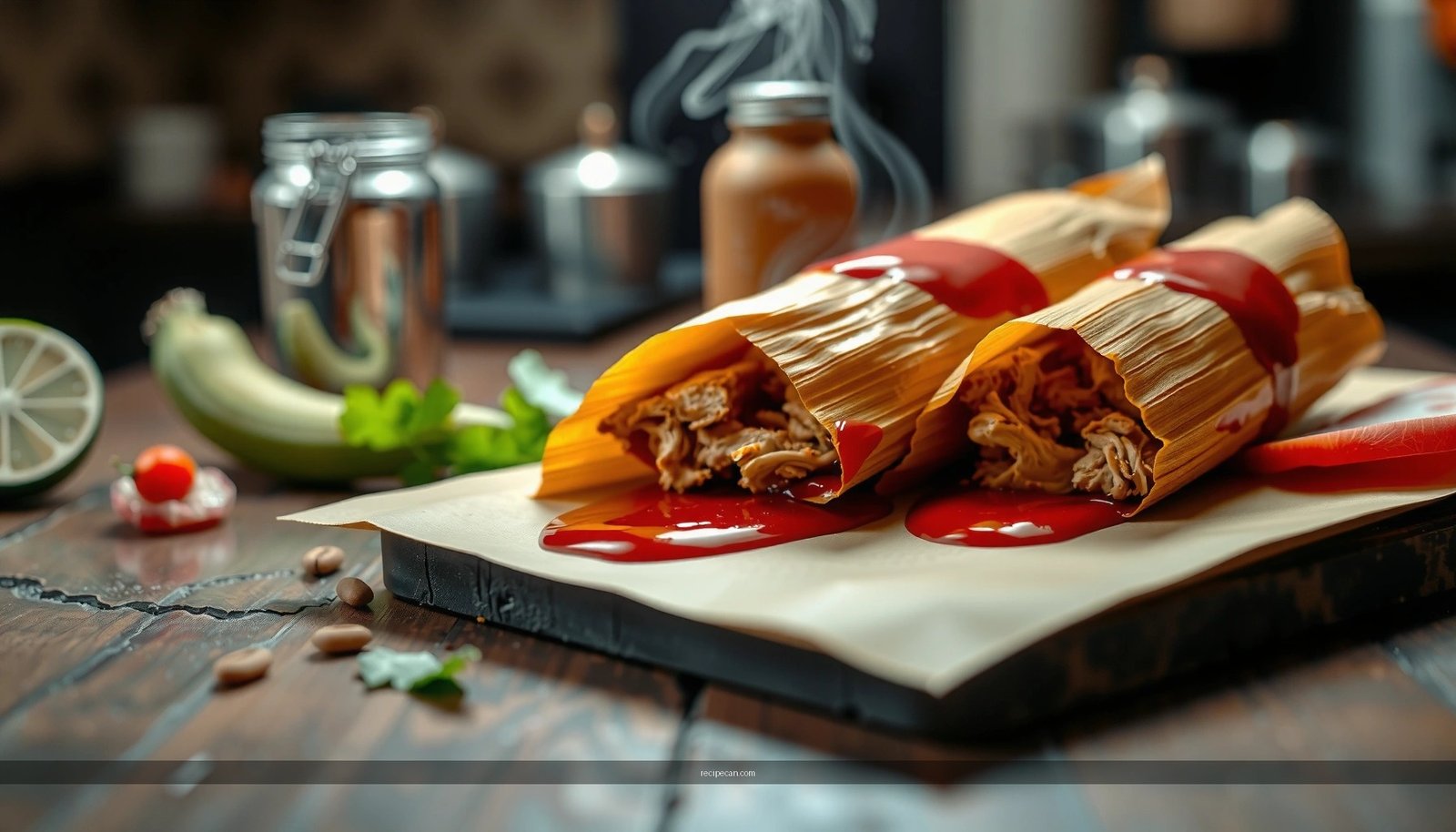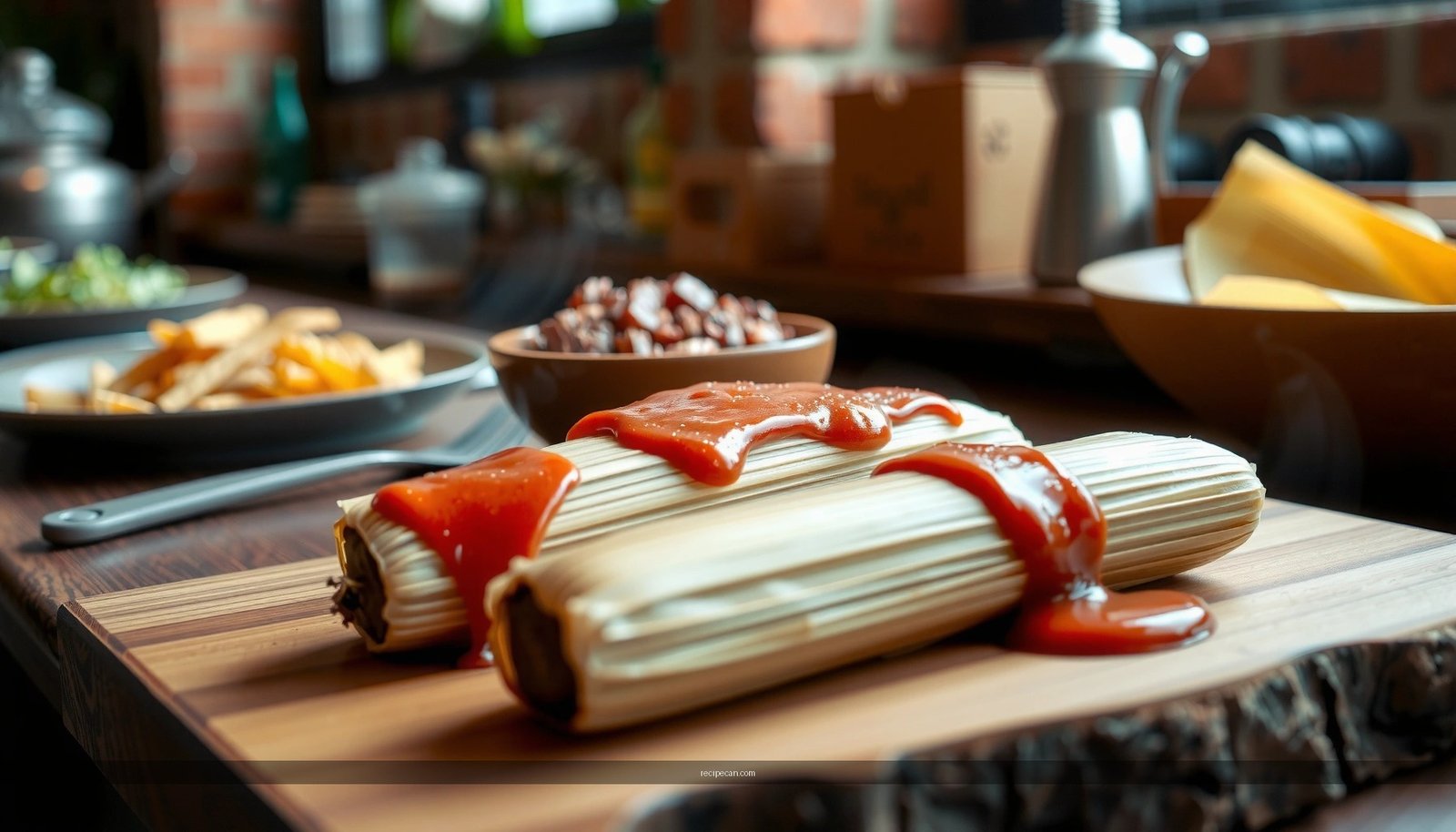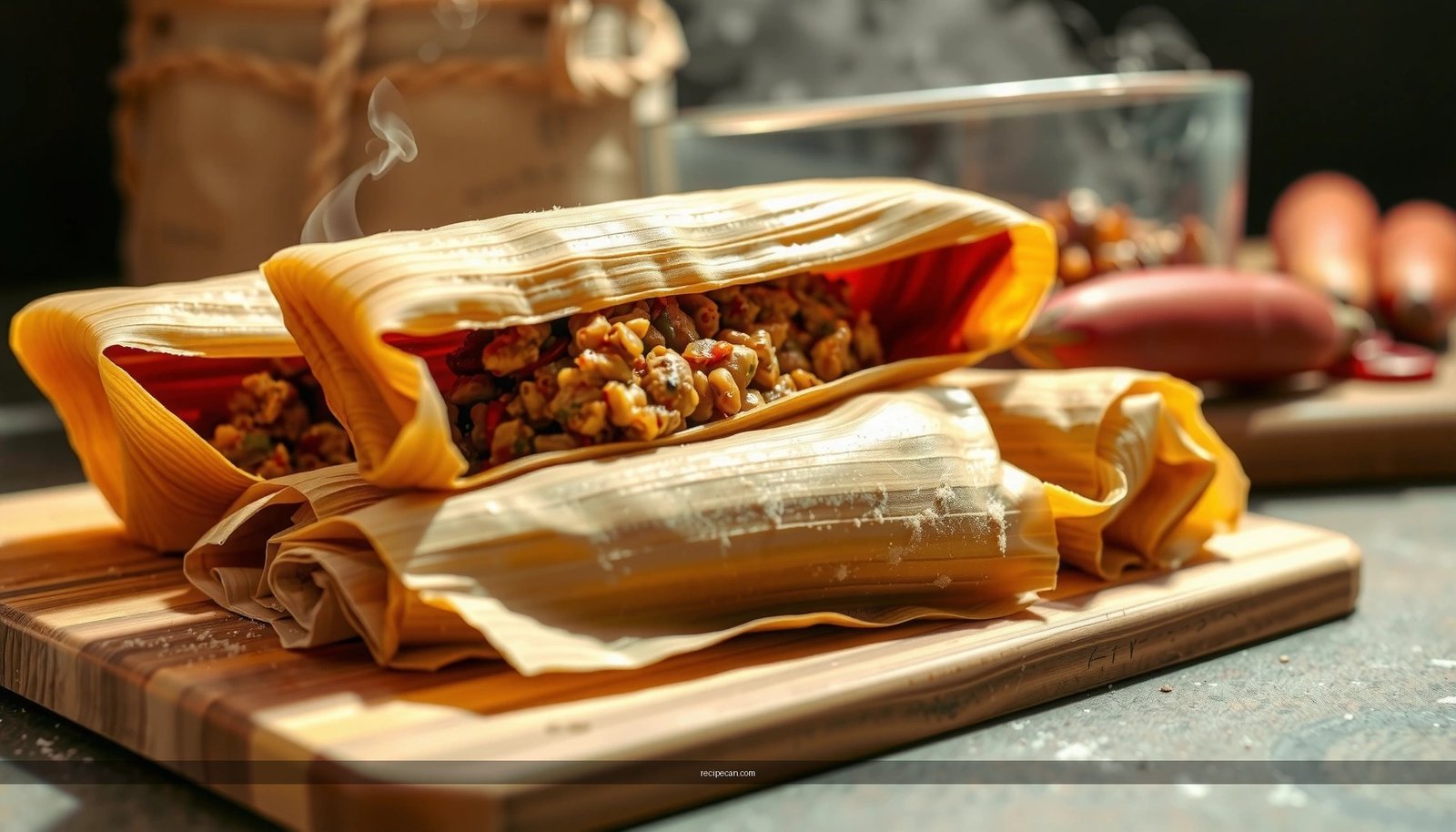
If you want classic pork tamales recipes that reliably turn out tender masa and flavorful, juicy filling, this is the guide that delivers. You’ll get a step-by-step method for making pork tamales with well-seasoned pork, properly prepared corn masa, and the right cooking technique so they steam through without drying out. Follow these instructions and you’ll know exactly how to make pork tamales the traditional way—without guesswork.
Pork tamales are made by steaming tender, seasoned pork inside spreadable masa until the corn dough is fully set and each tamale releases cleanly—so your results depend on two things: masa texture and steady steam. In this guide, you’ll learn an easy, classic pork filling, how to prepare masa for the right consistency, and a reliable steaming process so your pork tamales come out right every time—even if you’re making them ahead.
In-depth tamale cooking is equal parts craft and technique. Traditional results aren’t about secret shortcuts; they come from controlling moisture (broth and fat in the masa), flavor distribution (seasoned pork plus chile depth), and heat transfer (enough water to generate consistent steam). Use the method below as a repeatable framework, then adjust salt, chile heat, and spice balance to match your household’s preferences.
Pork Tamales Ingredients You’ll Need
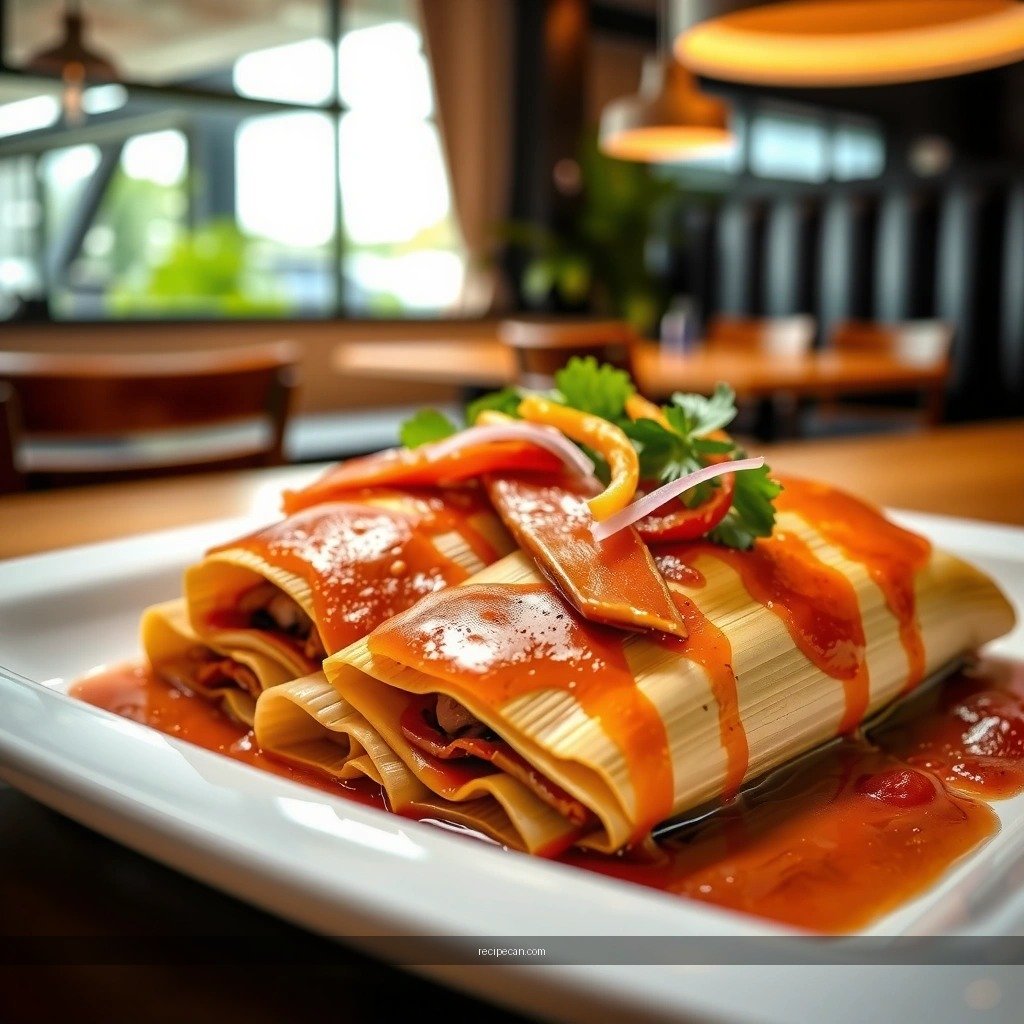
– Gather masa harina, lard (or substitute), broth, and tamale wrappers
– Collect pork, onion, garlic, and dried chiles for a classic savory flavor
Classic pork tamales don’t require fancy equipment, but they do require the right inputs. Here’s what to gather so you can focus on technique rather than troubleshooting mid-batch.
Masa essentials
– Masa harina (corn flour): This is the foundation of authentic tamales. Use *masa harina for tamales* (not instant cornmeal or fresh corn masa).
– Fat (lard recommended): Lard gives masa tenderness and a rich, traditional flavor. If you substitute, expect a slightly different mouthfeel.
– Broth (warm): Use warm pork broth or chicken broth to hydrate masa evenly. Warm liquid helps prevent lumps and creates a smoother spread.
Wrapper + steam setup
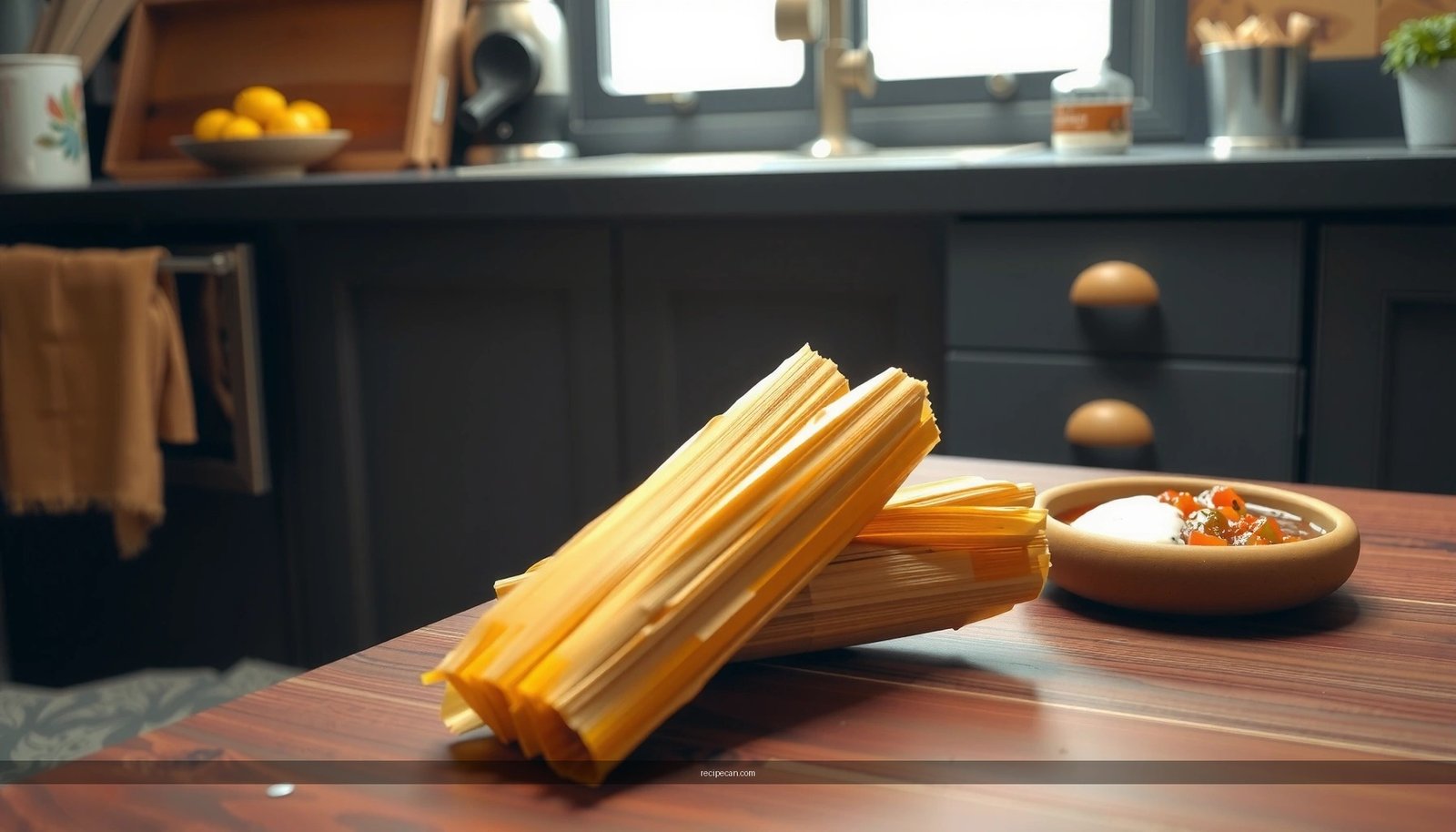
– Tamale wrappers: Corn husks are classic, but you can also use banana leaves (regional preference). If using corn husks, soak until pliable so they don’t tear.
– Steamer: A large stockpot with a steamer insert works well. The key is consistent steam, not boiling water.
Pork filling basics
– Pork shoulder or butt (best balance of fat + shredability)
– Onion + garlic for savory depth
– Dried chiles to build chile sauce flavor (mild-to-medium heat is typical for classic profiles)
– Salt + aromatics (and optional spices like cumin or oregano depending on your family style)
Best pork cut for classic tamales (quick decision aid)
Pork Cuts for Tamales: Shredding Ease & Flavor (Practical Benchmarks)
| # | Pork Cut | Shred-Ready Cook Time* | Fat/Flavor Contribution | Overall Suitability |
|---|---|---|---|---|
| 1 | Pork shoulder (Boston butt) | 2.5–3.5 hrs | High | ★★★★★ (5/5) |
| 2 | Pork picnic shoulder | 2.5–3.5 hrs | High | ★★★★☆ (4/5) |
| 3 | Pork blade roast | 2.5–3.0 hrs | Medium-High | ★★★★☆ (4/5) |
| 4 | Pork belly (cooked + shredded) | 2.0–2.5 hrs | Very High | ★★★☆☆ (3/5) |
| 5 | Pork ribs (meaty cut) | 2.0–3.0 hrs | Medium | ★★★☆☆ (3/5) |
| 6 | Pork loin / center loin | 1.5–2.0 hrs | Low | ★★☆☆☆ (2/5) |
| 7 | Pork tenderloin | 30–60 min | Very Low | ★☆☆☆☆ (1/5) |
\Cook times assume braising/simmering in seasoned liquid until the pork shreds with little resistance. Thicker cuts and altitude can extend times.
Why this matters: tamales rely on a pork filling that stays juicy through long steam exposure. Leaner cuts dry out, while shoulder-based cuts maintain moisture and shred cleanly.
Prepare the Pork Filling
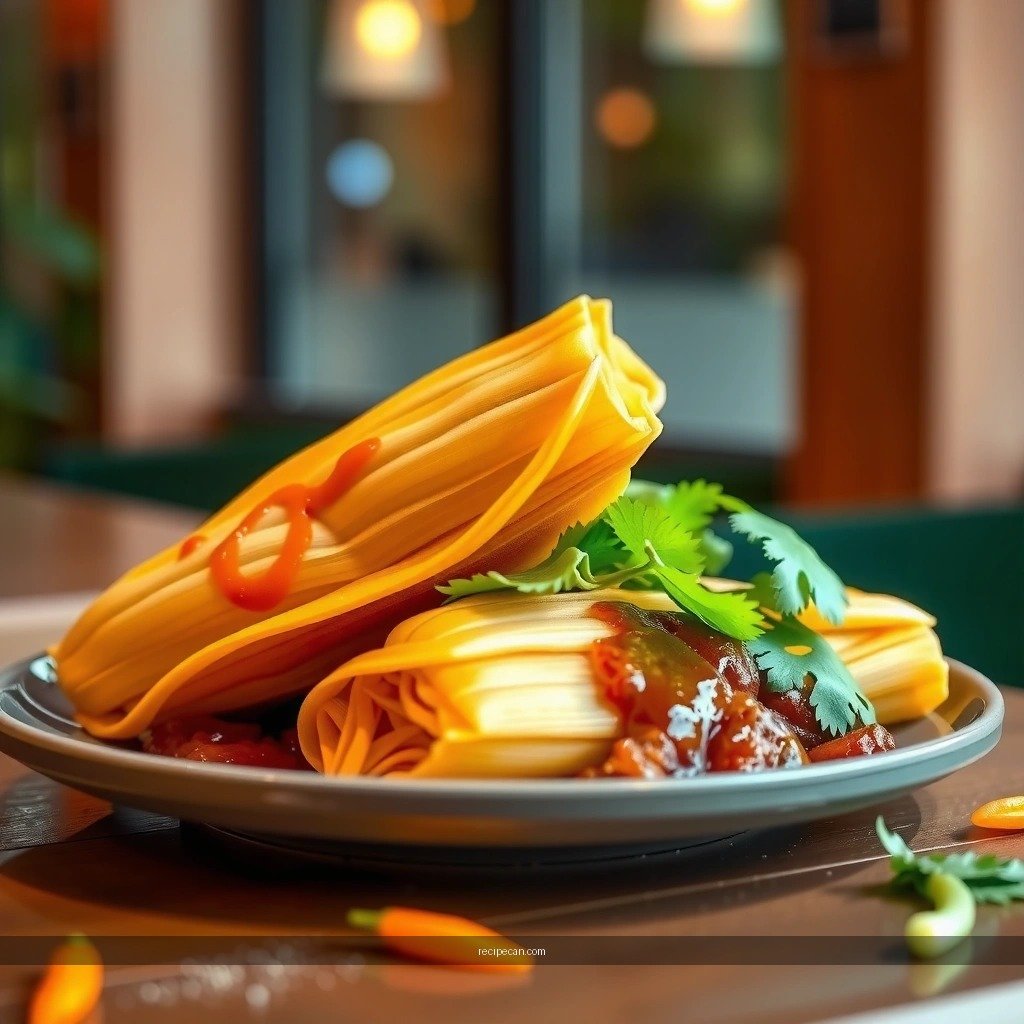
– Cook pork until tender, then shred and season to taste
– Simmer the filling with chile sauce and aromatics for rich depth
A classic pork tamale filling is built in layers: braise for tenderness, shred for texture, then simmer with chile sauce so every strand carries flavor.
1) Braise the pork for shredding texture
1. Brown (optional but helpful): Searing pork shoulder briefly improves flavor through browning.
2. Simmer gently: Add aromatics like onion and garlic plus enough broth or water to cover the meat partially to fully.
3. Cook until shreddable: You’re aiming for meat that breaks down easily when pressed or pulled with a fork.
Quality check: If the pork fibers still resist shredding, continue simmering in 15–20 minute increments. Overcooking beyond shreddable tenderness usually isn’t a big problem for shoulder—fat renders and connective tissue melts.
2) Build chile sauce depth
For a classic savory profile, dried chiles provide earthiness and color.
– Toast lightly (optional): A brief toast to wake up dried chiles.
– Rehydrate: Simmer or soak until pliable.
– Blend or grind: Combine chiles with some broth and aromatics, then strain for a smoother sauce if you want a refined texture.
3) Shred and simmer together
– Shred the pork into small strands or thicker flakes depending on your preference.
– Return pork to the pot with chile sauce and simmer 10–20 minutes. This step is where flavor distribution becomes even.
– Season to taste: Salt is often the final adjustment. Chile sauces frequently taste “almost right” until salt brings up the savory backbone.
Actionable tip: If your filling looks oily on top after simmering, skim gently or simmer a bit longer to emulsify sauce into the meat.
Make the Masa for Tamales
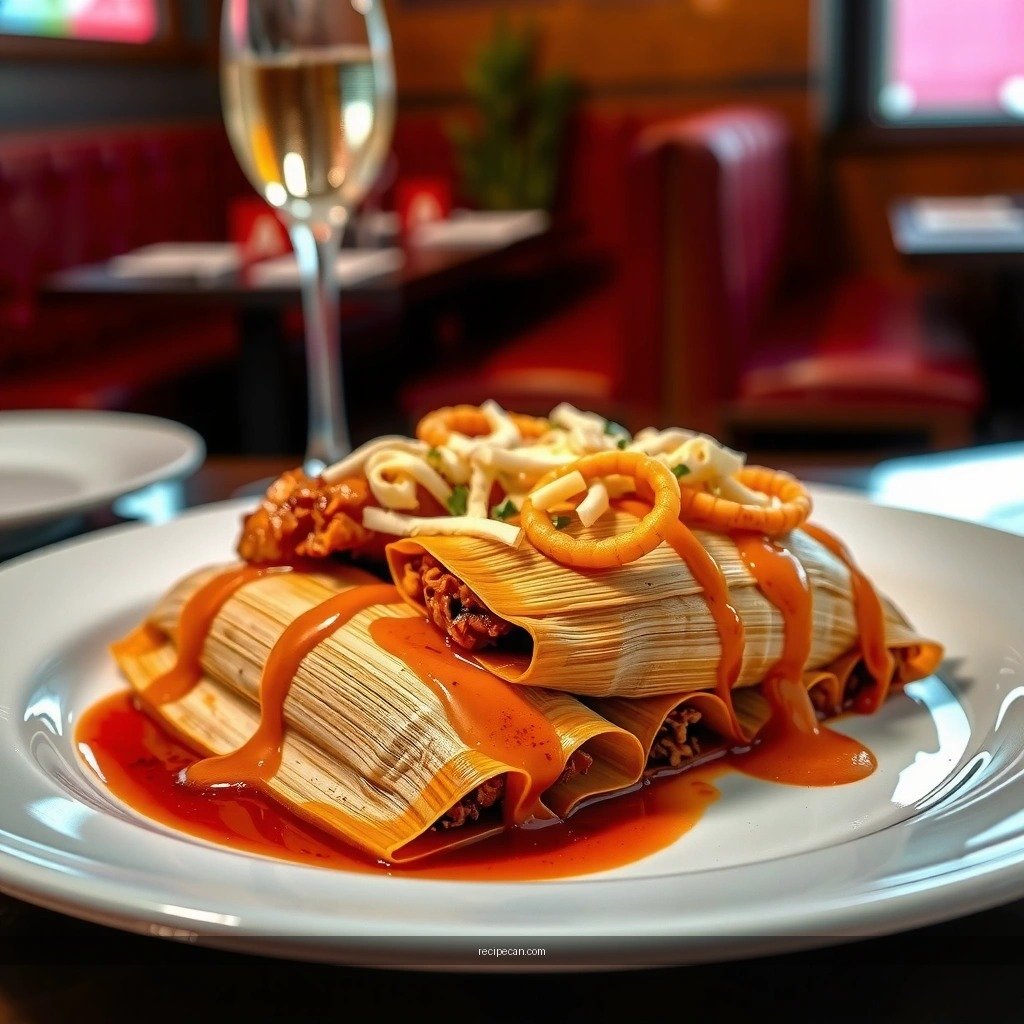
– Mix masa harina with warm broth and fat until spreadable
– Check readiness: it should hold shape and spread without cracking
Masa is not just ingredients—it’s engineering. The goal is a smooth dough that spreads easily on wrappers and sets properly during steaming.
1) Hydrate evenly
1. In a large bowl, mix masa harina with warm broth and fat (lard).
2. Stir thoroughly until there are no dry pockets.
3. Rest briefly (10–20 minutes). Hydration continues; this helps texture become more cohesive.
Why warm broth matters: It hydrates masa harina more evenly and reduces lumps.
2) Confirm fat and consistency
Your masa should be:
– Soft but structured—able to hold shape when spread
– Spreadable without tearing wrappers
– Not runny (runny masa leads to thin, uneven tamales)
Readiness test (practical):
– If you lift a spoonful, it should drop slowly and still look thick.
– If you spread it on the wrapper, it should stay put and not crack when pressed gently.
If masa cracks when spread, it usually needs a bit more moisture (a small splash of warm broth). If it spreads too easily and looks glossy or watery, reduce liquid next time or let the rested dough firm up slightly.
3) Seasoning discipline
Classic masa benefits from subtle seasoning:
– Salt balance: Too little salt gives bland tamales; too much can overpower chile-forward fillings.
– Fat amount: Lard improves tenderness and mouthfeel. Substitutes can work, but expect a different texture—adjustments may be needed.
Assemble Pork Tamales Step-by-Step
– Spread masa evenly on wrappers and add a generous spoonful of pork filling
– Fold and secure tightly so tamales steam evenly
Assembly is where consistency determines whether your tamales steam evenly and slice cleanly.
1) Wrapper prep
– Corn husks should be pliable and not crisp.
– Tear or trim any tough edges so folded tamales seal neatly.
2) Spread the masa with control
– Spread masa thin-to-medium thickness—thicker in the center than at edges helps prevent tearing.
– Aim for an even surface so steam penetrates uniformly.
Pro control tip: Use a spoon or small offset spatula and rotate wrappers as you spread.
3) Add filling without bursting
– Place a generous spoonful of pork filling on the masa.
– Avoid overfilling; too much filling can push masa apart during folding or create uneven steam pockets.
4) Fold and secure tightly
– Fold according to your wrapper style (traditional straight fold or tied roll).
– Tie with kitchen string if needed to prevent opening during steaming.
Common failure point: loose wrapping leads to masa expanding and separating. Tight folds improve structure and reduce breakage.
Steam Pork Tamales (Timing + Tips)
– Arrange tamales upright with enough water to generate consistent steam
– Steam until masa is set and tender; rotate/adjust as needed
Steaming is the “final transformation.” You’re essentially baking corn dough with steam, and the environment must stay stable.
1) Arrange for even heat transfer
– Stand tamales upright or in a configuration that allows steam circulation.
– Add water to the steamer base, making sure it’s enough to produce steam throughout the cook time.
– Avoid boiling water contact; aggressive boiling can cause wrappers to loosen or masa to cook unevenly.
2) Manage time and doneness
Typical timelines depend on tamale size and starting temperature (room temp vs chilled).
– Begin steaming and then check periodically once you’re nearing the expected range.
– Rotate/adjust the arrangement during long cooks so the top and sides don’t overcook while center tamales lag behind.
Doneness indicators:
– Masa looks set and holds structure.
– Tamales feel tender when unwrapped and the masa no longer looks raw.
– Wrappers release more cleanly.
3) If tamales aren’t done yet
Don’t rush—continue steaming in 10–15 minute increments.
– Re-check water level to maintain a consistent steam environment.
– If wrappers appear too wet, increase steam control by adding water more carefully (or adding pre-warmed water rather than cold).
Make-ahead strategy: Steam once, cool, and re-steam briefly later to serve if you prefer. This allows you to manage timing for events.
Serving, Storage, and Reheating
– Serve with salsa, crema, or extra chile sauce
– Store in the fridge or freeze, then reheat by steaming or warming gently
Pork tamales hold up exceptionally well because masa and filling are designed for steaming and reheat cycles.
1) Serve for maximum flavor
Classic pairings:– Red or roasted salsa for acidity and brightness
– Mexican crema or crema fresca for balance and creaminess
– Extra chile sauce (especially if your filling sauce is mild)
Serve warm, ideally within the first 1–2 hours after steaming for best masa texture.
2) Storage for best quality
– Refrigerator: Cool tamales completely, then store in an airtight container. Consume within about 3–5 days for best flavor and texture.
– Freezer: Wrap individually (or in layers) and store airtight. Tamales typically keep well for up to 2–3 months.
3) Reheating without drying
The goal is to reheat thoroughly while preserving masa softness.
– Best method: Steam again until hot throughout.
– Alternative: Microwave on a damp paper towel, but check frequently—microwaves can dry masa faster if not covered.
Actionable tip: If reheating from frozen, steam a bit longer than you would for refrigerated tamales, and ensure steam reaches the center.
Pork tamales recipes are all about tender pork filling, smooth masa, and steady steaming. Follow the ingredient checklist, nail the masa texture, and steam until the masa is fully set—then enjoy immediately or save for later. Try this method next batch and tweak the seasoning to make it your own, whether you prefer chile-forward intensity or a milder, family-friendly profile.
Frequently Asked Questions
What cut of pork is best for pork tamales?
Pork shoulder (also called pork butt) is usually the best choice because it stays juicy during the long steaming time and becomes tender enough to shred. Pork leg or picnic roast can also work well, especially if you want a slightly leaner filling. For the most flavorful pork tamales, cook the pork until it easily pulls apart, then mix it with your salsa or chile sauce.
How do you make pork tamales with tender, flavorful shredded pork?
Start by braising the pork in a pot with broth, garlic, onion, and spices until it’s fork-tender. Shred the pork, then combine it with red chile sauce (like guajillo or ancho-based sauce) and simmer briefly so the masa absorbs the flavor. Season to taste before assembling, because the filling is what gives most pork tamales their “rich” taste.
Why do my pork tamales turn out dry or tough, and how can I fix it?
Dry tamales are often caused by undercooking the pork filling, not enough fat in the masa, or steaming too briefly. Make sure you use a proper masa harina and beat the masa until it’s light and spreadable (many cooks rely on the “float test” for consistency). Steam pork tamales long enough until the masa pulls away slightly from the husk and the centers are fully set.
Which red chile sauce is best for pork tamales?
A classic choice is guajillo and ancho chile sauce because it delivers a balanced mild-to-medium heat and rich, smoky flavor. If you want deeper complexity, blend in a small amount of chipotle for warmth without overpowering the pork tamales. Toasting dried chiles briefly before soaking and blending can improve flavor and help the sauce thicken naturally.
How long should you steam pork tamales, and how do you know they’re done?
Most pork tamales take about 1 to 1.5 hours to steam, depending on tamale size and how hot your steamer runs. Check doneness by opening a tamale: the masa should look set and not be wet or gummy, and it should peel away from the husk more easily. If they need more time, continue steaming in 10–15 minute intervals with a lid and consistent steam.
References
- Google Scholar Google Scholar
https://scholar.google.com/scholar?q=pork+tamales+recipe - https://scholar.google.com/scholar?q=how+to+make+tamales+masa+nixtamalization Google Scholar
https://scholar.google.com/scholar?q=how+to+make+tamales+masa+nixtamalization - Google Scholar Google Scholar
https://scholar.google.com/scholar?q=traditional+tamale+preparation+steaming+meat+filling - Tamale
https://en.wikipedia.org/wiki/Tamale - https://www.britannica.com/topic/tamale
https://www.britannica.com/topic/tamale - Food Safety | Food Safety | CDC
https://www.cdc.gov/foodsafety/ - https://pubmed.ncbi.nlm.nih.gov/?term=tamale
https://pubmed.ncbi.nlm.nih.gov/?term=tamale - Google Scholar Google Scholar
https://scholar.google.com/scholar?q=pork+tama%20les+nixtamalization - Google Scholar Google Scholar
https://scholar.google.com/scholar?q=pork+tamales+recipes - pork tamales recipes – Search results
https://en.wikipedia.org/wiki/Special:Search?search=pork+tamales+recipes