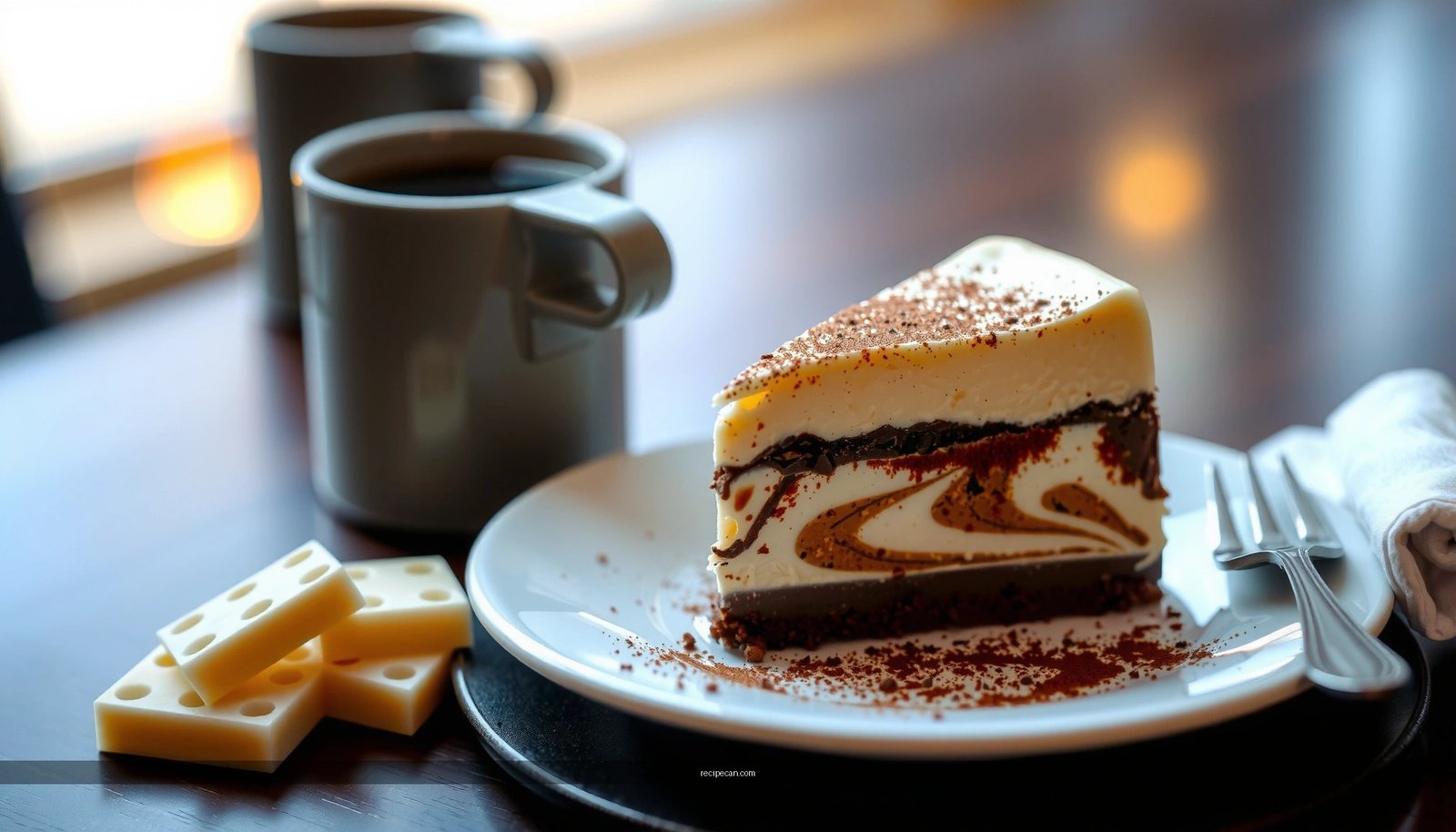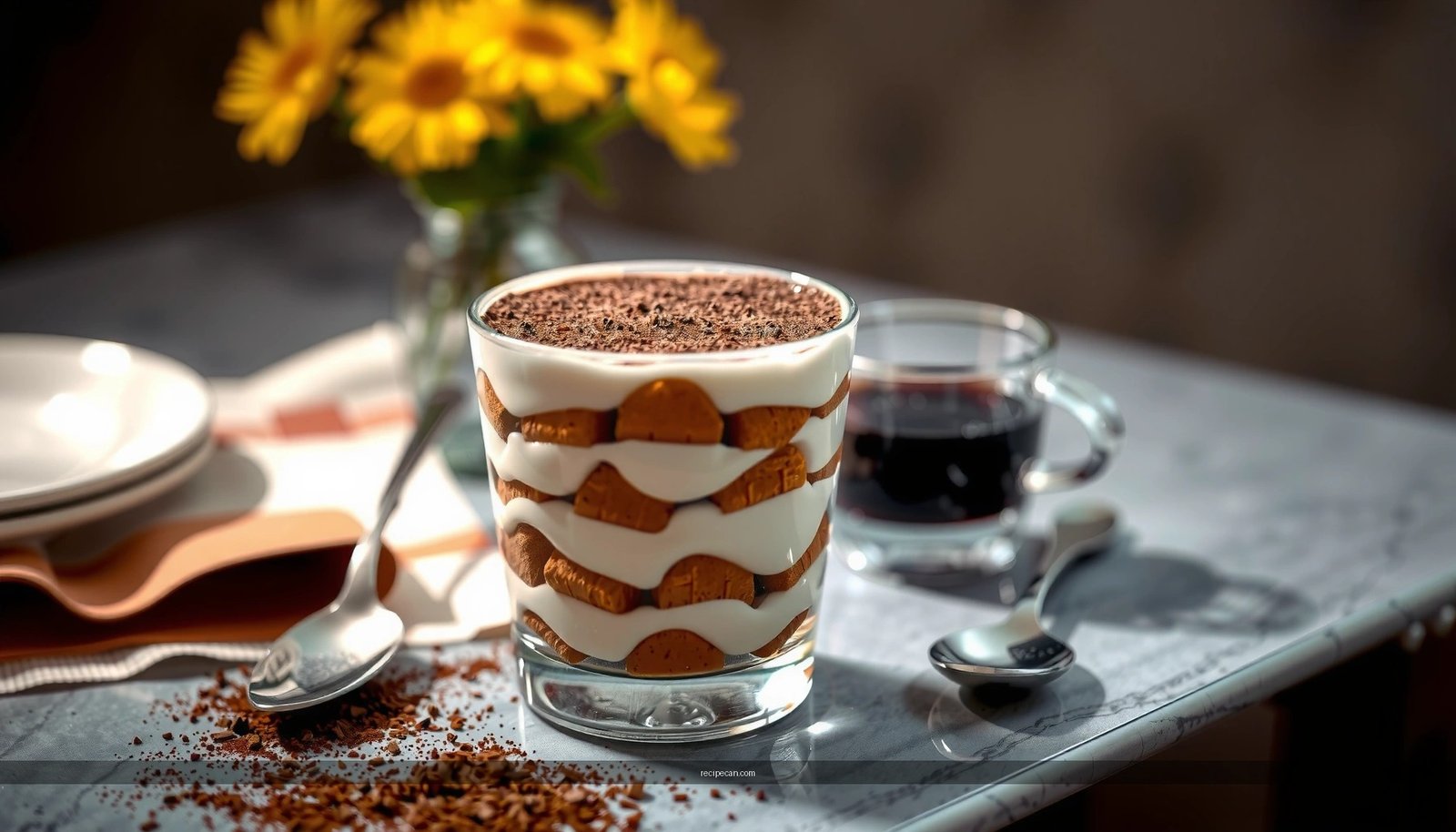
Find out how to make an Olive Garden tiramisu recipe at home that tastes like the original without the restaurant wait. This copycat version delivers the winning combination—coffee-soaked layers, creamy mascarpone-style filling, and a cocoa finish—in a straightforward step-by-step format. If you want the best “Olive Garden tiramisu” payoff for time and effort, this is the one to follow.
If you want an Olive Garden-style tiramisu that tastes like the restaurant—without complicated techniques—focus on two things: a smooth mascarpone cream and a properly cooled espresso soak. This easy copycat tiramisu recipe layers ladyfingers and coffee into a creamy, espresso-soaked dessert that sets in the fridge for clean slices and classic “set bite.”
This guide walks you through ingredient choices, espresso strength, layer assembly, and chill timing—so you can reliably reproduce that signature balance of coffee bitterness, sweet cream richness, and light vanilla aroma.
Olive Garden-Style Tiramisu Ingredients
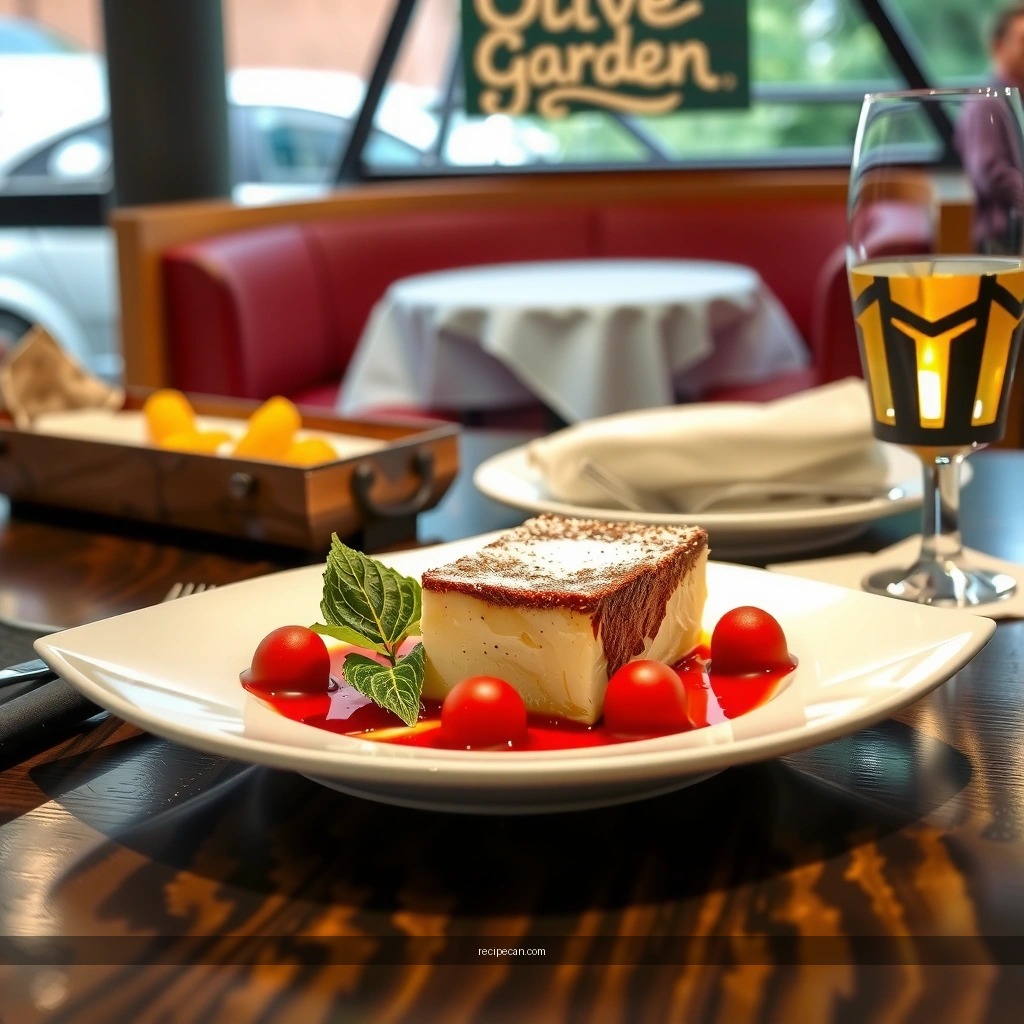
A dependable tiramisu starts with the right components and a few “quality levers.” You don’t need a restaurant kitchen, but you do want ingredients that behave predictably when layered and chilled.
What to prioritize:
– Espresso (or strong coffee) + coffee liqueur: For signature tiramisu flavor, use espresso if possible. If you don’t have an espresso machine, brew strong coffee (a smaller grind or higher coffee-to-water ratio helps). Coffee liqueur adds warmth and depth, even in small amounts.
– Mascarpone, sugar, eggs, and whipped cream: The creamy base is the defining texture. Mascarpone provides the tangy, luxurious dairy flavor; sugar balances the espresso; eggs help thicken and stabilize; whipped cream adds lightness.
– Ladyfingers (savoiardi): Choose crisp, not overly soft cookies so they hold up to quick dipping. They should bend slightly but not collapse.
Ingredient checklist for an easy, home-friendly build (about a 9×13-inch pan):
– 2 cups strong espresso (cooled) or strong coffee
– 2–3 tbsp coffee liqueur (optional but recommended)
– 6 large eggs (separated)
– 1 cup sugar, divided (or to taste)
– 16 oz mascarpone
– 1 cup heavy cream (for whipping)
– 1 tsp vanilla extract (optional but common in “restaurant-style” versions)
– 1 package ladyfingers (typically ~24–32, depending on how you layer)
Quick “quality lever” note (for best results)
If your mascarpone is very stiff, you may need a few minutes at cool room temperature to loosen it slightly before mixing. Conversely, if it’s too warm, the cream can loosen and won’t hold clean layers after chilling.
Tiramisu Performance by Espresso Strength (Bite & Slice Quality)
| # | Brew Style (1 cup) | Taste Intensity | Soak Control | Set & Slice Cleanliness | Verdict |
|---|---|---|---|---|---|
| 1 | Single espresso shot | Very high | Fast (dip 1–2 sec) | Excellent | ★★★★★ |
| 2 | Strong coffee (2x grounds) | High | Good (dip 2–3 sec) | Very good | ★★★★☆ |
| 3 | Standard drip coffee | Medium | Risky (dip 2–4 sec) | Good | ★★★☆☆ |
| 4 | Coffee + extra water | Low | Harder to control | Slightly soft | ★★☆☆☆ |
| 5 | Decaf espresso | Medium-High | Good (dip 1–3 sec) | Very good | ★★★★☆ |
| 6 | Cold brew (regular) | Medium | Good (dip 2–4 sec) | Good | ★★★☆☆ |
| 7 | Instant coffee (weak) | Low | Inconsistent | Soft/spotty | ★☆☆☆☆ |
Make the Espresso Soak
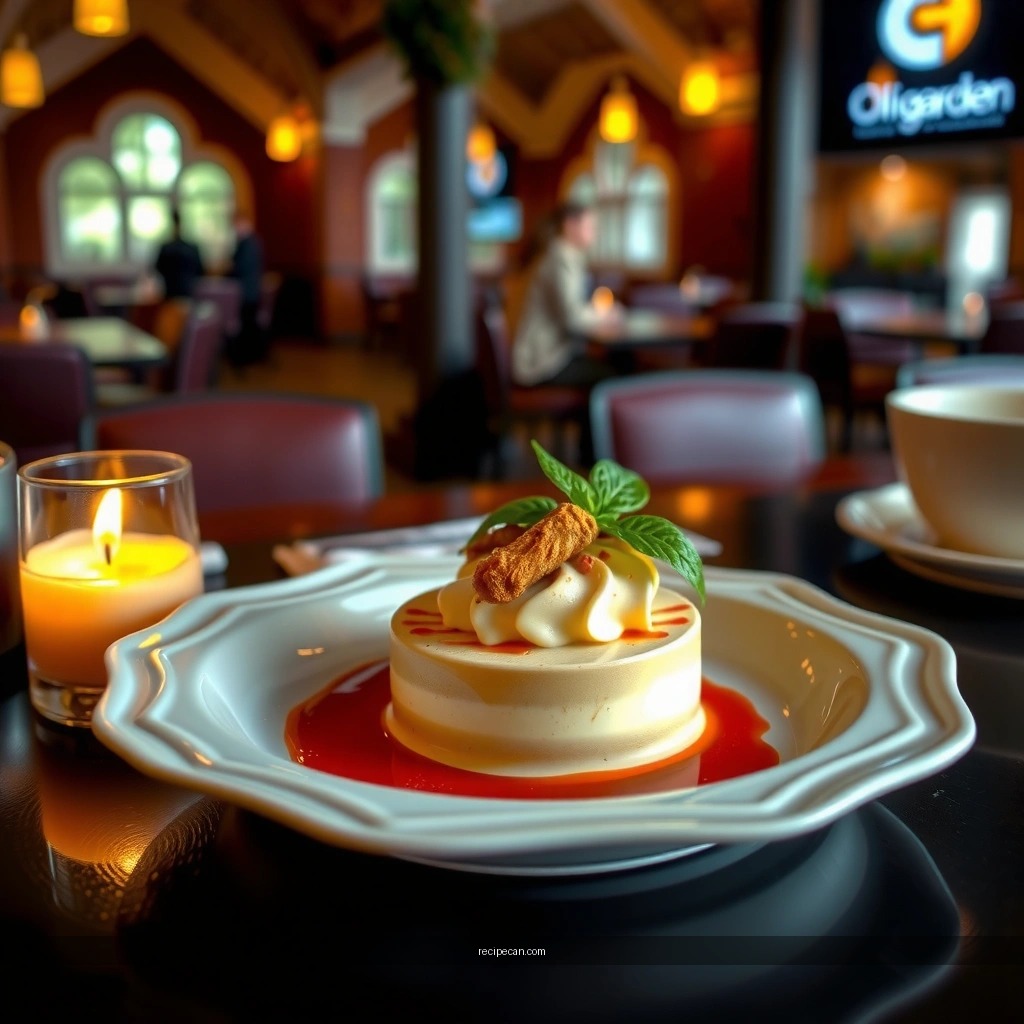
The soak is where tiramisu succeeds or fails. Too weak, and the dessert tastes sweet and creamy without the signature coffee punch. Too hot—or soaked too long—and the ladyfingers break down into a muddy layer.
How to get it right:
1. Brew coffee strong. Use espresso or “double strength” coffee. Aim for a flavor that still tastes bold after it’s diluted by soaking.
2. Cool it before dipping. Let the espresso cool until it’s warm or room temperature—usually 10–20 minutes depending on your kitchen. Hot coffee can accelerate softening and can also loosen the cream slightly, throwing off layer integrity.
3. Add coffee liqueur thoughtfully. Stir in 2–3 tablespoons for depth. If you prefer an alcohol-free version, skip it; consider adding a pinch of cinnamon or a touch of vanilla to mimic warmth.
Recommended dipping technique (a key technique, not optional):
– Dip each ladyfinger briefly, about 1–2 seconds per side (strong espresso) or 2–3 seconds (strong coffee).
– You want the exterior saturated enough to flavor the bite, but not so wet that the cookie turns to paste.
Analytical note:
Ladyfingers are porous and absorb quickly. The longer they sit, the more water and sugars they release later. That’s why “quick dips” preserve a structured, sliceable tiramisu.
Prepare the Tiramisu Cream

The mascarpone cream is the texture center of gravity. It should be smooth, thick enough to hold peaks, and light enough to layer without clumps or heaviness.
A reliable method for classic texture:
– Whip yolks + sugar: Beat egg yolks with sugar until the mixture is paler and slightly thickened.
– Add mascarpone: Mix in mascarpone until smooth. Scrape the bowl to prevent lumps.
– Whip cream separately: Whip heavy cream to a soft peak stage.
– Fold gently: Combine whipped cream with the mascarpone mixture by folding, not stirring aggressively. If you overmix, you can deflate the air and end up with a denser, less “aerated” cream.
How to avoid common cream failures:
– Lumpy mascarpone: Warm slightly and mix thoroughly before folding in whipped cream.
– Cream too runny: Chill briefly (10–15 minutes) if it becomes loose while you’re assembling.
– Overmixed texture: Stop folding once uniform. The goal is “marbled smoothing,” not vigorous blending.
If you want an even more “copycat” feel, keep your creaming process controlled: the cream should feel thick enough that when you spread it, it leaves ridges that settle slowly.
Layering for the Best Texture
Layering determines how cleanly your tiramisu slices and how the flavors distribute per bite. Even layers also reduce “coffee pools” and ensure every forkful tastes balanced.
Layering approach:
– Line the dish and start with a thin layer of cream.
– Alternate ladyfingers and cream, repeating until you reach the top.
– Finish with cream and—optionally—an even dusting of cocoa powder.
Oversoaking is the main enemy:
Oversoaked ladyfingers collapse and can create a wet bottom layer. If that happens, you’ll see it when slicing: a softer center and uneven structure.
Practical assembly tip:
– Work in batches. Dip, arrange, add cream—then move to the next row. If you dip a whole stack and wait, the cookies will absorb and soften unevenly.
Serving intent:
For best “set bite,” aim for layers that are moist but not wet. When chilled, the espresso disperses through the cream and cookie over time, producing that classic tiramisu flavor progression.
Chill Time and Serving Tips
Tiramisu isn’t a dessert you rush. The fridge is where the components harmonize: coffee flavors distribute, the cream firms, and the structure stabilizes for clean portions.
Chill timeline:
– Minimum: 4 hours (for partial set)
– Best: 6–24 hours (classic results, more cohesive flavor)
Serving and slicing technique:
– Use a clean, sharp knife.
– Wipe the blade between cuts (a quick paper towel wipe). This prevents cocoa and cream smearing, and it keeps edges crisp.
– Let it sit at refrigerator temperature for 5–10 minutes before serving if your cream feels very firm.
Professional presentation tip:
If you’re bringing tiramisu to a gathering, slice just before serving and keep it chilled. This avoids the common problem of softening edges while waiting.
Tiramisu Timing Targets for Clean Slices
| # | Stage | Target Time | Why It Matters | Expected Outcome |
|---|---|---|---|---|
| 1 | Cool espresso | 10–20 min | Protects texture | Balanced soak |
| 2 | Dip and layer | 20–30 min | Avoids oversaturation | Firm structure |
| 3 | Minimum chill (set) | 4 hrs | Initial stabilization | Partial clean cuts |
| 4 | Best chill (flavor) | 6–24 hrs | Flavor cohesion | Classic tiramisu bite |
Common Mistakes to Avoid
Even small deviations can change tiramisu from “restaurant-like” to merely “decent.” Here are the most common issues—and why they happen.
– Skipping proper cooling
If espresso is hot, ladyfingers soften too quickly. The cream may feel looser and layers can blend. Solution: cool espresso to warm/room temperature before dipping.
– Not chilling long enough
Tiramisu needs time to set. After only 1–2 hours, you may get a dessert that tastes good but slices poorly and looks runny. Solution: plan at least 4 hours, ideally overnight.
– Oversoaking ladyfingers
If the cookies sit in coffee longer than a quick dip, they release excess moisture and sugar. This leads to uneven texture—dry edges with wet centers. Solution: dip quickly and assemble immediately.
– Overmixing the cream
Aggressive stirring collapses whipped air. The result is a heavier, less creamy mouthfeel. Solution: fold gently until uniform.
– Using weak coffee
If the espresso is bland, the whole dessert tastes like sweet cream. Solution: brew strong coffee or espresso and taste it before soaking; it should taste noticeably bold on its own.
Conclusion
This Olive Garden tiramisu recipe comes together quickly, and the real magic is in the cream texture, careful layering, and proper chilling. Use strong, cooled espresso; dip ladyfingers only briefly; fold the mascarpone mixture gently; and refrigerate long enough for the classic set bite. Make it this week, slice with a clean knife wipe between cuts, and serve cold—then adjust sweetness or coffee intensity to create your own go-to copycat dessert.
Frequently Asked Questions
What is the Olive Garden tiramisu recipe and what makes it taste like the restaurant version?
Olive Garden tiramisu is a layered dessert made with espresso-soaked ladyfingers (or sponge cake), mascarpone-style cream, and a dusting of cocoa powder. The signature flavor comes from the balance of strong coffee, creamy filling, and the light, airy texture that comes from properly folded dairy. Using espresso (or strong brewed coffee) and letting the layers chill is key to getting that classic tiramisu feel.
How do you make Olive Garden tiramisu at home step by step?
Start by brewing strong espresso and soaking ladyfingers briefly so they’re moistened but not soggy. Next, whisk mascarpone (or cream cheese-based filling), sugar, and eggs (or an egg-free substitute) until smooth, then fold in whipped cream for a lighter texture. Layer soaked ladyfingers, the tiramisu cream, and repeat, then chill until set and finish with a generous cocoa dusting. This chilling step helps the flavors meld and gives the dessert its clean, sliceable layers.
How can you prevent runny or soggy layers when making Olive Garden tiramisu?
The most common issue is over-soaking the ladyfingers—dip them for just a moment and let excess drip off before layering. Make sure your tiramisu filling is thick enough by using properly chilled dairy and folding whipped ingredients gently to maintain structure. Finally, refrigerate long enough (typically several hours) so the cream firms and the tiramisu holds its shape.
Why does Olive Garden tiramisu need to chill, and how long should you refrigerate it?
Chilling allows the coffee-soaked layers to absorb flavor evenly and gives the mascarpone cream time to set up, which prevents a watery texture. For best results, refrigerate at least 4–6 hours, and overnight if you can, since tiramisu tastes more integrated the next day. When it’s ready, you should be able to cut clean slices without the layers sliding.
What’s the best coffee substitute for an Olive Garden tiramisu recipe if you don’t have espresso?
If you don’t have espresso, use strong brewed coffee, such as dark roast, and reduce it slightly so it’s more concentrated. You can also use instant espresso powder mixed into hot water to mimic the flavor intensity used in classic tiramisu. Avoid using weak or overly flavored coffee drinks, since they can dilute the balance of the Olive Garden tiramisu cream and cocoa.
References
- Tiramisu
https://en.wikipedia.org/wiki/Tiramisu - Tiramisu | Meaning, Ingredients, Origin, Desserts, & Taste | Britannica
https://www.britannica.com/topic/tiramisu - Google Scholar Google Scholar
https://scholar.google.com/scholar?q=Olive+Garden+Tiramisu+recipe - Google Scholar Google Scholar
https://scholar.google.com/scholar?q=Olive+Garden+tiramisu - Google Scholar Google Scholar
https://scholar.google.com/scholar?q=tiramisu+recipe+mascarpone+coffee+egg - https://pubmed.ncbi.nlm.nih.gov/?term=tiramisu
https://pubmed.ncbi.nlm.nih.gov/?term=tiramisu - tiramisu – Search Results – PMC
https://www.ncbi.nlm.nih.gov/pmc/?term=tiramisu - https://www.sciencedirect.com/search?qs=tiramisu
https://www.sciencedirect.com/search?qs=tiramisu - Google Scholar Google Scholar
https://scholar.google.com/scholar?q=tiramisu+ladyfingers+recipe - Google Scholar Google Scholar
https://scholar.google.com/scholar?q=coffee+mascarpone+tiramisu+preparation