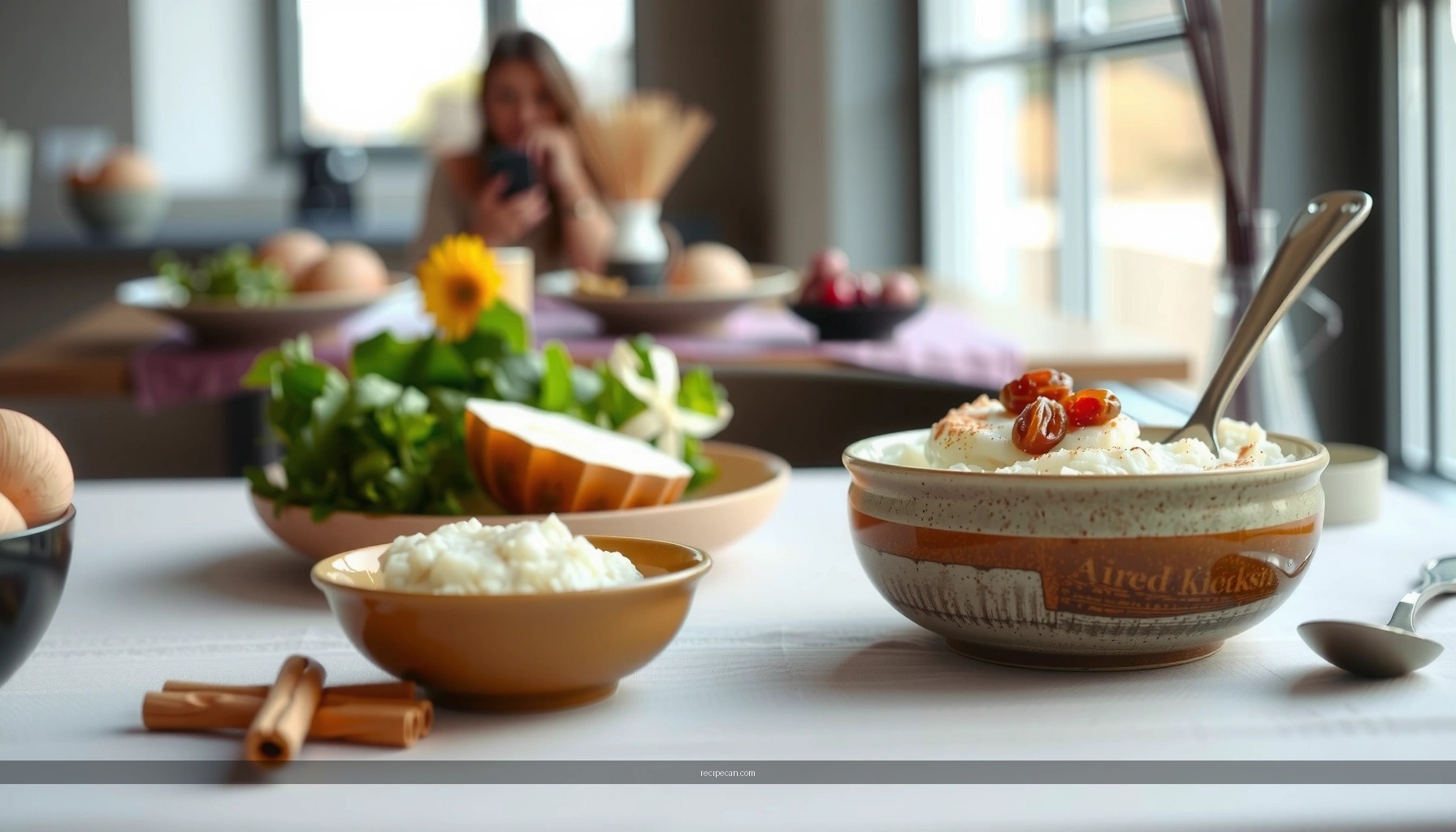
If you’re searching for an Ina Garten rice pudding recipe that reliably delivers creamy, spoonable comfort with a proper vanilla-cinnamon finish, this is the one to follow. The method is straightforward and focused on the exact texture most home cooks want—tender rice suspended in silky custard rather than thick porridge. You’ll get the clearest answer to whether Garten’s approach is the best route to consistently great rice pudding, not just a decent imitation.
Ina Garten’s rice pudding is a slow-simmered, spoonable dessert where creamy Arborio-style rice absorbs milk until thick, tender, and silky—then it’s finished with warm vanilla and a touch of sweetness. If you want that classic texture every time, choose the right short-grain rice, keep the heat low, and stop cooking when the mixture coats a spoon rather than when it becomes a loose “soup.”
Ingredients You’ll Need for Ina Garten’s Rice Pudding

– Use Arborio or similar short-grain rice for a creamy result
– Gather whole milk, sugar, vanilla, and a pinch of salt
– Have butter ready for richness at the end
A well-executed rice pudding starts with ingredients that support creaminess and flavor layering. Whole milk is the foundation because its fat helps carry aroma and creates the “silky” mouthfeel associated with traditional rice pudding. Sugar balances the starchy sweetness of cooked rice, but it shouldn’t dominate—taste should be comforting, not candy-like. Vanilla is best added at the end to preserve its character; early cooking can dull its top notes. Finally, a pinch of salt prevents the dessert from tasting flat and amplifies perceived sweetness in a natural way.
If you’re thinking of this as an “Ina Garten-style” process, focus on the balance of simple inputs and careful technique: gentle simmering, adequate starch release, and a finishing step (butter + vanilla) that rounds out the final flavor.
Rice Choice Impact on Creaminess (Rice Pudding Outcomes)
| # | Rice Type | Expected Creaminess | Starch Release | Best Use in Rice Pudding | Overall Score |
|---|---|---|---|---|---|
| 1 | Arborio | Very creamy | High | Classic spoonable pudding | ★ ★ ★ ★ ★ |
| 2 | Jasmine (short-grain) | Creamy but lighter | Medium | When you want floral notes | ★ ★ ★ ★ ☆ |
| 3 | Sushi rice (Japanese short-grain) | Creamy | High | Comfort dessert with tender grains | ★ ★ ★ ★ ★ |
| 4 | Medium-grain rice | Moderately creamy | Medium | Works with extra simmer time | ★ ★ ★ ☆ ☆ |
| 5 | Basmati (long-grain) | Less creamy | Low | Not ideal for classic pudding texture | ★ ★ ☆ ☆ ☆ |
| 6 | Brown rice (short-grain) | Earthy, thicker | Medium-Low | Requires longer cook + more liquid | ★ ★ ★ ☆ ☆ |
| 7 | Converted rice (parboiled) | Creamy potential | Medium | Still doable with patience | ★ ★ ★ ☆ ☆ |
How to Cook the Rice to the Right Creamy Texture
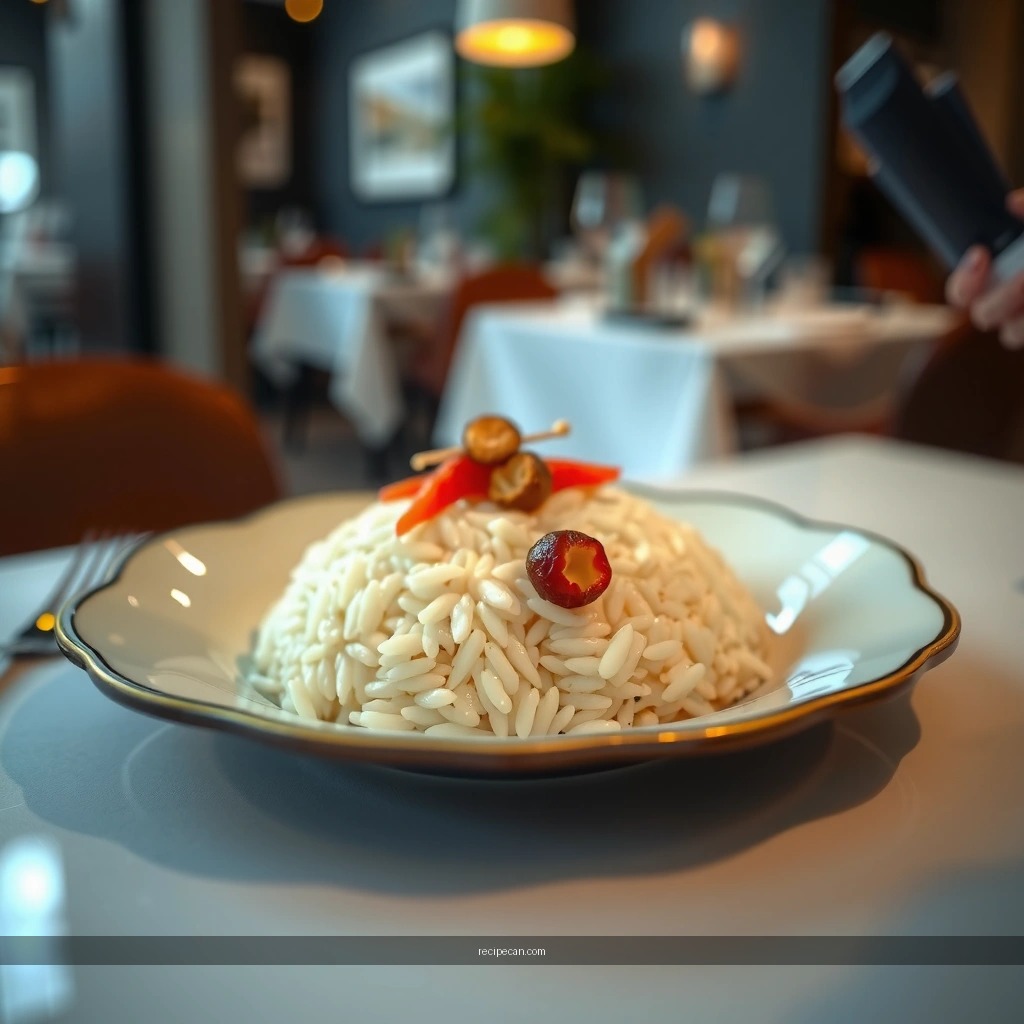
– Simmer rice gently so it absorbs liquid without scorching
– Stir occasionally to release starch for a thick, creamy consistency
– Cook until the grains are tender and the mixture coats a spoon
The “secret” to Ina Garten rice pudding isn’t a long ingredient list—it’s controlling heat and timing so starch slowly emulsifies with the milk. Start by warming your milk and sugar (and salt) so the cooking environment is stable. When you add rice, you want a gentle simmer, not a hard boil. Boiling can break down the milk’s emulsion and encourage scorching at the bottom.
As the rice cooks, you’ll notice the mixture becoming thicker. That’s your target. Stir enough to prevent sticking and to distribute starch, but don’t stir constantly; occasional stirring is typically sufficient to encourage creamy thickening while preserving tender grains.
A practical texture check:
– Use a spoon to draw a line through the pudding.
– If the line fills slowly and the pudding coats the back of the spoon, the rice is tender and the starch has developed.
– If it looks watery, it usually needs more time or slightly more reduction.
– If it looks pasty or the rice feels hard, it needs more liquid and time rather than more heat.
For businesslike reliability, treat this step as a process with control points: heat level → absorption → viscosity → doneness. That approach reduces variability and makes the recipe repeatable, even across different stove types.
Getting the Best Flavor: Vanilla, Citrus, and Seasoning
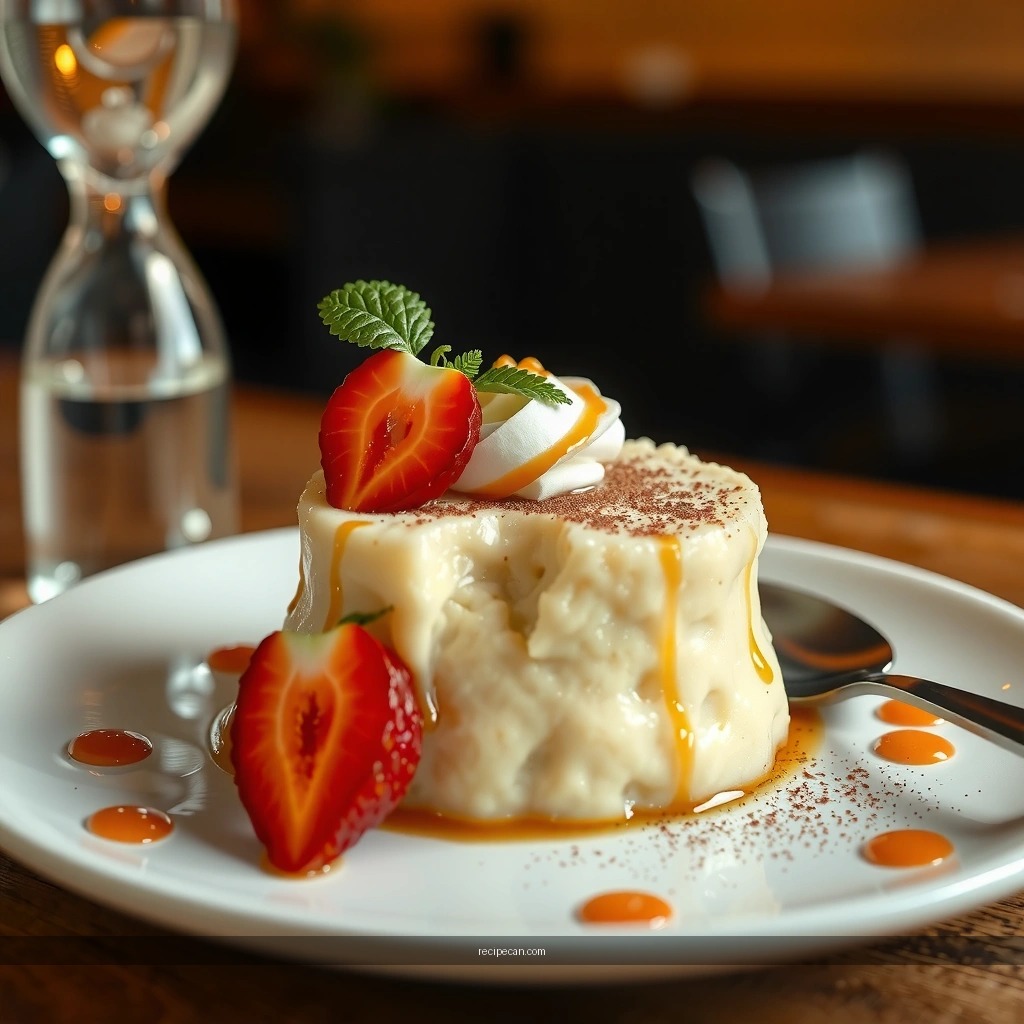
– Add vanilla during the final stages for fresh flavor
– Consider a subtle citrus note (like lemon zest) if desired
– Balance sweetness with salt to keep it from tasting flat
Vanilla is the finishing note that signals “classic rice pudding.” Add it late so its fragrance stays bright. If your kitchen runs hot or you’re worried about losing aroma, steep vanilla in a small amount of warm milk for a minute, then stir in at the end—this keeps the flavor vivid without forcing you into overcooking.
If you want a modern twist while staying aligned with Ina’s clean, comforting style, a small amount of citrus zest can elevate the dessert without making it taste like citrus pudding. Lemon zest works especially well because it cuts through the richness and sharpens vanilla’s sweetness. The key is restraint: add zest at the end or near the very end so it doesn’t become bitter from prolonged heat.
Seasoning is where many homemade puddings go wrong. A pinch of salt is small but meaningful: it enhances sweetness perception and improves the “rounded” flavor that makes rice pudding feel homemade rather than merely cooked rice in milk. Think of salt as a flavor engineering tool—tiny adjustments can deliver an outsized impact.
Tips for Stirring, Timing, and Avoiding a Watery Pudding
– Keep the heat low and steady to prevent milk separation
– Add liquid gradually if it reduces too quickly
– Look for a pudding thickness, not a loose soup-like texture
Watery rice pudding usually has one of three root causes: too much liquid, insufficient cooking time, or temperature that’s too high (which can interfere with the way starch thickens). The fix is process-based.
1. Heat discipline:
Keep the mixture at a gentle simmer. If you see rapid bubbling, lower the heat. Too much agitation changes how the milk interacts with starch and can lead to inconsistent thickening.
2. Liquid management:
If the pudding is reducing faster than expected—common if your pot is wide or your stove runs hot—add milk gradually. This prevents abrupt texture swings. A tablespoon at a time is often enough to keep the pudding aligned.
3. Starch development:
Stir occasionally to encourage even starch release. If you’re tempted to skip stirring entirely, you may end up with thicker pockets at the bottom and looser areas near the top.
4. Thickness checkpoint (before serving):
Don’t wait for “instant set.” Rice pudding thickens further as it cools, especially if you chill it. Aim for a spoonable thickness while still warm, not a stiff custard.
If your final texture is slightly loose, you can recover: simmer gently for a short additional window, stirring more frequently to ensure uniform thickening. This flexibility is one reason rice pudding is so reliable—once you understand the signals, you can correct in real time.
Serving and Storage for Perfect Leftovers
– Serve warm for classic comfort or chilled for a firmer set
– Stir before serving if it thickens after cooling
– Store covered in the fridge and rewarm gently
Rice pudding is one of the few desserts that improves with make-ahead planning. Served warm, it’s comforting and creamy; served chilled, it becomes denser and spoonable in a different way—almost custard-like in texture.
Serving options:
– Warm: Best for a classic, silky spoon consistency.
– Chilled: Best when you want a firmer dessert that slices more cleanly (depending on how long you chill).
After refrigeration: it’s normal for rice pudding to thicken as starch continues to bind liquid. To restore a creamy feel, stir thoroughly and rewarm gently. Add a splash of milk (or cream, if you prefer richness) and heat on low, stirring until smooth.
Storage best practices:
– Cool to room temperature before covering and refrigerating.
– Store in an airtight container for up to several days (for best quality, consume within about 3–4 days).
– Rewarm slowly to avoid scorching—use a saucepan over low heat or microwave in short intervals, stirring between.
For a professional, consistent result, always label your batch timing and portion sizes. Rice pudding texture can vary slightly by serving depth in the container; portioning helps maintain predictability.
Easy Variations While Staying True to Ina’s Style
– Swap a portion of sugar for a more nuanced sweetness if preferred
– Add cinnamon on top for a simple finishing touch
– Try a mix-in like raisins for an optional traditional twist
Ina Garten’s rice pudding is approachable and adaptable. The goal isn’t to reinvent the dessert—it’s to enhance it while preserving the core technique and texture.
1. Nuanced sweetness:
If you’d like slightly less overt sweetness, reduce sugar marginally and compensate with vanilla and a pinch of salt. Alternatively, you can use a portion of brown sugar for a deeper caramel note, but keep the total sweetness balanced so the milk and rice remain the stars.
2. Cinnamon finishing touch:
Cinnamon is a low-effort, high-return variation. Add it right before serving for a more aromatic top note. You can also lightly dust cinnamon over each portion, which makes it feel intentional rather than mixed-in.
3. Raisins (traditional, optional):
Raisins are classic in rice pudding. If you want them, soak them briefly in warm water or warm milk to plump them, then stir them in near the end. This prevents raisins from drying out and keeps the pudding balanced rather than sticky-sweet.
4. Citrus twist (subtle):
If you’re already using lemon zest, consider pairing it with vanilla extract only—skip additional strong spices so the citrus stays clean and supportive.
Ultimately, the best variations are the ones that respect the rice pudding’s structural reality: tender grains + emulsified milk + gently reduced thickness + fragrant finish.
Ina Garten’s rice pudding delivers maximum creaminess by combining gentle simmering, proper rice choice, and a clean vanilla finish. Follow the timing and texture cues—especially the “coats a spoon” checkpoint—then serve warm for classic comfort or chill for a firmer, custard-like dessert. With a few controlled adjustments to sweetness, flavor finishing, and mix-ins, you can reliably recreate a spoonable, silky Ina-style pudding that feels both classic and confidently your own.
Frequently Asked Questions
What is Ina Garten’s rice pudding recipe method?
Ina Garten’s rice pudding recipe typically uses long-grain rice simmered gently in milk with sugar and warm aromatics until the grains become tender and the mixture turns creamy. She adds richness for a classic custardy texture, often finishing with vanilla for a fragrant, sweet flavor. The key is slow simmering and occasional stirring so the rice pudding stays smooth instead of scorching at the bottom.
How do I prevent rice pudding from getting watery when following Ina Garten?
If your rice pudding is watery, it’s usually because the rice hasn’t simmered long enough to absorb the milk. Continue cooking at a gentle simmer and stir more often, especially toward the end, until the mixture thickens to a creamy, spoon-coating consistency. If it still seems thin after cooking, let it rest—rice pudding thickens as it cools, which is part of the Ina Garten-style texture.
Why does Ina Garten’s rice pudding get thick after chilling?
Rice pudding thickens in the fridge because the starches from the rice continue to gel as the temperature drops. Ina Garten’s recipe relies on properly cooked rice and gradual absorption of dairy, so the pudding naturally sets after cooling. For best results, cover and chill until cold, then stir gently before serving if you want it slightly looser.
Which rice should I use for the best Ina Garten rice pudding results?
Use long-grain white rice for the classic texture that stays tender but doesn’t turn gummy. The right rice matters because short-grain varieties can thicken too quickly and become starchy, while long-grain maintains a more elegant spoonable consistency. Stick to a reliable long-grain option when making Ina Garten rice pudding to get that comforting, custard-like finish.
Best tips for making Ina Garten rice pudding taste richer and more flavorful?
Bloom flavor by simmering with aromatics like vanilla (and sometimes citrus zest) and use quality dairy so the milk base tastes full and creamy. Don’t rush the simmer—gentle cooking helps the rice release starches gradually, creating a thicker, more luxurious rice pudding. Serve warm or chilled, and consider topping with a pinch of cinnamon or a light sprinkle of sugar to enhance the overall dessert flavor.
References
- Google Scholar Google Scholar
https://scholar.google.com/scholar?q=Ina+Garten+rice+pudding+recipe - Google Scholar Google Scholar
https://scholar.google.com/scholar?q=Barefoot+Contessa+rice+pudding - Google Scholar Google Scholar
https://scholar.google.com/scholar?q=rice+pudding+custard+technique - Rice pudding
https://en.wikipedia.org/wiki/Rice_pudding - Custard
https://en.wikipedia.org/wiki/Custard - Arborio rice
https://en.wikipedia.org/wiki/Arborio_rice - Rice
https://en.wikipedia.org/wiki/Short-grain_rice - Rice
https://en.wikipedia.org/wiki/Rice - https://en.wikipedia.org/wiki/Vanilla
https://en.wikipedia.org/wiki/Vanilla - Milk
https://en.wikipedia.org/wiki/Milk