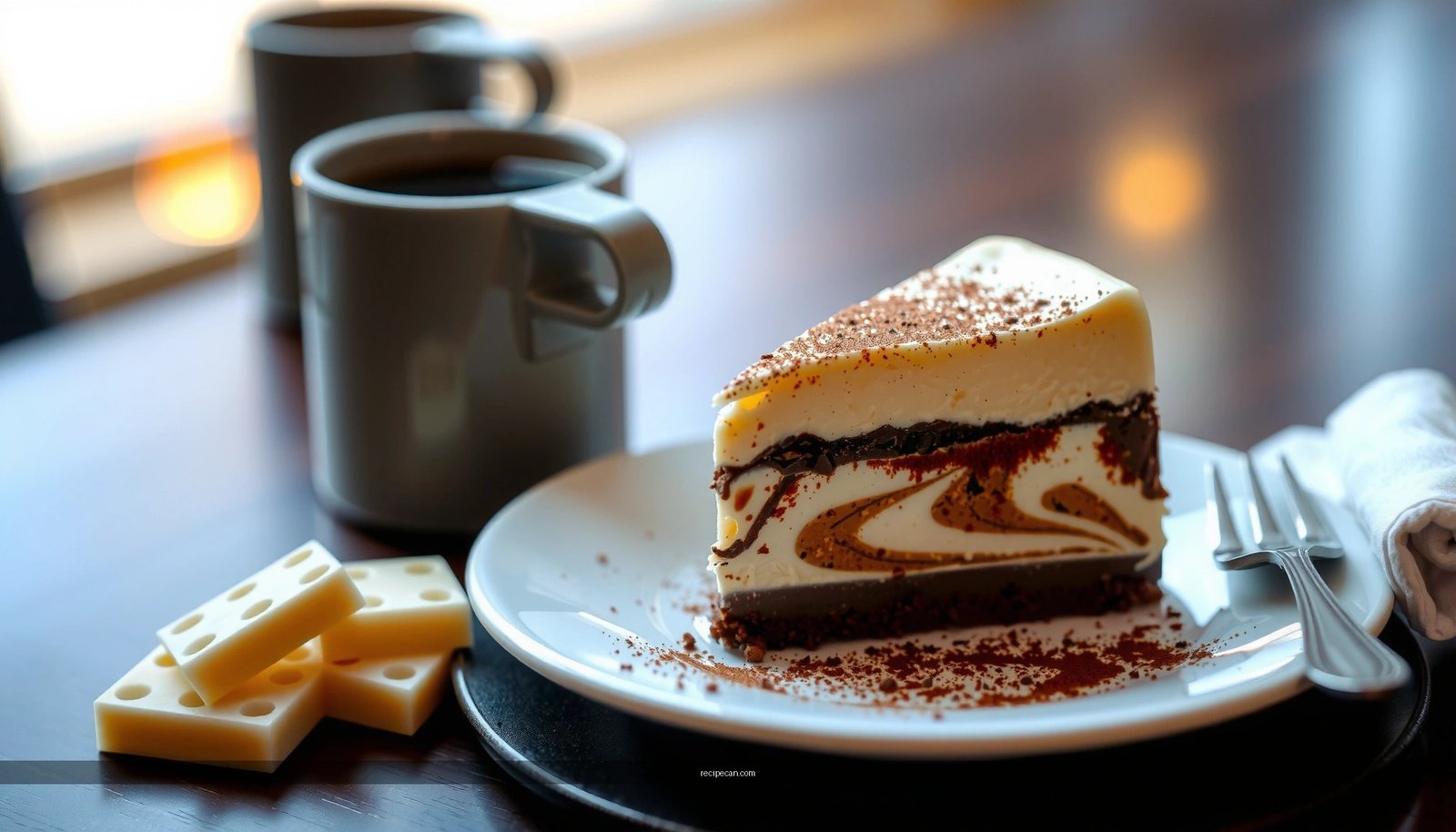
Get a tiramisu recipe without liquor that still tastes bold, creamy, and unmistakably “tiramisu”—no booze required. This easy no-alcohol version answers whether you can skip rum or Marsala and keep the classic flavor: yes, using a simple coffee-soak swap. Follow the quick steps and you’ll get clean, sliceable layers with none of the alcohol heat.
This tiramisu recipe without liquor skips the alcohol entirely while preserving the classic coffee-soaked flavor and creamy mascarpone texture. You’ll build the same indulgent, spoonable dessert using strong brewed coffee (plus optional alcohol-free flavor boosts) and a properly chilled layering process.
Choose a No-Liquor Coffee Soak
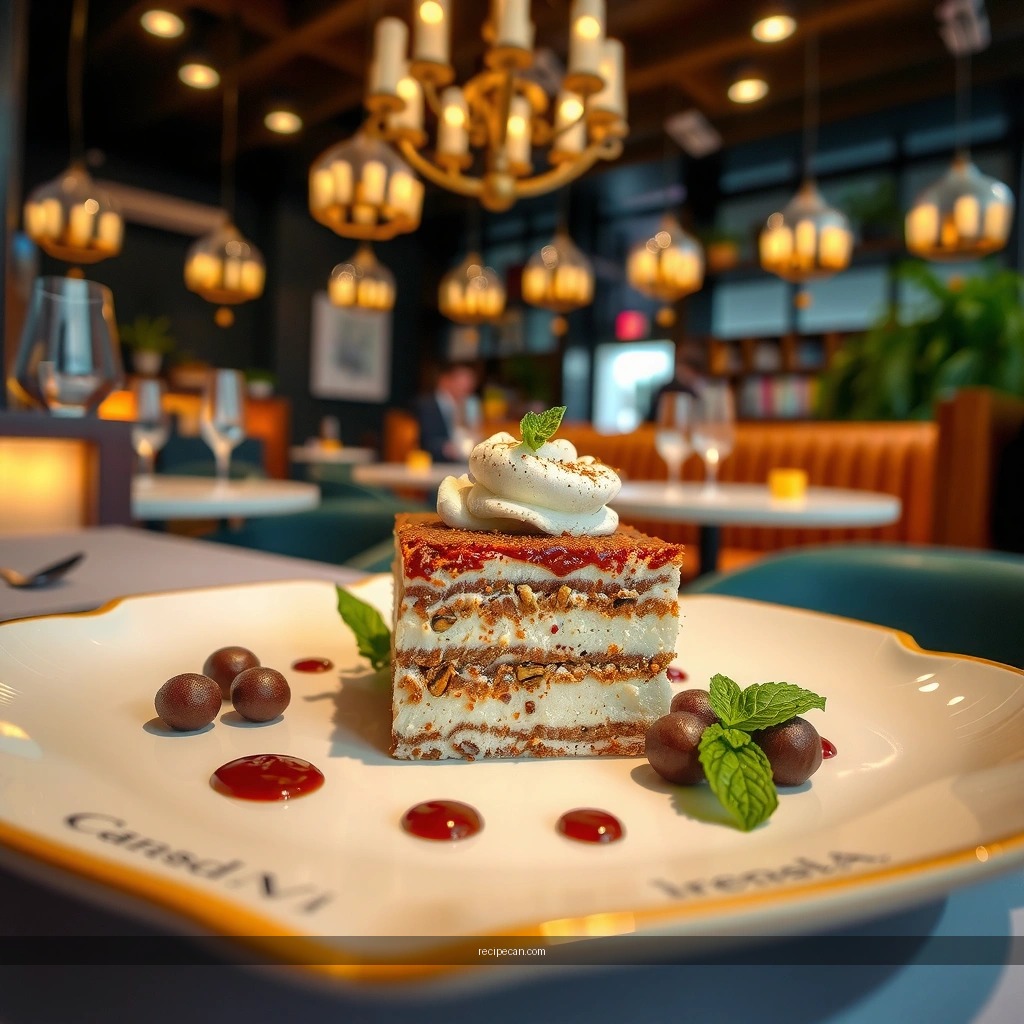
The heart of any tiramisu recipe—whether it’s traditional or a no-alcohol tiramisu—is the coffee soak. Instead of relying on liquor for aroma and depth, you’ll concentrate the coffee flavor and add optional non-alcoholic notes that mimic the “warm, boozy” complexity without containing alcohol.
– Use strong brewed coffee (or espresso) as the base flavor
For the most authentic result, use coffee that tastes bold and slightly intense on its own. Weak coffee gets lost once it’s diluted by ladyfingers and cream. If possible, use espresso or very strong coffee (French press works especially well). Let it cool to room temperature so it doesn’t melt or prematurely soften the mascarpone mixture.
– Add optional non-alcoholic flavoring like vanilla or a splash of coffee extract
A small amount of non-alcoholic flavor can round out the coffee’s edges:
– Vanilla extract (1/2 tsp to 1 tsp) for sweetness and bakery-like aroma
– Coffee extract (a few drops) for a “liqueur-like” intensity without adding liquid volume
– Cold brew concentrate if you want a smoother, less bitter profile
Practical tip: Taste your soak before assembling. Your mix should taste slightly stronger than “normal” coffee because it will be diluted by the ladyfingers.
To keep the process consistent, plan your ingredient ratios around the size of your pan. A typical 9×13-inch dish works well with 2 layers of ladyfingers and cream.
No-Alcohol Tiramisu: Coffee Soak Strength Guidelines
| # | Soak Method | Typical Coffee Strength | Suggested Flavor Add-In | Best For |
|---|---|---|---|---|
| 1 | Espresso + Water (no alcohol) | 2 shots espresso, ~120 ml water | 1/2 tsp vanilla | Most “classic” taste |
| 2 | Strong drip coffee concentrate | Brew using ~1.5 Tbsp grounds per 4 oz | 2–3 drops coffee extract | Bold aroma without bitterness |
| 3 | Cold brew concentrate | Use concentrate straight; dilute 0–25% | Pinch of cinnamon | Smoother, dessert-friendly flavor |
| 4 | Decaf for sensitive guests | Decaf espresso, same ratio as regular | 1/2 tsp vanilla + cocoa notes | Evening serving and families |
| 5 | Coffee + cocoa “espresso” soak | Strong coffee + 1 Tbsp cocoa powder per 2 cups | Skip extra extracts | Extra chocolate-forward tiramisu |
| 6 | Coffee + orange zest aroma | Use strong brew; keep zest minimal | Zest of 1/2 orange (steep then strain) | Bright twist without “liquor” |
| 7 | Coffee + sugar syrup (reduced) | 2:1 coffee:simple syrup by taste (start small) | 1 tsp coffee extract (alcohol-free) | When guests prefer sweeter dessert |
Make the Creamy Mascarpone Mixture
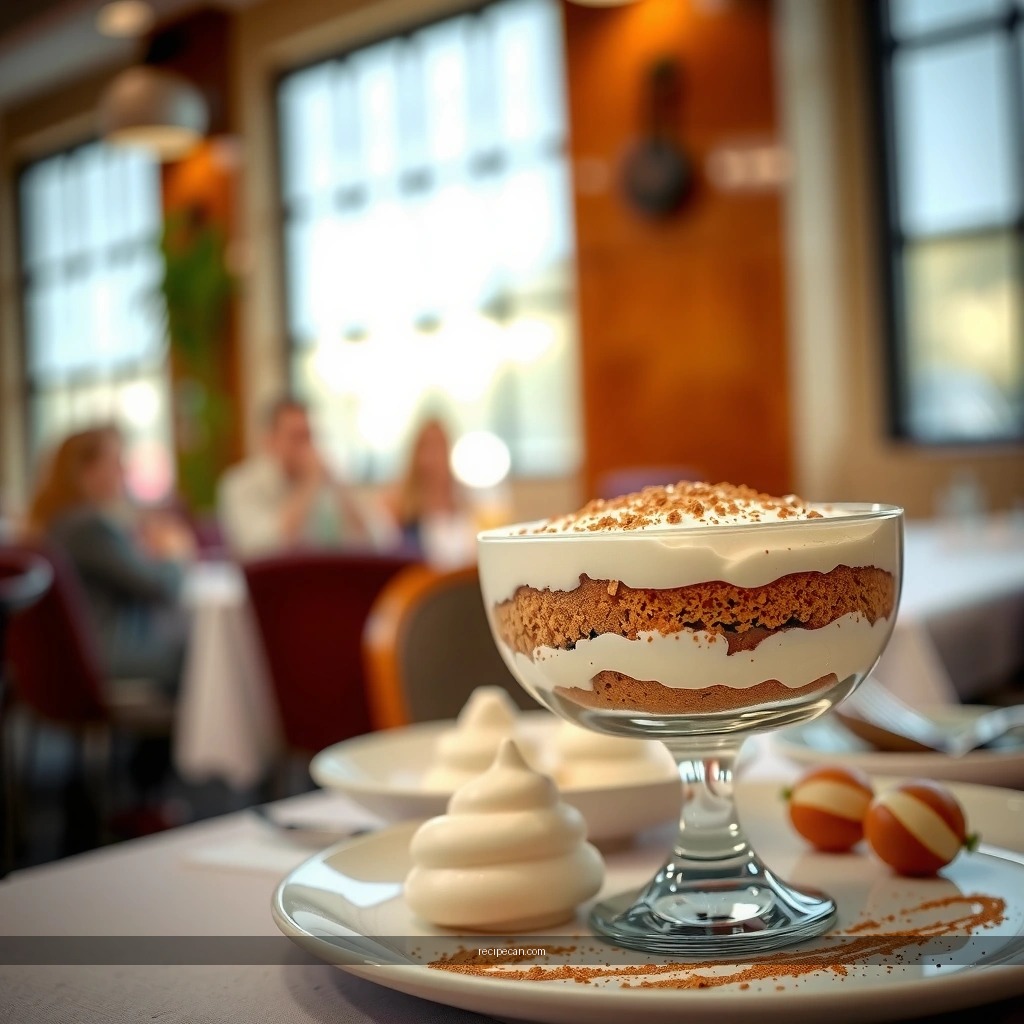
Classic tiramisu relies on a stable, spoonable cream that holds its shape when layered. To keep the no-alcohol tiramisu silky without becoming runny, focus on two things: smooth mascarpone texture and proper aeration (especially if you add whipped cream).
– Whip mascarpone with sweetener until smooth and thick
Mascarpone is rich but can be lumpy. Whipping helps it become glossy and uniform. Use:
– Powdered sugar for smoother incorporation, or granulated sugar if you whip a little longer.
– Gentle speed: too fast can split some dairy; medium-high for a short time is typically ideal.
– Fold in whipped cream (or egg-free alternatives if preferred) for a lighter texture
Traditional versions sometimes use eggs, but many cooks prefer a no-egg approach for ease and comfort. A common method:
– Whip cold heavy cream to soft peaks
– Fold into mascarpone gently to preserve volume
Why folding matters: If you beat vigorously after combining, you can lose air and end up with a dense cream that doesn’t spread nicely. Folding gives you that characteristic tiramisu mouthfeel—creamy but not liquid.
Consistency checkpoint: Your mixture should be thick enough to mound on a spoon, yet soft enough to spread between layers. If it’s too thick, fold in 1–2 tsp cream; if it’s too loose, chill 10–15 minutes and recheck.
Build Layers Without Alcohol
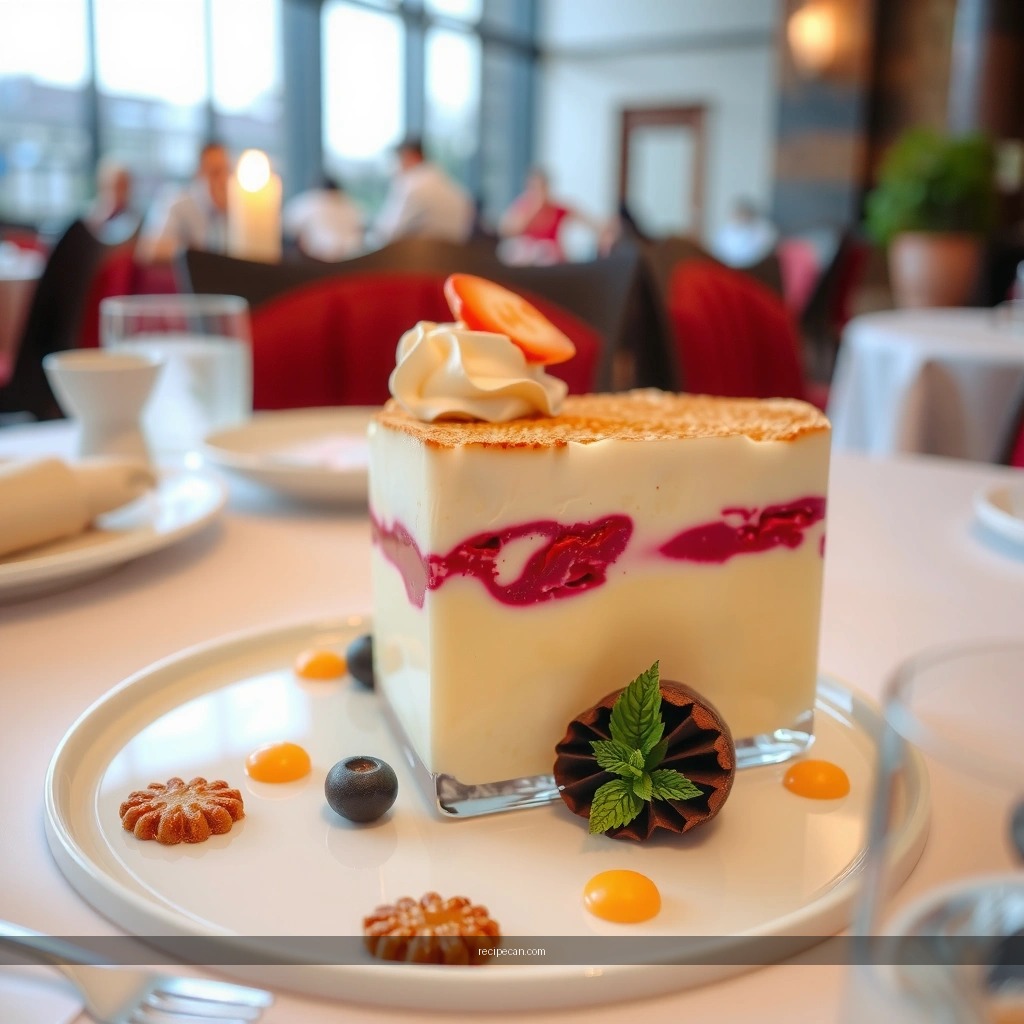
Layering is where good tiramisu becomes great. Since there’s no liquor to soften and “season” the ladyfingers, your coffee soak technique must do the work.
– Dip ladyfingers quickly to prevent sogginess
Aim for a quick dip—usually 1–2 seconds per side—followed by immediate placement. If you soak longer, ladyfingers break down and blur the layers, leaving a dessert that tastes like coffee cream rather than structured tiramisu.
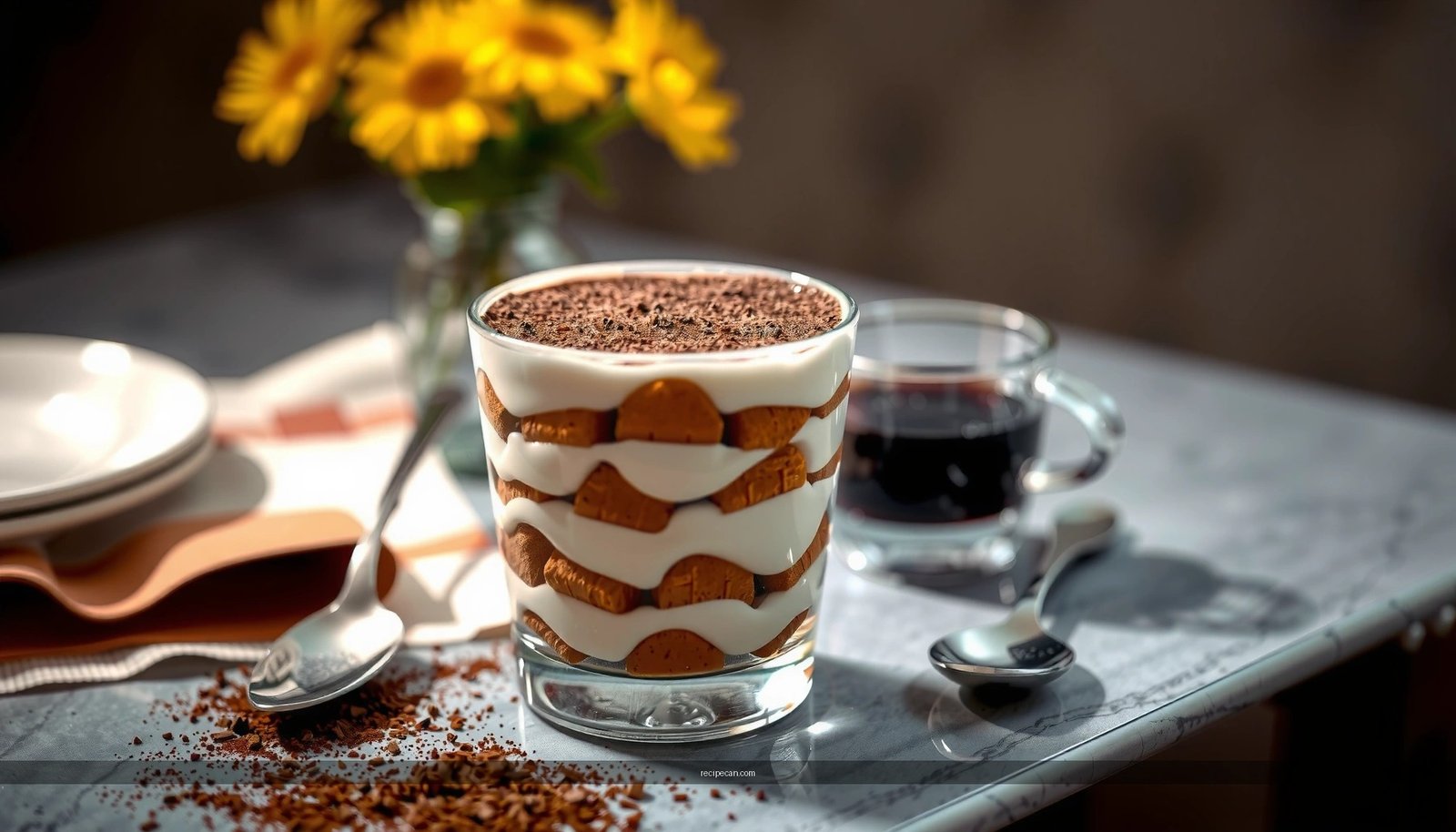
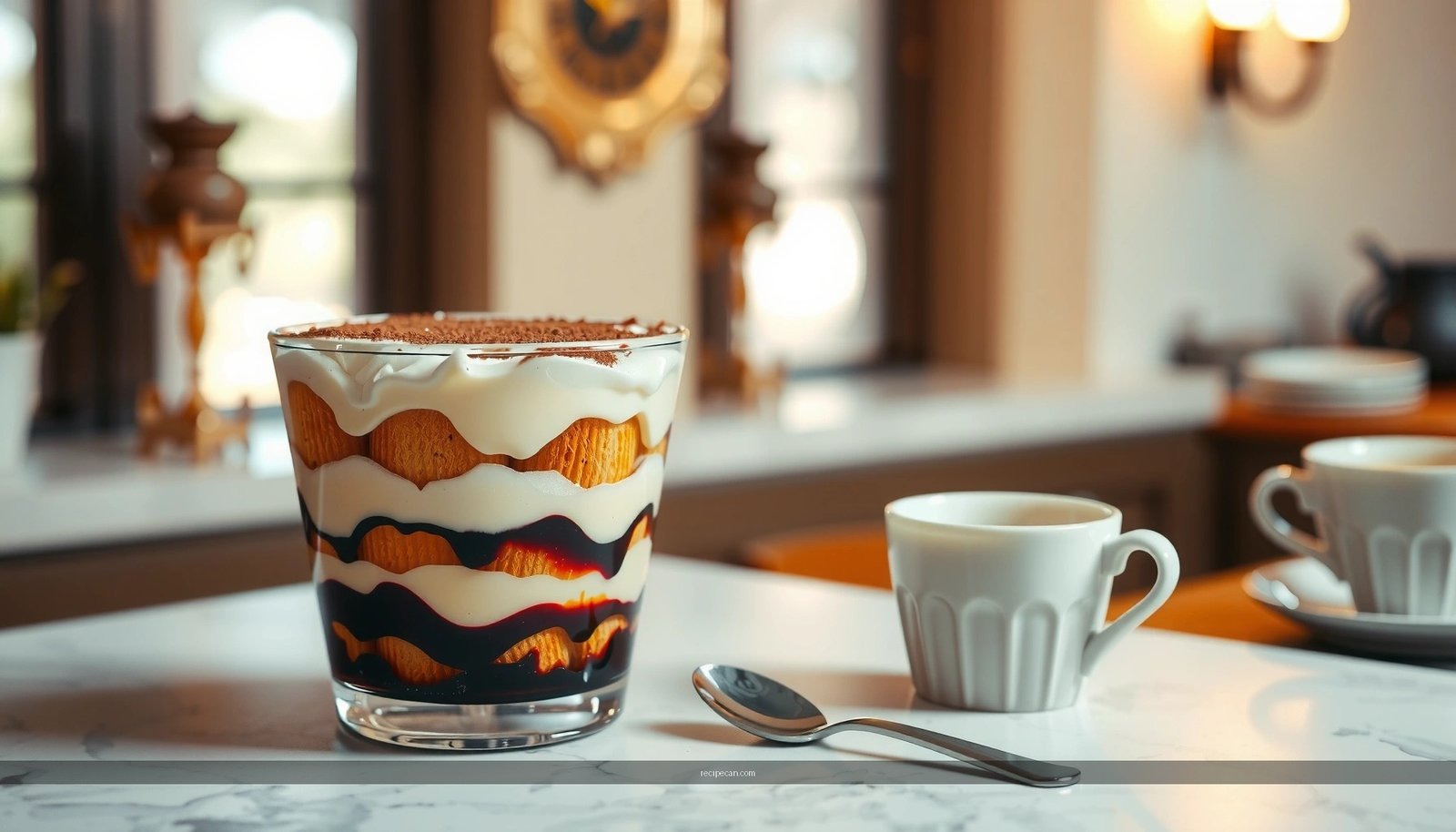
– Alternate layers of ladyfingers and mascarpone cream for clean, even stacking
A reliable assembly flow:
1. Spread a thin layer of mascarpone cream on the bottom (this prevents sliding).
2. Add a single layer of dipped ladyfingers.
3. Add mascarpone cream.
4. Repeat once more for a second layer.
5. Finish with a generous cocoa topping.
Pan planning tip: For even layers, cut ladyfingers to fill gaps rather than over-dipping. Even coverage helps the dessert set uniformly when chilled.
Flavor Boosts That Replace the “Liquor” Note
Liquor in traditional tiramisu often contributes subtle sweetness and aroma. Without it, you need controlled flavor depth from coffee, cocoa, and alcohol-free extracts.
– Add cocoa powder generously between and on top
Cocoa is not just decoration—it provides bitterness balance and a chocolate complexity that mimics the “rounded” finish liquor can bring. Use unsweetened cocoa powder and apply:
– A light dusting between layers (optional, but effective)
– A thicker top layer for the classic look and aroma
– Use a tiny amount of coffee liqueur-style extract (alcohol-free) or cinnamon for depth
If you want that extra “warm” note, choose alcohol-free extracts carefully (and use sparingly). Alternatively:
– Cinnamon (tiny pinch) adds perceived warmth without changing the dessert’s core profile
– A touch of vanilla strengthens the “bakery” effect and complements cocoa
Avoiding a common pitfall: Don’t add large amounts of flavored syrups. Extra liquid can undermine the structure, especially in no-alcohol tiramisu where the soak time and cream thickness are doing most of the structural heavy lifting.
Chill and Set for Best Texture
Even the best no-alcohol tiramisu needs time. Chilling is what transforms separated components into cohesive layers.
– Refrigerate at least 4 hours (overnight is best) to firm the layers
During chilling, the coffee permeates the ladyfingers while the cream firms up. Overnight rest typically improves flavor integration—coffee aroma becomes smoother, and cocoa melds into the top layer.
– Slice or spoon only after the tiramisu is fully set
If you cut too early, you risk smear and collapse. For serving:
– Use a hot knife (dip in hot water, wipe dry) for cleaner slices
– For spoon servings, scoop with a gentle motion and minimal pressure
Quality control: If the cream seems too soft after 4 hours, extend chilling to 6–12 hours before serving. Tiramisu is forgiving as long as it stays refrigerated.
Storage and Serving Tips for No-Alcohol Tiramisu
Handling and timing matter for texture, especially for a coffee-soaked dessert.
– Store covered in the fridge and enjoy within 2–3 days
Cover tightly to prevent fridge odors from affecting the coffee and cocoa profile. While it will keep for a few days, the optimal texture and flavor are usually within 48–72 hours.
– Serve straight from the fridge for the best structure and flavor
Bringing it to room temperature can soften the cream and make layers less distinct. For the best presentation and “spoonable” body, serve cold.
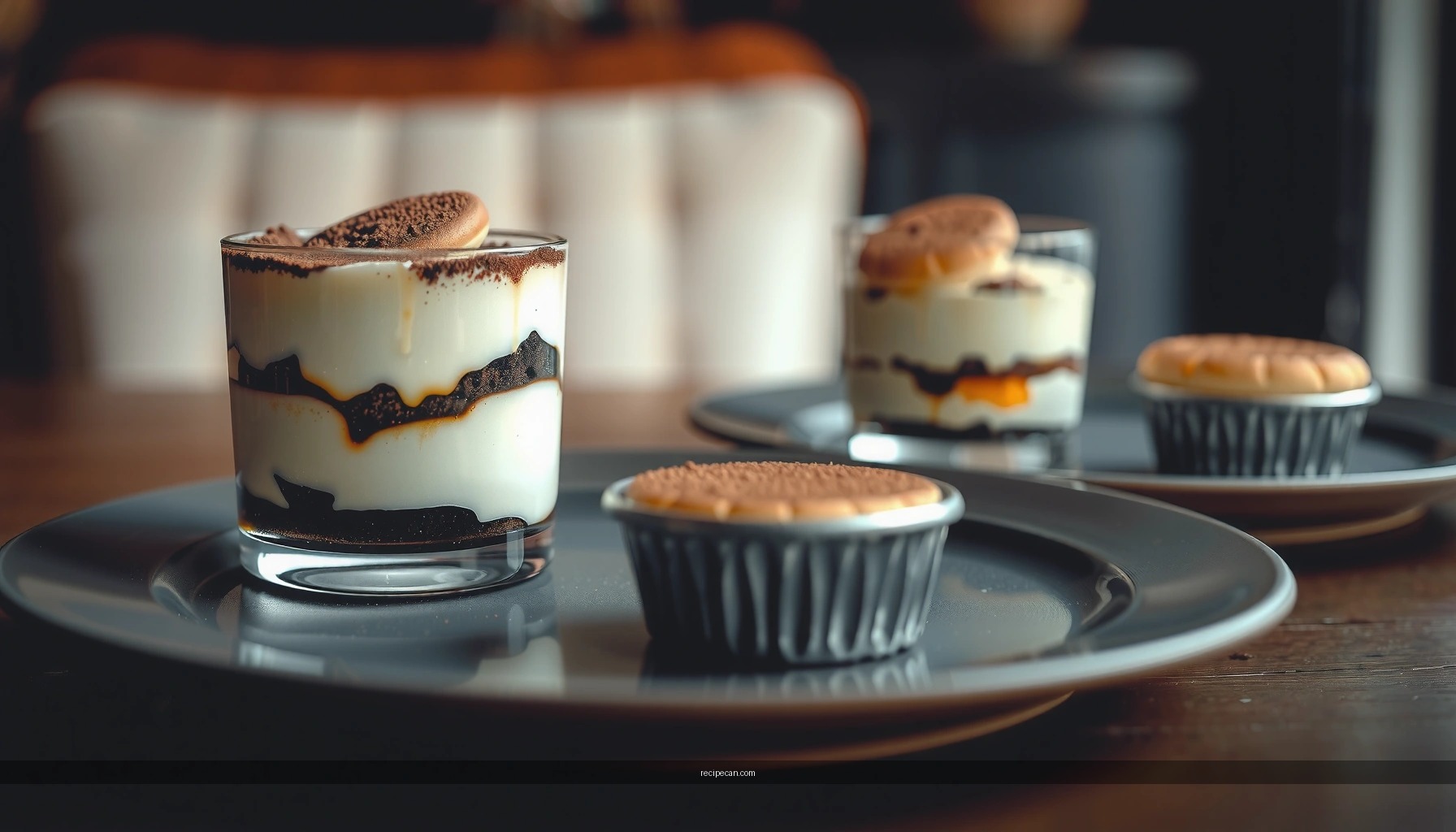
Serving ideas for gatherings: Portion into small cups or ramekins if you want consistent servings without slicing. This is particularly helpful when serving guests who want individual portions.
—
Tiramisu recipe without liquor can be just as flavorful and satisfying when you focus on strong coffee, a smooth mascarpone mixture, and precise layering and chilling. By using a quick coffee soak, folding techniques for a stable cream, and alcohol-free flavor boosts like vanilla, coffee extract, cinnamon, and extra cocoa, you preserve what people love about classic tiramisu—without alcohol. Make the soak to taste, assemble clean layers, chill thoroughly, and you’ll get a dessert you can confidently serve at dinner parties, family events, or any gathering where no-alcohol is a requirement.
Frequently Asked Questions
What is a tiramisu recipe without liquor that still tastes authentic?
A tiramisu recipe without liquor usually swaps alcohol for something that adds bitterness and aroma, like strong brewed coffee or espresso plus a splash of vanilla extract. You can also add a small amount of orange zest or almond extract to mimic the depth alcohol provides. Using mascarpone, fresh eggs (or a safe no-egg method), and ladyfingers soaked in coffee will keep the flavor close to classic tiramisu.
How do you make tiramisu without liquor—can you replace it with coffee?
Yes—coffee is the most common replacement in liquor-free tiramisu. Brew espresso or very strong coffee, cool it slightly, and mix with a little sugar so the ladyfingers soak evenly without turning bitter. Dip each ladyfinger quickly (about 1–2 seconds per side) so the tiramisu layers stay creamy instead of soggy.
Why does tiramisu include liquor, and what can you use instead for a similar flavor?
Liquor in tiramisu (often Marsala or coffee liqueur) adds sweetness, aroma, and a slight boozy warmth that balances the bitterness of coffee. For a tiramisu recipe without liquor, use non-alcohol options like vanilla extract, almond extract, cocoa powder, or a tiny amount of coffee concentrate to boost intensity. If you want sweetness without alcohol, consider a spoon of honey or maple syrup mixed into the soaking coffee.
Which alcohol-free soaking liquid works best for ladyfingers in tiramisu?
The best alcohol-free soaking liquid is typically espresso or strong brewed coffee sweetened lightly, because it complements mascarpone and cocoa. For extra flavor, you can enhance the coffee with vanilla extract, a pinch of cinnamon, or orange zest, depending on your taste preference. Avoid soaking too long—ladyfingers should absorb moisture without collapsing, which is crucial for the right tiramisu texture.
What is the best egg-free tiramisu recipe without liquor for a quick, family-friendly dessert?
A popular egg-free tiramisu recipe without liquor uses whipped mascarpone (or mascarpone plus Greek yogurt) folded with whipped cream for a stable, creamy filling. Instead of alcohol, flavor the coffee soak with vanilla extract and use cocoa powder for the classic finish. Chill the assembled tiramisu for at least 4–6 hours so the layers set and the coffee flavor develops without any liquor.
References
- Tiramisu
https://en.wikipedia.org/wiki/Tiramisu - Tiramisu | Meaning, Ingredients, Origin, Desserts, & Taste | Britannica
https://www.britannica.com/topic/tiramisu - Ladyfingers (biscuits)
https://en.wikipedia.org/wiki/Savoiardi - Mascarpone
https://en.wikipedia.org/wiki/Mascarpone - Espresso
https://en.wikipedia.org/wiki/Espresso - https://en.wikipedia.org/wiki/Alcohol_in_cooking
https://en.wikipedia.org/wiki/Alcohol_in_cooking - List of liqueur brands
https://en.wikipedia.org/wiki/Coffee_liqueur - Google Scholar Google Scholar
https://scholar.google.com/scholar?q=tiramisu+without+liquor - Google Scholar Google Scholar
https://scholar.google.com/scholar?q=alcohol-free+tiramisu+recipe - Google Scholar Google Scholar
https://scholar.google.com/scholar?q=tiramisu+mascarpone+coffee+ladyfingers+without+marsala