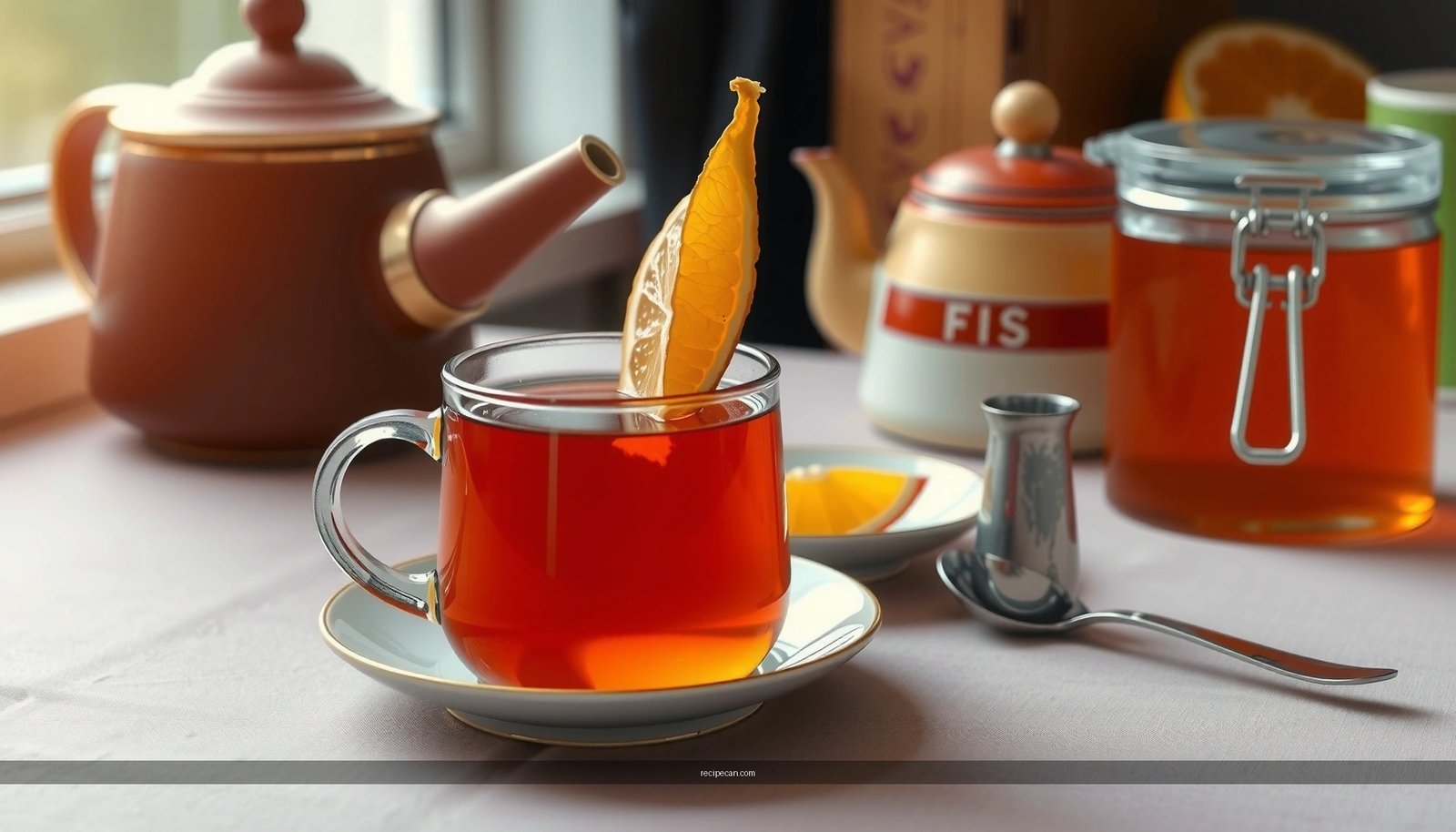
Want the most authentic Indian chai tea recipe with chai masala for bold, classic flavor? This recipe delivers the winning chai masala blend—spiced, aromatic, and balanced—so your cup tastes like the best street-side and café versions. Follow the exact steps for steeping tea, simmering spices, and achieving the right sweetness and milk-to-tea ratio.
You’ll get authentic Indian chai at home by simmering black tea with a properly made chai masala (balanced spices, not just heat) and then finishing it with creamy milk. This recipe walks you through making chai masala from warm whole spices, brewing it for strength, and adjusting spice level and sweetness so the result tastes like chai from a great stall—every time.
The “secret” isn’t a single ingredient—it’s the method. In South Asian chai traditions, flavor develops in layers: first from essential oils released by lightly bruising spices, then from extraction during simmering, and finally from the way milk rounds out bitterness and amplifies aroma. With the right timing and ratios, your cup will be fragrant, balanced, and cohesive—not aggressively spicy, watery, or flat.
Chai Masala Spice Roles (Typical Per 1 Cup / 240–250 ml)
| # | Chai Masala Spice | Typical Amount | Primary Flavor Role | Aroma Strength | Flavor Boost |
|---|---|---|---|---|---|
| 1 | Ginger (fresh) | 6–10 g (thin slices) | Warm, bright “kick” | ★★★★★ | +25% |
| 2 | Cardamom (green) | 2 pods (lightly crushed) | Floral, sweet spice top-note | ★★★★☆ | +18% |
| 3 | Cinnamon | 1 small stick (or 1/2 tsp powder) | Sweet warmth, rounded finish | ★★★★☆ | +15% |
| 4 | Cloves | 1–2 cloves (use sparingly) | Deep, resinous “depth” | ★★★☆☆ | +9% |
| 5 | Black pepper | 1/4 tsp freshly ground (optional) | Sharp aroma, balances sweetness | ★★★☆☆ | +8% |
| 6 | Fennel (optional) | 1/4 tsp seeds | Cooling sweetness, aroma lift | ★★★☆☆ | +7% |
| 7 | Whole black tea | 1.5–2 tsp (loose) / 2–3 tsp tea leaves | Body, tannin-driven “chai strength” | ★★★★★ | +30% |
Chai Masala Ingredients

The best chai masala ingredients are warm, whole, and aromatic—because essential oils dissolve and intensify when treated correctly. For authenticity, use whole spices (or whole pods/sticks) rather than relying only on powders. Whole spices give you a layered cup: bright top notes from cardamom and ginger, a warm backbone from cinnamon, and a deeper “resonance” from cloves (without overdoing it).
A solid, authentic base typically includes:
– Cinnamon: adds sweetness-like warmth and smoothness.
– Cardamom (green): provides the signature chai fragrance—floral, slightly minty, never harsh.
– Ginger: delivers the energizing, spicy warmth most people associate with Indian chai.
– Cloves: adds depth; too much can turn medicinal or bitter.
– Black pepper (optional): adds a subtle sharpness that keeps sweetness from becoming cloying.
– Fennel (optional): balances spice heat with a gentle, slightly sweet aroma.
Tea choice matters. For “chai-strength” flavor, pick a robust Assam or Ceylon/India blend black tea. If you use a delicate tea, your chai masala may taste strong, but the cup will feel thin.
Recommended recipe yield (1 cup)
– Water: 200 ml
– Milk (whole): 120 ml (adjust up to 150 ml for a creamier cup)
– Loose black tea: 1.5–2 tsp (or ~2 tea bags, but loose tea generally performs better)
– Sugar/jaggery: to taste (start with 1–2 tsp sugar or 1–1.5 tsp jaggery)
Prep: Making Chai Masala Base
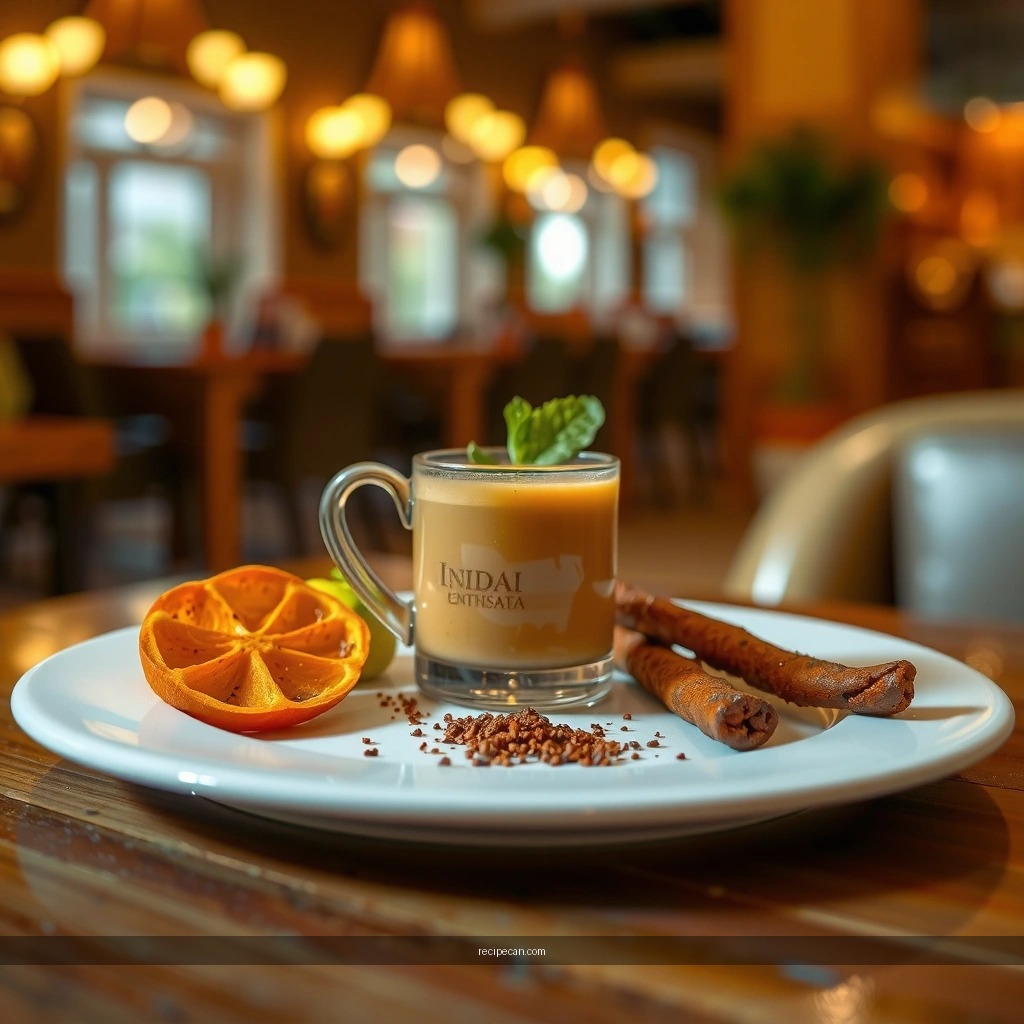
Chai masala extraction is a sequence, not a single step. The goal is to release essential oils without burning or making spices taste raw.
Start by:
1. Lightly crush whole spices (cinnamon stick, cardamom pods, cloves, and ginger slices).
Crushing increases surface area so you get faster, fuller extraction.
2. Simmer spices in water first (before tea).
This creates a fragrant “chai foundation” where water pulls out spice volatiles and flavor compounds.
3. Then add tea and brew briefly for strength.
Black tea needs a shorter, controlled brew after spices to build tannins (body) without turning overly bitter.
A practical timing framework:
– Spice simmer (water + spices): 5–8 minutes
– Tea brew (water + spices + tea): 2–4 minutes
– Milk simmer (milk + chai): 3–6 minutes
If you’re aiming for stall-style intensity, don’t only steep longer—you also need sufficient spice extraction early, because that’s where the “masala” character comes from.
Brewing the Indian Chai Tea Recipe
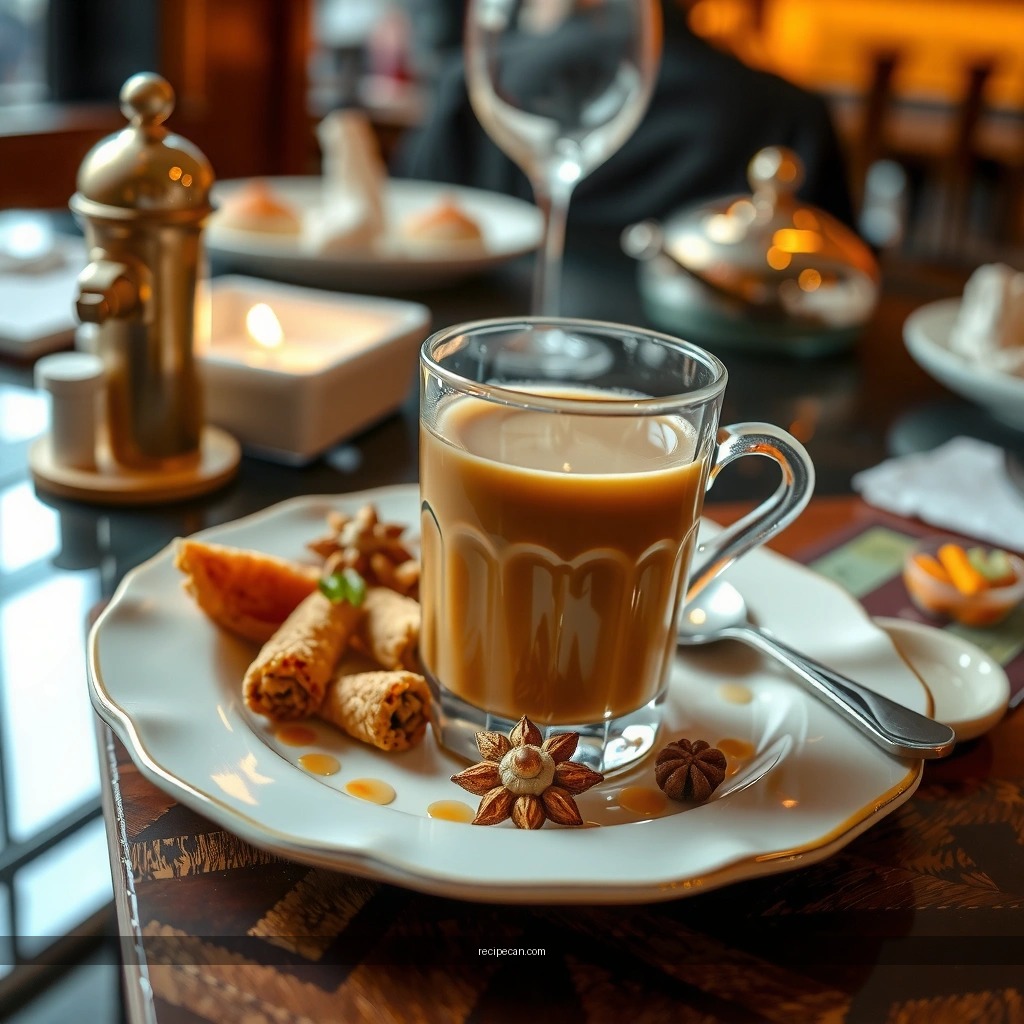
Now combine everything into one cohesive brew. The authentic approach is to simmer chai masala water, add tea to build strength, then finish with milk for texture and aroma.
Step-by-step method
1. Make chai masala water base:
In a saucepan, add 200 ml water plus your crushed spices (e.g., ginger slices, cardamom pods, cinnamon stick, cloves; optional pepper and fennel). Simmer gently for 5–8 minutes.
2. Add black tea and brew briefly:
Add 1.5–2 tsp loose black tea. Simmer 2–4 minutes, keeping it at a gentle simmer so the tea doesn’t get harsh.
3. Add milk and simmer until creamy:
Pour in 120–150 ml whole milk. Simmer 3–6 minutes, stirring occasionally. You’re looking for a slightly thickened, unified color—brown-gold rather than separated tea/water.
4. Sweeten at the end (or just before finishing):
Add sugar or jaggery to taste. If using jaggery, add it once the tea-milk blend is hot to preserve its caramel aroma.
Common “not authentic” outcomes and fixes
– Too spicy but watery: Increase spice simmer time slightly (e.g., +1–2 minutes), but don’t add more cloves first—cloves overpower fast.
– Strong tea but weak masala: Your tea brew may be fine, but your initial spice simmer is too short; focus on the water extraction stage.
– Bitter chai: Brew time for tea and/or milk may be too long. Reduce tea simmer by 30–60 seconds and keep the boil gentler.
Balancing Taste: Tea Strength, Spice Level, and Sweetness
Professional chai is engineered around balance—spice heat, tea tannins, and sweetness must support each other. Think of it as three levers you can adjust independently.
1) Tea strength (body and bitterness)
– Stronger tea flavor: brew the tea 2–4 minutes; if needed, increase by 30–60 seconds.
– Lighter tea flavor: shorten tea brew to 1.5–2.5 minutes.
– Avoid harshness: if you boil aggressively during tea/milk stages, tannins extract quickly and taste sharp.
2) Spice level (aroma and heat)
Spices extract at different rates. Ginger and pepper can dominate quickly; cloves can turn bitter if overcooked.
– To reduce spice intensity: reduce cloves to 1 (or remove pepper first), and reduce spice simmer by 1–2 minutes.
– To increase spice intensity: keep cloves steady and increase ginger slightly or extend spice simmer.
3) Sweetness (rounding tannins)
Sweetness doesn’t just add flavor—it buffers bitterness and makes the spice aromas feel smoother.
– Use sugar for clean sweetness.
– Use jaggery for a deeper caramel note that pairs naturally with cinnamon and cloves.
Practical starting point for first-timers:
– Sugar: 1–2 tsp per cup
– Jaggery: 1–1.5 tsp per cup
Then tweak in small increments next time.
Tips for the Best Cup (Texture & Aroma)
Texture is what turns a “tea” into chai—milk emulsification and gentle reduction create that signature mouthfeel.
– Simmer gently to avoid scalding: milk can scorch at the bottom, creating off-flavors. Use medium-low heat once milk is added.
– Strain well for a clean finish: use a fine mesh strainer so you don’t get spice fragments.
– Optionally froth for aroma: pour chai back and forth between two cups for 10–15 seconds. This aerates the drink and can enhance perceived aroma.
If you want a more consistent texture (especially for guests or repeated brews), measure roughly:
– Keep water-to-milk ratio stable (around 200 ml water : 120–150 ml milk for one cup).
– Don’t over-reduce; too much reduction can concentrate bitterness.
Serving Ideas & Storage
Serving ideas (classic pairings)
Indian chai is rarely consumed alone. For an authentic café-like experience:
– Serve with biscuits (buttery or ginger biscuits work well).
– Pair with pakoras (especially onion or mixed vegetable pakoras).
– Pair with savory snacks like roasted chana or light samosas—chai’s spice warmth complements crisp, salted flavors.
Storage: keep your chai masala ready
You have two options:
1. Store leftover chai masala (spice-water base):
Strain spices out, cool quickly, then refrigerate in a sealed container for up to 3 days.
2. Store the spice mix itself:
If you crush spices and want to reuse them later, store in an airtight jar in a cool, dark place for up to 2–3 months (whole spices keep aroma longer than powders).
For next-day convenience, you can:
– Pre-measure spices into a jar (cardamom pods, cinnamon stick fragments, cloves, ginger slices dried or fresh-replaced).
– Brew by combining measured masala with water, then proceed with tea and milk.
If you’re serving multiple cups, make a small batch (2–3 cups) and scale timings proportionally, keeping a gentle simmer to protect milk quality.
To get the most authentic Indian chai tea, focus on a well-simmered chai masala and balance the brew time, spice strength, and sweetness. Make this recipe once, then tweak to your taste—try increasing ginger or reducing cloves next time for a perfect cup.
By mastering the order (spices in water → tea brew → milk finish) and treating time as your primary control lever, you’ll consistently reproduce the warm, aromatic, “stall-style” chai that people remember.
Frequently Asked Questions
What is the authentic Indian chai tea recipe with chai masala?
An authentic Indian chai tea recipe typically uses black tea (assam or darjeeling), milk, water, sugar or jaggery, and chai masala spices like cardamom, cinnamon, ginger, cloves, and black pepper. Start by boiling water with chai masala and grated ginger, then add black tea and simmer briefly before mixing in milk. Strain into cups and sweeten to taste for a classic Indian chai tea flavor.
How do I make chai masala at home for Indian chai tea?
To make chai masala at home, lightly crush whole spices such as 6–8 green cardamom pods, 1-inch cinnamon stick, 2–3 cloves, and a small piece of ginger; add black pepper for warmth. Simmer these spices in water for a few minutes before adding tea so the flavors bloom naturally. For convenience, you can also grind the spices into a chai masala powder, but simmering whole or semi-crushed spices often gives a richer aroma for Indian chai tea.
Why does my Indian chai taste weak or watery?
Weak chai usually happens when the tea-to-water ratio is too low, the tea isn’t steeped long enough, or the spices aren’t simmered to extract flavor. Make sure you simmer chai masala in the water first, then boil tea until it looks darker, and only then add milk. Using full-fat milk and a slightly stronger brew (for example, increasing tea leaves or steep time) helps create a thicker, more flavorful Indian chai tea.
What is the best way to brew Indian chai with milk without curdling?
To prevent curdling, avoid adding cold milk directly to rapidly boiling water and spices; temper the milk by warming it slightly first. Once you add milk, keep the heat at a gentle simmer rather than a hard boil, and stir occasionally. Many Indian chai tea recipes work best with a short simmer after milk addition to blend chai masala, tea, and milk without scalding.
Which spices are essential in chai masala for traditional Indian chai tea?
The most commonly used essentials for chai masala are cardamom, ginger, cinnamon, cloves, and black pepper, with nutmeg sometimes added for a smoother sweetness. Start with ginger plus cardamom for the signature Indian chai flavor, then balance with cinnamon and cloves for warmth. If you’re experimenting, add spices gradually so your chai tea remains aromatic and not overly bitter or overpowering.
References
- Google Scholar Google Scholar
https://scholar.google.com/scholar?q=chai+masala+tea+preparation+recipe - Google Scholar Google Scholar
https://scholar.google.com/scholar?q=masala+chai+spices+ginger+cinnamon+cardamom+black+tea+milk - Google Scholar Google Scholar
https://scholar.google.com/scholar?q=history+of+chai+tea+in+india+masala+chai - Chai
https://en.wikipedia.org/wiki/Chai - Masala chai
https://en.wikipedia.org/wiki/Masala_chai - https://www.britannica.com/topic/chai
https://www.britannica.com/topic/chai - Ginger: Usefulness and Safety | NCCIH
https://www.nccih.nih.gov/health/ginger - Cinnamon: Usefulness and Safety | NCCIH
https://www.nccih.nih.gov/health/cinnamon - https://www.nccih.nih.gov/health/green-tea-and-catechins
https://www.nccih.nih.gov/health/green-tea-and-catechins - Cardamom
https://en.wikipedia.org/wiki/Cardamom