Get a pistachio tiramisu recipe that delivers creamy, nutty flavor with zero fuss. This step-by-step method shows how to layer pistachios, coffee-soaked elements, and a luscious mascarpone cream for a dessert that sets cleanly and tastes like a café classic at home. If you want a guaranteed, crowd-pleasing pistachio tiramisu without complicated techniques, this is the one to follow.
Yes—this pistachio tiramisu is a creamy, elegant dessert you can make with minimal effort by layering espresso-soaked ladyfingers and a smooth mascarpone filling, then chilling until set. Below, you’ll get a step-by-step method, plus exactly how to get a stronger pistachio flavor (without turning the dessert bitter or gritty), along with practical layering and timing tips.
This version stays true to the classic tiramisu structure while swapping the traditional coffee-and-cocoa flavor profile for a nut-forward pistachio aroma. Because pistachio flavor can range from delicate to intensely toasty depending on the ingredient, the “make-or-break” here is your pistachio boost—typically via finely ground nuts and/or pistachio paste—combined with a filling that holds its shape after chilling.
Pistachio Flavor Boost Options for Pistachio Tiramisu
| # | Flavor Method | How Much to Use (for ~8 servings) | Texture Impact | Flavor Strength |
|---|---|---|---|---|
| 1 | Finely ground pistachios | 45 g | Slightly grainy if not ultra-fine | Strong ★★★★★ |
| 2 | Pistachio paste | 60–75 g | Smooth; easiest to blend | Very strong ★★★★★ |
| 3 | Toasted pistachio powder | 25 g | Toastiness; minimal grit | Medium-strong ★★★★☆ |
| 4 | Pistachio extract (optional) | 1/2 tsp | No texture; can taste artificial if too high | Low-medium ★★☆☆☆ |
| 5 | Unsweetened pistachios + extra sugar | 50–60 g + 10–15 g sugar | Balanced, but flavor may be muted | Medium ★★★☆☆ |
| 6 | Mix: paste + ground pistachio | Paste 50 g + powder 20 g | Best balance of aroma + body | Very strong ★★★★★ |
| 7 | Pistachio paste (too much) | >90 g | Can become heavy/greasy | Unbalanced ★★☆☆☆ |
Ingredients You’ll Need
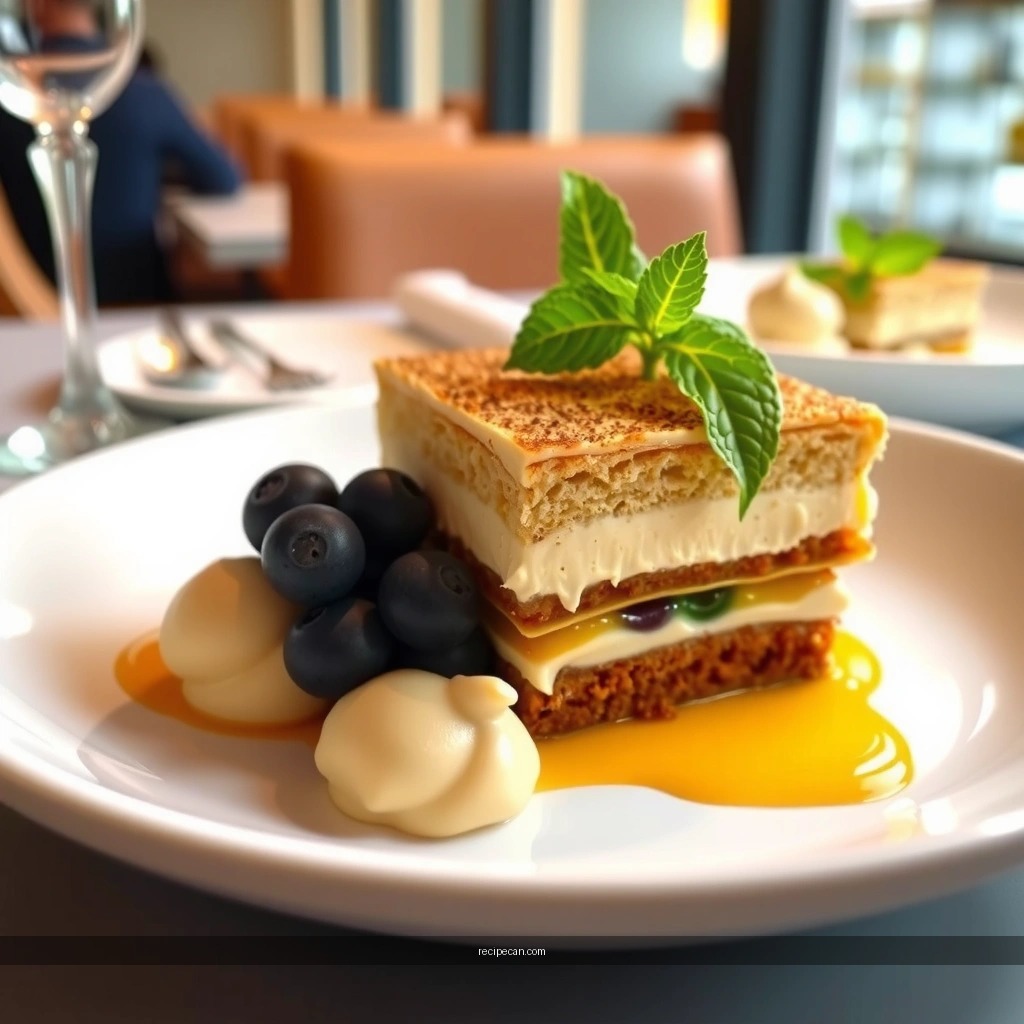
For a no-fuss pistachio tiramisu, plan your ingredients into three functional groups: the creamy filling, the espresso soak, and the finishing garnish. The goal is consistency: smooth mascarpone, gentle whipped cream aeration, and espresso that flavors without collapsing the ladyfingers.
Core items (filling + soak):
– Mascarpone (the signature creamy base)
– Heavy cream (or whipped cream for a faster route)
– Espresso (or strong coffee), chilled slightly
– Ladyfingers (savoiardi-style work best)
– Sugar and vanilla for roundness and aroma
Pistachio elements (your flavor boost):
– Pistachios (finely ground) and/or pistachio paste
– Optional pistachio paste: this is the most reliable way to achieve a bold pistachio flavor without graininess
– Topping: cocoa powder for classic contrast *or* crushed pistachios for extra texture
Ingredient quality note (important for professional results):
If you use ground pistachios, grind them very fine—almost like meal—so the filling feels silky. If your pistachio paste is salted, reduce added sugar slightly.
A practical yield benchmark:
A typical 8–9 inch dish (or 4–6 small glasses) works well for about 8 servings. Adjust pistachio paste and cream proportionally if you scale up or down.
Make the Pistachio Cream Filling
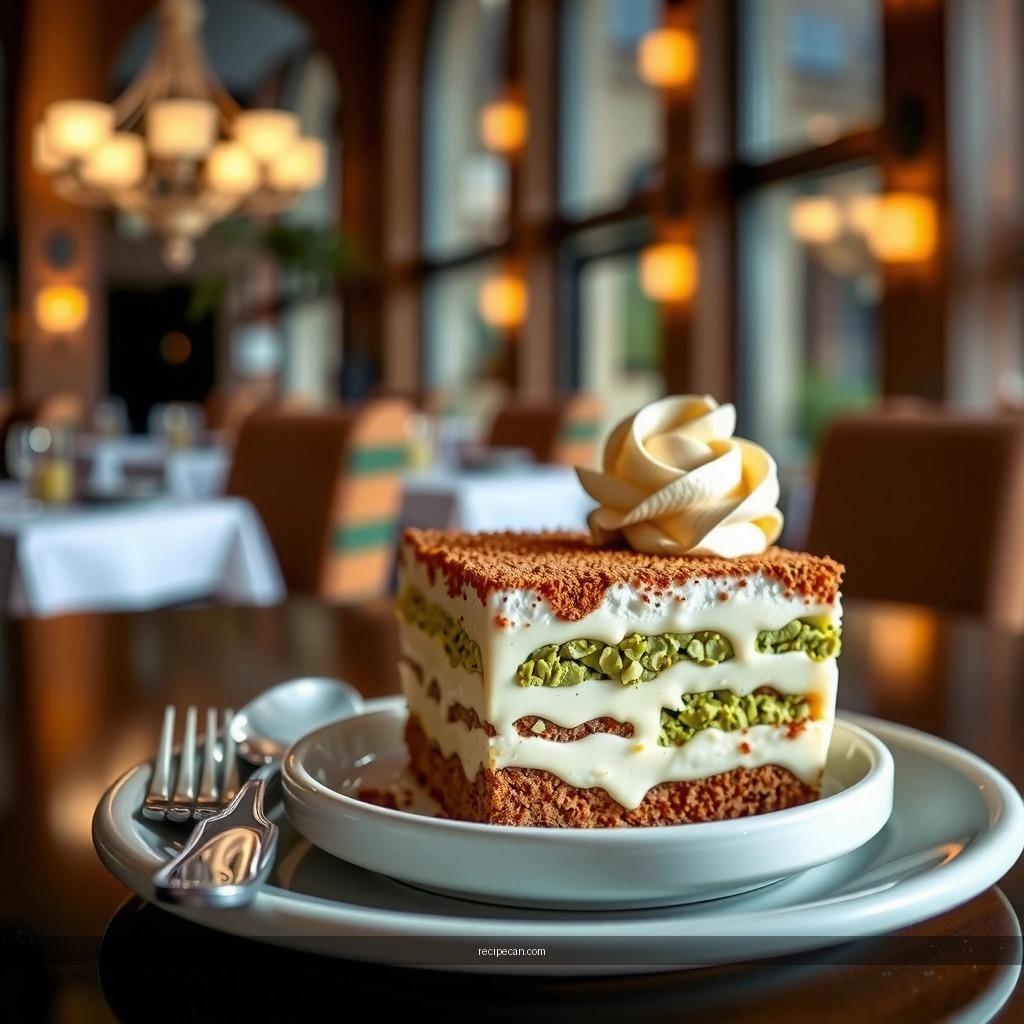
The mascarpone filling is where the dessert goes from “tasty” to “restaurant-quality.” The technique is simple: smooth mascarpone with sugar and vanilla, then fold in whipped cream so the texture stays light even after chilling.
1. Beat mascarpone with sugar and vanilla until smooth
– Use a hand mixer on low to medium just until creamy and lump-free.
– Overmixing doesn’t usually “break” mascarpone, but it can make the mixture thicker than needed; stop once smooth.
2. Fold in whipped cream for a light, creamy texture
– Whip heavy cream to soft-medium peaks (not stiff).
– Fold gently in two or three additions. Folding preserves air, which is key for a tiramisu that feels airy rather than dense.
3. Add finely ground pistachios or pistachio paste
– For strong flavor with minimal grit, pistachio paste is the cleanest option.
– For more visible pistachio character, add finely ground pistachios after the paste (or instead of it).
– Taste test: if your pistachio flavor feels muted, add a small extra spoon of pistachio paste or another tablespoon of ground nuts rather than increasing sugar.
Flavor strategy (analytical but practical):
– Paste = aroma + sweetness balance (and smoother mouthfeel)
– Powdered nuts = nutty depth (but can add texture if not finely ground)
The best all-around method is often paste plus a smaller amount of fine powder, which yields both intensity and body.
Prepare the Espresso Soak
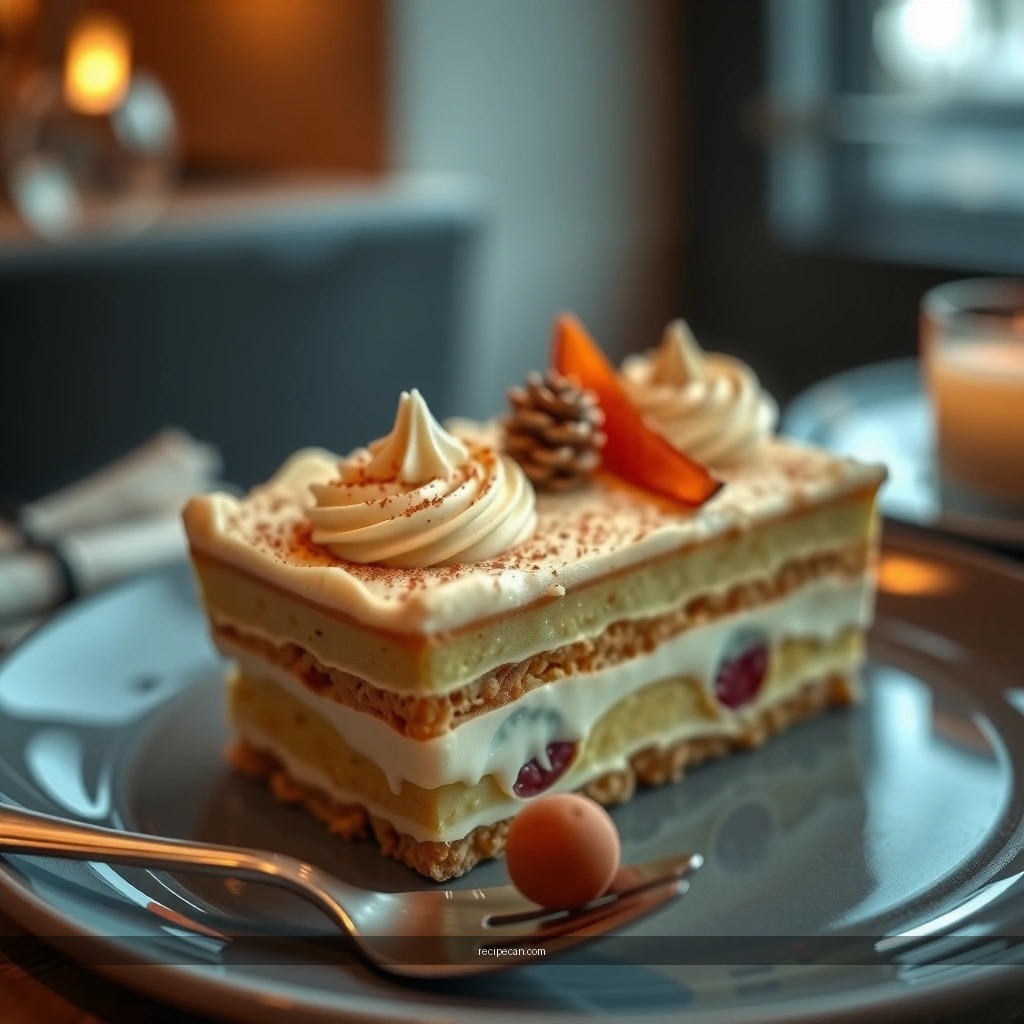
Espresso soak is the second control point. Too little liquid and the ladyfingers taste dry; too much and you’ll get a soggy, collapsing dessert. The goal is quick flavor transfer, not saturation.
1. Brew espresso (or strong coffee) and let it cool slightly
– Use warm-to-cool, not hot.
– If the espresso is steaming, it will soften ladyfingers too aggressively.
2. Lightly dip ladyfingers—avoid sogginess
– Dip each side for about 1–2 seconds.
– You should still see structure and resistance when layering; they should soften, not melt.
3. Optional: add a splash of sweet liqueur
– A modest addition (like amaretto or almond liqueur) complements pistachio and enhances aroma.
– Keep it restrained so the tiramisu remains creamy and not overly boozy.
Common failure mode to avoid:
If the filling is cold and the espresso is warm, the contrast can cause uneven softening. Either cool the espresso longer or let it sit while you prepare the filling.
Layer Like Classic Tiramisu
Layering is where you create clean slices and a professional-looking cross-section. Even distribution matters as much as flavor.
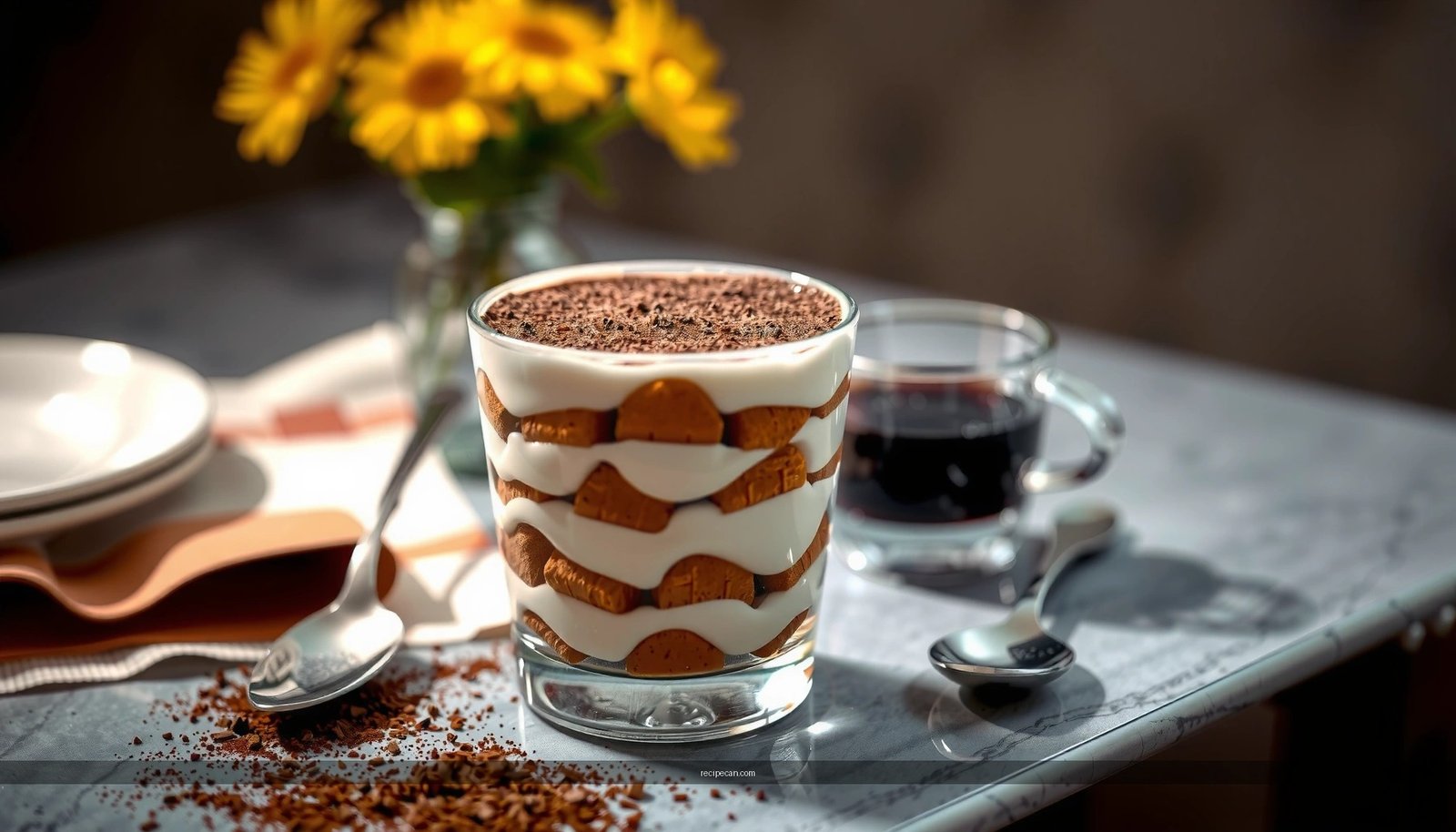
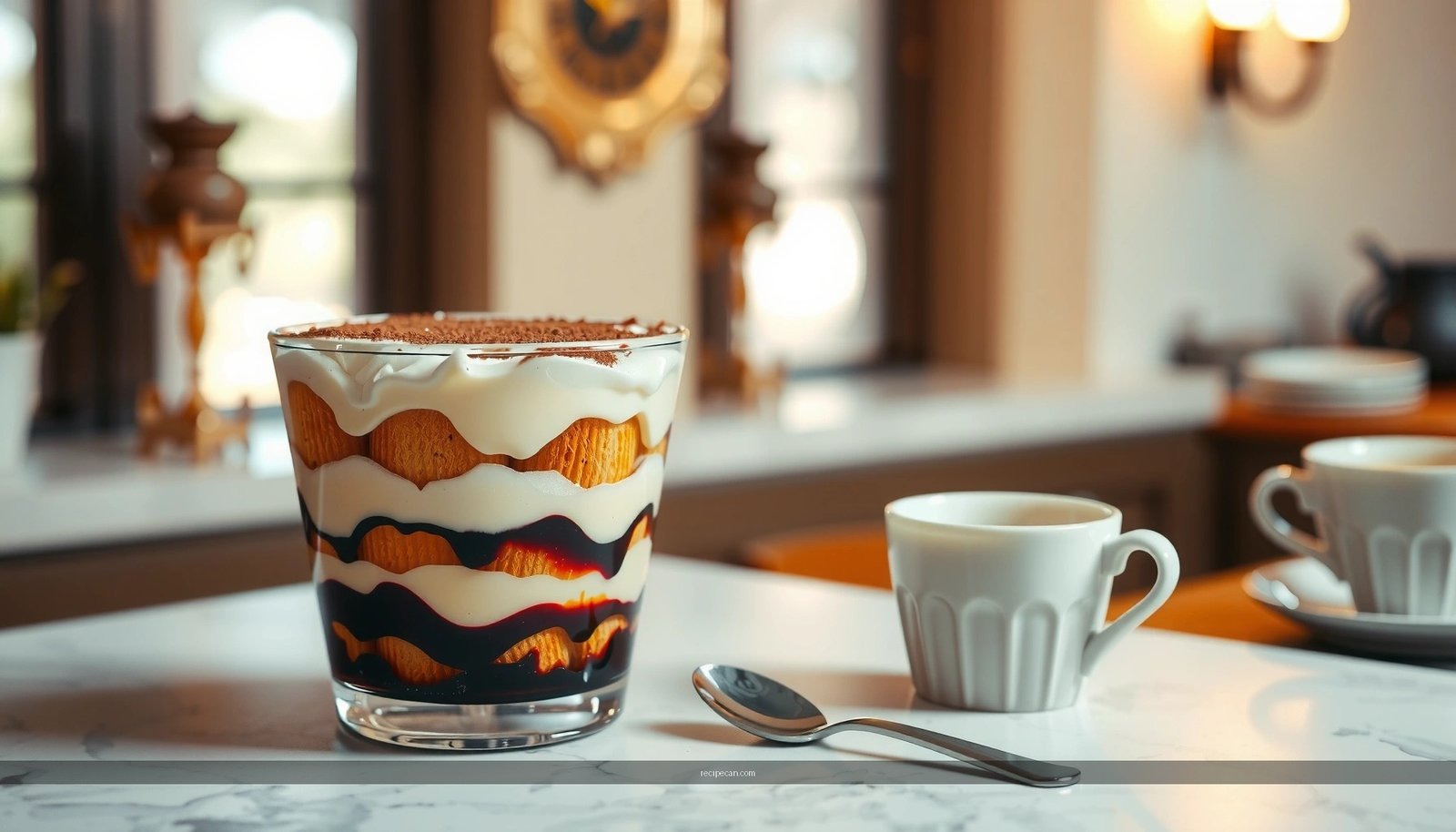
– Start with a thin cream layer, then a layer of espresso-soaked ladyfingers, then more cream.
– Repeat until your dish or glasses are filled.
– Tap the dish gently to settle layers evenly—don’t press hard.
Why the first cream layer matters:
It creates a barrier so the bottom ladyfingers soften evenly and the dessert lifts cleanly when served.
Glasses vs. a baking dish:
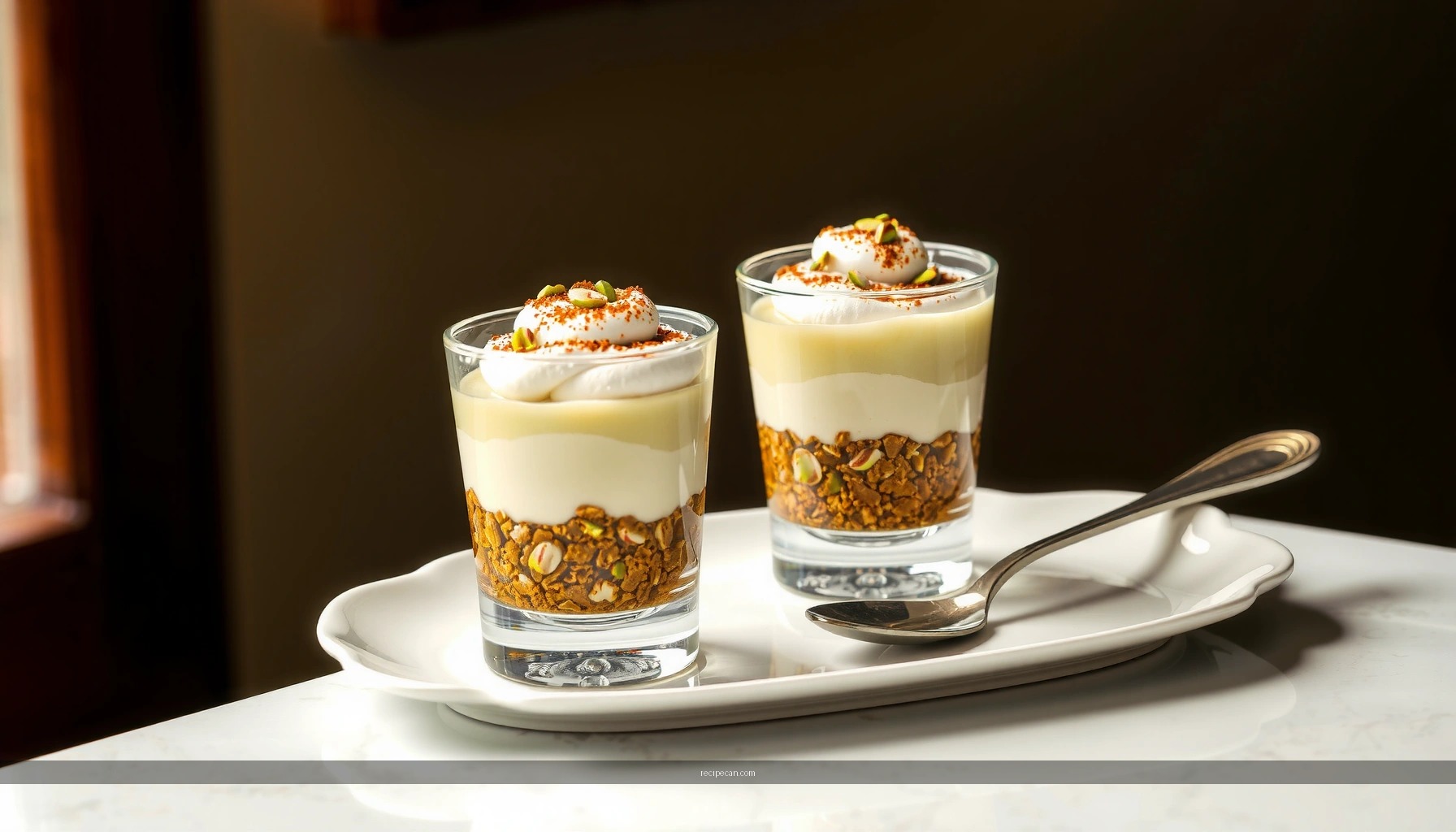
– Individual cups showcase pistachio layers visually and reduce slicing pressure.
– A baking dish is ideal for a “slice-and-serve” presentation, especially for entertaining.
Consistency check:
Your cream should be thick enough to hold ridges but spreadable. If it looks too stiff, fold in 1–2 tablespoons of whipped cream (or cream) to loosen. If it’s too loose, chilling will help, but avoid letting it become runny.
Chill for the Best Texture
Chilling turns a good pistachio tiramisu into a great one by letting the ladyfingers absorb espresso gradually while the mascarpone and whipped cream firm up into sliceable layers.
– Refrigerate at least 4–6 hours
– Overnight is best for maximum flavor integration and clean layering
– Keep covered to prevent the top from drying out or forming a skin
– Let sit 5 minutes before serving to slightly soften the cream for easier spooning or slicing
Temperature nuance:
If your refrigerator is very cold, 6–8 hours may be preferable for the filling to set without becoming overly firm. For best texture, serve cold but not ice-cold.
Serving logistics tip:
If you’re preparing ahead for an event, add the final topping right before serving so cocoa dusting stays vibrant and crushed pistachios keep their crunch.
Serve and Garnish
The finishing touch should reflect your flavor intent: classic cocoa for contrast, or pistachio for nutty texture. Either way, garnish is not optional—it’s what makes the dessert look intentionally crafted.
– Finish with cocoa dusting or extra crushed pistachios
– Garnish with whole pistachios for a polished look
– Serve in squares (for a baking dish) or in individual cups (for easy, elegant portions)
Presentation ideas that stay simple:
– Dust cocoa lightly through a fine sieve for even coverage.
– Scatter crushed pistachios on top and place 3–5 whole pistachios around the edge of each portion.
– If using glasses, wipe any smudges from the rim for a clean, café-style finish.
Flavor pairing note:
A slightly bitter espresso base and toasted pistachio topping create a balanced bite. If you prefer sweeter desserts, you can add a small drizzle of honey to the garnish, but keep it minimal so the mascarpone remains the star.
When you follow the method—smooth mascarpone, properly folded whipped cream, quick espresso dipping, and a full chilling window—you’ll get a pistachio tiramisu with layers that hold their shape and taste deeply aromatic, not just creamy.
Pistachio tiramisu is successful when you manage two variables: pistachio intensity (using pistachio paste and/or very finely ground nuts) and ladyfinger soak control (short dips into cooled espresso). With the step-by-step approach above—creamy mascarpone filling, gentle layering, and a proper 4–6 hour chill (overnight if possible)—you’ll produce a no-fuss dessert that looks impressive, slices cleanly, and tastes distinctly pistachio-forward.
Frequently Asked Questions
What is a pistachio tiramisu and how is it different from classic tiramisu?
Pistachio tiramisu is a creamy Italian-style no-bake dessert that swaps traditional mascarpone flavor cues with pistachio, often using pistachio cream, pistachio paste, or finely ground pistachios. While classic tiramisu relies heavily on coffee and cocoa, pistachio tiramisu may use espresso for the soaking step but typically adds pistachio as a nutty, fragrant layer and garnish. The result is a richer, more aromatic pistachio dessert with a distinctive green hue.
How do you make pistachio tiramisu without curdling the mascarpone mixture?
To avoid a split or grainy mascarpone texture, keep ingredients at a similar cool-to-room temperature and whip gently rather than aggressively. Start by whisking mascarpone until smooth, then fold in sweetened egg yolks (or whipped cream, depending on your recipe) using a light hand so the mixture stays silky. If you’re using whipped egg whites, fold them in gradually and stop as soon as no streaks remain—overmixing can affect the texture.
Why do pistachio tiramisu recipes taste best after chilling, and how long should you rest it?
Pistachio tiramisu tastes best after chilling because the layers—savoiardi (ladyfingers) plus pistachio mascarpone cream—need time to absorb the coffee flavor and hydrate evenly. This resting period also helps the pistachio cream set slightly, making clean slices easier. For best results, refrigerate at least 4–6 hours, but overnight chilling typically delivers the most balanced flavor.
Which pistachio ingredients work best for flavor—paste, cream, or ground pistachios?
For bold pistachio flavor, pistachio paste or pistachio cream is usually the best choice because it dissolves smoothly into the mascarpone mixture. Finely ground pistachios add texture and nuttiness, but they may be less intense than paste and can sometimes affect creaminess if too coarse. Many great pistachio tiramisu recipes combine both—pistachio paste for richness and ground pistachios for garnish—so you get a strong flavor and a satisfying crunch.
What’s the best way to soak ladyfingers for a pistachio tiramisu that isn’t soggy?
The key is quick dipping: dip each ladyfinger in coffee (or espresso syrup) for just a second or two, then layer immediately. If you soak too long, the savoiardi can break down and turn the pistachio tiramisu watery. Use a thicker coffee mixture (less liquid) and build in even layers so the cream sets, helping the dessert hold its structure once chilled.
References
- Tiramisu
https://en.wikipedia.org/wiki/Tiramisu - Mascarpone
https://en.wikipedia.org/wiki/Mascarpone - Pistachio
https://en.wikipedia.org/wiki/Pistachio - Tiramisu | Meaning, Ingredients, Origin, Desserts, & Taste | Britannica
https://www.britannica.com/topic/tiramisu - Lady finger
https://en.wikipedia.org/wiki/Ladyfinger - https://www.fsis.usda.gov/food-safety/safe-food-handling-and-preparation/eggs-and-food-safety
https://www.fsis.usda.gov/food-safety/safe-food-handling-and-preparation/eggs-and-food-safety - Google Scholar Google Scholar
https://scholar.google.com/scholar?q=pistachio+tiramisu+recipe - Google Scholar Google Scholar
https://scholar.google.com/scholar?q=tiramis%C3%B9+pistachio+mascarpone+recipe - Google Scholar Google Scholar
https://scholar.google.com/scholar?q=raw+egg+food+handling+tiramisu - pistachio tiramisu recipe – Search results
https://en.wikipedia.org/wiki/Special:Search?search=pistachio+tiramisu+recipe