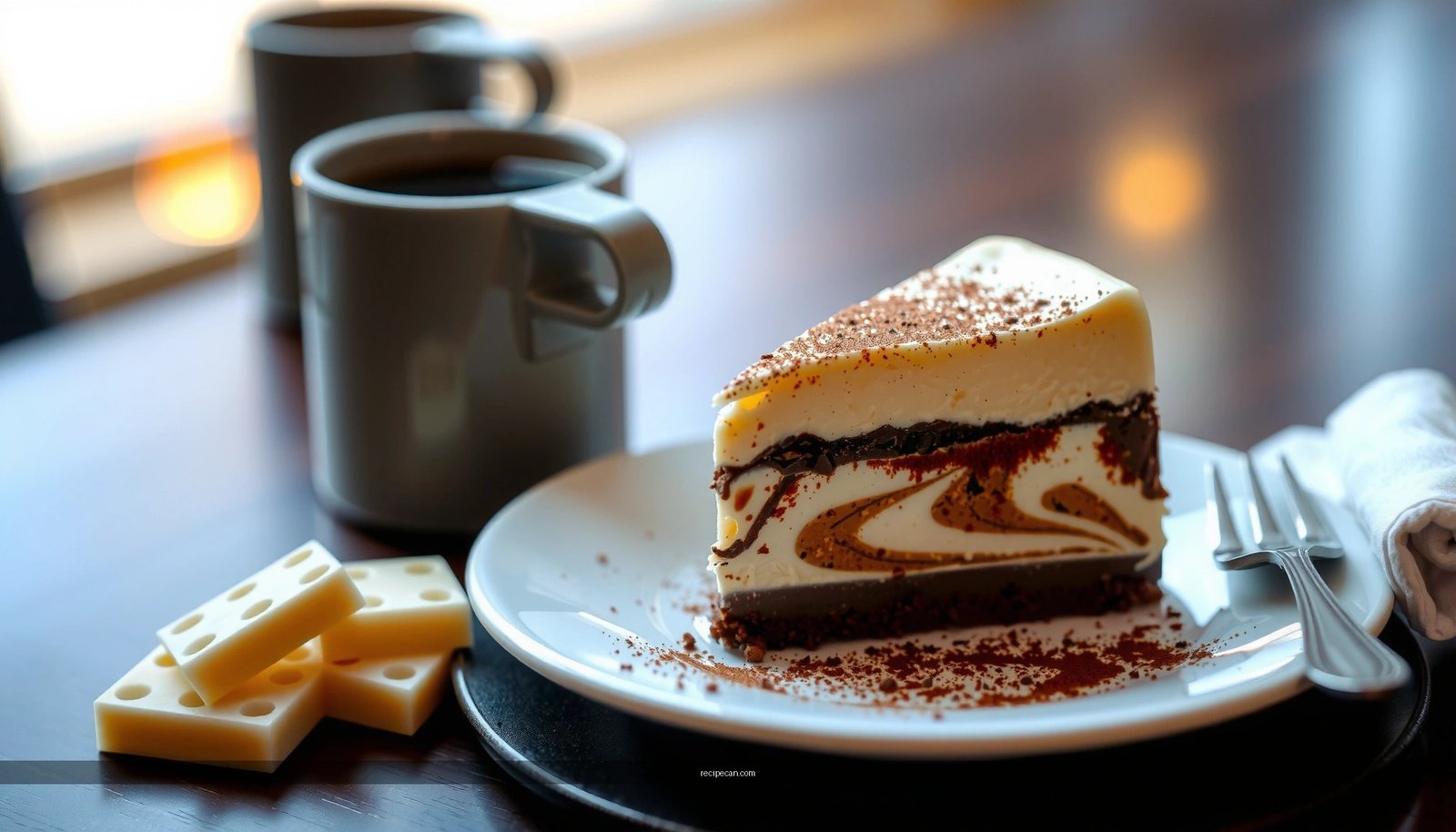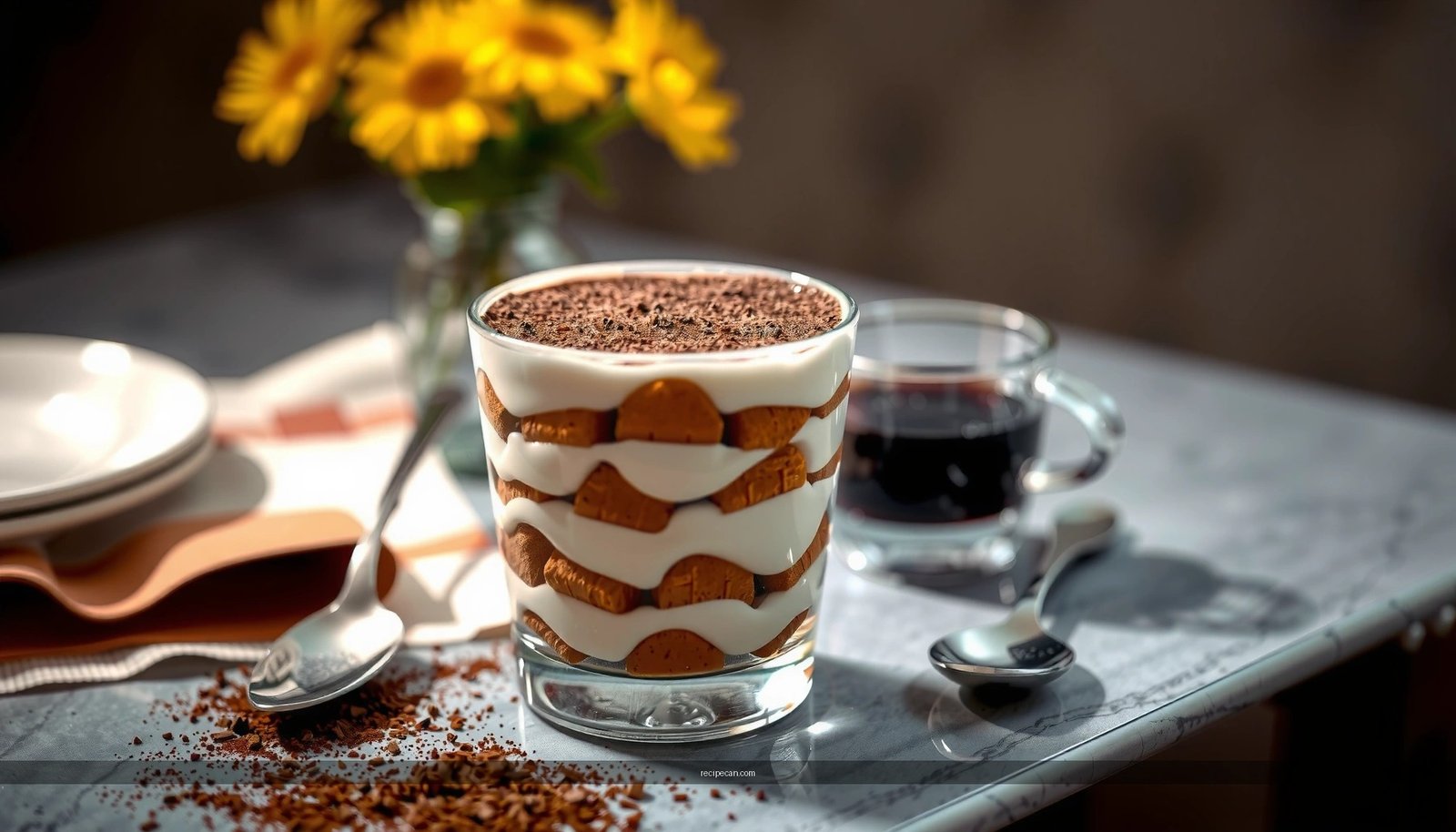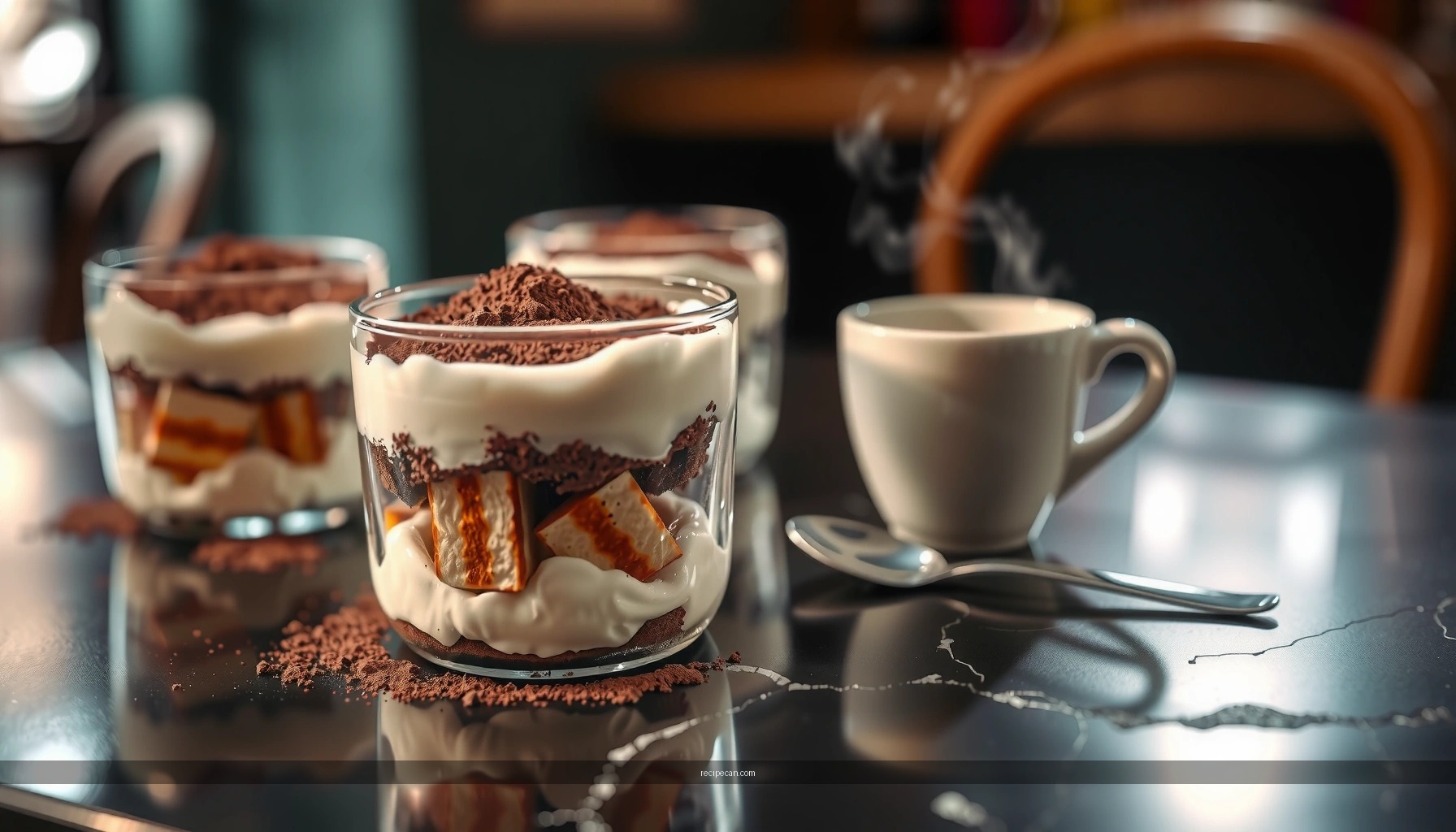
Get a classic tiramisu recipe Italian way—step by step—for the creamy, spoonable dessert people actually crave. This guide answers how to build the right mascarpone cream, soak the ladyfingers correctly, and layer for maximum flavor and texture without turning soggy. Follow these tried-and-true steps and you’ll get a Tiramisu that tastes homemade, not just “almost.”
Make authentic tiramisu the Italian way by layering espresso-soaked ladyfingers with a mascarpone egg-cream, then chilling until set. If you focus on three control points—strong (but cooled) espresso, a correctly whipped mascarpone egg layer, and sufficient chilling—you’ll reliably get a light, creamy texture instead of a runny dessert.
Gather Traditional Italian Tiramisu Ingredients
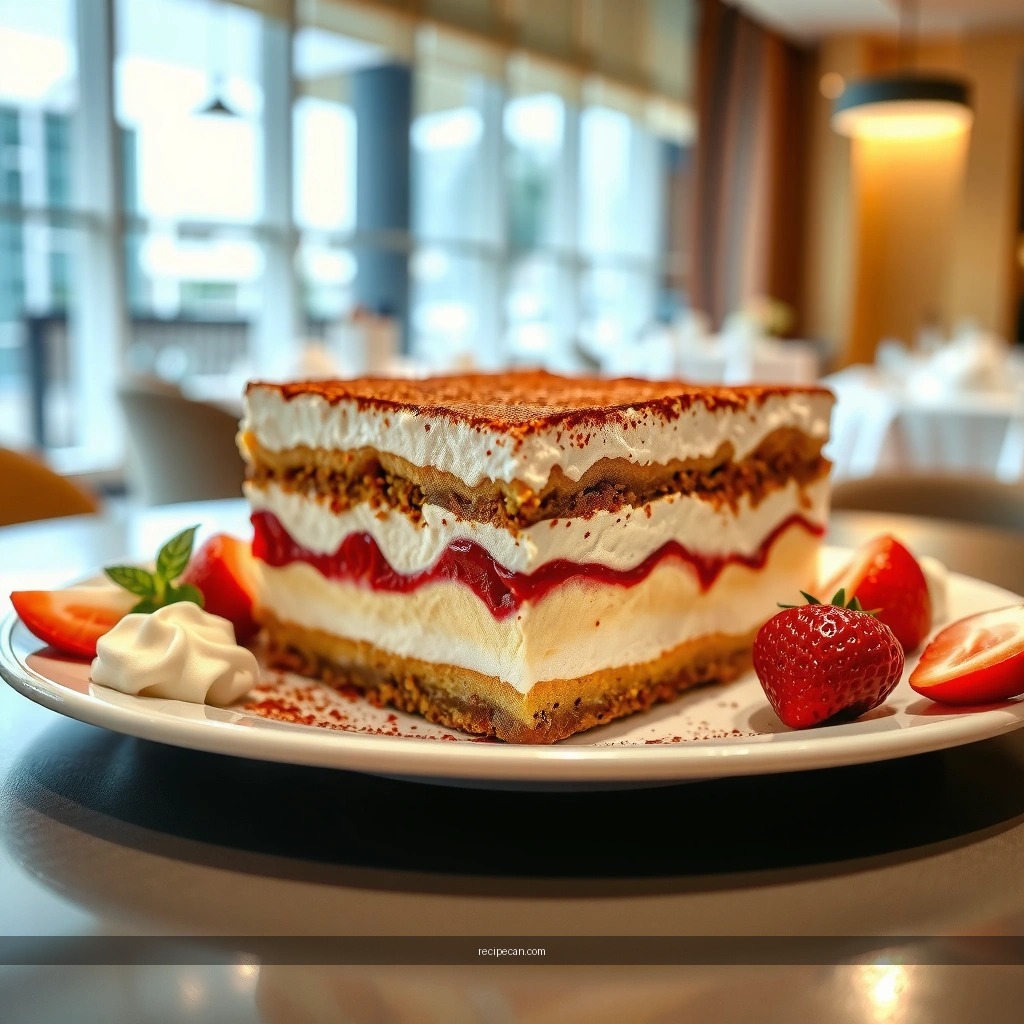
Authentic tiramisu recipe Italian style starts with the classic components that create both structure and flavor: mascarpone for body, eggs for stability and silkiness, sugar for balance, espresso for aromatic depth, and ladyfingers plus cocoa for the signature contrast.
Core ingredients (what you actually need):
– Mascarpone: the heart of the cream. Choose a high-fat mascarpone (typically 40% fat) so it thickens cleanly when folded into the egg mixture.
– Eggs: use fresh eggs for a smooth yolk-based base and airy whipped whites.
– Granulated sugar: used to sweeten and help dissolve into the yolks.
– Espresso: strongly brewed coffee for the soak; cool it slightly so it doesn’t prematurely soften or melt the cream layer.
– Ladyfingers (savoiardi): the absorbent “platform” that holds espresso without collapsing.
– Unsweetened cocoa powder: for finishing; it should be aromatic and dry, not clumpy.
Practical choices that make a difference:
– Egg safety and stability: classic tiramisu uses raw eggs, but if you’re serving guests, consider using pasteurized eggs to reduce risk while keeping the authentic technique.
– Flavor specificity: espresso that tastes balanced on its own will make a better tiramisu. If your espresso is bitter or thin, the dessert will mirror that problem.
– Cocoa selection: unsweetened cocoa with deep chocolate notes (not hot-chocolate mixes) produces the authentic finish Italians expect.
Ingredient Specs That Most Influence Classic Tiramisu Texture
| # | Ingredient | Texture Target | Ideal Range | Classic Impact |
|---|---|---|---|---|
| 1 | Mascarpone | Stable cream body | ~36–45% milk fat | ★★★★★ |
| 2 | Egg yolks | Silky thick base | Whisk until pale & ribboning | ★★★★☆ |
| 3 | Egg whites | Air for lightness | Soft peaks (no dry stiffness) | ★★★★☆ |
| 4 | Espresso | Aromatics without collapse | Brew strong; cool 5–10 min | ★★★★☆ |
| 5 | Ladyfingers | Proper soak, intact slice | Quick dip: 1–2 seconds/side | ★★★☆☆ |
| 6 | Sugar | Dissolves into yolks | Until sugar is no longer gritty | ★★★☆☆ |
| 7 | Cocoa powder | Finish & moisture buffer | Unsweetened; sift right before serving | ★★★★☆ |
Make the Espresso and Prep the Ladyfingers

A common reason tiramisu turns out runny is over-soaking. The Italian approach is to use strong espresso and dip quickly, so ladyfingers absorb flavor while staying structurally sound.
Step-by-step espresso preparation:
1. Brew espresso strong enough to taste slightly bold on its own—weak coffee gets diluted by cream.
2. Let it cool 5–10 minutes. Warm liquid can accelerate softening and loosen cream layers.
3. Use a shallow bowl so you can dip efficiently.
How to dip ladyfingers without sogginess:
– Dip each side for about 1–2 seconds (think “coat the surface,” not “soak through”).
– Place immediately into your dish after dipping.
– If your kitchen is warm, work faster or keep the espresso slightly cooler.
Analytical lens (why this works): Ladyfingers are porous; liquid travels quickly through them. Once they’re saturated, they release moisture into the cream over time—especially during the chilling window. Quick dipping keeps the moisture where it belongs: concentrated enough for flavor, restrained enough for structure.
Pro tip for consistency: If you’re using a standard rectangular dish, pre-plan your rows before you start dipping so every ladyfinger gets a uniform dip time.
Whip the Mascarpone Egg Cream
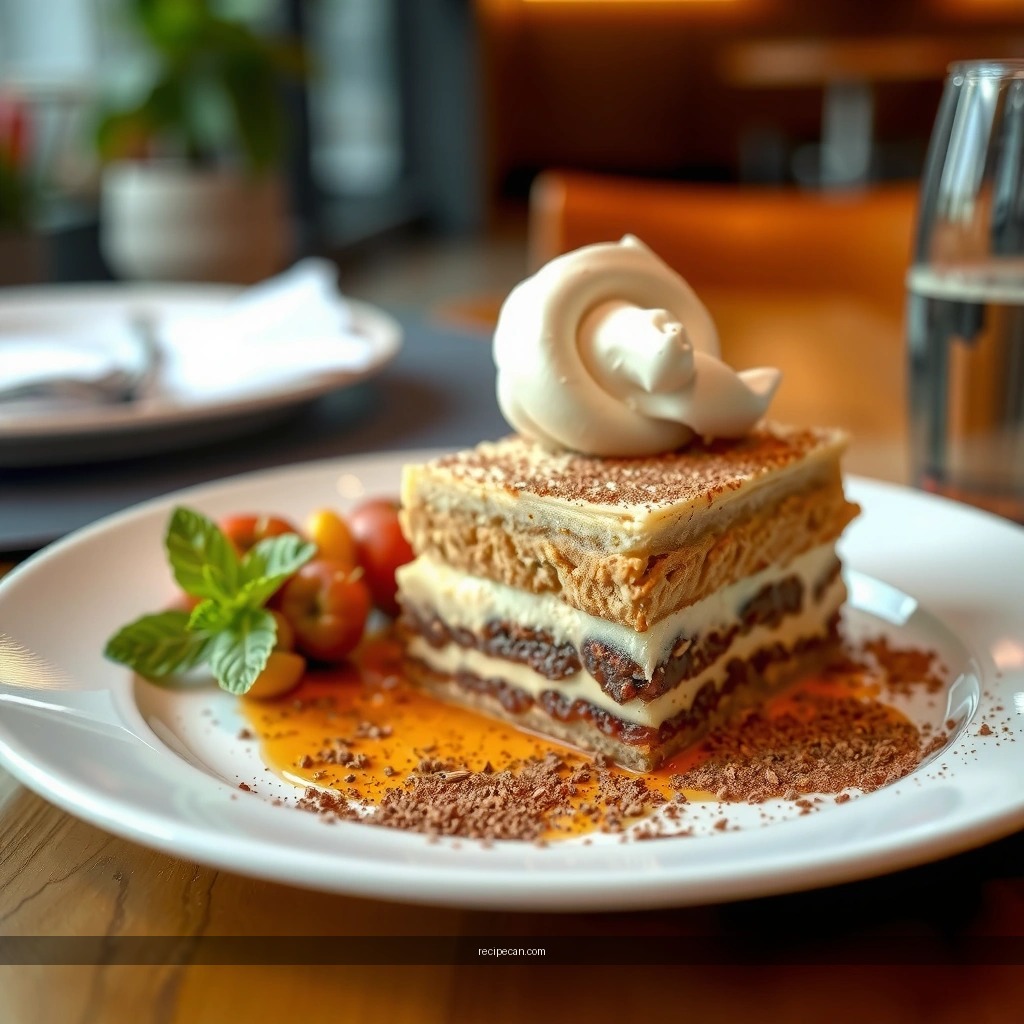
The mascarpone egg-cream is where texture is won. The goal is a base that’s creamy but not loose, light but not airy-to-the-point of collapsing.
Build the yolk mixture:
1. Whisk egg yolks with sugar until the mixture turns pale and smooth—this is crucial for eliminating a grainy texture.
2. Add mascarpone and mix just until incorporated. Overmixing can make the mixture look glossy but feel heavy.
Fold in whipped whites:
1. Whip egg whites to soft peaks. Soft peaks should hold shape briefly and still look supple.
2. Gently fold whipped whites into the mascarpone base in stages. Use a spatula and a steady hand; you’re preserving air bubbles that later contribute to “creaminess” without heaviness.
Key risk: runny cream from over-handling
– Over-whipping whites into dry peaks can create a grainy structure and make folding harder.
– Vigorous stirring after adding whites can deflate them, resulting in a denser cream that doesn’t hold its “spoon texture” well.
Serving workflow matters: Keep the cream refrigerated if your kitchen is warm. The cream should be cold-ish when assembling so it firms as the dessert chills.
Layer and Assemble Like an Italian Tiramisu
Italian tiramisu assembly is straightforward—but the sequence affects the final slice.
Layer order that supports clean structure:
– Start with a thin cream layer at the bottom (this prevents ladyfingers from sticking and helps even moisture distribution).
– Add a row of espresso-dipped ladyfingers.
– Add more mascarpone egg cream.
– Repeat until your dish is filled.
– Finish with a final cream layer, then top with a generous dusting of cocoa powder.
How to avoid uneven settling:
– Don’t compress the layers. Lightly spread cream with a spatula, then add ladyfingers gently.
– Ensure ladyfingers touch the cream beneath so they soak slightly from below, not by pooling liquid on top.
Portioning tip: If you want neat squares, chill the dessert long enough for the cream to set firmly, and use a sharp knife dipped in hot water (then wiped) for each cut.
Chill, Set, and Serve for Best Texture
Tiramisu is not a “serve immediately” dessert. The chilling phase is part of the recipe because it lets flavors meld and the cream set into a sliceable structure.
Recommended refrigeration:
– Refrigerate at least 4–6 hours.
– For best results, chill overnight. The cream thickens and the espresso/ladyfinger texture stabilizes.
Serving temperature:
– Serve cold, straight from the refrigerator.
– If it sits at room temperature, the mascarpone texture softens and cocoa can start to absorb moisture, which may blur the signature contrast.
Clean, professional presentation:
– Dust cocoa right before serving (or close to serving) so it stays dry and aromatic.
– Portion with a consistent cut and wipe the knife between slices.
Key Tips to Keep Your Tiramisu Perfect
Small adjustments prevent the most common failures—especially the runny filling problem.
– Don’t over-dip ladyfingers—quick dips only. Even an extra second can be enough to flood a layer.
– Use quality espresso and fresh cocoa powder. Better coffee gives a richer aroma; real cocoa powder provides a dry finish that doesn’t turn bitter or watery.
– Fold whites gently. Preserve air for lightness; avoid aggressive mixing after adding egg whites.
– Chill long enough. Under-chilling is often what people misdiagnose as “a bad cream recipe.” The dessert needs time to set.
– Keep ingredients cold during assembly. Cold cream is more stable and less likely to loosen prematurely.
Tiramisu recipe Italian style is all about the creamy mascarpone egg layer, quick espresso dipping, and proper chilling. Follow the steps above, chill it thoroughly, and you’ll get the classic taste and texture every time—then try making it for your next dinner party or family dessert night.
This method delivers the authentic Italian outcome: a structured, creamy tiramisu where espresso flavor is present without turning the filling runny. By controlling espresso temperature, dip time, and egg-cream folding—then giving the dessert adequate refrigeration—you’ll consistently produce a dessert that slices cleanly and tastes balanced, light, and unmistakably classic.
Frequently Asked Questions
What is the classic tiramisu recipe Italian style?
A classic tiramisu recipe Italian style uses mascarpone cheese, espresso-soaked ladyfingers, eggs (often separated into yolks and whipped whites), sugar, and cocoa powder dusted on top. The key is to assemble quickly so the ladyfingers absorb the coffee without turning mushy. Traditional versions also use Marsala or another Italian liqueur for depth of flavor, though it’s optional.
How do you make tiramisu without raw eggs?
If you want a tiramisu recipe Italian without raw eggs, use a method that heat-treats the eggs, such as gently tempering yolks over a bain-marie until they thicken. Alternatively, look for a recipe that uses pasteurized eggs or mascarpone whipped with sweetened cream rather than raw yolks. This keeps the creamy texture while making the tiramisu safer to serve.
Why does tiramisu become runny and how can you fix it?
Runny tiramisu usually happens when the mascarpone mixture is too warm, the ladyfingers are soaked too long, or the cream hasn’t been whipped to the right consistency. To fix it, chill the assembled tiramisu for at least 4 hours so the mascarpone sets and the layers firm up. For next time, dip ladyfingers briefly into espresso (or espresso plus liqueur) and use well-chilled ingredients for the best stability.
What is the best coffee to use for an authentic tiramisu recipe Italian?
For an authentic tiramisu recipe Italian, use strong espresso or very concentrated coffee so it tastes bold against the sweetness of mascarpone. Freshly brewed espresso gives the most aromatic flavor, but instant espresso can work well if you dissolve it thoroughly and let it cool. Avoid overly watery coffee—dilution can lead to a weaker flavor and a soggier texture.
Which ingredients make tiramisu taste truly Italian?
The most important ingredients for a true Italian tiramisu recipe are quality mascarpone, strong coffee/espresso, and a good cocoa powder for the final dusting. Many Italian versions also include Marsala wine and use traditional ladyfingers (savoiardi) for the signature layer structure. Using these staples helps you nail the authentic balance of creamy mascarpone, coffee bitterness, and cocoa sweetness.
References
- Tiramisu
https://en.wikipedia.org/wiki/Tiramisu - Tiramisu | Meaning, Ingredients, Origin, Desserts, & Taste | Britannica
https://www.britannica.com/topic/tiramisu - Cookbook:Tiramisù – Wikibooks, open books for an open world
https://en.wikibooks.org/wiki/Cookbook:Tiramisu - Mascarpone
https://en.wikipedia.org/wiki/Mascarpone - Lady finger
https://en.wikipedia.org/wiki/Ladyfinger - Espresso
https://en.wikipedia.org/wiki/Espresso - Cocoa powder
https://en.wikipedia.org/wiki/Cocoa_powder - Google Scholar Google Scholar
https://scholar.google.com/scholar?q=tiramisu+recipe+italian - Google Scholar Google Scholar
https://scholar.google.com/scholar?q=mascarpone+and+egg+mixture+tiramisu - Google Scholar Google Scholar
https://scholar.google.com/scholar?q=tiramisu+coffee+ladyfingers+savoiardi+food+science