This French toast recipe casserole is the overnight breakfast answer when you want effortless prep and a guaranteed custardy, golden top. You’ll get a straightforward method for soaking bread in a simple egg-and-milk mixture, layering it in a baking dish, and letting it do the work overnight. The result is the winner over stovetop French toast: fewer steps, no flipping, and a full pan of ready-to-serve breakfast.
French toast recipe casserole is the easiest way to get classic, custardy French toast without standing over a skillet—make the custard soak the bread overnight, then bake until golden. By layering bread, pouring a cinnamon-egg mixture, and resting it long enough for full absorption, you’ll get consistent slices with minimal last-minute effort.
Ingredients for French Toast Recipe Casserole
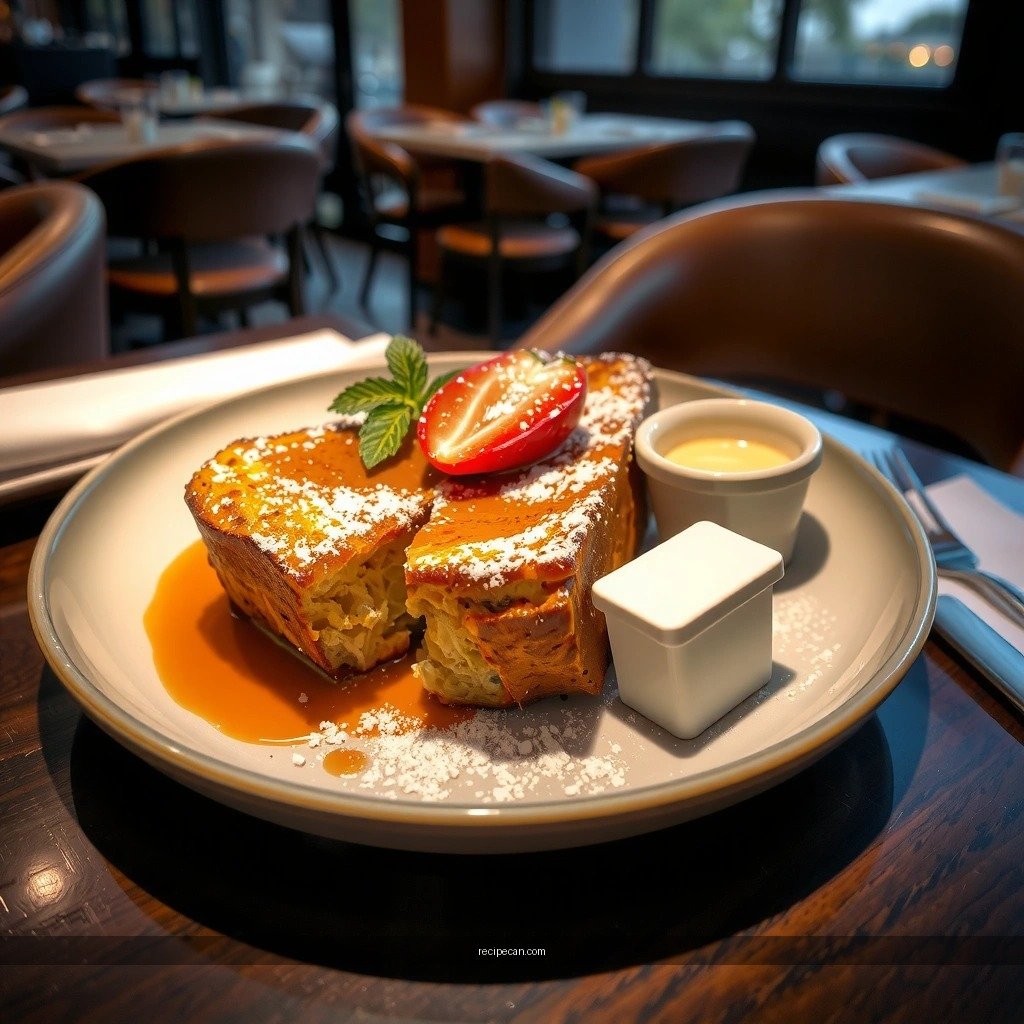
A successful French toast recipe casserole is less about fancy ingredients and more about using the right bread, correct custard ratio, and balanced sweetness. Sturdy, absorbent bread is the foundation because it turns into tender, custardy “toast” after soaking.
– Choose sturdy bread (brioche or challah works best for soak-and-bake)
Brioche and challah have enough structure to hold shape in a casserole while still soaking up egg custard. If you prefer a leaner option, sourdough can work—use thicker pieces and allow extra soaking time. Avoid very soft sandwich bread unless you’re okay with a softer, more pudding-like texture.
– Use eggs, milk (or half-and-half), sugar, and vanilla for rich flavor
Eggs provide the set (custardy texture after baking). Milk or half-and-half controls richness—half-and-half produces a creamier interior and a slightly richer flavor profile.
– Add cinnamon and optional nutmeg for classic French toast taste
Cinnamon is non-negotiable for traditional French toast flavor. A small pinch of nutmeg adds warmth and depth without making the casserole taste “spiced.”
Custard Ratios That Consistently Set in a 9×13-Inch Casserole
| # | Bread Type | Eggs | Milk / Half-and-Half | Best Texture Outcome | Baking Success* |
|---|---|---|---|---|---|
| 1 | Brioche | 8 | 2 cups half-and-half | Very creamy, custardy center | ★★★★★ |
| 2 | Challah | 8 | 2 cups whole milk | Balanced, “classic” French toast bite | ★★★★☆ |
| 3 | Sourdough (thick-cut) | 9 | 2¼ cups whole milk | Firm edges with a custard-soft interior | ★★★★☆ |
| 4 | Texas toast–style brioche | 7 | 2 cups half-and-half | Tender cubes that hold up to slicing | ★★★☆☆ |
| 5 | Whole wheat bread (dense) | 9 | 2¼ cups half-and-half | Set custard with hearty texture | ★★★★☆ |
| 6 | Cinnamon swirl bread | 8 | 2 cups whole milk | More sweetness; still sliceable when soaked fully | ★★★★☆ |
| 7 | Very soft white bread (not ideal) | 10 | 2 cups whole milk | Turns more like bread pudding than French toast | ★★☆☆☆ |
Baking success reflects how consistently the casserole typically sets with clean slicing when using the listed bread type + custard ratio.
How to Prepare the Casserole Base
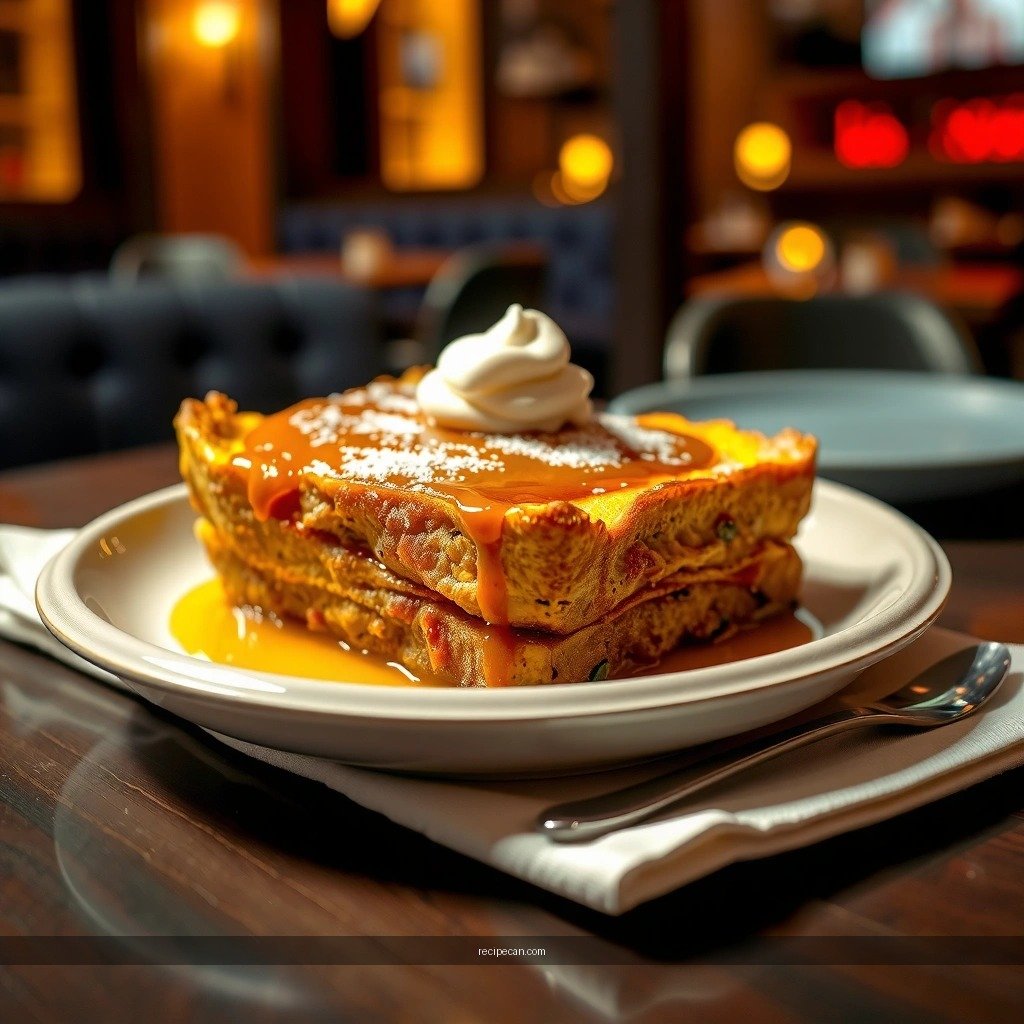
The casserole base is where you control both texture and portioning. In a French toast recipe casserole, every piece of bread must be evenly exposed to the custard—otherwise you’ll end up with dry spots and overly wet pockets.
– Cut bread into cubes or thick slices and layer evenly in a baking dish
Aim for 1–1.5-inch cubes (or thick slices if you want more “toast-like” pieces). Distribute pieces uniformly across the baking dish so the custard absorbs at a consistent rate. If you’re using thick-cut bread, you may need a longer overnight soak for the center to soften fully.
– Whisk the egg mixture thoroughly so every bite stays consistent
Whisk eggs, milk/half-and-half, sugar, vanilla, cinnamon, and optional nutmeg until the mixture looks smooth and evenly colored. Sugar dissolves best when the custard is whisked well; undissolved sugar can caramelize too aggressively in the hottest spots.
– Pour custard over bread and gently press for full soaking
Pour slowly so custard flows between bread pieces. Then gently press with a spatula to ensure the top layers contact the liquid. In an overnight casserole, this “first soak” step prevents the common problem of bread that floats and bakes dry.
Practical benchmark: after soaking and pressing, the bread should look evenly moistened, with no completely dry sections visible on top.
Overnight vs. Same-Day Baking
The biggest advantage of a French toast recipe casserole is that time does the work. Baking success depends on how long the bread has to hydrate and how long you allow the custard to set.
– Refrigerate covered for at least 4–8 hours for an easy overnight breakfast
Overnight typically means 8–12 hours, but even 4–8 hours can work if your bread is cut relatively small. Keep the dish covered to prevent the top from drying out in the fridge.
– For same-day, let it rest 20–30 minutes before baking
This rest lets custard absorb into the bread. Same-day results can still be excellent, but you’re trading some of the overnight depth for convenience—expect a slightly softer center.
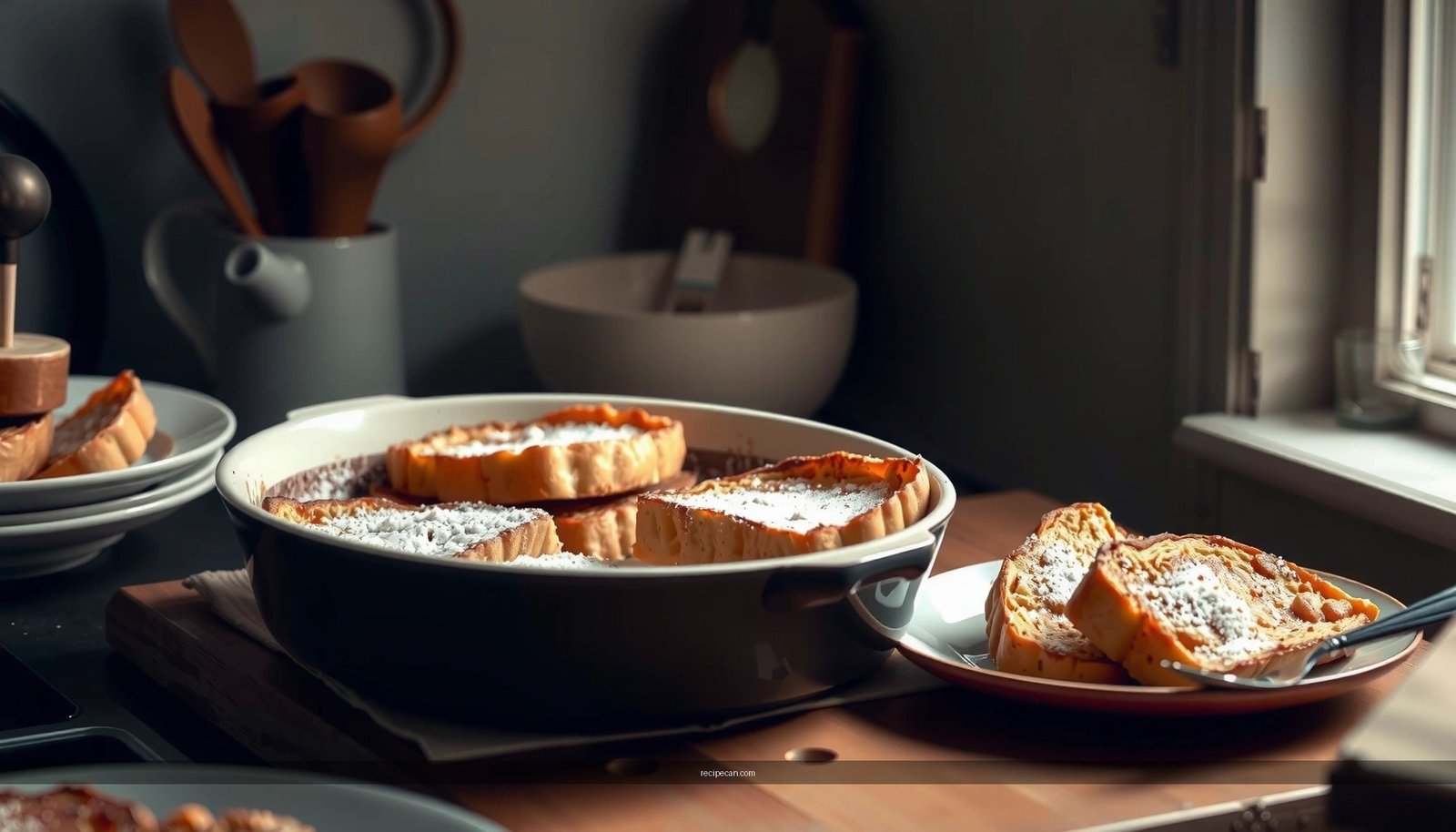
– Know the bake targets: set center, golden edges, lightly puffed top
Look for visual cues, not just a timer. A well-baked casserole will have:
– Set edges that pull slightly from the dish
– A center that no longer looks liquid or sloshy when you gently move the pan
– A lightly puffed top with golden-brown areas
For many ovens, this typically lands around 350°F (175°C) for 35–50 minutes, but real timing varies by dish depth, bread size, and how cold the casserole is when it goes in.
Baking Tips for Best Texture
Casserole baking is controlled by heat distribution and moisture management. With French toast, you want enough browning for flavor while protecting the custard from drying out.
– Cover with foil partway through to prevent over-browning
If your top browns quickly but the center still needs time, tent with foil for the remaining bake. This is especially helpful for thicker bread cubes or shallower pans.
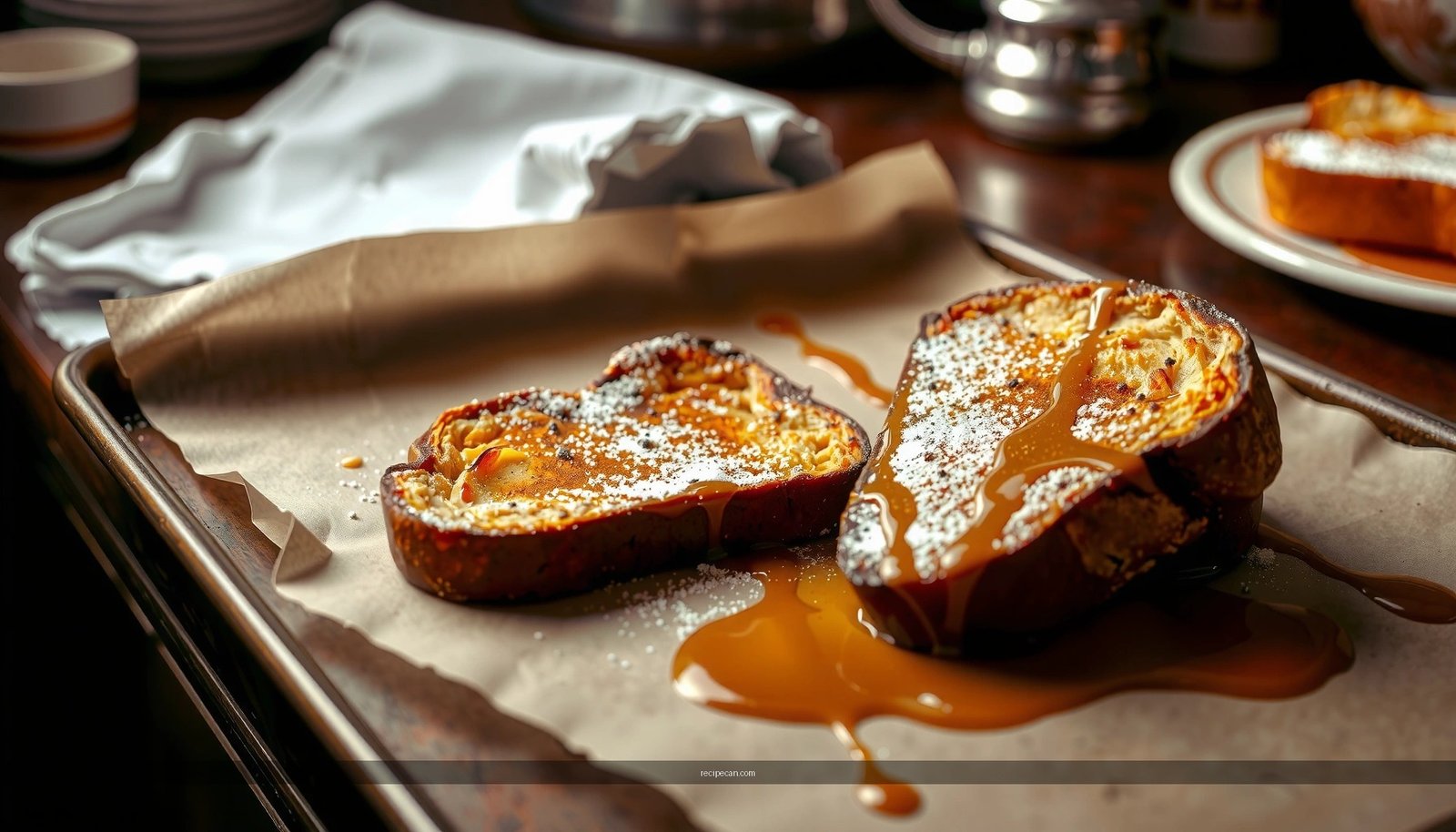
– Let it rest 5–10 minutes after baking to firm up and serve cleanly
Custard firms as it cools slightly. Cutting immediately can cause slices to collapse or look creamy in the wrong places. A short rest makes portioning far cleaner.
– Slice or scoop with a spatula for the best custardy portions
For cubes, scooping with a wide spatula helps keep the custard intact. For thick slices, use a flat spatula and gentle lifting to avoid breaking the set layers.
Texture mindset: you’re aiming for custardy set, not dry bread. If you’ve ever had “soupy” French toast, the fix is usually baking longer or ensuring deeper soaking; if you’ve had dry casserole, the fix is often shorter bake time, correct liquid ratio, or covering earlier.
Toppings and Serving Ideas
A French toast recipe casserole is designed to be topped—because toppings are where customization happens without affecting structure. Think of the base as your custard platform and toppings as your “flavor and contrast layer.”
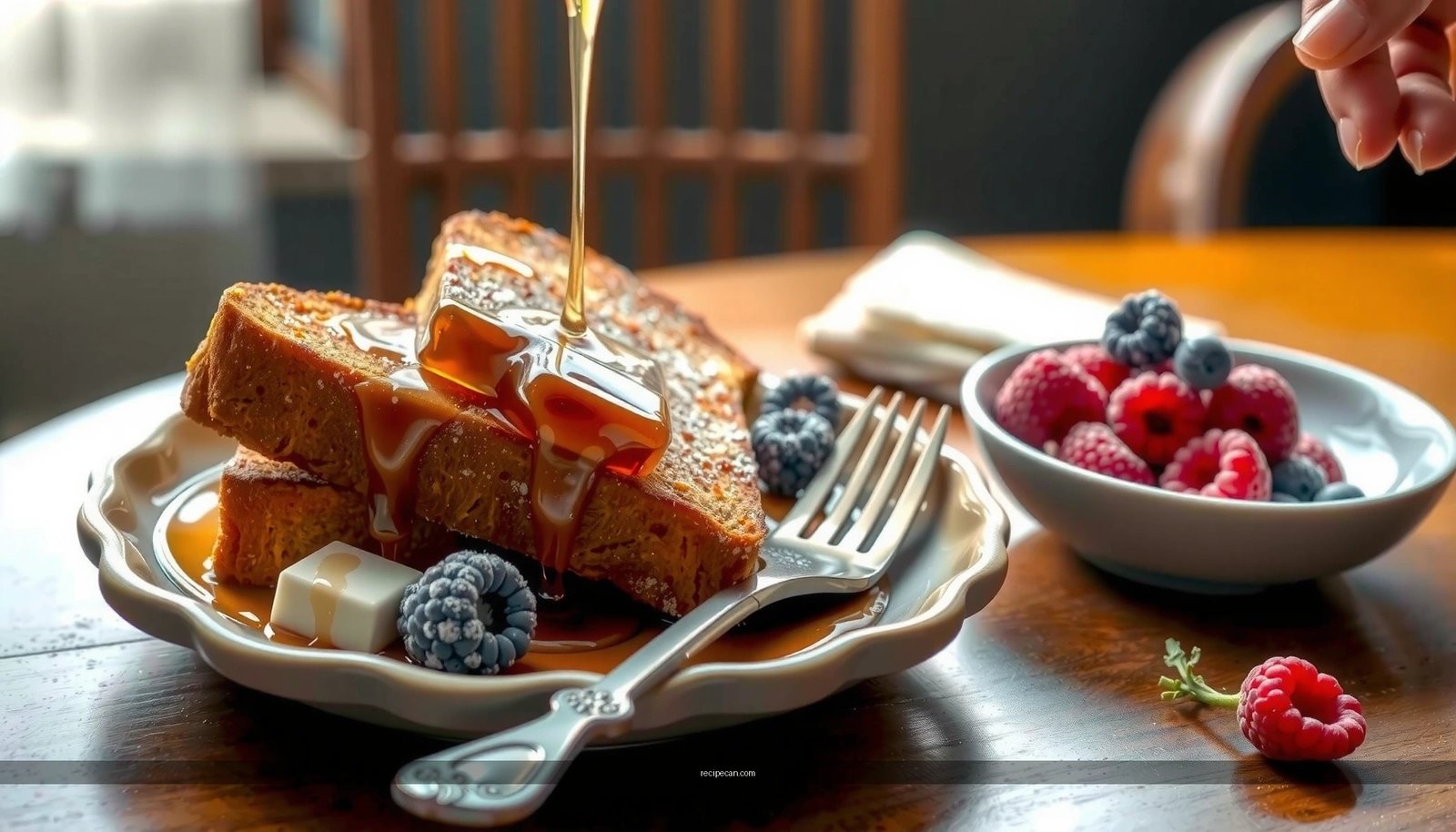
– Serve with maple syrup, powdered sugar, fresh berries, or whipped cream
Maple syrup delivers classic sweetness; berries add acidity that balances richness. Powdered sugar is visually appealing and lightly sweet.
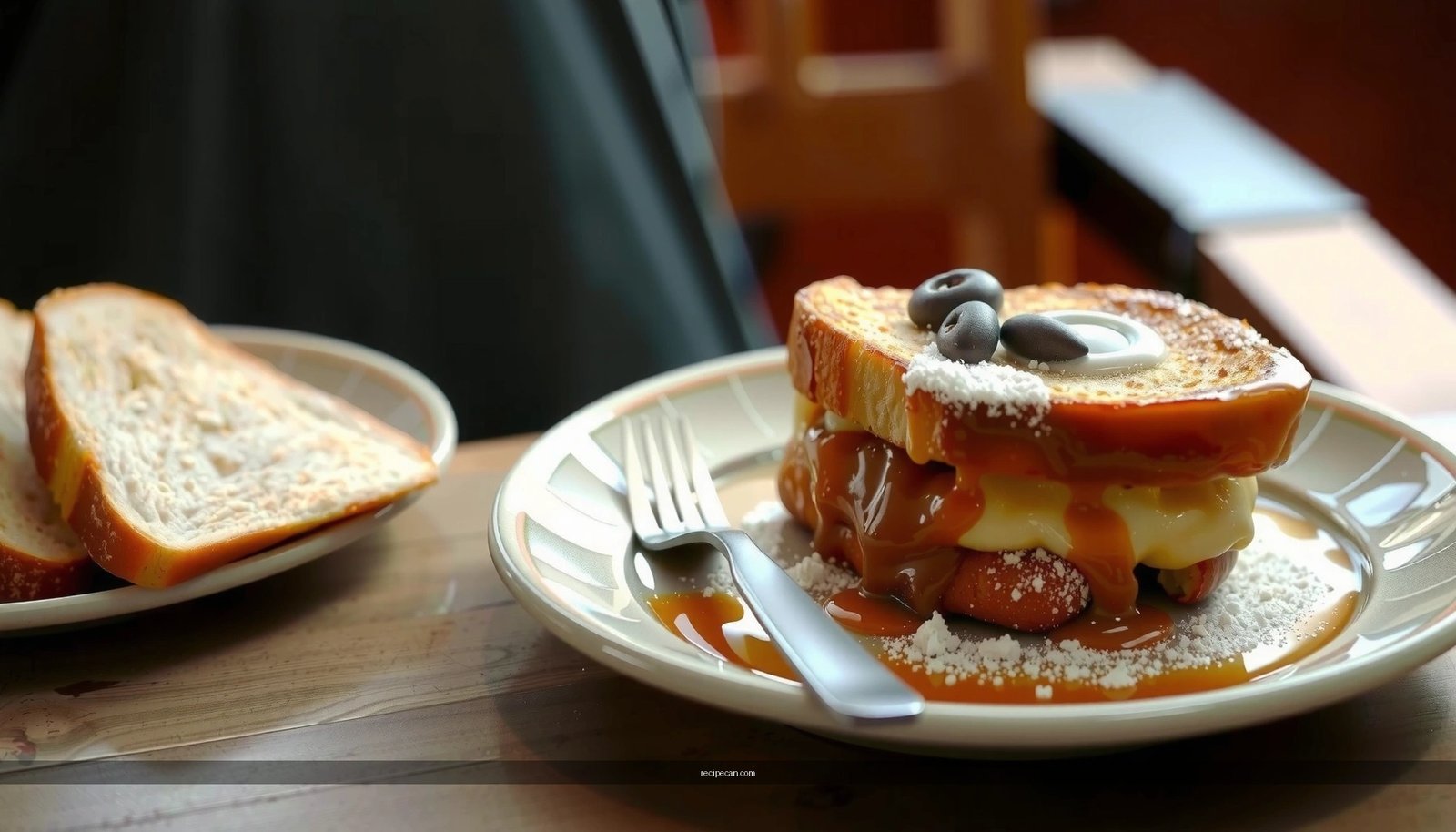
– Add a butter drizzle or caramelized bananas for extra richness
A quick butter drizzle right after baking adds gloss and helps toppings cling. Caramelized bananas provide a warm dessert-like flavor that still reads as breakfast.
– Pair with coffee, fruit salad, or breakfast sausages for a full spread
This makes the casserole ideal for brunch hosting. The savory side (sausage, bacon, or breakfast potatoes) complements the sweetness and allows you to serve a crowd without multiple dishes.
Serving strategy for groups: plan one syrup option, one fruit option, and one creamy option (whipped cream or yogurt). This reduces decision fatigue while still giving guests variety.
Make-Ahead, Storage, and Reheating
Meal prep and hosting-friendly planning are where a French toast recipe casserole really shines. Proper storage protects texture and prevents sogginess.– Store leftovers covered in the fridge for up to 3 days
Cool the casserole first, then cover tightly. Refrigeration preserves safety and keeps it sliceable, but it will firm up more than when freshly baked.
– Reheat in the oven or air fryer to bring back crisp edges
Reheating is where many people accidentally turn it mushy. Use:
– Oven: reheat until warmed throughout, and edges re-crisp
– Air fryer: faster browning and better texture retention for the top
Add a small splash of milk only if you notice dryness—too much liquid can undo the custard set.
– Freeze portions after cooling for convenient future breakfasts
Portion first so you can thaw what you need. Freeze in airtight containers or wrapped slices/cubes. When reheating from frozen, allow extra time to warm through without scorching the top.
Operational tip for busy mornings: if you know you’ll reheat, underbake by a few minutes when making for the freezer. The reheating step completes the set and improves consistency.
French toast recipe casserole is a simple, crowd-friendly way to get bakery-style French toast with minimal last-minute work. Follow the soaking, resting, and baking tips above, then make it your own with toppings—prep it overnight for the easiest win. Make your next breakfast a casserole and bake a dish this week!
Frequently Asked Questions
What is the best French toast recipe casserole for feeding a crowd?
A classic French toast recipe casserole uses bread cubes soaked in a custard of eggs, milk or cream, vanilla, and cinnamon, then baked until puffed and golden. Choose thick-cut brioche or challah for the best texture because they absorb the custard without getting mushy. For crowd-friendly results, plan on about 1 pound of bread per 8–10 servings and bake in a deep dish so the casserole sets evenly.
How do you make French toast casserole without it turning soggy?
Use stale or toasted bread cubes so they can soak up the egg mixture for french toast casserole without losing structure. Let the bread soak for 10–20 minutes (or refrigerate overnight) and then bake until the center is fully set—look for a custard that no longer jiggles. If you’re worried about sogginess, reduce the liquid slightly or use a richer bread-to-custard ratio to keep the bake from getting watery.
Why does French toast casserole become dry, and how can you prevent it?
French toast casserole often turns dry when baked too long or when the bread absorbs too much custard without enough moisture. Cover with foil for the first 20–25 minutes, then uncover to brown so the center stays creamy. Also make sure your custard is well mixed and evenly poured so each piece of bread gets French toast recipe coverage.
Which bread works best for a French toast recipe casserole?
Brioche and challah are top choices because they’re rich and sturdy, giving you a tender interior and crisp edges in your french toast recipe casserole. French bread can work too, but use a slightly thicker loaf and consider lightly toasting cubes to improve absorption and texture. Avoid very thin sandwich bread, which can break down and make the casserole feel gummy.
How can you make French toast casserole ahead of time for easy morning serving?
Prepare your French toast recipe casserole the night before by assembling the dish, pouring in the custard, and refrigerating it covered. In the morning, remove it while the oven preheats, then bake as directed so it finishes hot and set. This make-ahead method improves flavor because the bread has time to fully soak, resulting in a consistent casserole throughout.
References
- French toast
https://en.wikipedia.org/wiki/French_toast - Bread pudding
https://en.wikipedia.org/wiki/Bread_pudding - Custard
https://en.wikipedia.org/wiki/Custard - Dutch oven
https://en.wikipedia.org/wiki/Casserole_dish - Easy French toast recipe | Good Food
https://www.bbcgoodfood.com/recipes/french-toast - Eggs | Food Safety and Inspection Service
https://www.fsis.usda.gov/food-safety/safe-food-handling-and-preparation/eggs - https://www.cdc.gov/foodsafety/keeping-food-safe.html
https://www.cdc.gov/foodsafety/keeping-food-safe.html - Google Scholar Google Scholar
https://scholar.google.com/scholar?q=french+toast+casserole+recipe - Google Scholar Google Scholar
https://scholar.google.com/scholar?q=baked+french+toast+casserole+egg+bread+custard - Google Scholar Google Scholar
https://scholar.google.com/scholar?q=french+toast+recipe+casserole