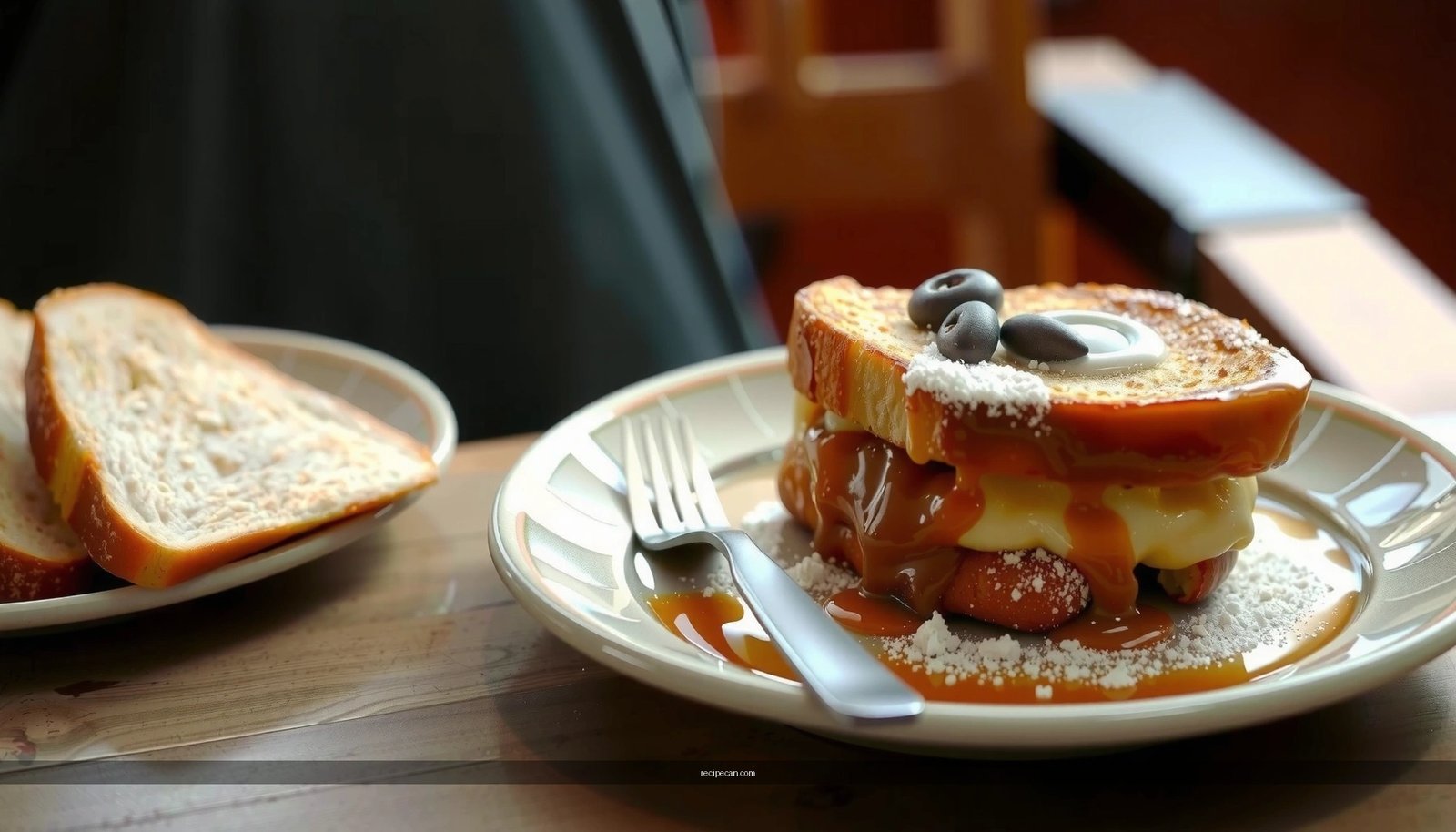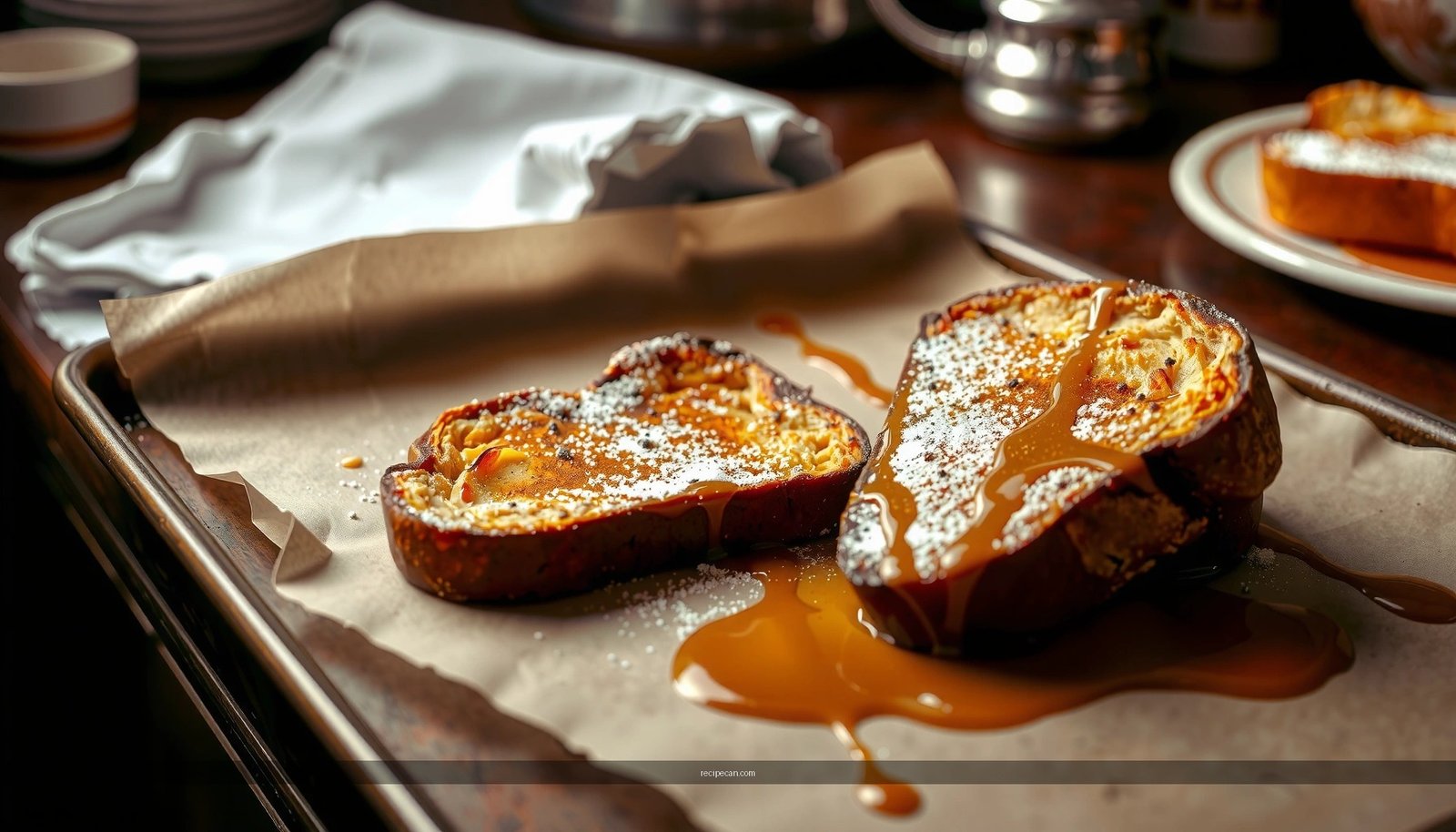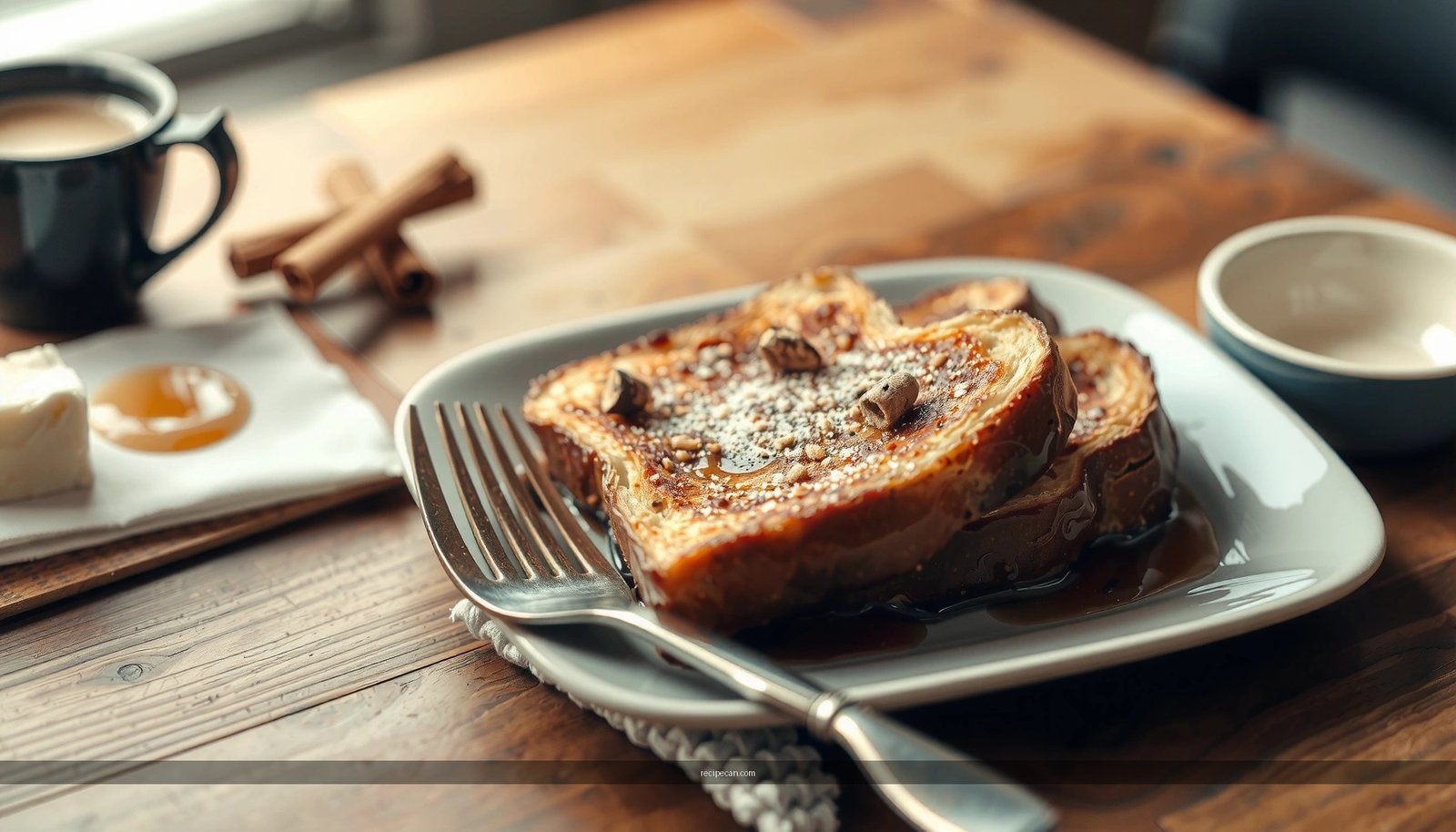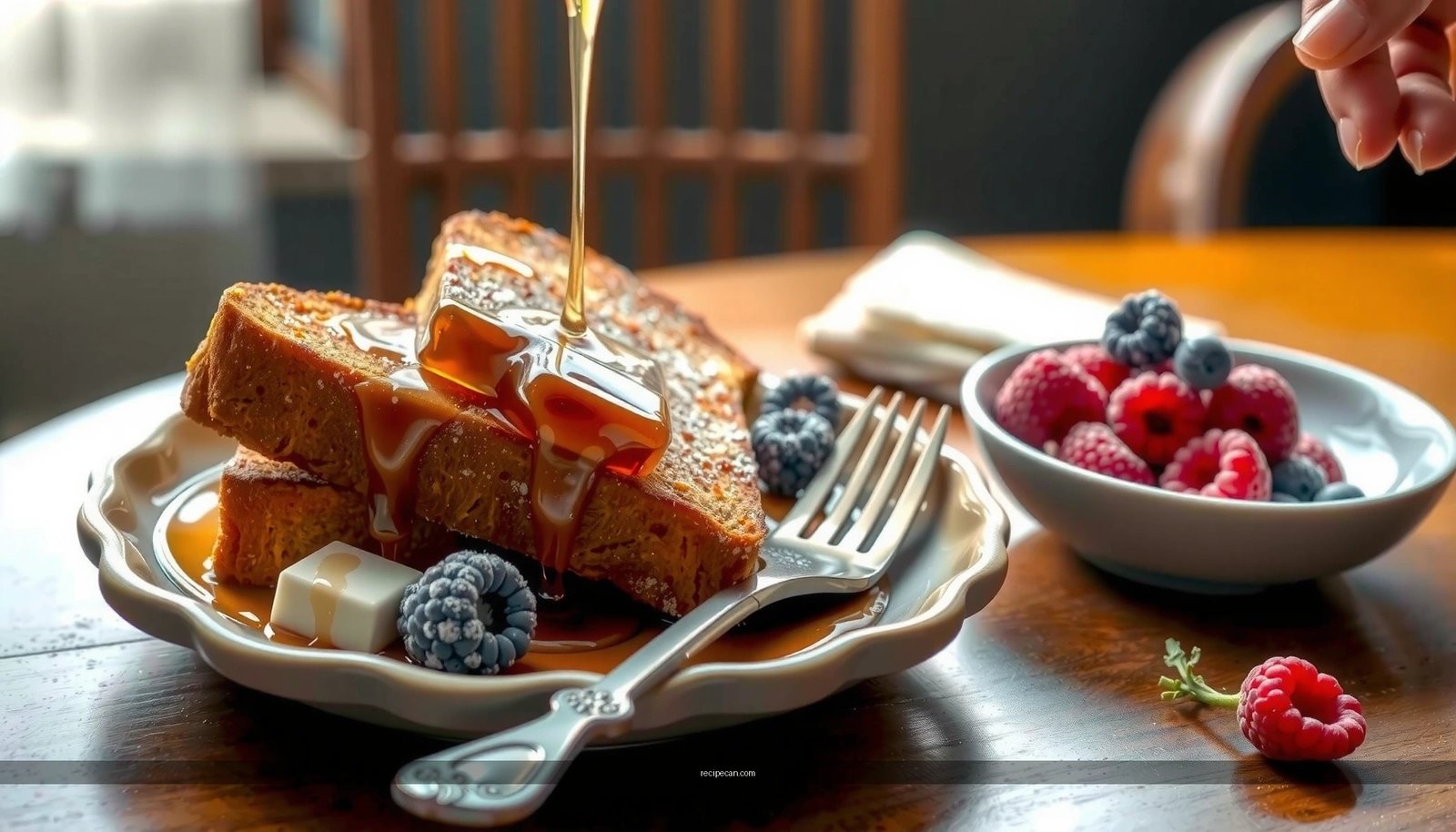
Want a French toast recipe with bread that comes out crisp on the outside and custardy inside? This easy method uses thick slices of bread soaked in a rich egg-and-milk mixture, then pan-fried until deeply golden. Follow it and you’ll get the most reliable “crispy and delicious” French toast with minimal effort—no guesswork required.
French toast with bread is simple: soak bread in an egg-and-milk custard, then fry it in butter on steady medium heat until deeply golden and crisp. Use slightly stale bread, avoid over-soaking, and time the flips—those three decisions deliver the fluffy center and crisp edges that make this classic breakfast reliably delicious.
Choose the Best Bread for French Toast
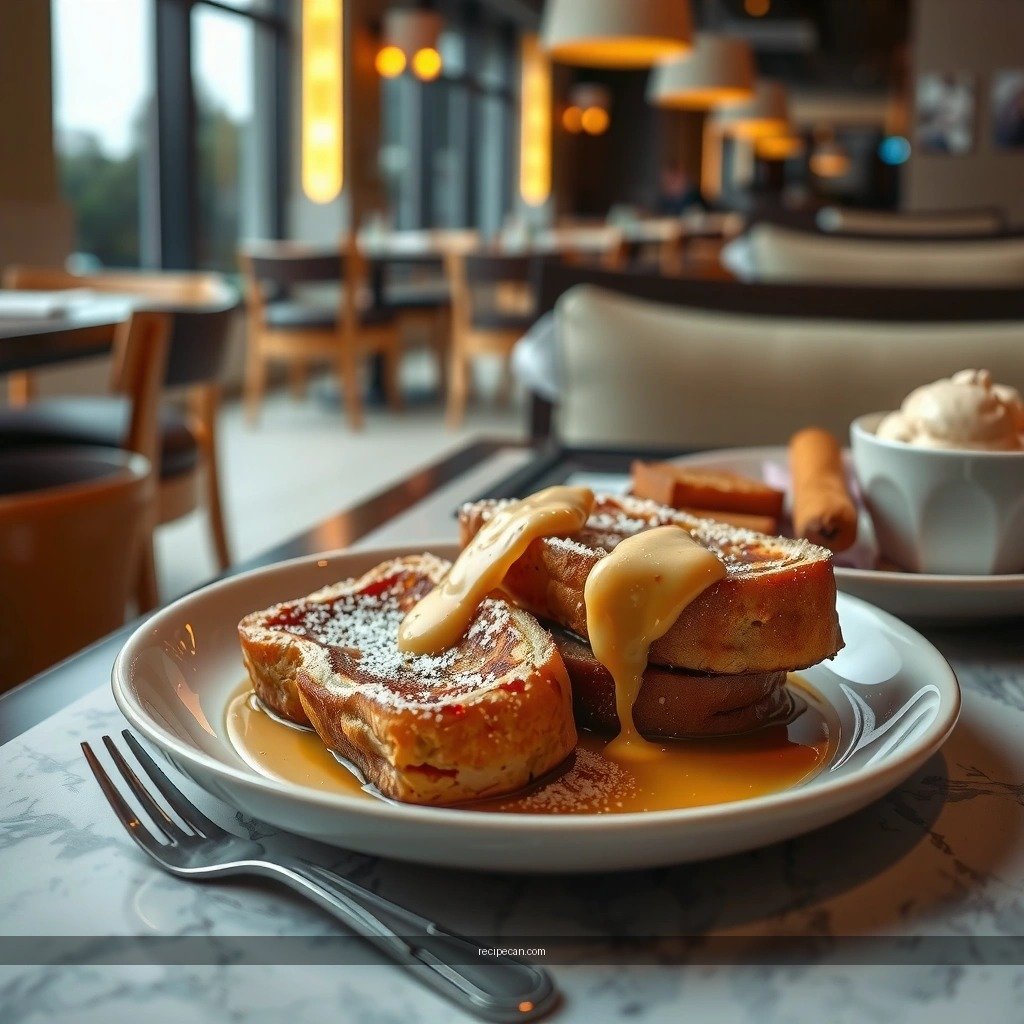
The bread choice determines how evenly the custard sets inside while keeping the exterior crisp. Since French toast is essentially a controlled custard-cook, you want bread that can absorb moisture without turning mushy or breaking apart.
– Use slightly stale bread for best soak without falling apart
Fresh bread is soft and can collapse under the custard. Slightly stale bread has lower surface moisture and a firmer crumb structure, so it absorbs the egg mixture more gradually and holds its shape during frying. If your loaf is fresh, you can mimic “staleness” by toasting bread lightly (30–60 seconds) or leaving slices uncovered for 1–2 hours.
– Thick slices help create a fluffy center and crisp edges
Aim for slices around 3/4-inch (about 2 cm) thick. Thicker bread gives the custard time to cook through, creating that signature “custardy center” rather than an outer crust with a raw or dry interior. Thin slices cook quickly but often produce a flatter texture.
Practical bread options that work well
– Brioche: rich, tender, and naturally sweet (excellent for crisp edges)
– Challah: similar to brioche, slightly less sweet
– Texas toast or thick-cut sandwich bread: easy-to-find and consistent
– Sourdough (plain, not too tangy): adds structure and a pleasant chew
– French or Italian bread (sturdy crust): best when lightly stale and cut thick
How Different Bread Types Perform for French Toast (Home-Cooking)
| # | Bread Type | Custard Absorption | Crisp Edge Potential | Best Texture Goal | Overall Ease |
|---|---|---|---|---|---|
| 1 | Brioche | High | ★★★☆☆ | Fluffy, rich center | ★★★★☆ |
| 2 | Challah | Medium-High | ★★★★☆ | Balanced crisp + custard | ★★★★☆ |
| 3 | Thick-cut Sandwich Bread | Medium | ★★★☆☆ | Consistent everyday texture | ★★★★★ |
| 4 | Texas Toast | Medium | ★★★★☆ | Crisp edges, quick cooking | ★★★★☆ |
| 5 | Sourdough (plain) | Medium | ★★★☆☆ | Toasty chew, less sweet | ★★★☆☆ |
| 6 | French Baguette (sturdy) | Low-Medium | ★★★★☆ | Crisp crust, tighter crumb | ★★★☆☆ |
| 7 | Whole Wheat (dense) | Medium | ★★★☆☆ | Hearty texture, nutty flavor | ★★★★☆ |
Make the Egg Mixture
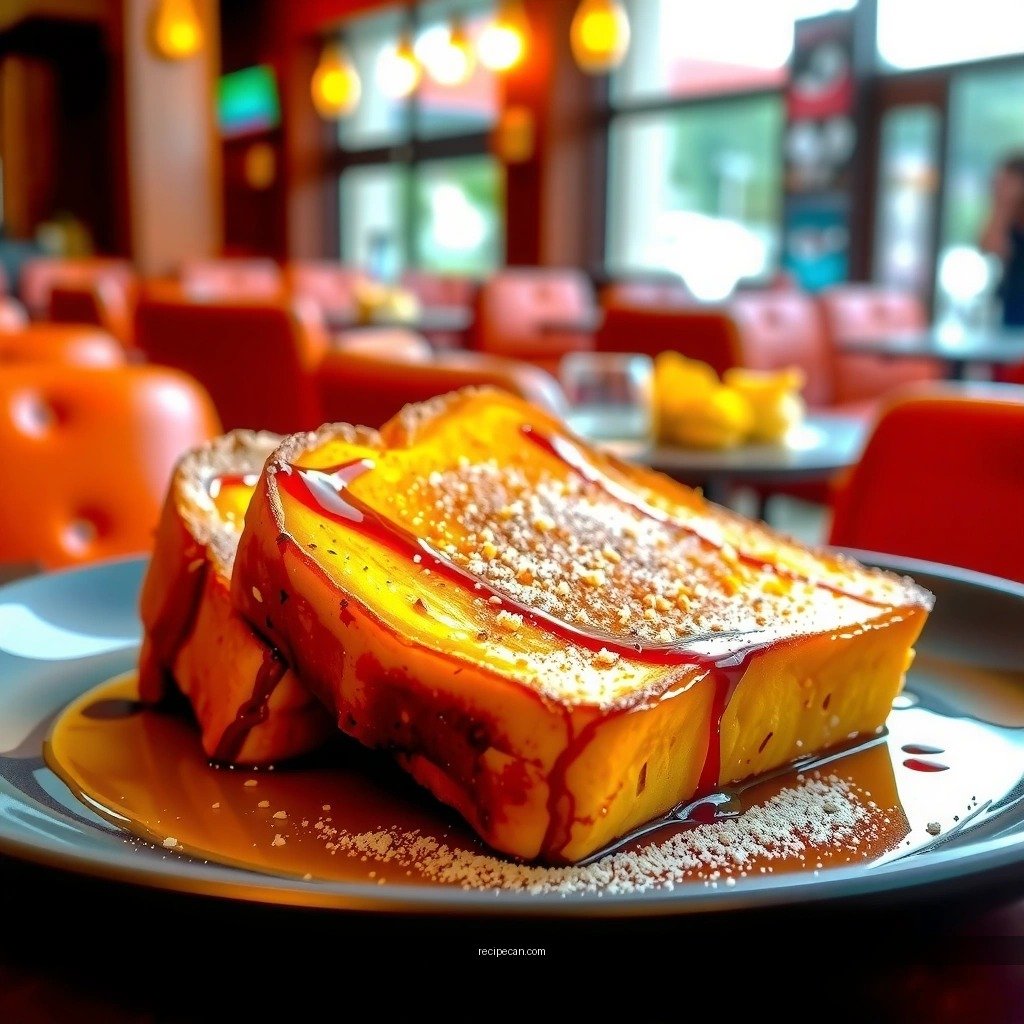
The egg mixture is where French toast gets its signature custard flavor and soft interior. A basic ratio works reliably: eggs provide structure, dairy provides richness, and the seasonings deliver warmth.
– Whisk eggs with milk (or half-and-half) plus a pinch of salt
Use 2 large eggs with 1/2 cup (120 ml) milk (or half-and-half for a richer result). Whisk until the mixture looks smooth and lightly foamy—this helps even custard set. Salt matters more than many people expect; even a pinch sharpens the sweetness and improves perceived flavor.
– Add vanilla and cinnamon for classic flavor
Add 1 teaspoon vanilla extract and 1/2 to 1 teaspoon cinnamon (depending on preference). Cinnamon adds aroma at low levels; you can dial it back for a more “classic diner” taste or increase it for fall-inspired warmth.
Custard enhancement options (optional, but effective)
– Orange zest (1–2 teaspoons): brightens without adding sweetness
– Nutmeg (a pinch): makes the cinnamon taste “rounder”
– Brown sugar (1–2 teaspoons): caramel notes, but only if you can manage browning speed
Timing matters (why whisking is enough)
Unlike baking, French toast sets fast in the pan. If your egg mixture isn’t blended well, you risk uneven custard pockets (some bites too eggy, others too dry). Thorough whisking prevents that.
Soak and Rest
Soaking is the balancing act between custard absorption and structural integrity. Too little soak yields dry toast; too much makes bread fragile and soggy.
– Dip each slice quickly, then let it soak briefly (don’t over-soak)
For 3/4-inch slices, dip about 1–2 seconds per side, then let the bread sit directly on a plate. If the bread is very absorbent (like brioche), reduce the dip time. For dense bread (whole wheat or sourdough), a slightly longer soak can help—think up to 3 seconds per side.
– Rest the coated bread 1–2 minutes so the custard absorbs evenly
This rest period is where the “fluffy center” gets created. During the rest, moisture and egg compounds equilibrate throughout the slice, leading to more uniform cooking.
Skipping the rest is a common reason for French toast that browns outside but stays under-set in the middle.
Operational guidance for busy mornings
If you’re cooking multiple slices, coat 2–3 at a time, rest them briefly, and then cook in sequence. This keeps the custard from being too cold (which can slow browning) and prevents the bread from fully saturating while waiting.
Cook to Golden Perfection
Cooking transforms the soaked bread into crispy-edged French toast with a custardy interior. The key is steady heat and a fat that browns well.
– Cook in a buttered skillet over medium heat to avoid burning
Butter adds flavor, but it can burn if the heat is too high. Medium heat gives you the best trade-off: browning happens gradually while the custard continues to set.
For best results, melt butter in the pan and let it bubble lightly—then place the soaked bread down.
– Flip once when the underside is golden and set
Flip only once to avoid tearing and uneven browning. You’ll usually need 3–4 minutes per side for thick slices, but watch for cues:
– Underside is deep golden (not pale yellow)
– Bread feels slightly springy when pressed lightly with a spatula
– No visible liquid remains in the center edges
How to troubleshoot common failures
– Browning too fast, custard not set: lower to medium-low and cook longer.
– Dry center, pale exterior: increase soak time slightly (or use half-and-half), and raise heat only modestly.
– Soggy exterior: reduce soak time and ensure the skillet is hot before adding bread.
Serve with Toppings
Toppings are not just decoration—they affect how the sweetness and texture land. A crisp French toast can handle syrup, but the order matters for optimal texture.
– Try maple syrup, powdered sugar, fresh berries, or fruit compote
Maple syrup provides classic caramel notes. Berries add acidity that balances richness. If using compote (like cherry or berry), keep it thick so it doesn’t flood the surface.
– Add whipped cream or a drizzle of honey for extra sweetness
Whipped cream is ideal when you want a “restaurant-style” presentation. Honey adds floral sweetness; it also melts quickly, so drizzle right before serving.
Serving approach for the best texture
Plan to plate immediately after cooking. If you stack slices, steam forms and softens crisp edges. Instead, serve in a single layer or keep warm briefly using the oven tip below.
Quick Tips for Success
The fastest path to reliable French toast is to treat it like a controlled process: correct soak, correct fat, correct heat, and batch management.
– If it browns too fast, lower the heat and cook a bit longer
Fast browning with under-set centers is a heat mismatch. Lower heat allows custard to finish setting without burning butter sugars.
– Keep cooked slices warm in a 200°F (95°C) oven between batches
This is especially useful when cooking for family or guests. Warm, not “hot,” prevents overcooking while maintaining a pleasant texture. Place slices on a sheet pan in a single layer so steam can escape.
Optional make-ahead note
French toast is best fresh, but you can prepare parts in advance:
– Mix custard up to 12 hours ahead (cover and refrigerate)
– Cut and store bread slices in an airtight bag
For best texture, soak and cook close to serving.
How to scale for guests (simple operational model)
1) Heat oven to 200°F (95°C)
2) Cook in batches of 2–4 slices depending on skillet size
3) Transfer to the oven; continue cooking remaining slices
4) Top only at serving time
Conclusion
A great French toast recipe with bread comes down to three controlled variables: slightly stale, thick-cut bread for structural stability; a balanced egg-and-milk custard flavored with vanilla and cinnamon; and brief soaking plus medium-heat frying to achieve a fluffy center with crisp golden edges. Follow the soak-and-cook timing, use butter responsibly, and serve immediately with toppings that match your sweetness and texture preferences—then you’ll be able to repeat restaurant-quality results tomorrow morning.
Frequently Asked Questions
What bread works best for french toast?
Brioche, challah, and thick-cut sourdough are top choices because they’re sturdy enough to hold egg custard without turning mushy. Slightly stale bread (from the day before) absorbs the egg mixture better and gives a custard-like center. If you only have sandwich bread, toast it lightly first or cut it thicker to improve french toast texture.
How do you make french toast with bread that’s not stale?
You can quickly stale bread by cubing or slicing it and leaving it uncovered for 15–30 minutes, or briefly toasting it until the surface dries. Use a thicker egg custard and let each slice soak for 20–60 seconds per side so the bread absorbs flavor without falling apart. For best results, cook on a preheated pan so the french toast sets immediately.
How long should you soak bread for french toast so it doesn’t get soggy?
Soak time depends on the bread type and thickness, but a common range is 20–30 seconds per side for fresh bread and 30–60 seconds per side for thicker slices. Brioche or challah usually needs less soaking than softer sandwich bread because they already have good structure. Cook promptly after soaking, and use medium heat to avoid burning while the center cooks through.
Why does my french toast come out soggy in the middle?
Soggy french toast usually comes from oversoaking, bread that’s too soft, or cooking on heat that’s too low to set the egg custard. Make sure the pan is fully preheated and cook on medium heat, flipping once when the bottom is golden. Using stale bread and a slightly richer egg mixture (eggs plus milk/cream) helps the bread absorb evenly and set properly.
Which egg-and-milk ratio makes the best french toast recipe with bread?
A reliable ratio is about 1 egg per 1/4 cup milk (or cream for extra richness) for classic french toast. If you want a thicker, more custard-like texture, use more egg and slightly less milk; for lighter french toast, add a bit more milk. Season the custard with vanilla, cinnamon, and a pinch of salt, then dip the bread thoroughly before cooking.
References
- French toast
https://en.wikipedia.org/wiki/French_toast - https://www.britannica.com/topic/French-toast
https://www.britannica.com/topic/French-toast - https://www.bbc.co.uk/food/recipes/french_toast_65564
https://www.bbc.co.uk/food/recipes/french_toast_65564 - Cookbook:French Toast – Wikibooks, open books for an open world
https://en.wikibooks.org/wiki/Cookbook:French_Toast - Custard
https://en.wikipedia.org/wiki/Custard - Bread
https://en.wikipedia.org/wiki/Bread - https://en.wikipedia.org/wiki/Egg_(food
https://en.wikipedia.org/wiki/Egg_(food - Google Scholar Google Scholar
https://scholar.google.com/scholar?q=French+toast+recipe+bread - Google Scholar Google Scholar
https://scholar.google.com/scholar?q=french+toast+bread+egg+milk+custard - Google Scholar Google Scholar
https://scholar.google.com/scholar?q=egg+custard+soaking+bread+french+toast+cooking+technique