Want the best French toast recipe using flour that delivers crisp edges and a golden, custardy center every time? This straightforward flour-based method answers exactly that—mixing flour into the batter, then cooking the slices until they’re properly browned without going soggy. Follow these steps and you’ll get French toast that’s consistently crisp on the outside and tender on the inside.
French toast using flour is best when you whisk a smooth flour-based batter, dip bread briefly (not soak it), and cook on medium heat until both sides turn deep golden—crisp outside, tender inside. Below is a reliable, flour-first method with exact ratios, practical controls for texture, and common troubleshooting so you can reproduce great results every time.
Ingredients for French Toast Using Flour
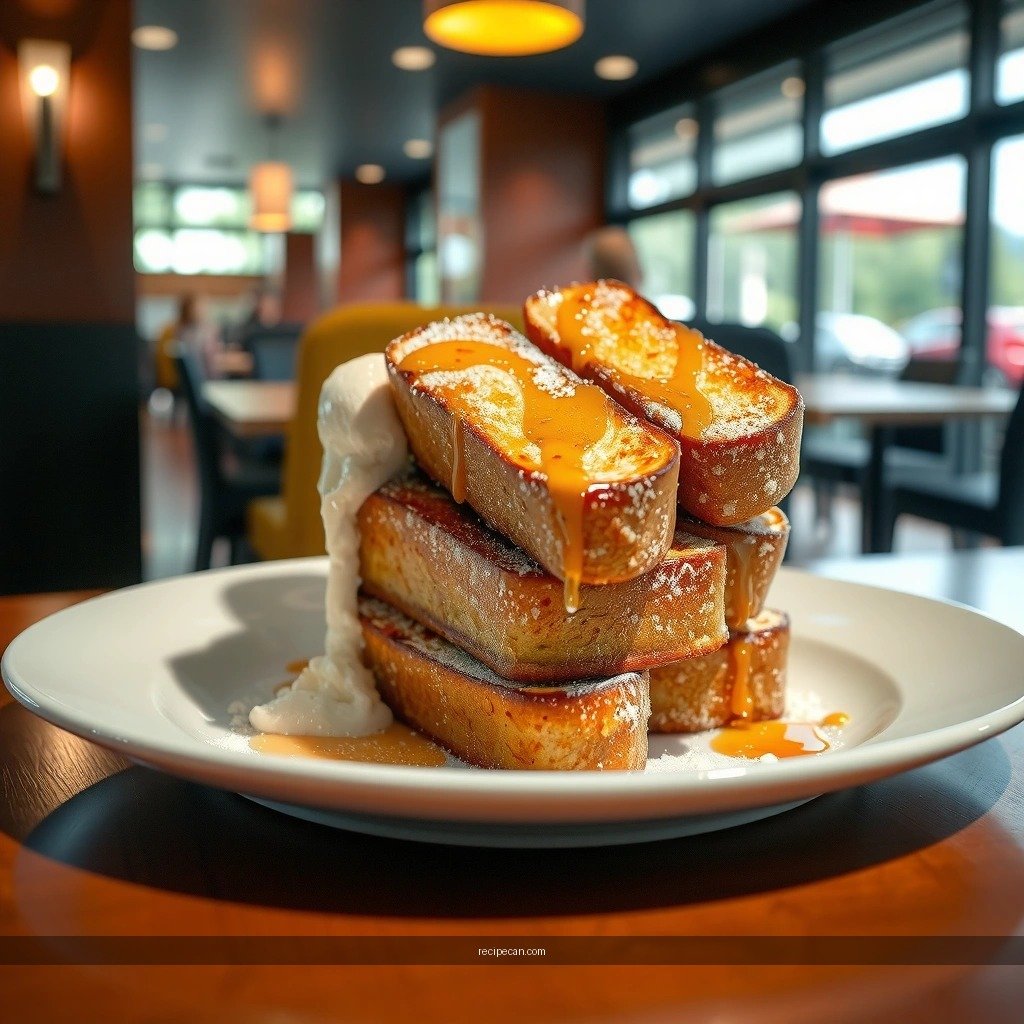
– Use all-purpose flour for the batter base
Flour is the structural component that thickens the custard-like batter so it clings to bread. All-purpose flour works consistently: it hydrates well with milk and helps create that signature “crisp coat” when fried.
– Pair with milk and eggs for the right texture
Milk provides moisture and browning support, while eggs bind the batter and set during cooking. Together with flour, they produce a stable custard that firms up as it hits the pan—key to avoiding soggy centers.
Recommended flour-based batter starter (for 8 slices / about 4 servings):
– 1/2 cup (60 g) all-purpose flour
– 1 cup (240 ml) milk
– 2 large eggs
– 1 tbsp sugar (optional, but improves browning)
– 1 tsp vanilla extract (optional)
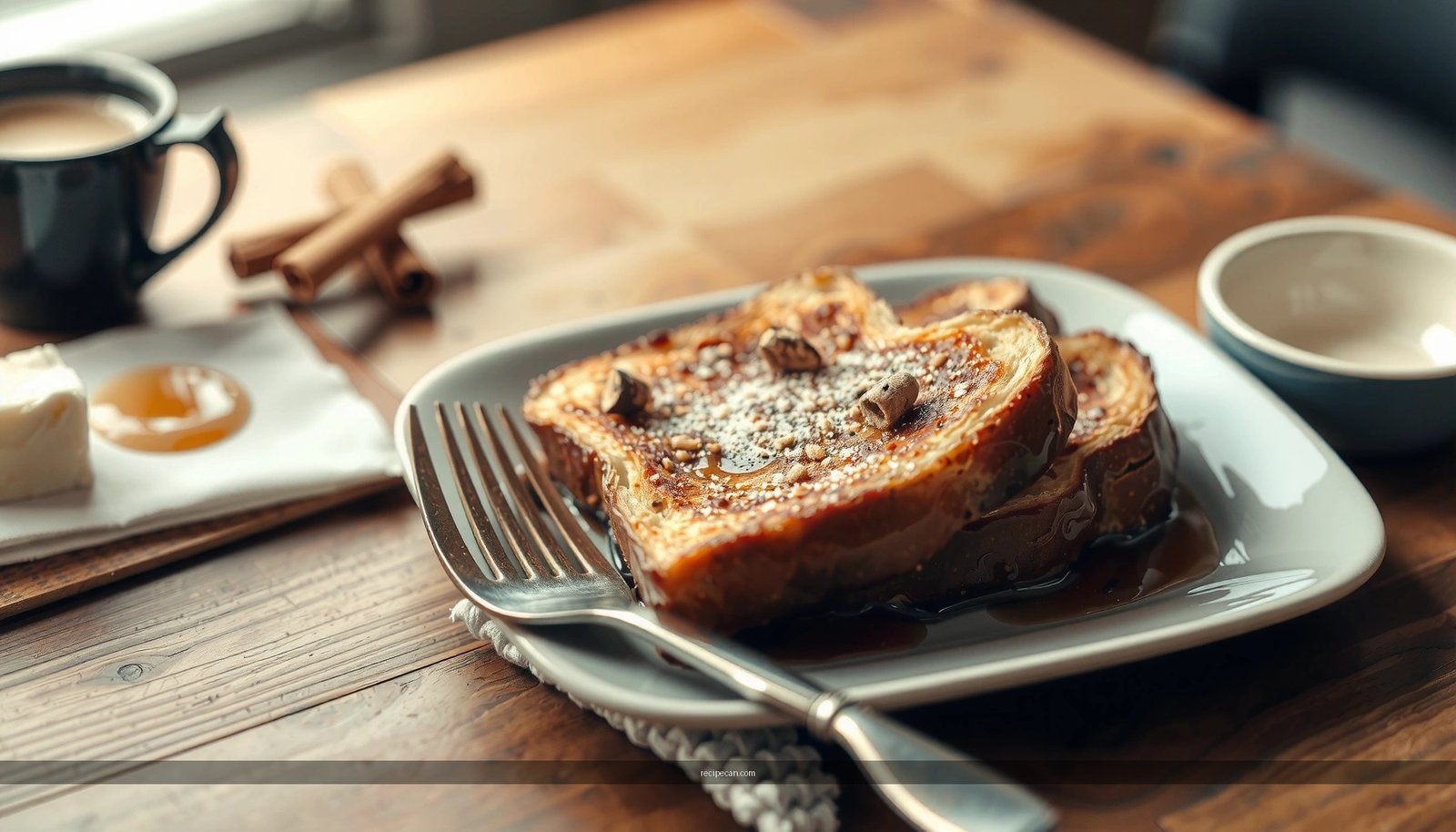
– 1/2 tsp ground cinnamon (or to taste)
– 1/4 tsp salt
– Butter or neutral oil for frying
Quick batter-performance check (what to aim for)
For a flour-based French toast, you want batter that is pourable but not watery—it should coat the back of a spoon. If it seems too thick, add 1–2 tbsp milk; if it seems too thin, whisk in 1–2 tbsp flour.
French Toast Outcomes Using Flour-Based Batter (Pan-Fry Method)
| # | Batter Variable | Tactile Result | Best Use | Outcome Score |
|---|---|---|---|---|
| 1 | 1/2 cup flour per 1 cup milk | Coats well, fries evenly | Classic crispy exterior | ★★★★☆ |
| 2 | Thicker batter (add 1–2 tbsp flour) | Thicker crust, slightly drier | Extra-crispy preference | ★★★★☆ |
| 3 | Thinner batter (add 1–2 tbsp milk) | More tender, less crust | Softer, custardy style | ★★★☆☆ |
| 4 | Medium heat (adjust as needed) | Even browning, tender center | Reliable repeatability | ★★★★★ |
| 5 | High heat (too aggressive) | Dark outside, undercooked middle | Not recommended | ★★☆☆☆ |
| 6 | Brief dip + drip (10–20 sec) | Better structure, less sogginess | Crisp goal | ★★★★☆ |
| 7 | Thicker bread (1–1.5 in slices) | Tenders inside, stable crust | Best texture balance | ★★★★★ |
How to Make the Flour Mixture
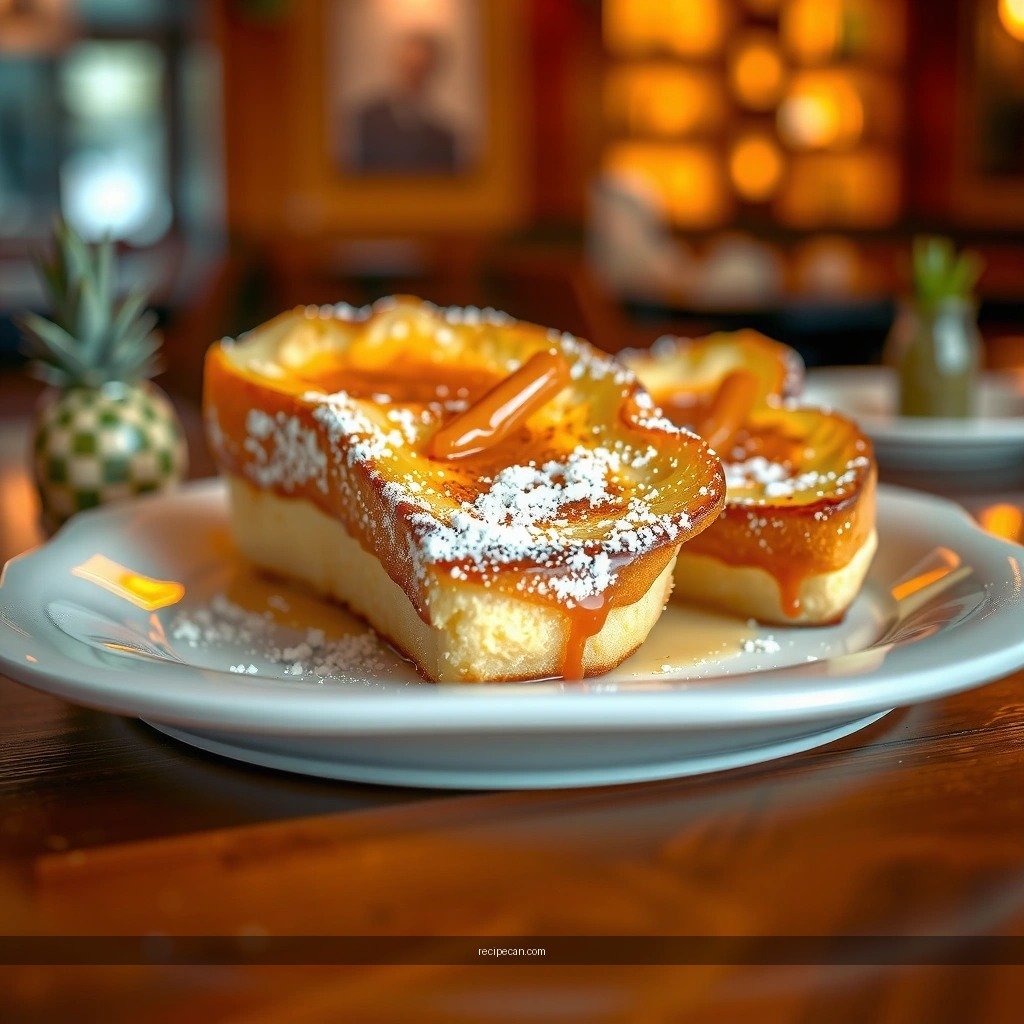
– Whisk flour, milk, eggs, and vanilla (if using) until smooth
Flour can clump. Whisk thoroughly, and if needed, let the batter rest for 5 minutes so the flour fully hydrates. A smooth batter improves coating consistency and reduces gummy spots.
– Add cinnamon and a pinch of salt for classic flavor
Cinnamon contributes warmth, while salt sharpens sweetness and balances egg richness. If you want a more “bakery” profile, add a small amount of sugar (about 1 tbsp) to boost caramelization.
Step-by-step batter method
1. In a mixing bowl, whisk together flour, milk, eggs, vanilla, salt, and cinnamon until smooth.
2. Check consistency: it should coat the back of a spoon.
3. Rest 5 minutes (optional but helpful for smoothness and even frying).
Analytical note (why batter smoothness matters):
In flour-based French toast, the flour paste thickens as it warms. Clumps can create pockets that brown too fast or remain under-set. Smooth batter translates into a predictable crust and a tender interior.
Best Bread and How to Dip It
– Choose thick slices of bread for better soak and structure
For crispy-on-the-outside French toast, aim for 1 to 1.5-inch slices of sturdy bread—brioche, challah, sourdough (slightly stale), or thick-cut white bread. Thick slices prevent the center from going dry before the crust sets.
– Dip each slice briefly, then let excess batter drip off
A flour-based batter is thicker than a classic egg-only custard, so brief contact is critical. Dip each side for 10–20 seconds, then hold the slice above the bowl for 5 seconds to allow excess to drip. This prevents batter pooling on the pan surface, which causes sogginess.
Bread selection guidance
– Stale or day-old bread: best for soaking without falling apart.
– Very soft sandwich bread: works, but requires shorter dips to avoid mushy interiors.
Operational tip for consistency:
Preheat your pan before dipping. If you wait too long after coating, the bread can absorb more batter than intended and lose crisp potential.
Cooking French Toast (Crispy and Golden)
– Pan-fry in butter or oil over medium heat
Butter adds flavor, but it can brown quickly. For best control, use a blend: a small amount of butter plus neutral oil (like canola or sunflower). Keep heat at medium so the interior sets before the exterior darkens.
– Cook until browned on both sides, flipping once
Flip only once to preserve crust structure. Cook until the first side is deep golden, then flip and repeat.
Reliable cooking workflow
1. Heat a nonstick skillet or well-seasoned pan over medium.
2. Add butter/oil and let it shimmer (not smoke).
3. Dip bread, drip excess, then place in pan.
4. Cook 3–5 minutes per side (timing varies with thickness and stove power).
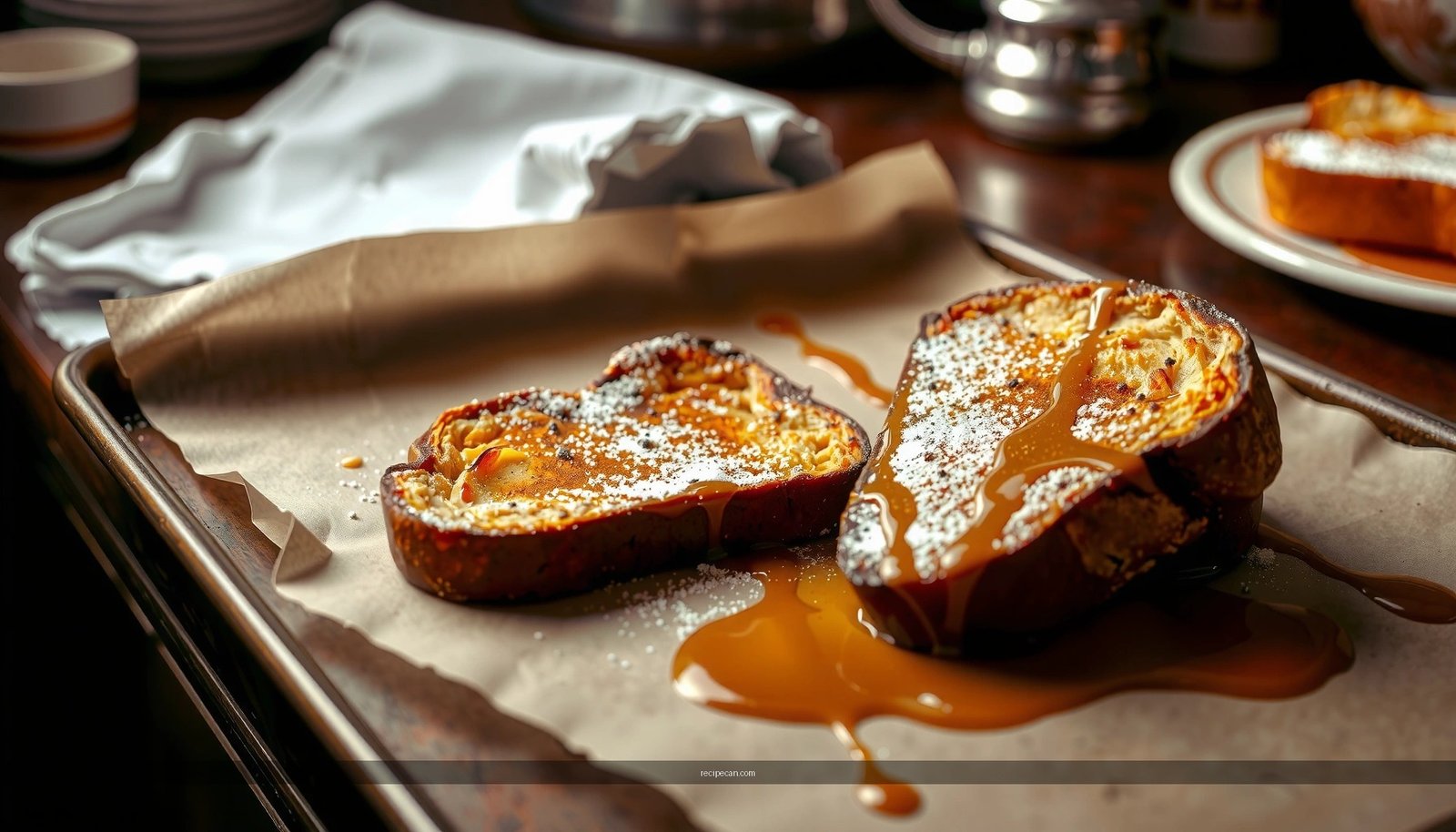
5. Remove to a rack or plate lined with a paper towel briefly, then finish with toppings.
Why medium heat is non-negotiable (especially with flour):
Flour thickens and sets as it heats. High heat drives rapid surface browning, but the center may not reach the same set temperature—leading to a contrast of dark outside and soft/under-set center.
Capacity management:
Cook in batches. Overcrowding drops pan temperature, causing steaming rather than frying—less crispness and more pale crust.
Serving Ideas and Toppings
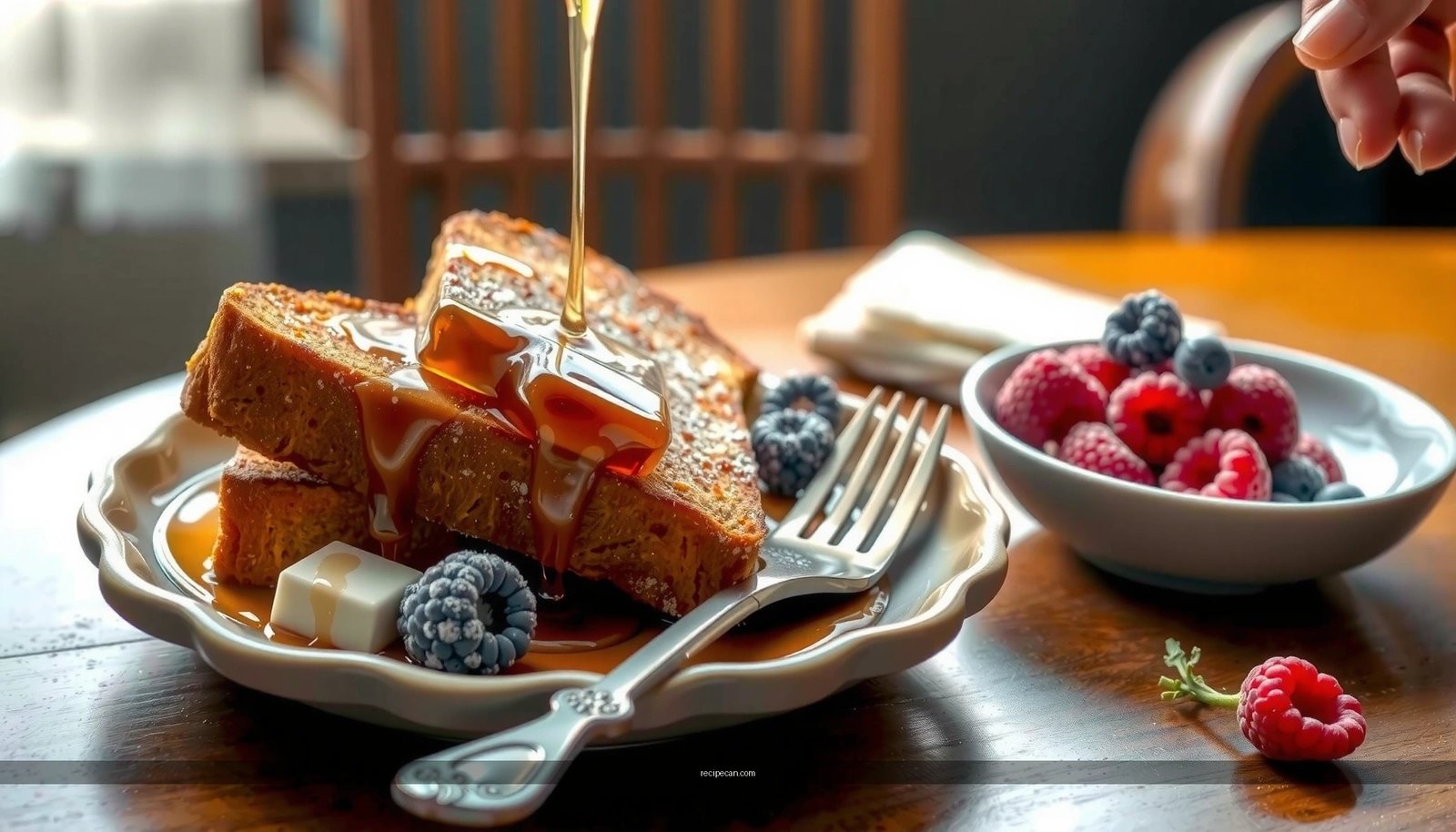
– Top with maple syrup, powdered sugar, or fresh fruit
Maple syrup complements the warm spices and caramel notes. Powdered sugar is a classic for a “breakfast café” look. Fresh fruit—berries, sliced bananas, or peaches—adds acidity and texture contrast.
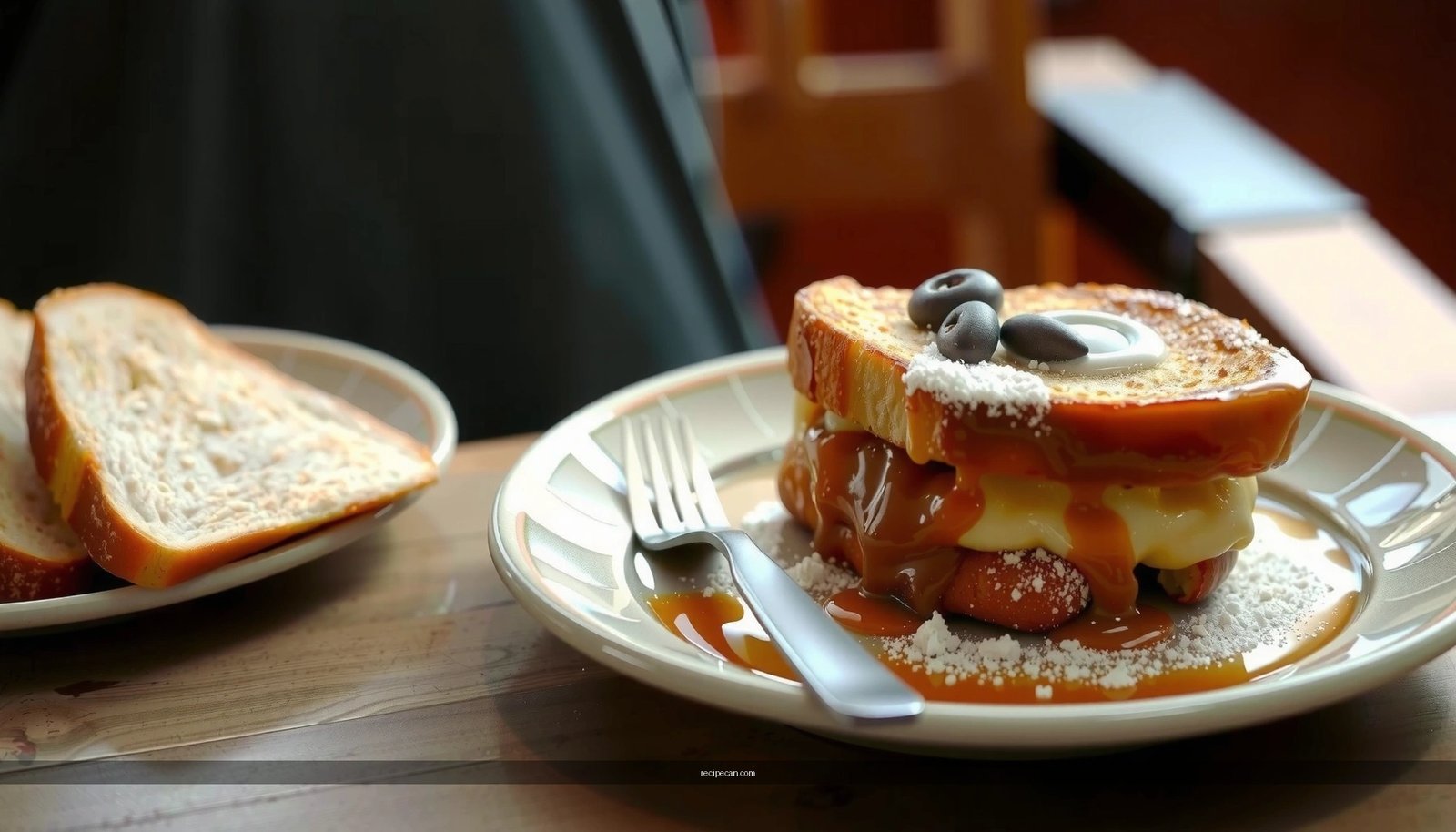
– Add whipped cream or a drizzle of honey for extra sweetness
A modest drizzle of honey gives floral sweetness that balances cinnamon. Whipped cream makes it feel indulgent, but keep it light if you want to preserve crispness.
High-performing topping combinations
– Maple syrup + fresh berries + pinch of salt (salt intensifies sweetness and flavor clarity)
– Powdered sugar + cinnamon apple slices (warm spice harmony)
– Honey + sliced banana + toasted nuts (crunch + caramel)
Serving speed matters:
French toast crisps best right after cooking. If serving for guests, keep finished slices warm in a 200°F / 95°C oven on a rack, not stacked, to protect texture.
Common Mistakes When Using Flour
– Overmixing can lead to a thicker, less smooth batter
Flour batter benefits from thorough whisking to remove clumps, but aggressive mixing after it’s already smooth can increase thickness and change coating behavior. If your batter becomes paste-like, loosen with 1–2 tbsp milk.
– Cooking on too high heat can brown the outside before the center cooks
This is the most common French toast failure mode: dark crust without the tender set. Reduce heat, and cook a bit longer. Crispness is created by controlled browning and moisture evaporation—not by rushing.
Additional pitfalls to watch
– Soaking too long: flour-based batter can over-absorb, turning the center gummy. Stick to brief dips.
– Not preheating the pan: cold pans steam the batter; you lose crisp formation.
– Stacking immediately: steam traps under slices—use a rack if possible.
French toast using flour is all about a smooth flour-and-milk batter, quick dipping, and medium-heat frying for even browning. Follow the sections above to nail the texture and flavor—then try a topping you love and serve it warm right away.
When you use the right flour-to-milk ratio, dip briefly to control absorption, and cook on medium heat until both sides turn deep golden, flour-based French toast delivers consistent results: a crisp exterior and a tender, custardy interior. Apply these controls as a repeatable process—then customize flavor with vanilla, cinnamon, and your preferred toppings for a breakfast outcome you can trust.
Frequently Asked Questions
What is a simple French toast recipe using flour?
Start by whisking flour with eggs, milk, vanilla, and a pinch of salt to make a smooth batter. Dip bread slices into the mixture and cook on a buttered skillet over medium heat until golden brown on both sides. This flour-based French toast recipe helps create a lightly crisp exterior and a tender center.
How do I make French toast using flour without it turning gummy?
Use the right ratio of flour to liquid—too much flour can make the bread feel dense or gummy. Keep the batter fairly thin (milk should loosen it), and let it rest for a few minutes so the flour hydrates evenly. Cook at medium heat and avoid pressing the toast down, which can push out moisture and affect texture.
Why does flour French toast taste different from classic French toast?
Classic French toast typically relies on eggs and milk to coat the bread, while flour adds extra structure and thickens the custard. That means a flour-based French toast recipe using flour often yields a slightly thicker, more breaded crust. The flavor also becomes more “baked” and less egg-forward depending on your seasoning.
What bread is best for French toast when using flour batter?
Thick-cut bread like brioche, challah, sourdough, or day-old French bread works best because it absorbs egg and milk without falling apart. Since a flour-based batter can be thicker, slightly sturdier bread helps maintain slices during dipping and cooking. If your bread is very fresh or soft, toast it lightly first so it holds its shape in the flour French toast recipe.
Which flour should I use for French toast—all-purpose or something else?
All-purpose flour is the most common choice because it creates a reliable texture in flour French toast recipes. If you want a lighter result, you can use a smaller amount of flour or substitute part of it with cornstarch for extra crispness. Avoid very finely milled specialty flours in large amounts unless you adjust the milk, since they can change how the batter sets in the pan.
References
- French toast
https://en.wikipedia.org/wiki/French_toast - https://www.britannica.com/food/french-toast
https://www.britannica.com/food/french-toast - https://www.bbc.co.uk/food/recipes/frenchtoast_67288
https://www.bbc.co.uk/food/recipes/frenchtoast_67288 - Easy French toast recipe | Good Food
https://www.bbcgoodfood.com/recipes/french-toast - https://www.nytimes.com/2020/05/06/dining/french-toast-recipe.html
https://www.nytimes.com/2020/05/06/dining/french-toast-recipe.html - Google Scholar Google Scholar
https://scholar.google.com/scholar?q=french+toast+recipe+flour - Google Scholar Google Scholar
https://scholar.google.com/scholar?q=french+toast+batter+flour+technique - Google Scholar Google Scholar
https://scholar.google.com/scholar?q=french+toast+starch+flour+protein+egg+milk - https://www.sciencedirect.com/search?qs=french+toast+flour
https://www.sciencedirect.com/search?qs=french+toast+flour - https://pubmed.ncbi.nlm.nih.gov/?term=french+toast
https://pubmed.ncbi.nlm.nih.gov/?term=french+toast