
Looking for a protein ball recipe with oats that delivers fast, no-bake energy bites? This easy, no-cook oat-based formula shows you exactly how to mix, roll, and set protein-packed balls in minutes—no oven required. It’s the clear winner when you want a reliable grab-and-go snack with minimal effort and maximum staying power.
Yes—you can make protein ball recipe with oats in minutes with no baking by combining oats, a protein add-in, a binder, and mix-ins, then chilling to set. This guide walks through ingredient ratios and practical troubleshooting so your oat protein balls turn out firm, scoopable, and consistently delicious every time.
Protein balls with oats are popular for one simple reason: they’re flexible. Whether your goal is higher protein for workouts, steadier energy between meetings, or a convenient snack that doesn’t require an oven, the oat base gives you structure while the protein and binder determine the final texture. Once you understand how binders behave and how wet-to-dry balance affects rollability, you’ll be able to replicate results across flavors and dietary preferences.
Gather Ingredients for Protein Ball Recipe with Oats

The ingredient list below is designed to be “modular”—you can keep the structure and swap components. Think of it as a system: oats provide body, protein provides nutrition density, binders create cohesion, and mix-ins customize flavor.
– Use rolled oats as the base for texture and sustained energy
Rolled oats deliver chew and bite. For smoother bites, you can partially blend oats into a coarse oat flour. If you want a more rustic texture, keep them whole.
– Choose a protein add-in (protein powder, nut butter, or Greek yogurt)
Protein powder increases protein per bite quickly; Greek yogurt adds moisture and tang; nut butter contributes both protein and fat for satiety. Pick one “primary” protein and optionally add a smaller “secondary” for balance.
– Pick sweeteners and mix-ins (honey/maple, chocolate chips, cinnamon)
Sweeteners help binders perform and make flavors more palatable—especially when using unsweetened protein powder. Mix-ins like chocolate chips, cinnamon, cocoa powder, dried fruit, or shredded coconut turn basic energy bites into a repeat-worthy snack.
A practical starting framework for a standard batch (about 14–18 balls, depending on size):
– 1 ¼ cups rolled oats (or 1 cup blended + ¼ cup whole)
– ½–¾ cup protein add-in (varies by type—see binder section for exact fit)
– 2–4 tbsp binder sweetener (honey/maple) plus nut/seed butter if using
– 1–3 tbsp liquid (milk or yogurt) only if needed
– ¼–½ cup mix-ins (chips, raisins, chopped dates, cocoa nibs, etc.)
Simple Step-by-Step Method
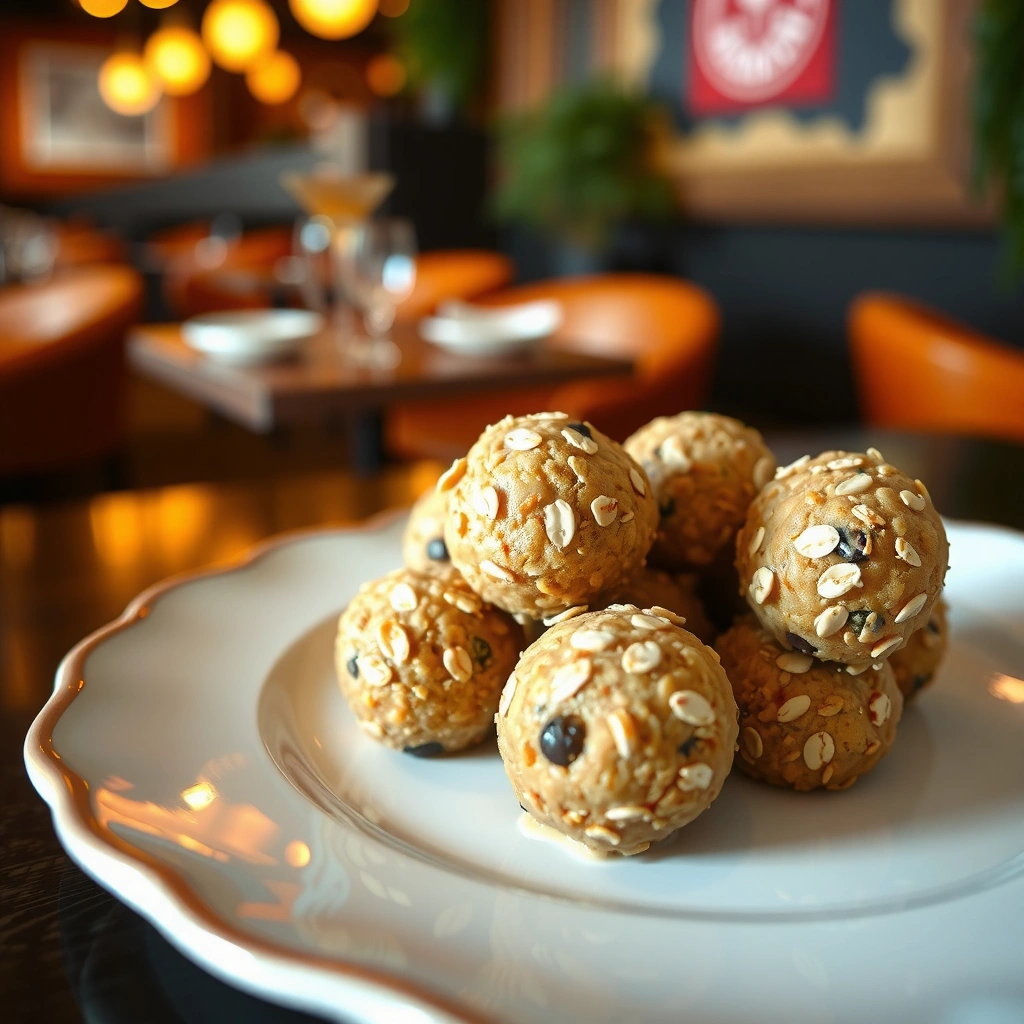
The method is intentionally straightforward, but the order matters. Mixing dry first prevents protein powder from clumping and allows oats to absorb binder and sweetness evenly.
– Mix dry ingredients first, then add wet ingredients to form a thick mixture
Combine oats with any dry add-ins (cinnamon, cocoa powder, espresso powder, pinch of salt, and optional shredded coconut). Then add your protein add-in and binder/sweetener.
– Stir until fully combined and sticky enough to roll
You’re aiming for a “play-dough” consistency: sticky, cohesive, and thick enough that a spoonful holds its shape. If it looks crumbly, you likely need a touch more binder. If it looks wet and loose, add more oats.
– Chill briefly if needed to firm up before shaping
Chill 15–30 minutes for the best rollability. Even “correct” mixtures often benefit from a short rest because oats hydrate as they cool.
Actionable texture checkpoint:
– Spoon test: If the mixture slowly mounds and doesn’t immediately spread, you’re close.
– Roll test: If it cracks at the edges, add 1 tsp binder or 1 tsp milk/yogurt and mix again.
Best Binder Options (So They Actually Hold Together)

Binder choice is the difference between “these roll beautifully” and “why are my oat protein balls falling apart?” In practical terms, binders control moisture, viscosity, and how oats and protein particles interlock.
– Nut butter and nut/seed butter create strong, creamy binding
Peanut butter, almond butter, cashew butter, sunflower seed butter, and tahini all work. The fat and viscosity help oats stick together and stay tender.
– Honey or maple syrup helps everything stick without being crumbly
These sweet syrups increase tackiness and improve cohesion—particularly when you use protein powder that may otherwise dry the mixture.
– Add a splash of milk (or yogurt) only if the mixture feels too dry
Start small—1 tbsp at a time—because too much liquid makes balls soft and less shelf-stable.
Binder “pairing” recommendations (use as a guide, not a rule):
– For higher-protein protein powder: Use nut/seed butter + honey/maple.
– For Greek yogurt versions: Reduce other liquids and rely on oats + a smaller binder amount.
– For no-sweeter options: Use nut butter as the primary binder and let cinnamon/cocoa/vanilla do the flavor work, adding just enough honey if texture needs it.
Common failure modes and fixes:
– Crumbly mixture → add 1–2 tsp honey/maple or 1–2 tsp nut butter, mix, rest 5 minutes, re-test.
– Too sticky to roll → add 1–2 tbsp oats, chill 10–15 minutes, try again.
– Grainy roll texture → partially blend oats next time or press firmly while rolling.
Choose Your Mix-Ins and Flavor Ideas

Mix-ins determine whether you’ll actually want to eat these protein balls more than once. For business and lifestyle consistency, it’s worth prioritizing flavors you enjoy daily—because the best snack is the one you’ll repeat.
– Chocolate, peanut butter, or vanilla for classic flavor
Chocolate chips and cocoa powder pair naturally with peanut butter or almond butter. Vanilla protein powders also reduce the need for extra sweeteners.
– Fruits like raisins or chopped dates for natural sweetness
Dates contribute moisture and natural binding sugars. Chopped dates can make rolling easier, but increase sweetness and calories—adjust portion size accordingly.
– Spices like cinnamon or espresso powder for a flavor boost
Cinnamon adds warmth and improves perception of sweetness. A small amount of espresso powder (even ½ tsp) intensifies chocolate flavor without tasting like coffee.
Flavor formulas that work reliably:
– “Chocolate PB” vibe: cocoa powder + peanut butter + chocolate chips + pinch of salt
– “Cinnamon Roll” vibe: cinnamon + vanilla protein (or yogurt) + chopped pecans + drizzle of maple
– “Mocha” vibe: cocoa + espresso powder + almond butter + dark chocolate chips
– “Date Caramel” vibe: chopped dates + tahini or peanut butter + vanilla + tiny pinch of salt
Tip for even flavor distribution:
If you’re adding larger mix-ins (dates, nuts, dried fruit), chop them small and fold them thoroughly so every ball has balanced texture—not concentrated pockets.
Roll, Chill, and Store for Freshness
Once the mixture holds together, you’re in the “process done” phase—portioning is fast, and chilling locks in texture.
– Roll into 1-inch balls for even portions and easy snacking
Use a tablespoon or small cookie scoop for consistency. Uniform size also helps with predictable nutrition.
– Chill 15–30 minutes for better texture and shape
This rest period hydrates oats, firms fats, and improves “hold” so balls don’t crumble in your container.
– Store in the fridge up to about 1 week, or freeze for longer
Refrigeration supports freshness for several days, while freezing is ideal for batch prep. Thaw in the fridge 1–2 hours or eat straight if texture is fine for you.
Storage best practices:
– Use an airtight container with parchment between layers to prevent sticking.
– If you include very moist ingredients (like fresh fruit), consider shorter fridge storage and faster consumption.
Portion strategy for busy schedules:
– Make “grab-and-go packs” of 2–3 balls. You’ll reduce decision fatigue and make protein intake easier to track.
Nutrition Tips and Portion Guidance
Protein balls are not just a convenience snack—they can be a measurable part of your nutrition strategy. The key is portion control and choosing the right protein source.
– Start with 1–2 balls per serving to match your goals
If you’re targeting a post-workout snack, 2 balls often provides a meaningful protein dose. For a lighter midday snack, 1 ball is typically enough.
– Adjust sweetness by reducing honey/maple or using sugar-free add-ins
If you use sweetened protein powder, consider using less honey/maple—or skipping it entirely—and rely on cinnamon/vanilla/cocoa for flavor.
– Add extra protein by increasing protein powder or Greek yogurt slightly
Small increases can raise protein density, but too much dry powder can make the mixture crumbly—counterbalance by adding 1–2 tsp binder or a spoonful more nut butter.
Below is a realistic comparison of common flavor builds to help you estimate protein density and choose accordingly.
Estimated Protein & Calories per 1 Oat Protein Ball (~25 g)
| # | Flavor Build | Main Binder | Calories | Taste Rating | Net Protein (g) |
|---|---|---|---|---|---|
| 1 | Chocolate Peanut Butter (whey protein) | Peanut butter + honey | 95 | ★★★★☆ | 9.2 |
| 2 | Vanilla Almond (whey or blend protein) | Almond butter + maple | 92 | ★★★★☆ | 8.6 |
| 3 | Cinnamon Roll (Greek yogurt + honey) | Greek yogurt + small honey | 88 | ★★★★☆ | 7.9 |
| 4 | Mocha Espresso (cocoa + whey) | Cashew butter + honey | 96 | ★★★★★ | 9.0 |
| 5 | Date Caramel (whey + chopped dates) | Dates + peanut butter | 105 | ★★★★☆ | 8.1 |
| 6 | Raspberry Oat (plant protein + sunflower butter) | Sunflower butter + maple | 94 | ★★★☆☆ | 6.7 |
| 7 | Cocoa Coconut (protein powder light + no-choc chips) | Tahini + honey | 99 | ★★★★☆ | 6.2 |
How to use this comparison:
– If you want the highest protein, prioritize whey or high-protein blends and use nut/seed butter + honey/maple to maintain rollability.
– If your main goal is taste and energy, you can accept lower protein density—but keep portion sizes consistent.
Protein ball recipe with oats is a quick way to get a satisfying, high-protein snack with minimal effort. Follow the ingredient ratios, use a reliable binder, and choose mix-ins you’ll actually enjoy—then make a batch for grab-and-go energy all week. Try one flavor variation today and save the rest for later.
References
- Google Scholar Google Scholar
https://scholar.google.com/scholar?q=protein+balls+oats+recipe - https://scholar.google.com/scholar?q=energy+bites+oats+recipe+protein Google Scholar
https://scholar.google.com/scholar?q=energy+bites+oats+recipe+protein - Google Scholar Google Scholar
https://scholar.google.com/scholar?q=oats+beta-glucan+nutrition+health+effects - Oat
https://en.wikipedia.org/wiki/Oat - https://en.wikipedia.org/wiki/Energy_ball
https://en.wikipedia.org/wiki/Energy_ball - https://www.mayoclinic.org/healthy-lifestyle/nutrition-and-healthy-eating/in-depth/oatmeal/art-20047917
https://www.mayoclinic.org/healthy-lifestyle/nutrition-and-healthy-eating/in-depth/oatmeal/art-20047917 - https://www.niddk.nih.gov/health-information/nutrition/healthy-eating/protein
https://www.niddk.nih.gov/health-information/nutrition/healthy-eating/protein - https://www.myplate.gov/eat-healthy/food-groups/grains/whole-grains
https://www.myplate.gov/eat-healthy/food-groups/grains/whole-grains - https://pubmed.ncbi.nlm.nih.gov/?term=beta-glucan+oats+cholesterol
https://pubmed.ncbi.nlm.nih.gov/?term=beta-glucan+oats+cholesterol - https://pubmed.ncbi.nlm.nih.gov/?term=protein+intake+recommendations+healthy+adults
https://pubmed.ncbi.nlm.nih.gov/?term=protein+intake+recommendations+healthy+adults


