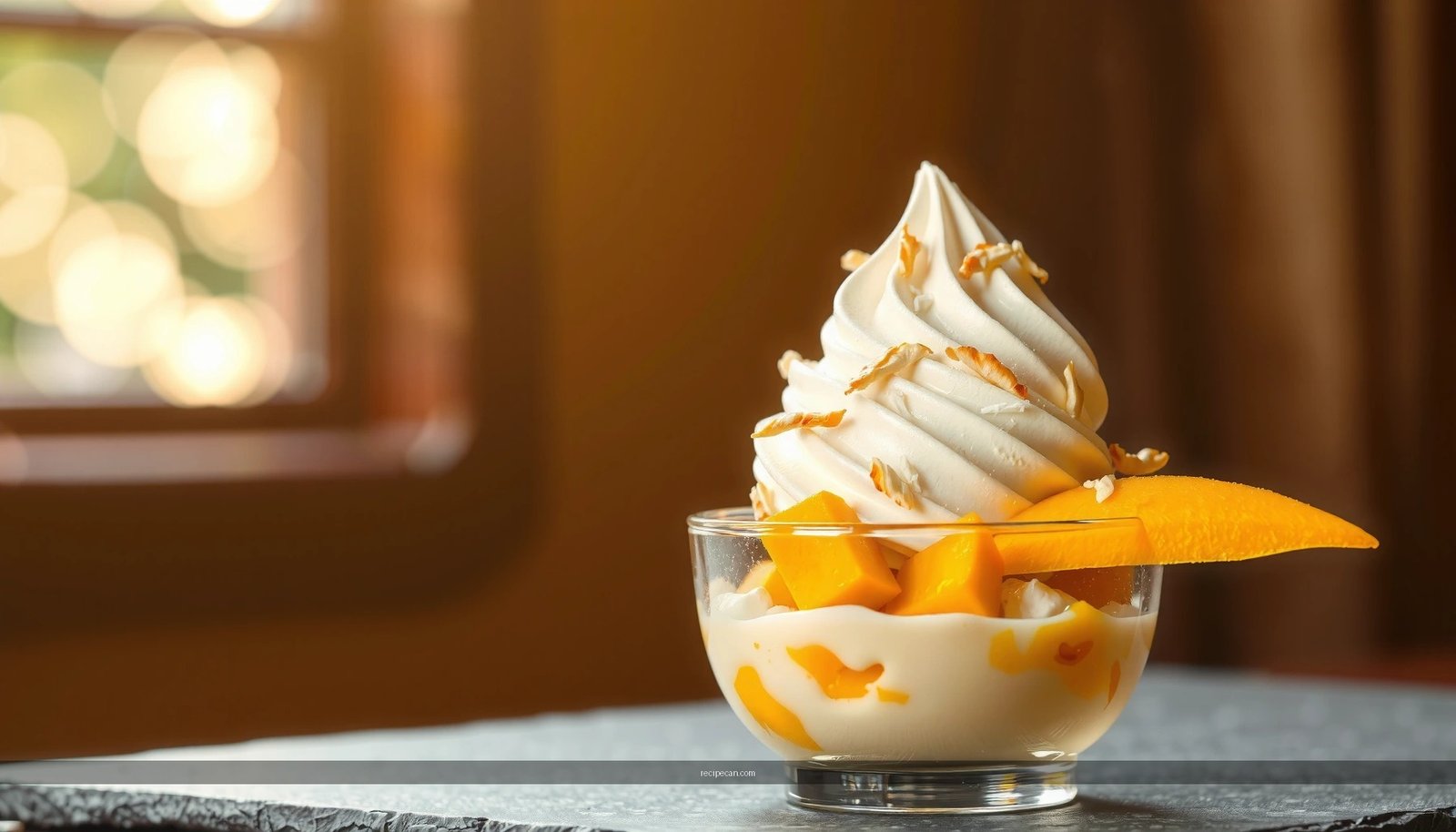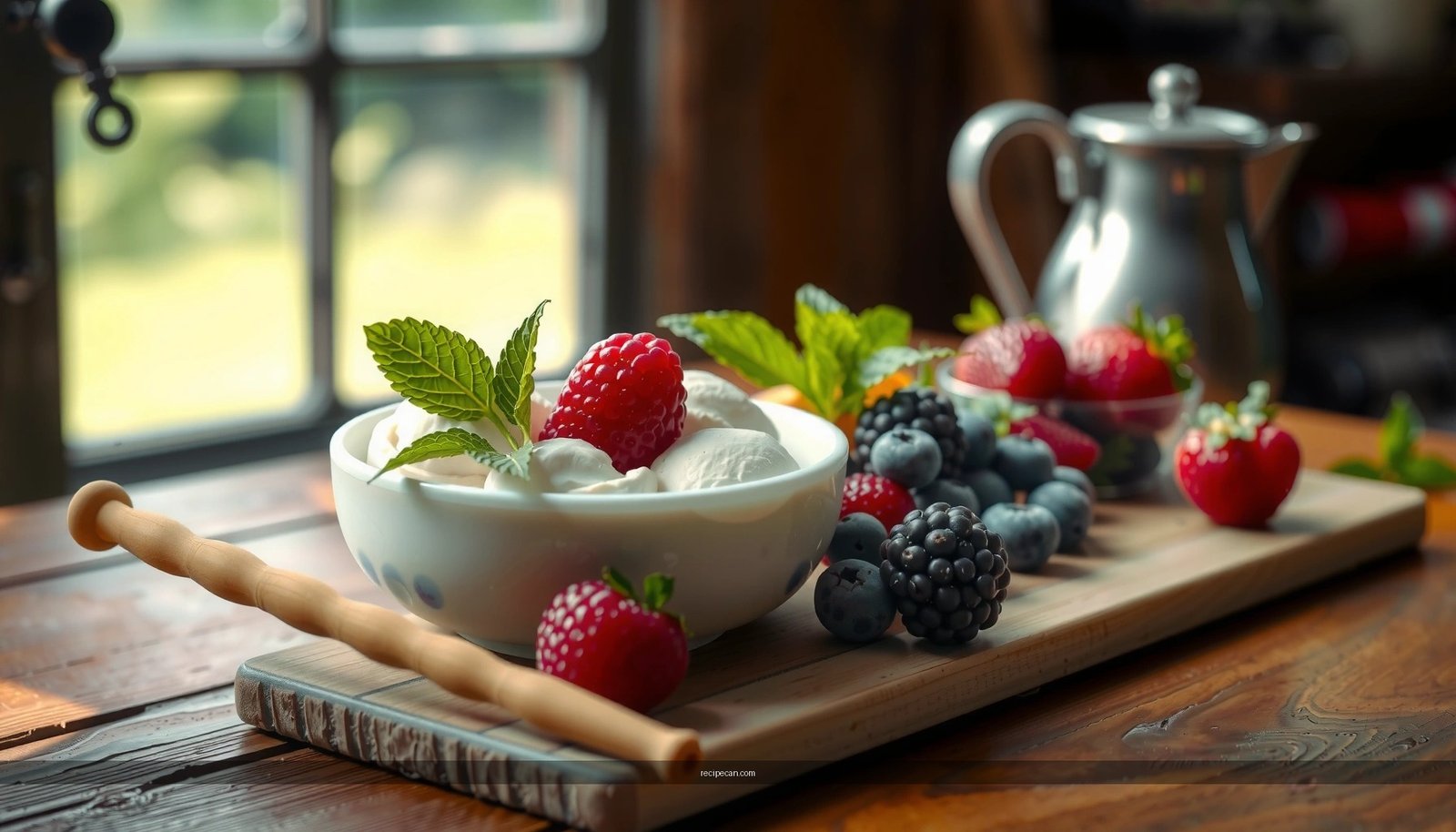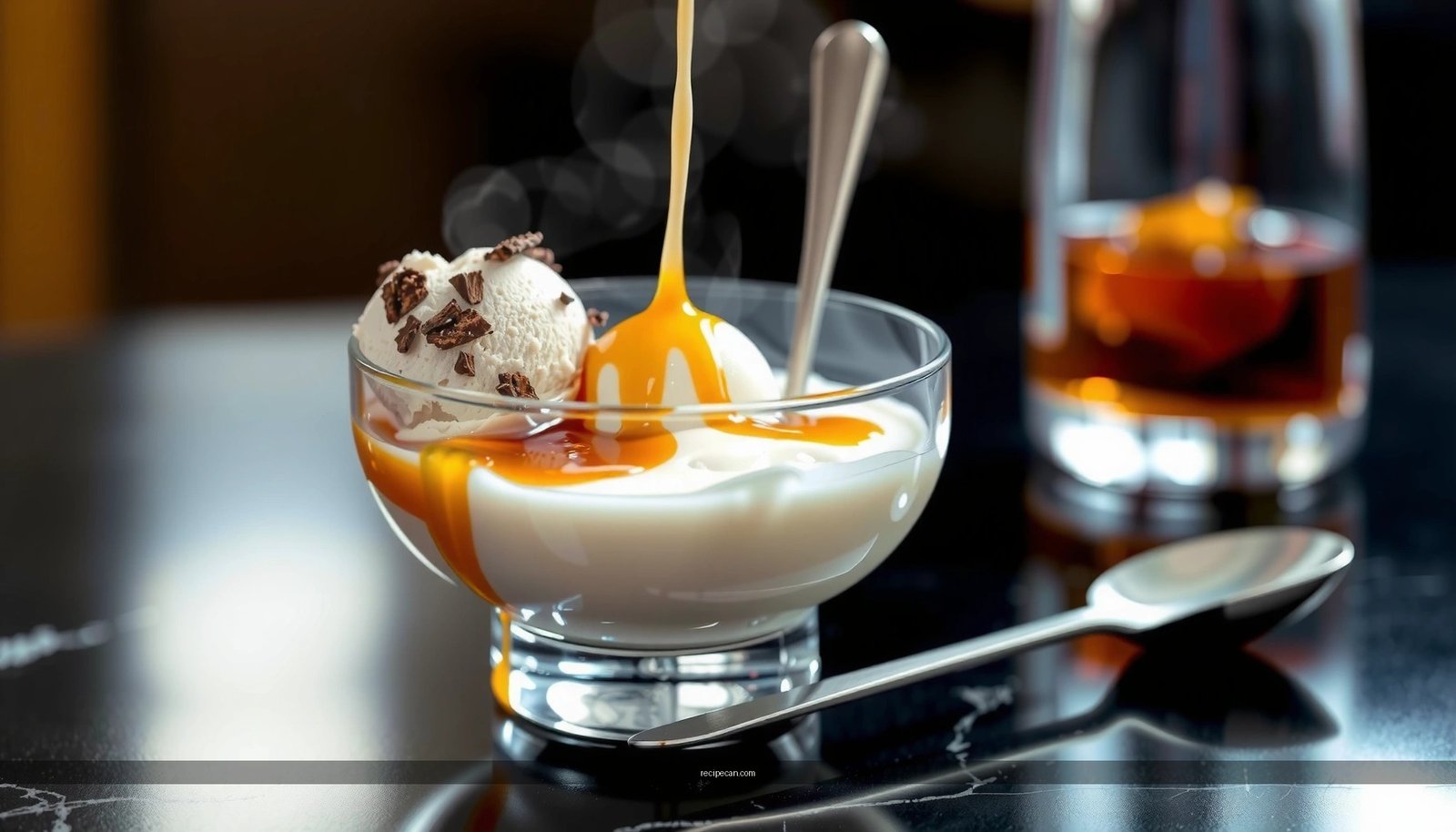
Looking for a brandy Alexander ice cream recipe that delivers a rich, custardy scoop with real boozy flavor? This recipe is the clear winner for making the classic Brandy Alexander taste—silky cream, chocolate notes, and that signature brandy-kissed finish—in your own freezer. You’ll get exact steps and measurements to nail texture and sweetness every time.
If you want Brandy Alexander ice cream that’s truly creamy (not icy) and well-balanced, the key is a properly cooked custard base plus careful flavor adjustments before freezing. This recipe walks you through warming and tempering the dairy, building the classic chocolate–vanilla profile, and finishing with either churned or no-churn technique for a smooth, scoopable batch.
Ingredients for Brandy Alexander Ice Cream
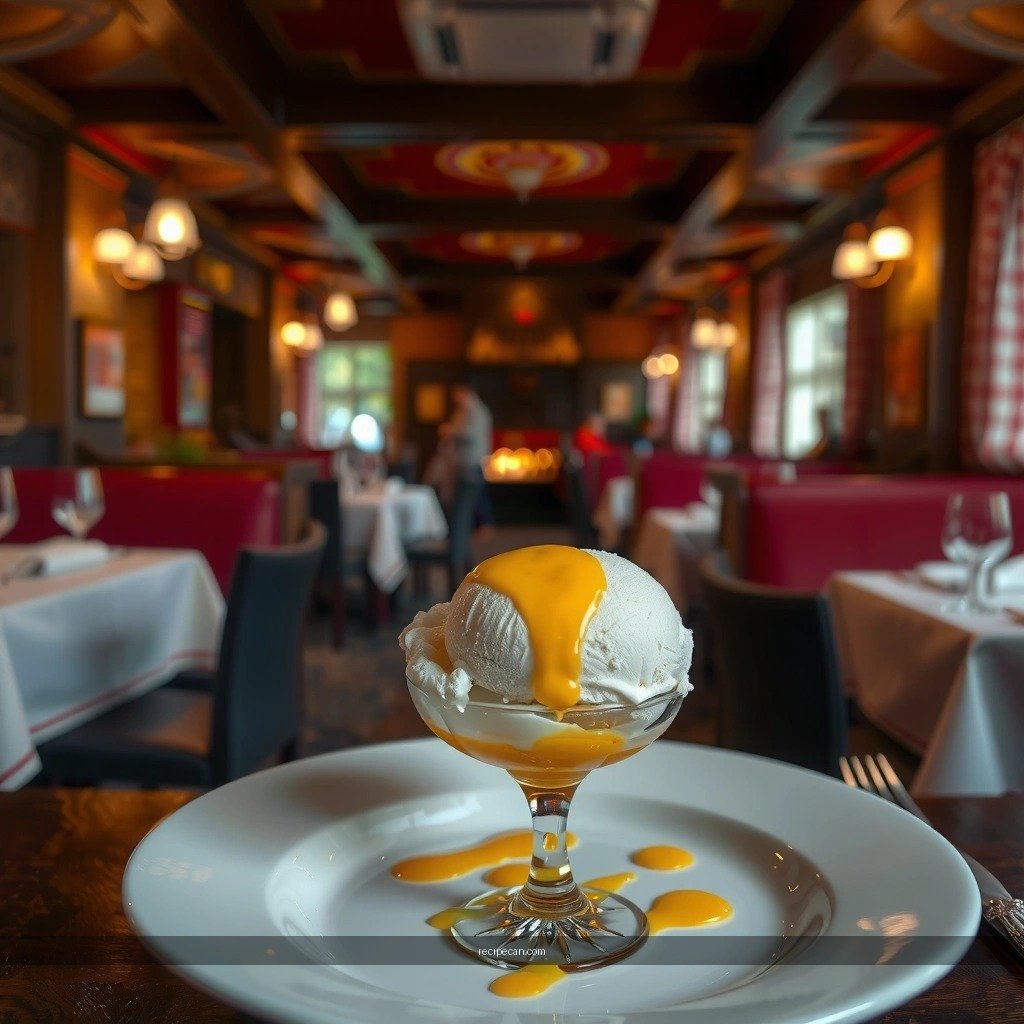
Brandy Alexander is traditionally a cocktail—brandy, cream, and chocolate—often finished with vanilla and a cocoa-like garnish. To translate that profile into ice cream, you’ll rely on three pillars: custard richness (egg yolks + dairy), chocolate depth (cocoa or melted chocolate), and alcohol integration (brandy added at the right stage).
– Brandy (about 2–3 tablespoons for a noticeable but not overwhelming boozy note)
– Cocoa or chocolate (unsweetened cocoa powder for classic bitterness, or melted dark chocolate for smoother richness)
– Heavy cream (for body and churn/no-churn stability)
– Milk (for lighter texture and proper custard viscosity)
– Egg yolks (for custard base thickness and emulsification)
– Vanilla extract (or vanilla bean paste) for the dessert “roundness”
– Granulated sugar (to balance bitterness and alcohol)
– Optional garnishes: chocolate shavings, extra cocoa powder, or a light chocolate sauce swirl
Typical quantity target (for about 1 quart / ~4–5 cups): plan around 2 cups dairy total (cream + milk), 4–5 yolks, and enough sugar to support custard set while preserving a smooth mouthfeel.
Ice Cream Base Ratios & Expected Texture (Brandy Alexander Style)
| # | Base Choice | Egg Yolks | Sugar Role | Booze Impact | Creaminess Score |
|---|---|---|---|---|---|
| 1 | Classic custard (cream + milk + yolks) | 4–5 yolks | ~12–15% by volume | Low crystallization | ★★★★★ |
| 2 | No-churn with sweetened condensed base | 0 yolks | Higher (pre-sweetened) | More ice risk | ★★★★☆ |
| 3 | Chocolate custard (cocoa whisked in) | 4–5 yolks | Balances cocoa bitterness | Deeper flavor, still stable | ★★★★★ |
| 4 | Melted dark chocolate folded in | 4 yolks | ~13% target | Smoother mouthfeel | ★★★★☆ |
| 5 | Higher brandy (3–4 tbsp) | 4–5 yolks | Needs slight increase | Softer set | ★★★☆☆ |
| 6 | Lower brandy (1–2 tbsp) | 4–5 yolks | Preserves cocoa balance | More firm scoop | ★★★★☆ |
| 7 | Extra strain + longer chill (best texture) | 4–5 yolks | Uniform sweetness | Even flavor distribution | ★★★★★ |
Make the Custard Base (Smooth and Creamy)
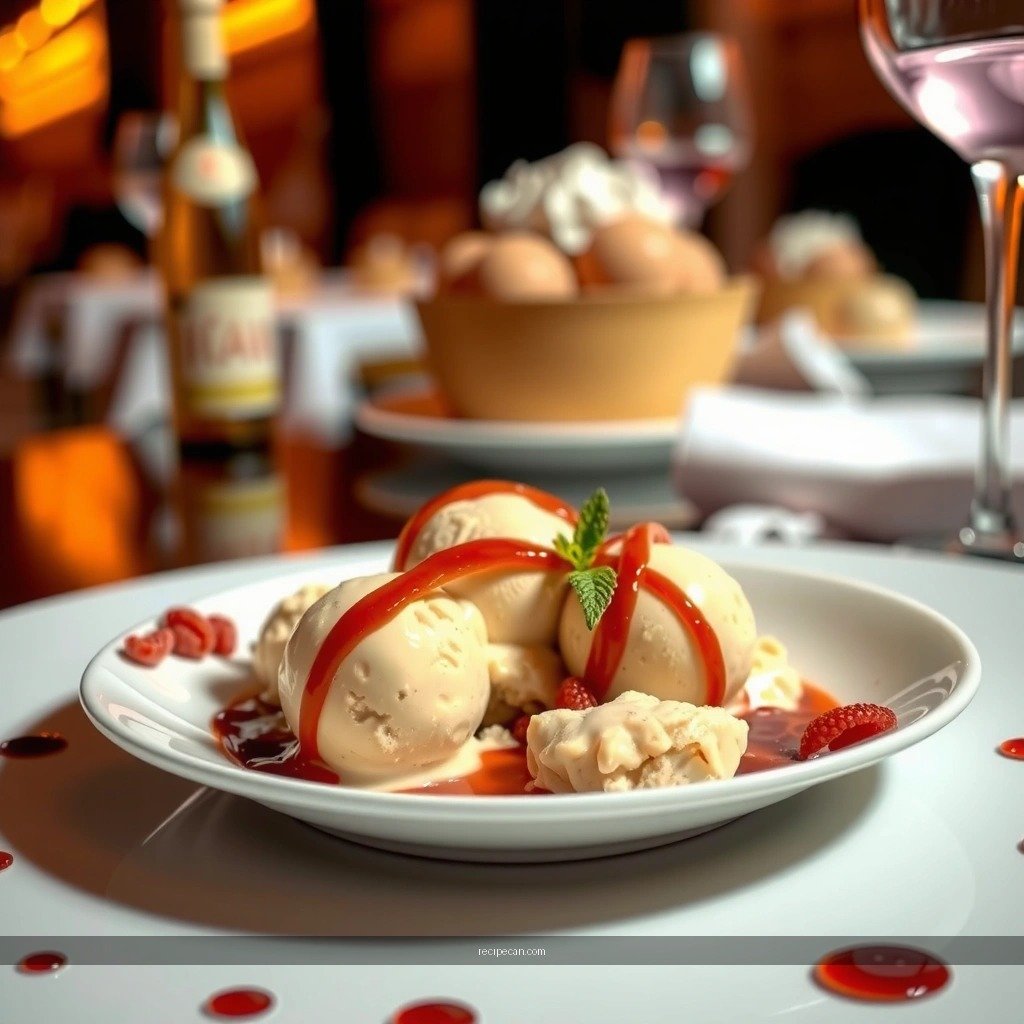
For Brandy Alexander ice cream, the custard base is what delivers the “custardy” mouthfeel: it suspends fat and sugar in a stable emulsion, while egg yolks provide emulsifying proteins that thicken the mix without making it grainy.
1. Warm dairy gently
Heat the milk + cream until steaming, not boiling. Boiling is what increases the risk of curdling and uneven heating.
2. Temper the yolks
Whisk yolks with sugar (and any cocoa powder you’re using for a cocoa custard). Slowly drizzle in some warm dairy while whisking continuously. This gradual temperature change prevents scrambling.
3. Cook to light thickening
Return everything to the pot and cook on medium-low, stirring constantly, until the mixture coats the back of a spoon. Practically, that’s often around 170–180°F (77–82°C)—you’re targeting thick enough to suspend texture, not thick like pudding.
4. Strain for silkiness
Even experienced cooks can get tiny bits of coagulated protein. Straining through a fine mesh sieve removes these, producing a smoother churn/no-churn result.
5. Chill thoroughly
Refrigerate until cold (ideally at least 4–6 hours, overnight best). Warm base leads to poor churn performance and larger ice crystals.
Add Brandy Alexander Flavor
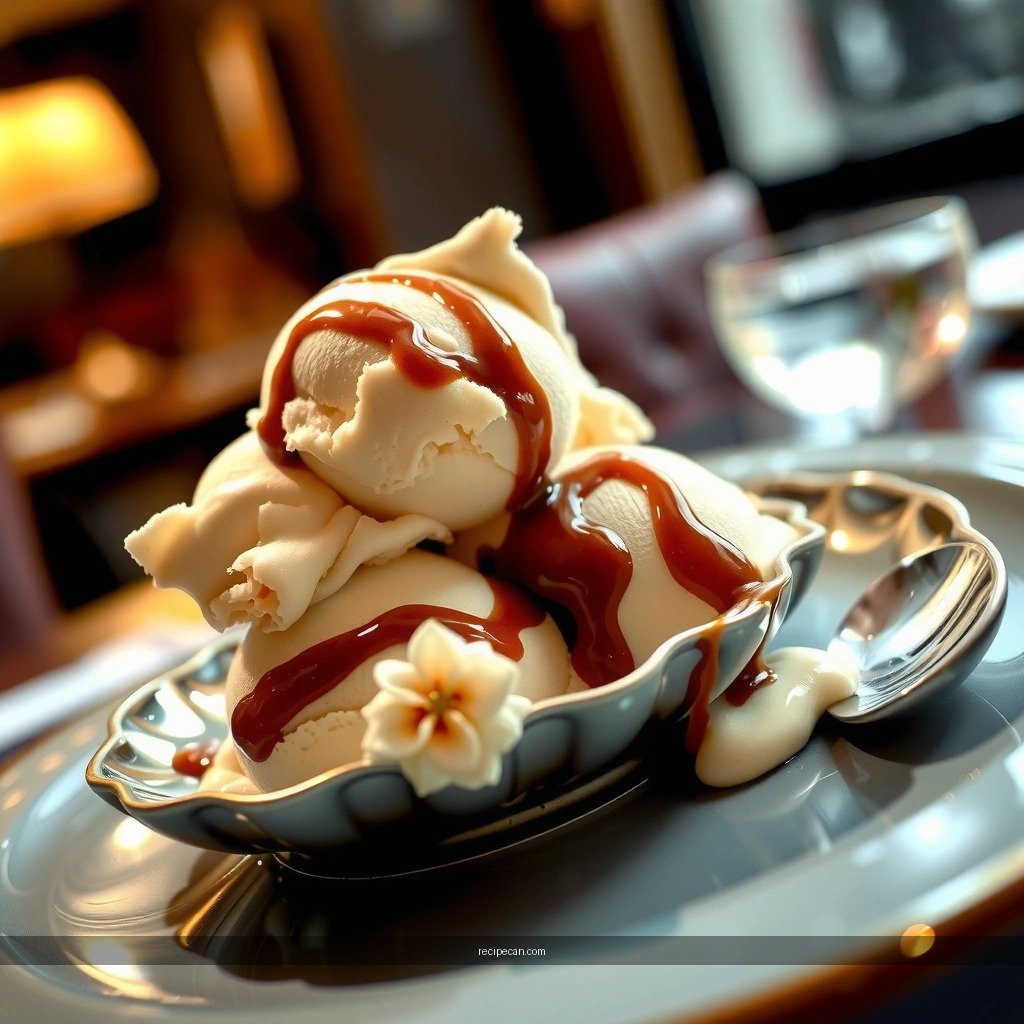
To get a classic Brandy Alexander ice cream taste—chocolate-vanilla cream with a brandy finish—you need to add ingredients at the right temperatures and in the right order.
– Chocolate component:
– If using unsweetened cocoa, whisk it into the yolk-sugar mixture first to prevent lumps.
– If using melted dark chocolate, melt gently and add after the custard is cooked and slightly cooled so the chocolate doesn’t seize.
– Vanilla for dessert depth:
Vanilla complements both chocolate and alcohol. Stir it in once the custard is fully cooked and off the heat (or after a brief cooling), so its aroma isn’t degraded by prolonged heat.
– Brandy timing matters:
Add brandy when the custard is below hot temperatures—commonly after the mixture is cooled to room temperature or at least “comfortable to hold.” Alcohol is volatile; adding too early can dull aroma and slightly affect texture. Also, brandy lowers freezing point, so you want it integrated into a cold base for predictable scoopability.
– Taste and balance:
Cocoa can read bitter if under-sweetened. If your base tastes slightly too intense before freezing, that’s usually normal—but you can calibrate with extra sugar (or a small pinch) rather than increasing brandy.
Practical benchmark:
A well-balanced Brandy Alexander ice cream should taste like “chocolate-vanilla cream” first, with brandy arriving as a warm, boozy finish rather than dominating like a hard liquor sauce.
Churn or Freeze: Choose Your Method
You can make Brandy Alexander ice cream either with an ice cream maker (churned) or without one (no-churn). Both can be excellent; the difference is texture construction—air incorporation and freezing control.
Churn (thicker, scoop-ready)
– Pour the chilled custard into your ice cream machine.
– Churn until it reaches a soft-serve consistency.
– Transfer to a container and freeze until firm (usually 2–4 hours).
Why it works: churning incorporates air while the mix is cold enough to prevent large ice crystals from forming.
No-churn option (whip-and-fold, still creamy)
1. Whip cold heavy cream to soft peaks (not stiff; you want it to fold smoothly).
2. Fold whipped cream into the very chilled custard gently to keep aeration.
3. Freeze in a container.
Freeze schedule:
Freeze until firm, and if your freezer tends to crystallize desserts, stir every 45–60 minutes for the first 2–3 hours (once or twice is often enough).
Tips for Best Texture and Best Flavor
Even with the right ingredients, consistency comes from process control. These specific practices reduce graininess, improve mouthfeel, and preserve brandy aroma.
– Chill the base thoroughly
A cold base churns better and freezes more evenly. If you’re short on time, at least chill until clearly refrigerator-cold, not just “cool.”
– Avoid boiling the custard
Boiling increases curdling risk and can cause a thicker, grainier texture once frozen. Low-and-slow cooking protects the custard’s emulsifying structure.
– Strain when possible
Straining isn’t about perfection—it’s about preventing texture defects that become obvious after freezing.
– Use the right brandy amount
Too much alcohol can create a softer set and a wetter texture. If you want stronger boozy flavor, consider increasing brandy slightly but keep it within a modest range and adjust sweetness.
– Store properly to limit ice crystals
Cover the surface directly with parchment or plastic wrap to reduce airflow exposure. Ice crystals often form from dehydration and temperature cycling.
Serving Ideas and Pairings
Brandy Alexander ice cream is expressive enough to stand alone, but thoughtful toppings make it “restaurant-level” without complicating the recipe.
– Classic finish:
Serve with a dusting of cocoa powder and/or chocolate shavings. For extra punch, add a thin drizzle of warm chocolate sauce just before serving.
– Cocktail-inspired pairing:
Pair with whipped cream and a small chocolate garnish—think “dessert cocktail” energy.
– Crunch and contrast:
Add texture with shortbread cookies, chocolate wafer cookies, or a small handful of toasted nuts.
– Fruit balance:
Berries (especially raspberries or cherries) cut through chocolate richness and echo the cocktail’s refined sweetness without clashing with brandy.
– Party-ready portioning:
For gatherings, portion into individual cups before the final freeze. That makes scooping easier, reduces thaw/refreeze cycles, and helps guests get consistently sized servings.
Scoop into a bowl and enjoy—this Brandy Alexander ice cream delivers a creamy chocolate-vanilla flavor with a boozy brandy touch. Follow the custard steps for the smoothest texture (or use the no-churn method), then taste and adjust before freezing; try it today and share your favorite topping!
Brandy Alexander ice cream succeeds when the custard is cooked low-and-slow, strained for a silky texture, and chilled properly before flavoring and freezing. Whether you churn for maximum air and scoopability or go no-churn for a simpler workflow, the same principles apply: balance the chocolate with vanilla and sugar, add brandy at a controlled temperature, and store correctly to protect creaminess.
Frequently Asked Questions
What is a brandy alexander ice cream recipe and what makes it taste like the classic cocktail?
A brandy alexander ice cream recipe turns the traditional Brandy Alexander flavors—brandy, dark chocolate, and creamy dairy—into a frozen dessert. Typically, the base uses heavy cream and milk for richness, then adds cocoa or melted chocolate along with brandy, plus a touch of vanilla for the cocktail’s smooth finish. The result is a creamy, spiked ice cream that tastes familiar but more dessert-like than the drink.
How do you make brandy alexander ice cream without curdling or ruining the base?
To avoid curdling, heat the dairy gently and stir constantly when making a custard-style base, especially if the recipe includes eggs. Keep the temperature moderate (often just until the mixture thickens slightly) and avoid boiling, then cool the base quickly before churning. If you’re adding eggs, temper them gradually, and add the brandy after the base is off the heat so the alcohol doesn’t destabilize the mixture.
Which brandy should you use for the best flavor in a brandy alexander ice cream recipe?
Use a brandy you’d enjoy sipping, since its flavor will carry through the ice cream. A classic choice is cognac or a smooth American brandy with notes of vanilla and oak that pair well with cocoa and cream. Since alcohol isn’t always fully “cooked off,” choose a balanced brandy rather than something too harsh, and add it near the end of mixing for a more pronounced Brandy Alexander flavor.
Why do some brandy alexander ice cream recipes become too hard or icy, and how can you fix it?
Ice crystals often form when the base has insufficient sugar, too much water content, or isn’t chilled thoroughly before churning. Using the right ratio of sugar (and sometimes a stabilizer like egg yolks or a small amount of corn syrup) helps keep the texture creamy. Also, chill the custard base completely—ideally overnight—then churn according to your ice cream maker’s instructions to improve scoopability.
What’s the best way to serve and store brandy alexander ice cream so it stays creamy?
For best texture, store the ice cream in an airtight container and press parchment or plastic wrap directly onto the surface to reduce ice buildup. Let it sit at room temperature for 5–10 minutes before serving so the brandy and chocolate flavors come through more clearly and the texture softens. If you freeze it too long or expose it to air, it can stiffen, so portioning can help you enjoy it at peak quality.
References
- https://scholar.google.com/scholar?q=brandy+alexander+ice+cream+recipe Google Scholar
https://scholar.google.com/scholar?q=brandy+alexander+ice+cream+recipe - Google Scholar Google Scholar
https://scholar.google.com/scholar?q=brandy+alexander+frozen+dessert+recipe - Google Scholar Google Scholar
https://scholar.google.com/scholar?q=alcohol+in+ice+cream+mixes - Brandy Alexander
https://en.wikipedia.org/wiki/Brandy_Alexander - Ice cream
https://en.wikipedia.org/wiki/Ice_cream - https://en.wikipedia.org/wiki/Custard
https://en.wikipedia.org/wiki/Custard - Brandy
https://en.wikipedia.org/wiki/Brandy - https://pubmed.ncbi.nlm.nih.gov/?term=ice%20cream%20alcohol
https://pubmed.ncbi.nlm.nih.gov/?term=ice%20cream%20alcohol - https://www.sciencedirect.com/search?qs=alcohol%20in%20ice%20cream
https://www.sciencedirect.com/search?qs=alcohol%20in%20ice%20cream - Brandy | Description, History, & Facts | Britannica
https://www.britannica.com/topic/brandy