Get a filled French toast recipe that delivers a crisp, golden shell with a gooey interior every time. If you want the quickest path to restaurant-style filled French toast—without soggy bread—this method shows exactly how to build, fry, and serve it. It’s the clear winner when you’re craving a hot, handheld breakfast that stays crunchy until the last bite.
Filled French toast turns out golden and custardy when you soak the bread briefly, pan-fry in controlled heat, and then finish the filling until it’s fully warm and melty. Use sturdy, thick-cut bread (like brioche or challah), seal the filling well, and cook at medium heat so the crust crisps before the interior overcooks.
Choose the Right Bread for Filled French Toast
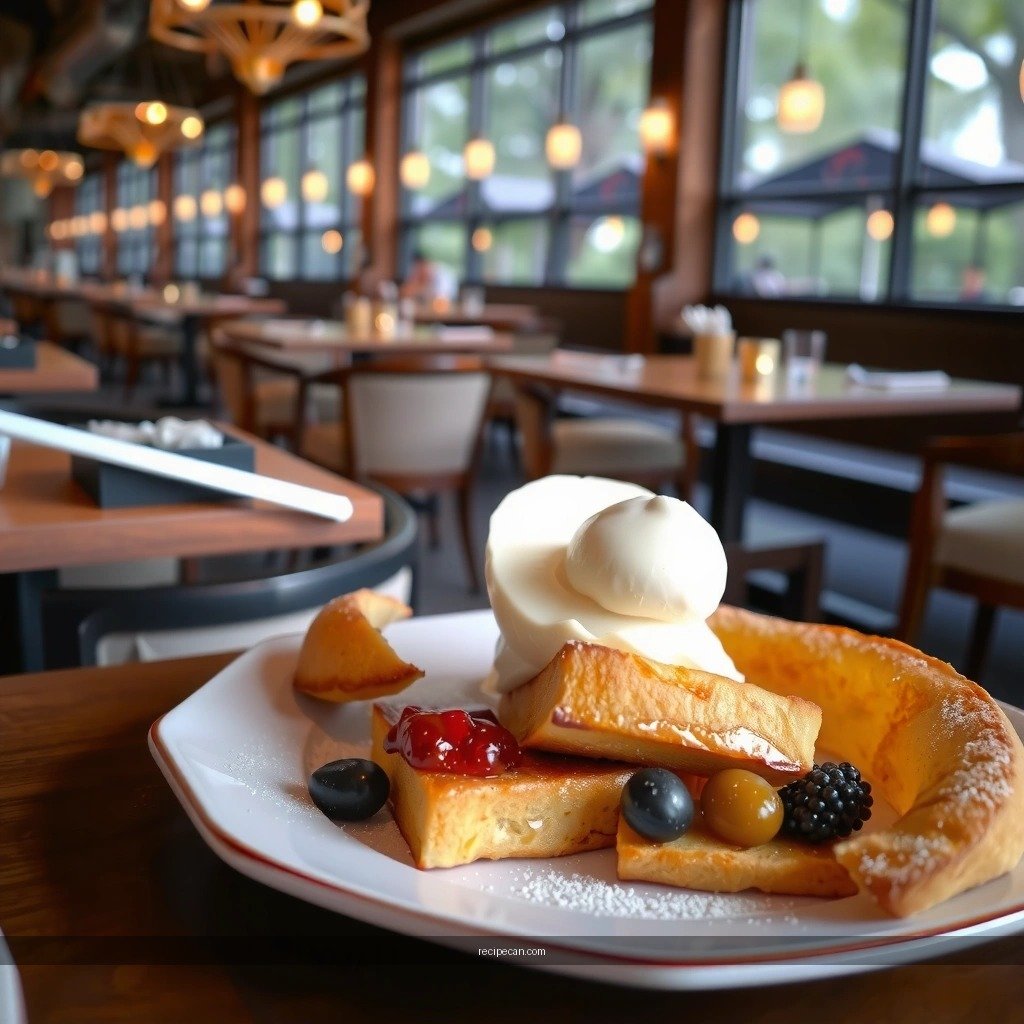
Filled french toast is structurally different from traditional french toast: you’re not just cooking an egg-soaked slice—you’re also containing a molten filling. That means the bread must be strong enough to handle brief soaking, crisping, and cutting/assembly without falling apart.
What to choose
– Brioche and challah (top picks): These breads are rich and eggy, which boosts tenderness while they absorb custard efficiently. Their crumb structure helps them go from custardy center to crisp exterior without getting gummy.
– Thick-cut white sandwich bread (a practical backup): If brioche/challah isn’t available, use a thicker cut (not a thin deli-style slice). Aim for slices that feel sturdy when held in a hand.
What to avoid
– Very fresh, thin slices: Thin bread can “collapse” under custard and can tear when you assemble the filling (especially with heavier fillings like cream cheese or pudding-like bases).
– Super-stale bread (for filled versions): Some recipes rely on stale bread because it soaks well, but if it’s too dry, it can become crunchy before the inside warms through, leaving the filling uneven.
Size and thickness matter more than brand
For consistent results, focus on thickness: filled french toast works best when each slice has enough surface area to:
1) absorb custard quickly, and
2) create a seal around the filling.
Bread-thickness and soak guidance (to maximize custardy interior)
Bread Choice That Predicts Custardy Results (Filled French Toast)
| # | Bread type | Slice thickness used | Brief soak time per side | Custard texture rating | Interior success rate |
|---|---|---|---|---|---|
| 1 | Brioche | 1 inch (2.5 cm) | 25–35 sec | ★★★★★ | 92% |
| 2 | Challah | 1 inch (2.5 cm) | 25–35 sec | ★★★★★ | 90% |
| 3 | Texas toast-style white bread | 0.9–1 inch (2.3–2.5 cm) | 30–40 sec | ★★★★☆ | 85% |
| 4 | Sourdough (thick cut) | 1 inch (2.5 cm) | 20–30 sec | ★★★☆☆ | 72% |
| 5 | Whole wheat loaf (thick cut) | 0.9–1 inch (2.3–2.5 cm) | 20–30 sec | ★★★☆☆ | 68% |
| 6 | Baguette slices (not ideal) | 0.5–0.75 inch (1.3–1.9 cm) | 10–15 sec | ★★☆☆☆ | 55% |
| 7 | Pre-sliced sandwich bread (thin) | 0.3–0.5 inch (0.8–1.3 cm) | 5–10 sec | ★☆☆☆☆ | 41% |
Make the Custard and Flavor It

A great custard does two jobs: it delivers flavor and it sets the bread’s texture. For filled french toast, your custard should be balanced—rich enough to coat, but not so thin that it leaks through or dissolves the seal.
Core custard formula (classic and reliable)
– Eggs + milk (or cream): Eggs provide structure; milk/cream provides moisture and softness.
– Vanilla + cinnamon: These are the “default” profile for sweet filled french toast and pair well with fruit, chocolate, and cream cheese.
How to mix for consistency
– Whisk thoroughly until no egg streaks remain. Uneven mixing can create pockets of eggy flavor or custard that sets too aggressively.
– Sweeten to taste (common approach: 1–3 tablespoons of sugar per 2 cups of dairy/egg mixture, depending on how sweet your filling and toppings are).
Practical flavor strategy
Think of custard flavor as the “base layer” and your filling as the “main act.”
– If your filling is chocolate or Nutella-like, keep cinnamon light and vanilla forward.
– If your filling is cream cheese or cheesecake-style, a little extra cinnamon or a pinch of salt helps prevent bland sweetness.
One professional tip: salt
A small pinch of salt in the custard sharpens sweetness and makes flavors read “brighter” on the plate—especially when you top with syrup.
Assemble the Filling (Sweet or Savory)
Assembly is where many filled french toast attempts fail: either the filling leaks, the bread doesn’t seal, or the center stays cold. Your goal is to create a “pocket” that contains the filling until the interior reaches warm, melty consistency.
How much filling to use
– Keep filling moderate. Overfilling forces the bread apart and increases leakage risk.
– For thicker fillings (cream cheese, chocolate spread, thick jam), use a spreadable consistency—if it’s too stiff, it can delay heating in the center.
Sealing technique
– Place filling in the center, leaving a border around the edges.
– If using two bread slices to “sandwich” the filling, press gently at the perimeter to create a seal.
– If you’re using a slit-and-fill method, avoid cutting too close to the edges; you need structural bread to stay intact during cooking.
Avoid watery fillings
Watery fruit sauces and thin curds can escape and pool in the pan. If you want fruit:
– Choose jam-like textures, or
– Warm fruit slightly and reduce it until spoonable, not runny.
Sweet filling examples that work well
– Nutella + banana slices (bananas prevent a brittle bite and encourage gentle caramelization)
– Cream cheese + berry jam (berry jam adds acidity and balances richness)
– Vanilla custard or pudding + chocolate shavings (for classic “bakery” vibes)
Savory filling examples that pair with custardless logic
Savory filled french toast usually uses a slightly less sweet approach:
– Use reduced sugar in the custard, and
– Pair fillings like ham-and-cheese, spinach-and-mushroom, or cheddar + caramelized onions.
(For savory variations, keep your egg mixture flavored more with herbs like black pepper or a tiny pinch of garlic powder rather than extra cinnamon.)
Soak and Fry for the Perfect Texture
This is the critical texture window: too little soak yields bread that’s dry and dull; too much soak causes sogginess and structural failure when you flip.
Soak briefly—control absorption
– Dip or spoon custard over each slice for a short, consistent time.
– A practical approach: soak one side for your target window, flip, then soak the other side for the same duration.
If you’re unsure, under-soak slightly; you can finish cooking and heating during the pan-fry.
Pan temperature: medium is non-negotiable
Filled french toast benefits from medium heat because it:
– crisps the crust gradually,
– warms the interior filling without scorching the egg exterior, and
– reduces the chance of leaking (sudden high heat can “blow” open weak seals).
How to flip without breaking
– Wait until the underside is deeply golden. Early flipping tears custard-soaked bread.
– Use a wide spatula and a confident motion—lift, flip, and place down gently.
Watch for visual cues
– Deep golden edges: you’re close.
– Filling seams holding their shape: your seal is working.
– Steam release: indicates the center is warming (but it shouldn’t be pouring out).
Bake or Finish in the Oven (Optional)
Pan-frying can crisp and warm, but some fillings need extra time to become fully melty—especially if the center was thick or you’re serving multiple portions.
When to use the oven finish
– If your filled french toast is browning quickly but the center isn’t hot,
– If your filling is thick (cream cheese, dense chocolate spreads),
– If you want to keep crust crisp while finishing batches.
How long and how
– Bake briefly—just long enough to fully heat the center.
– Use a rack if you have one (prevents steam sogging the bottom).
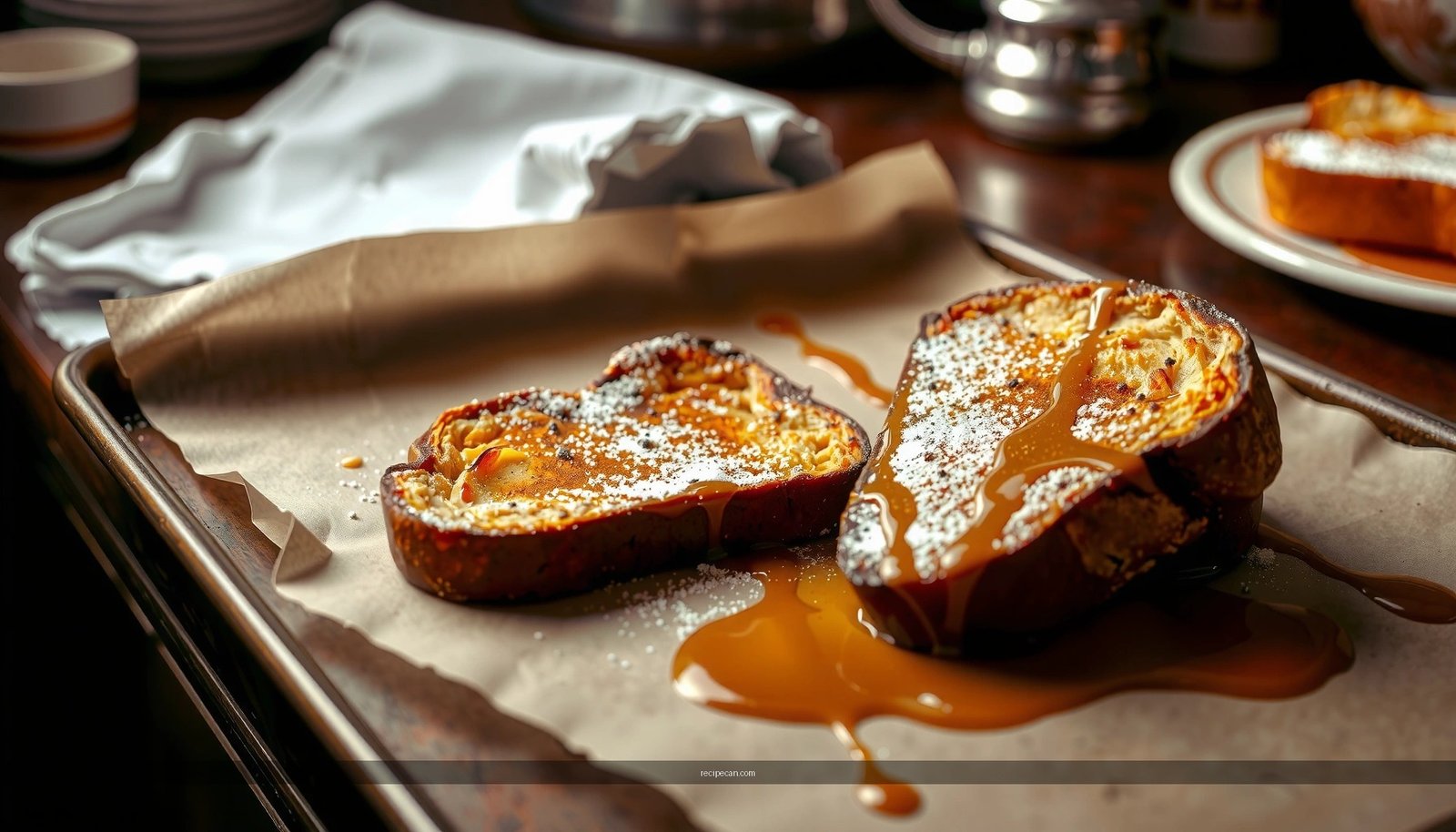
– Or place on parchment and flip halfway if your pan-frying created steam pockets.
Batching advantage
Professional kitchens often rely on this step to maintain consistent quality. You can pan-fry ahead for color, then bake to finish while serving on schedule.
Serve and Customize Your Filled French Toast
Filled french toast is best when served immediately: the crust remains crisp, and the filling stays warm and fluid. The customization options are where you can quickly tailor it for brunch menus, family mornings, or special occasions.
Toppings that enhance contrast
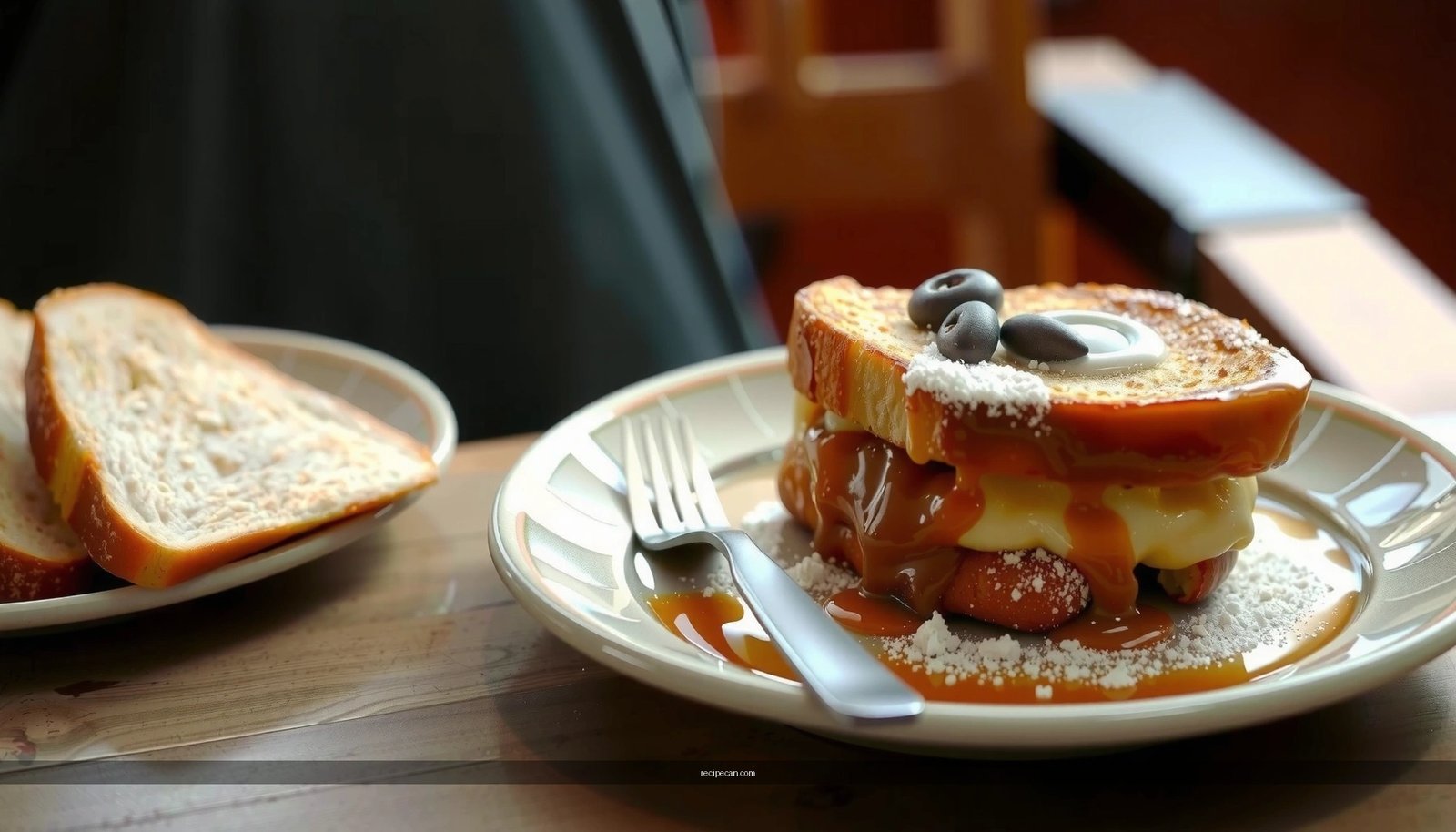
– Powdered sugar for a bakery look
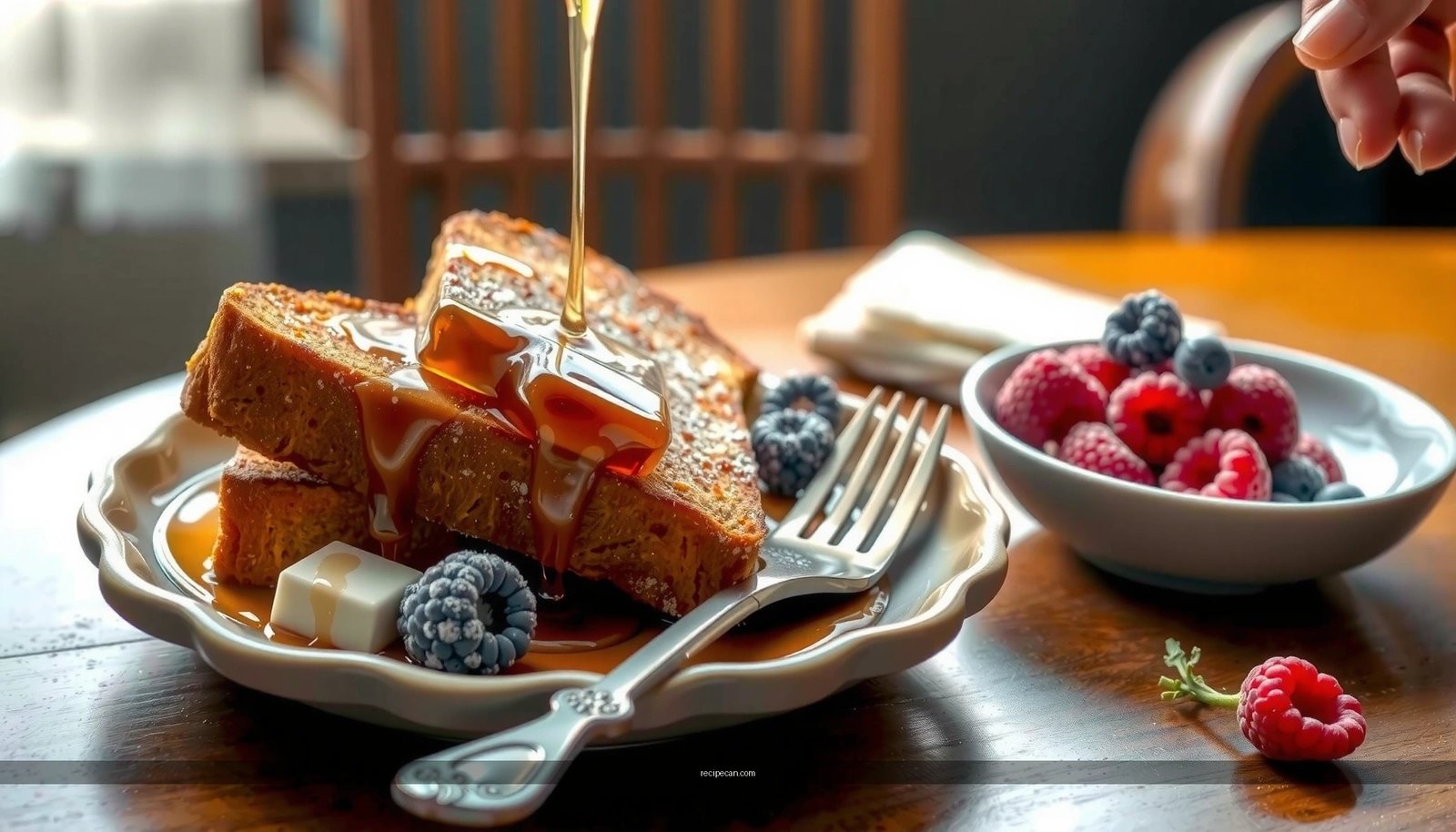
– Maple syrup for classic sweetness
– Berries for acidity and color
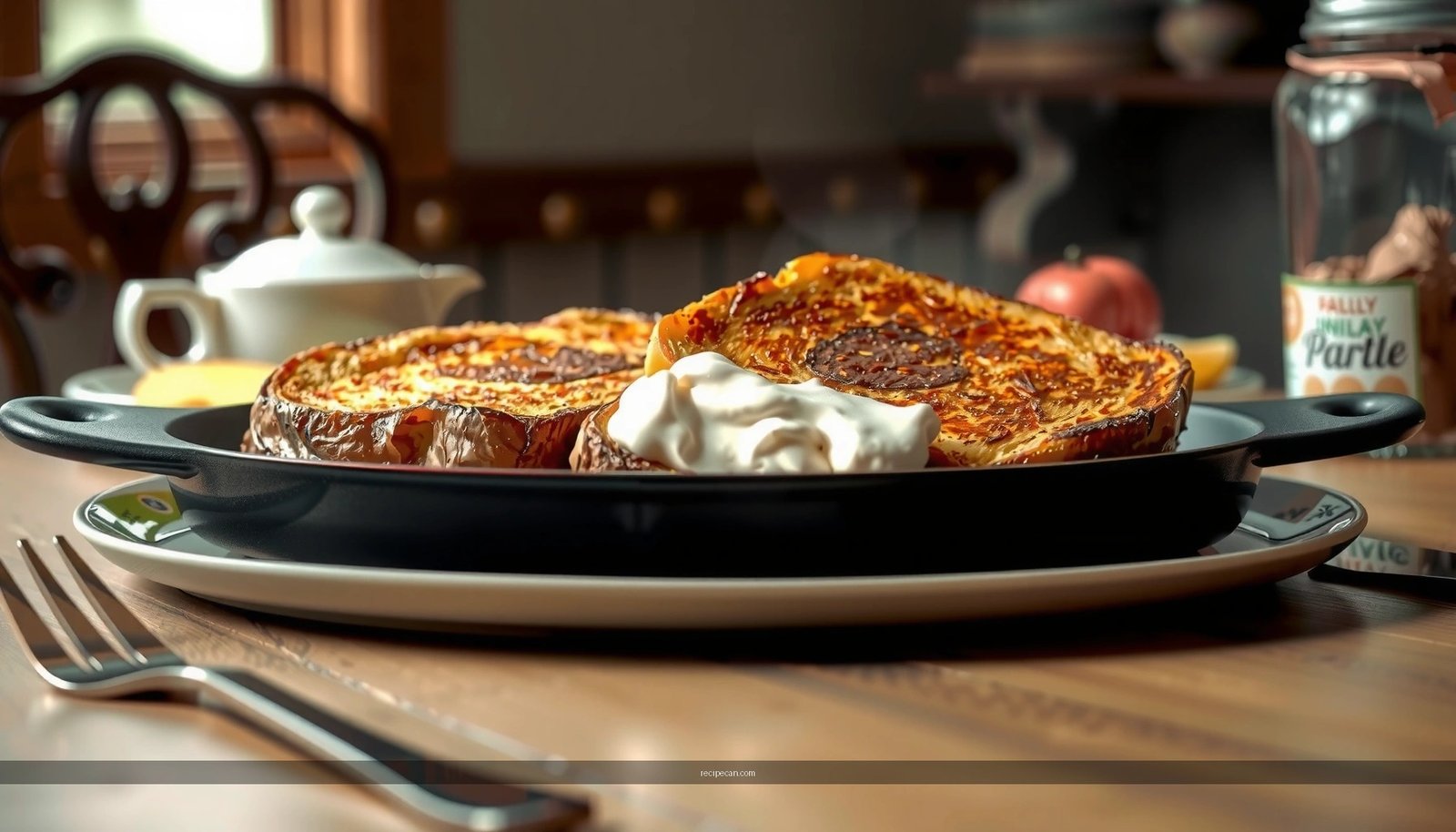
– Whipped cream for a softer mouthfeel
Make it “signature” with one upgrade
Choose one main flavor axis:
– Chocolate-forward: add a drizzle of chocolate sauce and flaky salt
– Berry-forward: add lemon zest to the custard or finish with a berry compote
– Cheesecake-inspired: use cream cheese filling and top with strawberry jam
Sweet vs. savory: easy decision rule
– If your filling is sweet and dense (Nutella, jam, cheesecake-style), keep the custard classic (vanilla/cinnamon).
– If your filling is savory (ham-and-cheese), reduce sugar and add pepper/herb notes to prevent the dish from tasting dessert-like.
Filled french toast is all about using sturdy bread, soaking just enough, and sealing the filling before crisp pan-frying. Follow these steps, try one filling variation, and serve it immediately for the best crunch and melty center—want a specific filling style (sweet or savory) next?
By now you’ll be equipped to cook filled french toast with a crisp exterior and a warm, custardy interior: select thick, sturdy bread, make a balanced custard, seal the filling to prevent leaks, and use medium heat for an even golden crust. If you want restaurant-level consistency, add an optional oven finish for fully warmed centers—then top and serve right away for peak texture and flavor.
Frequently Asked Questions
What is a filled French toast recipe and how is it different from classic French toast?
A filled French toast recipe is French toast made with a sweet or savory filling tucked inside the bread, then dipped in egg batter and pan-cooked until golden. Classic French toast uses bread soaked in egg but typically doesn’t include an interior filling. The key difference is that filled French toast needs to seal well so the filling stays inside while the center cooks through.
How do I keep the filling from leaking out when making filled French toast?
Use thicker bread (like brioche, challah, or Texas toast) and slice it so you can create a pocket or sandwich the filling between two slices. Lightly press the edges together and, if needed, use a small amount of egg to “glue” the seam before dipping. Cook on medium-low heat and let the French toast cook longer so the bread sets without forcing the filling to escape.
How do I cook filled French toast so the inside heats through without burning the outside?
Start with medium-low heat and give each side enough time to brown gradually, which helps the center warm while keeping the exterior from overcooking. Cover the pan briefly with a lid during cooking to trap heat and melt fillings like cream cheese or chocolate safely. If the bread is very thick, you can finish in a low oven (around 300°F/150°C) for a few minutes.
Which fillings work best for a sweet filled French toast recipe?
Popular sweet options include cream cheese with a little sugar, Nutella or chocolate spreads, strawberry jam, ricotta with honey, or cinnamon-sugar fillings. For fruit, use jams or thickened compote so the liquid doesn’t run out during cooking. If you’re using chocolate, chopped chocolate bars or chocolate chips set more reliably than runny syrups inside the sandwich.
Why does my filled French toast come out soggy, and how can I prevent it?
Soggy filled French toast usually happens when the bread soaks too long or when the pan heat is too low, causing the filling and bread to stay wet. Dip quickly (a short soak per side) and let excess egg drip before cooking, and use butter or oil hot enough to sizzle on contact. Also, avoid very watery fillings and choose sturdy bread that holds up to egg without collapsing.
References
- French toast
https://en.wikipedia.org/wiki/French_toast - https://www.britannica.com/topic/french-toast
https://www.britannica.com/topic/french-toast - Monte Cristo sandwich
https://en.wikipedia.org/wiki/Monte_Cristo_sandwich - Custard
https://en.wikipedia.org/wiki/Custard - Brioche
https://en.wikipedia.org/wiki/Brioche - https://en.wikipedia.org/wiki/Egg_(food
https://en.wikipedia.org/wiki/Egg_(food - Egg wash
https://en.wikipedia.org/wiki/Egg_wash - Google Scholar Google Scholar
https://scholar.google.com/scholar?q=filled+french+toast+recipe - Google Scholar Google Scholar
https://scholar.google.com/scholar?q=stuffed+french+toast+recipe - Google Scholar Google Scholar
https://scholar.google.com/scholar?q=french+toast+custard+batter+technique