Get the easiest recipe for French toast casserole that turns stale bread into a golden, custardy breakfast with minimal effort. This straightforward method answers whether you can make French toast casserole ahead of time and still get crisp edges and a soft center when you bake it. With simple prep, a reliable soak, and bake-once timing, it’s the clear winner for stress-free mornings.
This easy recipe for French toast casserole delivers a golden, custardy bake with minimal hands-on time—especially when you prep it ahead. In the sections below, you’ll learn how to assemble it quickly, bake it to the right texture, and dial in rich, brunch-worthy flavor without complicated steps.
Simple Ingredients You’ll Need
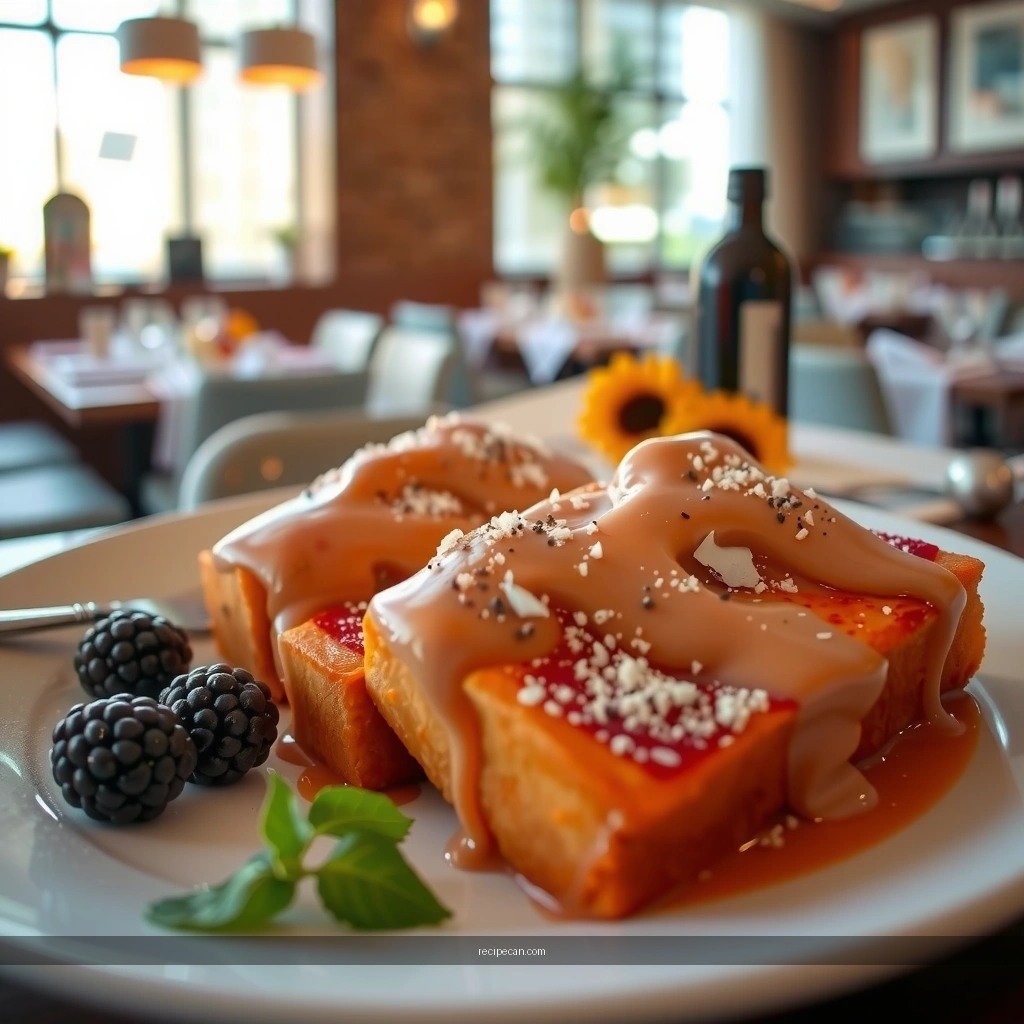
A French toast casserole is essentially bread + custard + bake. The ingredient list is intentionally straightforward so you can focus on texture control (how custardy vs. firm it becomes) and flavor balance.
– Bread, eggs, milk (or cream), and vanilla as the base
– Bread: Day-old brioche, challah, sourdough (for a tangy note), or thick-cut Texas toast work best. Day-old bread absorbs custard more evenly and bakes into a custardy interior rather than turning soggy.
– Eggs: Provide structure and that classic custard set. For a standard 8×8-inch dish, 6 large eggs is a reliable baseline.
– Milk or cream: Use whole milk for a lighter result, or half-and-half / evaporated milk / a mix of milk + cream for a richer, more “bakery” feel. Higher-fat dairy increases browning and tenderness.
– Vanilla: Adds warmth and helps the egg-and-dairy flavor taste dessert-like instead of egg-forward.
– Optional add-ins like cinnamon, sugar, and fruit for extra flavor
– Cinnamon (and/or nutmeg): Adds fragrance that reads as “French toast” immediately. Ground cinnamon is the easiest and most controllable option.
– Sugar (granulated or brown): Helps browning and adds caramel notes. Use it moderately—too much can make the top overly dark before the center sets.
– Fruit: Berries, diced apples, sliced bananas, or peaches. Fruit adds moisture, but you’ll want to use the right prep so it doesn’t leak juices and water down the custard.
Practical guidance: If you want the cleanest, most consistent results, choose one “main” flavor direction—cinnamon-brown sugar, berry-vanilla, or chocolate-vanilla—rather than stacking multiple sweet add-ins at once.
Best Custard Ratios for an 8×8 French Toast Casserole
| # | Custard Approach | Eggs | Dairy (cups) | Vanilla + Sweetness | Browning/Texture Score |
|---|---|---|---|---|---|
| 1 | Classic Whole Milk | 6 | 2.0 | 1 tsp vanilla + 1/4 cup sugar | ★★★★☆ |
| 2 | Richer Half-and-Half | 6 | 1.5 half-and-half + 0.5 milk | 1 tsp vanilla + 3 Tbsp brown sugar | ★★★★★ |
| 3 | Custard-Forward (Extra Eggs) | 7 | 2.0 | 1 tsp vanilla + 1/4 cup sugar | ★★★★☆ |
| 4 | Lighter Milk (Lean) | 6 | 2.5 skim/low-fat | 1 tsp vanilla + 1/4 cup sugar | ★★★☆☆ |
| 5 | Creamy Condensed-Notes Style | 6 | 2.0 evaporated milk | 1 tsp vanilla + 2–3 Tbsp sugar | ★★★★☆ |
| 6 | Very Sweet, Fruit-Friendly | 6 | 2.0 whole milk | 1 tsp vanilla + 1/3 cup brown sugar | ★★★★☆ |
| 7 | Fluffy Top (Lower Sugar) | 6 | 2.0 whole milk | 1 tsp vanilla + 2 Tbsp sugar | ★★★☆☆ |
Quick Prep Steps
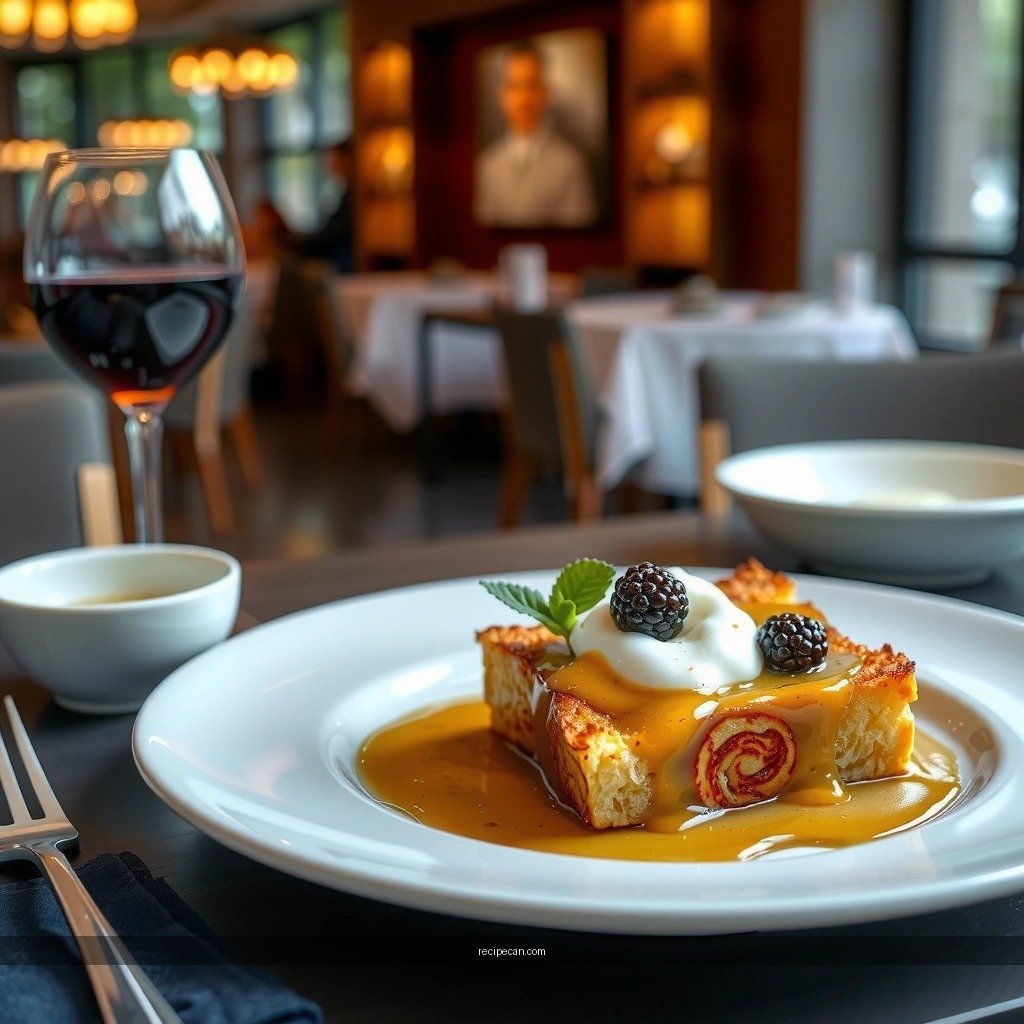
French toast casserole is designed for workflow. You’ll get the best results by thinking in two phases: assemble bread evenly and custard-ensure full coverage.
1. Cube or tear bread and layer it evenly in a baking dish
– Use 1-inch cubes or tear into hearty pieces so every bite has a bread-to-custard ratio.
– Spread bread in a single, even layer as much as possible. If bread is piled too high in one corner, that area may stay custard-soft while the edges overbrown.
2. Whisk the custard mixture, then pour it over the bread
– Whisk eggs, milk/cream, vanilla, and sweeteners until smooth and uniform—no streaks.
– Pour slowly so the custard reaches the bottom. If needed, press down gently with a spatula to help bread soak evenly.
Actionable tip: If your bread is very fresh or dense, consider letting the assembled dish sit for 10–20 minutes before baking (even on the same day). This short soak can prevent dry pockets.
Easy Overnight or Same-Day Method
The overnight method is popular because it improves both flavor development and custard absorption. Still, you can make it same-day with predictable results.
– Refrigerate overnight for best flavor and the easiest bake
– Cover tightly and refrigerate for 8–12 hours.
– When you remove it from the fridge, bake directly or let it sit at room temperature for 15–30 minutes (helps reduce uneven temperature rise).
Why it works: bread hydrates fully, eggs emulsify into a consistent custard, and sugar dissolves for balanced sweetness.
– Or let it sit briefly before baking if cooking the same day
– Assemble, pour custard, then rest 20–30 minutes.
– If using fruit, consider adding delicate fruit (berries) on top during the last 15–20 minutes of baking so they don’t release excess liquid early.
Risk management: Same-day casseroles can be slightly less custardy if the bread hasn’t absorbed enough liquid. To counter this, ensure even bread coverage and don’t skimp on custard volume.
Bake Time and Doneness Tips
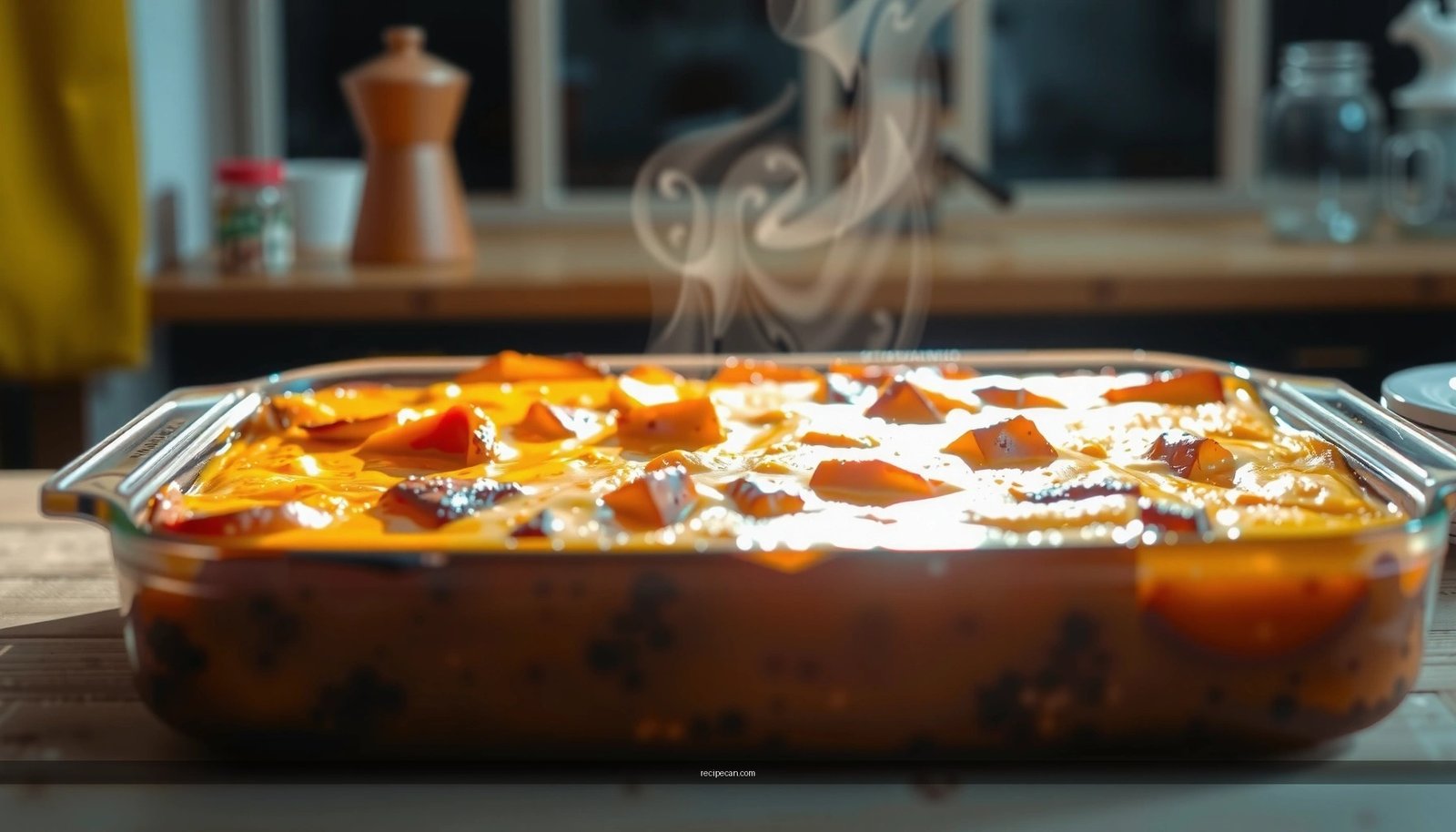
Bake quality is where most home cooks either nail it or miss it. The goal isn’t just “browned”—it’s puffed, golden, and set in the center.
– Bake at a consistent temperature until puffed and golden on top
– Bake at 350°F / 177°C for a typical 8×8 dish.
– Start checking around 35–45 minutes depending on your bread density and custard ratio.
– Check the center for set custard and avoid underbaking
– Doneness signs:
– Top is deep golden with slightly crisp edges.
– Middle looks set (not wet or loose).
– The casserole should jiggle slightly like a soft custard, not slosh like liquid.
– If you have a thermometer, aim for around 170°F / 77°C in the center for classic custard set.
Avoid these common issues:
– Underbaked: center is loose, slices collapse, custard tastes eggy.
– Overbaked: custard turns rubbery and edges dry out.
– Too much sugar in custard: top can brown before the center sets—cover with foil midway if browning accelerates.
Serving Ideas and Tasty Toppings
Serving is part of the experience. The casserole is rich enough to stand alone, but toppings help you control sweetness, brightness, and texture.
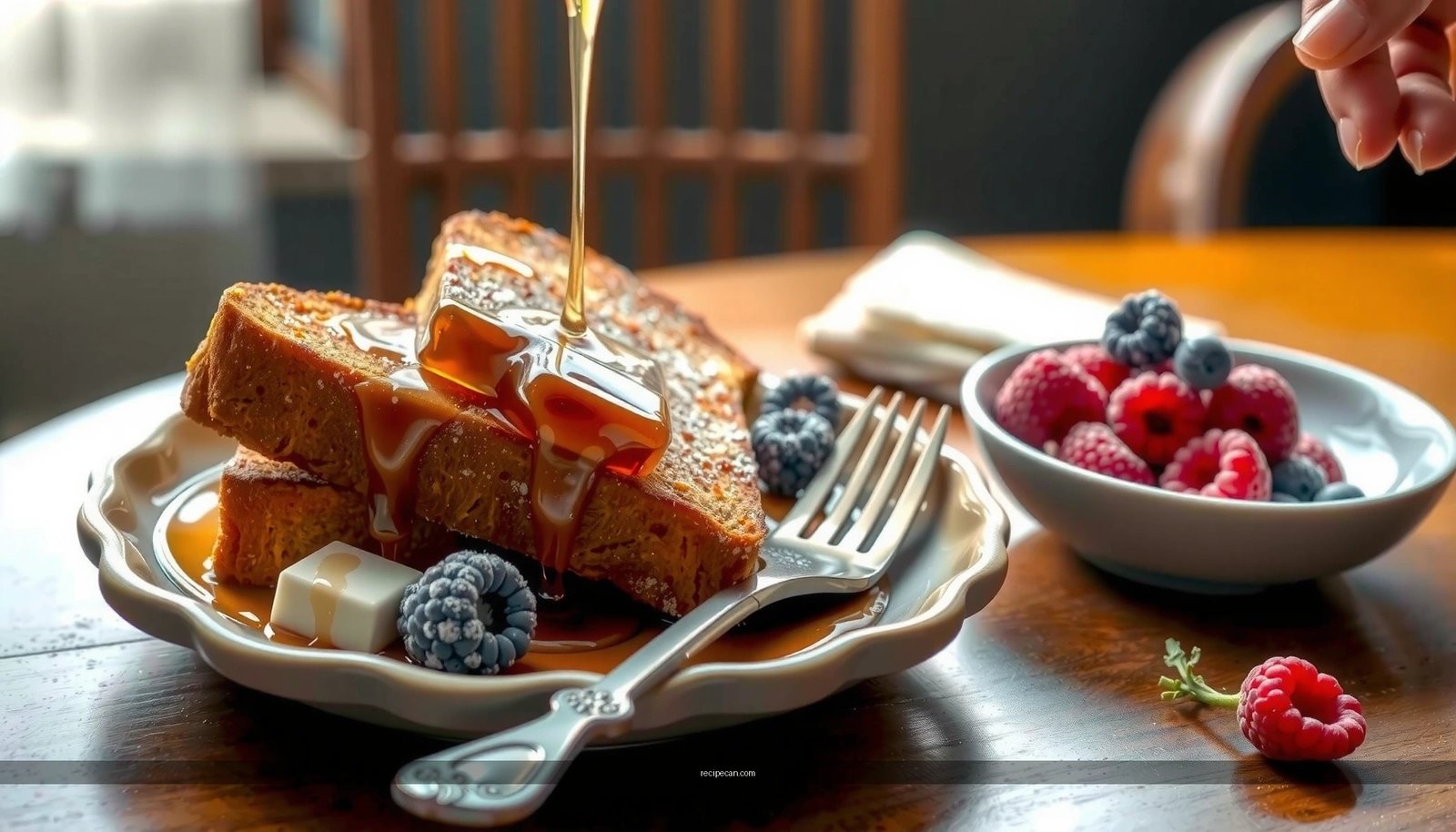
– Serve with maple syrup, powdered sugar, or whipped cream
– Maple syrup is the most classic because it complements vanilla and browned egg notes.
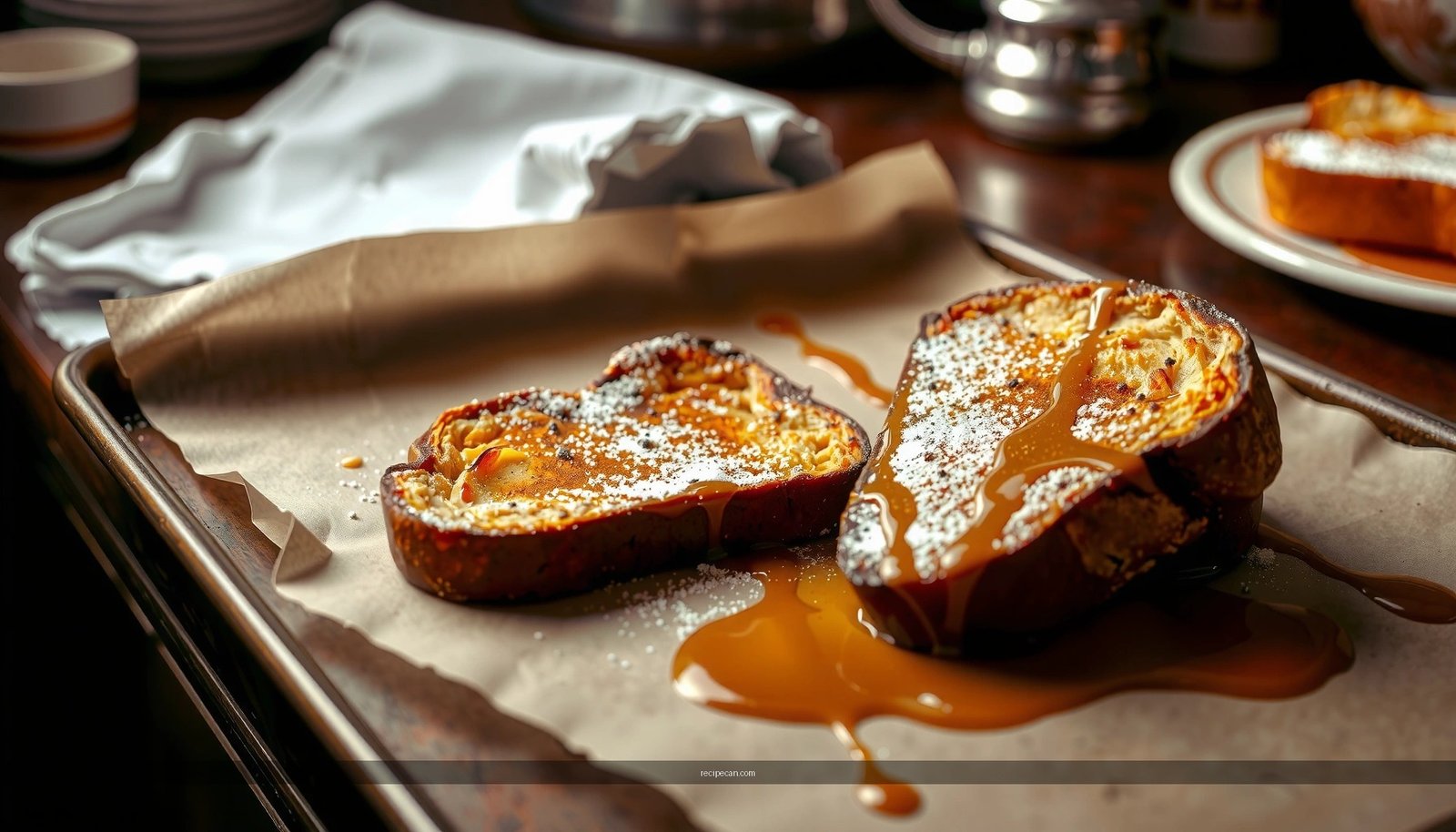
– Powdered sugar works best when you want a clean, bakery look.
– Whipped cream adds moisture and lift—especially great if your custard is slightly firmer.
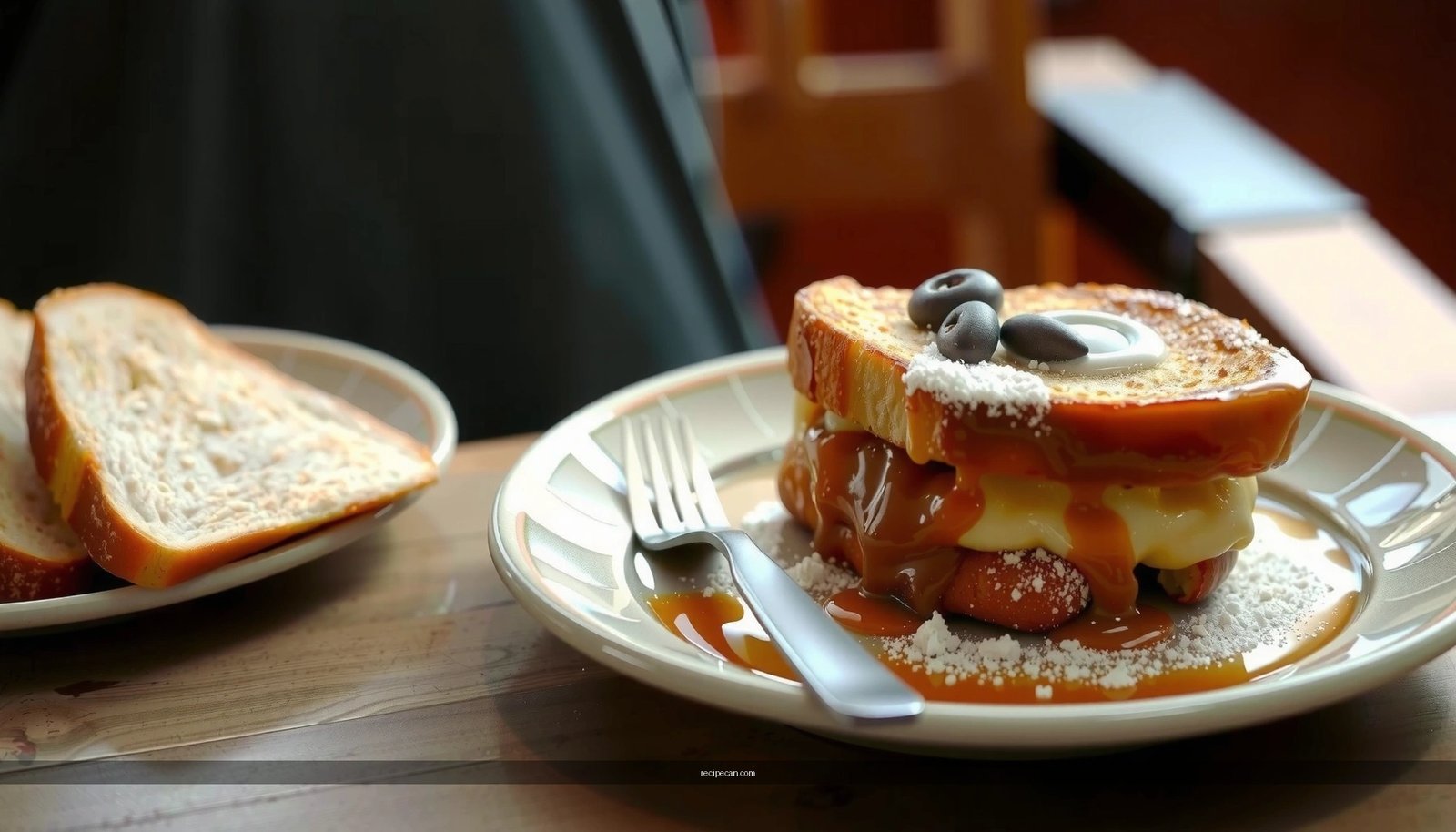
– Add berries, sliced bananas, or a drizzle of caramel for variety
– Berries bring acidity that balances sweetness.
– Bananas add softness; pair with cinnamon or caramel for a dessert-forward brunch.
– Caramel drizzle elevates the casserole for holidays or “special weekend” breakfasts.
Pairing idea (business-friendly mindset): Choose toppings that match the flavor promise of your bake—cinnamon casserole + syrup, vanilla casserole + fruit, chocolate-adjacent add-ins + caramel—so every bite feels intentional rather than random.
French Toast Bread Selection: What You’ll Get
| # | Bread Type | Best For | Texture Outcome |
|---|---|---|---|
| 1 | Brioche | Classic rich custard | Soft + golden |
| 2 | Challah | Sweet brunch boards | Custardy + airy |
| 3 | Texas toast | Easy cube prep | Sponge-like |
| 4 | Sourdough (day-old) | Tangy depth | Slightly firmer |
| 5 | Whole wheat loaf | Heartier, nutty flavor | Firm-custard mix |
| 6 | Croissants (tear pieces) | Brunch pastry crossover | Ultra-tender |
| 7 | Sourdough cubes + extra soak | Best results with sourdough | Improved set |
Make-Ahead and Storage Notes
French toast casserole earns its “easy recipe” reputation because it’s friendly to schedules. You can prep, bake, reheat, and still serve something that tastes intentional.
– Cover and store leftovers in the fridge for quick reheats
– Cool to room temperature, then cover and refrigerate for up to 3–4 days.
– For best texture, store in the baking dish or an airtight container to avoid drying out the top.
– Reheat in the oven or microwave until warm and soft again
– Oven method (recommended for texture): Reheat at 325°F / 163°C until warmed through, usually 12–18 minutes for a single serving portion, covered with foil to prevent over-browning.
– Microwave method (fastest): Heat in short intervals (30–60 seconds) to avoid toughening the custard. Add a teaspoon of milk over the top and cover loosely if the portion looks dry.
Optional operational tip: If you plan to serve later, slightly underbake by 3–5 minutes, then finish during the reheat. This helps keep the center custardy instead of over-set.
This easy recipe for French toast casserole is your go-to for stress-free brunch: layer, pour, bake (or prep overnight), then top and serve. Make it this weekend and try one variation—like adding fruit or cinnamon—to find your perfect version.
If you follow the core principles—even bread coverage, well-mixed custard, and baking until the center sets—you’ll consistently get a golden, custardy result that feels special while staying genuinely simple.
Frequently Asked Questions
What is an easy recipe for French toast casserole that’s foolproof for beginners?
An easy French toast casserole usually starts with bread cubes, a simple custard of eggs, milk, sugar, vanilla, and cinnamon, then baking until puffed and golden. Use day-old bread (like brioche or challah) so it absorbs the custard without turning gummy. Assemble in a baking dish, refrigerate if you want make-ahead convenience, then bake until the center is set.
How do you make French toast casserole without it getting soggy?
To prevent sogginess, use slightly stale bread and cut it into even cubes so it soaks evenly. Don’t over-saturate—follow a standard custard ratio (eggs plus milk) and let the casserole rest so the bread absorbs the mixture before baking. Baking at the right temperature until the edges are set and the center no longer jiggles helps lock in a firm, sliceable texture.
Why should you let the French toast casserole soak in the fridge before baking?
Chilling overnight (or at least 30–60 minutes) gives the bread time to absorb the egg mixture, which creates a custardy interior and better overall flavor. This resting period also helps the casserole bake more evenly, reducing the risk of dry spots. If you’re short on time, a quick soak works, but longer refrigeration typically yields the best results.
What are the best bread choices for an easy French toast casserole?
Brioche and challah are top choices because they’re rich, absorb custard well, and bake up tender. If you want a more budget-friendly option, Texas toast or thick-cut sourdough can work, but you may need to adjust soak time because different breads absorb at different rates. For the most consistent results, aim for sturdy, evenly sized bread cubes for your French toast casserole.
Which toppings work best for French toast casserole—sweet or savory—and how do you add them?
Sweet toppings like maple syrup, powdered sugar, fresh berries, and cinnamon streusel are classic and pair naturally with French toast casserole. For added flavor, sprinkle a little cinnamon or nutmeg into the custard and finish with warm syrup right after baking so it soaks in. If you prefer savory, try a light sprinkle of cheese or a side of breakfast sausage, but keep the base French toast casserole sweet-leaning for the best traditional taste.
References
- Google Scholar Google Scholar
https://scholar.google.com/scholar?q=easy+french+toast+casserole+recipe - Google Scholar Google Scholar
https://scholar.google.com/scholar?q=french+toast+casserole+baked+egg+custard+bread - Google Scholar Google Scholar
https://scholar.google.com/scholar?q=methods+for+baked+egg+custard+with+bread+soak - French toast
https://en.wikipedia.org/wiki/French_toast - Bread pudding
https://en.wikipedia.org/wiki/Bread_pudding - Custard
https://en.wikipedia.org/wiki/Custard - Casserole
https://en.wikipedia.org/wiki/Casserole - https://en.wikipedia.org/wiki/Egg_(food
https://en.wikipedia.org/wiki/Egg_(food - Bread
https://en.wikipedia.org/wiki/Bread - Brioche
https://en.wikipedia.org/wiki/Brioche