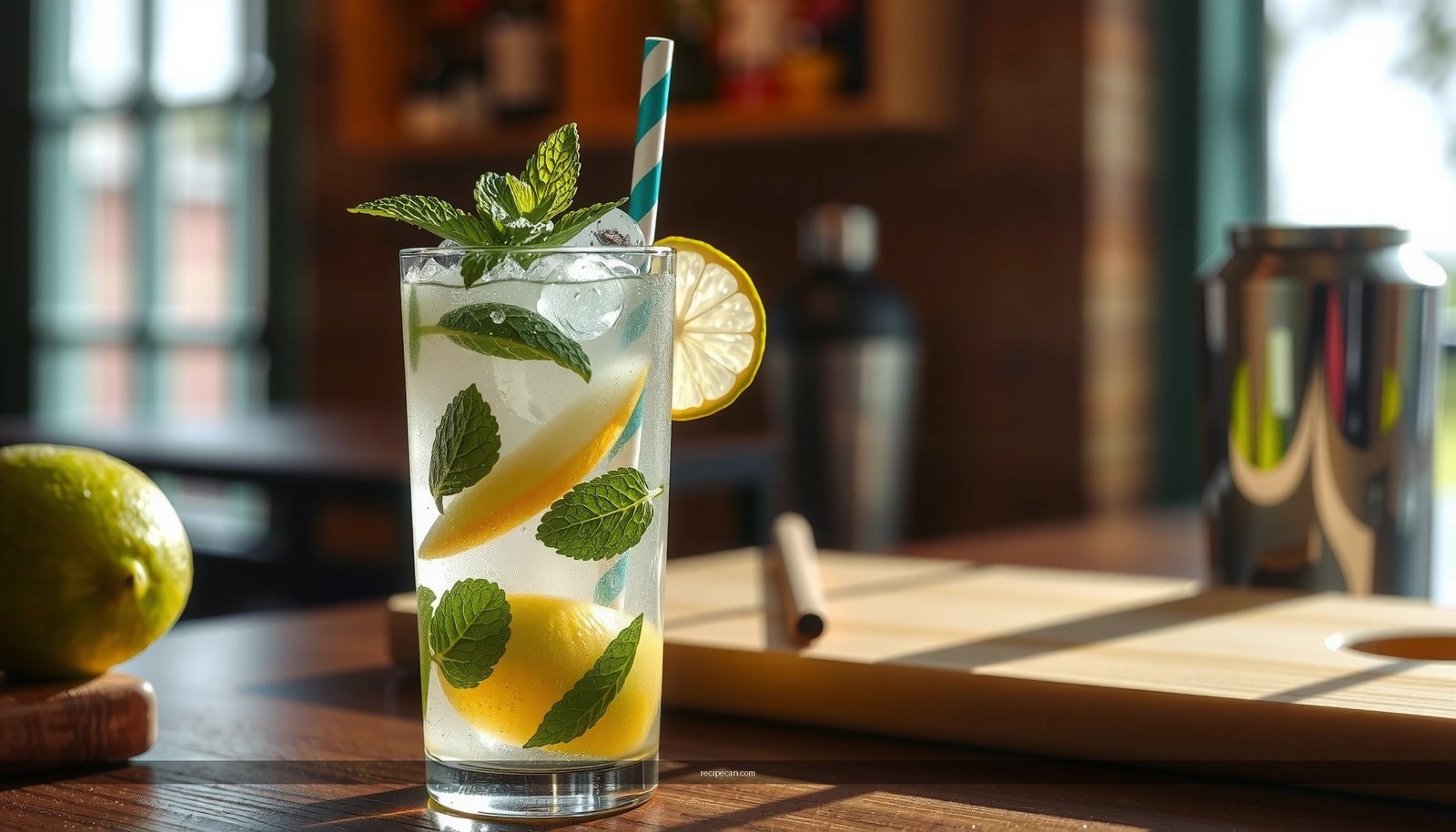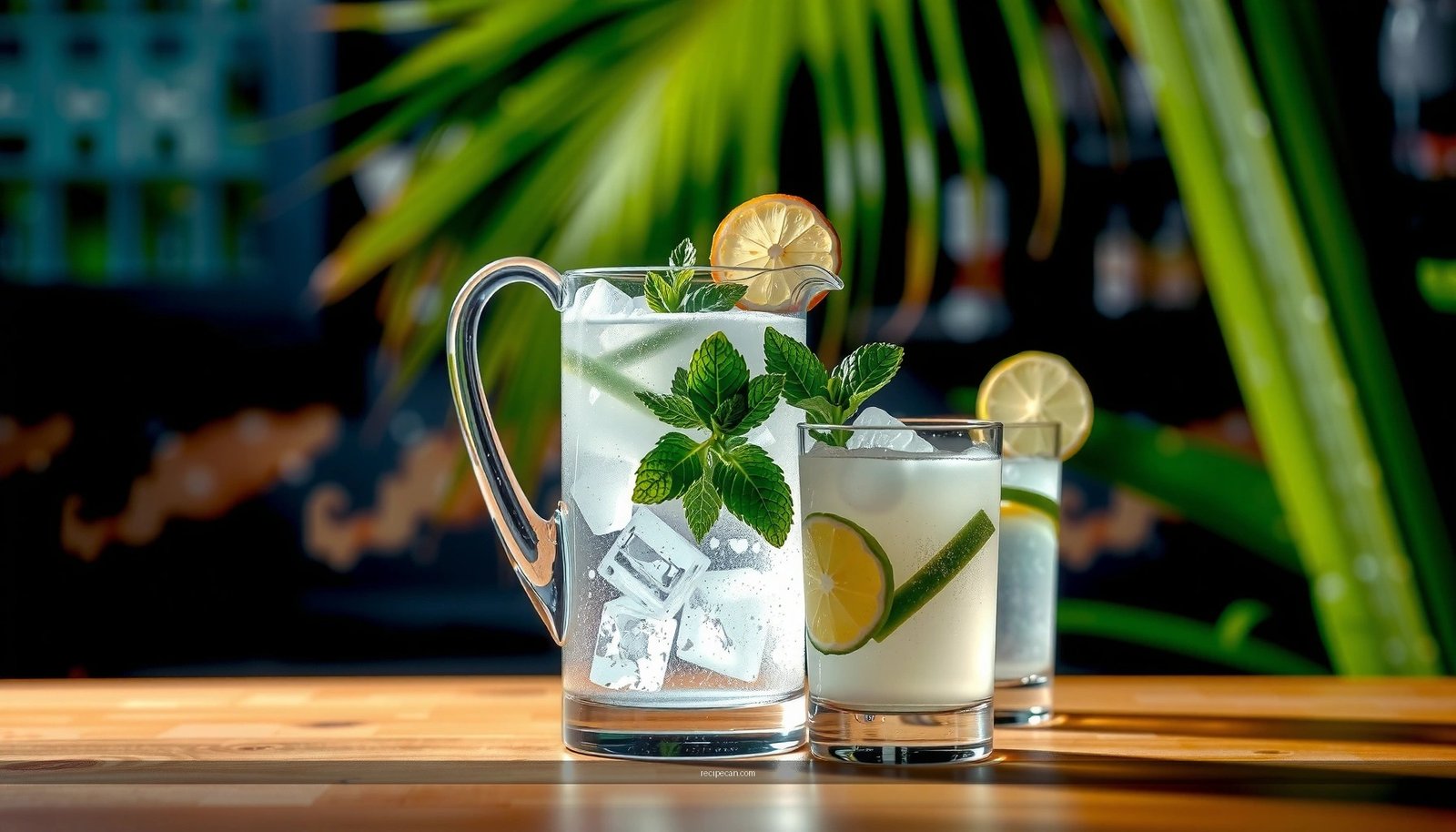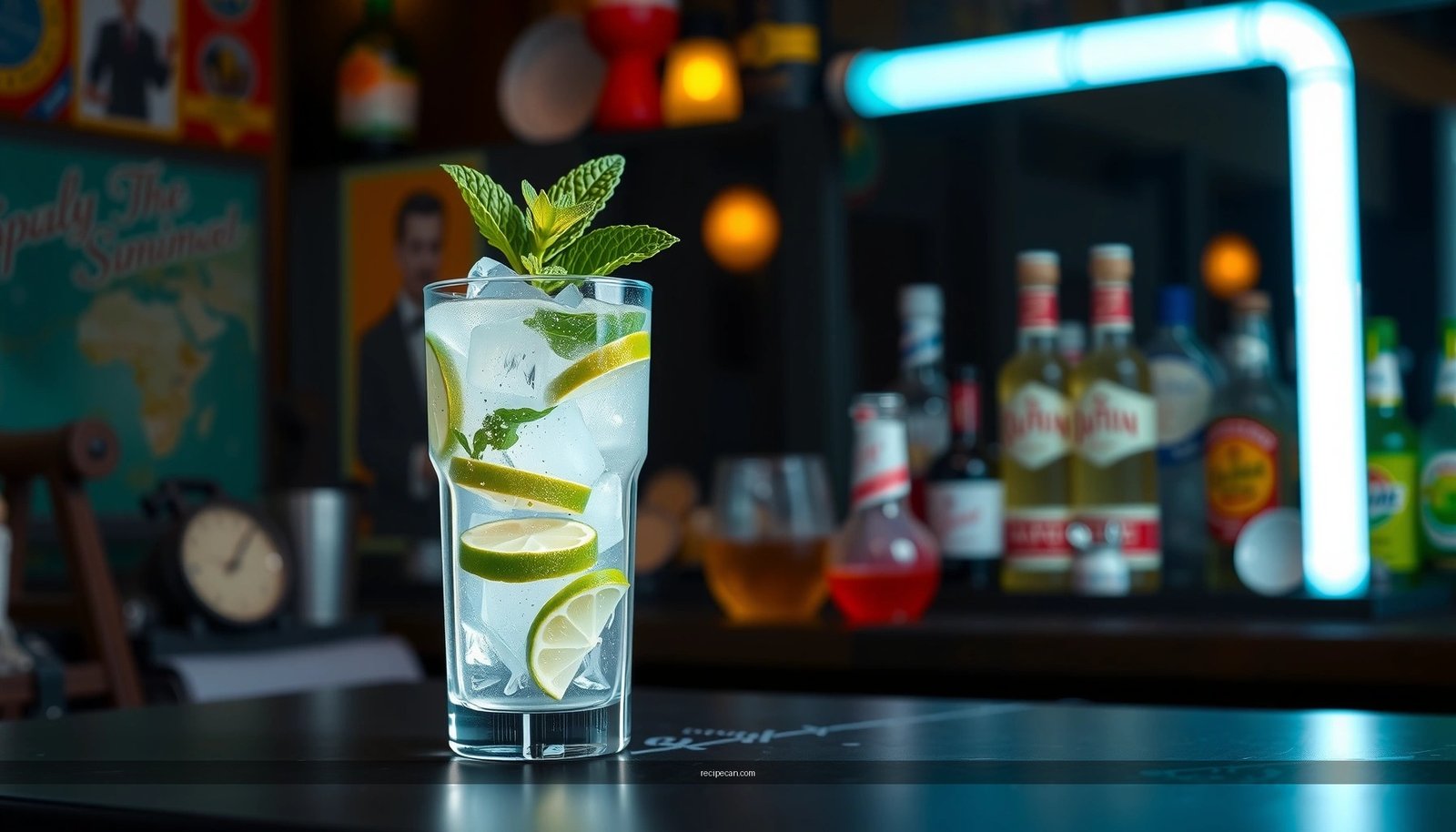
Get the keto mojito recipe that delivers the classic mint-and-lime flavor without the sugar—so you can sip a true low-carb mojito with confidence. This easy guide shows exactly how to make a keto-friendly drink using rum, fresh mint, lime juice, and the right low-carb sweetener. If you want the best tasting low-carb mojito with minimal prep, this is the version to make tonight.
A keto mojito is easy to make: swap sugar-based simple syrup for a keto-friendly sweetener, then build the drink with fresh lime juice, mint, rum, and soda water. In this guide, you’ll learn how to assemble a refreshing low-carb mojito that tastes like the classic version—without the carb spike—while dialing in sweetness, acidity, and mint intensity for the perfect sip.
Keto-Friendly Ingredients for a Mojito
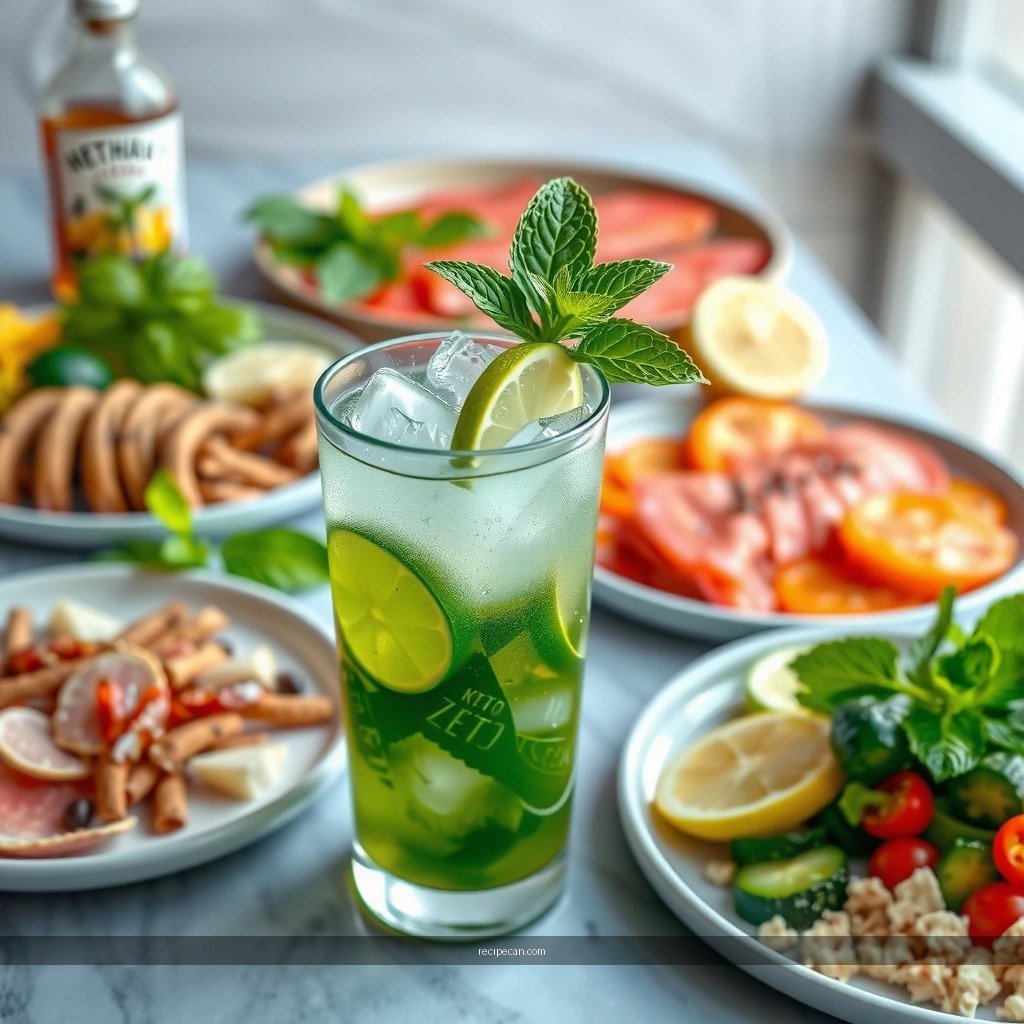
A traditional mojito relies on sugar to balance lime’s acidity and elevate mint’s aromatics. On keto, the goal is to keep the sweetness adjustment while minimizing net carbs—meaning your sweetener must either contain minimal carbohydrates or be used in small enough quantities that total impact stays low.
Swap sugar with erythritol, monk fruit, or stevia to keep it low-carb
– Erythritol: Popular for keto mojitos because it measures like sugar and has a clean taste for many palates. It also tends to dissolve well in cold liquids when mixed thoroughly.
– Monk fruit (often as a blend): Works well for cocktails, particularly when paired with a small amount of erythritol or dextrose-free bulking agents (many “monk fruit sweetener” products are already blends).
– Stevia: Can deliver strong sweetness with very low carb impact, but it may taste more herbal at higher doses—so start small, then adjust.
Use fresh mint and lime juice for bright, classic flavor
– Fresh mint is non-negotiable for a true mojito profile. Dried mint won’t deliver the same top-note aroma.
– Fresh lime juice provides the crisp acidity that “sets” the drink. Bottled lime juice can be used, but fresh typically tastes sharper and more citrus-forward, which matters when you’re not relying on sugar to round out flavor.
Practical note for keto compliance: Most net carbs in a keto mojito come from sweetener choice and portion size. Mint and lime contribute relatively small amounts, but “keto-friendly” still depends on your specific product and how much you use.
Net Carb Profile of Common Mojito Sweeteners (Per 1 tsp serving)
| # | Sweetener | Typical Form | Net Carbs | Best Use in Mojitos |
|---|---|---|---|---|
| 1 | Erythritol | Granulated | 0 g | Dissolves like sugar |
| 2 | Monk Fruit (pure) | Liquid or powder extract | ~0 g | Start with a few drops |
| 3 | Stevia (leaf extract) | Liquid drops | ~0 g | Use minimal amounts |
| 4 | Allulose | Granulated | ~0–1 g | Caramel-like rounding |
| 5 | Sugar alcohol blend | Tabletop packets | 1–2 g | When label confirms net carbs |
| 6 | Monk fruit blend (with erythritol) | Granulated | 0 g | Easiest “measure-for-measure” |
| 7 | Cane sugar (for comparison) | Granulated | 4 g | Not keto |
How to Make a Keto Mojito (Step-by-Step)
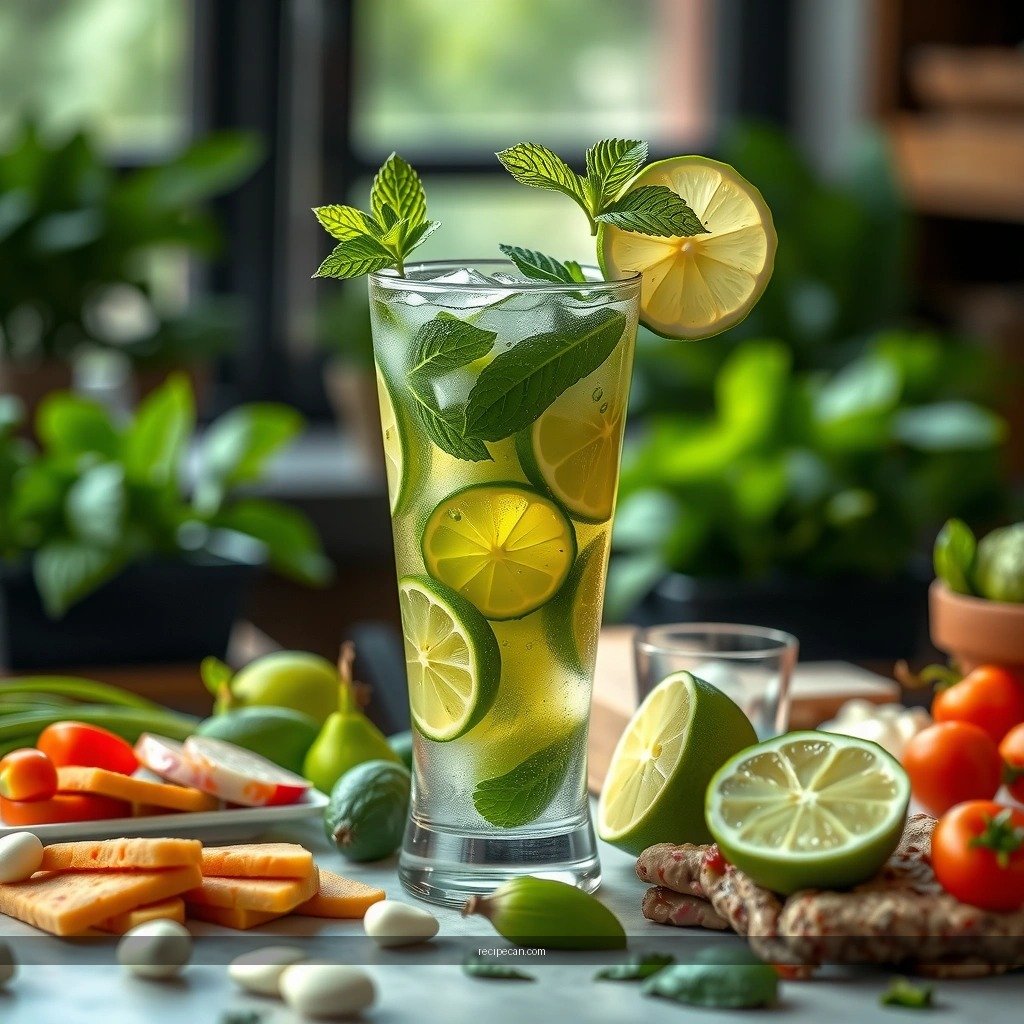
To get that classic mojito profile—bright lime, cooling mint, and clean rum—you want to control two things: extraction (how much mint you pull out) and sweetness dissolving (how well your keto sweetener integrates).
Muddle mint with sweetener and lime juice, then add ice
1. Start with a cold glass or cocktail shaker. Cold slows down mint oxidation and keeps flavor fresher.
2. Add fresh mint leaves to the bottom of the glass (or shaker).
3. Add your keto sweetener (begin with 1–2 tsp erythritol or an equivalent small amount of monk fruit/stevia).
4. Pour in fresh lime juice (measured—don’t eyeball repeatedly if you’re tracking carbs).
5. Gently muddle just enough to release mint oils. Over-muddling is a common problem (more on that below).
Stir in rum and top with soda water for a bubbly finish
1. Add ice (or keep it in the shaker and shake briefly).
2. Pour in rum—white rum is a common choice for crisp mojitos.
3. Stir (or shake lightly) to distribute the mint-lime mixture.
4. Top with soda water and stir once more.
5. Garnish with mint and lime wedge, serve immediately.
Actionable taste targets (so you can iterate)
– If it tastes too tart, add 1/4–1/2 tsp more sweetener.
– If it tastes too sweet, add a small splash of extra lime juice.
– If mint tastes bitter, reduce muddling next time and consider using fewer leaves.
Best Sweeteners for Keto Mojitos
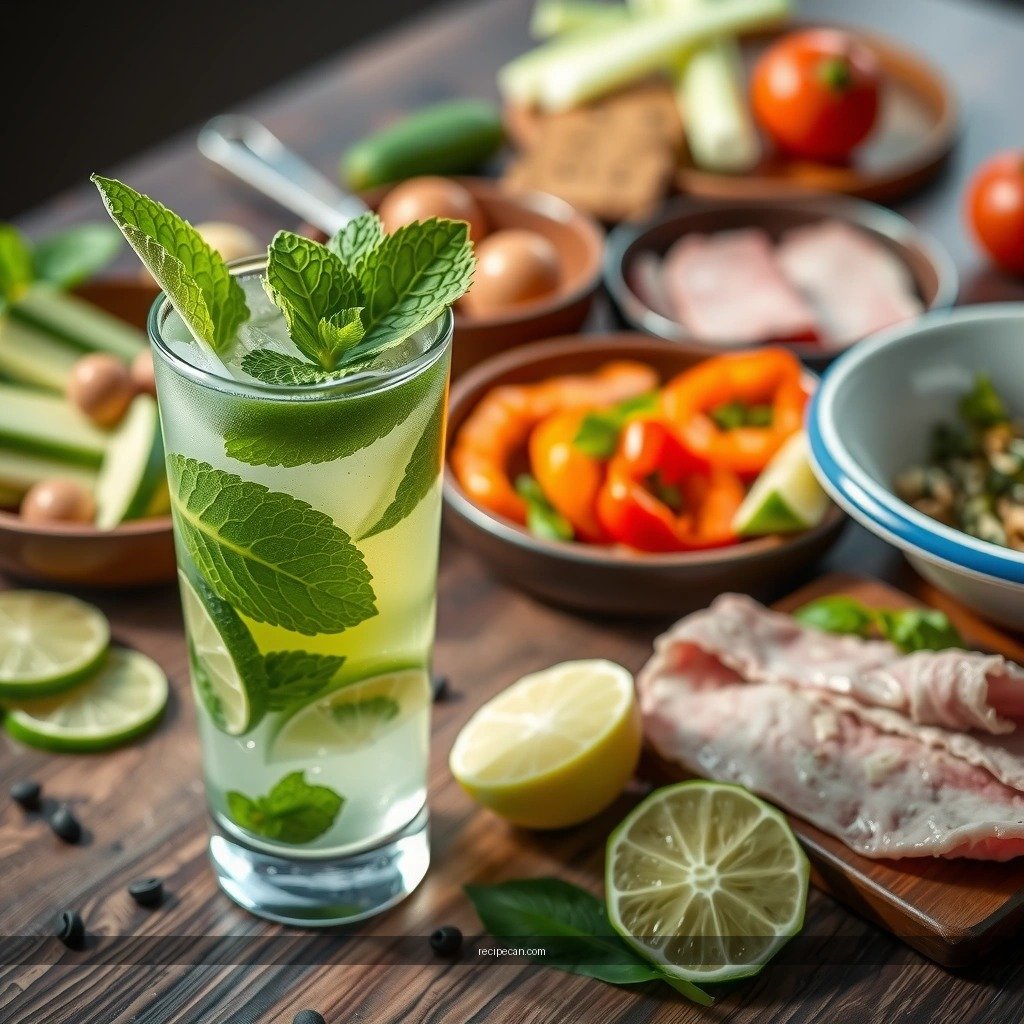
Choosing the right keto sweetener is less about “which one is healthiest” and more about how it behaves in cold, citrusy liquids. Mojitos require sweetener that either dissolves quickly or can be mixed thoroughly without leaving grit.
Choose sweeteners that dissolve well (like erythritol or monk fruit blends)
– Erythritol granules typically dissolve well if you muddle mint with lime juice and sweetener first.
– Monk fruit blends are often engineered for better volume and smoother taste, which helps cocktails feel balanced rather than “over-sweet.”
– Stevia can work, but it may require careful dosing because it can taste concentrated or slightly licorice-like at higher levels.
Adjust to taste—lime tartness can change how sweet it feels
Lime juice changes perceived sweetness. Even if two people use the same amount of sweetener, the final result can taste different depending on:
– how much juice (and thus acidity) you add,
– the ripeness and freshness of your limes,
– and the type/strength of sweetener.
Pro workflow for consistent results
– Sweeten first, then add lime carefully.
– Measure lime juice once you’ve dialed it in.
– Taste and adjust in small increments rather than re-building the drink.
Rum and Lime Ratios for Perfect Balance
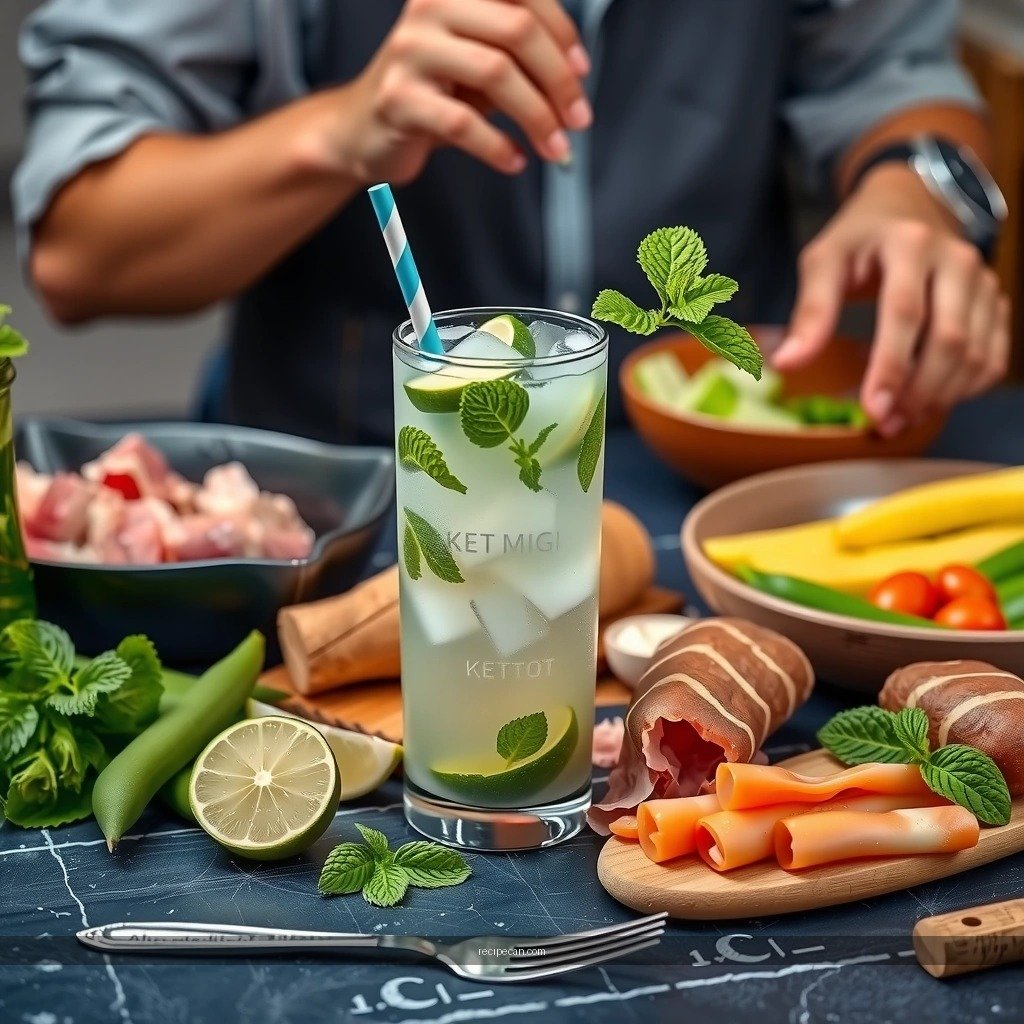
A keto mojito should taste “forward” and refreshing—not syrupy, not overly sharp. Achieving that balance depends on ratio control: too much rum can dominate; too much lime can make the drink feel thin or harsh.
Start with a modest rum amount and increase if you want a stronger drink
A balanced approach is to keep rum in the middle range and let mint and lime define the top notes. If you want a stronger drink:
– increase rum by 1/4 to 1/2 oz at a time,
– keep carbonation and sweetness consistent.
Keep lime juice measured to maintain acidity without adding extra carbs
Measured lime juice keeps your drink reliable. Lime is naturally low in carbs compared with sugar, but consistency matters for taste and keto tracking.
– Too little lime: drink tastes flat and “sweet.”
– Too much lime: sweetener can taste sharp or medicinal.
Suggested ratio baseline (for iteration)
– Start with a rum dose you enjoy (commonly around 1.5–2 oz for a standard highball).
– Use a measured lime juice amount (commonly around 1 oz) and adjust sweetener rather than dramatically changing lime.
Serving Tips and Keto Variations
Presentation matters because mojitos are aromatic—mint leaves and lime wedges create an immediate sensory cue even before the first sip.Garnish with extra mint and lime wedges for the classic mojito look
– Add a sprig of mint on top.
– Use a lime wedge or twist to release citrus oils over the glass.
Try flavored options like a sugar-free vanilla kick or extra mint infusion
If you want variation without adding sugar:
– Sugar-free vanilla extract (a tiny drop): pairs surprisingly well with rum’s vanilla-leaning flavor.
– Extra mint infusion: instead of muddling more, steep mint in lime juice for 5–10 minutes, then strain and build the drink. This boosts mint aroma without turning it bitter.
– Cucumber or lime: add a few thin cucumber slices for a spa-like twist; keep infusion time short so it doesn’t water down too much.
Keto-friendly batching tip (for parties)
Mix a “mint-lime base” (mint + lime juice + sweetener) in advance, refrigerate, and assemble each drink to preserve carbonation. This keeps flavor consistent while minimizing time at the bar.
Keto Mojito Sweetener: What You Gain vs. What to Watch
| Erythritol | Monk Fruit Blend | Stevia | |
|---|---|---|---|
| Dissolves in cold drinks | ★★★★☆ | ★★★★☆ | ★★★☆☆ |
| Best for “simple syrup-like” feel | ★★★★☆ | ★★★★☆ | ★★☆☆☆ |
| Clean aftertaste | ★★★★☆ | ★★★☆☆ | ★★☆☆☆ |
| Lime tartness compatibility | ★★★★☆ | ★★★☆☆ | ★★★☆☆ |
| Dosing control | ★★★★☆ | ★★★☆☆ | ★★☆☆☆ |
| “Sandy” texture risk | Low | Low–Med | Low |
| Common sensitivity/tolerance | Generally well-tolerated | Varies by blend | Can taste strong |
| Best with rum style | White or aged | White | White |
| Cost efficiency | High | Med | Med–Low (depends) |
| Consistency across batches | ★★★★☆ | ★★★☆☆ | ★★★☆☆ |
| Best For | People who want sugar-like feel | Balanced sweetness with easy measuring | Tasters comfortable with stronger after-notes |
Rum and Lime Ratios for Perfect Balance
Even with the same sweetener and mint, your mojito can drift if the rum-to-lime ratio isn’t stable. A strong mojito uses rum as the backbone, while lime provides the brightness that makes it feel “light” despite the alcohol.
Start with a modest rum amount and increase if you want a stronger drink
If you’re using a light rum, you may taste more mint and lime. If you’re using a more robust rum, you’ll want slightly less rum to avoid overpowering citrus. A modest starting point reduces the odds of ending up with a drink that tastes “boozy first.”
Keep lime juice measured to maintain acidity without adding extra carbs
Measured lime juice also helps you keep your sweetness perception consistent. When acidity is stable, you’ll know whether the next tweak needs:
– more sweetener (for balance),
– less sweetener (if it’s tasting syrupy),
– or more soda water (if it feels heavy).
Serving Tips and Keto Variations
A keto mojito shines best when assembled fresh. Carbonation and mint aroma fade quickly, so the best serving tip is timing.
Garnish with extra mint and lime wedges for the classic mojito look
– Serve in a tall glass with ample ice.
– Add mint last to protect aroma.
– Use a lime wedge to let guests adjust perceived tang to their preference.
Try flavored options like a sugar-free vanilla kick or extra mint infusion
– Sugar-free vanilla: Add 1–2 drops of vanilla extract to the sweetener step (or to the rum) to mimic dessert-like complexity.
– Extra mint infusion (without bitterness): Let mint steep briefly in lime juice with sweetener, then strain and build with ice and soda.
Mint Muddling Intensity: Best Outcome vs. Common Pitfall
| Criterion | Light Muddle | Standard Muddle | Over-Muddle |
|---|---|---|---|
| Mint aroma strength | High | Very high | Very high (but unstable) |
| Bitterness risk | Low | Moderate | High |
| How well sweetener dissolves | Good | Very good | May increase harshness |
| Texture / mouthfeel | Clean | Balanced | Can feel gritty |
| Flavor clarity (rum + lime) | Excellent | Good | Reduced clarity |
| Consistency batch-to-batch | High | Medium | Low |
| Best for guest drinks | Yes | Sometimes | Not recommended |
| Overall balance | ★★★★☆ | ★★★☆☆–★★★★☆ | ★★☆☆☆ |
| Time needed | Fast | Moderate | Longer |
| Likelihood of “mint bite” | Low | Low–Moderate | High |
| Verdict | Most reliable keto mojito | Good if you stop early | Avoid for smooth flavor |
Common Keto Mojito Mistakes to Avoid
Even keto-friendly ingredients can produce a disappointing mojito if technique or label-reading slips.
Don’t use regular simple syrup or cane sugar (it adds hidden carbs)
Many “cocktail syrups” contain sugar or are made with sugar-based ingredients. If you’re aiming for keto, replace them with measured erythritol, monk fruit blends, or another low-carb sweetener.
Avoid over-muddling mint, which can turn the drink overly bitter
Mint leaves contain compounds that can become harsh if you crush them too aggressively. A gentle muddle releases enough oils for aroma without pulling in excessive bitterness.
Additional pitfalls to watch
– Adding sweetener after the soda: You’ll dilute and reduce dissolution, potentially leaving gritty texture or uneven sweetness.
– Using stale mint or old lime juice: Flat mint and dull citrus reduce perceived flavor, encouraging people to over-sweeten.
– Letting it sit too long: Mojitos are best right away because carbonation and aroma fade quickly.
This keto mojito recipe delivers all the refreshing mojito flavor without the sugar spike. Make it once with your preferred keto sweetener, tweak the lime-to-rum ratio to your taste, and enjoy a low-carb drink whenever cravings hit—try it tonight and share your favorite variation.
Frequently Asked Questions
What is a keto mojito recipe and how do you keep it low carb?
A keto mojito recipe is a classic mojito-style drink made low carb by replacing sugar and sugary mixers with keto-friendly alternatives. Use fresh lime juice, mint, sparkling water or diet soda, and a sweetener like erythritol or monk fruit. Because lime juice still contains some carbs, measure it carefully and avoid traditional simple syrups to keep the drink keto.
How do you make a sugar-free keto mojito at home step by step?
Start by muddling fresh mint leaves with a small amount of lime juice and your keto sweetener until fragrant. Add crushed ice, then pour in white rum (or rum extract-free options if you prefer) and top with sparkling water. Stir gently, taste, and adjust sweetness or lime before serving as a sugar-free keto mojito.
Which keto sweetener works best for a mojito without affecting the taste?
Erythritol and monk fruit are popular choices because they dissolve well and mimic sweetness without the heavy aftertaste some sugar alcohols can leave. For the cleanest flavor, pick a sweetener specifically labeled for drinks or use a small amount and adjust gradually. To maintain a true mojito vibe, keep sweetness balanced so the mint-lime flavor stays bright.
Why is lime juice a challenge in keto mojitos, and how much should you use?
Lime juice contains natural sugars and carbs, so too much can push a keto mojito recipe beyond your daily net carb limit. Use fresh lime juice in measured amounts (often 1–1.5 ounces for one drink) rather than “to taste” squirts. If you want more lime flavor without extra carbs, add extra zest, increase mint, and rely on sparkling water for volume.
What’s the best keto mojito variation if you want it extra refreshing and light?
A “skinny” keto mojito variation uses extra sparkling water and a bit less rum to keep the drink light while still refreshing. You can also add crushed ice thoroughly and use chilled sparkling water to boost that crisp mojito feel. For a different twist, try swapping part of the lime for a splash of lemon and adding a few drops of flavored stevia to dial in sweetness.
References
- Google Scholar Google Scholar
https://scholar.google.com/scholar?q=keto+mojito+recipe - Google Scholar Google Scholar
https://scholar.google.com/scholar?q=ketogenic+diet+alcohol+carbohydrates - Google Scholar Google Scholar
https://scholar.google.com/scholar?q=low+carb+sweeteners+sugar+alcohols+keto - Mojito
https://en.wikipedia.org/wiki/Mojito - Ketogenic diet
https://en.wikipedia.org/wiki/Ketogenic_diet - https://www.mayoclinic.org/healthy-lifestyle/nutrition-and-healthy-eating/in-depth/ketogenic-diet/art-20048265
https://www.mayoclinic.org/healthy-lifestyle/nutrition-and-healthy-eating/in-depth/ketogenic-diet/art-20048265 - https://www.fda.gov/food/food-additives-petitions/frequently-asked-questions-about-sugar-substitutes
https://www.fda.gov/food/food-additives-petitions/frequently-asked-questions-about-sugar-substitutes - Alcohol
https://www.who.int/news-room/fact-sheets/detail/alcohol - https://pubmed.ncbi.nlm.nih.gov/?term=ketogenic+diet+carbohydrate+restriction
https://pubmed.ncbi.nlm.nih.gov/?term=ketogenic+diet+carbohydrate+restriction - https://pubmed.ncbi.nlm.nih.gov/?term=sugar+alcohols+metabolism+gastrointestinal+effects
https://pubmed.ncbi.nlm.nih.gov/?term=sugar+alcohols+metabolism+gastrointestinal+effects