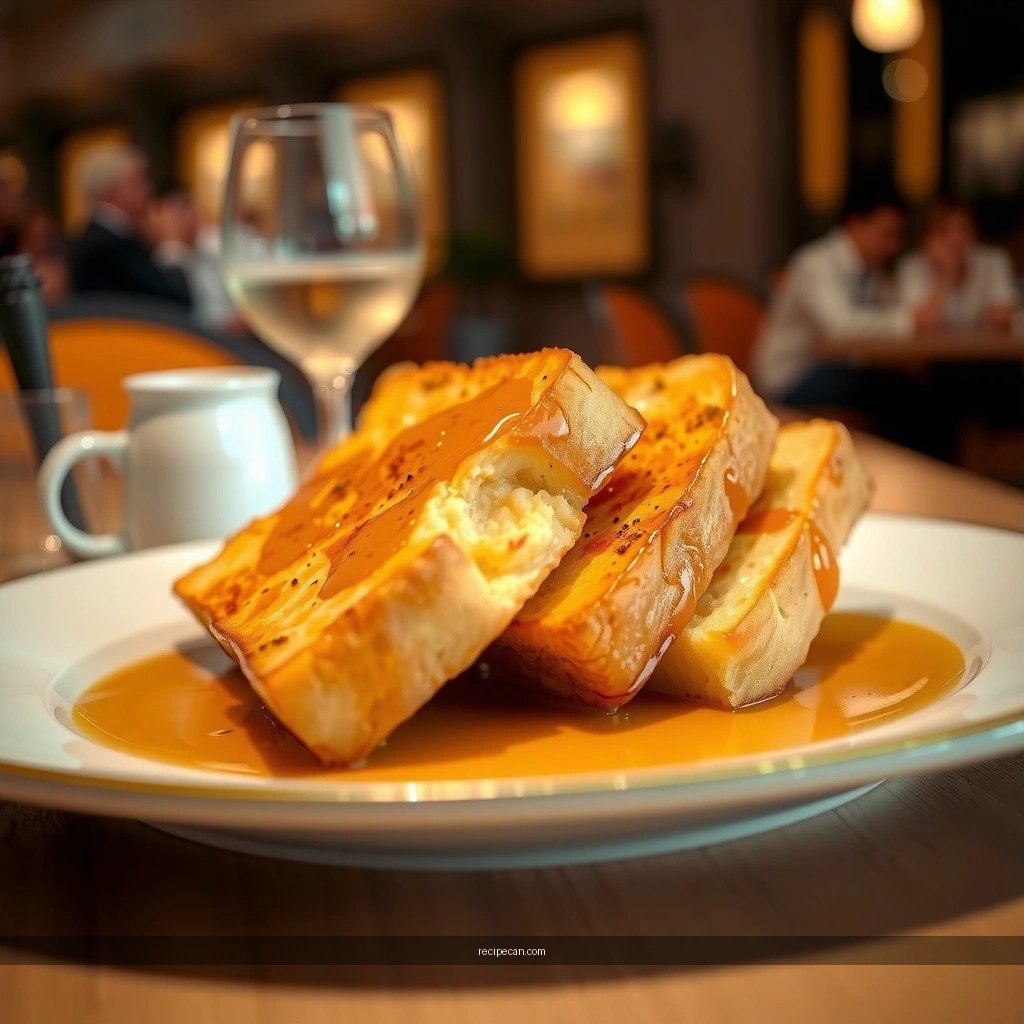
This brioche bread french toast recipe delivers the fluffy, golden result you’re after—no soggy center and no guessing. You’ll learn the exact soak-to-cook method, plus the best egg-and-milk ratio and browning tricks for crisp edges. If you want restaurant-style French toast that actually holds up to syrup, this is the one to make.
Make brioche bread French toast by soaking thick slices in a rich egg-milk custard, then cooking them in a well-buttered skillet until the edges turn crisp and the center stays tender. If you nail the custard mix, the brief soak time, and steady medium heat, you’ll consistently get that fluffy, golden texture without sogginess or burnt surfaces.
Ingredients for Brioche Bread French Toast

Brioche bread is the secret weapon here: it’s richer and more tender than standard sandwich bread, which means it absorbs custard quickly while staying soft in the middle. For best results, choose thick-cut slices (about 3/4 to 1 inch). Thicker slices build contrast—deeply golden exteriors with a custard-set center.
– Use brioche slices (thick-cut works best) for the richest texture
Look for slices that are uniform in thickness so each piece browns at the same speed. If your brioche is very fresh and soft, lightly toast the cut surfaces for 2–3 minutes beforehand to prevent excessive custard collapse.
– Combine eggs, milk (or cream), vanilla, and a pinch of salt
A classic custard balance is: eggs for structure, milk/cream for richness, vanilla for aroma, and salt to sharpen sweetness.
– Optional add-ins: cinnamon, sugar, or orange zest
Use these intentionally: cinnamon adds warmth; sugar boosts browning; citrus zest lifts flavor and pairs especially well with berries or compote.
Below is a practical breakdown of ingredient “roles” and targets (so you can adjust confidently whether you want sweeter, thicker, or more custardy French toast).
Custard Mix Benchmarks for 8 Thick Slices (3/4–1-inch)
| # | Custard Component | Quantity | Function | Effect on Texture |
|---|---|---|---|---|
| 1 | Eggs | 4 large | Sets custard | ★ Fluffy center |
| 2 | Milk (whole) | 1/2 cup (120 ml) | Adds moisture | ★ Tender bite |
| 3 | Cream (optional substitute) | 1/4 cup (60 ml) | Boosts richness | ★ Extra luscious mouthfeel |
| 4 | Vanilla extract | 2 tsp | Aromatic sweetness | ★ Bakery-style aroma |
| 5 | Salt | 1/8 tsp | Balances sweetness | ★ Cleaner flavor |
| 6 | Cinnamon (optional) | 1/2 tsp | Warm spice note | ★ Balanced warmth |
| 7 | Sugar (optional) | 1–2 tbsp | Improves browning | Too much can burn ★ |
How to Make the Custard Mixture
The custard is essentially your control system: it determines how much flavor penetrates the brioche and how quickly the eggs set during cooking. A smooth, evenly blended mixture is the difference between silky custard and patchy texture.
– Whisk eggs and milk until fully smooth and well blended
Whisk until you don’t see streaks of egg. If you want to go further, strain the mixture through a fine sieve to remove any egg clumps—this is especially useful for consistent browning across multiple batches.
– Let the flavors rest briefly (or whisk again) for even seasoning
Resting for 5 minutes allows vanilla and salt to distribute. It also gives sugar (if using) time to dissolve, leading to better caramelization later.
– Use a shallow dish for easy soaking and quick coverage
Wider surface area lets you coat both sides faster. For thick brioche slices, you want coverage without soaking so long that the bread becomes saturated and unstable.
Process tip (efficiency + texture): set up a “soak zone” (custard dish) and a “cook zone” (hot, buttered skillet). The goal is to move from custard to heat quickly—this prevents the custard from continuing to penetrate once the bread is already saturated.
Soak and Cook for Crispy Edges
Crispy edges come from two factors: (1) limited soak time so the crust can still dry and brown, and (2) stable medium heat so the egg sets before the bread surface burns. Brioche cooks fast, so treat time as your main variable.
– Soak brioche slices 20–60 seconds per side (don’t over-saturate)
Start with 30 seconds per side for medium-thick slices. If your brioche is especially airy, lean toward the shorter side; if it’s dense and slightly stale, you can go closer to 45–60 seconds.
– Cook on medium heat with butter until browned and set
Use enough butter to coat the pan lightly but not so much that it splatters aggressively. If your skillet is new or not seasoned, reduce initial heat slightly to prevent uneven browning.
– Flip once when the surface looks lightly dry and edges are crisp
Flip too early and you’ll tear the surface or pull custard that hasn’t set. Wait until the top surface looks less glossy and the edges have a firmer, crisp outline.
Doneness cues (more reliable than timers):
– The first side should turn deep golden and look “set” rather than wet in the center.
– After the flip, the second side cooks faster; watch the edges and stop when the surface is browned and springs back slightly.
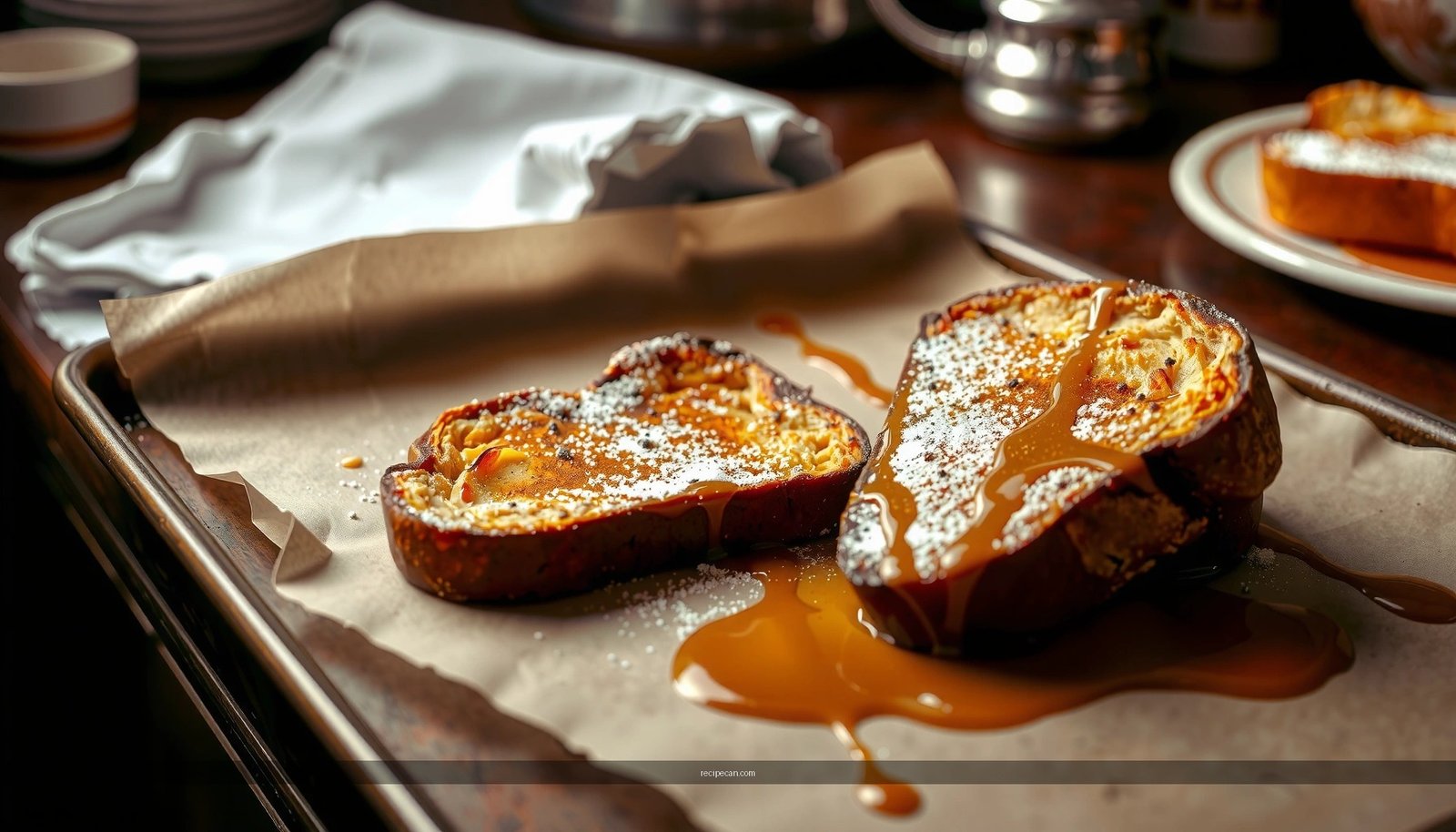
Batch strategy for consistent results: keep cooked French toast on a wire rack in a low oven (around 200°F / 93°C) while you finish the rest. Avoid stacking directly on plates; steam will soften the crisp edges.
Best Toppings and Serving Ideas
Toppings should complement the brioche’s buttery sweetness and the custard’s vanilla-egg flavor. Aim for one “sweet sauce” component, one “fresh” component (optional), and one textural contrast (like nuts or crisp toppings).
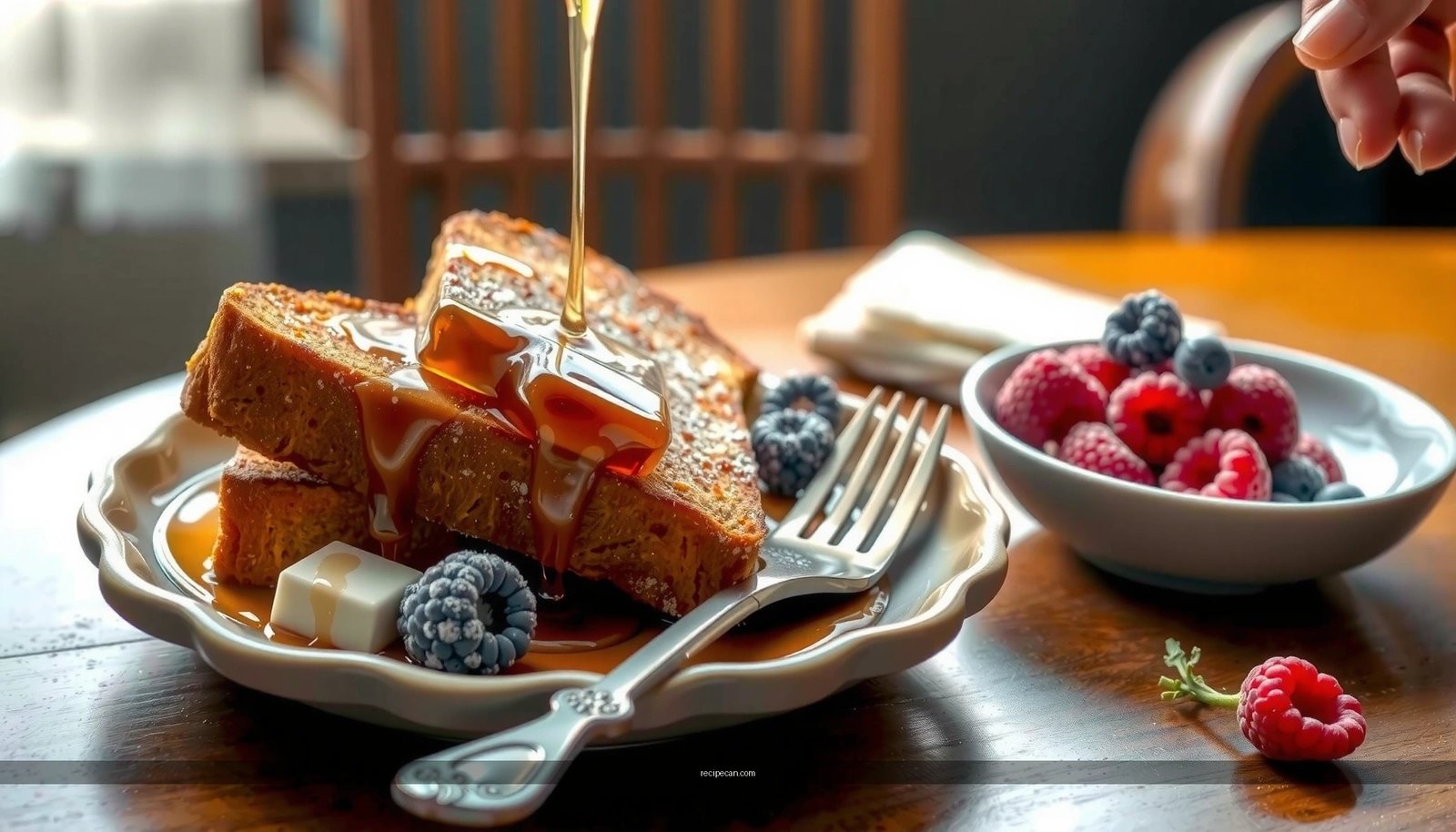
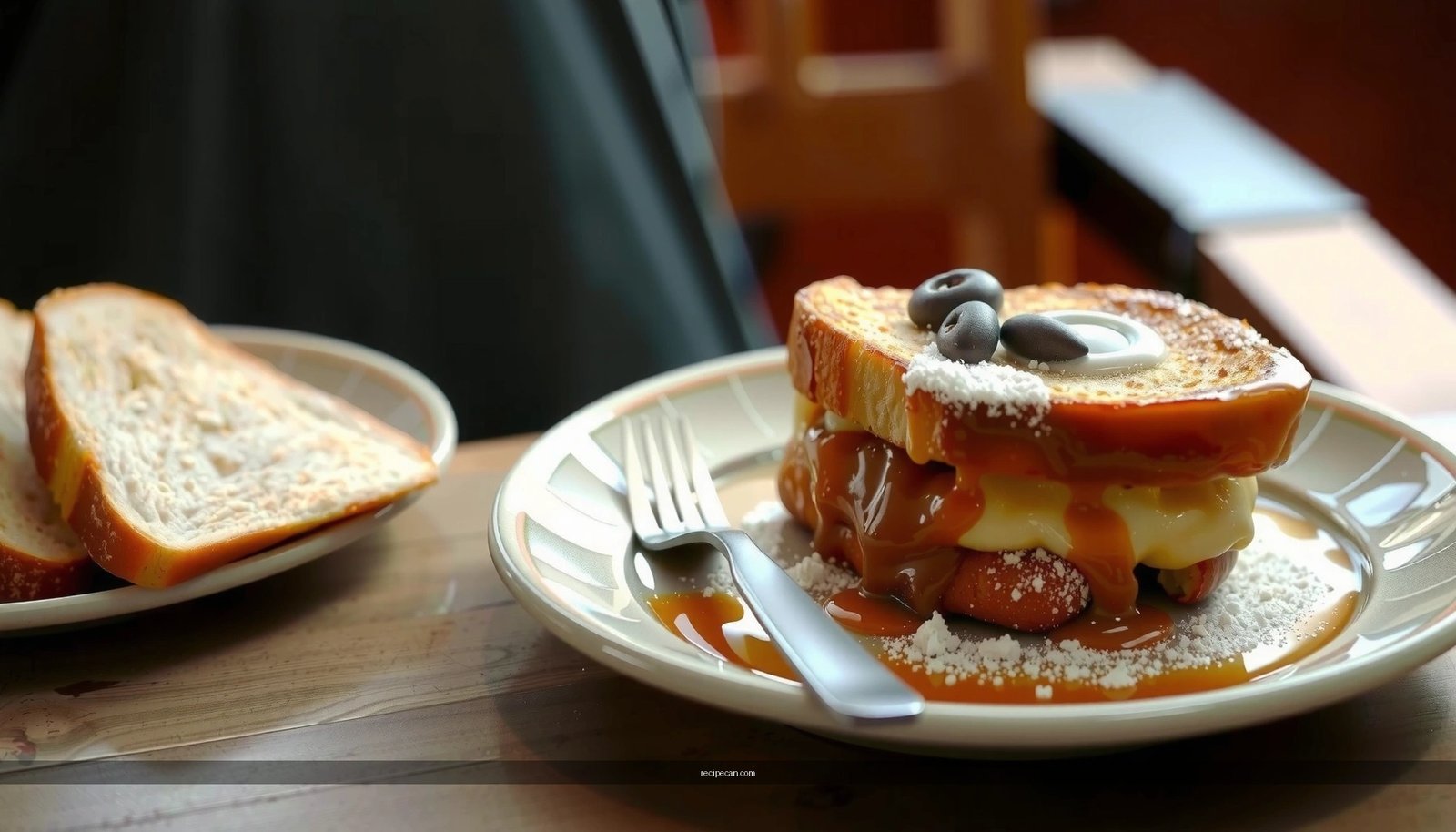
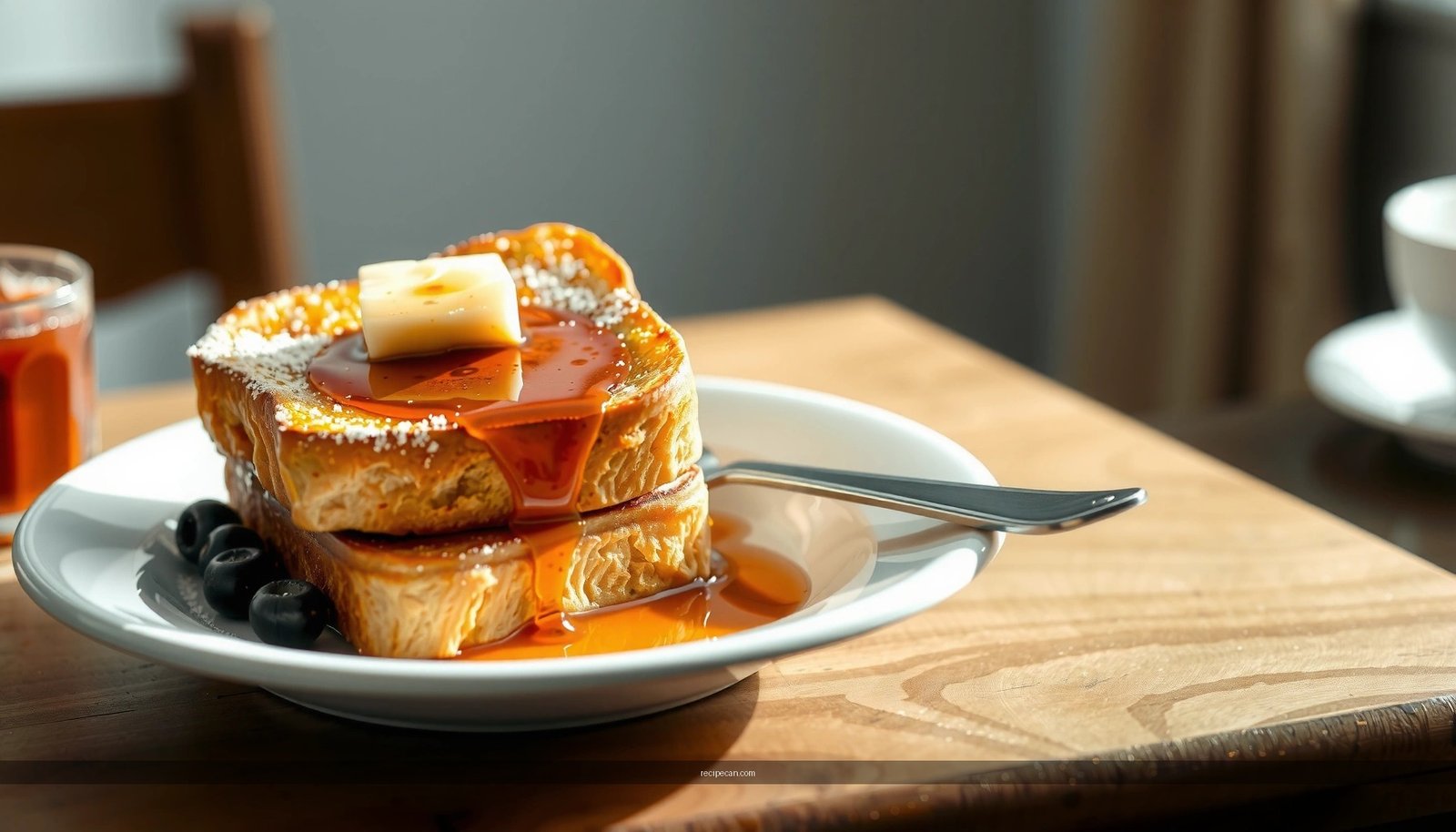
– Classic: maple syrup and a dusting of powdered sugar
Use warm maple syrup so it absorbs slightly instead of sitting in a cold pool. Dusting last preserves that delicate sugar texture.
– Fresh option: berries, banana slices, or a spoon of compote
Berries add acidity that cuts richness. Banana is creamy and pairs well with cinnamon or caramelized edges.
– Extra indulgent: whipped cream or chocolate sauce
Chocolate is best when balanced with a pinch of salt in the sauce or a fruit component to avoid “all richness, no contrast.”
Serving suggestion: If you’re making this for a team breakfast or event, plate the French toast first, then sauce and top immediately. Crisp edges hold up far better when toppings are added on demand.
Troubleshooting Common Issues
Even with a solid recipe, French toast is sensitive to bread thickness, pan temperature, and soak behavior. Here are the most common failure modes—and what to change to correct them quickly.
– Soggy French toast: reduce soak time or cook on slightly higher heat
If the center is mushy or the surface stays wet, you’re over-saturating or cooking too gently. Shorten soak time first; it has the biggest impact.
– Too dark outside, raw inside: lower heat and extend cooking briefly
This is a heat distribution problem. Medium-low gives the custard time to set without burning sugars on the outer crust.
– Not browning: use real butter and ensure the pan is properly preheated
Butter browns when the pan is hot enough. If the skillet isn’t preheated, the toast can cook through without developing the golden exterior.
Quick diagnostic checklist:
– Is the skillet sizzling when butter hits the surface? If not, preheat longer.
– Does the toast look dry on top before flipping? If not, the soak may be too long.
– Are you flipping once and not pressing down? Pressing squeezes custard out and can lead to dry centers.
Make-Ahead and Storage Tips
French toast is often made for mornings when speed matters. The key is to prep components ahead without compromising texture.
– Prep custard ahead and soak right before cooking for best texture
Mix custard up to 24 hours in advance and refrigerate. When ready to cook, bring it closer to room temperature for more consistent soaking.
– Reheat slices in a toaster oven or skillet to restore crispness
Reheating in the microwave can soften the crust quickly. Toaster ovens dry the surface and bring back that golden edge.
– Store leftovers in the fridge up to 2 days (reheat before serving)
Cool leftovers fully before covering and refrigerating. Reheat only once when possible to maintain best texture.
Optional workflow for busy mornings:
Set out your brioche, pre-measure custard ingredients, and preheat your skillet. When the custard is mixed, you can soak and cook in a tight rhythm—great for families, brunch hosting, or workplace catering.
Brioche bread French toast is all about rich custard, the right soak time, and steady skillet heat for golden, fluffy results. Try this recipe today, then adjust thickness and soak duration to match your preferred level of crispness—share your favorite topping combo when you do!
Frequently Asked Questions
What is the best brioche bread french toast recipe for beginners?
A classic brioche bread french toast recipe starts with day-old brioche slices soaked in a custard made from eggs, milk (or cream), vanilla, and a pinch of salt. Heat a butter-and-oil skillet over medium heat, then cook each side until golden brown. Brioche’s rich, buttery crumb makes it forgiving and flavorful, so it’s ideal for first-timers who want a restaurant-style result. Serve immediately with powdered sugar, maple syrup, or fresh berries.
How do I prevent brioche french toast from getting soggy?
Use thick slices of brioche and soak briefly—about 20–40 seconds per side—so the bread absorbs custard without turning mushy. Make sure your skillet is preheated and cook on medium heat to avoid steaming the brioche. If your custard is very wet, slightly reduce the milk or add an extra egg to help it set as it cooks.
Why is brioche better than regular bread for french toast?
Brioche bread is enriched with butter and eggs, giving it a tender interior and a crisp, golden crust when pan-fried. That richness helps brioche french toast hold up to custard soaking while still tasting sweet and decadent. It also creates a more custard-like texture inside, which is harder to achieve with plain sandwich bread.
Which custard ratio works best for brioche french toast?
A reliable starting point is 2 large eggs per 1/2 cup milk (or 1/2 cup milk plus 2–4 tablespoons cream for extra richness), plus vanilla and salt. For thicker brioche slices, you can slightly increase the milk to ensure even soaking, but keep the mixture well-emulsified. If you want a firmer set, add a small splash more egg or reduce milk by a tablespoon or two.
How do I reheat brioche bread french toast so it stays crisp?
Reheat brioche french toast in a toaster oven or oven at about 350°F (175°C) until warmed through and the edges crisp again, usually 5–10 minutes depending on thickness. Avoid microwaving if you want to maintain the golden crust, because it can soften the bread. For best results, reheat on a wire rack so air can circulate and the french toast doesn’t steam.
References
- Brioche
https://en.wikipedia.org/wiki/Brioche - French toast
https://en.wikipedia.org/wiki/French_toast - https://en.wikipedia.org/wiki/Custard
https://en.wikipedia.org/wiki/Custard - Maillard reaction
https://en.wikipedia.org/wiki/Maillard_reaction - Caramelization
https://en.wikipedia.org/wiki/Caramelization - https://en.wikipedia.org/wiki/Enriched_bread
https://en.wikipedia.org/wiki/Enriched_bread - https://en.wikipedia.org/wiki/Bread_pudding
https://en.wikipedia.org/wiki/Bread_pudding - https://www.britannica.com/topic/french-toast
https://www.britannica.com/topic/french-toast - Brioche | Definition, Bun, & Recipe | Britannica
https://www.britannica.com/topic/brioche - Google Scholar Google Scholar
https://scholar.google.com/scholar?q=brioche+french+toast+recipe