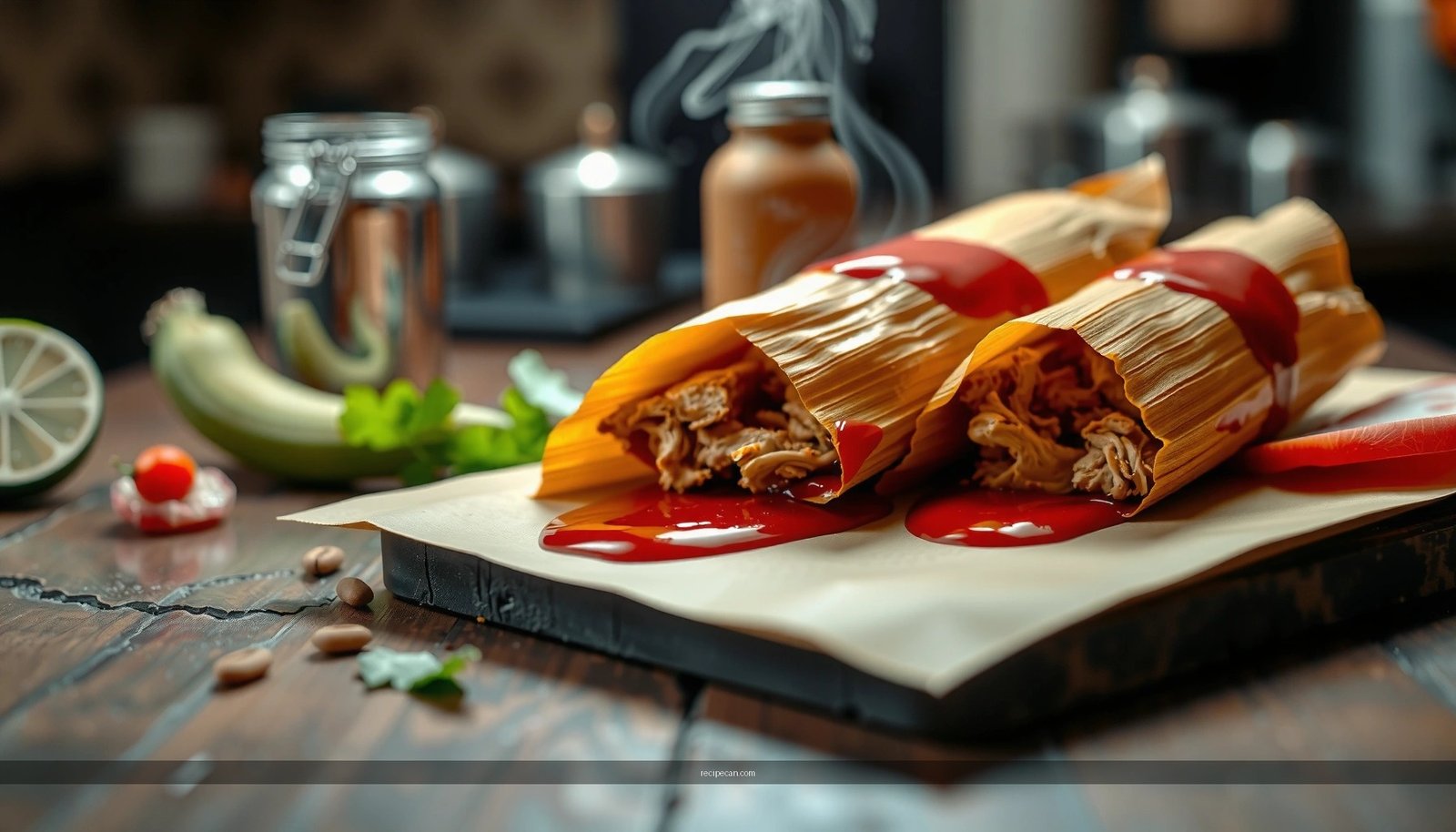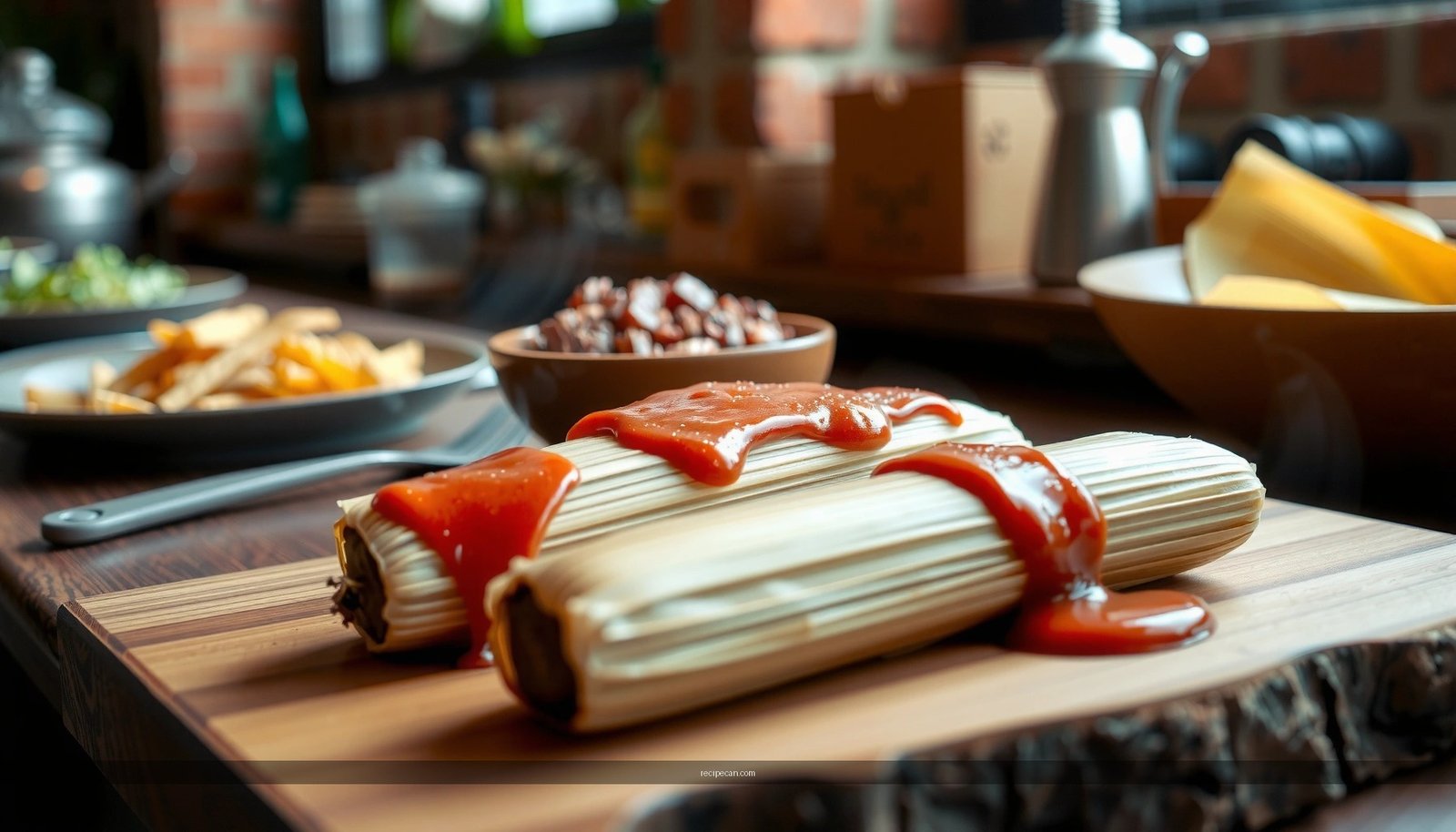
Get the best tamale meat seasoning recipe with a clearly measured blend that delivers rich, smoky, well-seasoned filling without tasting flat. This easy step-by-step method answers how to season tamale meat so it’s bold, savory, and ready for the masa every time. If you want dependable results fast, this is the winner recipe to use.
Yes—this tamale meat seasoning recipe delivers rich, authentic flavor by combining dried spices with aromatics (onion + garlic) and then simmering until the meat becomes tender and shred-ready. Below, you’ll get exact seasoning guidance, plus practical adjustments for heat, salt, and the final thickness so your tamale filling is flavorful and easy to assemble.
Core Tamale Meat Seasoning Ingredients
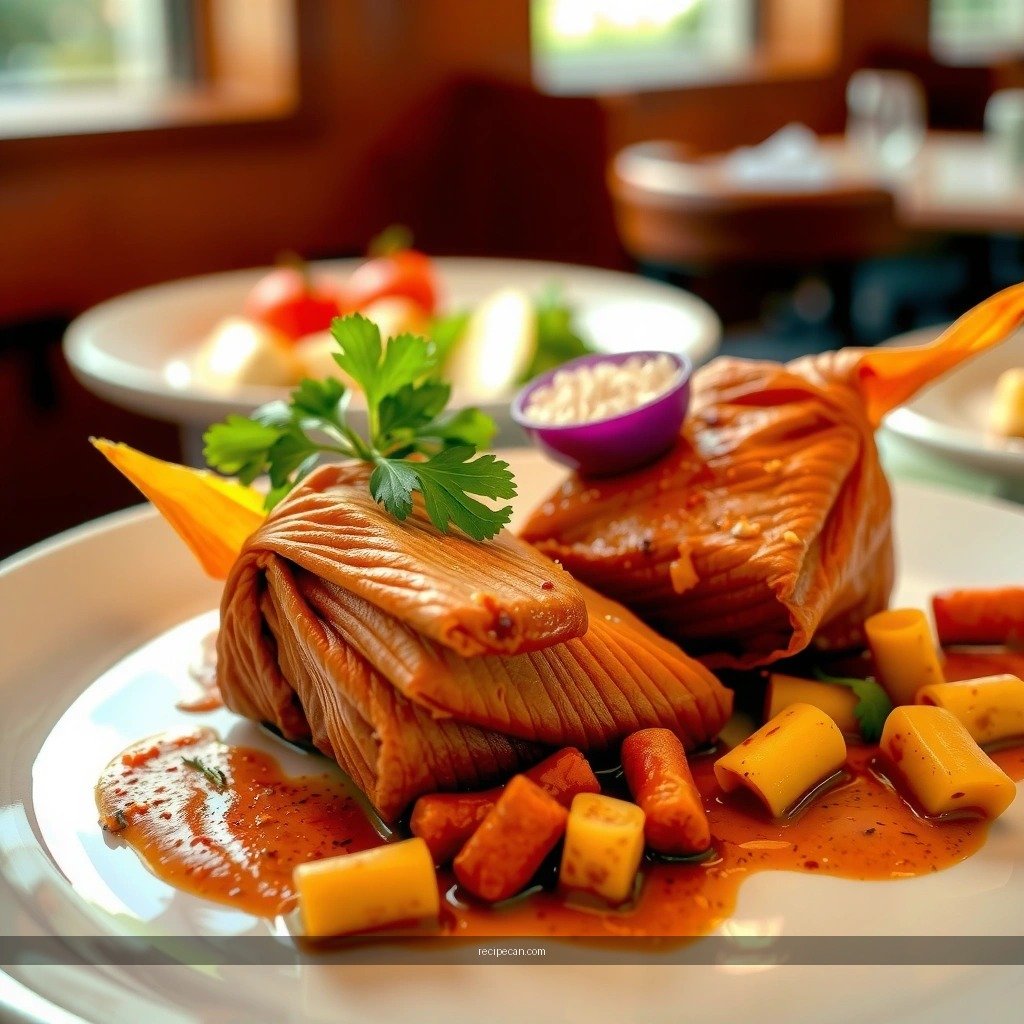
– Use chili powder, cumin, garlic powder, and oregano for classic flavor
– Add onion and broth to help the seasoning cling and develop depth
A successful tamale meat seasoning is less about one “magic” ingredient and more about building flavor layers early. In this recipe, you start with a spice blend designed for a familiar, deeply savory profile—warm chili notes, earthy cumin, herbal oregano, and garlic depth. Then you add aromatics and broth to (1) activate the spices, (2) carry flavor into the meat, and (3) create a cohesive filling texture that stays moist without turning watery.
Ingredient roles (what each one contributes):
– Chili powder: Provides the signature tamale color and a balanced smoky-leaning heat.
– Cumin: Adds a toasted, earthy backbone that reads “authentic” in many regional styles.
– Garlic powder: Delivers steady garlic flavor without overpowering the dish like fresh garlic can sometimes do during long simmering.
– Oregano: Brings a mild, savory-herbal lift that works especially well with pork and chicken.
– Onion: Sweetens as it cooks and helps round out spice intensity.
– Broth (chicken or beef): Acts as the flavor bridge—helping seasoning cling and distributing it evenly as the meat tenderizes.
Recommended base seasoning amounts (for ~3 to 3.5 lb meat):
– Chili powder: 2 Tbsp
– Ground cumin: 2 tsp
– Garlic powder: 2 tsp
– Dried oregano: 1 1/2 tsp
– Salt: 1 1/2 tsp (adjust after tasting)
– Black pepper: 1/2 tsp
– Optional (for more complexity): 1/2 tsp smoked paprika (great if your chili powder is mild)
If you prefer a milder flavor, reduce chili powder to 1 1/2 Tbsp. If you want a bolder “heat-forward” filling, increase to 2 1/2 Tbsp or add cayenne (see the heat section below).
Tamale Filling Seasoning: Flavor Impact by Ingredient (Baseline Recipe)
| # | Ingredient | Typical Amount (3–3.5 lb meat) | Primary Role | Flavor Strength* |
|---|---|---|---|---|
| 1 | Chili powder | 2 Tbsp | Heat + smoky color | ★ 4.5/5 |
| 2 | Cumin | 2 tsp | Toasted earthy depth | ★ 4.1/5 |
| 3 | Garlic powder | 2 tsp | Savory garlic base | ★ 3.8/5 |
| 4 | Oregano | 1 1/2 tsp | Herbal lift | ★ 3.3/5 |
| 5 | Onion (diced) | 1 medium | Sweetness + body | ★ 4.0/5 |
| 6 | Salt | 1 1/2 tsp | Flavor activation | ★ 3.6/5 |
| 7 | Broth | 2 1/2–3 cups | Carry + tenderize | ★ 3.9/5 |
\Flavor Strength is a practical, taste-based indicator of how strongly each ingredient typically reads in the final tamale filling when following the baseline amounts.
Step-by-Step: How to Season the Meat
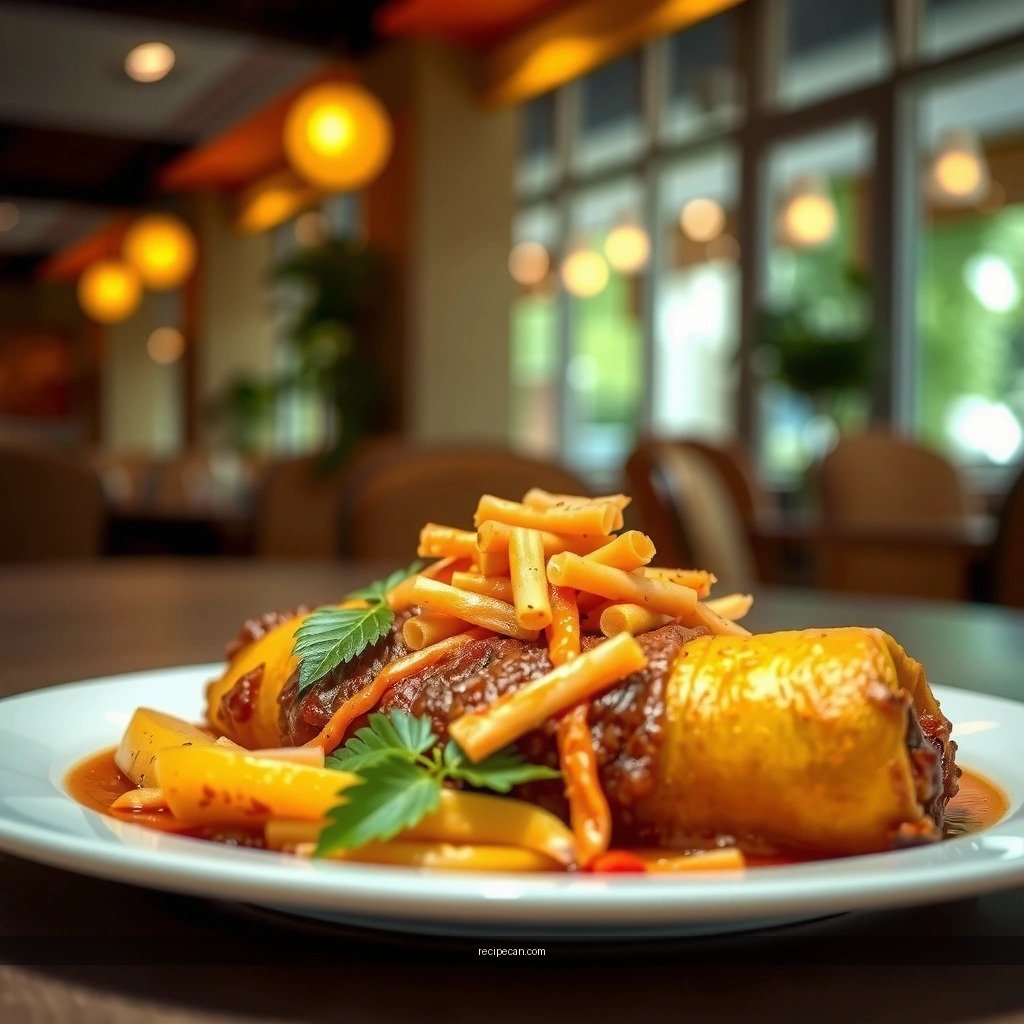
– Sauté aromatics, then stir in spices until fragrant
– Add meat and simmer with broth until cooked through and tender
This method is designed for consistency: you’ll extract flavor from spices before they hit the liquid, then you’ll let time do the rest while keeping texture control.
Step 1: Sauté onion to build sweetness and aroma
1. Heat a couple tablespoons of oil (or pork fat if you prefer) in a Dutch oven or heavy pot over medium heat.
2. Add diced onion and cook 4–6 minutes, until softened and fragrant.
Why it matters: Onion moisture helps spices bloom evenly, and the slight caramelization adds depth that chili powder alone can’t provide.
Step 2: Bloom spices for maximum aroma
3. Lower heat to medium-low.
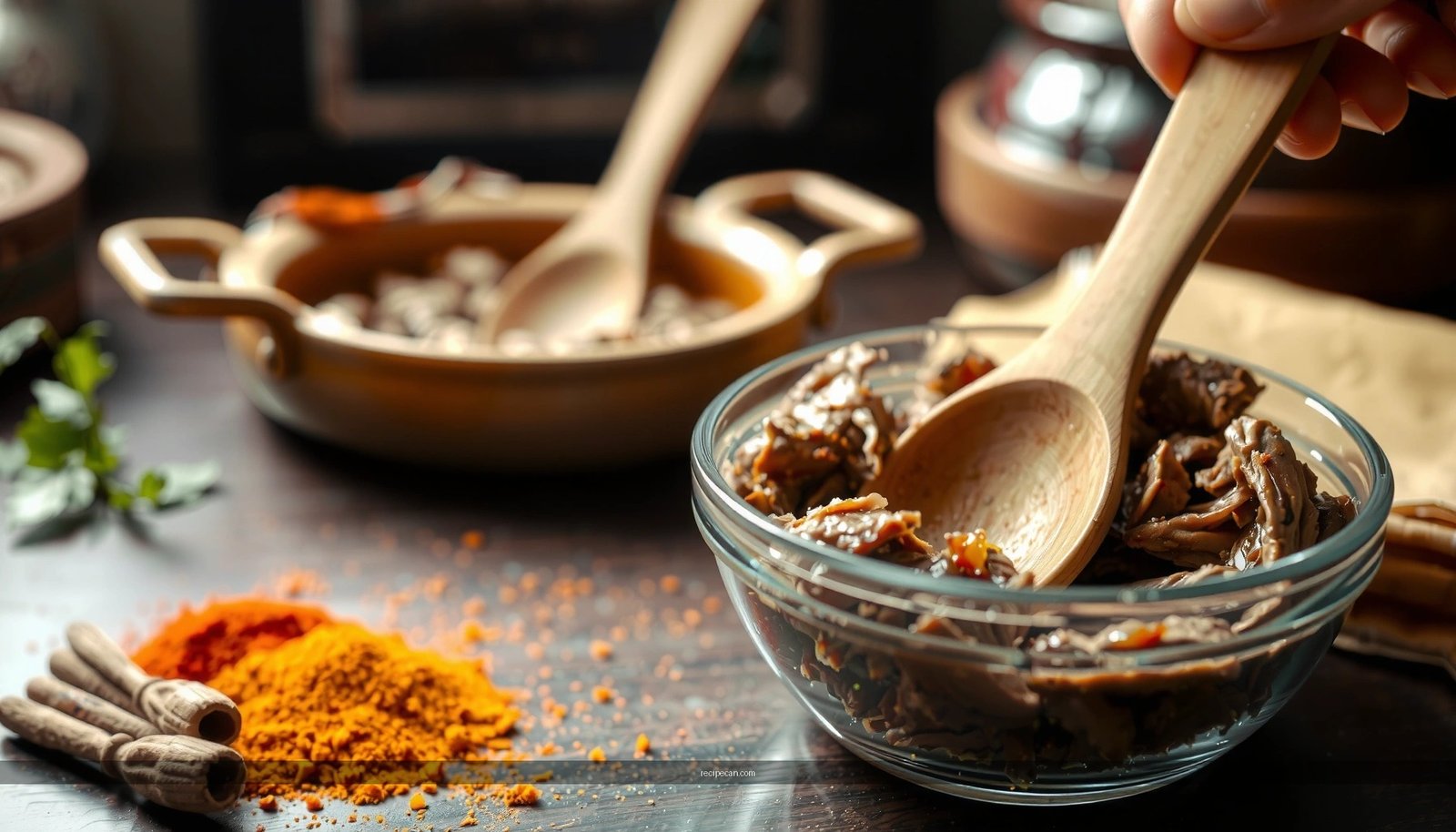
4. Stir in chili powder, cumin, garlic powder, oregano, black pepper, and any optional spices.
5. Cook 30–60 seconds—just until fragrant.
Pro tip: If spices start to darken or smell harsh, lower the heat. You want “toasty,” not burned.
Step 3: Simmer until tender
6. Add your meat (pork shoulder, pork butt, or chicken thighs are ideal—see next section).
7. Pour in broth (about 2 1/2–3 cups for 3–3.5 lb meat).
8. Bring to a gentle simmer, cover, and cook until tender:
– Pork: ~2 to 2.5 hours (depending on cut size)
– Chicken: ~45 to 75 minutes (until easily shreddable)
Step 4: Shred and thicken for tamale texture
9. Remove meat to a bowl; shred.
10. Return shredded meat to the pot and simmer 10–20 minutes uncovered until the mixture looks cohesive—juicy, but not soupy.
You’re aiming for a “spreadable filling” that holds shape when placed in masa and wrapped.
Best Meat Choices for Tamale Filling
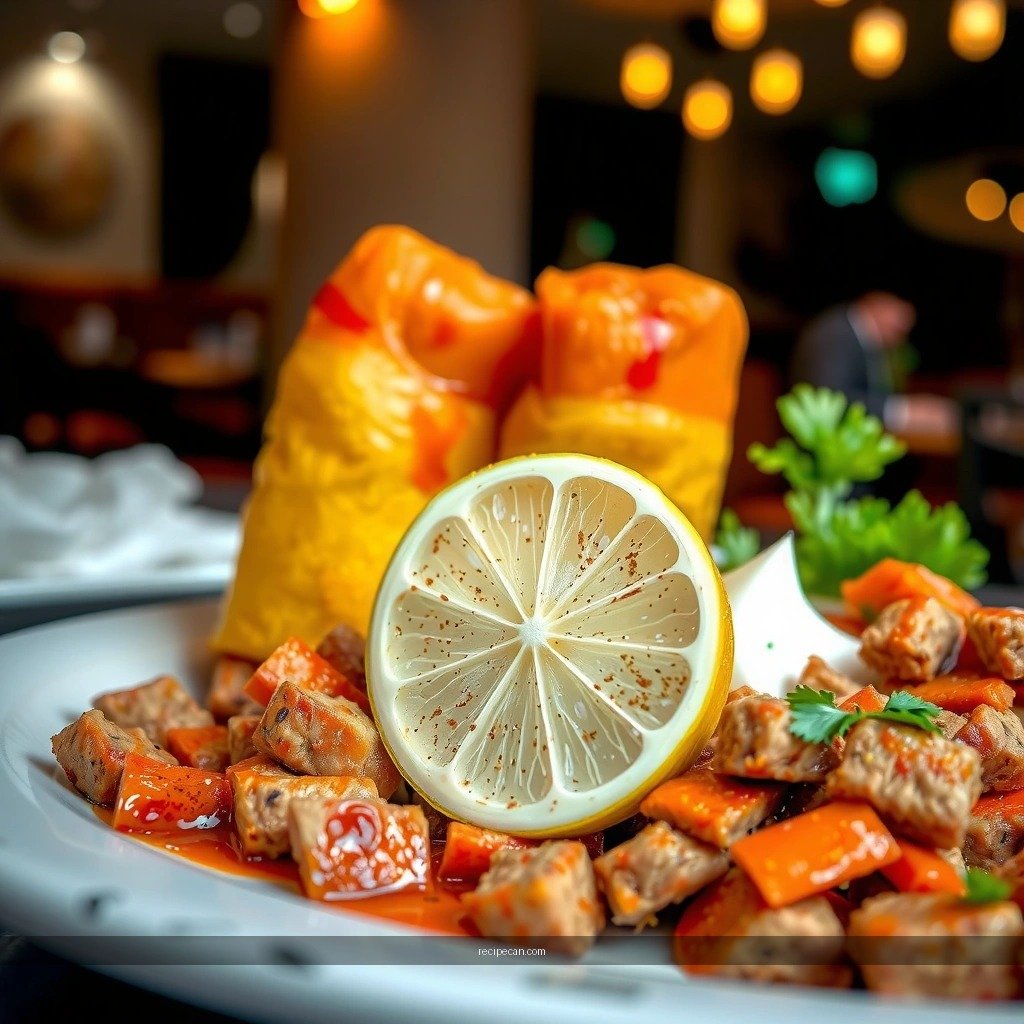
– Shreddable meats like pork or chicken work best for tamales
– Keep fattier cuts for extra moisture and bold flavor
Tamales reward meat that can be shredded easily and stays flavorful after hours of cooking and steaming. That usually means either pork cuts with connective tissue or chicken pieces that stay tender.
Pork options (most forgiving for long simmer)
– Pork shoulder / pork butt: High fat + connective tissue = moist, richly flavored tamale filling.
– Boston butt (similar to shoulder): Excellent shred quality and “traditional” mouthfeel.
Chicken options (lighter but still satisfying)
– Chicken thighs: More forgiving than breast; stays moist and shreds well.
– Bone-in chicken pieces (thighs or drumsticks): Adds depth; remove bones after cooking.
What to avoid (common failure points)
– Lean pork loin: Can dry out, leading to bland or crumbly filling.
– Chicken breast-only: Tends to shred but may become stringy or drier in extended simmering.
A practical guideline: if the meat turns tender with gentle pressure and shreds without effort, it’s the right candidate for tamales.
Simimmering Tips for Maximum Flavor
– Cook low and slow so seasoning penetrates the meat
– Reduce liquid to thicken the mixture for easier filling
Simmering is where seasoning becomes “inside the meat” rather than sitting on top.
Keep the heat gentle
Aim for a steady simmer—not a rolling boil. A rolling boil can toughen meat or make the broth evaporate unevenly.
Use time and lid control strategically
– Covered simmer: Helps tenderness. Keep the lid on once the liquid begins simmering.
– Uncovered reduction: After shredding (or near the end), simmer uncovered so excess liquid reduces.
Build a professional filling consistency
Your finished tamale filling should:
– Look glossy from fat and sauce
– Spread easily in the masa
– Hold together when pressed with a spoon
– Not pool liquid at the bottom of the wrapper
If it’s too loose, reduce uncovered for an extra 5–10 minutes. If it’s too thick, add a splash of broth and simmer briefly.
How to Adjust Spice and Salt
– Increase chili powder or add a pinch of cayenne for more heat
– Balance with broth or extra seasoning if it tastes flat or too salty
Even with exact amounts, tamale seasoning performance depends on your chili powder’s strength, the meat’s natural flavor, and how much liquid you reduce.
Adjusting heat (without overcorrecting)
– Too mild: Add 1–2 tsp chili powder at a time, then simmer 5 minutes.
– Want sharper heat: Add a pinch of cayenne (start with less; it intensifies quickly).
– Too spicy: Add more broth and simmer down slowly, or mix in a bit more shredded meat to dilute.
Adjusting salt (the safety-first approach)
Because salt perception changes as the filling reduces, salt should be adjusted near the end:
1. Taste after shredding and after a brief simmer.
2. If flat: add 1/4 tsp salt, stir, simmer 5 minutes, taste again.
3. If too salty: add unsalted broth and simmer uncovered until balanced.
Common fix for “flat but not salty”:
Add a small amount of cumin (start with 1/2 tsp) or a touch more oregano. This restores flavor complexity without simply pushing salt higher.
Prepping and Storing Your Seasoned Meat
– Cool and shred before assembling tamales
– Store in the fridge, or freeze portions for quick future batches
Tamale filling often tastes even better the next day because the sauce redistributes and melds with the meat. For business-like efficiency (and lower stress on assembly day), do prep ahead.
Cooling and shredding workflow
– Cook until tender.
– Shred while warm for easier texture control.
– Return to the pot briefly to check thickness.
– Cool before storing (hot storage can create condensation and texture changes).
Storage guidance
– Fridge: Store in an airtight container for 3–4 days.
– Freeze: Portion into meal-size containers for up to 2–3 months.
– Reheat: Warm gently on the stove with a splash of broth if needed to restore moisture.
Practical assembly tip: if your filling has thickened in the fridge, reheat and stir until it returns to “spreadable,” not watery.
Tamale meat seasoning is all about building flavor early (spices + aromatics) and simmering until tender, then adjusting salt and heat to taste. Make this recipe once, taste and tweak to your preference, and you’ll have a reliable tamale filling every time—so cook the meat, prep it for tamales, and start assembling your next batch.
A well-seasoned tamale filling should smell warmly spiced, shred effortlessly, and hold together with a sauce that clings to the meat instead of pooling. Use the aromatics-first, spices-bloomed simmer method above for consistent results, then fine-tune heat and salt at the end for a filling that’s both authentic and easy to work with—ideal for batch cooking, storing, and assembling tamales with confidence.
Frequently Asked Questions
What is the best tamale meat seasoning recipe for authentic flavor?
A classic tamale meat seasoning recipe uses a base of ground cumin, chili powder (or dried guajillo/chipotle), garlic, onion, and salt, then boosts depth with a little oregano and a touch of vinegar or lime. Many cooks also add warm spices like smoked paprika or coriander for richness. For best results, simmer the seasoning with broth until it turns fragrant and slightly thick, then coat the meat evenly before cooking.
How do I season pork or chicken for tamales without it tasting bland?
Start by salting the meat well and building flavor in a separate seasoning mixture first—cumin, chili powder, garlic, onion, oregano, and pepper are the foundation. Simmer the spices with a small amount of broth or water (and optional tomato paste) so the seasonings bloom, then coat the meat and cook it until tender. Finally, taste and adjust with salt, vinegar/lime, and a pinch of sugar if the chili flavor needs balance.
How do I make tamale meat seasoning not too spicy or overpowering?
Control heat by using mild chile powders (ancho or guajillo) instead of hot blends, and measure chili powder gradually. If you’re using fresh chiles, remove seeds and veins to reduce spiciness, then blend and simmer until mellow. Balance the seasoning with a little acid (vinegar or lime), salt, and optional broth to smooth the flavor so the tamales taste well-rounded.
Why should I simmer the tamale meat seasoning before adding it to the meat?
Simmering the tamale meat seasoning helps toast and dissolve spices so cumin and chili flavors spread evenly through the filling. It also hydrates dry seasonings like chili powder and ensures the sauce clings better to the meat during cooking. This step improves consistency, so every bite of your tamales has the right seasoning.
Which ingredients can I use as substitutes if I don’t have all the traditional tamale seasoning spices?
If you’re missing chili powders, you can substitute with a mild taco seasoning blend, but adjust salt and cumin to taste. No cumin? Use a small amount of coriander and smoked paprika for warmth, then add oregano and garlic for the tamale-style profile. If you don’t have oregano, use marjoram or a pinch of dried thyme, and always finish by adjusting with lime or vinegar to keep the flavor bright.
References
- Tamale
https://en.wikipedia.org/wiki/Tamale - Adobo
https://en.wikipedia.org/wiki/Adobo - Carnitas
https://en.wikipedia.org/wiki/Carnitas - Mole (sauce)
https://en.wikipedia.org/wiki/Mole_poblano - Chili powder
https://en.wikipedia.org/wiki/Chile_powder - Chili con carne
https://en.wikipedia.org/wiki/Chili_con_carne - https://www.britannica.com/topic/tamale
https://www.britannica.com/topic/tamale - Google Scholar Google Scholar
https://scholar.google.com/scholar?q=tamale+meat+seasoning+recipe - Google Scholar Google Scholar
https://scholar.google.com/scholar?q=tamales+pork+filling+chile+seasoning - Google Scholar Google Scholar
https://scholar.google.com/scholar?q=Mesoamerican+tamal+filling+spices+chile+se%C3%B1orasa