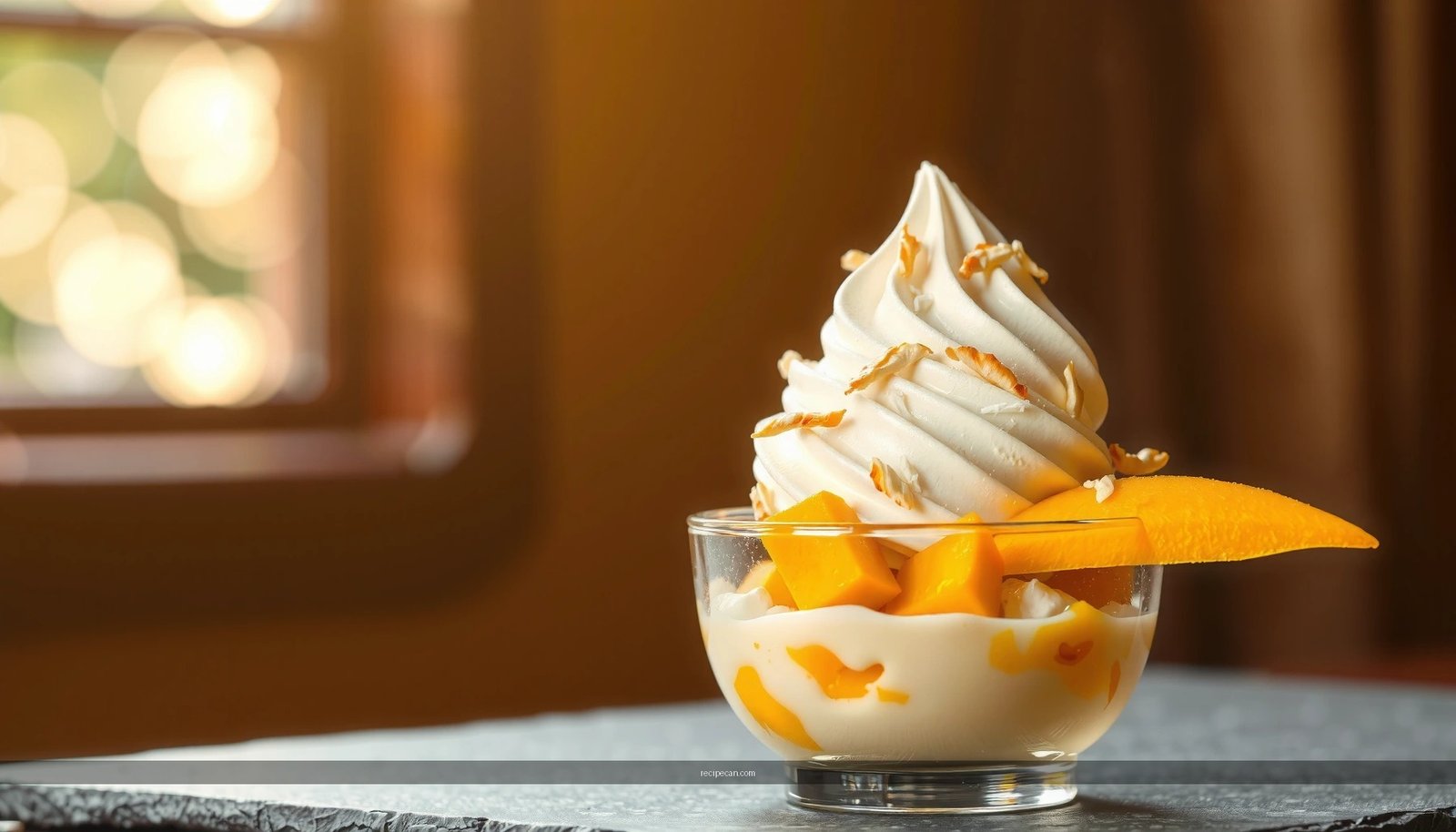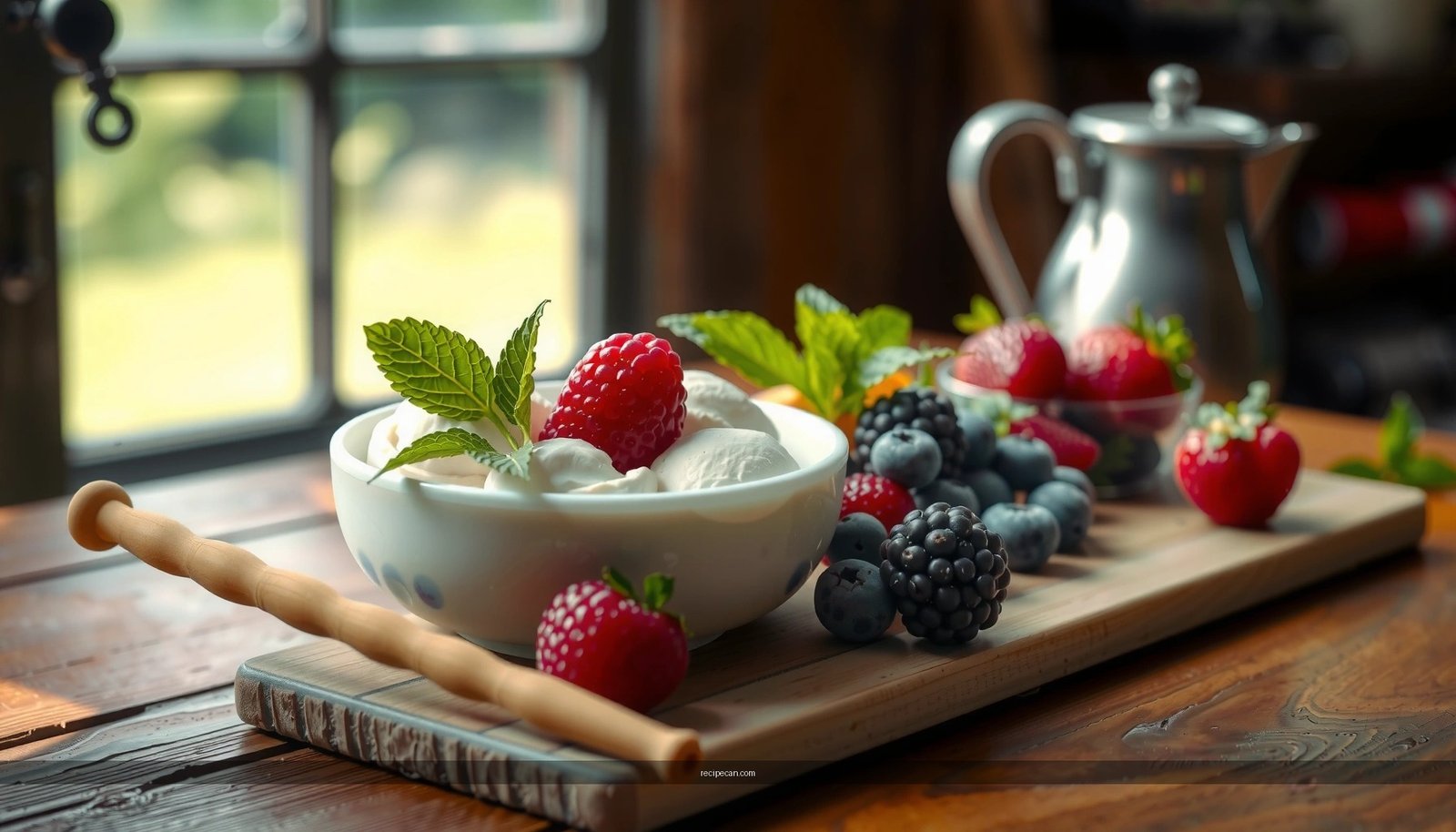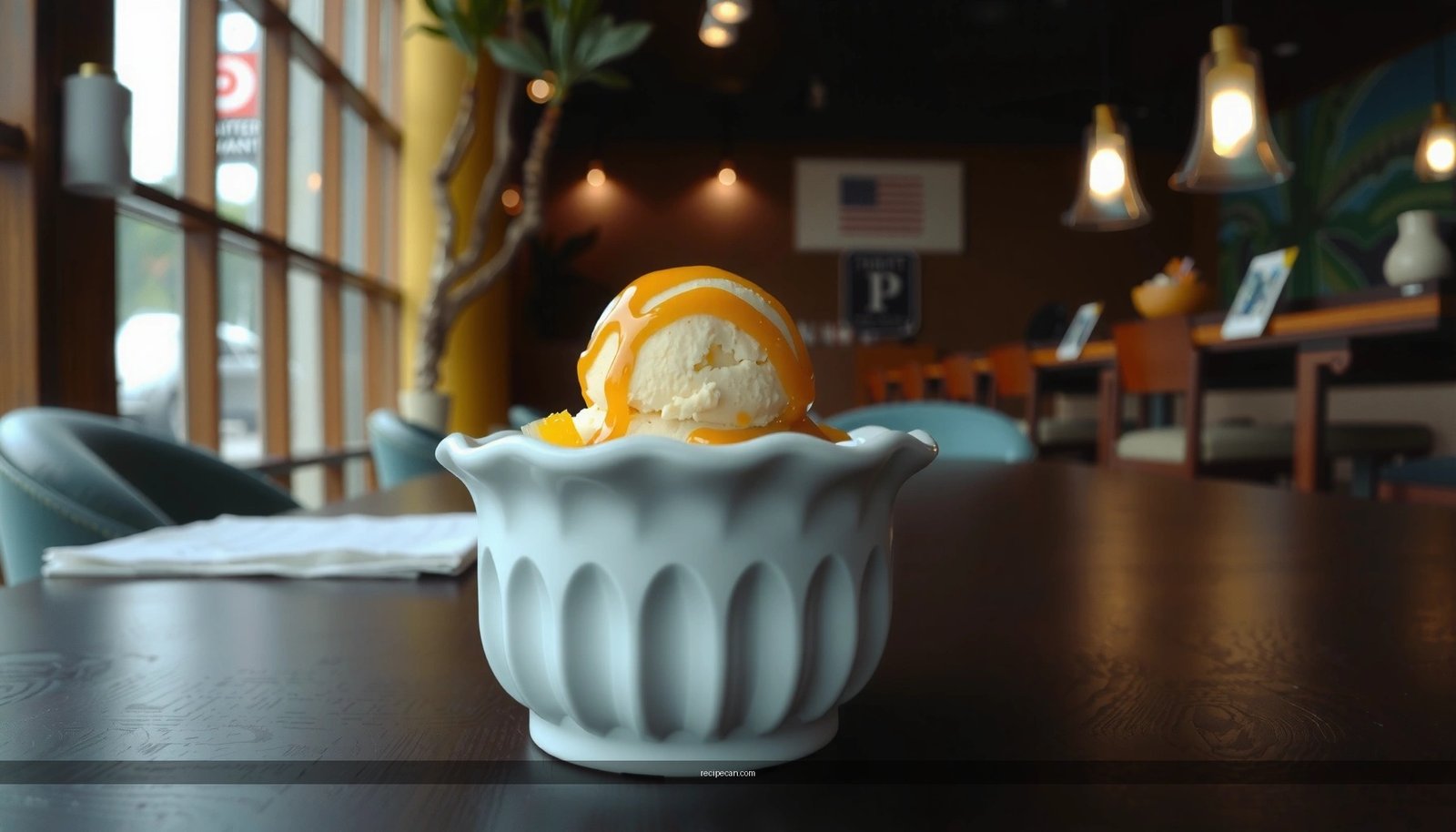
This soursop ice cream recipe delivers a creamy, sweet, refreshingly tangy dessert that actually tastes like soursop—not just a generic tropical flavor. It answers how to turn fresh or frozen soursop pulp into a smooth churned base without iciness, then finish it with the right sweetness. If you want the best texture and flavor payoff with minimal fuss, this is the clear winner.
Make creamy soursop ice cream by blending smooth soursop pulp with the right amount of sweetener and dairy, then churning and freezing until it’s scoopable. This guide focuses on the two things that make the difference—balanced flavor (tartness + sweetness) and smooth texture (minimal iciness)—so you can achieve a dessert that tastes bright, creamy, and restaurant-quality.
Gather Ingredients and Tools
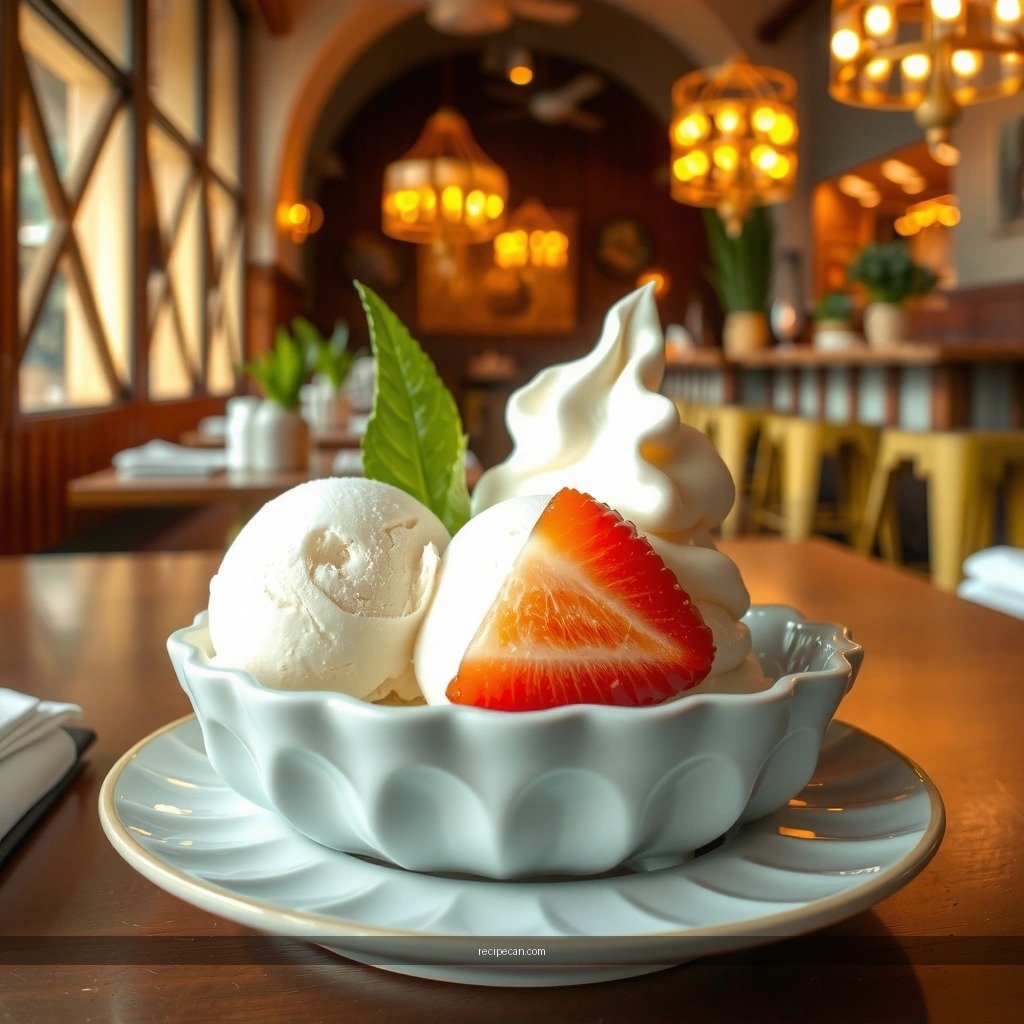
– Fresh or frozen soursop pulp is the main flavor base
Soursop (guanábana) delivers a custardy, tropical flavor that can read as both sweet and tangy. Fresh pulp tends to be more aromatic, while frozen pulp is consistent and convenient—either works well for ice cream.
– Choose your sweetener (sugar, condensed milk, or honey) to match taste
The best sweetener depends on how you want the sweetness to behave in freezing temperatures. Sugar gives a clean, adjustable sweetness. Sweetened condensed milk adds both sweetness and body (great for a creamy mouthfeel). Honey can add floral notes, but it’s softer in impact than condensed milk.
– Basic tools: blender, mixing bowl, and ice cream maker (optional)
A blender helps you eliminate pulp lumps. An ice cream maker improves texture by controlling ice crystal formation. If you don’t have one, you can still make great soursop ice cream using a “freeze and stir” method, but the result is typically slightly less smooth.
Recommended baseline recipe (about 1 quart / 900–1000 ml):
– 3 cups (about 750 g) soursop pulp (fresh or thawed frozen)
– 1 cup (240 ml) heavy cream
– 1 cup (240 ml) whole milk (or additional cream for extra richness)
– 1/2–3/4 cup (100–150 g) sweetener (adjust to taste; see tips below)
– 1–2 tbsp fresh lime juice or lemon juice (optional, to sharpen brightness)
– Pinch of salt
– Optional: 1 tsp vanilla extract
Quality note: If your soursop pulp is very tart or very sweet, adjust sweetener accordingly. Taste the blended base—this is the moment you lock in your final flavor profile.
Soursop Flavor Balance Targets for Smooth, Scoopable Texture
| # | Sweetener Choice | Typical Amount (for ~1 quart) | Flavor Result | Texture Impact | Rating |
|---|---|---|---|---|---|
| 1 | Sweetened Condensed Milk | 3/4 cup (about 195 g) | Round, caramel-like sweetness | ★★★★☆ Creamy, fewer icy crystals | ★ ★ ★ ★ ☆ |
| 2 | Granulated Sugar | 1/2 cup (about 100 g) | Clean sweetness, lets tartness show | ★★★☆☆ Can feel icier without extra fat | ★ ★ ★ ☆ ☆ |
| 3 | Honey | 1/2 cup (about 170–200 g) | Floral, tropical sweetness | ★★★★☆ Smooth mouthfeel, softer sweetness | ★ ★ ★ ★ ☆ |
| 4 | Sugar + Condensed Milk Blend | 1/4 cup sugar + 1/2 cup condensed | Balanced sweetness, less overpowering | ★★★★★ Very consistent, creamy finish | ★ ★ ★ ★ ★ |
| 5 | Brown Sugar | 1/2 cup (about 100–110 g) | Toffee-like depth, warmer flavor | ★★★☆☆ Some users find it masks fruit brightness | ★ ★ ★ ☆ ☆ |
| 6 | Maple Syrup | 3/8–1/2 cup (about 120–170 g) | Caramel-candy sweetness | ★★★★☆ Smooth, but reduce dairy if it’s heavy | ★ ★ ★ ★ ☆ |
| 7 | No-Churn Friendly Sweet Cream Base | Use 3/4 cup condensed + 2 tbsp sugar | Consistent sweetness even without churn | ★★★★☆ Best for stability during freezer storage | ★ ★ ★ ★ ☆ |
Prep the Soursop Pulp
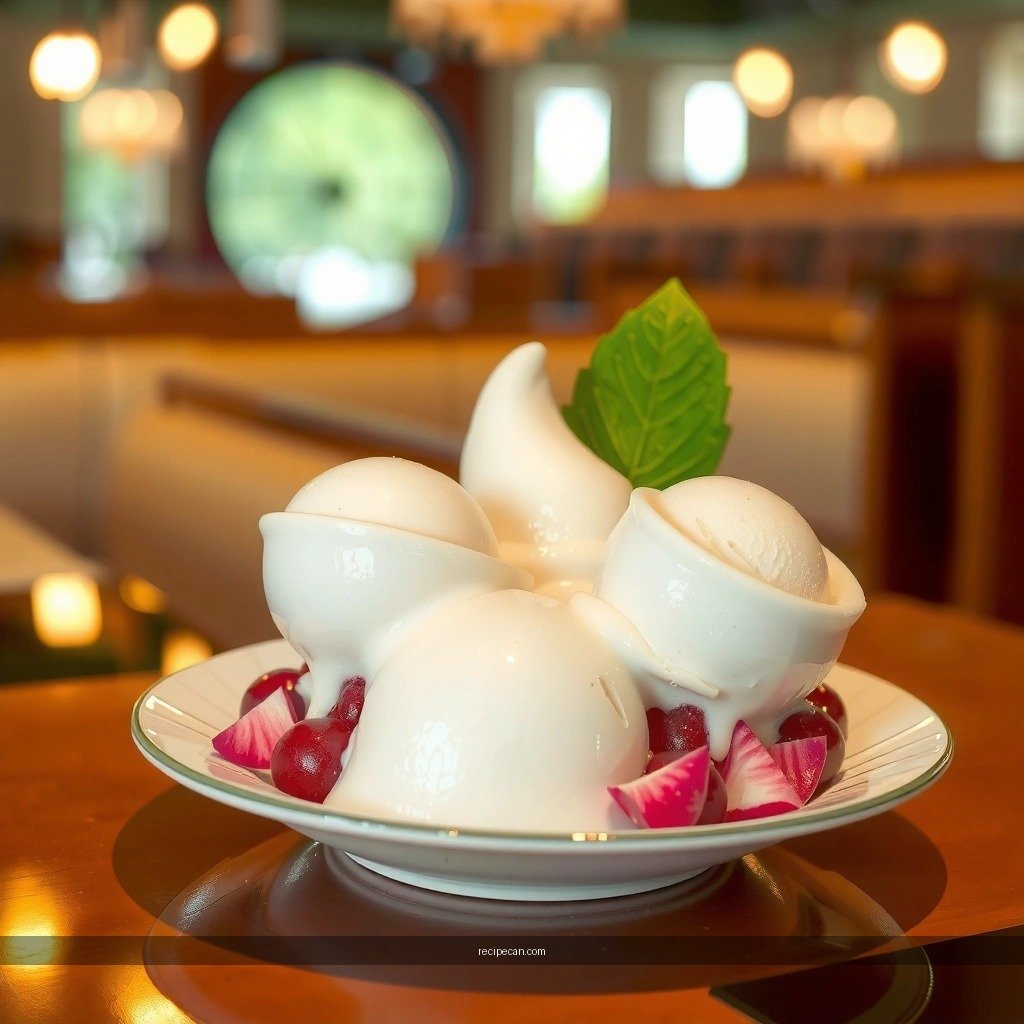
– Blend until smooth and strain if you want a silkier texture
Start by blending the soursop pulp until it looks uniform and glossy. If your pulp has fibers or seeds, strain through a fine mesh sieve for a creamier result—especially noticeable in the first few spoonfuls.
– Balance tartness by adjusting sugar or condensed milk
Soursop naturally leans tart. If you’re using sugar only, taste after blending and aim for “bright-tart but pleasant” in the liquid base. During freezing, sweetness can seem muted, so slightly under-sweet can become noticeably tart. Condensed milk makes this easier because it adds sweetness and helps prevent an icy finish.
– Chill the mixture for faster, smoother churning
Refrigerate the blended base for at least 1–2 hours (or overnight). A cold base churns more efficiently, creating smaller ice crystals and a smoother texture.
Actionable tip: If you have time, measure the blended pulp volume after straining. Consistency matters—if your pulp reduces slightly after straining, adjust sweetness proportionally rather than assuming the original quantity is unchanged.
Make the Creamy Base
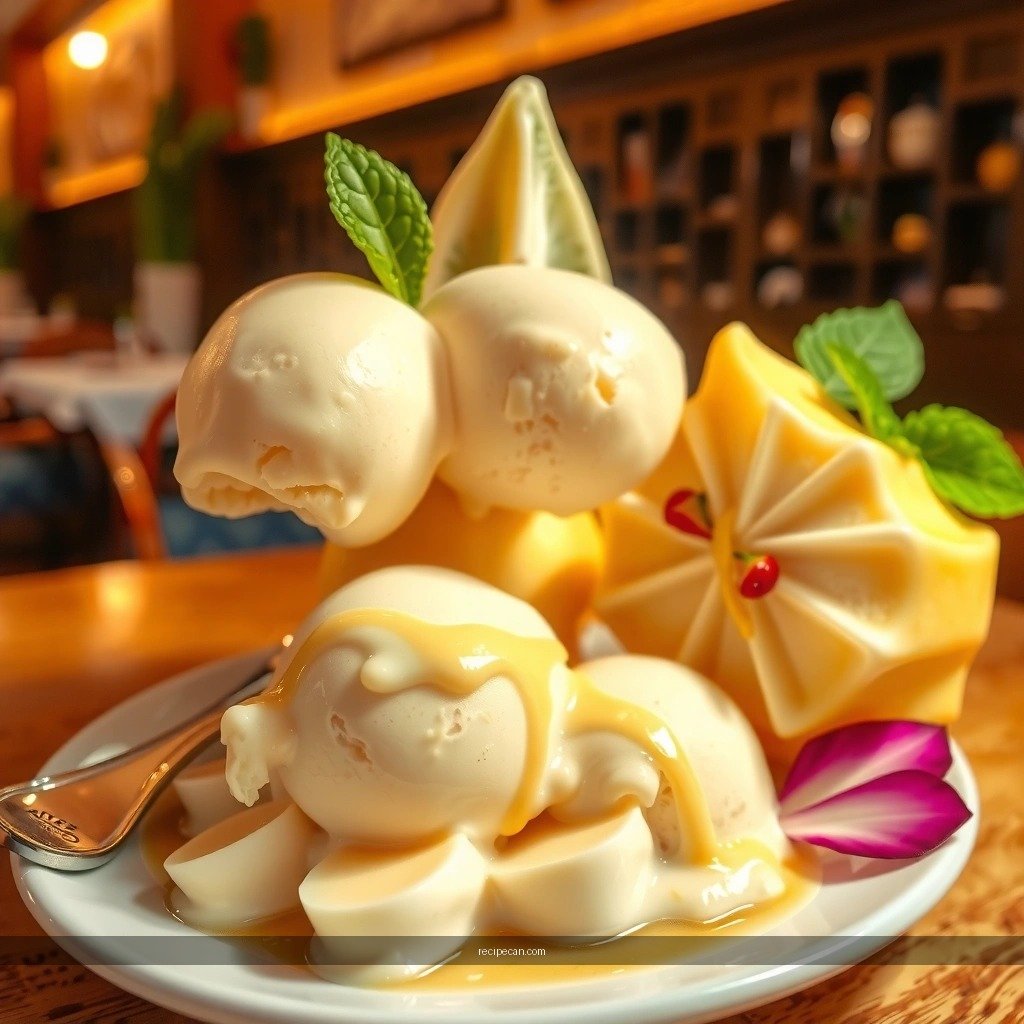
– Combine soursop pulp with dairy/cream and sweetener
In a mixing bowl, whisk together cream, milk, and your chosen sweetener until fully combined. Add the soursop pulp gradually, whisking to create an even, single-phase base.
– Mix thoroughly to avoid icy ice crystals
Texture is controlled by chemistry and method. Thorough mixing dissolves sugar and disperses fat, which improves churn performance. If using condensed milk, whisk until no lumps remain—lumps can cause uneven freezing.
– Taste and adjust before freezing
Your final goal is a balanced soursop ice cream: tropical sweetness first, tartness second, and a creamy finish throughout. Add a pinch of salt to sharpen flavors, and consider a small squeeze of lime/lemon if your pulp tastes flat.
Example adjustment guide (before churning):
– Too tart → add 1–2 tbsp sweetener at a time
– Too sweet → add 1 tsp citrus juice and a pinch of salt
– Lacking “creaminess” → replace part of milk with cream, or add another spoon of condensed milk
Churn into Ice Cream
– Pour base into the ice cream maker and churn until thickened
Follow your ice maker instructions, but as a rule, churn until the mixture looks like soft-serve—thick, aerated, and spoonable. Over-churning can sometimes lead to a grainier texture, so watch for the “soft-serve” stage rather than relying only on time.
– Add mix-ins (optional) near the end for even distribution
Mix-ins like toasted coconut, chopped mango, or a ribbon of lime zest pair well with soursop’s tropical profile. Add them during the last 1–3 minutes so they distribute without sinking or over-processing.
– Transfer to a container and smooth the top
Smooth the surface with a spatula and tap the container gently to remove trapped air pockets. Pressing parchment or plastic wrap directly against the ice cream top can help prevent surface ice.
No ice cream maker option (important for practical execution):
Churnless soursop ice cream works best when you freeze in stages: pour into a shallow container, freeze 45–60 minutes until slightly firm, then stir vigorously. Repeat 3–4 times until the texture is creamy and scoopable. This breaks up large ice crystals that would otherwise form a frozen icy mouthfeel.
Freeze for the Best Texture
– Freeze until firm, typically 4–6 hours (or overnight)
After churning, the mixture still needs time to mature and firm up. Overnight freezing usually yields the cleanest scoop.
– Let it sit 5–10 minutes before scooping
Ice cream straight from the freezer is often too hard. A short rest window makes it softer and smoother, improving the eating experience without compromising structure.
– Store covered to prevent freezer burn
Use an airtight container and keep the surface protected. Freezer burn creates dry, crystallized spots that dull the bright flavor of soursop.
Professional storage note: If you’re serving later, portion into smaller containers. Smaller volumes thaw more evenly for scooping, reducing textural variability from top to bottom.
Variations and Troubleshooting Tips
– For a richer result, use more cream or condensed milk
A higher fat percentage improves “body” and reduces the sensation of iciness. If you want a dessert that feels like premium gelato-style creaminess (even at home), adjust toward heavier dairy.
– If it’s too tart, increase sweetness slightly
Because sweetness perception drops in cold desserts, taste your base while it’s still liquid and bright. If your first batch tastes sharper than expected, increase sweetener by 1–2 tbsp next time and repeat the blend taste test.
– If it turns icy, ensure the base is chilled and churning time is sufficient
Common causes include warm base, under-churning, or a sweetener choice that doesn’t provide enough structure. In practice:
1) chill the base thoroughly,
2) churn until soft-serve thickness, and
3) consider condensed milk (or a sugar + condensed blend) to improve freezing behavior.
Two high-impact troubleshooting scenarios
1. Grainy texture after freezing:
Often linked to uneven blending or insufficient chilling. Blend longer, strain if needed, and chill overnight before churning.
2. Ice crystals on the surface:
Usually from air exposure. Press wrap directly onto the surface and keep the container tightly sealed.
Scoop-ready soursop ice cream is all about blending smooth pulp, creating a balanced creamy base, and churning then freezing for the right texture. Try this recipe now, and tweak sweetness or creaminess to make it your perfect flavor—then share your results!
Frequently Asked Questions
What ingredients do I need to make soursop ice cream?
You’ll typically need soursop pulp (fresh or frozen), heavy cream, whole milk, sugar (or sweetener), egg yolks or a gelatin-free thickener (optional), and a pinch of salt. For extra flavor, you can add vanilla extract and a little lemon juice to brighten the taste. If your soursop is very watery, consider straining the pulp or reducing it slightly so your soursop ice cream base becomes smooth and creamy.
How do I prepare soursop pulp for an ice cream recipe without a grainy texture?
Start by blending soursop pulp until smooth, then strain through a fine sieve to remove any fibrous bits. If you’re using frozen soursop, thaw completely and drain excess liquid before blending. This helps keep your soursop ice cream silky, preventing icy, gritty, or stringy bites.
Why does homemade soursop ice cream sometimes turn icy, and how can I prevent it?
Ice crystals usually form when the ice cream base is too thin, under-sweetened, or not chilled quickly enough before freezing. Use enough fat from heavy cream, fully dissolve sugar, and chill the mixture in the fridge for several hours before churning. If you don’t churn, you can still improve texture by freezing in a shallow container and stirring every 30–45 minutes during the first few hours.
Which method is best for making soursop ice cream—churned or no-churn?
Churned soursop ice cream is best if you want a lighter, smoother scoop with more consistent texture, because the churning incorporates air and reduces ice formation. No-churn soursop ice cream can work well too, but it’s more dependent on whipping the cream and frequent freezing/stirring to keep it creamy. If you want the most reliable results, choose an ice cream maker and a well-chilled soursop ice cream custard-style base.
How long can I store soursop ice cream, and what’s the best way to keep it from getting freezer burn?
Store your soursop ice cream in an airtight container and press parchment paper or plastic wrap directly onto the surface to reduce air exposure. Keep it in the coldest part of the freezer, ideally for up to 1–2 months for best flavor and texture. For serving, let it sit at room temperature for a few minutes so the soursop ice cream softens evenly without becoming grainy.
References
- Google Scholar Google Scholar
https://scholar.google.com/scholar?q=soursop+ice+cream+recipe - Google Scholar Google Scholar
https://scholar.google.com/scholar?q=guanabana+ice+cream - https://scholar.google.com/scholar?q=Annona+muricata+ice+cream Google Scholar
https://scholar.google.com/scholar?q=Annona+muricata+ice+cream - Soursop
https://en.wikipedia.org/wiki/Soursop - https://en.wikipedia.org/wiki/Annona_muricata
https://en.wikipedia.org/wiki/Annona_muricata - Soursop | Description, Fruit, Plant, Uses, & Facts | Britannica
https://www.britannica.com/plant/soursop - Ice cream
https://en.wikipedia.org/wiki/Ice_cream - Sorbet
https://en.wikipedia.org/wiki/Sorbet - https://pubmed.ncbi.nlm.nih.gov/?term=Annona+muricata+ice+cream
https://pubmed.ncbi.nlm.nih.gov/?term=Annona+muricata+ice+cream - https://www.sciencedirect.com/search?qs=soursop+ice+cream
https://www.sciencedirect.com/search?qs=soursop+ice+cream