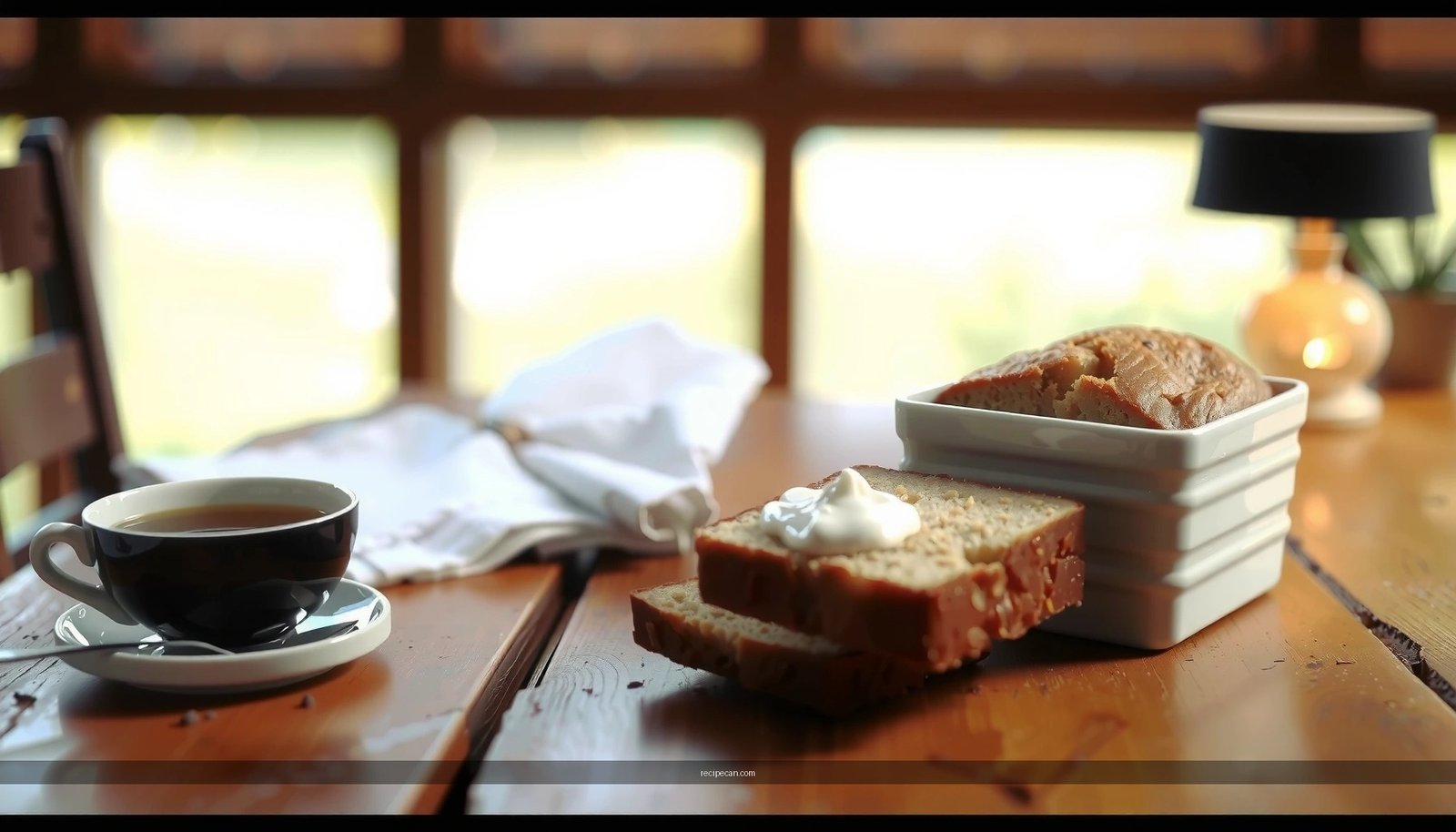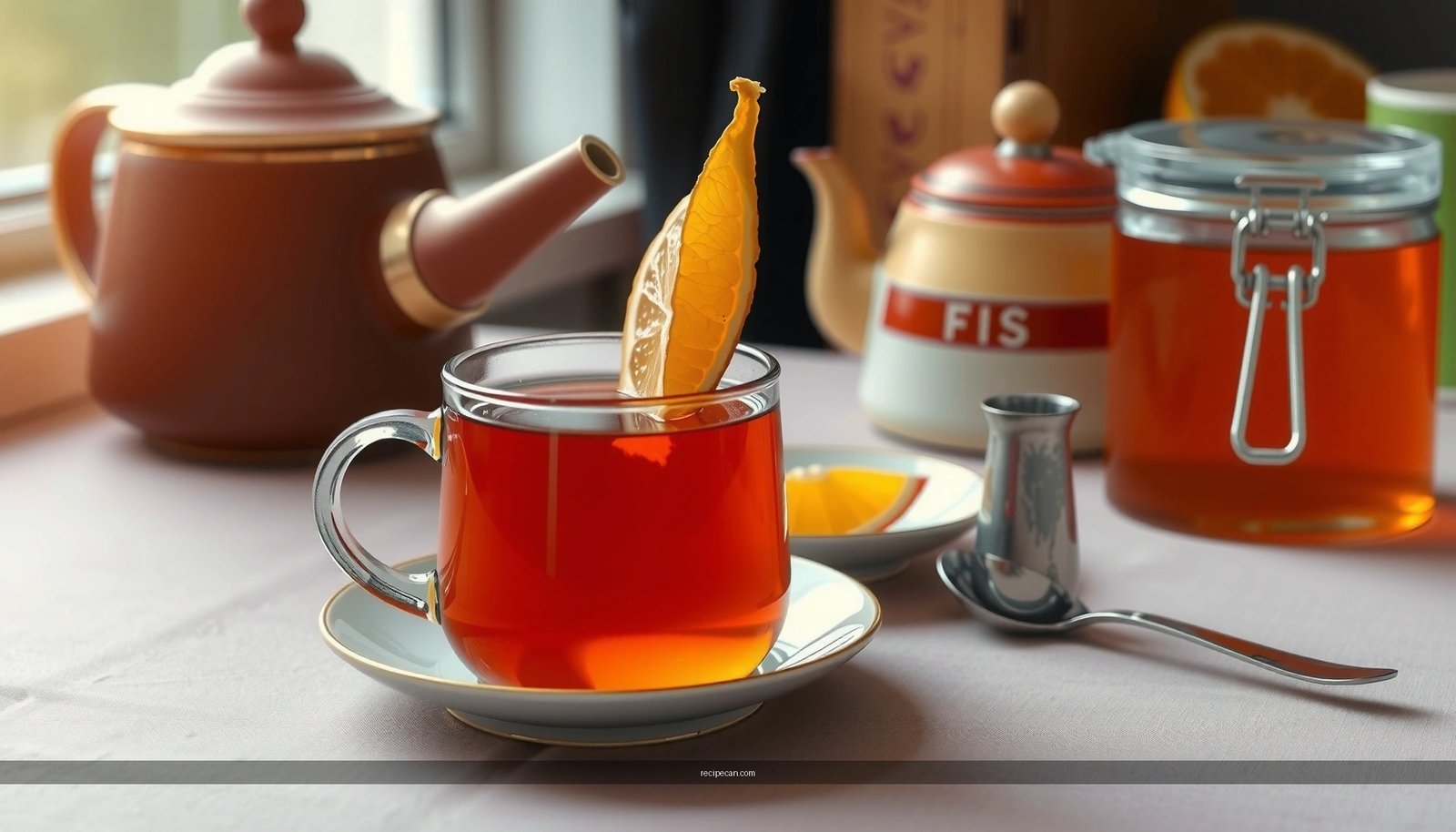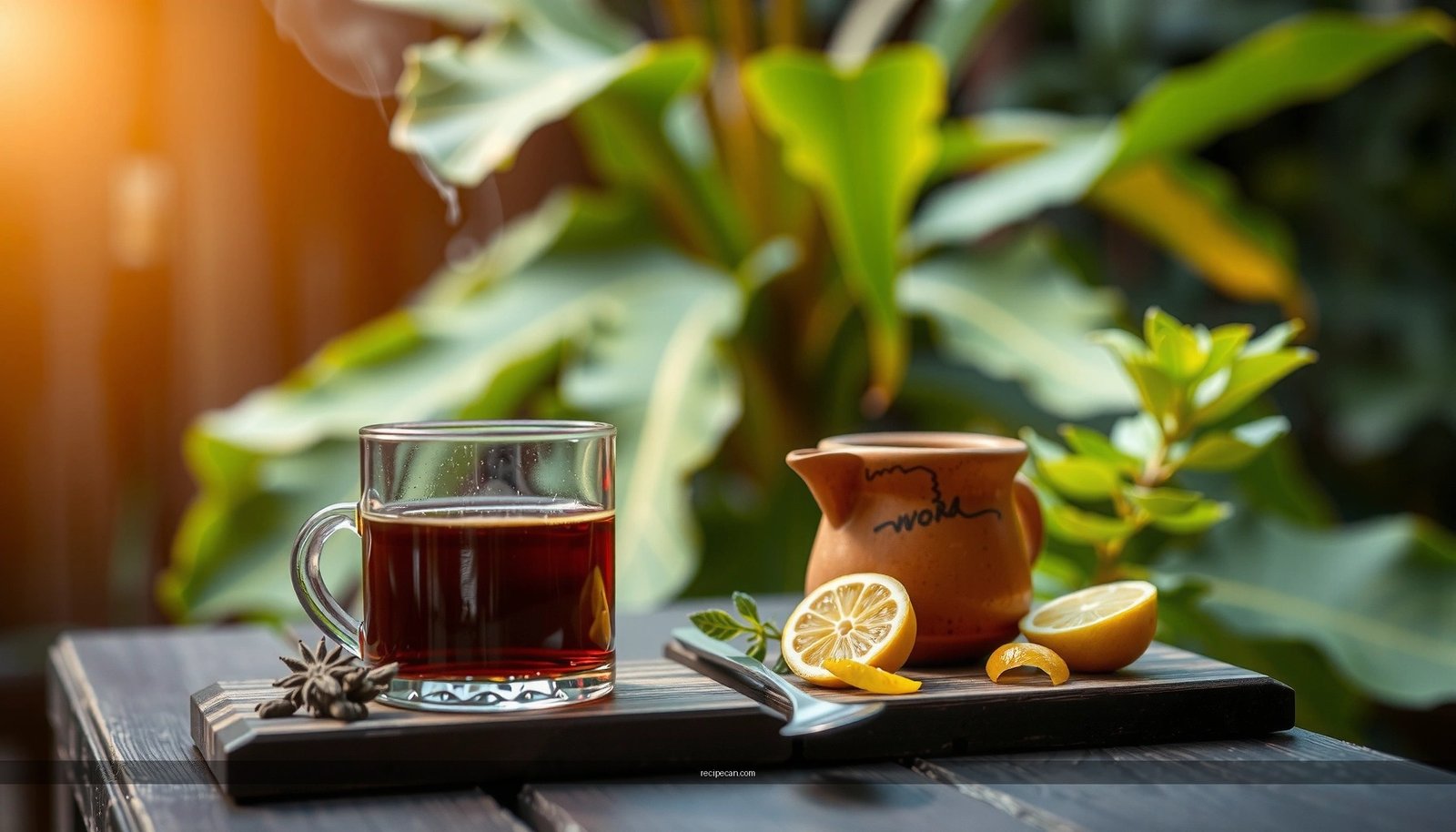
This Costa Rican tea recipe delivers a traditional, reliably flavorful brew with simple steps you can follow at home. If you want the fastest path to an authentic cup—without guesswork on steeping and flavoring—this method tells you exactly what to do. You’ll get a clear win: a straightforward brew process that consistently tastes like Costa Rica.
To make a Costa Rican tea recipe, steep your chosen herbs (such as ginger, hibiscus, or lemongrass) in hot water for 5–10 minutes, then strain and sweeten to taste. This straightforward method produces consistent flavor and aroma—whether you’re aiming for a bright, soothing, or warming cup—so you can replicate the brew at home with confidence.
Costa Rican-style herbal teas are widely appreciated for their comforting flavors and functional ingredients, especially when brewed with care. While there’s no single “official” tea, many traditional households and neighborhood soda cafés rely on accessible botanicals—often fresh when in season, dried when convenience matters. The key is controlling three variables: herb type, water temperature and timing, and personal balance (tartness vs. sweetness, or spiciness vs. smoothness). Once you understand that workflow, you can treat this recipe like a reliable template for multiple tea variations.
Herb-Based Costa Rican Tea Options: Flavor, Strength, and Typical Drink Time
| # | Costa Rican Tea Base | Water + Steep | Best Flavor Goal | Brew Consistency (5★) | Taste Impact |
|---|---|---|---|---|---|
| 1 | Ginger (fresh or dried) | 90–95°C, 7–9 min | Warming + invigorating | ★★★★☆ | High |
| 2 | Hibiscus (flor de Jamaica) | Boiling, 5–8 min | Bright + tart | ★★★★★ | Very High |
| 3 | Lemongrass | 95°C, 6–10 min | Fresh + soothing | ★★★★☆ | High |
| 4 | Chaya leaf (optional, traditional-style) | Simmer, 8–12 min | Vegetal + grounded | ★★★☆☆ | Moderate |
| 5 | Cinnamon stick | Boiling start, 8–12 min | Warm + aromatic | ★★★★☆ | High |
| 6 | Orange peel (fresh or dried) | 90°C, 5–8 min | Bright + fragrant | ★★★★★ | High |
| 7 | Guava leaf (if available) | Simmer, 6–10 min | Gentle + comforting | ★★★☆☆ | Lower |
Choose Your Costa Rican Tea Base
– Pick a traditional option such as ginger, hibiscus, or lemongrass
– Use fresh or dried ingredients depending on what you have
– Match the flavor to what you want: bright, soothing, or warming
Choosing your base is the fastest way to steer the entire experience. In Costa Rican herbal tea culture, ginger is often selected for warmth and comfort; hibiscus (flor de Jamaica) is a go-to for a tangy, refreshing profile; and lemongrass is favored when people want something lighter and more aromatic.
When selecting fresh vs. dried:
– Fresh herbs typically deliver more volatile fragrance (especially lemongrass and citrus peel). Use slightly more loosely packed volume but expect a brighter aroma.
– Dried herbs concentrate flavor, so you generally need less quantity and slightly shorter steeping time. Dried hibiscus in particular can turn very intense if left too long.
A practical decision rule:
– If you want bright and thirst-quenching, start with hibiscus or orange peel.
– If you want soothing and aromatic, choose lemongrass.
– If you want warming and grounding, make ginger your base.
Also consider your schedule. A cup brewed with hibiscus or citrus peel often feels best in the afternoon or as an iced refresher, while ginger-based tea is a classic “wind-down” choice.
Gather Ingredients & Prep
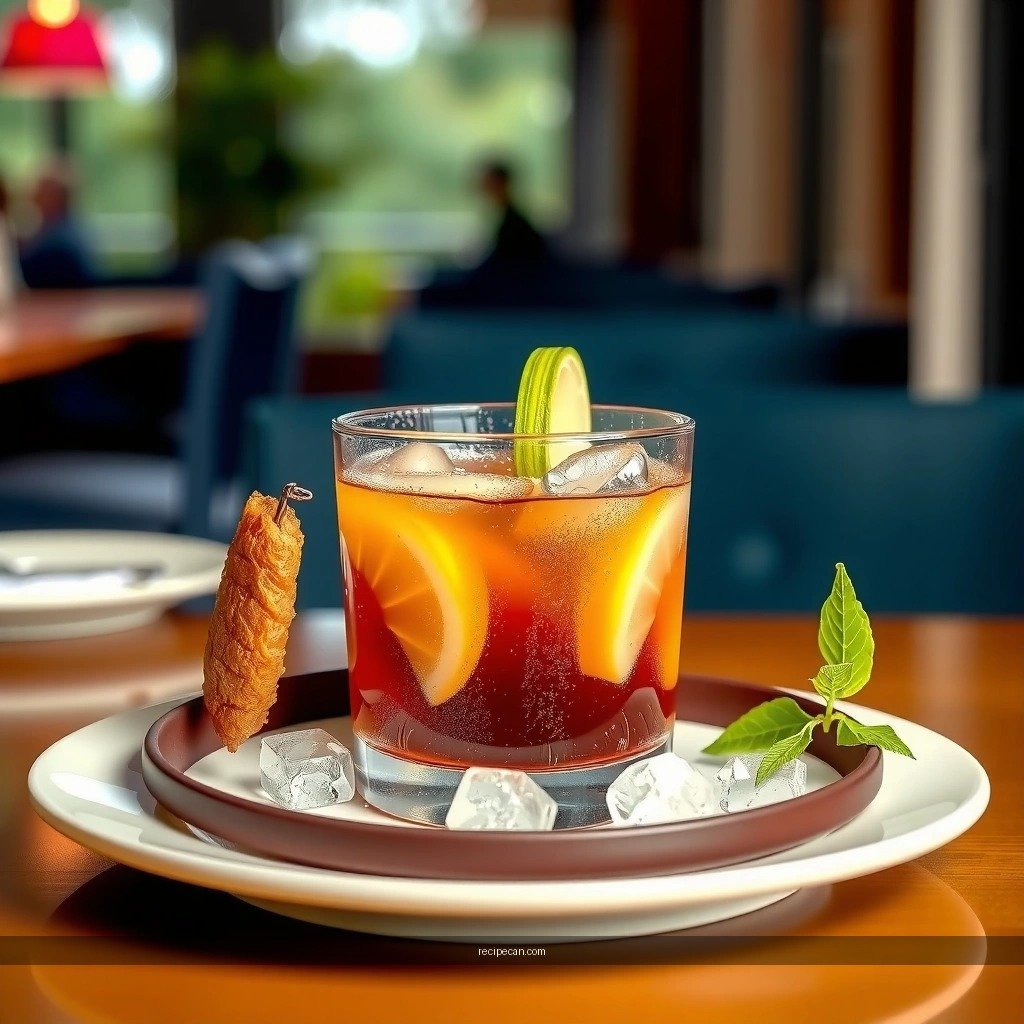
– Measure your herbs (about 1–2 teaspoons dried or 1–2 tablespoons fresh per cup)
– Add optional ingredients like honey, sugar, or citrus
– Rinse fresh herbs and lightly crush them for better flavor
A traditional herbal tea is simple, but precision matters. For a single cup (about 8–12 oz / 250–350 ml), you’re aiming for enough plant material to extract flavor without creating bitterness.
Use these starting measurements per cup:
– 1–2 teaspoons dried herb per cup (ginger, hibiscus, lemongrass)
– 1–2 tablespoons fresh herb per cup (fresh ginger slices, lemongrass stalk, citrus peel)
Prep for better extraction:
– Rinse fresh herbs to remove dust or grit.
– Lightly crush tougher botanicals (especially ginger and lemongrass). A gentle muddling action ruptures cell structures so the flavor transfers faster.
– Slice thick ginger thinly so it releases aroma during the same 5–10 minute window.
Optional additions can “finish” the brew:
– Honey or sugar for rounding sharp edges (particularly hibiscus).
– Citrus (lemon wedge or orange peel) to lift the aroma.
– Cinnamon for a warmer, dessert-like spice note.
– Clove for a deeper, almost mulled profile (use sparingly—clove is potent).
Tip for business-like repeatability: decide on a single “baseline” for sweetness (for example, no sweetener the first time, then add 1 teaspoon honey after tasting). Once you know your preferred balance, you can scale the recipe quickly.
Boil and Steep for the Right Strength
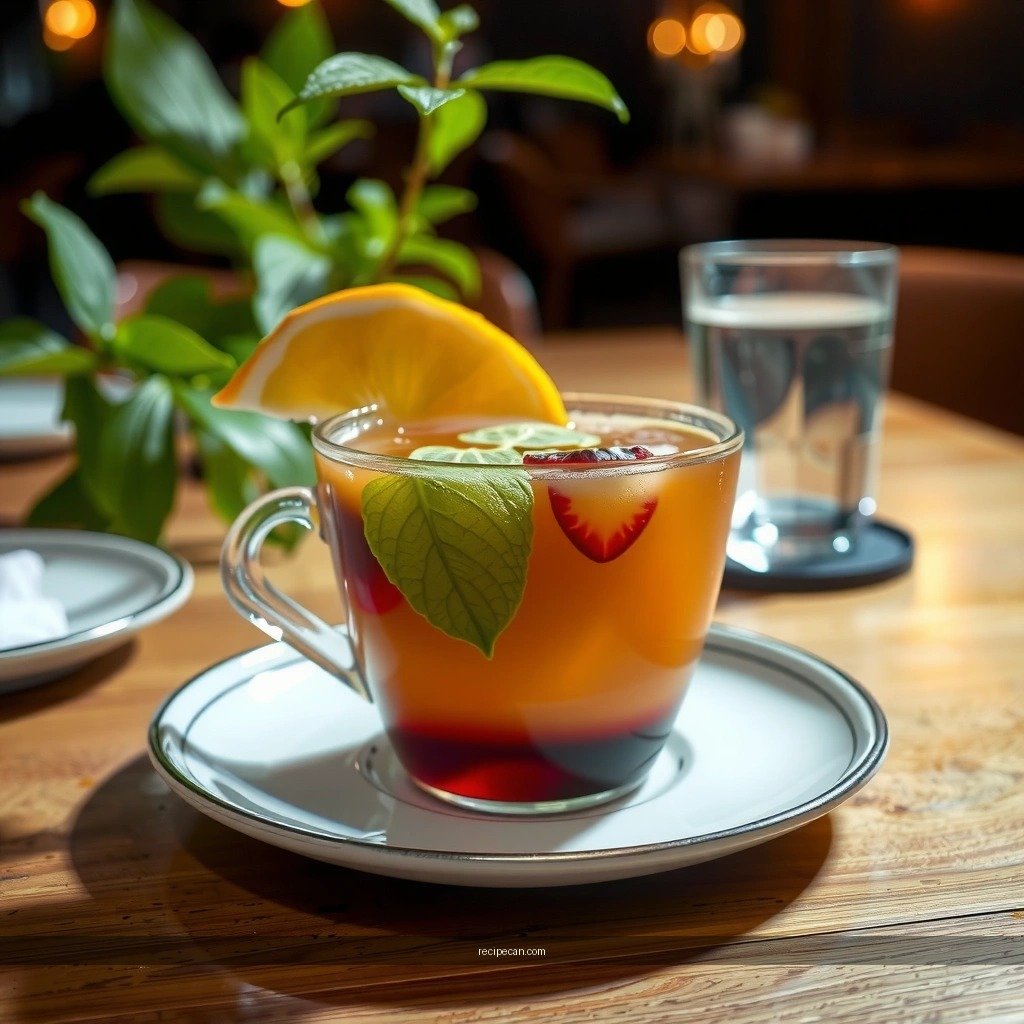
– Bring water to a gentle boil, then reduce to a simmer
– Steep for 5–10 minutes depending on how strong you like it
– Cover the pot or cup to keep the aroma from escaping
This is where your Costa Rican tea recipe becomes reliably reproducible. Herbal flavors extract at different speeds:
– Hibiscus blooms relatively quickly and can become sharply tart if over-steeped.
– Ginger needs enough contact time to become pleasantly spicy rather than just “green.”
– Lemongrass and citrus peel release fragrance fast; too much time can push them toward an overly herbal bitterness.
A dependable workflow:
1. Heat water to a gentle boil.
2. Reduce to a simmer (or keep it at a very mild boil for hibiscus).
3. Add prepared herbs to a cup or small pot.
4. Steep 5–10 minutes, adjusting based on taste preference and ingredient strength.
5. Cover during steeping. Aromatics escape quickly when you leave the vessel open.
Timing guidance if you want quick calibration:
– 5–6 minutes: mild, delicate flavor
– 7–8 minutes: balanced “standard cup”
– 9–10 minutes: stronger body, more aroma (reduce if your herbs are very potent or dried)
Because you’re controlling extraction, you also control health-forward perceptions of the brew. People often associate stronger steeping with stronger functional ingredients, but the tradeoff is more pronounced taste. If you’re brewing for consistent comfort (not maximum intensity), stay in the 7–9 minute range.
Strain, Sweeten, and Serve
– Strain out herbs using a fine sieve for a clean cup
– Sweeten while the tea is warm if you prefer it less tart
– Serve hot or let it cool for an iced version
Once steeping is done, don’t let the leaves continue to “work.” Straining immediately prevents over-extraction and keeps bitterness in check.
Strain for clarity:
– Use a fine sieve (or a tea infuser with a mesh basket).
– If you want extra-smooth hibiscus tea, pour through a second straining pass.
Sweeten strategically:
– Sweeteners dissolve more easily in warm tea.
– For hibiscus, start with a conservative amount (e.g., 1 teaspoon honey or sugar per cup), then taste and adjust. You can always add more, but you can’t remove sweetness.
Serve styles:
– Hot: best for ginger-based comfort and cinnamon warmth.
– Iced: allow tea to cool to room temperature first, then refrigerate and serve over fresh ice.
If you’re preparing iced tea in volume, consider steeping slightly less (around 5–7 minutes) because chilling can mute certain flavors. Then add sweetness after you chill for best control.
Flavor Variations to Try
– Add cinnamon or clove for a warm, spiced profile
– Mix herbs (e.g., ginger + lemongrass) for a balanced blend
– Try citrus (lemon or orange peel) for a brighter finish
Once you master the base technique, variations let you tailor the cup to mood, weather, and even meal pairing. Think of this as a “recipe system,” not just one drink.
1) Cinnamon ginger (warming spice)
– Base: ginger
– Add: 1 cinnamon stick or 1/4–1/2 teaspoon ground cinnamon
– Steep: 7–9 minutes
– Result: cozy, mildly sweet aroma even before adding honey.
2) Hibiscus with citrus peel (bright finish)
– Base: hibiscus
– Add: a strip of orange peel (avoid the bitter white pith)
– Optional: small squeeze of lemon after straining
– Steep: 5–7 minutes
– Result: a tangy, aromatic tea that works beautifully iced.
3) Ginger + lemongrass (balanced herbal lift)
– Mix: 1 tablespoon fresh ginger + 1 tablespoon lemongrass (per cup scale)
– Steep: 7–10 minutes
– Result: warming body with a clean, refreshing top note.
4) “Spiced morning” (controlled clove)
– Add: one tiny pinch of clove (or 1–2 small cloves per pot)
– Steep: short (5–7 minutes)
– Result: a deeper spice layer without overwhelming the tea’s natural character.
Blending is most successful when you respect intensity differences. Hibiscus and clove are strong; lemongrass is aromatic; ginger is both spicy and earthy. Start with one dominant flavor and one supporting accent, then refine across batches.
Storage and Reheating Tips
– For best flavor, drink within the same day after brewing
– Store in the refrigerator for up to 2 days in a sealed container
– Reheat gently (avoid hard boiling after steeping)
Herbal tea quality is time-sensitive because aromatic compounds oxidize gradually and tannins can intensify as it sits. For best taste, drink soon—ideally within the same day.
Storage:
– Refrigerate in a sealed container.
– Use within up to 2 days for the best flavor fidelity.
– If you expect to store, consider cooling quickly to prevent continued extraction.
Reheating:
– Reheat gently—warm over low heat or microwave in short bursts.
– Avoid boiling after steeping. Hard boiling can make certain teas taste more bitter or “flat.”
If you plan to make tea for the next day, a smart approach is to brew, strain, cool, refrigerate, and then sweeten after reheating (or sweeten after cooling before serving). This reduces the chance of over-sweetening and helps you keep the taste aligned with your preference.
Finally, if you’re building a consistent routine, write down your “winning” parameters—herb type, dried vs. fresh quantity, steep time, and sweetener amount. Small adjustments can produce dramatically different results, so documenting your process turns experimentation into repeatable success.
After you follow these simple steps—choose your herb base, steep for the right time, and strain/serve thoughtfully—you’ll have a Costa Rican tea recipe you can repeat anytime. Try one classic flavor today (ginger for warmth, hibiscus for brightness, or lemongrass for a soothing aromatic cup), then experiment with one variation at a time; once you find your favorite combination, save the measurements so your next brew is even easier.
Frequently Asked Questions
What is a traditional Costa Rican tea recipe and how do you make it at home?
A common Costa Rican tea recipe is made with Jamaica (hibiscus) dried flowers simmered in water with sugar or honey, often served hot or over ice. To make it, boil water, add the hibiscus, and simmer for about 10–15 minutes, then strain and sweeten to taste. You can also add a slice of ginger or a cinnamon stick for a more “Costa Rica–style” spiced flavor.
How do you brew Costa Rican hibiscus tea (agua de jamaica) without it tasting too bitter?
Hibiscus tea can turn bitter if it’s boiled too long or steeped at too high a temperature. For a balanced Costa Rican tea recipe, simmer gently for 10–15 minutes (or steep off the heat for 20–30 minutes), then strain promptly. Taste after simmering and adjust sweetness early—sugar or honey helps mellow the natural tartness.
Why do people in Costa Rica drink tea, and what benefits are associated with the ingredients?
In Costa Rica, herbal teas are commonly enjoyed for everyday wellness, hydration, and comforting flavors—especially during cooler mornings. Ingredients like hibiscus (jamaica) are popular for their vibrant taste and traditional use as a refreshing drink, while ginger and cinnamon are often added for warmth and digestion support. While tea shouldn’t replace medical care, a well-made Costa Rican tea recipe can be a flavorful part of a healthy routine.
Which Costa Rican tea recipe is best for iced drinks—hibiscus or ginger-based tea?
For iced drinks, many people prefer a Costa Rican hibiscus tea recipe because it stays bright, colorful, and refreshing even when chilled. Ginger-based teas can also be great over ice, but they require careful brewing so the flavor doesn’t become too strong or sharp. If you want the easiest “set and chill” option, brew the hibiscus, strain, cool, and serve over ice with citrus if desired.
Best sweeteners and flavor add-ins for a Costa Rican tea recipe?
For a classic Costa Rican tea recipe, white sugar, brown sugar, piloncillo, or honey are commonly used depending on the flavor you want. Add-ins like cinnamon sticks, ginger slices, orange peel, or a squeeze of lime can elevate hibiscus tea and make it taste more complex. Start with a small amount, stir well while the tea is warm, and adjust sweetness to match whether you’re drinking it hot or as an iced tea.
References
- Google Scholar Google Scholar
https://scholar.google.com/scholar?q=Costa+Rican+tea+recipe - Google Scholar Google Scholar
https://scholar.google.com/scholar?q=Costa+Rica+herbal+tea+aguas+infusiones+yerba+buena - Google Scholar Google Scholar
https://scholar.google.com/scholar?q=herbal+tea+preparation+infusion+guidelines - Herbal tea
https://en.wikipedia.org/wiki/Tisane - Herbal medicine
https://en.wikipedia.org/wiki/Herbal_medicine - https://www.nccih.nih.gov/health/herbs-at-a-glance/herbal-tea
https://www.nccih.nih.gov/health/herbs-at-a-glance/herbal-tea - https://ods.od.nih.gov/factsheets/HerbalSupplements/
https://ods.od.nih.gov/factsheets/HerbalSupplements/ - https://pubmed.ncbi.nlm.nih.gov/?term=herbal+tea+preparation
https://pubmed.ncbi.nlm.nih.gov/?term=herbal+tea+preparation - https://www.fda.gov/food/dietary-supplements/questions-and-answers-dietary-supplements
https://www.fda.gov/food/dietary-supplements/questions-and-answers-dietary-supplements - Spearmint
https://en.wikipedia.org/wiki/Mentha_spicata