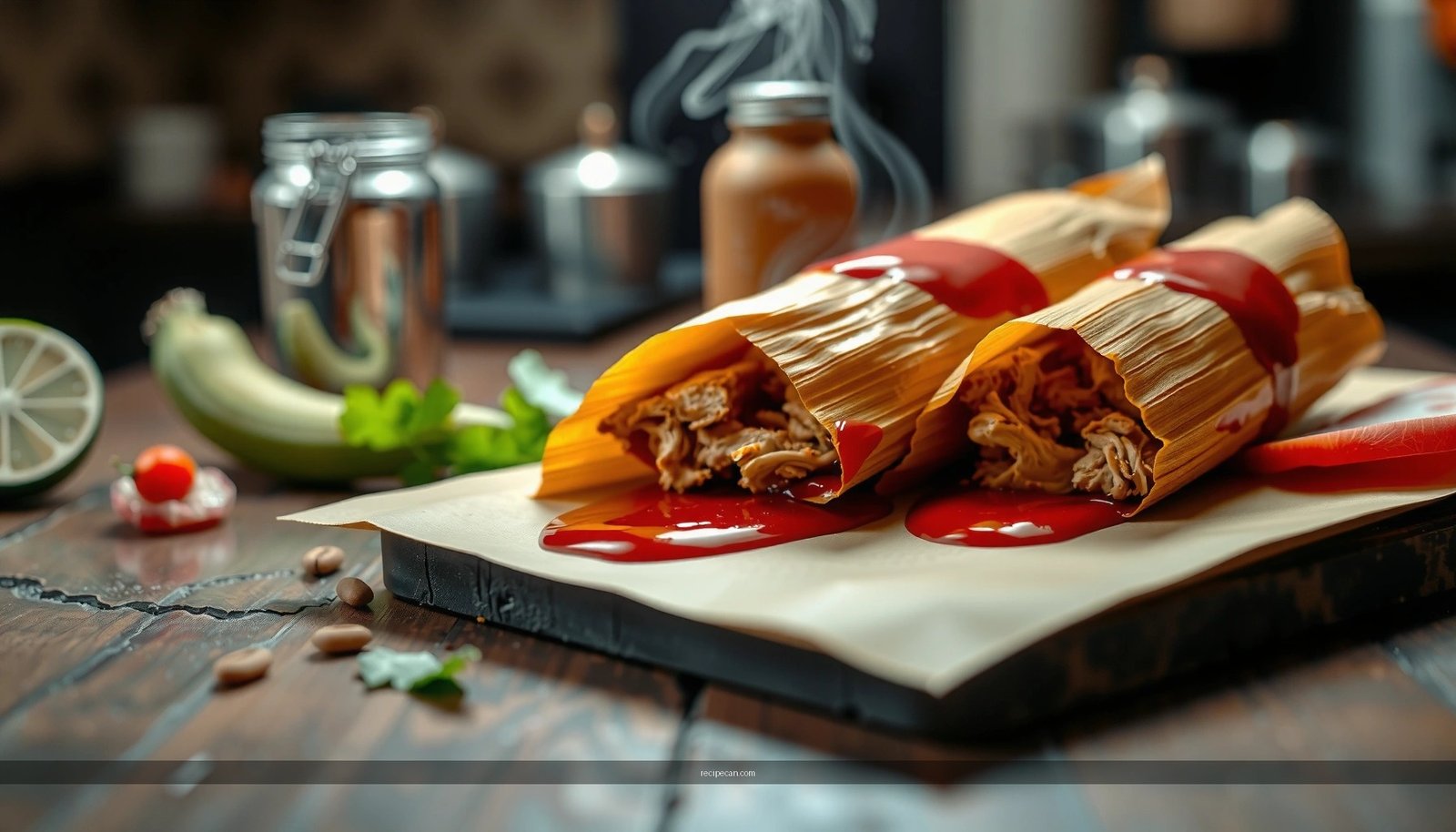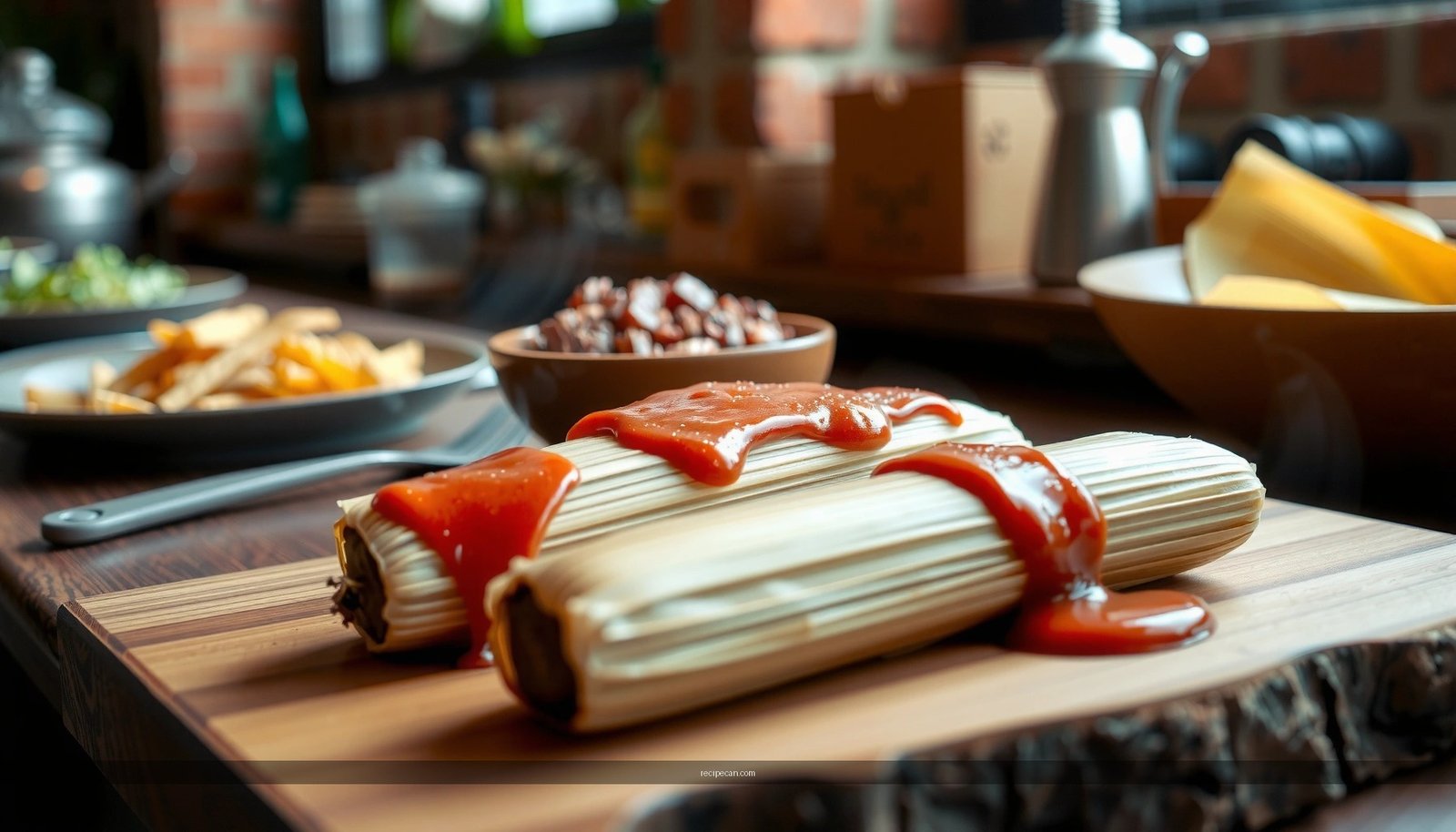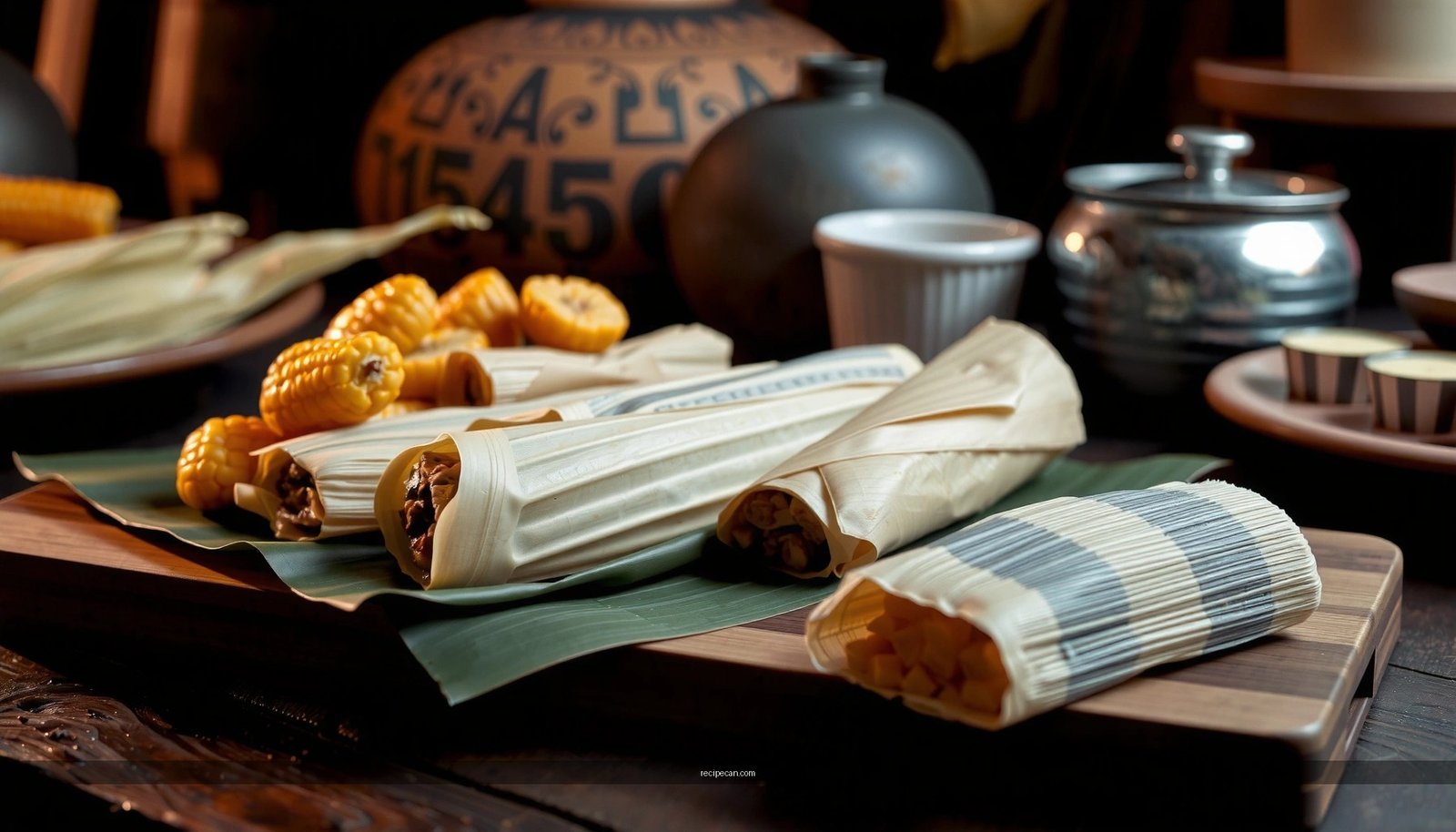
You can make authentic Cuban tamales at home with this tested Cuban tamales recipe that delivers the right masa texture, properly seasoned filling, and classic wrapper fold. This guide answers exactly how to assemble, steam, and time Cuban tamales so they cook through without drying out. If you want a dependable method that results in true-to-style Cuban tamales, follow these steps start to finish.
Cuban tamales are made by steaming seasoned masa wrapped around a savory filling until tender and full of flavor—so the secret is nailing well-seasoned dough, a thick pork filling, and consistent steaming time. If you follow a reliable, step-by-step process for mixing masa, cooking the pork filling, assembling without leaks, and steaming until the masa separates cleanly, you’ll produce the classic Cuban texture at home with far more control than store-bought versions.
Ingredients for Cuban Tamales
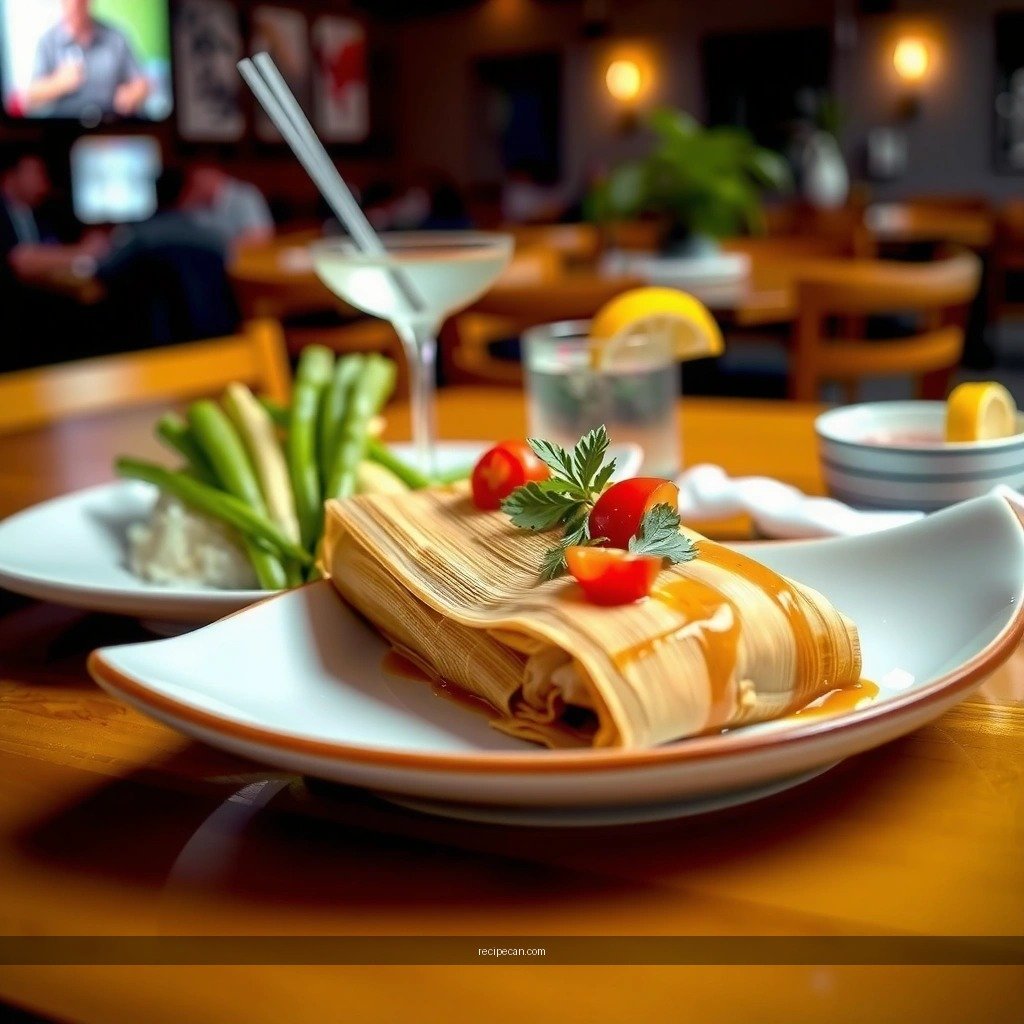
Cuban tamales rely on two core systems: a properly hydrated masa (masa dough) and a richly seasoned pork filling that’s reduced enough to stay inside the tamale. While families vary by region and preference, the ingredient categories below reflect the most common Cuban-style approach.
Classic masa ingredients (dough base)
– Masa harina (corn flour): the foundation for authentic masa tamale texture
– Fat (commonly rendered pork lard, vegetable shortening, or a combination): improves richness and mouthfeel
– Broth or cooking liquid (often chicken or pork broth): boosts flavor and hydration
– Salt + seasoning: typical seasonings include garlic powder, onion powder, ground cumin, and black pepper (or a similar seasoning blend)
Filling components (traditional pork-centered profile)
– Pork shoulder or pork butt, cut small (best flavor and fat balance)
– Sofrito (onion, garlic, bell pepper, and herbs blended—store-bought works, but homemade is especially fragrant)
– Tomato or tomato paste (for body and depth)
– Cumin + oregano, plus bay leaf in many recipes
– Optional add-ins that create the “Cuban pantry” character:
– Green olives, capers, raisins (often used in some households)
– Pimento-stuffed olives for brightness
– Manzanilla or a splash of vinegar (used sparingly to lift flavor)
Leaves and binders
– Banana leaves (preferred for aroma and pliability), or plantain leaves
– Optional: kitchen twine or strips of leaf to secure tamales if your folding method needs reinforcement
Prep strategy (what separates a good batch from a frustrating one)
Measure masa ingredients, fat, broth, and seasonings before you start. Cuban tamales are assembly-line friendly, and consistent measurement reduces the most common failure mode: masa that’s too loose or too dry, leading to poor texture after steaming.
Masa Hydration Guide for Cuban-Style Tamales (Typical Ratios)
| # | Masa harina type | Starter liquid (broth) | Target consistency | Cook-up result |
|---|---|---|---|---|
| 1 | Masa harina for tamales (finely milled) | 1.0 cup per 2 cups masa | Spreadable, holds a ridge | ★ ★ ★ ★ ☆ |
| 2 | Instant masa harina (absorbs quickly) | 0.9 cup per 2 cups masa | Soft but not sticky | ★ ★ ★ ★ ☆ |
| 3 | Coarser masa harina | 1.1 cups per 2 cups masa | Thick paste; smooth after mixing | ★ ★ ★ ★ ☆ |
| 4 | High-moisture brand (varies by supplier) | 0.8 cup per 2 cups masa | Spreadable; minimal tack | ★ ★ ★ ☆ ☆ |
| 5 | Dry masa harina (needs longer hydration) | 1.15 cups per 2 cups masa | Sturdy, smooth ridge | ★ ★ ★ ☆ ☆ |
| 6 | Masa harina at cooler storage temps | Add 1–2 Tbsp more broth after resting | Adjustable; spreads cleanly | ★ ★ ★ ★ ☆ |
| 7 | Using broth warmed vs cold | Warm broth (10–15% less) | Fewer lumps; quicker smoothness | ★ ★ ★ ★ ☆ |
Make the Tamale Dough (Masa)
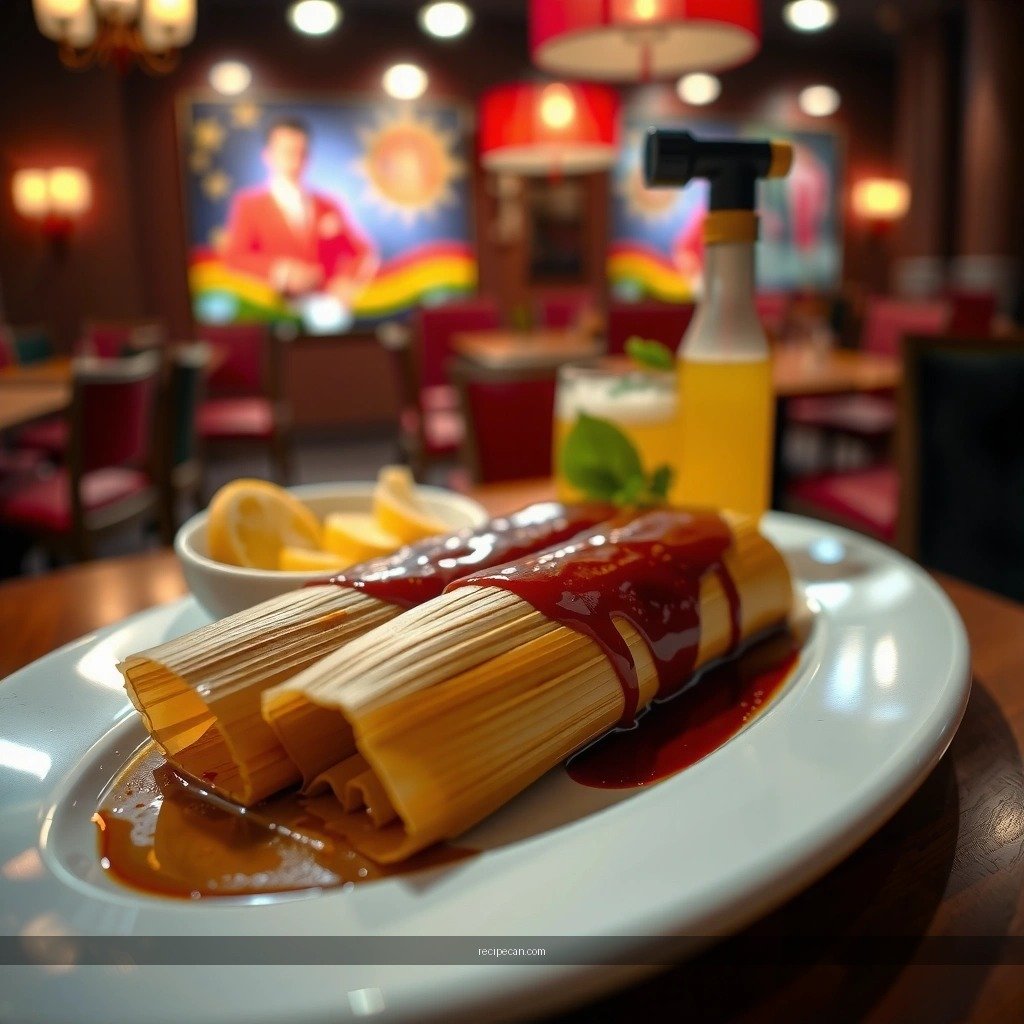
To make authentic Cuban tamales, your masa dough must be seasoned, smooth, and spreadable—not runny and not dry. The goal is a dough that forms a line on the leaf and holds its structure through steaming.
1) Mix fat and seasonings first
Start by softening or melting your fat slightly, then combine with salt and seasonings. This distributes flavor in the fat so each bite tastes “seasoned through,” not just on the outside.
2) Hydrate masa harina gradually
Add masa harina while mixing, then incorporate warm broth in small additions. Gradual liquid is essential because masa absorption varies by brand, humidity, and grind.
3) Beat until smooth
Authentic Cuban masa texture comes from mixing thoroughly—use a stand mixer or strong hand mixing to break up lumps and create a uniform paste.
4) Rest to hydrate
Let the dough rest briefly (commonly 20–30 minutes) so the flour fully hydrates. This step reduces graininess and improves spreadability.
5) Consistency check (quality control)
– Good: when spread, it forms ridges that don’t collapse immediately.
– Risky: if the masa slides off the leaf or creates thin gaps, it may turn loose during steaming.
– Quick fix: if too thick, add broth 1 tablespoon at a time; if too thin, add masa harina 1 tablespoon at a time.
Prepare the Cuban Tamale Filling
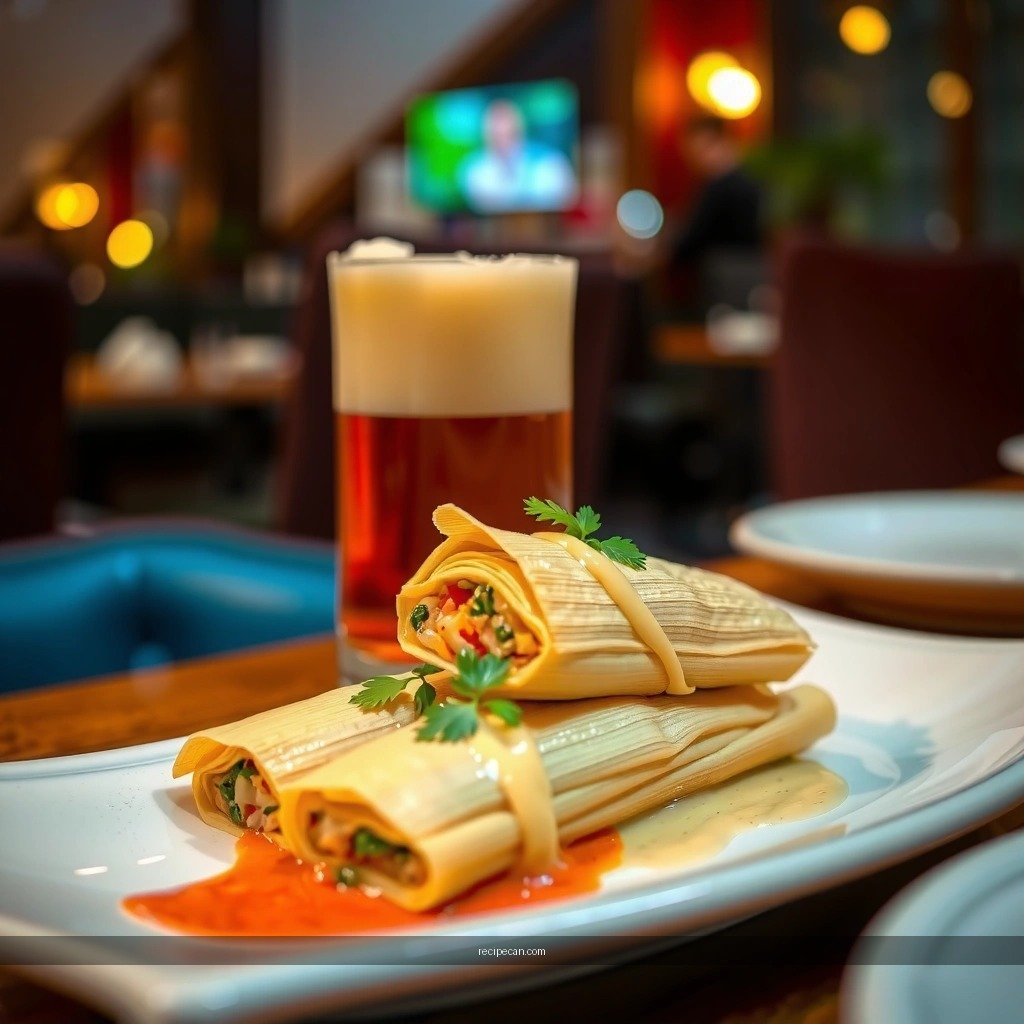
A Cuban tamale filling should be bold, savory, and thick. If the filling is watery, it will seep into the masa and dilute the dough texture.
1) Cook pork until flavorful
Brown the pork (or sauté it with sofrito early) to build depth, then simmer until tender.
2) Build flavor with sofrito and spices
Add sofrito, garlic, and seasonings such as cumin and oregano. Many Cuban cooks also include bay leaf for a subtle herbal backbone.
3) Reduce until thick
This is a key analytical point: steaming won’t evaporate enough to fix a wet filling. Aim for a filling that looks “saucy but cohesive”—it should hold shape when spooned.
4) Season and balance
Taste for salt, acidity, and savoriness. Traditional Cuban flavor often benefits from a small lift (like a restrained touch of vinegar or tomato brightness), but keep it restrained so it doesn’t overwhelm the masa.
5) Cool slightly before assembly
Let the filling cool enough that it won’t melt the fat in the masa or create steam pockets that cause uneven cooking.
Assemble and Wrap Cuban Tamales
Assembly is where technique becomes taste. Even with perfect masa and filling, poor wrapping can cause uneven steaming or leakage.
1) Prepare leaves
Wipe and soften banana leaves so they bend without tearing. Many cooks quickly warm leaves (or soak them) to improve pliability.
2) Spread masa strategically
Spread masa onto the leaf with a consistent thickness. Thin spots overcook; thick spots undercook.
3) Add filling in a straight line
Place a line of filling near the center. Leave enough space at the edges so masa can seal around the filling.
4) Fold and secure
Fold the leaf to form a neat packet. Secure with tie strips or twine if needed for consistency. The primary objective: the tamale must maintain its shape during steaming.
5) Work in batches for uniformity
Repeat consistently so tamales finish cooking around the same time. That means similar portion sizes and similar thickness.
Steam Cuban Tamales to Tender Perfection
Steaming is the final—and most time-sensitive—stage. Your steaming method determines whether you get that classic Cuban tamale bite: tender masa with a properly set interior.
1) Arrange tamales for steam circulation
Place tamales upright or stacked flat depending on your steamer. Leave space between packets so steam can circulate evenly.
2) Use enough water and maintain steam
Keep steady steam without boiling dry. Check water levels periodically and add hot water as needed to avoid temperature drops.
3) Steam until masa separates
The classic doneness signal is when the masa pulls away more easily from the leaf or when the tamale feels set and springy rather than soft and paste-like.
4) Rest after steaming
Let tamales rest briefly before handling. This allows the masa to firm up and reduces breakage during unwrapping.
Tips for Serving, Storing, and Reheating
Cuban tamales are excellent for meal prep because they reheat well—if you use the right method.
Serving
– Serve warm with mojo-style sauce, sofrito drizzles, or a simple squeeze of citrus if you like brightness.
– Offer a side that complements pork richness: black beans, white rice, or a light salad.
Storing
– Cool tamales fully before storing.
– Wrap tightly and refrigerate for several days, or freeze for longer-term planning.
– For best quality, portion into meal-sized bundles.
Reheating (don’t microwave when you can steam)
– Steam frozen or refrigerated tamales until hot throughout.
– Alternatively, reheat gently covered in an oven, but steaming best preserves masa moisture and texture.
– Avoid reheating too aggressively: dried masa loses the tender Cuban bite.
Cuban tamales come together with well-seasoned masa, a hearty pork filling, and patient steaming until tender. Use the sections above to prep, assemble, and cook them confidently, then store or reheat for easy future meals. Try making a batch this week, and adjust seasoning to match your favorite Cuban-style flavor.
Frequently Asked Questions
What are the key ingredients in a traditional Cuban tamales recipe?
A classic Cuban tamales recipe typically uses masa de maíz (corn dough), pork or chicken (often seasoned with garlic, cumin, and citrus), and olives or capers for a briny flavor. You’ll also commonly see sofrito (onion, bell pepper, garlic) mixed into the filling, along with raisins or prunes for a subtle sweet note. Many versions rely on lard or oil in the masa for richness and banana leaves or corn husks for wrapping and steaming.
How do you make Cuban tamales the right way without dry or crumbly masa?
Start by ensuring your masa has the correct hydration—add warm broth or water gradually until it spreads smoothly when you press it. If your masa feels dry, keep mixing and add more liquid a tablespoon at a time; if it’s too wet, rest it briefly and adjust with a little more masa harina. For authentic Cuban tamales, knead until the masa is smooth, then steam consistently so the dough fully cooks through inside the banana leaf or husk.
Why do Cuban tamales take longer to cook than other tamales?
Cuban tamales are often larger and wrapped more tightly, which means heat has to penetrate both the masa and the pork filling. Because the tamales are steamed rather than baked, timing depends heavily on tamale size and your steamer’s temperature stability. To prevent undercooked centers, use a reliable steaming schedule and test a tamale by carefully opening one to check that the masa is fully set.
Which type of meat is best for Cuban tamales—pork, chicken, or a combination?
Pork is the most traditional choice for a Cuban tamales recipe because it stays tender and flavorful during long steaming. Many cooks use a mix of shoulder and/or seasoned pork stew-style meat to create a rich filling that holds up well. Chicken can work for a lighter tamale, but you may want to boost the seasoning in the sofrito and braising liquid so the filling remains bold.
What’s the best way to store and reheat Cuban tamales so they taste fresh?
Let your Cuban tamales cool completely, then store them in an airtight container in the refrigerator for up to 4 days. For longer storage, freeze wrapped tamales individually so they reheat without turning mushy. Reheat by steaming or microwaving briefly and finishing with a rest time—this helps the masa rehydrate and keeps the filling from drying out.
References
- Google Scholar Google Scholar
https://scholar.google.com/scholar?q=Cuban+tamales+recipe - Google Scholar Google Scholar
https://scholar.google.com/scholar?q=Tamales+Cuba+traditional+recipe - Google Scholar Google Scholar
https://scholar.google.com/scholar?q=Cuban+tamales+masa+pork+recipe+banana+leaf - Tamale
https://en.wikipedia.org/wiki/Tamale - Cuban cuisine
https://en.wikipedia.org/wiki/Cuban_cuisine - https://en.wikipedia.org/wiki/Masa_(food
https://en.wikipedia.org/wiki/Masa_(food - https://www.britannica.com/topic/tamale
https://www.britannica.com/topic/tamale - Banana leaf
https://en.wikipedia.org/wiki/Banana_leaf - https://en.wikipedia.org/wiki/Corn_dough
https://en.wikipedia.org/wiki/Corn_dough - Hominy
https://en.wikipedia.org/wiki/Hominy