Find a chicken recipe for tamales that delivers consistently tender filling and tamale-ready results—without guesswork. This easy step-by-step guide walks you through cooking the chicken, building the seasoning, assembling the masa, and steaming until set. If you want tamales you can trust for weeknight speed or weekend gatherings, this method is the clear winner.
This chicken recipe for tamales delivers flavorful, shred-ready filling that stays juicy inside masa—because you season, simmer, shred while warm, and then re-season before assembling. Below is an easy, reliable step-by-step method (with timing and practical checks) so your tamales hold their texture and taste great every time.
Choose the Right Chicken and Seasonings
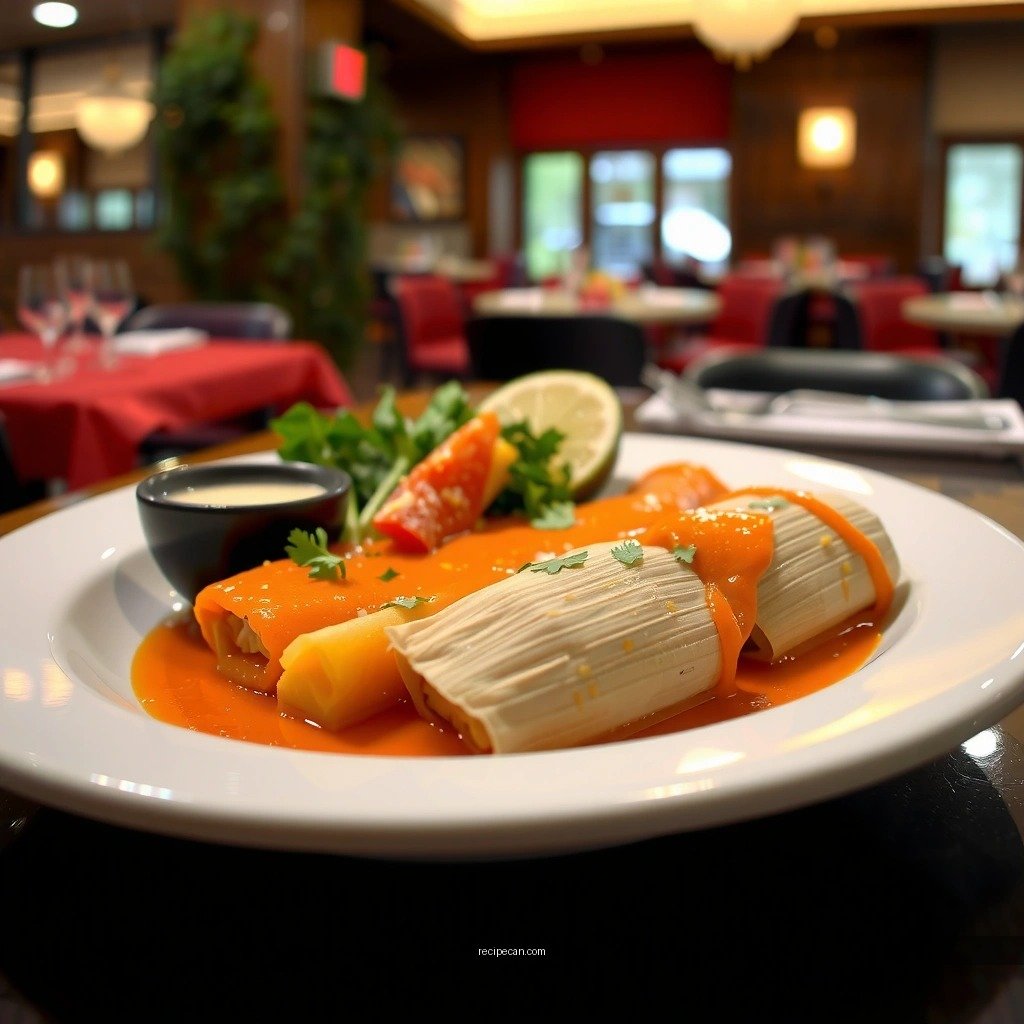
The filling is the difference between “decent” tamales and tamales that taste restaurant-worthy. For an easy, consistently shred-ready chicken recipe for tamales, choose a cut and build the seasoning base so the meat stays moist even after steaming.
– Use boneless skinless chicken thighs or breasts for easy shredding
– Chicken thighs are more forgiving: they stay tender and shred beautifully with less risk of dryness.
– Chicken breasts cook quickly and are lean; they work well if you don’t overcook. If you prefer breasts, simmer just until fully cooked and still juicy, then avoid long, aggressive reductions.
– Season with garlic, onion, cumin, chili powder, and salt
Start with a classic, tamale-friendly profile:
– Aromatics: minced garlic and finely diced or grated onion (for sweetness and depth)
– Warm spice: cumin
– Chili flavor: chili powder (and optionally a pinch of chipotle for smokiness)
– Salt: use it in layers (initial seasoning during simmer + a final check before assembly)
Pro tip for juiciness: Don’t rely only on dry spices. Build moisture into the cooking process with broth or tomato-based liquid, and keep the simmer gentle.
Decision check: Are you aiming for mild or bold chicken tamales? Use chili powder as the dial—start moderate, then adjust in the final taste test once the chicken is shredded.
Chicken Cut Comparison for Tamale Filling (Best-Use Guidance)
| # | Chicken Cut | Cook Time (Simmer) | Shred Ease | Risk of Dryness | Fill-Flavor Uptake |
|---|---|---|---|---|---|
| 1 | Chicken thighs (boneless, skinless) | 20–28 min | ★ ★ ★ ★ ★ | Low | High |
| 2 | Chicken breasts (boneless, skinless) | 15–22 min | ★ ★ ★ ★ ☆ | Medium | Medium-High |
| 3 | Combination (half thighs/half breasts) | 18–25 min | ★ ★ ★ ★ ★ | Low-Medium | High |
| 4 | Shredded rotisserie chicken (quick option) | 5–10 min (finish) | ★ ★ ★ ★ ☆ | Medium | Medium |
| 5 | Chicken tenders | 10–16 min | ★ ★ ★ ★ ★ | Medium | Medium |
| 6 | Prepared chicken stock + diced chicken | 22–32 min | ★ ★ ★ ★ ☆ | Low-Medium | High |
| 7 | Bone-in chicken (for richer broth) | 45–65 min | ★ ★ ★ ☆ ☆ | Very Low | High |
Cook the Chicken Filling
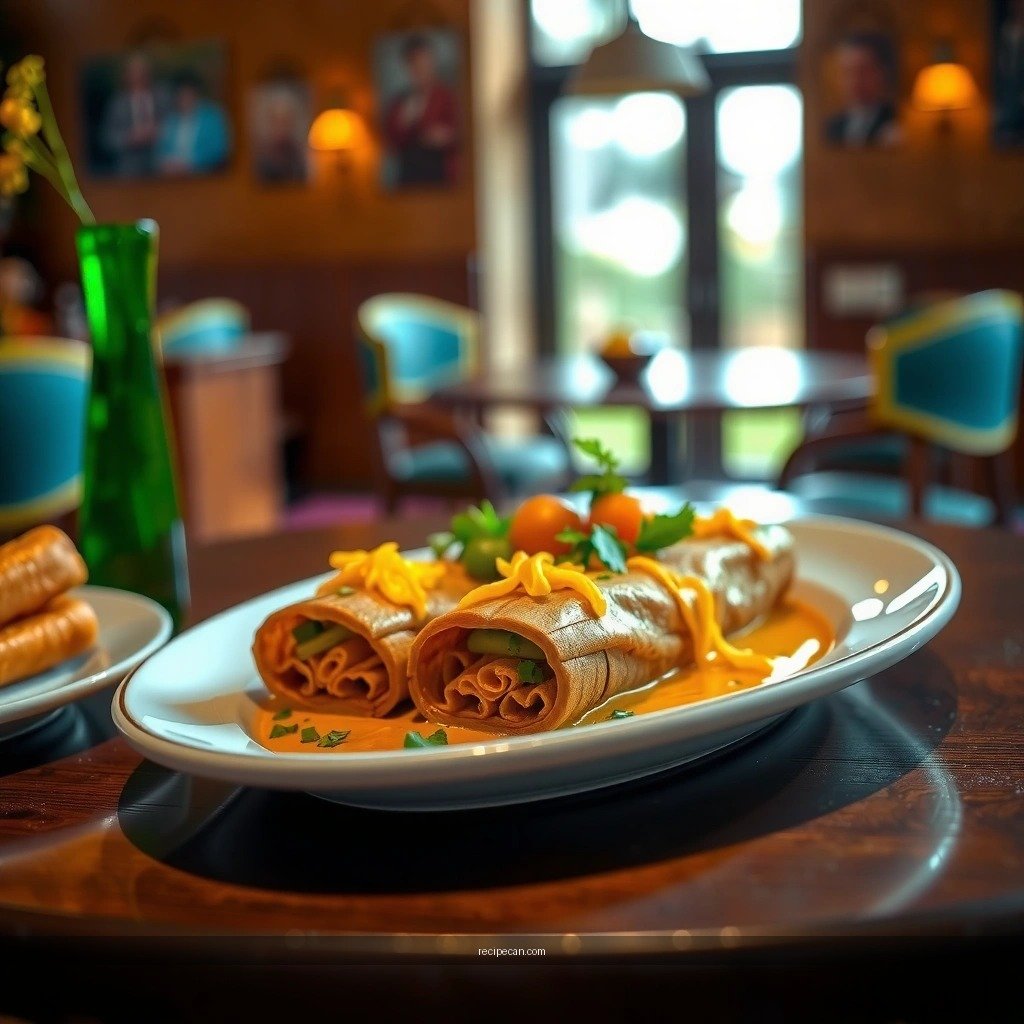
Once the chicken and seasoning are ready, the cooking step determines texture. You’re aiming for fully cooked, tender chicken that shreds easily without falling apart into dryness. For a reliable chicken recipe for tamales, use a gentle simmer and keep moisture in the pot.
– Simmer chicken until fully cooked and tender
Use a heavy pot or Dutch oven for even heat. Add chicken, onion, garlic, cumin, chili powder, and salt, then cover with enough broth or water to keep everything submerged.
– Target tenderness: the chicken should shred with minimal resistance.
– Heat setting: keep it at a steady simmer, not a hard boil, which can toughen meat.
– Add tomato sauce or broth for moisture and richer flavor
Tomato-based liquid does two things:
1. Adds body so the filling tastes integrated rather than “spiced chicken inside masa.”
2. Helps create a sauce that clings to the shredded chicken instead of pooling.
A practical method:
1. Simmer chicken with aromatics and spices.
2. Add tomato sauce (or a blend of broth and tomato) during the later part of cooking so the flavors meld without burning.
Quality note: If your tomato sauce is very acidic, add a small pinch of sugar or balance with extra onion and broth. The goal is flavor roundness, not sharpness.
Shred and Finish the Filling
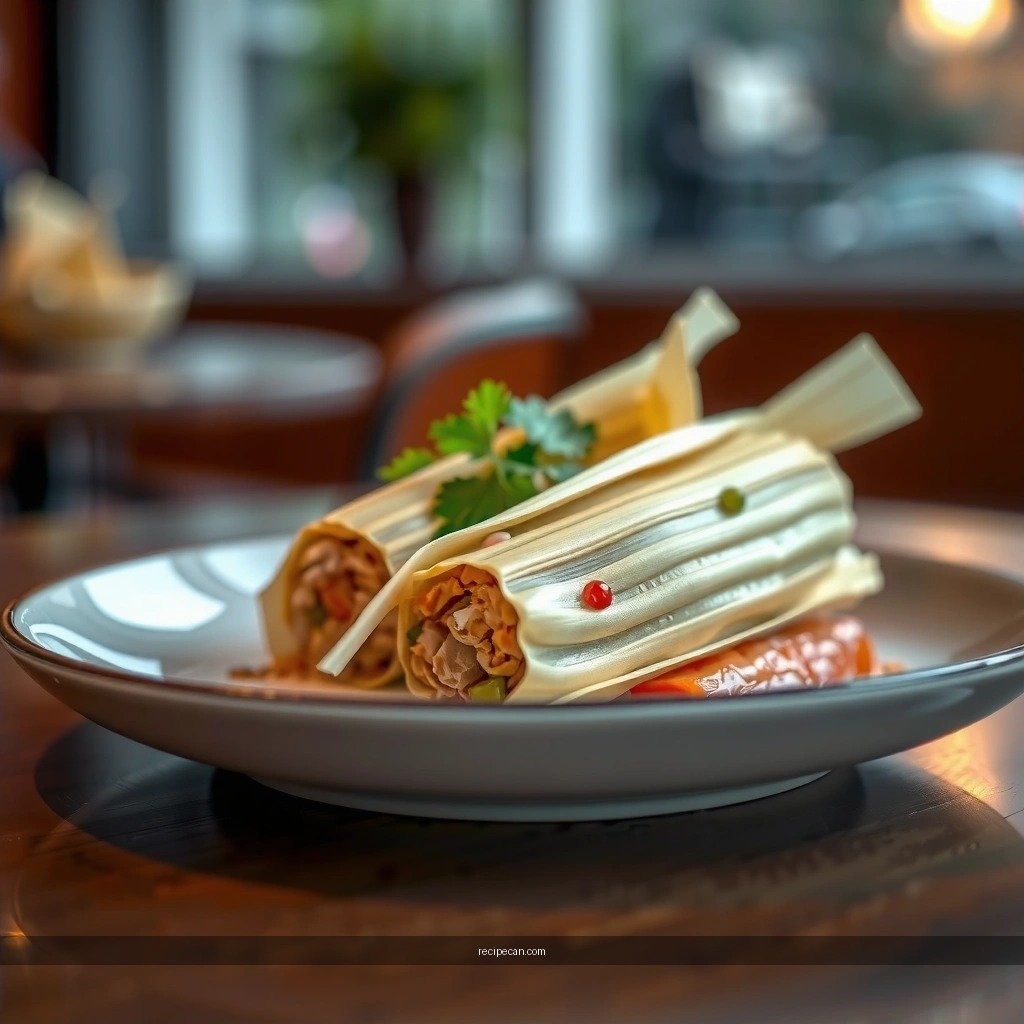
This is where many cooks either nail the filling or sabotage it. Shredding is easiest when the chicken is warm, but the flavor can still be refined—so treat shredding and finishing as two distinct steps.
– Shred while warm, then simmer briefly to thicken and deepen flavor
Shred the chicken using forks (or a hand mixer on low for speed—stop as soon as the texture looks right). Then return the shredded chicken to the pot and simmer uncovered for a few minutes. This short reduction:
– concentrates spices,
– thickens the liquid into a clingy sauce,
– prevents watery filling that can weaken tamales.
– Taste and adjust seasoning before assembling tamales
Your filling should taste a little bolder than you’d expect for standalone chicken, because masa will mellow flavors during steaming.
Adjustments you can make at the finishing stage:
– More salt if flavors taste flat
– More chili powder for heat and color
– More cumin for warmth and depth
– A splash of broth if it thickened too much
– A squeeze of lime (optional) for brightness right before assembling
Sanity check: Drag a spoon across the pot—if liquid quickly runs back like soup, simmer a bit longer. If it coats the spoon and looks cohesive, you’re ready to assemble.
Prepare the Masa for Tamales
Even excellent chicken filling can’t compensate for masa that’s too dry or too dense. Masa harina needs the correct liquid ratio and enough mixing to create a smooth, spreadable dough.
– Use masa harina and follow the correct liquid ratio
Most brands of masa harina perform best when you start with the brand’s recommended ratio, then adjust based on humidity and dough feel. Your aim: dough that spreads without cracking and holds its shape.
– Mix until smooth, then keep it covered to prevent drying
Mix thoroughly until the dough looks cohesive. Once mixed:
– cover the bowl with a damp towel or plastic wrap,
– stir occasionally so it stays workable.
Texture target: When you press the masa onto the husk, it should form a smooth layer that doesn’t tear. If it’s crumbly, add a small amount of warm liquid (a tablespoon at a time). If it’s overly sticky, you can add a bit more masa harina gradually.
Working approach for consistency: If you’re making tamales for a group, masa and filling should be staged so assembly happens steadily—masa dries quickly.
Assemble and Wrap Your Tamales
Assembly is the operational phase: speed matters, but consistency matters more. Each tamale should have a similar amount of masa and filling so they cook evenly.
– Spread masa on soaked corn husks and add chicken filling
Soak corn husks until pliable (typically 30 minutes to a few hours depending on thickness). Spread masa in an even layer, leaving space near the edges so you can seal.
– Add chicken filling in a line or small mound down the center.
– Avoid overfilling—excess can leak and prevent proper steaming.
– Fold and tie (or secure) consistently for even cooking
Choose a fold style you’re comfortable with (common options include folding into a rectangular shape with ties). Tie with kitchen twine or use strips of husk.
Even-cook principle: If your tamales vary in size, some will overcook while others remain soft. Standardize portions:
– Similar masa thickness
– Similar filling amount
– Similar wrapping tightness
Food safety note: Keep hands clean and avoid leaving raw or freshly assembled tamales at room temperature for long periods. Once assembled, move them into the steamer as efficiently as possible.
Steam Until Fully Cooked
Steaming transforms masa into tender, sliceable tamales and sets the filling. This is also where “done” is confirmed—by texture, not guessing.
– Steam until tamales lift easily from husks and are set through
Steam with a consistent simmer. Check periodically by doing a small test tamale. Fully cooked tamales typically:
– lift from the husk more easily,
– feel firm but tender when pressed gently,
– show no raw or sticky masa residue.
– Rest briefly after steaming for cleaner slicing and better texture
Let tamales rest for several minutes after steaming. This step helps moisture redistribute. Resting makes slicing cleaner and improves overall texture.
Timing guidance: Many home steam setups land around 60–90 minutes depending on tamale size, steamer capacity, and whether you’re working in batches. Start checking around the 60-minute mark and adjust.
Practical troubleshooting:
– Masa sticks to husk: likely understeamed—steam longer.
– Tamales tear when unwrapped: masa may be too dry or tamales need more resting before handling.
– Filling leaks: filling was too wet or tamales were overfilled—reduce liquid next time and portion more precisely.
Tamales turn out best when your chicken filling is well-seasoned, tender, and properly simmered before assembly. Follow these steps, test seasoning as you go, and steam until set—then serve warm with salsa, crema, or your favorite toppings.
Bottom line: For a foolproof chicken recipe for tamales, focus on three control points—moist, richly simmered filling; masa with the right consistency; and steaming until set—and you’ll get dependable, flavorful tamales every batch.
Frequently Asked Questions
What’s the best chicken recipe for tamales?
The best chicken recipe for tamales is one where the meat is cooked until tender and seasoned enough to flavor the masa without tasting bland. Try simmering shredded chicken with onions, garlic, chicken broth, cumin, chili powder, and a touch of tomato paste, then finish with chopped cilantro and lime juice. Use the cooking liquid to keep the chicken moist so it stays juicy inside your tamales.
How do you season chicken for tamales so it’s not dry?
Season chicken for tamales by cooking it in enough broth or water and letting it simmer until very tender, then shred it and toss it with a bit of the cooking liquid. Add aromatics like onion and garlic early for deep flavor, and use chili powder, cumin, and salt to build a well-balanced filling. If your filling seems dry after shredding, stir in 1–3 tablespoons of warm broth at a time until it’s moist and spreadable.
How do you make shredded chicken filling for tamales from scratch?
Start by simmering bone-in or boneless chicken in a pot with water or chicken broth, onion, garlic, and seasonings until the chicken pulls apart easily. Shred the chicken with two forks, then reduce the sauce slightly and mix the shredded chicken back in so it absorbs flavor. For extra tamale texture, add diced cooked peppers or a little shredded carrot only if it fits your preferred style. Taste and adjust salt, lime, and chili seasoning before assembling.
Which chili and spice blend works best with chicken tamale filling?
A popular chicken tamale spice blend includes mild to medium dried chiles (like guajillo or pasilla) or chili powder, plus cumin and garlic powder for a savory base. If you prefer red chile chicken tamales, blend rehydrated guajillo chiles with broth and strain for a smoother filling, then simmer with the shredded chicken. For a simpler “green or salsa verde” approach, use tomatillo salsa or green chile, then season with cumin, oregano, and salt to taste. The key is to match the chicken flavor to your masa seasoning and desired heat level.
Why do my chicken tamales taste bland, and how can I fix it?
Bland chicken tamales usually come from under-seasoned chicken, not enough chili flavor, or masa that isn’t balanced with salt and fat. To fix it, season the chicken filling with salt first, then add chili flavor (cumin, chili powder, or blended chiles) and a bright finish like lime or vinegar. If you already cooked the tamales, you can still improve flavor by serving with extra salsa and garnishes, but the best results come from properly seasoned chicken filling during assembly.
References
- Tamale
https://en.wikipedia.org/wiki/Tamale - Nixtamalization
https://en.wikipedia.org/wiki/Nixtamalization - https://www.britannica.com/topic/tamale
https://www.britannica.com/topic/tamale - https://pubmed.ncbi.nlm.nih.gov/?term=tamales
https://pubmed.ncbi.nlm.nih.gov/?term=tamales - https://pubmed.ncbi.nlm.nih.gov/?term=nixtamalization
https://pubmed.ncbi.nlm.nih.gov/?term=nixtamalization - https://sciencedirect.com/search?qs=tamales
https://sciencedirect.com/search?qs=tamales - https://sciencedirect.com/search?qs=tamales%20nixtamalization
https://sciencedirect.com/search?qs=tamales%20nixtamalization - Google Scholar Google Scholar
https://scholar.google.com/scholar?q=chicken+tamales+recipe - Google Scholar Google Scholar
https://scholar.google.com/scholar?q=tamales+chicken+filling+traditional+recipe - Google Scholar Google Scholar
https://scholar.google.com/scholar?q=nixtamalization+masa+tamales+food+science