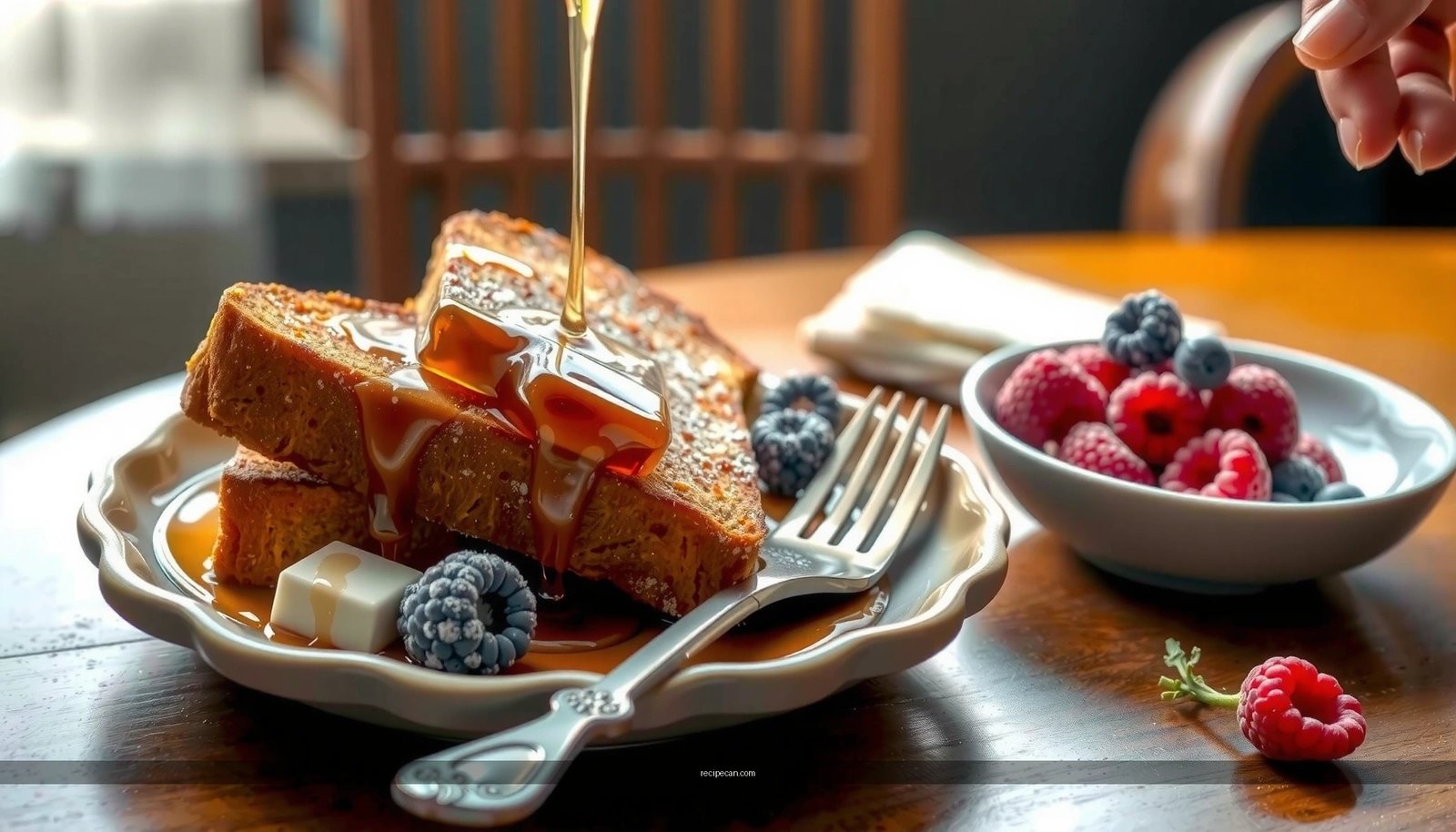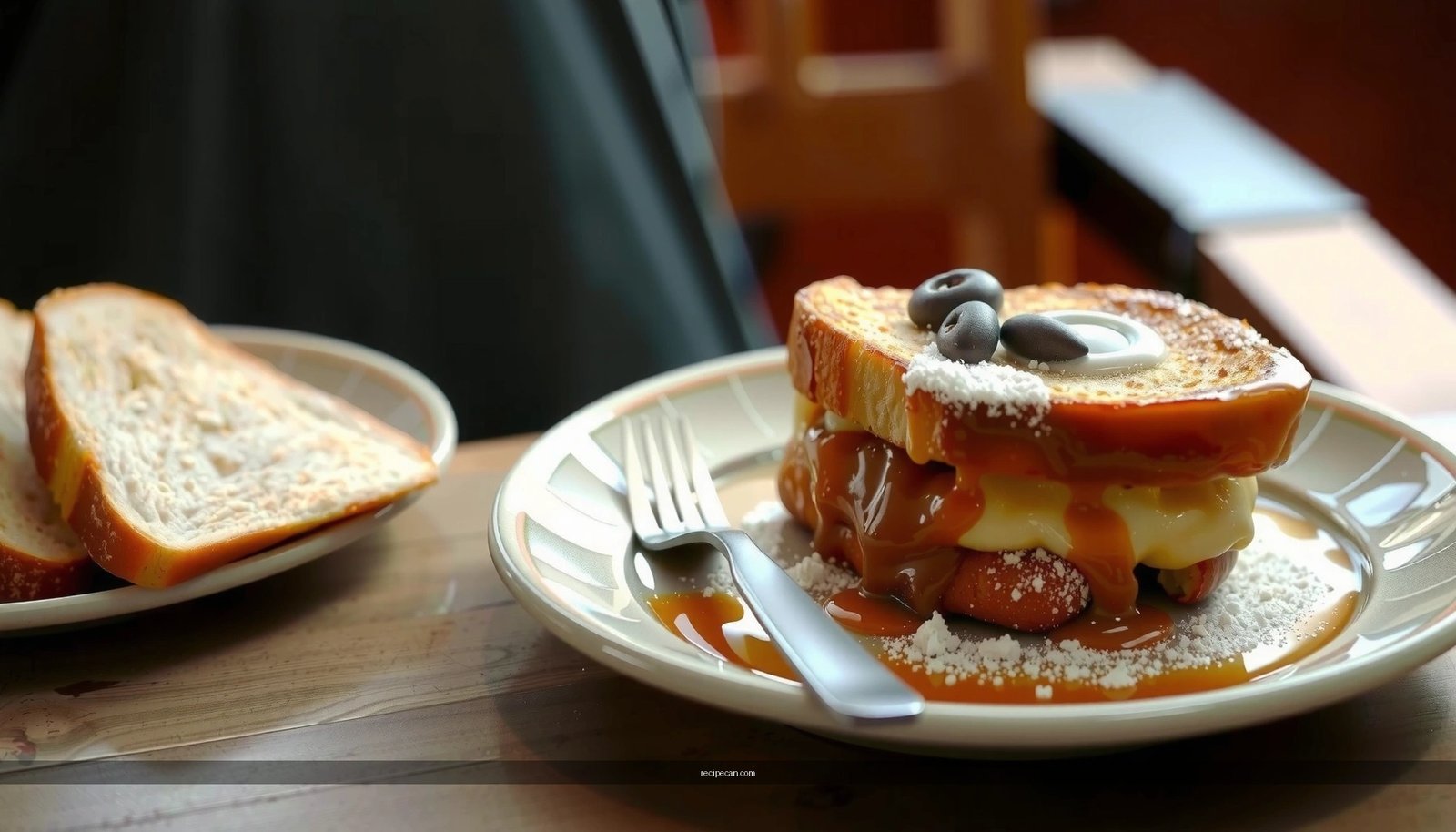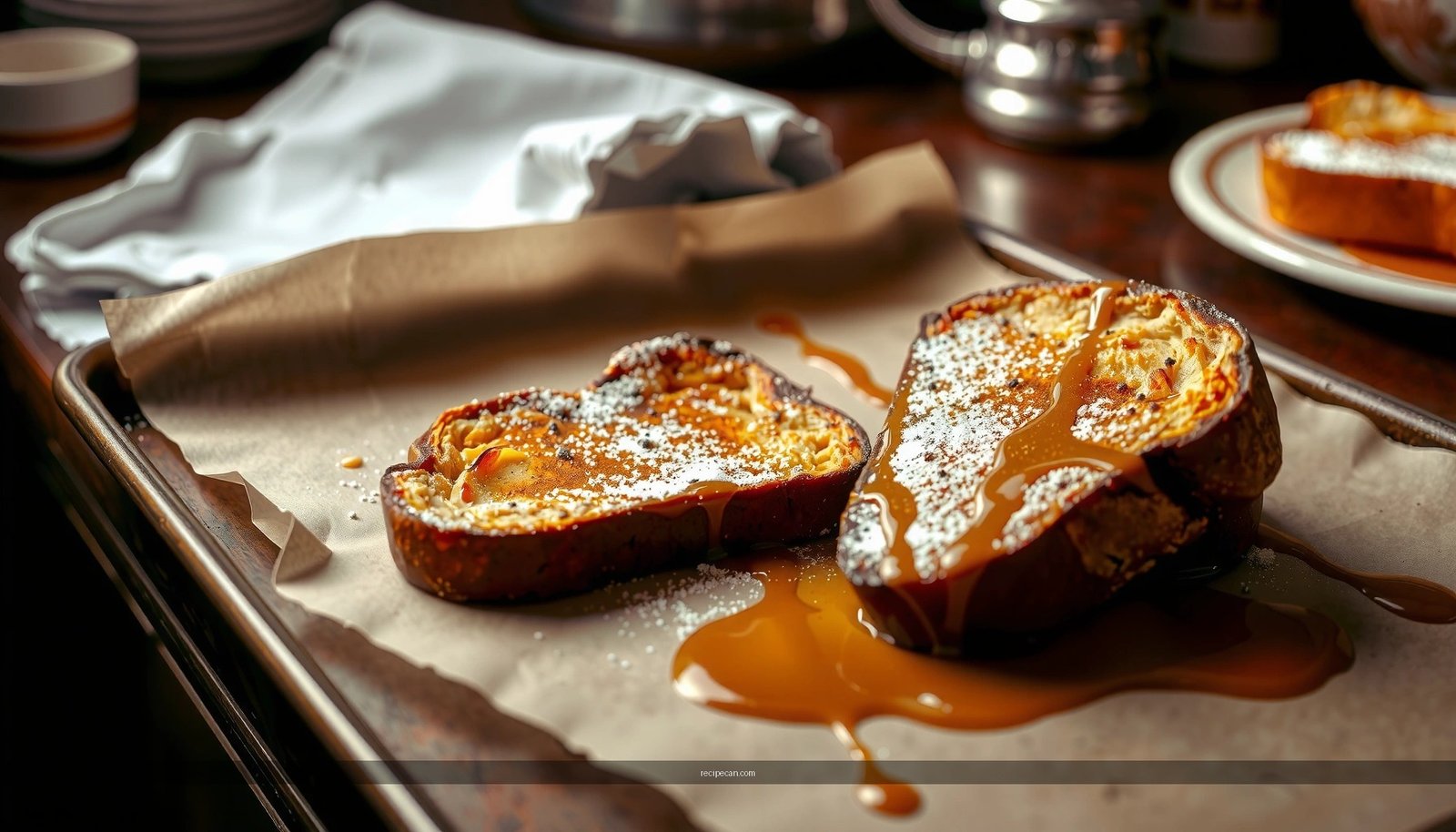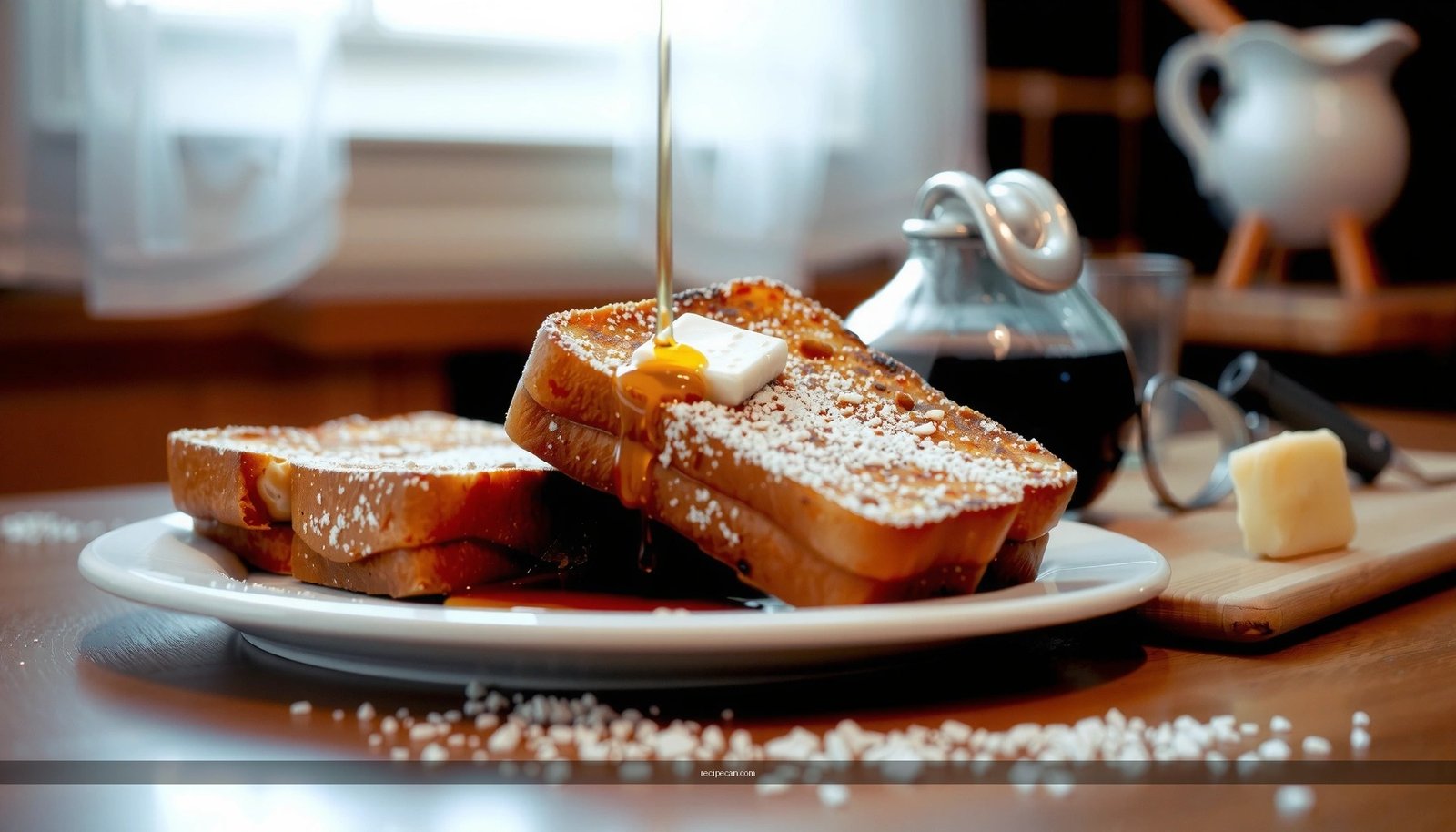
Want a French toast no milk recipe that still turns out golden, custardy, and flavorful? This quick-and-easy method delivers the best results when you use a simple egg-and-milk alternative so you get the same classic texture without dairy. In minutes, you’ll have restaurant-style slices ready for syrup, fruit, or powdered sugar.
French toast without milk is simple: use eggs plus a milk-free soak (water or plant-based milk) to create a custard-style batter, then cook until golden. This French toast no milk recipe shows the exact batter mix, a practical soaking strategy to avoid sogginess, and the best-cook method for crisp edges with a soft center.
Choose Your Milk Substitute
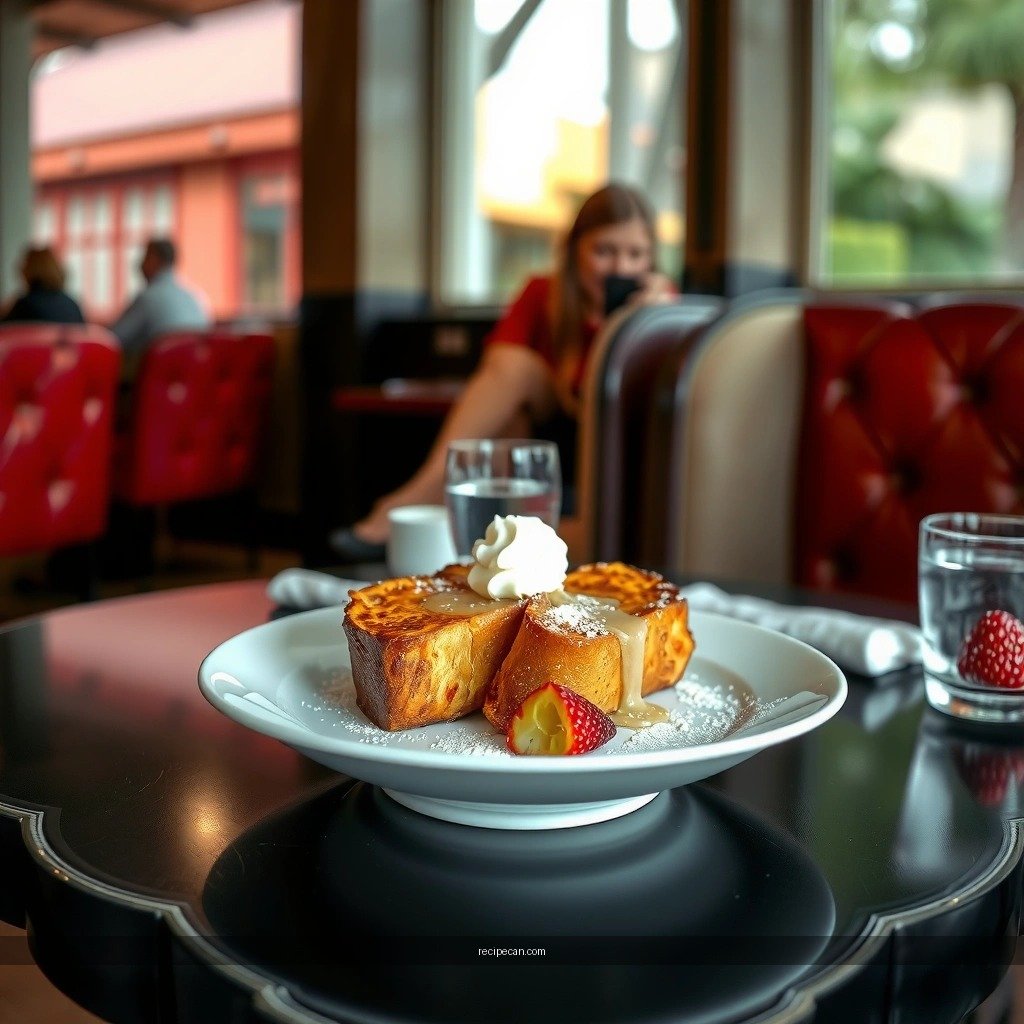
Selecting the right milk substitute determines whether your French toast without milk tastes neutral, becomes custardy, or turns watery. In classic recipes, dairy milk helps provide fat, water, and proteins that thicken when heated. When you remove milk, you rely on eggs (and sometimes added flavor) to do the heavy lifting—so choose a substitute that isn’t overly diluted.
– Use water, oat milk, almond milk, or coconut milk as a 1:1 replacement
– Water: Works well if you want a very light flavor. Because water has no fat, you may need to cook slightly longer to fully set the egg custard.
– Oat milk: Typically the best all-around option for “classic” texture because it’s usually thicker and creamier.
– Almond milk: Lighter than oat; ideal if you want a less rich toast. Look for “barista” or “unsweetened” versions for better results.
– Coconut milk: Adds a subtle richness and aroma. Use unsweetened if you’re adding sugar to prevent over-browning.
– Keep flavor balanced with a splash of vanilla or a pinch of salt
– Vanilla brightens egg-and-cinnamon notes, which can otherwise taste flat with water-based soaking.
– A small pinch of salt improves sweetness perception, meaning you can use less sugar without the toast tasting under-seasoned.
– Avoid very watery options if you want a thicker custard texture
– Thin substitutes can cause the bread to absorb liquid without enough thickening, leaving toast that’s soft but not set.
– If you only have a very thin milk, consider adding 1–2 teaspoons of cornstarch to the egg mixture and whisk well, then rest 2 minutes before dipping.
Milk Substitutes for No-Milk French Toast: Texture & Cooking Impact
| # | Substitute | Soak Absorption | Best Heat Time* (per side) | Taste Profile | Outcome Score |
|---|---|---|---|---|---|
| 1 | Oat Milk | Moderate | 2–3 min | Creamy & balanced | ★★★☆ |
| 2 | Almond Milk (barista-style) | Moderate-Low | 3–4 min | Light & nutty | ★★★ |
| 3 | Almond Milk (regular) | High | 4–5 min | Crisp with lighter custard | ★★★ |
| 4 | Coconut Milk (carton) | Moderate | 2–3 min | Rich & aromatic | ★★★★ |
| 5 | Water | High | 4–6 min | Neutral; egg-forward | ★★☆ |
| 6 | Broth (vegetable) | Moderate | 3–4 min | Savory French toast | ★★☆ |
| 7 | Soy Milk (unsweetened) | Moderate-Low | 3–4 min | Custardy & classic | ★★★★ |
Ingredients You’ll Need
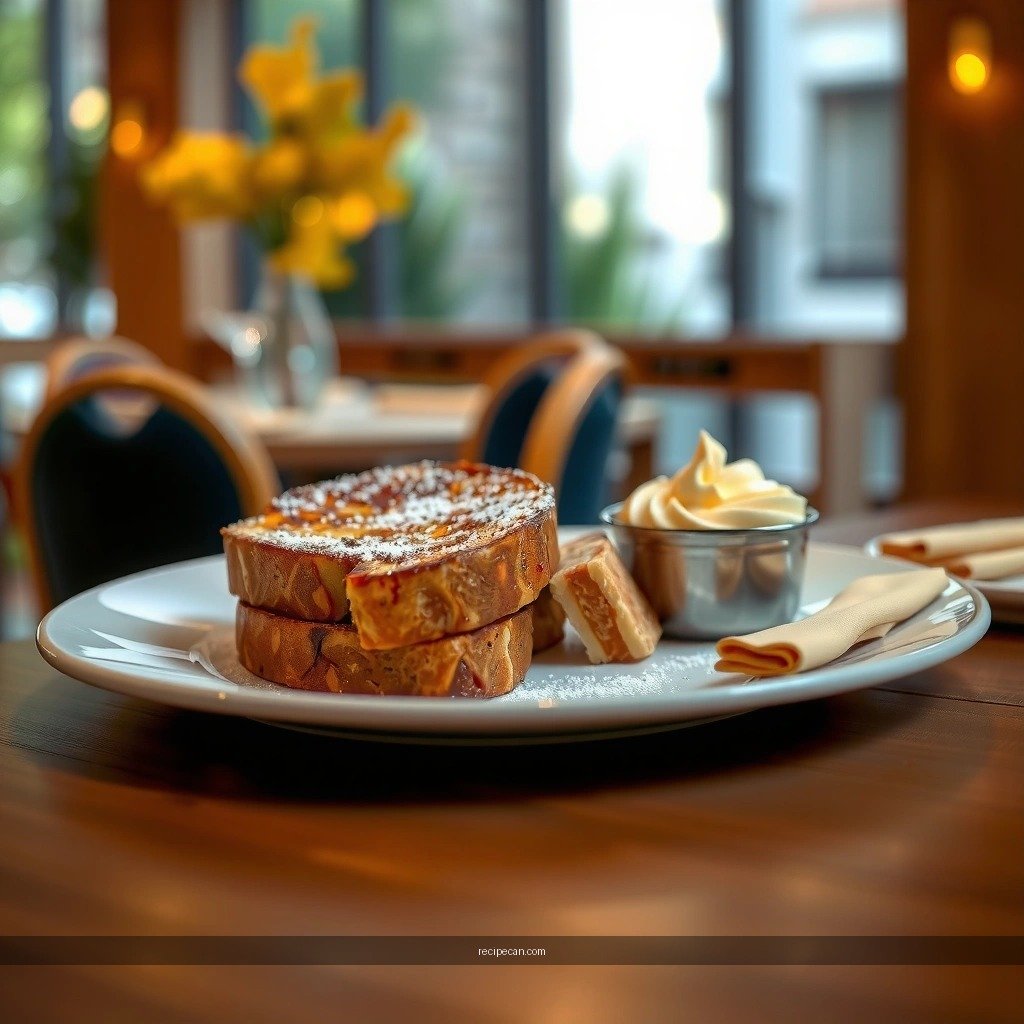
A reliable French toast no milk recipe is less about dairy and more about structure: eggs provide the setting network, while bread selection controls absorption. Gather ingredients before you start so cooking can happen immediately after dipping—this helps prevent gummy centers.
– Bread: sturdy slices like brioche, challah, Texas toast, or thick-cut white bread
– Eggs: typically 2 large eggs per 4 slices
– Cinnamon: ground cinnamon for classic warm spice
– Sugar (optional): small amount for browning and caramel notes
– Vanilla: 1–2 teaspoons for rounded flavor
Milk-free wet ingredients:
– Milk substitute (or water): use 1:1 with the amount your recipe would use for milk (for example, 1/2 cup substitute for 2 eggs)
– Butter or oil for cooking: butter adds flavor; neutral oil helps prevent burning
Optional toppings (choose based on your flavor goal):– Powdered sugar
– Maple syrup
– Fresh fruit (berries, banana slices, peaches)
– Yogurt (Greek or dairy-free)
– Nut butter (peanut or almond) if you want a richer breakfast plate
Mix the No-Milk Batter
The “batter” is where you control texture. Because you’re skipping milk, whisking smooth eggs with your substitute—and keeping sweetener modest—directly affects whether your French toast without milk sets properly.
– Whisk eggs with your milk substitute until smooth
– Use a bowl large enough to dip bread comfortably.
– Whisk thoroughly (about 30–45 seconds) so there are no egg streaks; uneven mixing can create pale or rubbery spots.
– Add cinnamon and vanilla for classic French toast flavor
– Start with 1/2 to 1 teaspoon cinnamon per 2 eggs.
– Add 1 teaspoon vanilla (or 2 teaspoons if you prefer a stronger aroma).
– Let sugar stay modest so it doesn’t burn too fast in the pan
– Too much sugar causes early caramelization on the outside while the center is still cooking.
– A practical baseline is 1–2 tablespoons sugar for 4 slices, or omit sugar entirely if your toppings are already sweet.
Pro workflow:
1. Mix wet ingredients first (eggs + substitute + vanilla + salt).
2. Add cinnamon and sugar last.
3. Rest the bowl 1 minute so the starches and flavors settle (especially helpful with oat milk and soy milk).
Soak and Prep the Bread
Bread choice and soak timing are the two biggest determinants of success for French toast without milk. Eggs thicken as they cook, but if the bread is over-saturated, it can break down or turn gummy in the middle.
– Use day-old bread for best absorption and less sogginess
– Slight staling creates tiny dry pockets that drink the egg mixture and then set during cooking.
– Fresh bread can absorb too fast and collapse.
– Dip quickly (or soak briefly) so the bread doesn’t fall apart
– For thick slices: dip 10–20 seconds per side.
– For thinner slices: aim for 5–10 seconds per side.
– If you want extra insurance, dip, lift, and let excess batter drip back into the bowl for a few seconds.
– Preheat the pan so the bread cooks right after soaking
– If the bread sits before it hits the pan, the batter spreads and can thin out.
– Use medium heat to give the eggs time to set without burning cinnamon sugar.
Operational tip: If your kitchen runs hot or your pan browns quickly, reduce heat slightly after the first batch and let the toast finish gradually. Crisp edges are a temperature management outcome, not a speed outcome.
Cook Until Golden
Cooking method is where your French toast no milk recipe becomes “restaurant-like.” You’re aiming for a browned crust (from egg browning and any sugar caramelization) while keeping the interior tender and custardy.
– Cook on medium heat, turning once, until both sides are browned
– Place slices in a preheated skillet (cast iron or nonstick works well).
– Cook until the first side is deep golden, then flip once to avoid tearing.
– Typical timing: 3–5 minutes per side depending on bread thickness and your milk substitute.
– Use butter for richer flavor or a neutral oil for lighter toast
– Butter browns quickly; if using butter, watch for rapid darkening.
– Oil can help you maintain consistent browning without flavor loss—then finish with a butter drizzle on top if desired.
– If browning too quickly, lower heat and cook a little longer
– Early browning is usually a heat issue or an overly sweet batter.
– Lower the heat and give the interior time to set; you’ll trade speed for texture.
Quality checks:
– Center set, not wet: press lightly on the center—there should be spring, not liquid.
– Edges crisp: the outside should feel slightly firm; if it’s soft all over, reduce soak time next batch.
– Uniform color: blot any excess batter on the bread’s surface before cooking if you see pooling.
Serving Ideas and Storage Tips
French toast without milk is at its best immediately, because the crust stays crisp and the center retains custard softness. Still, you can store and reheat effectively with a few process changes.
Serving ideas:
– Serve immediately with maple syrup, berries, or yogurt
– Maple syrup pairs well with cinnamon and vanilla, while berries add acidity to cut sweetness.
– Try a savory twist if you used broth
– Add a fried egg on top or finish with chives and a drizzle of olive oil or hot sauce.
Storage tips:
– Keep warm in a low oven (about 200°F / 95°C) while finishing batches
– Put cooked slices on a wire rack (not a plate) so steam doesn’t soften the crust.
– Store leftovers in an airtight container and reheat in a skillet or toaster
– Reheating method matters: a skillet or toaster helps re-crisp the outside.
– Avoid microwaving if you want to preserve crunch—microwaves soften toast by reintroducing moisture.
No-Milk French Toast Decision Matrix (Quick Troubleshooting)
| # | What You Notice | Likely Cause | Fix for Next Batch |
|---|---|---|---|
| 1 | Outside is dark, inside is pale | Heat too high | Lower heat 10–20% and cook longer |
| 2 | Soft, not custardy | Under-cooked egg set | Add 1–2 minutes per side |
| 3 | Gummy center | Over-soaked bread | Cut soak time; dip 10–20 sec/side max |
| 4 | Tears when flipping | Too thin bread or too much batter pooling | Use thicker bread and drip excess batter |
| 5 | Bland flavor | Low seasoning | Add salt pinch + increase cinnamon slightly |
| 6 | Batter won’t cling | Pan not hot enough | Preheat pan; butter/oil should shimmer |
| 7 | Burns before cooked through | Too much sugar or high heat | Reduce sugar; lower heat 10–20% |
| 8 | Uneven browning | Crowded pan or inconsistent contact | Cook in batches; ensure full skillet contact |
| 9 | Dry toast | Too little soak or too high heat | Soak slightly longer; lower heat |
| 10 | Egg taste is too strong | Water-heavy soak | Switch to oat/soy milk or add more vanilla |
French toast no milk turns out great when you match the right substitute and don’t over-soak the bread. Try this recipe once, adjust sweetness and cinnamon to your taste, and serve it hot with your favorite toppings—then save leftovers for an easy next-day breakfast.
Frequently Asked Questions
How do you make French toast without milk?
Whisk eggs with a splash of water or dairy-free milk alternative, then add vanilla and cinnamon. For structure, use enough liquid to coat the bread without making it soggy. Soak thicker slices briefly, then cook on a buttered skillet until golden brown on both sides, finishing with maple syrup or powdered sugar.
What’s the best substitute for milk in a French toast batter?
The easiest swap is water mixed with a little creaminess from yogurt (or non-dairy yogurt) if you want a richer result. You can also use almond milk, oat milk, or coconut milk for a dairy-free French toast with a slightly different flavor. If you need a no-milk option, water works well when paired with eggs for custard-style texture.
Why does my French toast come out soggy when there’s no milk?
Sogginess usually happens when the bread soaks too long or when the batter is too thin. Use day-old bread or brioche-like slices that can absorb custard without falling apart, and keep the soak to just a few seconds per side. Cook on medium heat and let the surface set before flipping so the French toast no milk recipe browns properly.
How long should you soak bread for French toast without milk?
Aim for a quick dip: about 5–15 seconds per side for thick bread, or slightly longer for stale bread that absorbs easily. The goal is to coat the bread thoroughly for flavor, not to fully saturate it. If your French toast no milk recipe still feels wet, reduce the soak time and use thicker slices.
Which bread works best for French toast with no milk?
Brioche, challah, and thick-sliced sourdough are top choices because they hold custard well and toast up crisp. If you’re using sandwich bread, toast it lightly first so it doesn’t turn gummy. Day-old bread is especially helpful for a no-milk French toast recipe because it absorbs the egg mixture without becoming soggy.
References
- French toast
https://en.wikipedia.org/wiki/French_toast - Custard
https://en.wikipedia.org/wiki/Custard - Bread
https://en.wikipedia.org/wiki/Bread - https://www.britannica.com/food/French-toast
https://www.britannica.com/food/French-toast - https://www.theguardian.com/food/2023/apr/14/best-french-toast-recipe
https://www.theguardian.com/food/2023/apr/14/best-french-toast-recipe - https://cooking.nytimes.com/recipes/1017459-french-toast
https://cooking.nytimes.com/recipes/1017459-french-toast - Google Scholar Google Scholar
https://scholar.google.com/scholar?q=french+toast+egg+batter+without+milk+recipe - Google Scholar Google Scholar
https://scholar.google.com/scholar?q=dairy+free+french+toast+recipe+eggs+bread+soak - Google Scholar Google Scholar
https://scholar.google.com/scholar?q=french+toast+cooking+science+eggs+bread+soaking+milk+substitute - Google Scholar Google Scholar
https://scholar.google.com/scholar?q=french+toast+no+milk+recipe