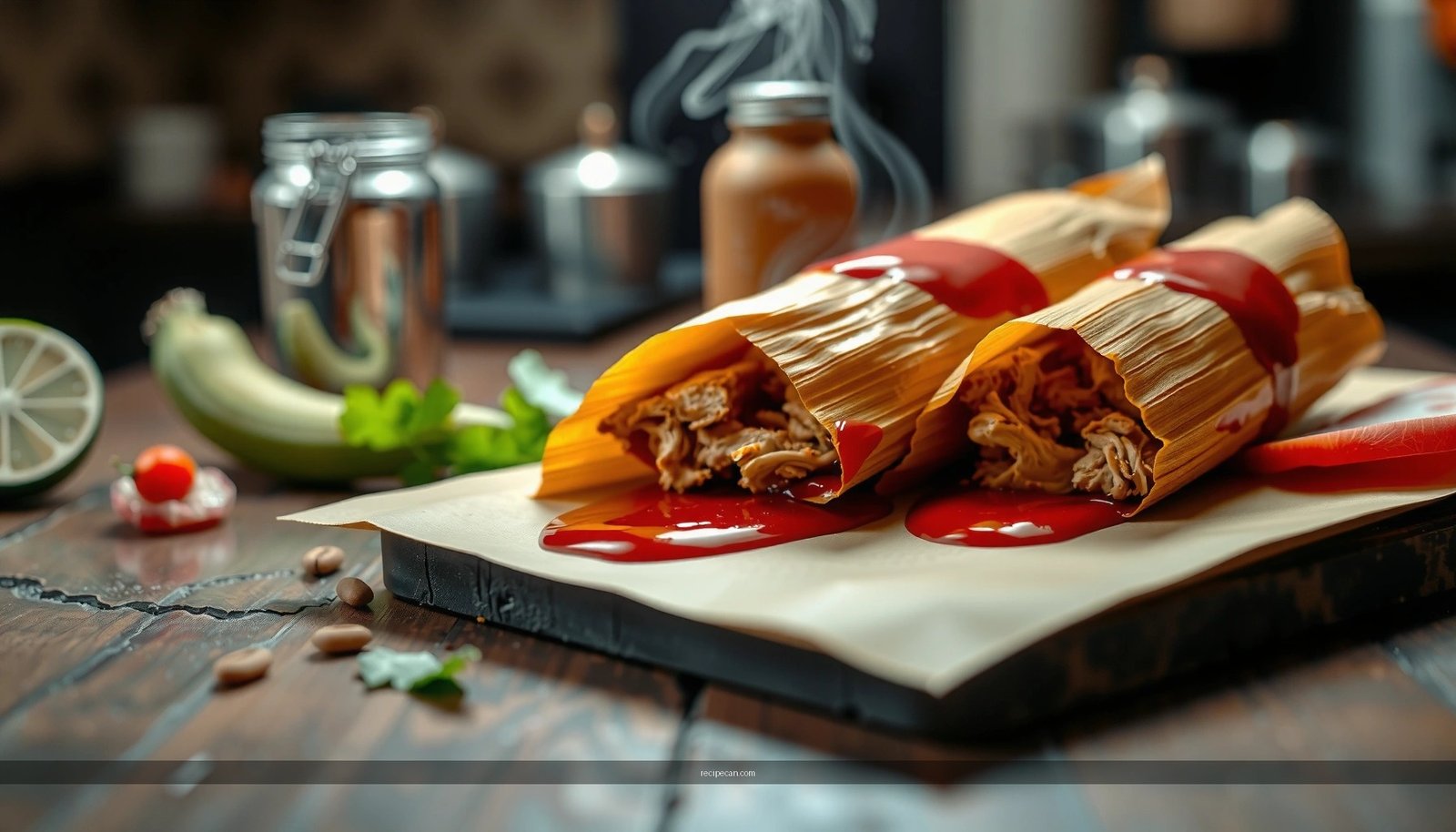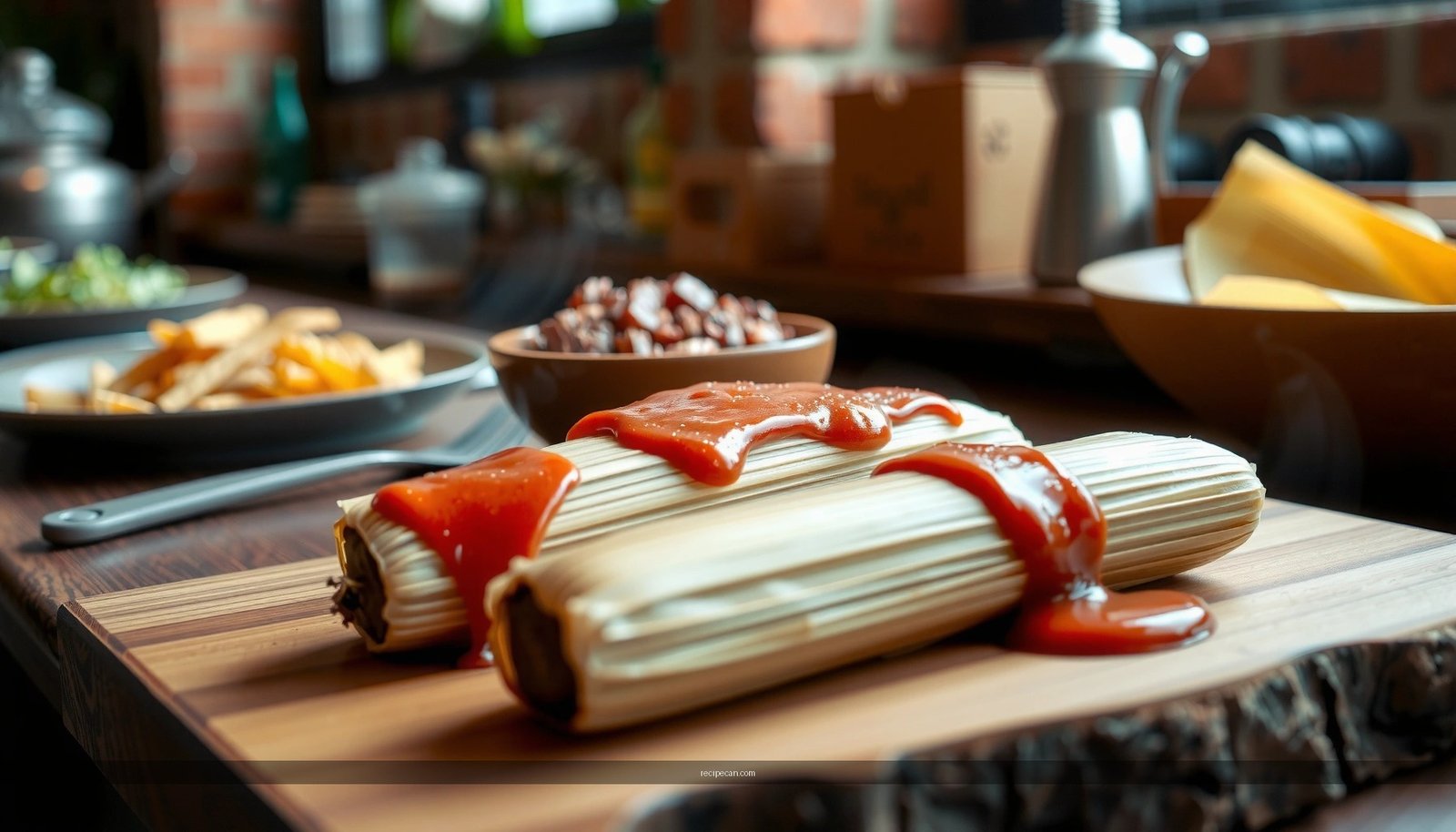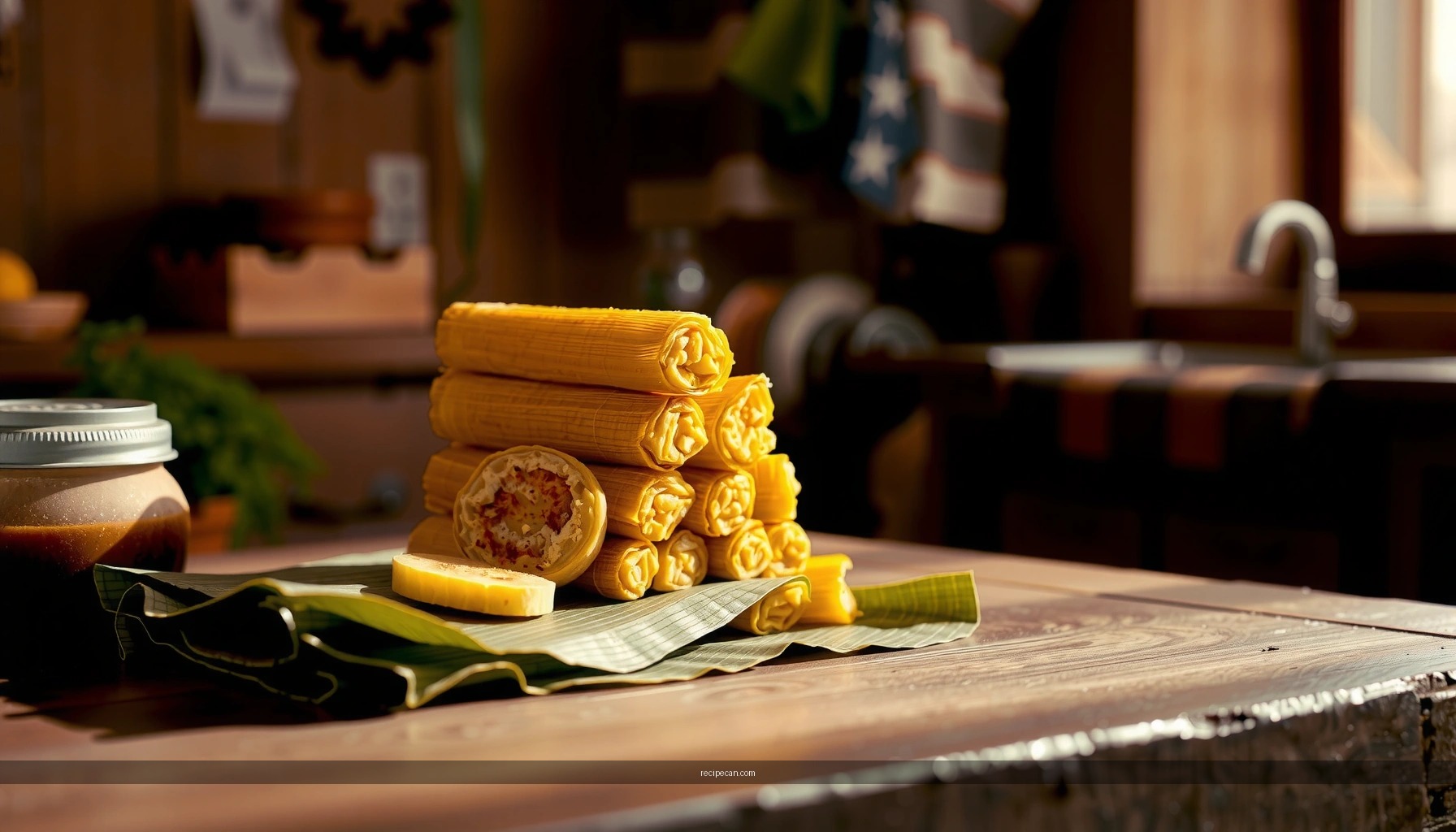
Get the Maseca tamales recipe with a proven step-by-step method that delivers tender masa and no soggy wrappers. This guide answers the one question that matters: how to make perfect tamales from Maseca—every batch—using clear prep, steaming, and timing cues. If you follow the process closely, you’ll get tamales that hold their shape, taste authentic, and are ready to serve.
Maseca tamales are easy to make when you nail the masa consistency, prep the husks correctly, and steam until the tamales pull cleanly from the corn husk. Follow this step-by-step method for mixing Maseca masa harina, assembling evenly, and timing the steam so your tamales come out soft, tender, and full of flavor.
Ingredients for Maseca Tamales
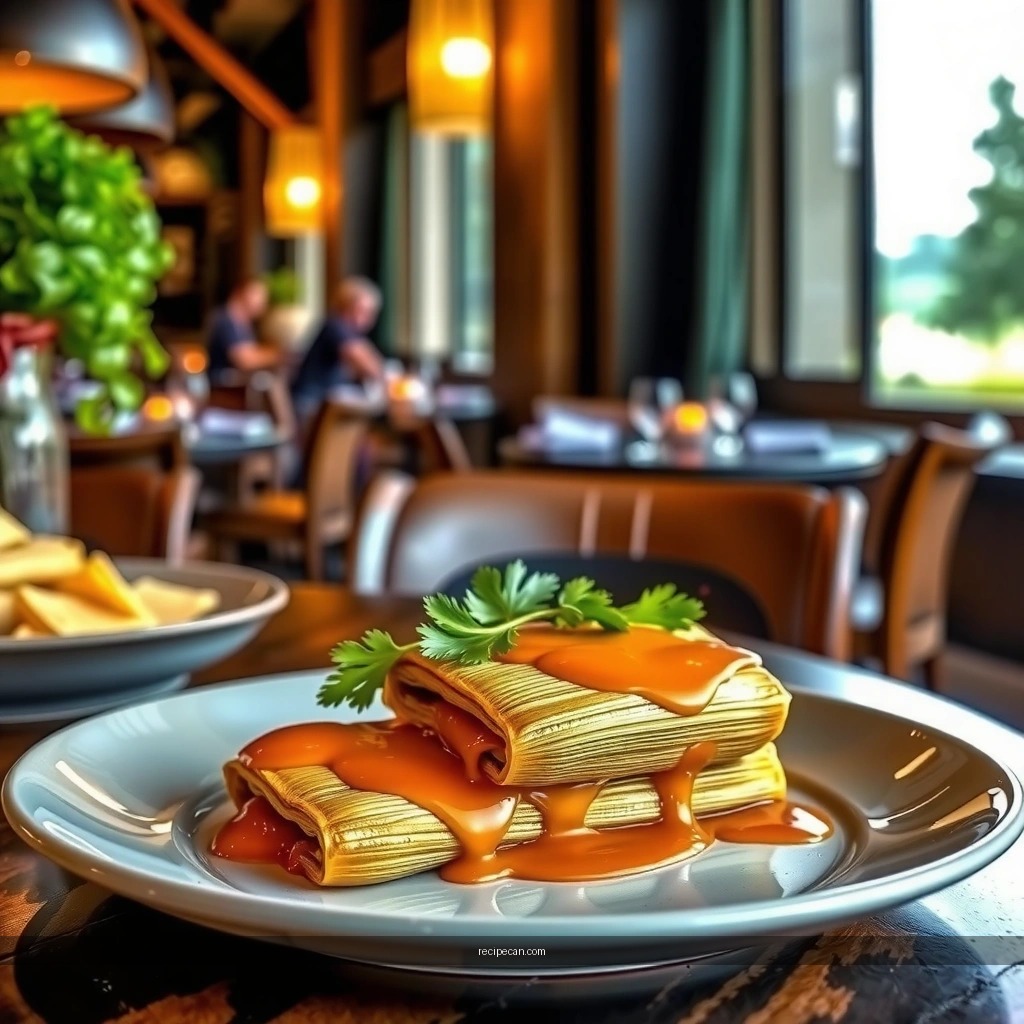
– Gather Maseca masa harina, lard (or shortening), broth, baking powder, and salt
– Choose a filling (like chicken, pork, or beans) and season it well
To make truly consistent Maseca tamales, treat the ingredients like a system: masa provides structure, fat provides tenderness, broth provides flavor and hydration, and baking powder gives a light set. For the best results, use mildly flavored broth (chicken or pork) so it supports—rather than competes with—your filling.
Suggested base quantities (for about 25–30 tamales, depending on size):
– 3 cups Maseca masa harina
– 1 to 1¼ cups lard (or vegetable shortening; lard often delivers richer flavor)
– 3 to 3½ cups warm broth (chicken or pork), adjusted as needed
– 1½ tsp baking powder
– 1½ tsp salt (or to taste)
Filling options (choose one):
– Chicken tinga-style: shredded chicken with onion, garlic, tomato, and chili seasoning
– Pork in red or green sauce: slow-cooked pork with chiles and aromatics
– Beans with salsa verde or mole-style sauce: seasoned refried-style beans or whole beans with sauce
Seasoning principle: your filling should taste a bit more flavorful than you’d expect from the final tamale—because masa is neutral and will soften intense flavors during steaming.
Tamale Batch Planning for Maseca (Typical Yield & Time)
| # | Masa Harina (cups) | Estimated Tamales | Steam Time (typical) | Outcome Signal |
|---|---|---|---|---|
| 1 | 2 | 18–22 | 60–75 min | Pulls clean; masa set |
| 2 | 2.5 | 22–26 | 70–90 min | Slices clean; no wet spots |
| 3 | 3 | 25–30 | 80–105 min | Pulls clean; springy texture |
| 4 | 3.5 | 30–36 | 95–120 min | Even set across batches |
| 5 | 4 | 34–42 | 105–135 min | Warmed through, not mushy |
| 6 | 1.5 | 14–17 | 50–65 min | Fast set; reduce over-steam |
| 7 | 3 (thicker tamales) | 22–28 | 100–130 min | Test one; adjust for thickness |
Prepare Corn Husks
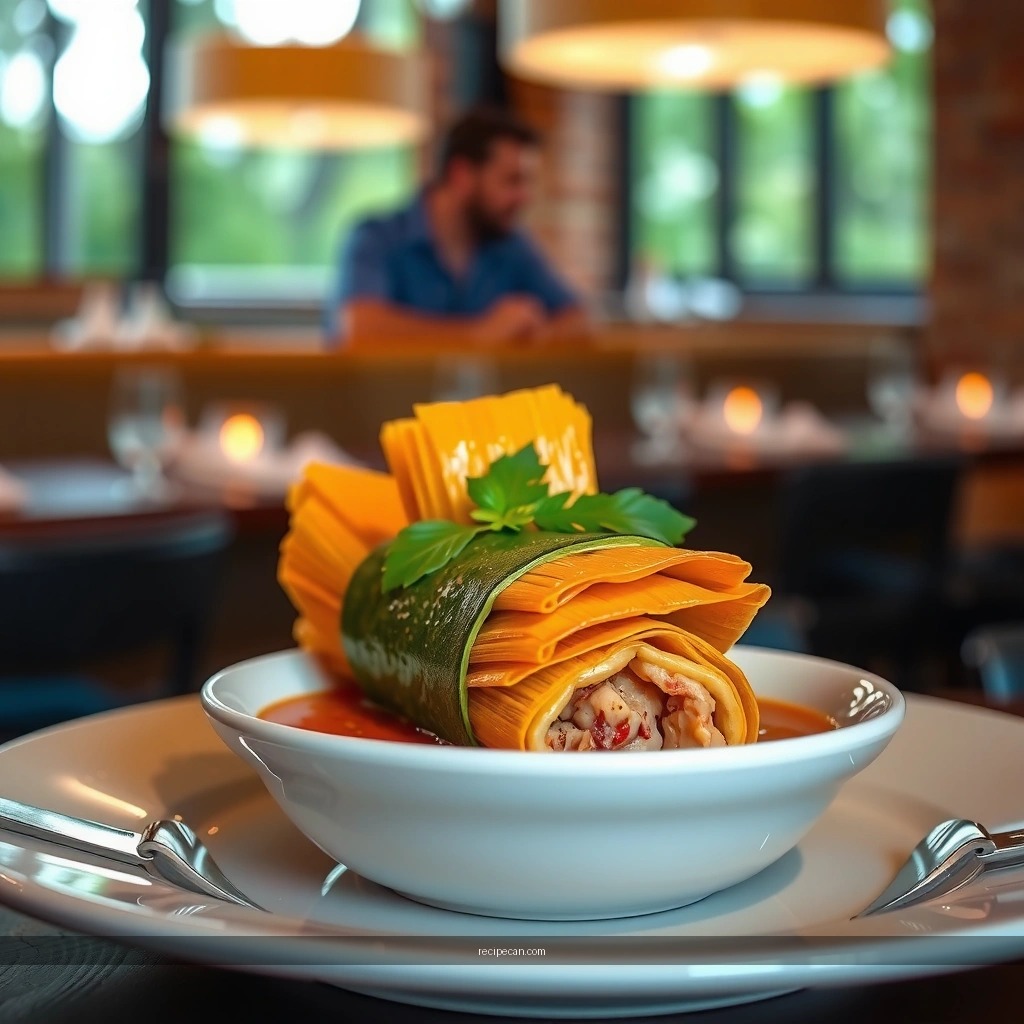
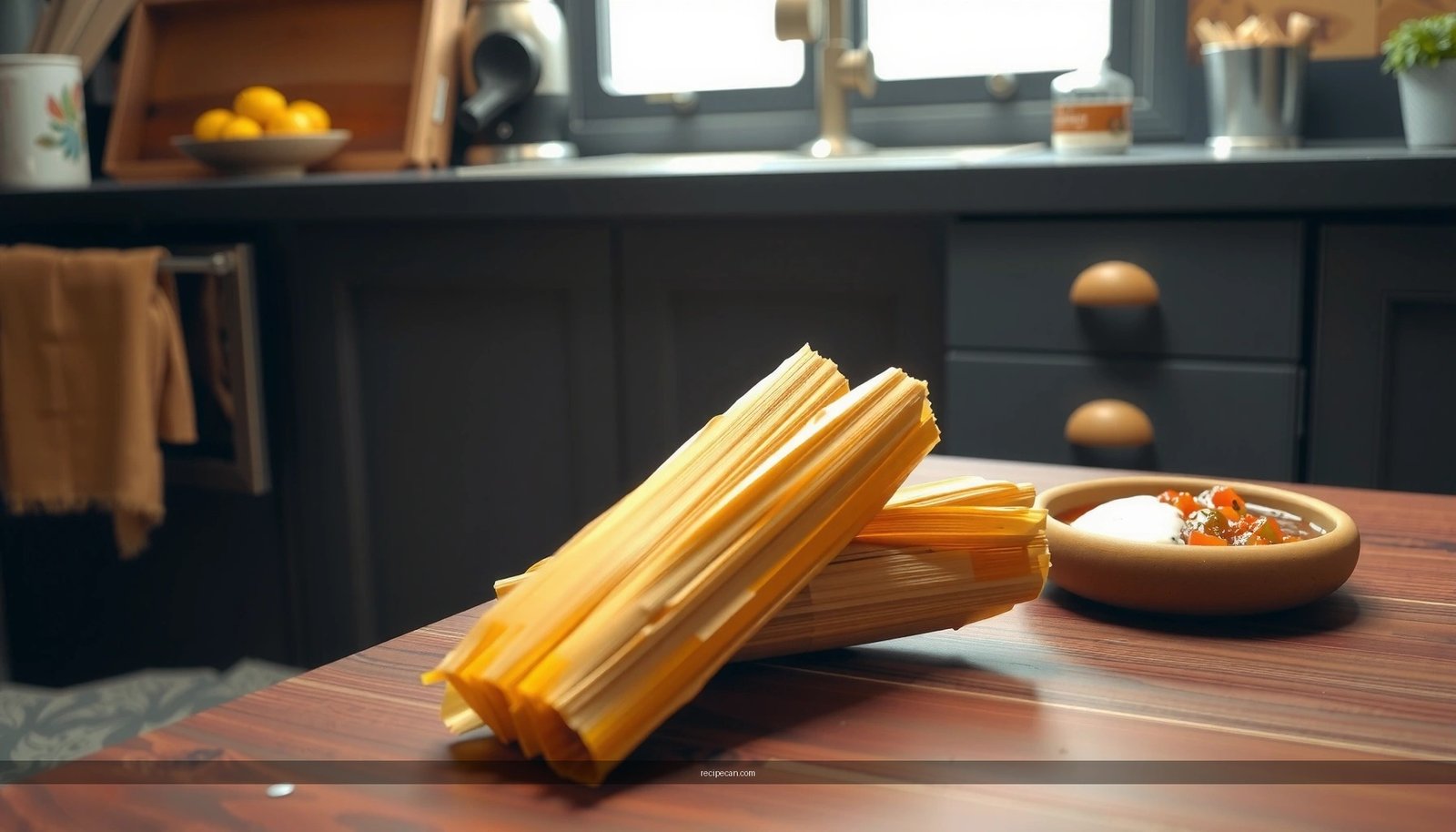
– Soak corn husks until pliable and easy to work with
– Pat dry lightly so they don’t tear during assembly
Corn husks are often the hidden variable in a good tamale. If they’re too dry, they crack; if they’re too wet, they can introduce excess moisture and slow the set.
Steps:
1. Sort and inspect husks. Remove torn pieces and set aside small ones for patching if needed.
2. Soak in warm water for 30–60 minutes (or until flexible). If husks are very dry, soak closer to 2 hours.
3. Check bend quality: a husk should fold without cracking.
4. Drain and pat dry with a clean towel. The husk should feel damp, not dripping.
Assembly-friendly tip: keep a towel over husks while you work—this prevents the edges from drying out mid-session.
Make the Maseca Tamales Masa
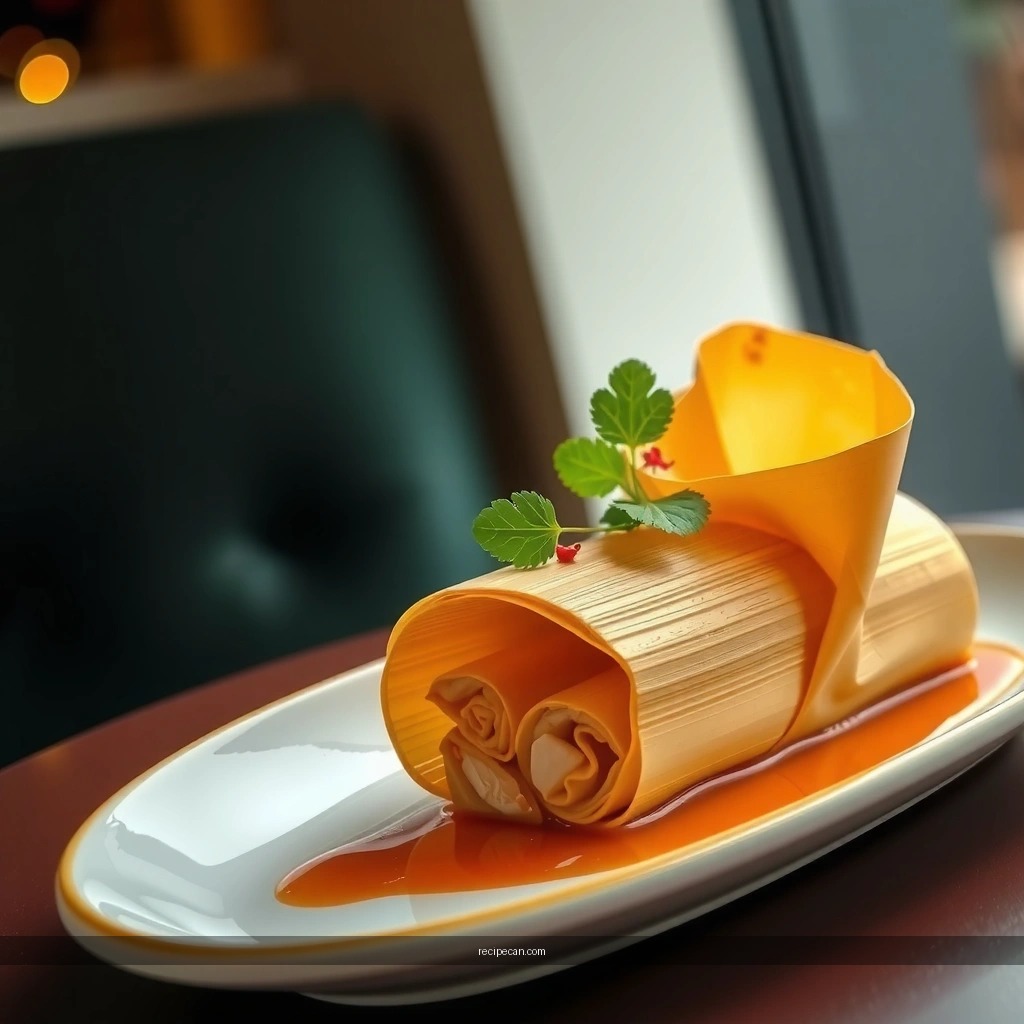
– Mix masa harina with lard and seasonings for a smooth, spreadable texture
– Add broth gradually to reach the right consistency for spreading
This is the heart of a maseca tamales recipe: masa consistency. You’re aiming for spreadable dough that holds its shape without becoming stiff or sticky.
1) Mix fats and dry ingredients
– In a large bowl, combine masa harina, salt, and baking powder.
– Add softened lard or shortening and mix until it looks like damp sand.
2) Add broth gradually
– Add warm broth a little at a time while mixing.
– Mix thoroughly after each addition, until the masa becomes smooth and cohesive.
3) Consistency test (practical method)
– Use a spoon to spread a small amount on the husk.
– The masa should spread evenly and stay put when you lift the husk.
– If it tears or won’t spread, it’s too stiff—add a tablespoon or two of broth.
– If it looks runny or smears, it’s too loose—mix in 1–2 tablespoons of masa harina.
Why broth temperature matters: warm broth helps the masa hydrate faster, which improves texture and reduces steaming time variability.
Assemble the Tamales
– Spread masa on each husk, add filling, then fold and secure
– Keep sizes consistent for even cooking
Assembling is where professionals create predictability: consistent portions and even layers lead to consistent steam and tenderness.
Assembly method (reliable and repeatable):
1. Lay a husk flat (thicker end to the left or right—pick one direction and stay consistent).
2. Spread a thin, even layer of masa over the husk, leaving a small border on the edges.
3. Add filling in the center—don’t overfill. A common target is about 1½ to 2 tbsp filling per tamal (depending on husk size).
4. Fold: bring one side over, then wrap and secure as you prefer (tie with a strip of husk if your style uses tying).
5. Place seam-side down in the steamer basket.
Even cooking tip: if your tamales vary in thickness, they will finish at different times. For best results, portion masa and filling the same way for the entire batch.
Common mistake to avoid: adding too much filling. Extra filling can create gaps that prevent the masa from fully setting and can cause uneven texture.
Steam and Cook Properly
– Steam tamales in batches with water kept at a steady level
– Cook until masa is set and tamales pull cleanly from the husk
Steaming is not just “time”—it’s controlled heat and consistent moisture. Your goal is steady steam that cooks the masa without drying it out.
Recommended steaming process:
1. Start with boiling water in the bottom pot.
2. Arrange tamales upright or stacked so steam can circulate.
3. Keep water at a steady level. Add hot water as needed—don’t let the pot run dry.
4. Steam, covered, maintaining a gentle rolling boil.
Timing (rule-of-thumb):
– Many tamales finish in about 1.5 to 2.5 hours depending on size, masa thickness, and whether you’re cooking one large batch or several smaller ones.
– Start checking at the lower end of your range.
Doneness test (most reliable indicator):
– Pull one tamal out carefully, wait 2–3 minutes, then check:
– Masa should look set and slightly matte, not wet.
– Tamal should pull cleanly from the husk (or release with minimal sticking).
Batching strategy: if you overcrowd the steamer, the middle tamales can take much longer. Steam in batches when you want consistent results.
Storage and Reheating Tips
– Let tamales cool fully, then store in the fridge or freezer
– Reheat by steaming (best texture) or microwave carefully to avoid drying
Proper storage keeps tamales tender and protects the masa from drying or becoming gummy.Cooling and storage
1. Let tamales cool fully before packaging (1–2 hours).
2. Store:
– Fridge: up to 3–4 days in an airtight container
– Freezer: up to 2–3 months (wrap individually for easy reheating)
Reheating best practice: steam
– Steam thawed tamales for 10–15 minutes, or frozen tamales for 20–30 minutes, until hot all the way through.
– This method best preserves that “fresh steamed” texture.
Microwave (works, but use caution)
– Wrap tamales in a damp paper towel and microwave in short intervals (about 30–45 seconds at a time for 1 tamal).
– Rest for 1 minute before eating.
Quality tip: reheated tamales taste best when they’re heated evenly—not super hot on the outside and cold in the center. Steaming gives you that consistency with less risk.
If you want, you can also tell me your preferred filling (chicken, pork, beans, or a specific sauce), and I’ll tailor the seasoning and timing so your Maseca tamales recipe matches your flavor profile.
“Maseca tamales recipe” is all about getting the masa consistency right, assembling neatly, and steaming until tender. Follow the steps above, adjust seasoning to your filling, and test one tamale first for doneness—then steam the rest with confidence. Try this recipe today and save your favorite filling combo for your next batch.
Frequently Asked Questions
What is the best Maseca tamales recipe for beginners?
A beginner-friendly Maseca tamales recipe typically uses Maseca masa harina, warm water, lard (or vegetable shortening), baking powder, and salt for a smooth, spreadable dough. For the filling, many people start with a simple shredded chicken or pork option seasoned with chile sauce and garlic. The key is to beat the masa until light and fluffy so the tamales steam evenly and don’t turn out dense.
How do you make Maseca tamales dough that doesn’t crack?
To prevent cracked tamale masa, use warm (not boiling) water and add it gradually so the dough reaches a soft, pliable consistency. Many recipes also recommend mixing until you can spread the masa easily and it holds its shape on the husk without breaking. If your dough is dry, add small amounts of warm broth; if it’s too wet, incorporate a bit more Maseca masa harina.
How long should you steam Maseca tamales, and how do you know they’re done?
In most Maseca tamales recipe guides, you steam for about 60–90 minutes depending on tamale size and how tightly they’re packed in the steamer. Check doneness by ensuring the masa pulls away cleanly from the husk and the center feels set, not gummy. Keep an eye on water levels throughout steaming so you maintain steady steam rather than letting the pot run dry.
Why are my Maseca tamales dry or tough, and how can I fix it?
Dry or tough tamales usually come from over-steaming, under-fatting (not enough lard), or dough that wasn’t mixed to a light, fluffy texture. Next time, ensure your masa is properly aerated and wrap the tamales tightly so they steam rather than dry out. If they already turned out dry, you can reheat them covered with a damp paper towel to restore some moisture.
Which fillings work best with Maseca tamales, and how much filling should you use?
Many people find chile-based fillings like red or green pork, shredded chicken in salsa, or vegetarian options like rajas with cheese work especially well with Maseca tamales. A good rule is to use enough filling so each tamale is substantial but not overstuffed, which can cause uneven steaming or messy assembly. For consistent results, spread an even layer of masa and portion the filling so it stays centered and doesn’t ooze out the sides.
References
- Google Scholar Google Scholar
https://scholar.google.com/scholar?q=maseca+tamales+recipe - Google Scholar Google Scholar
https://scholar.google.com/scholar?q=masa+harina+tamales+recipe - Google Scholar Google Scholar
https://scholar.google.com/scholar?q=nixtamalization+tamales+masa+recipe - Tamale
https://en.wikipedia.org/wiki/Tamale - Masa
https://en.wikipedia.org/wiki/Masa_harina - Nixtamalization
https://en.wikipedia.org/wiki/Nixtamalization - Maize
https://en.wikipedia.org/wiki/Corn - https://www.britannica.com/topic/tamale
https://www.britannica.com/topic/tamale - https://pubmed.ncbi.nlm.nih.gov/?term=nixtamalization
https://pubmed.ncbi.nlm.nih.gov/?term=nixtamalization - https://pubmed.ncbi.nlm.nih.gov/?term=masa+harina+composition
https://pubmed.ncbi.nlm.nih.gov/?term=masa+harina+composition