Want the Moroccan mint tea recipe that tastes like a café—bright, sweet, and perfectly balanced—every time? This guide delivers the exact method, from choosing green tea and fresh mint to getting the right pour and sweetness without shortcuts. If you follow these steps, you’ll earn a clean Moroccan-style mint tea in about 10 minutes instead of a bitter imitation.
Moroccan mint tea is a sweet, mint-forward green tea drink brewed for aroma and clarity: you steep Chinese green tea, infuse it with fresh spearmint, then sweeten until balanced. With the right tea style, correct steeping time, and a traditional pouring technique, you can recreate the light, fragrant cup at home consistently.
Moroccan mint tea (often called atay in Morocco) is less about a single “secret ingredient” and more about disciplined process: choosing the right green tea leaf, using fresh mint at the right moment, and controlling heat so you extract fragrance without extracting bitterness. Below is an analytical, step-by-step recipe you can repeat—plus practical troubleshooting so your results match what you’d expect from a guesthouse or café in Morocco.
What You Need for Moroccan Mint Tea
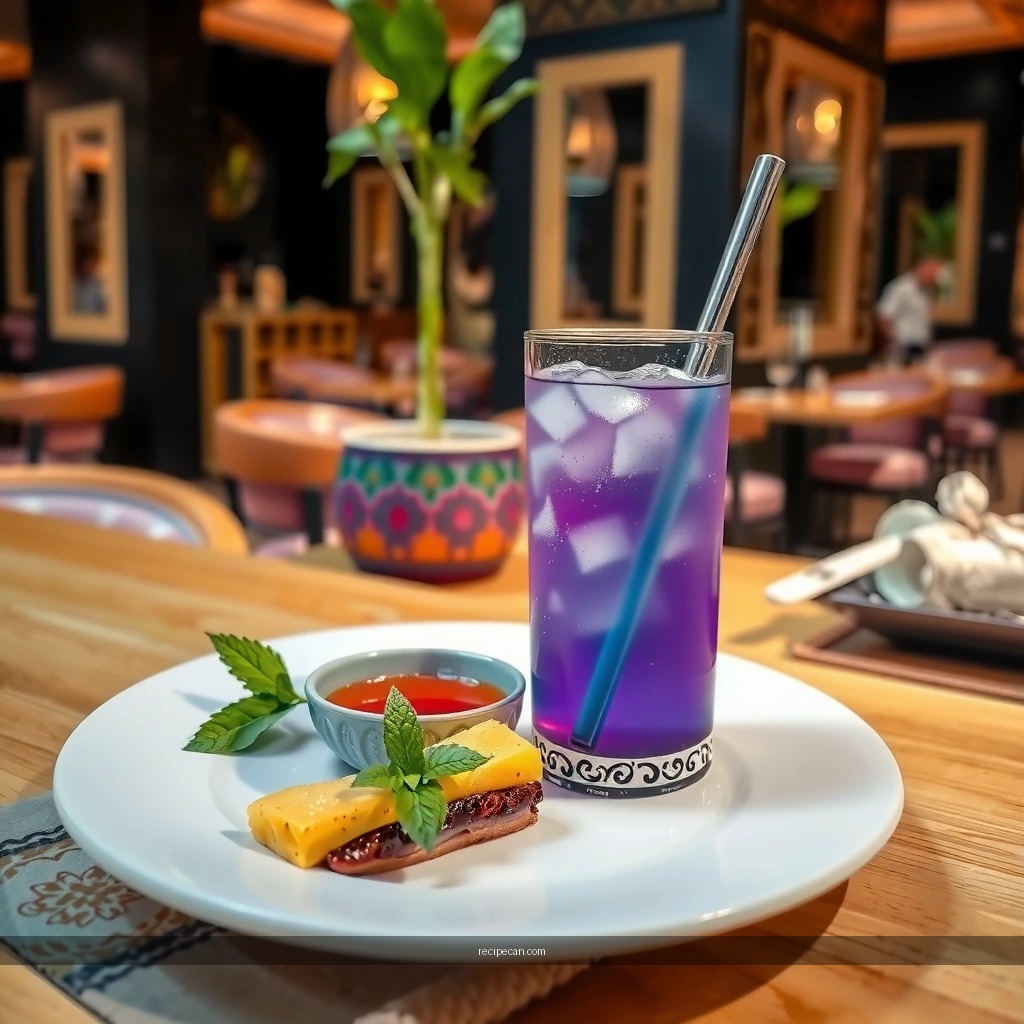
– Use Chinese gunpowder green tea for the best flavor base
– Fresh spearmint (or mint leaves) is key for that signature aroma
– Sweeten with sugar to match the traditional Moroccan taste
The “engineering” of Moroccan mint tea starts with the tea. Traditional Moroccan bar tea relies on Chinese gunpowder green tea—small, pellet-like leaves that unfurl gradually. This matters because it helps the tea deliver flavor in layers rather than all at once, supporting the mint-forward profile.
Mint selection also changes the drink’s sensory profile. In Morocco, spearmint is commonly used because it tastes brighter and more aromatic than many dessert or garden mints. Fresh mint contributes volatile oils—those top notes that evaporate quickly—so fresh leaves generally outperform dried mint.
Finally, Moroccan mint tea is typically sweetened with white sugar. Many home brewers under-sweeten because they expect green tea to be “light” in sweetness. In practice, sugar helps round out the green tea astringency and lets mint aroma read as clean rather than sharp.
A quick “bottleneck” checklist
If your tea comes out flat: you likely need either more mint oil release (gentler bruising and proper infusion) or enough sugar to balance. If it comes out bitter: your tea is likely over-steeped or your water is too hot for the steeping duration you used.
Recommended Steep Parameters for Moroccan Mint Tea (1 Pitcher / ~4–6 cups)
| # | Tea Stage | Water Temp | Steep / Heat Time | Result Target | Quality Score |
|---|---|---|---|---|---|
| 1 | Rinse / Pre-steep (optional) | 80–85°C | 10–20 sec | Reduce vegetal edge | ★★★★☆ |
| 2 | First green tea infusion | 80–85°C | 1–2 min | Build base aroma | ★★★★☆ |
| 3 | Mint infusion (after adding mint) | 70–80°C | 30–60 sec steep | Extract mint oils gently | ★★★★☆ |
| 4 | Sugar dissolution heat (brief) | ~75°C (no rolling boil) | Under 1 min | Dissolve cleanly | ★★★★☆ |
| 5 | Overheat warning point | 90–100°C | >2 min with tea leaves | Risk bitterness | ★★☆☆☆ |
| 6 | Mint over-steep warning point | 70–85°C | >5 min mint infusion | Can turn medicinal/harsh | ★★☆☆☆ |
| 7 | Flavor adjustment window | 70–80°C (warming) | Taste within 1–3 min | Fine-tune sweetness + mint | ★★★★☆ |
Ingredients and Measurements
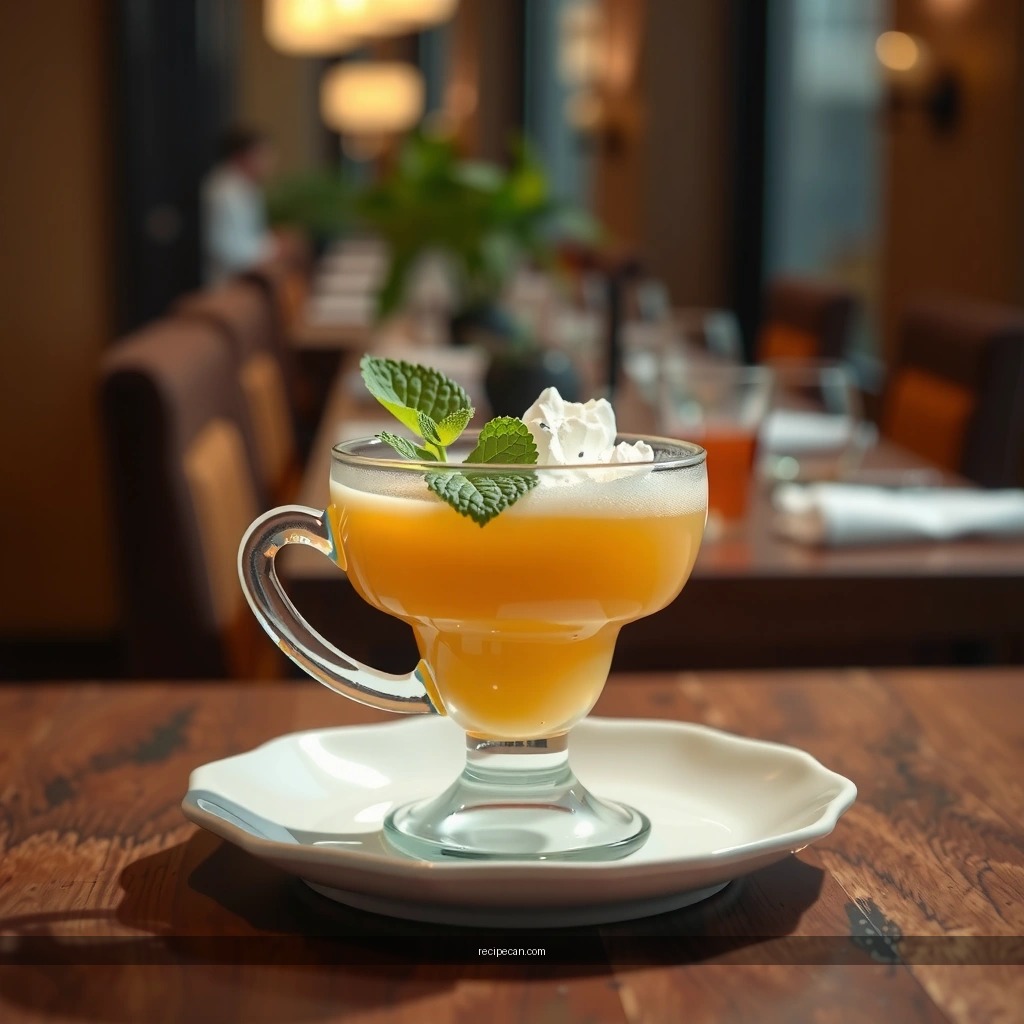
– Start with brewed green tea as the foundation
– Add mint leaves gradually to control intensity
– Use a sugar amount that suits your sweetness preference
A classic Moroccan mint tea recipe typically balances three forces: green tea bitterness, mint aromatics, and sugar’s smoothing effect. For home consistency, measure by teaspoon and cup rather than by “handful,” especially until you’ve calibrated your preferred sweetness.
Baseline recipe (scales well)
For about 4–6 cups (one small pitcher):
– Green tea (gunpowder): 2–3 teaspoons (about 6–8 g)
– Fresh spearmint: 1 large bunch (about 1.5–2 oz / 45–60 g), plus extra to garnish if desired
– Sugar: 1/2 to 3/4 cup (100–150 g), depending on taste and desired authenticity
– Water: ~1 liter, plus some for rinsing (optional)
If you’re used to less-sweet drinks, begin at 1/2 cup sugar, taste, then add more only after your mint infusion—this prevents you from “chasing sweetness” while the mint is still developing.
Mint addition strategy
Add mint in stages. First add most of it to create the base aroma, then (if needed) add a few additional leaves after tasting. This approach gives you repeatable control over intensity—particularly important if your mint bunch varies in strength.
Step-by-Step Moroccan Mint Tea Recipe

– Brew the green tea and let it steep briefly for full flavor
– Add mint and simmer or steep until the aroma is released
– Stir in sugar and heat gently until dissolved and well blended
Here’s a method that prioritizes aroma and avoids bitterness—the two most common failure points for home brewers.
1) Prepare your pot and water
Use a small saucepan or kettle with a spout (helpful for later pouring). Heat water to the 80–85°C range. If you don’t have a thermometer, bring water to a boil, then let it sit for about 1–2 minutes.
2) Brew the green tea base
Add gunpowder green tea to a teapot/pot. Pour in hot water and steep 1–2 minutes.
– Optional but recommended: do a quick 10–20 second rinse and discard that first infusion to reduce any initial “leaf” harshness.
3) Introduce mint (gentle extraction)
Turn heat down to low. Add fresh spearmint. Lightly bruise the stems/leaves between your fingers before adding if possible—this releases oils without shredding the leaves.
Let it infuse 30–60 seconds. You’ll notice fragrance rising immediately; that’s the signal to avoid over-extraction.
4) Sweeten while warm
Add sugar and stir until it fully dissolves. Keep the heat gentle—aim for a warm simmer without a rolling boil. Boiling too aggressively can dull the mint’s top notes and amplify green tea bitterness.
5) Rest briefly, then taste and adjust
Let the tea rest for 30–60 seconds so the sugar integrates and flavors settle. Taste:
– Too minty? Reduce mint next time or add slightly more brewed tea base.
– Too mild? Add 5–10 fresh leaves and warm briefly.
– Too bitter? Either shorten infusion next time or add sugar gradually.
How to Achieve the Traditional Flavor
– Keep the mint fresh and slightly bruised to release oils
– Avoid over-steeping the tea to prevent bitterness
– Taste and adjust mint and sweetness before serving
Traditional Moroccan mint tea has a specific sensory signature: bright mint aroma on the nose, gentle green tea body, and a sweetness level that feels “rounded” rather than candy-like. Achieving that is mostly about controlling extraction.
Use fresh mint and “oil release,” not “leaf dumping”
Fresh spearmint contains aromatic compounds that are released when bruised and warmed briefly. If you add mint and then keep it hot for too long, you risk extracting compounds that read as harsh or “medicinal.” Brief infusion is the sweet spot.
Respect steeping time (bitterness is predictable)
Gunpowder green tea can turn bitter quickly if steeped too long or if overheated during the mint phase. Use time as your quality control variable:
– First tea infusion: 1–2 minutes
– Mint stage: 30–60 seconds
– Sugar stage: brief, gentle heat
If you’re making a larger batch, don’t compensate for volume by extending steep time—adjust quantity of tea and repeat the process, or keep the temperature controlled.
Taste the “trajectory,” not just the first sip
Mint flavor changes as the tea cools slightly. For best results:
– Taste at the end of the sugar dissolution.
– If needed, adjust by adding a few fresh leaves (for aroma) or a small amount of sugar (for balance).
– Stir well and warm gently for no more than a minute after adjustments.
Serving Tips: Pouring, Glasses, and Presentation
– Pour from a height for aeration and a classic tea foam
– Serve in small glasses to keep it aromatic
– Pair with Moroccan snacks or pastries for a complete experience
Presentation is not an afterthought in Moroccan tea culture—it affects aroma distribution and perceived texture.
The “pour from height” technique
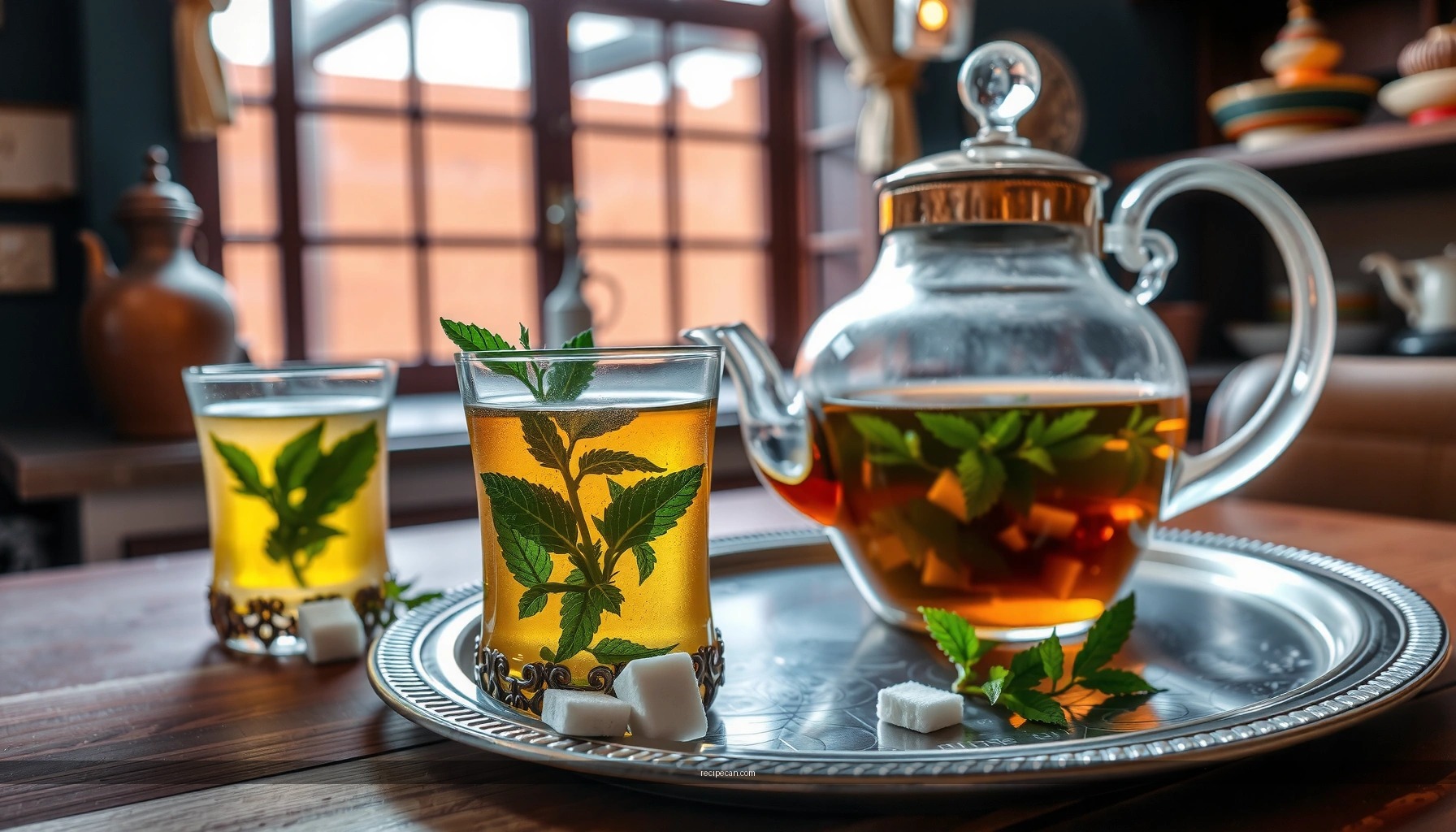
Pour the tea from a height into small glasses. This aerates the drink, creating a thin foam and softening the perception of harsh edges. It also helps the mint’s aroma bloom at the top of the glass.
Start pouring confidently: steady flow from above the rim (not a dribble) works best. If the foam is absent, you likely poured too low or at too low a temperature.
Small glasses preserve aroma
Moroccan mint tea is typically served in small, clear glasses. The smaller volume concentrates aroma and makes mint feel more vivid. If you only have large mugs, use them—but consider prewarming the mug and serve immediately.
Pairing ideas that make sense
For a complete Moroccan-style experience, pair mint tea with:
– Almond pastries (sweet, nutty profiles match mint brightness)
– Chebakia or warqa-based pastries (crispy + honey/spice complements sweetness)
– Dates (simple sweetness that doesn’t overpower the tea)
This pairing approach is also practical: rich, sweet snacks balance the bitterness risk even if your first batch is slightly stronger than intended.
Common Mistakes to Avoid
– Using dried mint instead of fresh leaves
– Letting the tea boil too long or steep too long
– Under-sweetening or over-sweetening without tasting
1) Using dried mint
Dried mint lacks the same volatile oils, so it won’t reproduce the signature top-note aroma. If you only have dried mint, reduce the amount (dried is concentrated) and expect a flatter, less fragrant cup. For authenticity, fresh spearmint is worth it.
2) Boiling or over-steeping
A rolling boil during the mint phase can make the drink taste dull or overly grassy. Over-steeping green tea also increases bitterness. Control temperature and time—don’t treat mint tea like a long tea simmer.
3) Sweetness without tasting
Moroccan mint tea is sweet, but sweetness must be balanced against extraction. Add sugar gradually, stir thoroughly, and taste after dissolution. Over-sweetening too early can mask bitterness temporarily, making it harder to diagnose the real cause.
Quick troubleshooting table (symptom → likely cause → fix)
If your tea tastes…
– Bitter / dry: tea steeped too long or mint boiled—shorten infusion, lower heat, keep mint stage brief.
– Weak / watery: not enough tea base or not enough mint oil release—use gunpowder pellets properly and bruise mint slightly.
– Sharp / harsh mint: mint infused too long—reduce mint infusion time to under 1 minute.
– Sweet but “flat”: under-extracted base—improve first infusion time (within 1–2 minutes), then adjust sugar.
Now that you know the process drivers, your next batch will feel more predictable—like a recipe you can operate, not a gamble.
Now you know exactly how to make a classic Moroccan mint tea recipe at home—brew green tea, infuse with fresh mint, and sweeten to taste. Try it today, adjust the mint and sugar to your preference, and pour it the traditional way for that authentic finishing touch.
Frequently Asked Questions
What is the traditional Moroccan mint tea recipe ratio?
A classic Moroccan mint tea recipe uses green tea (usually gunpowder tea) plus fresh spearmint leaves and sugar. Start with about 1 tablespoon (or 2–3 teaspoons) of green tea per 2 cups of water, then add 1–2 tablespoons of sugar to taste. Many people aim for a noticeably sweet flavor because Moroccan mint tea is traditionally served very sweet. Let the tea steep briefly and then build the sweetness by simmering or pouring back and forth to fully integrate the mint and sugar.
How do you brew Moroccan mint tea so it tastes sweet and not bitter?
To keep Moroccan mint tea from tasting bitter, use hot (not boiling) water for steeping and keep the first steep short—around 1–2 minutes—then pour it out to soften the tannins if desired. Brew a second steep with fresh spearmint and sugar, tasting as you go to balance sweetness. Using fresh spearmint leaves (not dried) also helps keep the flavor bright and aromatic instead of harsh.
Why do people pour Moroccan mint tea from a height?
Pouring Moroccan mint tea from a height helps aerate the tea, which improves aroma and creates a lighter, more fragrant cup. It also helps dissolve sugar evenly and distributes the mint flavor throughout the drink. This practice is part of the traditional serving ritual and is often done right before serving in small glasses.
Which mint is best for Moroccan mint tea—spearmint or peppermint?
Spearmint is typically the best choice for an authentic Moroccan mint tea recipe because it has a sweet, fresh, and slightly herbal flavor. Peppermint is often sharper and mentholier, which can overpower the green tea and make the drink taste too aggressive. If you can, choose fresh spearmint leaves, and avoid mint that’s been sitting too long or bruised, since damaged leaves can create a dull or bitter profile.
What’s the best way to sweeten Moroccan mint tea without making it taste flat?
The best approach is to add sugar while the tea is still hot so it dissolves fully, then taste and adjust gradually. Many Moroccan mint tea recipes start with a substantial amount of sugar, but you can fine-tune by adding slightly more tea concentrate if it becomes too sweet. For a more balanced flavor, steep the mint long enough to extract aroma, but don’t over-steep the green tea or the sweetness will feel heavy while the cup turns bitter.
References
- Maghrebi mint tea
https://en.wikipedia.org/wiki/Moroccan_tea - Mint tea
https://en.wikipedia.org/wiki/Mint_tea - Maghrebi mint tea
https://en.wikipedia.org/wiki/Tea_in_Morocco - Spearmint
https://en.wikipedia.org/wiki/Spearmint - https://www.nccih.nih.gov/health/peppermint
https://www.nccih.nih.gov/health/peppermint - https://pubmed.ncbi.nlm.nih.gov/?term=Mentha+spicata+tea+infusion
https://pubmed.ncbi.nlm.nih.gov/?term=Mentha+spicata+tea+infusion - https://pubmed.ncbi.nlm.nih.gov/?term=moroccan+mint+tea
https://pubmed.ncbi.nlm.nih.gov/?term=moroccan+mint+tea - Google Scholar Google Scholar
https://scholar.google.com/scholar?q=moroccan+mint+tea+recipe - Google Scholar Google Scholar
https://scholar.google.com/scholar?q=moroccan+mint+tea+atay+preparation - Google Scholar Google Scholar
https://scholar.google.com/scholar?q=spearmint+green+tea+morocco