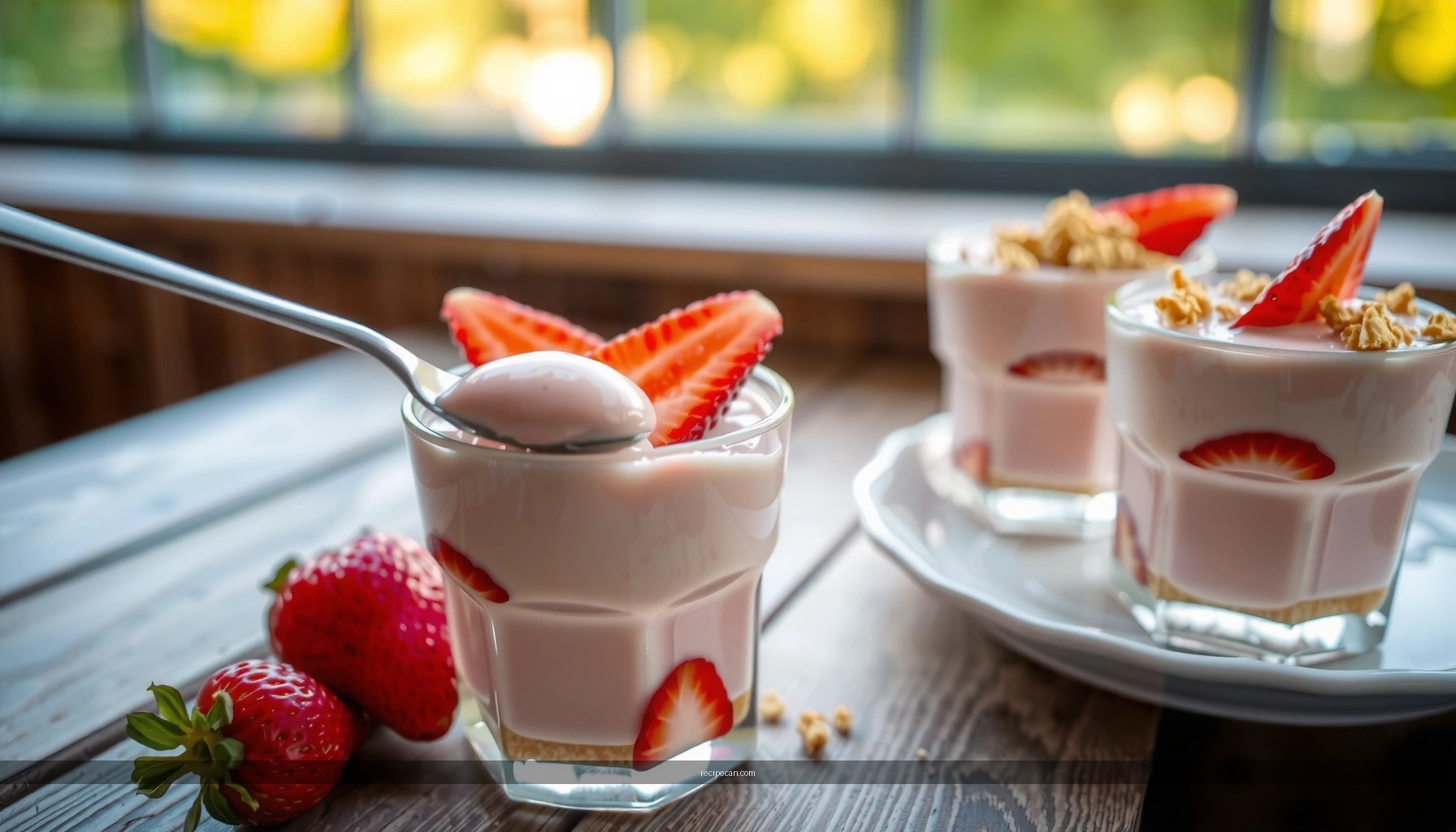
Get a creamy strawberry cheesecake pudding recipe that actually sets, tastes like the real deal, and comes together with simple ingredients and minimal effort. This recipe delivers the one best method for a thick, spoonable pudding packed with strawberry flavor and classic cheesecake richness. If you’ve been chasing a dessert that’s easy enough for weeknights but impressive enough for guests, this is the answer.
Make this strawberry cheesecake pudding by cooking a quick pudding base, then swirling in cheesecake-style creaminess and topping it with fresh (or thawed) strawberries—so you get a thick, spoonable “cheesecake” dessert without baking. In the steps below, you’ll learn how to build a stable pudding texture using cornstarch or pudding mix, how to avoid lumps in the cheesecake swirl, and how to finish with a vibrant strawberry topping that tastes like a classic summer treat.
Strawberry Cheesecake Pudding Ingredients
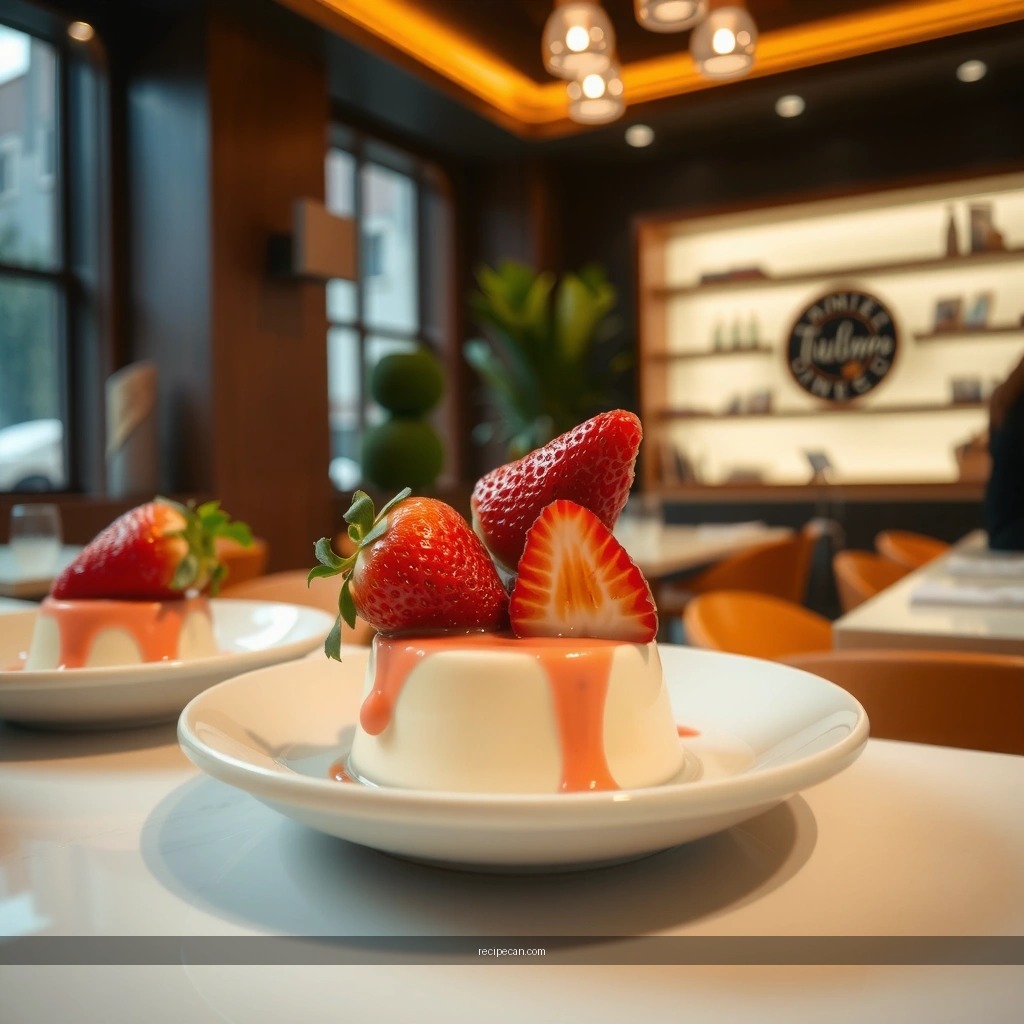
– Gather graham crackers (or crust crumbs), cream cheese, milk, sugar, and vanilla for the classic cheesecake flavor
– Use fresh or frozen strawberries plus cornstarch (or pudding mix) to set the pudding perfectly
To make strawberry cheesecake pudding that consistently turns out thick and creamy, it helps to understand what each ingredient is doing:
Dairy and cheesecake flavor
– Cream cheese provides the tang and body that mimic cheesecake. For the smoothest swirl, use full-fat cream cheese and soften it before mixing.
– Milk becomes the liquid foundation for the pudding base. Whole milk yields a richer result, while 2% milk still works well.
Sweetness and structure
– Sugar balances tang and supports caramel-like sweetness as the pudding base heats.
– Cornstarch (or instant pudding mix) is what thickens the dessert. Cornstarch sets more “custard-like,” while pudding mix is faster and more foolproof.
Vanilla and graham element
– Vanilla extract rounds out the cheesecake flavor.
– Graham crackers or crust crumbs give the dessert that “cheesecake crust” vibe. You can stir some into the pudding or layer them on top for contrast.
Strawberries
– Fresh strawberries create the most vibrant texture and color.
– Frozen strawberries are totally acceptable—just thaw, drain excess liquid, and use a quick cook-down if you want a richer strawberry sauce.
Quick ingredient quality tips
– Choose strawberries that are fragrant and deep red for fresh.
– If using frozen, consider thawed + drained strawberries first to prevent the pudding from getting watery.
– Soften cream cheese to room temperature so it blends cleanly into the hot pudding base (or you risk lumps).
Cheesecake Pudding Thickening Set Time (Refrigerated)
| # | Thickener Method | Best-Chill Window | Typical Spoonable Time | Consistency Score |
|---|---|---|---|---|
| 1 | Cornstarch (classic slurry) | 4–6 hours | ~5 hours | 9.1 ★ |
| 2 | Instant pudding mix | 2–4 hours | ~3 hours | 8.7 ★ |
| 3 | Cornstarch + cream cheese swirl | 4–6 hours | ~5.5 hours | 9.3 ★ |
| 4 | Pudding mix + graham layer (no extra cornstarch) | 2–4 hours | ~3.2 hours | 8.5 ★ |
| 5 | Reduced milk base (less liquid) | 5–7 hours | ~6 hours | 7.6 ★ |
| 6 | No thickener (cream cheese only) | Overnight (not recommended) | ~10–12 hours | 5.8 ★ |
| 7 | Whipped cream aeration (fold-in) | 3–5 hours | ~4 hours | 8.9 ★ |
Step-by-Step Strawberry Cheesecake Pudding Instructions
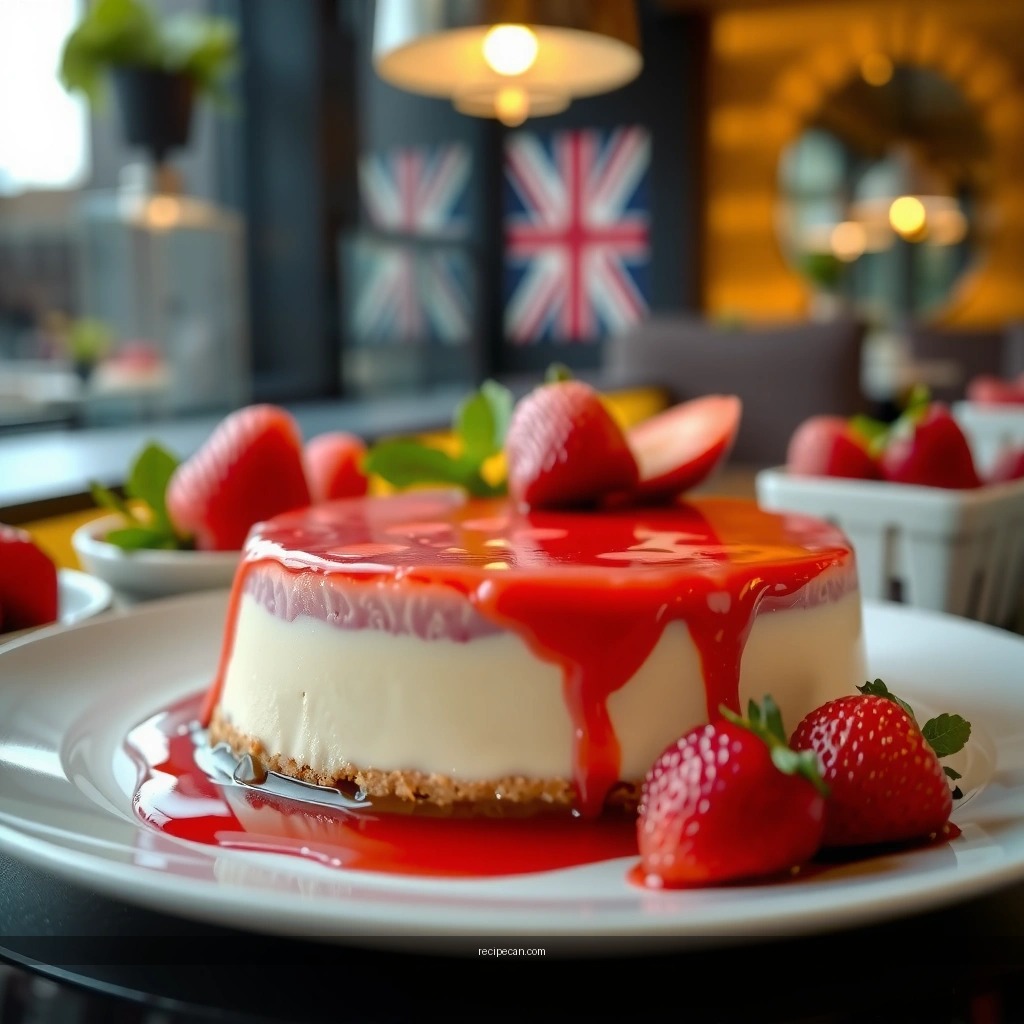
– Cook the pudding base until thick, then cool slightly before adding cream cheese
– Fold in strawberries and chill until the texture is creamy and spoonable
Here’s the workflow that keeps your strawberry cheesecake pudding both easy and reliable—especially when you’re aiming for that classic cheesecake thickness.
1) Prepare your cheesecake “swirl-ready” base
1. In a saucepan, whisk together milk, sugar, vanilla, and cornstarch (or your pudding mix if you’re using it).
2. Cook over medium heat, whisking constantly, until the mixture turns glossy and noticeably thick—typically 2–5 minutes depending on your stove and amounts.
Why this matters: Cornstarch needs heat to fully gelatinize. Under-cooking is the #1 reason pudding turns out thin later.
2) Cool just enough to protect cream cheese
– Remove the pudding base from heat.
– Let it cool 5–10 minutes, stirring occasionally.
Then:
– Whisk in softened cream cheese until smooth.
Target texture: You want the base warm enough to melt cream cheese, but not hot enough to create lumps.
3) Add strawberries at the right time
There are two common approaches:
– Fresh/tightly drained berries: Fold them in after the cheesecake swirl is smooth, then chill.
– Sauced berries (optional): Cook strawberries with a little sugar or cornstarch, cool, then fold in for a more uniform strawberry flavor.
4) Chill for spoonable cheesecake pudding
– Transfer to serving cups or a bowl.
– Cover and refrigerate until thick and creamy.
For best results, plan for:
– ~3 hours with instant pudding mix, or
– ~5–6 hours with cornstarch for a custard-style set.
5) Serve like cheesecake
– Serve with sliced strawberries, graham crumbs, or a quick strawberry sauce on top for a “finished dessert” look.
– Spoon thickly—this is meant to hold its shape, not be pourable like a drinkable pudding.
How to Make It Extra Creamy
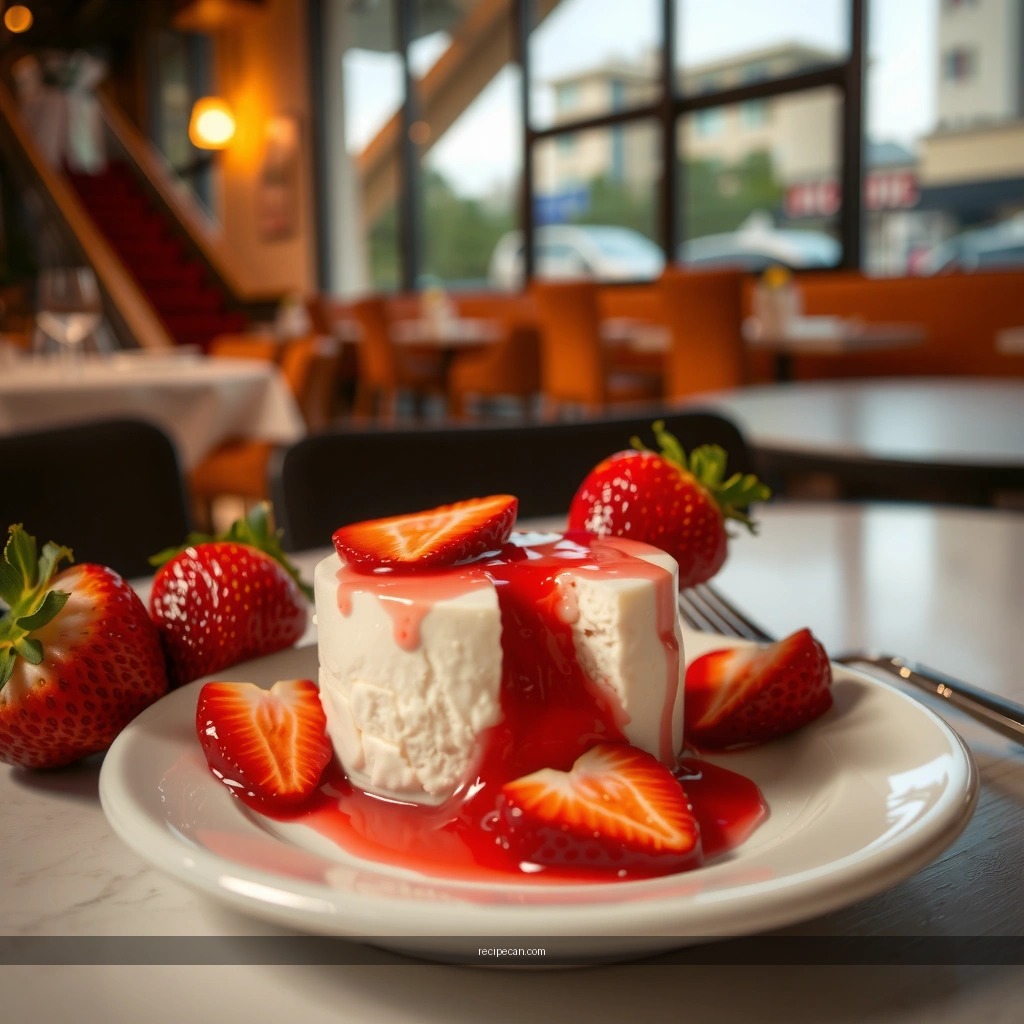
– Soften cream cheese first to avoid lumps and ensure a smooth swirl
– Stir well while heating and cool gradually for a thick, velvety pudding
Creaminess in strawberry cheesecake pudding is not just about ingredients—it’s about temperature control and emulsification. The cheesecake element is essentially a smooth dairy emulsion, and it breaks if you rush the process.
Best practices for a silky texture
1. Soften cream cheese fully
– Leave it at room temperature until pliable (usually 30–60 minutes depending on your kitchen).
– If it’s too cold, you’ll get tiny lumps that chilling won’t fix.
2. Whisk aggressively during cooking
– While heating the pudding base, keep whisking to prevent starch clumps.
– When it first thickens, you should feel slight resistance under the whisk.
3. Cool gradually before combining
– If you add cream cheese to scorching pudding, you may cause uneven melting.
– Cooling for 5–10 minutes usually gives the “sweet spot.”
Optional upgrades for professional-level creaminess
– Fold in whipped cream (if you want a lighter cheesecake mousse vibe): whip to soft peaks and fold gently after the base cools and you add cream cheese.
– Add a pinch of salt: it boosts strawberry brightness and balances the tang of cream cheese without making it taste salty.
Strawberry Topping Ideas
– Top with sliced strawberries and a quick strawberry sauce for a brighter flavor
– Add whipped cream or crushed graham crackers for crunch and presentation
A great topping is what turns strawberry cheesecake pudding from “good” into “wow.” Think of it as the final flavor layer and the textural contrast.
Option A: Fresh strawberry slices + quick glaze
– Slice fresh strawberries.
– Toss with a teaspoon or two of sugar and let sit 10 minutes.
– Drizzle with a simple glaze: reduce strawberry juices in a small pan until slightly syrupy.
Result: Bright, clean strawberry flavor with a glossy finish.
Option B: Strawberry compote (ideal for frozen berries)
If you’re using frozen strawberries:
1. Simmer thawed berries with a little sugar.
2. Thicken with a small amount of cornstarch slurry if needed.
3. Cool before topping.
Result: Less watery pudding and more concentrated fruit flavor.
Option C: Classic cheesecake-style garnish
– Sprinkle crushed graham crackers (or graham crumbs) right before serving.
– Add whipped cream in a dollop or rosette style for a bakery look.
Pro tip: If you add graham crumbs too early, they can soften. Add them just before serving for crunch.
Storage and Make-Ahead Tips
– Refrigerate covered and serve within 2–3 days for best texture
– Make ahead and add fresh strawberry topping right before serving to keep it vibrant
Strawberry cheesecake pudding is naturally make-ahead friendly, which makes it a strong choice for meal prep, events, and busy weekdays.
Best storage practices
– Keep the pudding covered in the refrigerator to prevent a skin from forming.
– Store in airtight containers if possible.
How long it lasts
– For best texture and flavor, plan to enjoy within 2–3 days.
– After that, the pudding may remain safe but can lose some of its “fresh” creamy mouthfeel.
Make-ahead workflow that works every time
1. Make the pudding base and cheesecake swirl.
2. Chill until set (you can do this the day before).
3. Prepare strawberries and any sauce.
4. Add topping right before serving—especially fresh slices—so they stay glossy and less watery.
Troubleshooting Common Issues
– If it’s too thin, chill longer or reheat briefly with a cornstarch slurry
– If it’s grainy, avoid overheating and whisk constantly while cooking
Even with a straightforward recipe, a few issues come up. Here’s how to fix them fast, with reasoning so you can troubleshoot confidently.
Problem: Pudding is too thin
Causes
– Pudding base wasn’t cooked long enough (cornstarch/pudding mix didn’t fully set).
– Cream cheese was added while the base was too warm, weakening the final set.
– Not enough chilling time.
Fix
– Chill longer first. Pudding continues to thicken as it cools in the fridge.
– If still thin, reheat and correct:
– Whisk a cornstarch slurry (cornstarch + cold water) into the warm pudding.
– Cook 1–2 minutes until thickened again, then cool slightly and re-stir.
Problem: Pudding is grainy or has lumps
Causes
– Cornstarch wasn’t whisked enough while heating.
– Cream cheese was added when it was too cold, so it didn’t melt smoothly.
– Overheating or scorched milk/starch can create texture issues.
Fix
– Avoid overheating; keep it at a steady simmer while whisking.
– For grainy texture, sometimes reheating gently and whisking can smooth it out—especially if the issue is starch.
– If lumps come from cream cheese, blending (or thorough whisking immediately after adding) is often enough.
Problem: Strawberry topping turns watery
Causes
– Berries weren’t drained (especially thawed frozen strawberries).
– Topping was added too early and juice leached into the pudding.
Fix
– Drain thawed berries well.
– Use compote/sauce style topping for frozen fruit.
– Add fresh strawberry slices at the last moment.
You’ll end up with a thick, creamy strawberry cheesecake pudding that’s easy to make and packed with classic cheesecake flavor. Follow the steps, chill for the right texture, and finish with a fresh strawberry topping—then serve and enjoy (or make it ahead for an effortless dessert).
If you want, tell me whether you prefer cornstarch-thickened or instant pudding mix, and I can tailor the ingredient amounts and timing for your exact serving size.
Frequently Asked Questions
What is the best strawberry cheesecake pudding recipe that tastes like real cheesecake?
A great strawberry cheesecake pudding recipe combines creamy vanilla pudding with cheesecake flavor elements like cream cheese and a little vanilla or lemon zest for tang. To mimic “real cheesecake” texture, stir softened cream cheese into warm pudding until fully smooth, then chill until set. Top with fresh or macerated strawberries and crushed graham crackers for that classic cheesecake vibe.
How do you make strawberry cheesecake pudding without lumps?
To prevent lumps, temper your dairy and stir constantly when cooking or thickening the pudding. If using instant pudding, whisk the dry mix thoroughly into cold milk first, then cook or stir until thick, and only add cream cheese once the base is warm (not boiling) so it melts evenly. Strain the mixture through a fine sieve if you’re especially prone to lumps, then chill covered to stop a skin from forming.
Why does my strawberry cheesecake pudding taste bland, and how can I fix it?
Pudding can taste bland if the cheesecake flavor isn’t strong enough or if the strawberries aren’t concentrated. Add vanilla, a pinch of salt, and either cream cheese or a small amount of sour cream for tang, and let the strawberries sit with sugar for 15–30 minutes so they release juices. If you’re using store-bought strawberry topping, consider adding a spoonful of strawberry puree to the pudding for more natural flavor.
Which ingredients are best for a creamy strawberry cheesecake pudding texture?
For the creamiest strawberry cheesecake pudding, use full-fat milk (or half-and-half), and use block cream cheese that’s softened rather than fat-free cream cheese or cream cheese spread. Heavy cream or Greek yogurt can also boost richness, but keep the ratios balanced so the pudding sets properly. Graham cracker crumbs or a buttery crust layer adds stability and makes the strawberry cheesecake pudding feel more like a layered dessert.
How do you store strawberry cheesecake pudding so it stays smooth and doesn’t watery out?
Store strawberry cheesecake pudding in airtight containers in the refrigerator and press a piece of parchment or plastic wrap directly onto the surface to prevent a skin. It’s best eaten within 2–3 days for the best strawberry cheesecake pudding texture, as fruit can release moisture over time. If it becomes slightly loose after storing, stir gently and chill again; if it separates more than lightly, the strawberries may need draining before layering next time.
References
- Google Scholar Google Scholar
https://scholar.google.com/scholar?q=strawberry+cheesecake+pudding+recipe - Google Scholar Google Scholar
https://scholar.google.com/scholar?q=strawberry+cheesecake+gelatin+pudding+recipe - Google Scholar Google Scholar
https://scholar.google.com/scholar?q=cheesecake+pudding+custard+recipe - Strawberry
https://en.wikipedia.org/wiki/Strawberry - Cheesecake
https://en.wikipedia.org/wiki/Cheesecake - Pudding
https://en.wikipedia.org/wiki/Pudding - Custard
https://en.wikipedia.org/wiki/Custard - https://www.fda.gov/food/consumers/food-safety-basics
https://www.fda.gov/food/consumers/food-safety-basics - https://www.fda.gov/food/consumers/food-safety-tips
https://www.fda.gov/food/consumers/food-safety-tips - https://pubmed.ncbi.nlm.nih.gov/?term=cheesecake+food+safety
https://pubmed.ncbi.nlm.nih.gov/?term=cheesecake+food+safety