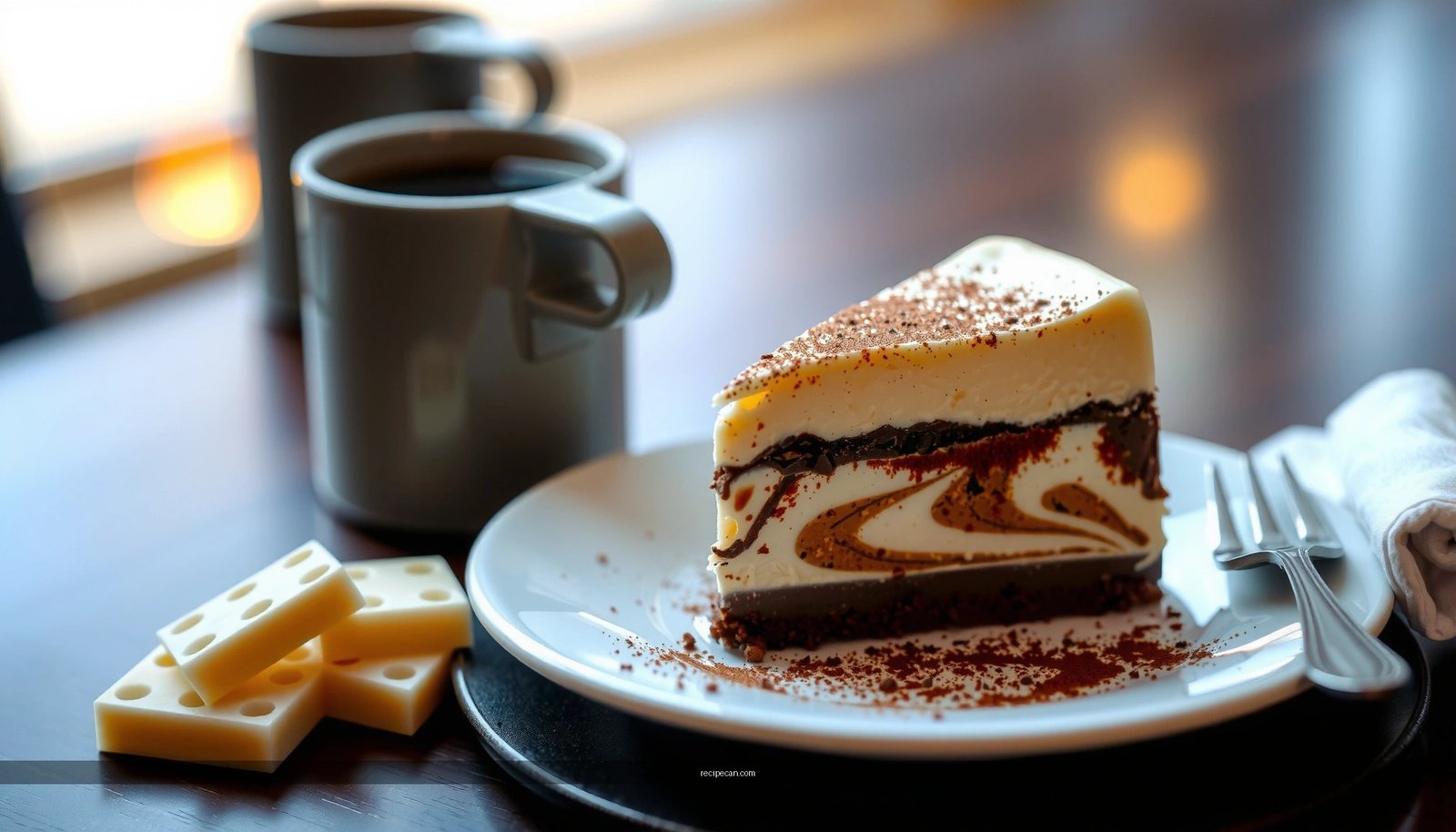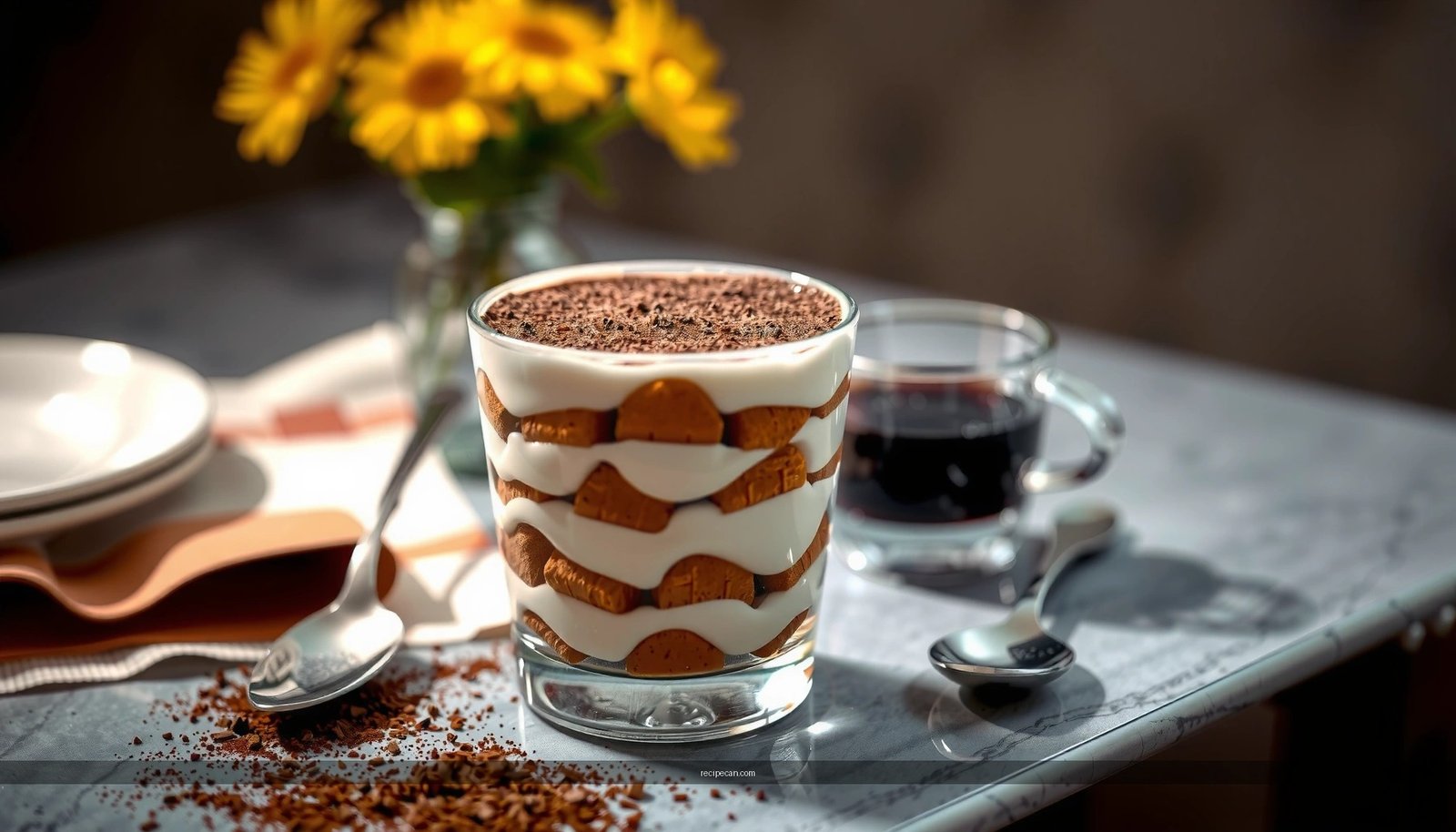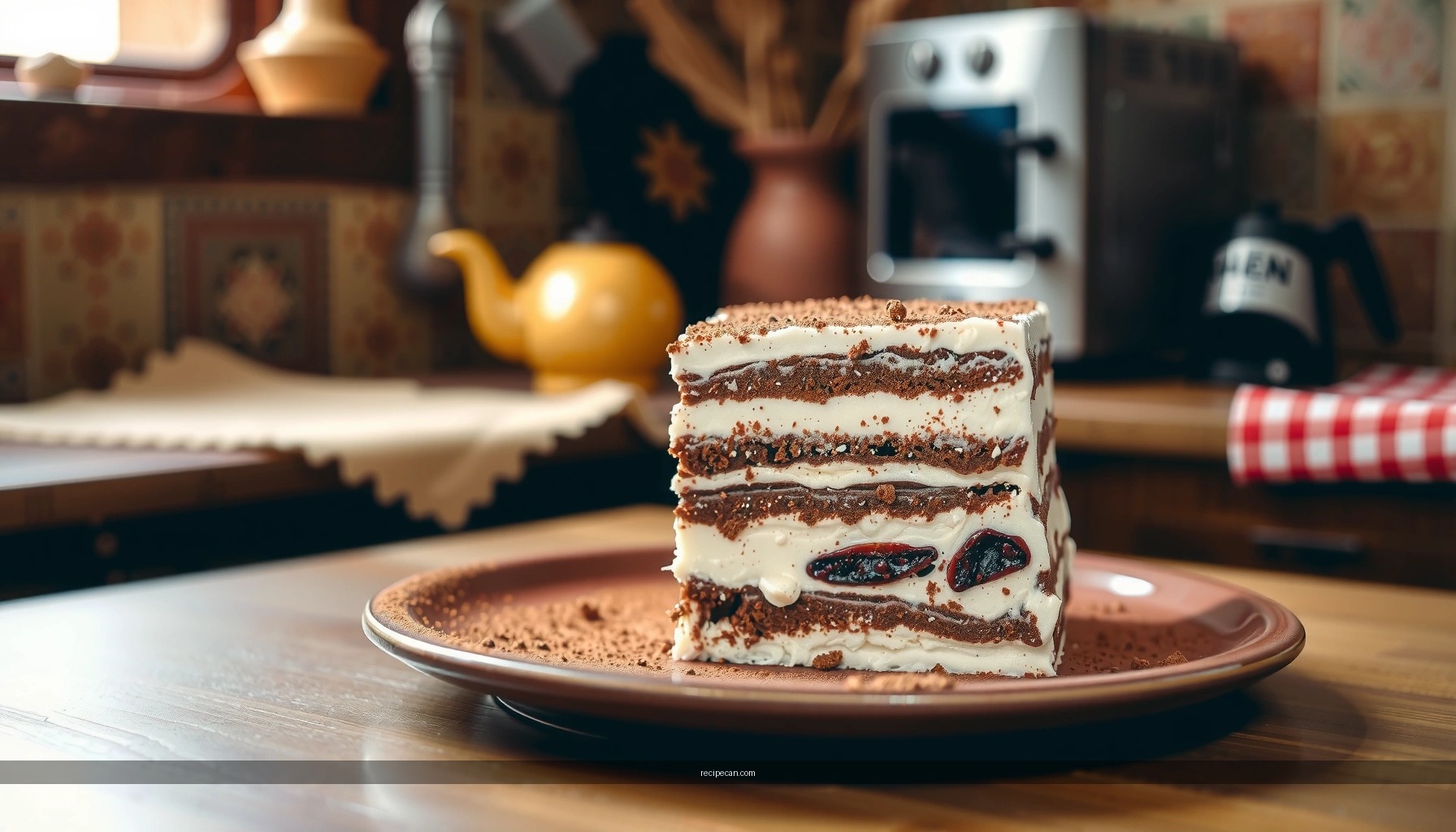
Get the traditional Italian tiramisu cake recipe that delivers the classic, unmistakably coffee-and-mascarpone flavor with clean, step-by-step results. This is the clear winner for home cooks who want a true tiramisu cake—layered, set, and sliceable—without shortcut ingredients or guesswork. You’ll get the exact method for building the layers, soaking correctly, and achieving that signature silky texture.
This traditional Italian tiramisù cake recipe delivers authentic flavor—coffee-soaked layers, rich mascarpone cream, and cocoa on top—without complicated techniques. If you control three variables (cream thickness, quick coffee dipping, and a long enough chill), you’ll get clean slices and the classic, café-style texture.
A tiramisù is deceptively simple: it’s not a cake baked like a sponge or layered pudding cooked on the stove. It’s a disciplined assembly of components that must balance moisture, fat, and structure. The goal is contrast—firm enough to slice, tender enough to melt, and aromatic enough that cocoa and espresso read clearly in every bite. Below is a step-by-step approach that focuses on method, not shortcuts, so your traditional Italian tiramisu cake holds its shape like the best versions served in Italy.
Gather the Ingredients for Traditional Italian Tiramisu Cake
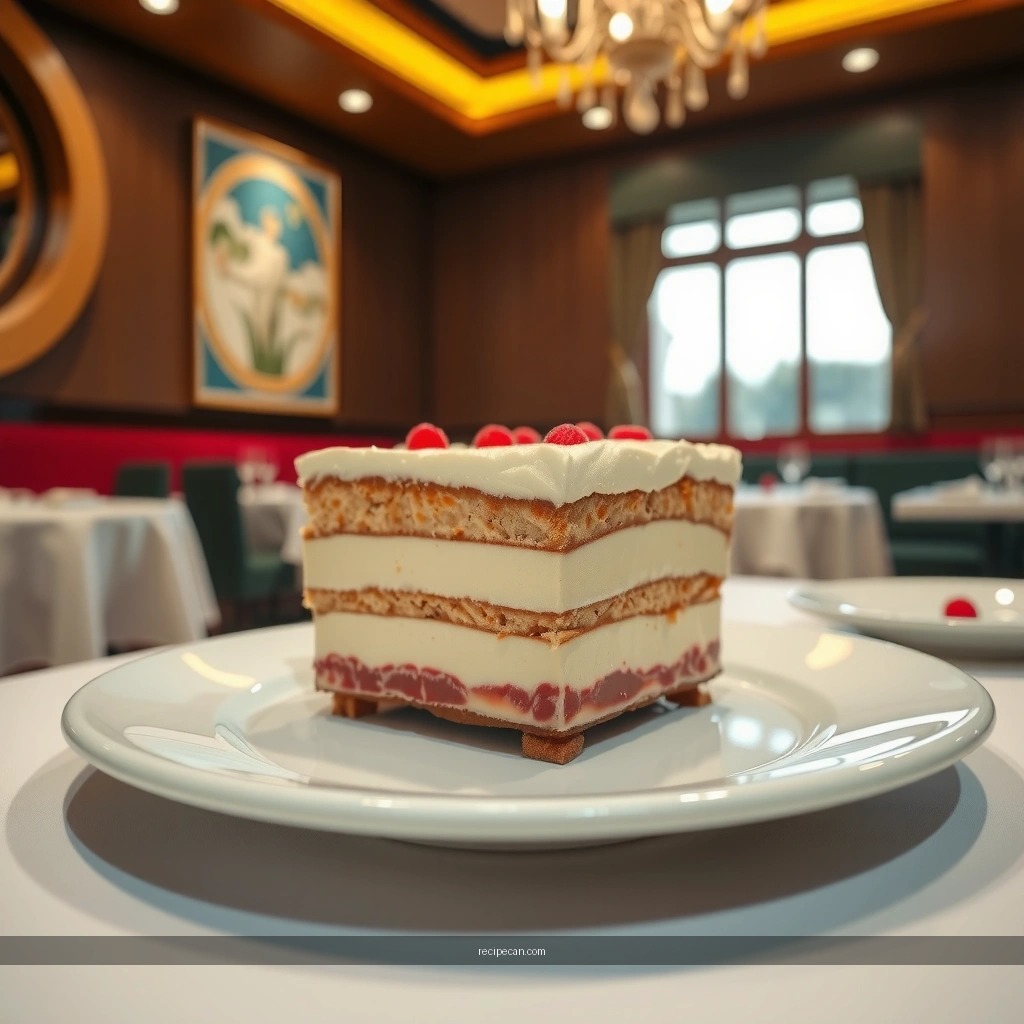
– Use mascarpone, espresso/coffee, ladyfingers (or sponge), eggs (optional based on method), and cocoa powder
– Choose quality coffee and fresh dairy for the best authentic flavor
To make an authentic Italian-style tiramisù, think “ingredient quality + component control.” Here’s what matters most in practice:
Mascarpone (core ingredient):
Use fresh mascarpone from the dairy section (not a shelf-stable imitation). It should be creamy and spreadable—not watery. If your mascarpone looks loose or separated, your final cream may weep during chilling.
Coffee/espresso (flavor anchor):
Brew espresso if you can; otherwise, make strong coffee with a similar intensity. The coffee should taste good on its own—tiramisu does not hide flaws. Sweetened coffee can dull bitterness and flatten the flavor contrast against cocoa.
Ladyfingers (structure):
Traditional tiramisù commonly uses savoiardi (Italian ladyfingers). If you’re using store-bought ladyfingers, check that they’re not overly soft or overly sweet—those factors change how they behave when dipped.
Eggs (optional but classic):
Many traditional methods use an egg-based sabayon (whipped egg yolks with sugar) folded into mascarpone. Other versions use whipped cream or tempered eggs to reduce concerns about raw egg use. Decide based on your preference and comfort level.
Cocoa powder (finishing):
Choose unsweetened cocoa. Dutch-process cocoa is darker and smoother; natural cocoa is brighter and more acidic. Either works—just keep it unsweetened for the classic bitterness that balances cream.
Recommended Ingredient Ratios for a Classic 9×13 Traditional Tiramisu (Serves ~12)
| # | Component | Amount | Purpose | Expected Result |
|---|---|---|---|---|
| 1 | Mascarpone | 24 oz (680 g) | Cream body | Slice-stable thickness |
| 2 | Egg Yolks | 4 large | Classic richness (optional method) | Velvety, cohesive cream |
| 3 | Granulated Sugar | 3/4 cup (150 g) | Sweetness + yolk stabilization | Balanced coffee bitterness |
| 4 | Espresso/Coffee (strong) | 1 1/2 cups (360 ml) | Layer flavor | Aromatics without sogginess |
| 5 | Ladyfingers (savoiardi) | 40–48 pieces | Structural layers | Clean lines when sliced |
| 6 | Cocoa Powder (unsweetened) | 2–3 tbsp | Finish + bitterness contrast | Fresh aroma at serving |
| 7 | Vanilla/Optional Liqueur (e.g., Marsala) | 1 tsp vanilla or 2 tbsp liqueur | Aromatic lift (optional) | More complex café profile |
Make the Mascarpone Cream (The Key to Authentic Taste)

– Whip mascarpone until smooth, then combine with sweetened egg mixture (or fold with whipped cream)
– Aim for a thick, spreadable consistency that holds its layers
In a traditional Italian tiramisu cake, the cream isn’t just “filling”—it’s the structural glue between layers. The correct texture is thick, glossy, and spreadable, not airy foam and not runny sauce.
Classic egg yolk method (traditional):
1. Separate eggs and whip egg yolks with sugar until lighter and slightly thickened.
2. Mix in mascarpone until smooth.
3. Fold in additional whipped components if your method uses them (some recipes add whipped egg whites, others focus on mascarpone + yolks for a denser cream).
No-egg alternative (practical for some kitchens):
If you prefer not to use eggs, whip mascarpone on its own and fold in lightly whipped cream (or use stabilized whipped cream). This approach can still produce authentic flavor, though the mouthfeel may be slightly different.
Consistency checks you can do immediately:
– Spatula test: When you lift the mixture, it should hold a soft peak and then slowly relax.
– Layer test: Spread a thin line on a plate; it should not spread like pudding.
– Chill test: If your cream loosens after 10 minutes in the fridge, it likely needs either thicker whipping or less liquid.
A common business-grade “quality control” mindset applies here: if the cream is right, assembly becomes predictable and slicing will look professional.
Prepare the Coffee Soak for Flavor Without Sogginess

– Brew espresso and cool it slightly before dipping
– Dip quickly—coat, don’t soak—so the cake stays structured
The coffee stage decides whether your tiramisù slices cleanly or collapses into a coffee-milk layer. The difference is time and temperature.
Best practice:
– Brew espresso (or strong coffee) and cool it to warm, not hot—hot liquid can melt cream and overly soften ladyfingers too fast.
– Use a shallow bowl so you can dip quickly.
– Dip each ladyfinger briefly (1–2 seconds), just long enough to coat the surface.
What “right” looks like:
– Ladyfingers should appear moistened, not saturated.
– The coating should be visible on the surface; the inside should still provide structure.
How to avoid sogginess:
– Don’t pour coffee directly onto the layers.
– Don’t soak stacked ladyfingers.
– If you’re making for a large event, dip in small batches and assemble promptly.
If you want a more authentic aroma without adding extra moisture, consider enhancing the coffee liquid with a small amount of vanilla or Marsala and keeping the dip time short.
Assemble the Tiramisu Cake Layers
– Layer coffee-soaked ladyfingers with mascarpone cream, repeating until filled
– Spread evenly and finish with a smooth cream layer
Assembly is where you translate technique into a professional-looking dessert. Even spacing, consistent thickness, and careful finishing are what create “Italian” presentation.
Step-by-step layering for a 9×13 pan (scales well for serving 10–12):
1. Spread a thin base layer of mascarpone (this helps anchor the first ladyfinger row).
2. Arrange coffee-coated ladyfingers in a single layer, touching slightly.
3. Spread mascarpone evenly over the ladyfingers using an offset spatula.
4. Repeat: ladyfingers → cream → ladyfingers → cream.
5. Finish with a final smooth cream layer, leveled flat.
Key assembly notes:
– Even thickness matters: thick cream layers can destabilize structure if coffee has oversoftened the cookies.
– Avoid air pockets: press gently with the spatula to level, but don’t compress so hard that ladyfingers break down.
– Clean edges: wipe the spatula between layers for a sharp finish.
For a classic look, the final surface should be smooth enough that cocoa dusting settles evenly.
Chill and Set for the Best Sliceable Texture
– Refrigerate at least 4–6 hours (overnight is even better)
– Dust with cocoa right before serving for maximum aroma and contrast
Chilling is not optional for traditional Italian tiramisù—this is where flavors unify and moisture redistributes for a stable slice.
Recommended refrigeration window:
– Minimum: 4–6 hours
– Best: overnight (12–18 hours)
Why overnight improves quality:
– Cream firms and binds the layers.
– Coffee flavors mellow and integrate.
– Cocoa dusting distributes more cleanly at service.
Cocoa timing:
Dust cocoa powder right before serving, not days ahead. If applied too early, cocoa can absorb moisture and turn dark patches into a slightly muddy surface.
Service preparation:
– Remove from the fridge 10–15 minutes before slicing to reduce brittleness.
– Use a clean, sharp knife and wipe between cuts for professional edges.
Serve and Store Your Tiramisu Cake Properly
– Slice with a clean knife for sharp, neat portions
– Store covered in the fridge and serve within 2–3 days for best texture
Tiramisu texture is best when stored correctly and served at the right moment.
Slicing technique (for business-ready presentation):
– Use a sharp knife (dull blades drag cream).
– Wipe the knife after each cut.
– Cut straight down; avoid sawing through the coffee layers.
Storage rules:
– Cover tightly (plastic wrap pressed to surface or a lid) to prevent the cream from picking up fridge odors.
– Refrigerate promptly and serve within 2–3 days for optimal cream integrity and flavor brightness.
Practical troubleshooting:
– If your tiramisù seems too soft after chilling: it’s usually due to overly wet ladyfingers or cream that wasn’t thick enough.
– If it’s too firm or stiff: chilling may have been too long for your specific ingredient texture, or the cream may be over-whipped/drier.
For best repeat success, keep notes: coffee strength, dip time, and cream consistency. Those variables explain 90% of outcome differences.
When you use the right mascarpone cream, quick coffee dipping, and plenty of chilling time, this traditional Italian tiramisu cake comes out perfectly classic every time. Make it today: gather your ingredients, assemble the layers, refrigerate, then dust with cocoa and enjoy with friends or family.
A great tiramisù is built on restraint: brief coffee contact, thick and stable mascarpone cream, and a full chilling period for sliceable structure. Use the ingredient ratios as your baseline, follow the layering method carefully, and finish with cocoa just before serving—then you’ll consistently produce a traditional Italian tiramisu cake that tastes authentic and looks impeccable on the table.
Frequently Asked Questions
What is a traditional Italian tiramisu cake recipe, and what makes it “traditional”?
A traditional Italian tiramisu cake recipe is built on layers of ladyfinger-style sponge soaked in espresso and mascarpone, with a light custard-style feel from whisked eggs (often with yolks and whites separated). The classic flavor profile comes from strong coffee, sweetened mascarpone, and cocoa powder dusted on top. In Italy, you’ll typically see no heavy frosting—it’s more of a layered cake-style dessert than a baked sponge.
How do you make tiramisu cake without it becoming watery?
To prevent watery tiramisu cake, soak the ladyfingers quickly—dip briefly in espresso and don’t let them sit and absorb too much liquid. Use fresh mascarpone and beat it until smooth but don’t overmix once combined, and fold ingredients gently to maintain structure. Also chill the tiramisu cake long enough so the layers set, usually at least 4–6 hours (overnight is best for clean slices).
Why do some tiramisu recipes use raw eggs, and how can you do it safely?
Traditional Italian tiramisu often uses eggs for a richer, lighter texture, typically beaten with sugar and incorporated into the mascarpone mixture. If you’re concerned about food safety, you can use pasteurized eggs or a method that heats the eggs slightly (like a gentle tempering or cooked yolk base) while still keeping the classic flavor. Either way, the goal is to create a stable mascarpone-egg cream that holds its shape when layered.
Which espresso should you use for the best traditional tiramisu cake flavor?
Use a strong, freshly brewed espresso or an espresso concentrate so the coffee flavor stands up against the sweetness of mascarpone. Avoid overly sweet or watery coffee, since it can make the cake taste dull or thin. For classic results, let the espresso cool slightly before dipping the ladyfingers, which helps keep the tiramisu cake from getting soggy.
What’s the best way to assemble and serve a tiramisu cake for neat slices?
Assemble in a loaf pan or springform for easy portioning, layering soaked ladyfingers with mascarpone cream and repeating until you reach the top. Chill thoroughly—at least 6 hours—to let the tiramisu cake set before slicing, and dust with cocoa powder right before serving to keep it from dissolving into the cream. Use a sharp knife dipped in hot water and wiped between cuts for the cleanest, most professional-looking traditional Italian tiramisu cake.
References
- Tiramisu
https://en.wikipedia.org/wiki/Tiramisu - Tiramisu | Meaning, Ingredients, Origin, Desserts, & Taste | Britannica
https://www.britannica.com/topic/tiramisu - Treccani, il portale del sapere – Treccani
https://www.treccani.it/enciclopedia/tiramisu/ - https://www.theguardian.com/food/2016/jun/02/tiramisu-recipe
https://www.theguardian.com/food/2016/jun/02/tiramisu-recipe - https://cooking.nytimes.com/recipes/1014861-tiramisu
https://cooking.nytimes.com/recipes/1014861-tiramisu - https://pubmed.ncbi.nlm.nih.gov/?term=tiramisu
https://pubmed.ncbi.nlm.nih.gov/?term=tiramisu - Google Scholar Google Scholar
https://scholar.google.com/scholar?q=traditional+italian+tiramisu+recipe - Google Scholar Google Scholar
https://scholar.google.com/scholar?q=tiramisu+history+origin+italy+mascarpone - Google Scholar Google Scholar
https://scholar.google.com/scholar?q=tiramisu+ingredients+espresso+egg+raw+pasteurized+morbidity - Google Scholar Google Scholar
https://scholar.google.com/scholar?q=traditional+italian+tiramisu+cake+recipe