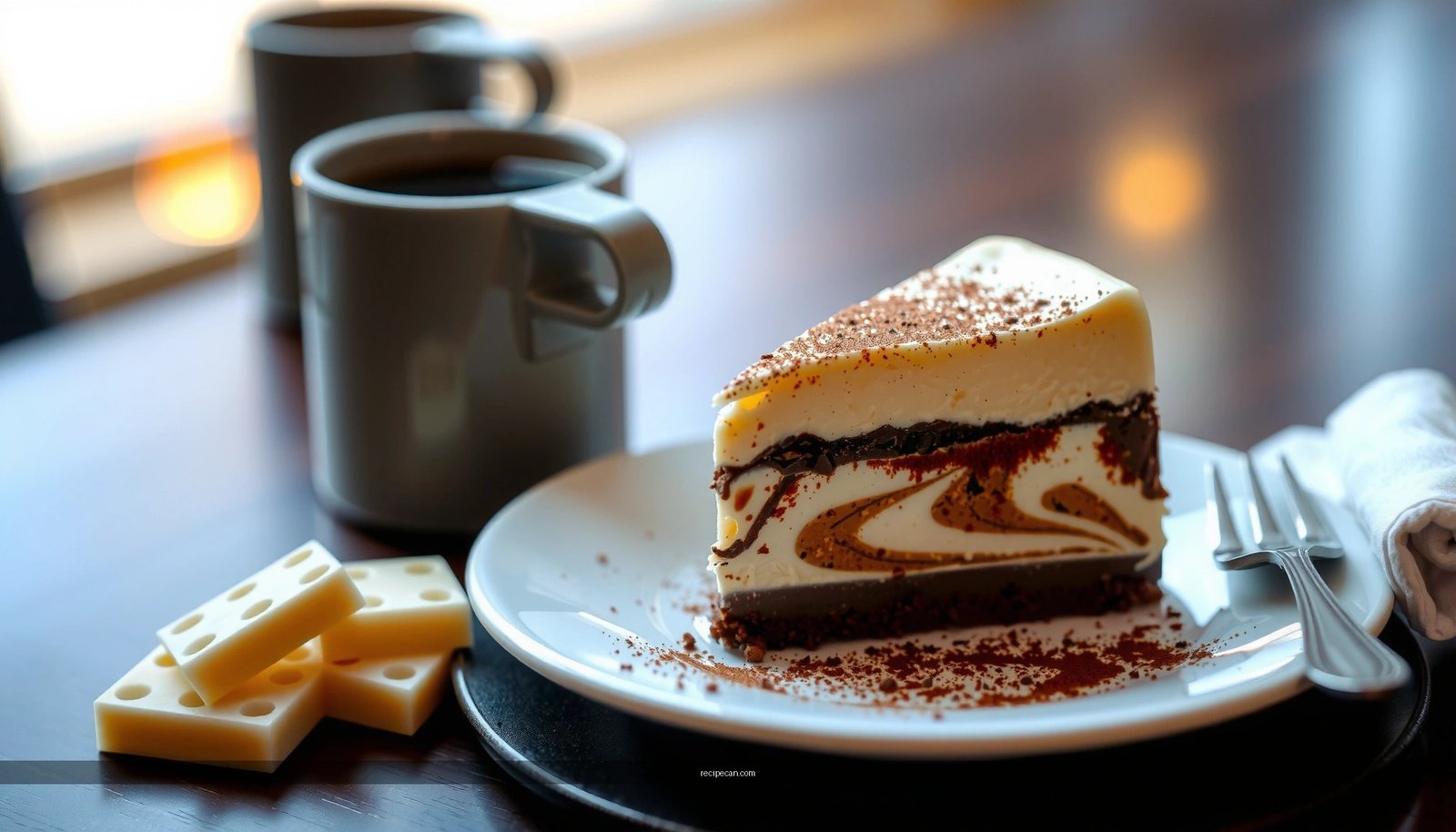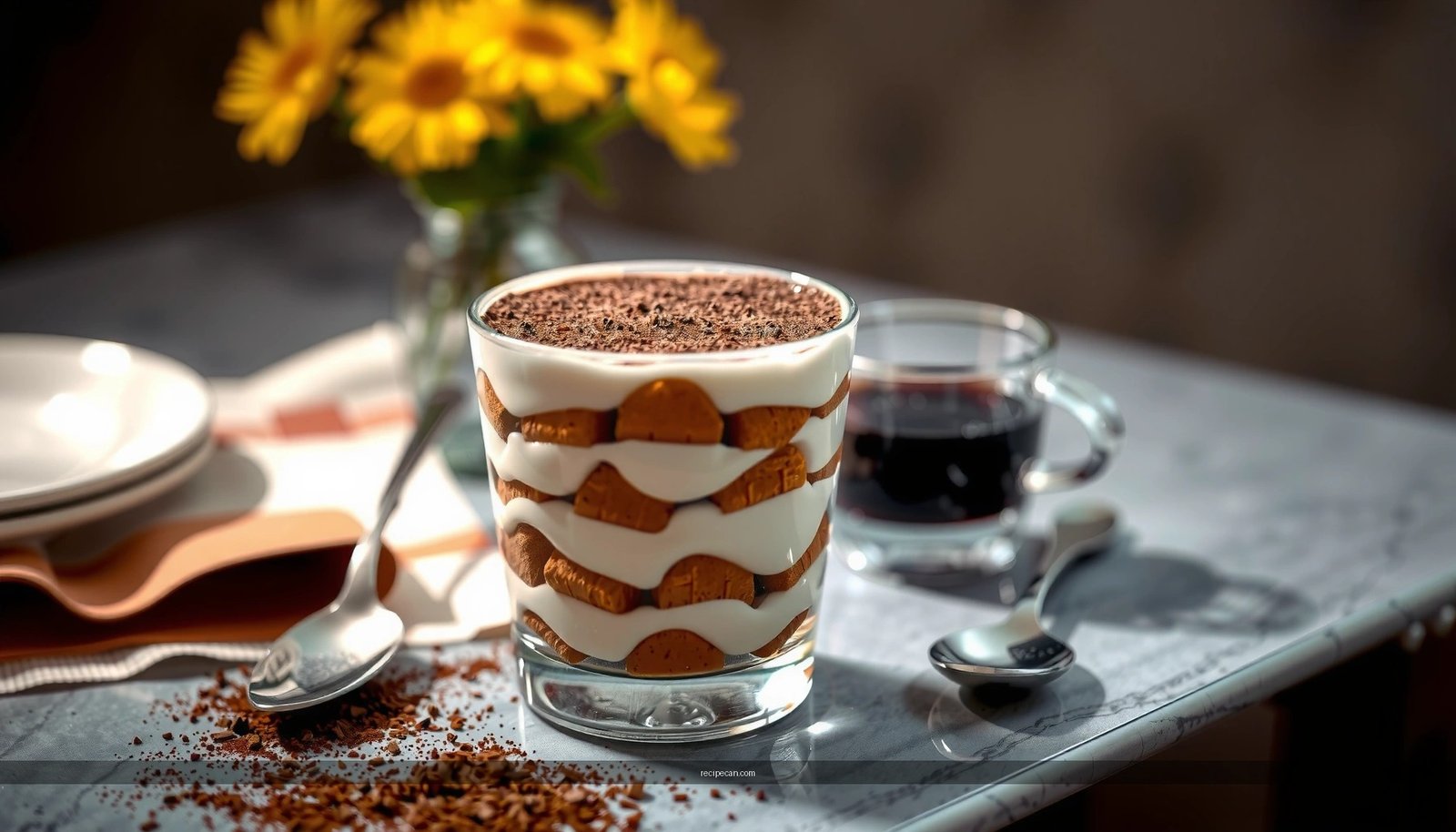
Get the classic, creamy mascarpone tiramisu recipe that delivers the café-style texture without complicated steps. This straightforward method shows exactly how to mix mascarpone, fold the eggs correctly for stability, and assemble so every slice holds its shape and absorbs espresso evenly. If you want tiramisu that tastes rich, not runny, follow this recipe for a reliable win.
A mascarpone tiramisu recipe is the simplest way to make a restaurant-style dessert at home—build espresso-soaked ladyfingers with a smooth mascarpone cream, then chill until sliceable. In this guide, you’ll learn how to make the creamy filling, assemble the layers neatly, and chill it for the best texture and flavor every time.
Ingredients for Mascarpone Tiramisu

A classic tiramisu is built on four pillars: mascarpone, eggs (or a safe egg-free approach), strong espresso, and ladyfingers. The rest is about balancing sweetness, texture, and flavor depth.
Core ingredients you’ll need
– Mascarpone: Use high-fat mascarpone for the dense, creamy texture tiramisu is known for.
– Eggs + sugar: The egg yolks add richness; the whites (whipped) help lighten the overall cream.
– Strong espresso: Fresh espresso tastes best, but espresso concentrate works well in a pinch.
– Ladyfingers: Classic savoiardi-style ladyfingers hold up during quick dipping without becoming mushy.
– Cocoa powder: For finishing—choose unsweetened Dutch-process or natural cocoa depending on your preferred bitterness.
– Vanilla (optional): Adds warmth and aroma, especially if you’re using a milder espresso.
Practical notes for reliable results
– Temperatures matter: Keep mascarpone and eggs at consistent room temperature (not warm, not cold) to reduce curdling risk and improve mixing.
– Sweetness is adjustable: If your espresso is especially bold or bitter, slightly increase sugar; if it’s mild, keep it moderate so the cocoa and coffee still shine.
– Egg safety: If serving guests who are pregnant, elderly, or immunocompromised, consider an egg-free method (discussed below) or use pasteurized eggs.
What to Use for a Classic Mascarpone Tiramisu (Typical Kitchen Specs)
| # | Ingredient | Recommended Type | Typical Amount | Result Impact |
|---|---|---|---|---|
| 1 | Mascarpone | Full-fat (25–40% fat) | 500 g | ★ ★ ★ ★ ★ |
| 2 | Egg yolks | Fresh or pasteurized | 4 large | ★ ★ ★ ★ ☆ |
| 3 | Egg whites | Fresh, room temp | 2 large | ★ ★ ★ ★ ☆ |
| 4 | Sugar | Granulated | 120–140 g | ★ ★ ★ ☆ ☆ |
| 5 | Espresso | Strong, fresh-brewed | 240–320 ml | ★ ★ ★ ★ ★ |
| 6 | Ladyfingers | Savoiardi-style | ~24–28 pieces | ★ ★ ★ ☆ ☆ |
| 7 | Cocoa powder | Unsweetened (Dutch or natural) | 2–4 tbsp | ★ ★ ★ ★ ☆ |
Make the Espresso Dip

The espresso dip is where tiramisu can either become perfect—or turn watery or soggy. The goal is flavor transfer without collapsing the structure of the ladyfingers.
How to brew and cool
– Brew strong espresso using a machine, moka pot, or stove-top method.
– Let it cool for 5–10 minutes. Hot liquid can over-soften ladyfingers and slightly melt the cream layer when assembled.
How to dip
– Dip each ladyfinger briefly—think 1–2 seconds per side.
– If your ladyfingers are particularly dry, you can go slightly longer, but keep it controlled. Over-soaking is the most common “classic tiramisu fails” because it breaks the neat, stackable layers.
Optional professional refinements
– Balance bitterness: If your espresso is extremely intense, add 1–2 teaspoons of sugar to the espresso while it’s warm, then cool.
– Flavor depth: Use a small splash of coffee liqueur (like Marsala or dark coffee liqueur) if appropriate. For a business-friendly “serve anytime” dessert, keep it optional or omit it.
Prepare the Mascarpone Cream

This is the heart of the dessert: mascarpone cream should be rich, smooth, and aerated enough to feel light rather than heavy.
Classic method (egg-based)
1. Whisk mascarpone with sugar until smooth. Scrape the bowl edges to eliminate lumps.
2. Whisk egg yolks with a portion of the sugar until slightly lighter (this improves texture).
3. Whip egg whites to soft or medium peaks. Soft peaks are ideal—stiff peaks can make the cream grainier.
4. Combine carefully:
– Fold egg whites into the mascarpone mixture gently to maintain air.
– Fold slowly until you don’t see large streaks.
Egg-free perspective (for broader accessibility)
If you want an egg-free mascarpone tiramisu approach, you can:
– Use pasteurized egg-free yolk alternatives where appropriate, or
– Rely on whipped cream folded into mascarpone (commonly used in modern adaptations).
– Whip cold heavy cream to soft peaks, then fold into mascarpone gently.
– This won’t be identical to the traditional Italian texture, but it produces a stable, creamy filling with less risk.
Analytical texture guidance
– Overmixing after folding tends to deflate the air you worked to incorporate, leading to a denser cream.
– Under-whipping egg whites (or cream, in the egg-free method) can make the filling feel heavy and less luxurious.
Assemble the Tiramisu Layers
Layering is not just aesthetics—it directly affects slice stability and how espresso and cream distribute across servings.
A reliable assembly workflow
– Choose a shallow dish or baking pan so layers are even and slices come out cleanly.
– Start with a thin layer of mascarpone cream to help the first biscuit set.
– Add espresso-dipped ladyfingers in a single layer with minimal gaps.
– Spread a consistent thickness of cream on top.
– Repeat to create 2–3 layers depending on your pan height.
– Keep the final top layer cream-focused (less biscuit exposure) so the cocoa dusting sits on a dry-ish surface.
Professional presentation tips
– Level each cream layer with an offset spatula.
– Chill briefly between layers if you find the cream softening (10–15 minutes), especially in warm kitchens.
Chill and Set for Perfect Texture
Chilling is where tiramisu becomes cohesive. Without enough refrigeration, you’ll get blurred layers and a runnier spoon rather than a clean slice.
Minimum chilling time
– Refrigerate at least 4–6 hours.
– For best results (texture and flavor melding), chill overnight.
Why it works
– The ladyfingers gradually absorb espresso, but in the right balance: enough to be flavorful, not enough to disintegrate.
– The cream firms as it cools, helping you achieve neat layers that hold shape when sliced.
Portioning and slicing
– Use a sharp knife wiped between cuts.
– If possible, pull tiramisu from the fridge 5–10 minutes before serving to slightly soften the top layer—this makes slicing easier while still maintaining structure.
Serving Tips and Common Mistakes
Serving tiramisu is where small technique choices create big perceived quality. Likewise, the most common mistakes are predictable—and avoidable.
Serving best practices
– Dust cocoa right before serving: Cocoa absorbs moisture and can turn muddy if left too long on the top.
– Add a final espresso aroma boost: If you’re serving guests, consider a light dusting and a brief rest at refrigerator temperature—not warm, just slightly softened.
Common mistakes (and how to prevent them)
– Over-soaking ladyfingers → Leads to watery dessert.
– Fix: dip briefly and keep espresso cool.
– Overmixing the cream after folding → Deflates air and makes it heavy.
– Fix: fold gently until combined; stop once streaks disappear.
– Under-chilling → Results in layers that slide.
– Fix: plan ahead and chill overnight for consistent sliceable texture.
Quality control checks
– The cream should be thick enough to hold a spatula trail.
– The assembled dessert should look layered and defined—not slumped.
Toss together these steps to create a classic mascarpone tiramisu with layers that slice cleanly and taste rich. Follow the chilling guidance, serve with a fresh cocoa dusting, and try making it ahead for an effortless dessert that always impresses—then share your result or customize it with your favorite coffee strength.
A great mascarpone tiramisu depends on controlled soaking, a smooth (and properly aerated) mascarpone cream, and sufficient chilling time. Master those three variables, and you’ll consistently produce a classic, creamy dessert with clean layers, deep espresso flavor, and a professional finish every time.
Frequently Asked Questions
What ingredients are essential for a classic mascarpone tiramisu recipe?
A classic mascarpone tiramisu recipe typically uses mascarpone cheese, eggs, sugar, espresso (or strong brewed coffee), ladyfinger biscuits, and cocoa powder. You’ll also usually add a pinch of salt to help balance sweetness and optionally use vanilla or rum/marsala for extra depth. Using full-fat mascarpone is key for a thick, creamy tiramisu filling that holds its shape.
How do you make mascarpone tiramisu without the eggs scrambling?
To avoid scrambling, many cooks gently temper the eggs by whisking yolks with sugar over low heat or warming them gradually before combining with mascarpone. Alternatively, you can use a raw-egg method with pasteurized eggs or skip cooking by whipping yolks separately and carefully folding into the mascarpone. Keep the mixture moving and remove from heat as soon as it thickens slightly to maintain a smooth mascarpone tiramisu texture.
Why does my mascarpone tiramisu become watery, and how can I prevent it?
Watery tiramisu usually comes from over-soaking the ladyfingers in espresso or from a filling that’s too loose. Dip each ladyfinger quickly—just long enough to coat—then layer immediately so the biscuits don’t absorb excess liquid. Also, ensure your mascarpone mixture is well-whipped and chilled; firming in the fridge helps the layers set into a sliceable mascarpone tiramisu.
What’s the best way to assemble mascarpone tiramisu for clean layers?
For best results, use a glass dish or springform-style container and assemble in even layers: espresso-soaked ladyfingers, then mascarpone cream, repeated until finished. Use a spatula to spread the mascarpone filling smoothly and tap the dish gently to remove air pockets. If you want neater slices, refrigerate the mascarpone tiramisu for at least 4–6 hours (or overnight) before serving.
Which espresso should I use for mascarpone tiramisu—strong coffee or espresso shots?
Espresso is ideal because it has a concentrated flavor that balances the sweetness of mascarpone tiramisu. If you don’t have espresso, use very strong brewed coffee with a similar intensity, and let it cool so it doesn’t melt the cream layers. For a smoother taste, avoid overly bitter coffee and consider adding a small splash of liqueur to the espresso mixture if it fits your flavor preference.
References
- Google Scholar Google Scholar
https://scholar.google.com/scholar?q=mascarpone+tiramisu+recipe - Google Scholar Google Scholar
https://scholar.google.com/scholar?q=tiramisu+recipe+egg+raw+pasteurization+food+safety - Google Scholar Google Scholar
https://scholar.google.com/scholar?q=mascarpone+cheese+composition+milk+cream+acid+coagulation - Tiramisu
https://en.wikipedia.org/wiki/Tiramisu - Mascarpone
https://en.wikipedia.org/wiki/Mascarpone - Tiramisu | Meaning, Ingredients, Origin, Desserts, & Taste | Britannica
https://www.britannica.com/topic/tiramisu - https://www.bbc.com/food/recipes/tiramisu_70656
https://www.bbc.com/food/recipes/tiramisu_70656 - https://www.theguardian.com/lifeandstyle/2016/mar/11/tiramisu-recipe
https://www.theguardian.com/lifeandstyle/2016/mar/11/tiramisu-recipe - https://www.nytimes.com/2020/02/11/dining/tiramisu-recipe.html
https://www.nytimes.com/2020/02/11/dining/tiramisu-recipe.html - Eggs | Food Safety and Inspection Service
https://www.fsis.usda.gov/food-safety/safe-food-handling-and-preparation/eggs