Choosing the right lady fingers for tiramisu isn’t guesswork—your result depends on this decision: crisp vs. soft, and how fast they absorb espresso without turning to mush. Use lady fingers labeled for tiramisu or dry, firm savoiardi when you want clean layers that hold up under soaking. If you need the boldest, fastest soak with the softest texture, opt for thinner, more absorbent cookies and soak briefly.
Use crisp lady fingers and soak them briefly in cooled espresso so they soften for layered texture without turning mushy—this is the fastest way to get classic, sliceable tiramisu. The right cookie structure, controlled dipping time, and proper chilling work together to prevent soggy layers while still delivering that signature tender bite.
Choose the Right Lady Fingers
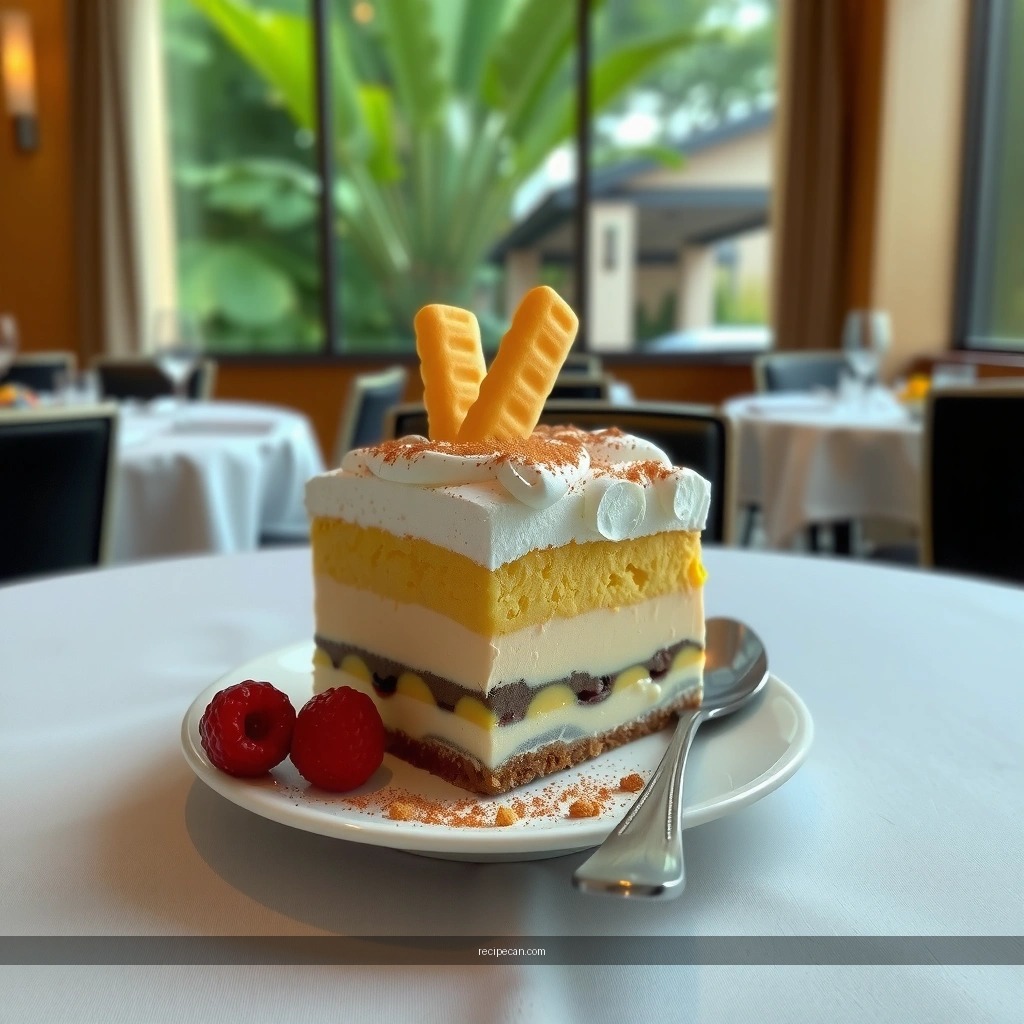
The biggest driver of tiramisu texture is the lady finger’s structure—specifically how well it holds up when it meets liquid. For most home cooks, “savoiardi” (store-bought crisp lady fingers) are the most reliable because they’re engineered for baking consistency: dry interior, uniform porosity, and a shape designed for layering.
– Opt for crisp, store-bought lady fingers (savoiardi) for best structure.
Look for packages that describe *savoiardi* or “lady fingers,” and choose ones that feel dry and firm rather than spongy. When you press lightly, they should offer slight resistance rather than compressing immediately.
– Check thickness/size so they layer evenly in your dish.
Consistent thickness helps you build straight, stable layers. If the cookies vary significantly, some pieces absorb faster and others remain under-soaked, creating an uneven slice (crumbly edges with watery centers).
– If using homemade, ensure they’re fully baked and not overly soft.
Homemade lady fingers often succeed, but underbaking is a common failure mode. Make sure they’re baked until the exterior is dry and the interior holds shape when handled. If they feel moist or bend without cracking, they’ll drink espresso quickly and collapse in cream.
What “good” looks like in practice: when you dip correctly, the cookie should become pliable but not collapse into a paste. If your tiramisu has ever been watery, it usually means the cookies were either too soft at the start or soaked too long.
Soak Readiness: Matching Lady Finger Type to Tiramisu Dipping Time
| # | Lady Finger Type | Typical Dryness at Room Temp | Recommended Dip Time per Side | Best For | Texture Outcome |
|---|---|---|---|---|---|
| 1 | Classic Savoiardi (store-bought, crisp) | High (dry, firm) | 1–2 sec | Standard 8–10 person tiramisu | ★★ ★ ★ ☆ |
| 2 | Thinner Savoiardi variant | Medium-High | ~1 sec | Tighter layers, smaller pans | ★ ★ ★ ★ ☆ |
| 3 | Homemade, fully baked & dry | Medium (dry outside) | 1–2 sec | Flavor-forward espresso profile | ★ ★ ★ ★ ☆ |
| 4 | Store-bought lady fingers (slightly softened/aged) | Low-Medium | 0.5–1 sec | Preventing over-absorption | ★ ★ ★ ☆ ☆ |
| 5 | Homemade, underbaked/soft center | Low | 0.25–0.5 sec | Only if you’re very precise | ★ ★ ☆ ☆ ☆ |
| 6 | Gluten-free lady fingers (dry style) | Medium-High | 1 sec | Classic layering without gluten | ★ ★ ★ ★ ☆ |
| 7 | “Soft sponge” biscuits labeled as lady fingers | Low | Avoid or use minimal (≤0.25 sec) | Alternative desserts | ★ ☆ ☆ ☆ ☆ |
Espresso Soaking Tips
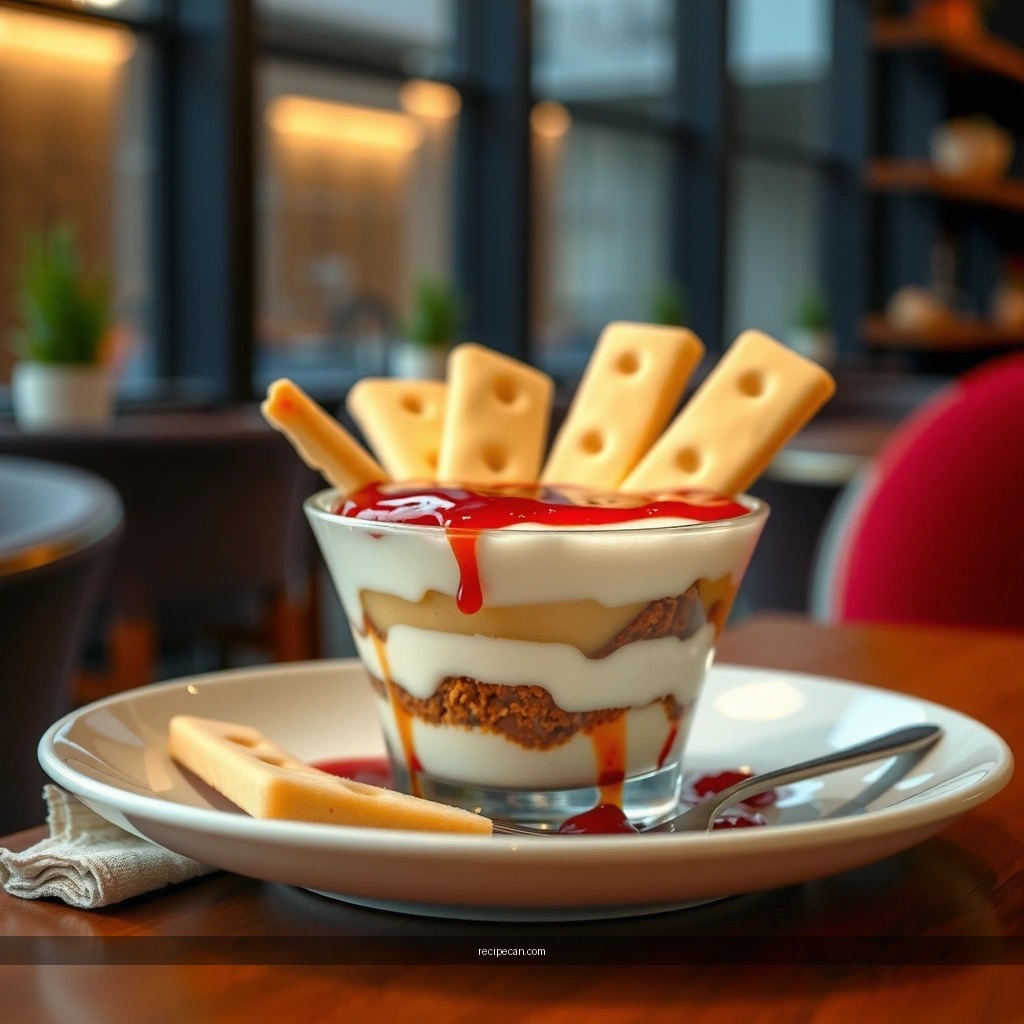
Tiramisu is not meant to be espresso-soaked like a bread pudding. The goal is surface hydration: enough espresso to flavor and soften, not enough to flood the cookie structure.
– Dip each side briefly (about 1–2 seconds) for perfect texture.
Work one cookie at a time. Dip, let excess liquid drip off for a second, then place immediately into the cream. This “dip-and-drip” behavior is what prevents watery tiramisu.
– Use cooled espresso for better control and less sogginess.
Warm liquid accelerates breakdown and can melt or loosen the mascarpone mixture, especially if your kitchen is hot. Aim for espresso that’s cooled to room temperature.
– Add a splash of coffee liqueur if you want deeper flavor.
Coffee liqueur (like amaretto-style almond notes or classic coffee liqueur) can increase perceived richness. If you add it, reduce the espresso slightly or keep the dip time shorter—liquor contributes to absorption even without extra “wetness.”
Practical workflow for consistency: set up an assembly line with (1) your espresso mixture in a shallow dish, (2) the lady fingers lined ready, (3) mascarpone cream, and (4) your baking dish or pan. When you reduce movement, you reduce accidental over-soaking.
Layering for the Best Texture
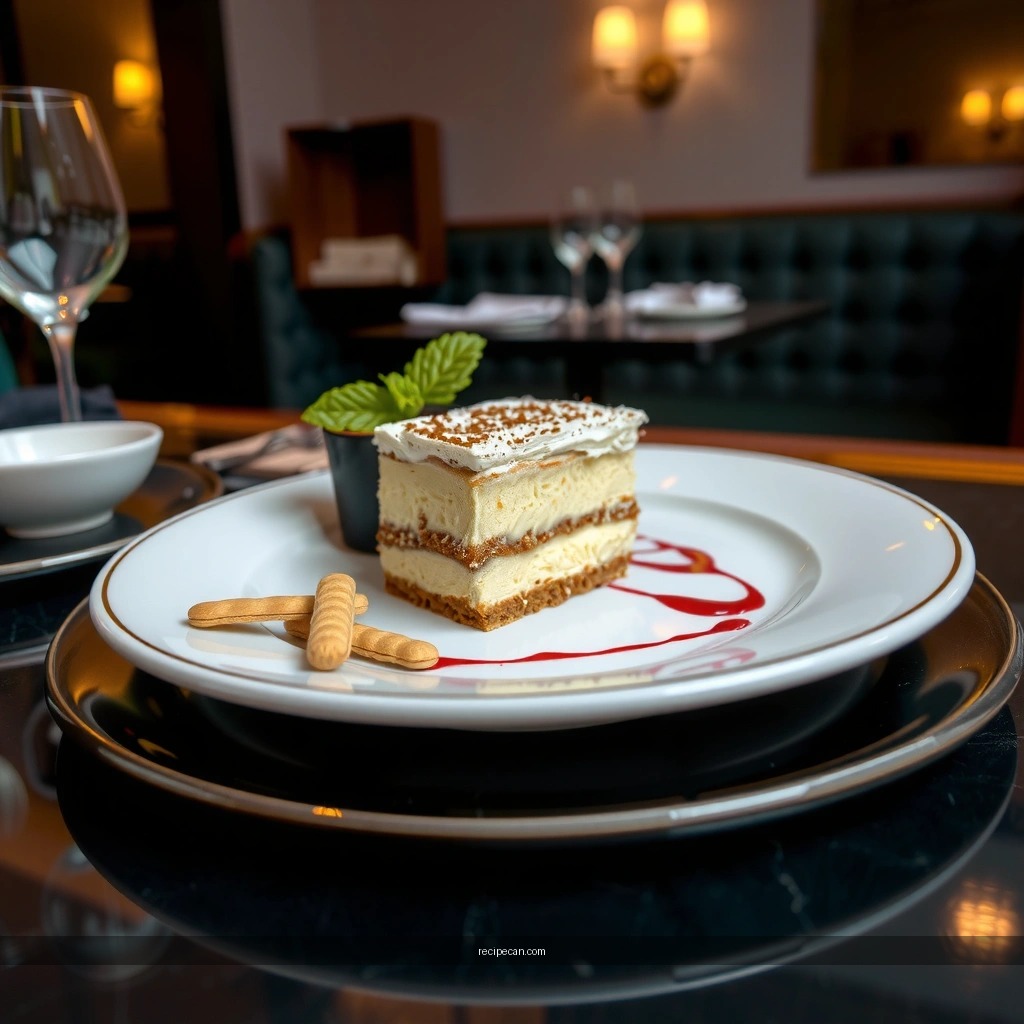
Layering is where many recipes either become restaurant-level or collapse under pressure. The objective is structural stability: cookies support cream, cream supports the next cookie layer.
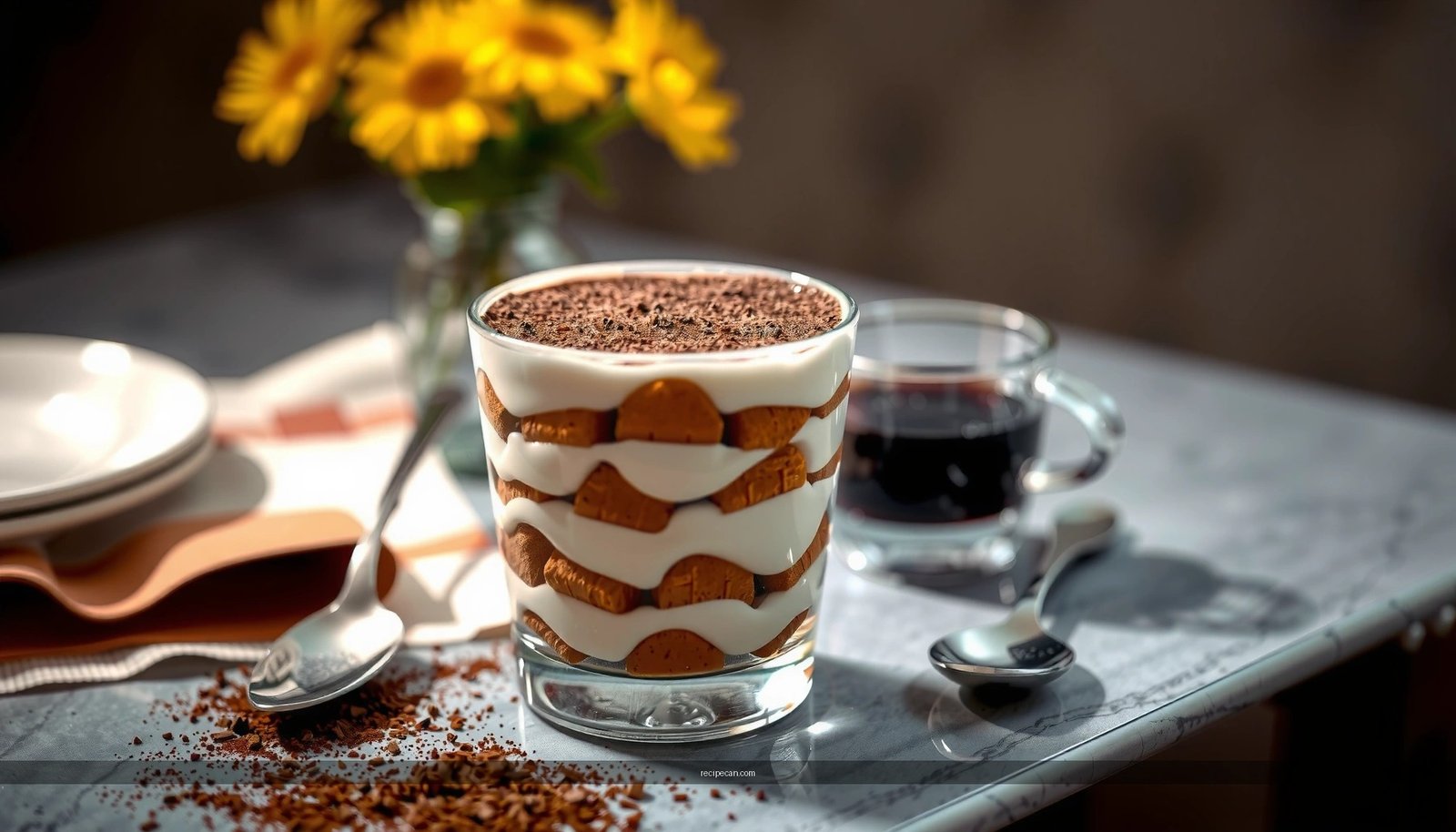
– Arrange a tight first layer to create a stable base.
Start by placing cookies snugly along the bottom. Gaps allow cream to pool into empty spaces, which can create a softer, less-defined slice.
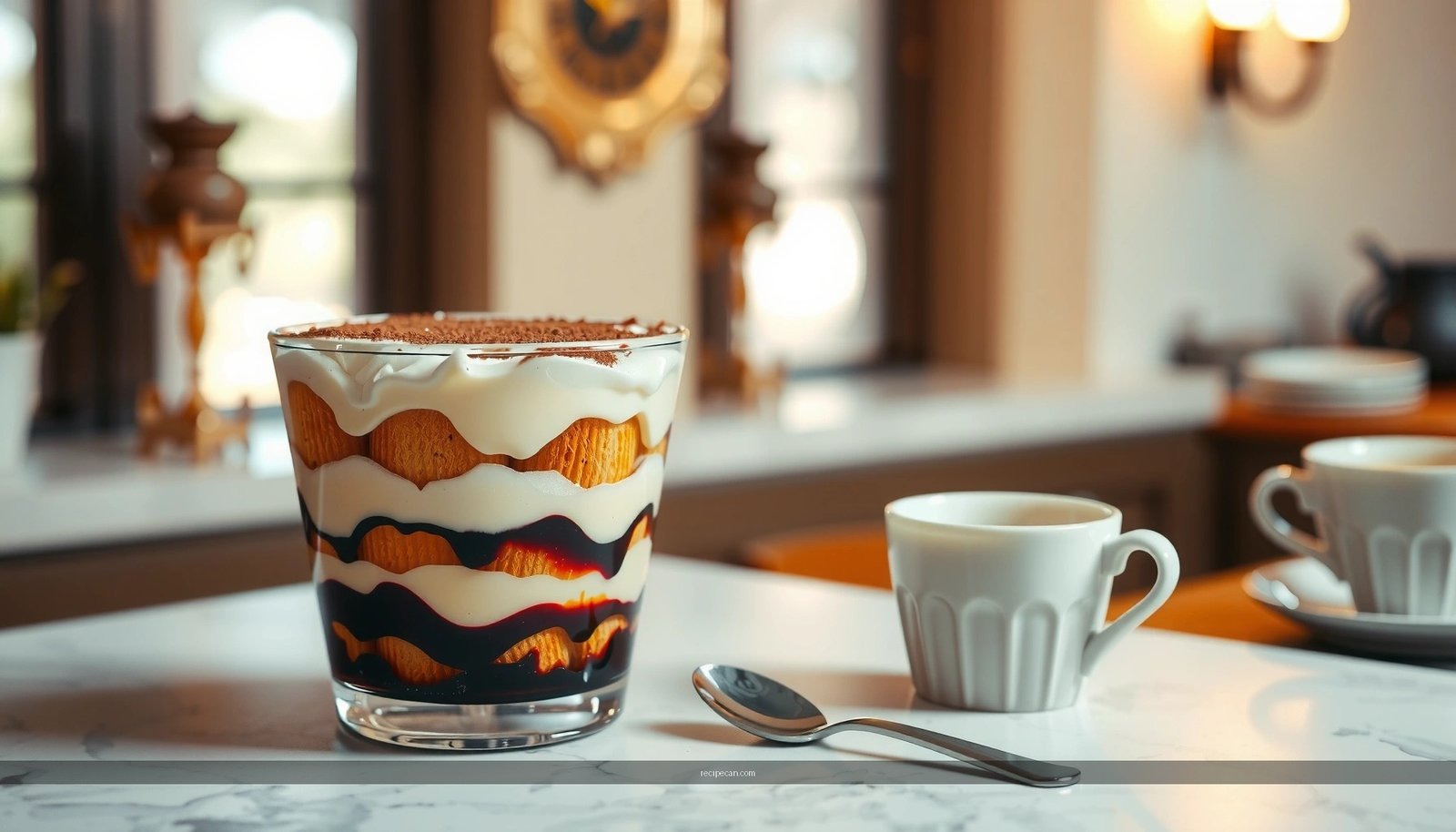
– Alternate lady fingers and mascarpone cream for consistent results.
Don’t dump a thick mound; spread the mascarpone mixture evenly so each cookie layer contacts cream uniformly. This improves set and prevents “dry seams.”
– Avoid overfilling layers—keep portions balanced.
Thick layers can trap too much moisture and delay setting. A useful approach is to build in even thickness—especially for the second layer, where excess cream most often causes slumping.
A professional tip: press very gently after each cookie layer. You’re settling the layer, not compressing it. Compression can squeeze espresso-absorbed cookies into a paste.
How Long to Soak (So They Don’t Fall Apart)
Soak time is not a fixed rule—it depends on cookie thickness, dryness, and even humidity in your kitchen. But you can still apply a disciplined baseline.
– Start with minimal soaking; you can always adjust next time.
If you’re unsure, begin at the lower end (about 1 second per side for crisp savoiardi). After chilling, evaluate texture and adjust only slightly next batch.
– If your lady fingers are thinner, soak even less.
Thinner cookies hydrate faster and can disintegrate before the mascarpone reaches a stable set. Use shorter dip times and rely on chilling to finish the softening.
– Let tiramisu chill before serving so layers set properly.
Chilling helps moisture distribute evenly between cookies and cream. Even perfectly dipped lady fingers may look slightly under-set when warm.
For a more controlled test, dip a single cookie and wait 2–3 minutes before assembling the rest. You’ll quickly learn whether your cookie is absorbing too fast.
Common Mistakes to Avoid
Most “bad tiramisu” outcomes come from a small number of process errors. Avoid these, and the recipe becomes far more forgiving.
– Don’t soak too long—this is the biggest cause of watery tiramisu.
Over-soaked cookies release liquid into the cream during chilling, producing a thin, watery layer under slices.
– Avoid warm espresso; it can break down the cookies faster.
Temperature increases chemical and structural breakdown, especially in crisp cookies. Warm liquid also softens butterfat-containing components if your mascarpone mixture is too thin.
– Don’t rush assembly—working in batches helps keep consistency.
If you dip a full stack and wait, the first cookies will absorb more than the last ones. Dip and assemble in small batches so each cookie experiences the same exposure time.
Think of soaking as a “timed contact” rather than a soak. The correct texture is achieved in seconds, not minutes.
Make-Ahead and Storage Guidance
Tiramisu is inherently a make-ahead dessert because refrigeration is part of the chemistry that creates sliceable layers.
– Refrigerate at least 4–6 hours for the best sliceable texture.
During this period, moisture migrates from cookies into the mascarpone and sets the structure. For best results, many cooks target overnight chilling.
– Store covered in the fridge for up to 2–3 days.
Keep it covered to prevent the top from drying out and to preserve the espresso-cocoa aroma. After that window, cookies can continue softening and slices may lose definition.
– If freezing, expect texture changes—refrigeration is preferred.
Freezing can alter the cream’s texture and the cookie’s hydration pattern. If you must freeze, wrap tightly to reduce freezer burn and thaw slowly in the refrigerator—but for classic tiramisu texture, refrigeration remains the priority.
If you’re preparing for an event, assemble a full day in advance. Transport and serving go more smoothly when the tiramisu is already set.
Lady Finger Selection Guide for Clean Layers
| # | Evaluation Criteria | Target for Tiramisu | Why It Matters |
|---|---|---|---|
| 1 | Crispness to the touch | Firm, dry surface | Controls espresso absorption |
| 2 | Uniform thickness | Consistent across box | Prevents over/under-soaked spots |
| 3 | Baked interior (no gummy center) | Holds shape when handled | Reduces cookie collapse |
| 4 | Dip behavior in cooled espresso | Softens, not dissolves | Ensures slice integrity after chilling |
| 5 | Dry aroma (not stale/greasy) | Neutral, lightly sweet | Better espresso and cocoa balance |
| 6 | Pan-fit shape | Snug fit with minimal gaps | Reduces cream pooling |
| 7 | Freshness window | Not excessively aged | Aged cookies absorb faster |
Tiramisu success starts with using lady fingers correctly: quick espresso dipping, careful layering, and adequate chilling. Choose crisp savoiardi (or properly baked homemade cookies), dip each side briefly in cooled espresso, and build tight, even layers so your mascarpone sets cleanly. Follow these steps to avoid soggy or crumbly results, then make your next batch—slice, serve, and enjoy the classic texture you’re aiming for.
Frequently Asked Questions
What kind of lady fingers are best for a tiramisu recipe?
For tiramisu, use classic Italian lady fingers (also called savoiardi) that are crisp enough to hold their shape but absorb coffee quickly. Look for packages that specify “savoiardi” or “ladyfingers” and avoid overly soft sponge cookies that can turn mushy. If you want a firmer tiramisu, choose slightly thicker lady fingers or brands known for a dry, crisp texture.
How do you soak lady fingers for tiramisu without making them soggy?
Dip each lady finger quickly—about 1–2 seconds per side—in your coffee mixture, or spoon the coffee over them rather than soaking. The goal is to moisten the surface so they taste infused coffee but still support the layers. If your tiramisu tends to collapse, reduce soaking time or use a slightly less watery coffee mixture (for example, add a small amount of espresso plus a bit of liqueur).
Why do my lady fingers turn into mush in tiramisu, and how can I fix it?
Mushy lady fingers usually come from over-soaking, using warm coffee that accelerates breakdown, or letting the dessert sit too long before assembly is set. Use room-temperature or slightly cooled coffee and dip briefly, then assemble immediately. You can also chill the mascarpone layer so the cookies stay structured longer, and let the tiramisu rest in the fridge to set rather than room temperature.
Which coffee mixture works best for soaking lady fingers in tiramisu?
A traditional tiramisu soak uses espresso or strong brewed coffee, sometimes mixed with Marsala wine or coffee liqueur for depth. Use freshly brewed espresso for the richest flavor and to prevent the lady fingers from absorbing too much liquid. If you’re avoiding alcohol, replace it with extra strong coffee and keep the total liquid ratio balanced to maintain a sliceable tiramisu.
How long should tiramisu with lady fingers chill before serving?
Chill the tiramisu for at least 4–6 hours, or ideally overnight, so the lady fingers fully hydrate and the flavors meld. The resting time helps the mascarpone cream firm up and creates clean layers that slice well. If you serve too early, the lady fingers may feel under-absorbed; if you wait too long at warm temperatures, they can become overly soft.
References
- Lady finger
https://en.wikipedia.org/wiki/Ladyfinger - Tiramisu
https://en.wikipedia.org/wiki/Tiramisu - Ladyfingers (biscuits)
https://en.wikipedia.org/wiki/Savoiardi - Mascarpone
https://en.wikipedia.org/wiki/Mascarpone - Sponge cake
https://en.wikipedia.org/wiki/Sponge_cake - List of liqueur brands
https://en.wikipedia.org/wiki/Coffee_liqueur - Tiramisu | Meaning, Ingredients, Origin, Desserts, & Taste | Britannica
https://www.britannica.com/topic/tiramisu - Google Scholar Google Scholar
https://scholar.google.com/scholar?q=ladyfingers+tiramis%C3%B9+savoiardi+recipe - Google Scholar Google Scholar
https://scholar.google.com/scholar?q=ladyfingers+product+specifications+sponge+cake+texture - Google Scholar Google Scholar
https://scholar.google.com/scholar?q=tiramis%C3%B9+ladyfingers+coffee+mascarpone+food+science