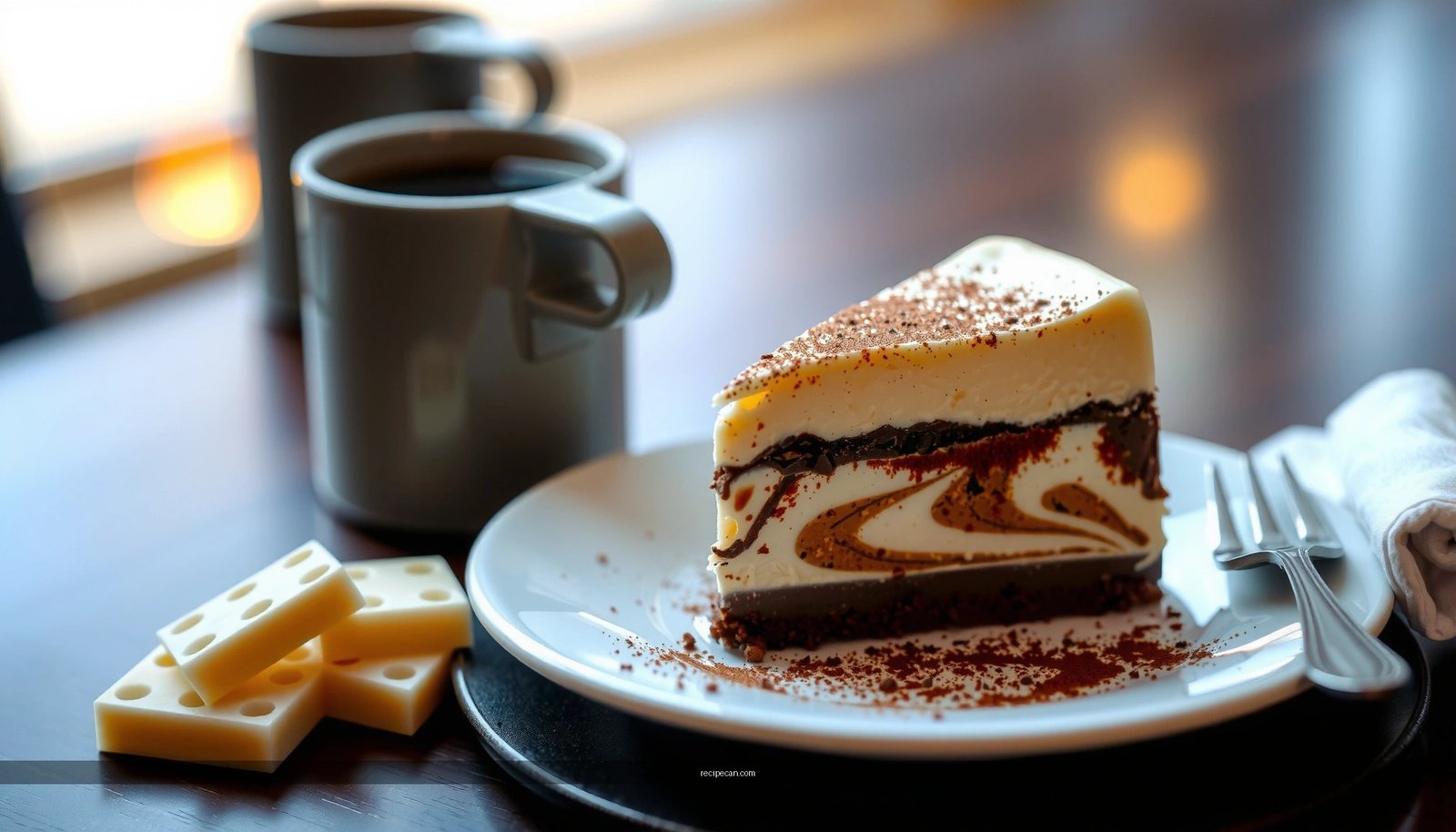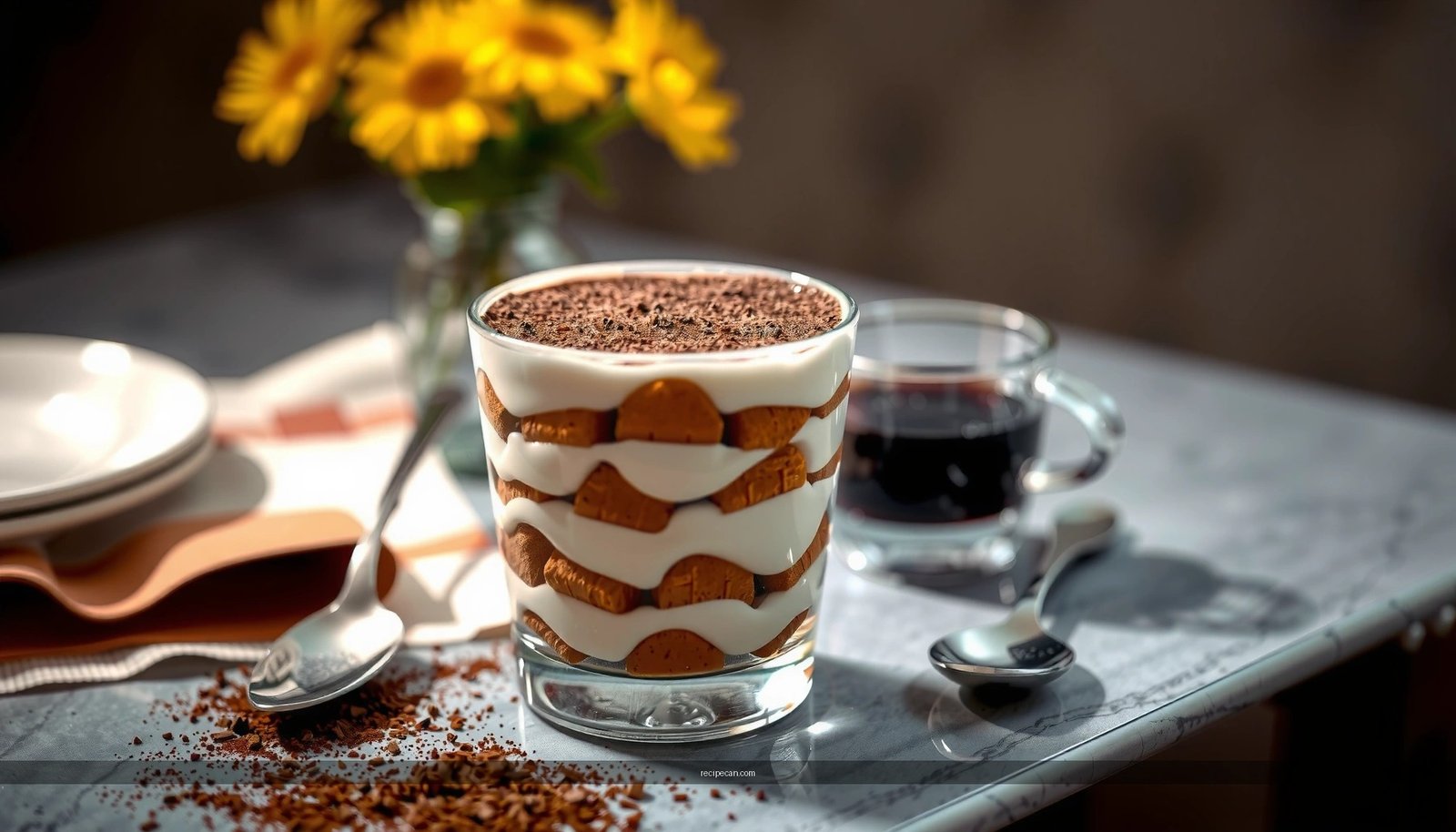
This eggless tiramisu recipe delivers the classic, no-egg version of the Italian favorite—creamy, layered, and coffee-rich without compromising on flavor. You’ll get clear steps for making the mascarpone-style filling and assembling flawless layers that set properly in the fridge. If you’re asking whether egg-free tiramisu can taste authentically “tiramisu,” this one wins on both texture and taste.
You can make classic eggless tiramisu by building a stable mascarpone cream (no eggs) and layering it with coffee-soaked ladyfingers, then chilling it long enough to “set.” The result is a creamy, elegant no-egg dessert with the familiar tiramisu profile—rich mascarpone, espresso bitterness, and cocoa dust—without relying on egg for structure.
Ingredients for Eggless Tiramisu
To get authentic tiramisu flavor without eggs, the ingredient list needs to do three jobs: (1) provide a thick, sliceable mascarpone filling, (2) deliver concentrated coffee flavor, and (3) add controlled sweetness and aromatics.
– Mascarpone (the base): Choose high-quality mascarpone for a thick, clean dairy taste that holds shape when whipped.
– Ladyfingers (savoiardi): Use crisp ladyfingers so they can absorb coffee without turning into mush.
– Strong brewed coffee (cooled): Espresso or strong coffee works best; it should be cool to prevent melting the cream.
– Sweetened condensed milk for a smooth, caramel-like sweetness, or
– Sugar for more neutral sweetness (then adjust to taste).
– Cocoa powder: For the signature finish—use unsweetened Dutch-process cocoa if you want a darker, mellower bitterness.
– Flavor boosters (optional but recommended):
– Vanilla extract for warmth and rounded sweetness
– Rum or amaretto (optional): A small splash increases classic tiramisu character without making it taste strongly alcoholic
A common question for eggless tiramisu is whether you “need eggs” to bind the filling. You don’t—proper whipping, correct cream thickness, and adequate chilling provide the structure you expect from traditional versions.
Recommended Coffee Strength for Ladyfingers (Eggless Tiramisu)
| # | Brew method | Typical coffee-to-water ratio | When to use | Fit for tiramisu |
|---|---|---|---|---|
| 1 | Espresso | 1:2 (by weight) | Fast, concentrated flavor | ★★★★☆ |
| 2 | Moka pot coffee | 1:8–1:10 | Deep bitterness | ★★★★☆ |
| 3 | Stovetop strong brew | 1:10–1:12 | Good for large batches | ★★★☆☆ |
| 4 | Aeropress | 1:10–1:12 | Balanced intensity | ★★★☆☆ |
| 5 | Standard drip coffee | 1:15 (typical) | Convenient, but weaker | ★★☆☆☆ |
| 6 | Instant coffee (rehydrated) | Stronger-than-usual mix | Emergency option | ★★☆☆☆ |
| 7 | Cold brew concentrate | Dilute 1:1 to 1:2 | Smooth, low acidity | ★★★★☆ |
Eggless Mascarpone Cream (No-Egg Filling)

Traditional tiramisu uses eggs for a custard-like richness. In eggless tiramisu, your cream must supply both structure and silkiness—and mascarpone is ideal as long as you whip correctly.
Core approach:
– Whip mascarpone until smooth: Start with room-temperature mascarpone for easy mixing. Whip just until creamy—overmixing can make the filling grainy.
– Fold in sweetened whipped cream (for stability):
– Whip heavy cream until it reaches soft-to-medium peaks.
– Fold into mascarpone gently so you keep air for a light texture while staying thick enough to hold layers.
– Sweeten strategically:
– If using condensed milk, add gradually and taste as you go. Condensed milk already brings sweetness and body, which helps the “set” feel after chilling.
– If using sugar, dissolve it first (or use fine sugar) to avoid a gritty texture.
– Add vanilla (and optional alcohol): Vanilla rounds flavors; a small amount of rum or amaretto boosts classic tiramisu aroma.
Texture test (highly practical):
Scoop a spoonful of the cream and pause. It should sit on the spoon with a slow, creamy slump—not watery drips, and not stiff “butter” clumps. This matters because ladyfingers create gaps; your cream fills them and makes clean slices possible after chilling.
Common failure modes (and fixes):
– Cream looks too loose: Chill the mascarpone base 10–15 minutes, then whip again briefly, or fold in slightly more whipped cream.
– Cream tastes too sweet: Reduce condensed milk next time; for this batch, balance with a bit more cocoa dust on top and slightly stronger coffee.
– Cream has lumps: Warm gently by holding the bowl in your hands for a minute, then whip lightly—lumps typically loosen with correct temperature.
Coffee Soak for Perfect Ladyfingers
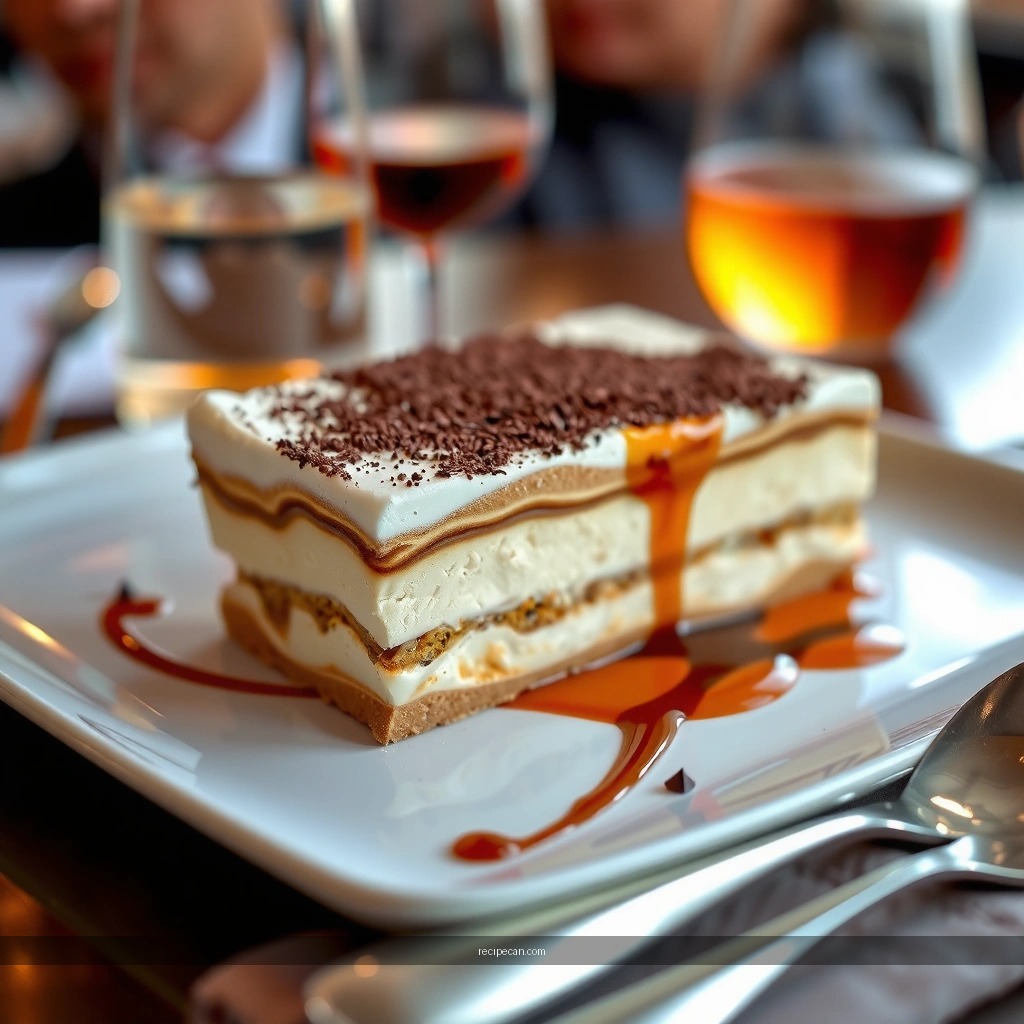
Coffee-soaked ladyfingers are the flavor engine in tiramisu. For eggless tiramisu, they also protect your structure: too much coffee turns the dessert into a soggy matrix.
How to soak correctly:
– Use cooled coffee: Ideally at room temperature or cool to the touch. Hot coffee can soften cream and melt texture.
– Dip briefly—seconds, not minutes:
– Aim for about 2–4 seconds per side depending on thickness.
– The goal is: coffee absorption without collapsing.
– Let excess drip off: Hold each dipped ladyfinger over the bowl for a few moments so liquid doesn’t pool between layers.
Flavor control:
If your coffee tastes harsh (common with very dark roasts), blend it with a little hot water during brewing and let it cool. Harsh bitterness can dominate mascarpone richness; you want balanced bitterness, not “burnt coffee” intensity.
Business-style consistency tip:
If you’re making tiramisu for an event, standardize your dip time and coffee temperature. Repeatable process beats “perfect by feel,” especially when multiple people are working in the kitchen.
Layering Steps (How to Build Tiramisu)
Layering isn’t just for appearance—it determines mouthfeel and slice integrity. A structured layer prevents ladyfingers from migrating and keeps every bite coffee-forward and creamy.
Follow this build:
– Start with a thin cream layer (bottom of the dish): This prevents ladyfingers from sticking and helps create a smooth base.
– Add a single layer of ladyfingers: Arrange them snugly with minimal gaps. Cut pieces as needed.
– Spread cream evenly: Use a spatula to create a level layer so the next coffee layer absorbs uniformly.
– Repeat: Usually you’ll get 2–3 cycles, depending on dish size and ladyfinger length.
– Finish with a clean cream top layer: Smooth it carefully—it’s the visual “signature” of tiramisu.
Pro guidance for even results:
– Keep the cream thickness consistent from layer to layer. If one layer is thinner, coffee will soak deeper there and soften faster.
– Don’t press hard. Pressing compresses ladyfingers and reduces the creamy suspension effect after chilling.
Chilling and Setting Time
Chilling is where eggless tiramisu becomes “classic.” Your cream firms, flavors meld, and ladyfingers rehydrate to the right tenderness.
Recommended timeline:
– At least 4–6 hours in the refrigerator for workable set
– Overnight (best) for clean slices and cohesive texture
Cover properly:
– Keep the dessert covered to prevent absorbing fridge odors (especially if storing near strong-smelling foods).
– If your container doesn’t seal tightly, use plastic wrap directly over the surface (gently) to limit surface drying.
Cocoa timing (freshness vs. appearance):
– Dust cocoa just before serving if you prefer a rich, fresh-looking top.
– If you dust earlier, it will absorb moisture and still taste good, but the top finish may look less “powdery.”
Why chilling matters in eggless versions:
Without eggs, you rely on mascarpone + whipped cream structure rather than custard proteins. Cold temperature helps the fat network solidify, delivering the signature sliceable cream profile.
Eggless Tiramisu Chilling Plan
| Step | Action | Target time | Result |
|---|---|---|---|
| 1 | Assemble layers and smooth top | 20–35 min | Even structure |
| 2 | Initial chill (firming) | 60–90 min | Cream sets slightly |
| 3 | Flavor meld | 4–6 hours | Improved coffee absorption |
| 4 | Optimal setting (overnight) | 10–14 hours | Best slice + texture |
| 5 | Dust cocoa before serving | 5–10 min | Avoid early dusting for best look |
Serving and Storage Tips
Once set, eggless tiramisu should be served chilled, with clean layers visible in each slice.
– Dust cocoa right before serving for the freshest appearance and best aroma.
– Slice with a cool knife: Chill your serving knife for a few minutes, then cut in one confident motion. Wiping the blade between slices keeps edges crisp.
– Let it sit briefly after removing from the fridge (5–8 minutes) if you want slightly softer cream, but keep it mostly cold.
Storage tips:
– Store covered in the refrigerator for up to 2–3 days for best texture.
– For longer storage, ladyfingers continue absorbing moisture and can soften further, reducing that “classic tiramisu bite.”
Quality note:
If you used alcohol (rum/amaretto), the flavor can mellow overnight, which is another reason overnight chilling is beneficial.
Eggless tiramisu is all about the right no-egg mascarpone cream, careful coffee soaking, and enough chilling time to set. Follow the layering and refrigeration steps above, then dust with cocoa and serve chilled—so you get that classic, creamy bite without eggs.
Frequently Asked Questions
What is the best eggless tiramisu recipe for beginners?
A great beginner eggless tiramisu recipe uses a mascarpone base whipped with cream or vegan cream and sweetened with sugar, plus strong espresso for dipping ladyfingers. To keep it stable, fold in whipped cream gradually and chill the assembled tiramisu for at least 4–6 hours. This method delivers classic tiramisu flavor without raw eggs, and the texture firms up nicely when refrigerated.
How do you make eggless tiramisu that doesn’t taste like eggs or custard?
Use mascarpone and whipped cream as your creamy layer instead of egg-based custard, and season the filling with vanilla and a pinch of salt to round out flavors. Make sure your coffee is properly concentrated (strong espresso or very strong brewed coffee) so the tiramisu tastes balanced even without egg richness. If you’re using packaged ladyfingers, briefly dip them in coffee to avoid a watery, overly soaked texture.
Why does eggless tiramisu sometimes become runny, and how can you fix it?
Runny eggless tiramisu usually happens when the mascarpone mixture is over-whipped, under-chilled, or when ladyfingers absorb too much coffee. Chill the mascarpone filling before folding and refrigerate the finished dessert until fully set; at least 4 hours is key. Also, dip ladyfingers quickly—just a few seconds per side—so they taste moist but don’t break down.
Which coffee and cocoa work best for an authentic eggless tiramisu flavor?
Use freshly brewed espresso or a strong coffee concentrate so the cocoa flavor isn’t overpowered by weak coffee. For classic taste, choose unsweetened cocoa powder (and optionally a touch of dark cocoa for depth) and dust generously right before serving. If you prefer more intensity, add a small splash of coffee liqueur or vanilla-flavored coffee (optional) while keeping the recipe eggless.
How long should you chill an eggless tiramisu before serving?
For the best texture, chill eggless tiramisu for at least 4–6 hours, or overnight if you can for maximum set and flavor. During chilling, the ladyfingers soften while the mascarpone cream firms up, helping clean slices. If serving soon, keep it in the refrigerator and let it firm longer rather than freezing, since freezing can alter the creamy texture.
References
- Google Scholar Google Scholar
https://scholar.google.com/scholar?q=eggless+tiramisu+recipe - Google Scholar Google Scholar
https://scholar.google.com/scholar?q=vegan+tiramisu+recipe+mascarpone+eggless - Google Scholar Google Scholar
https://scholar.google.com/scholar?q=eggless+tiramisu+substitute+eggs+custard+scientific+explanation - Tiramisu
https://en.wikipedia.org/wiki/Tiramisu - Tiramisu | Meaning, Ingredients, Origin, Desserts, & Taste | Britannica
https://www.britannica.com/topic/tiramisu - Vegan tiramisu recipe | Good Food
https://www.bbcgoodfood.com/recipes/vegan-tiramisu - https://www.theguardian.com/food/2023/jun/05/vegan-tiramisu-recipe
https://www.theguardian.com/food/2023/jun/05/vegan-tiramisu-recipe - https://www.nytimes.com/guides/recipes/ingredients/mascarpone
https://www.nytimes.com/guides/recipes/ingredients/mascarpone - https://pubmed.ncbi.nlm.nih.gov/?term=tiramisu+recipe
https://pubmed.ncbi.nlm.nih.gov/?term=tiramisu+recipe - eggless dessert recipe – Search Results – PMC
https://www.ncbi.nlm.nih.gov/pmc/?term=eggless+dessert+recipe