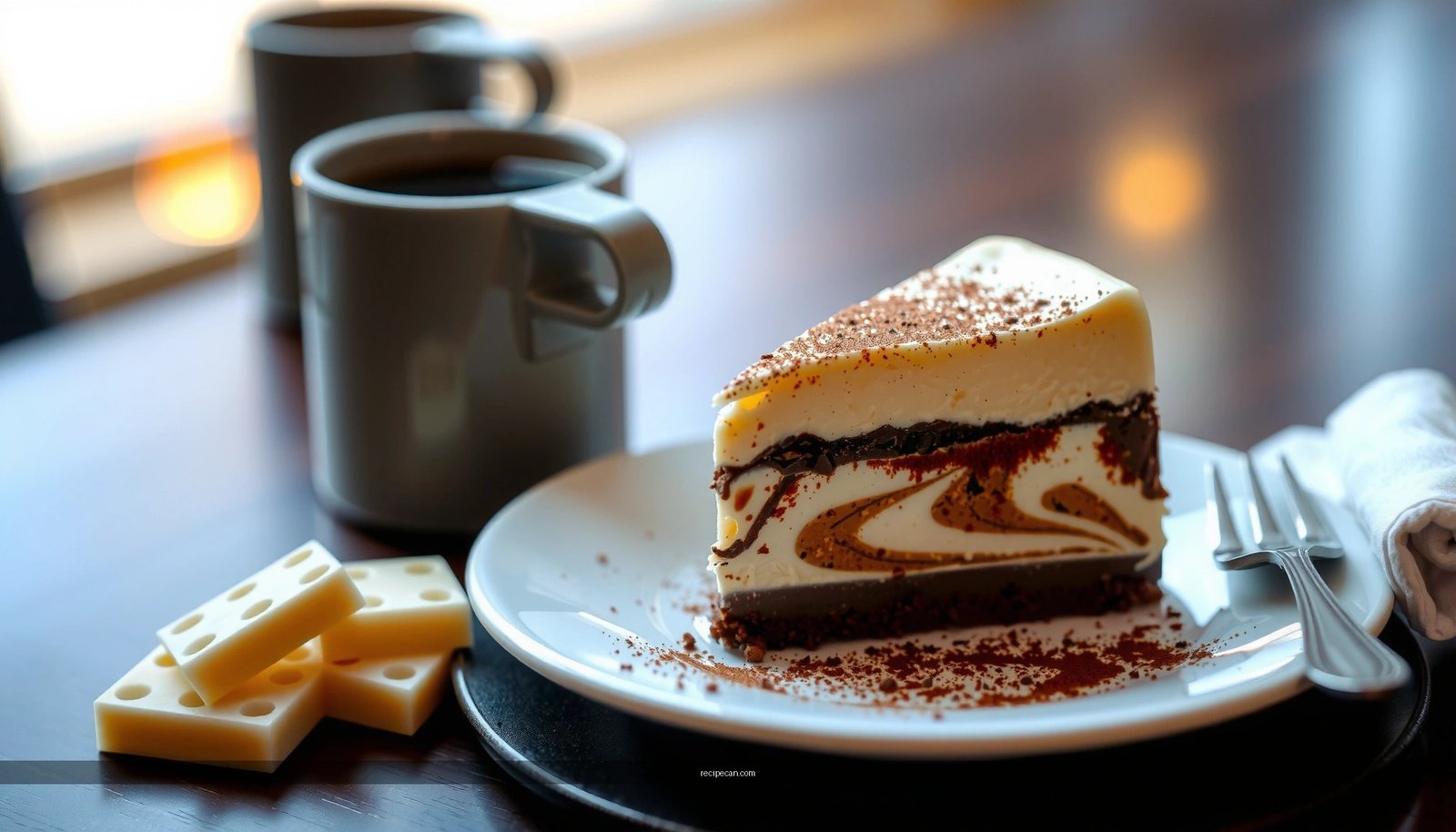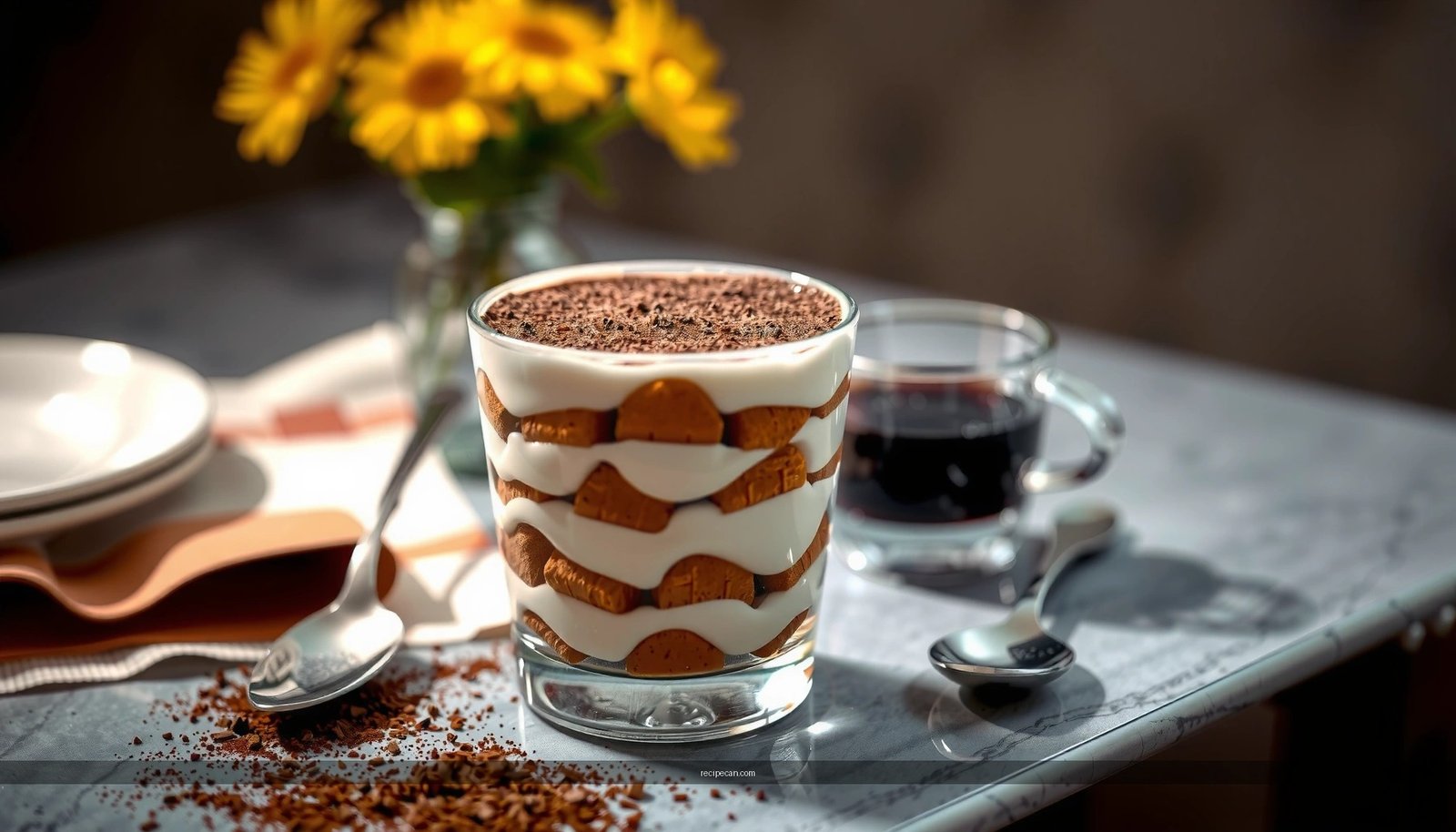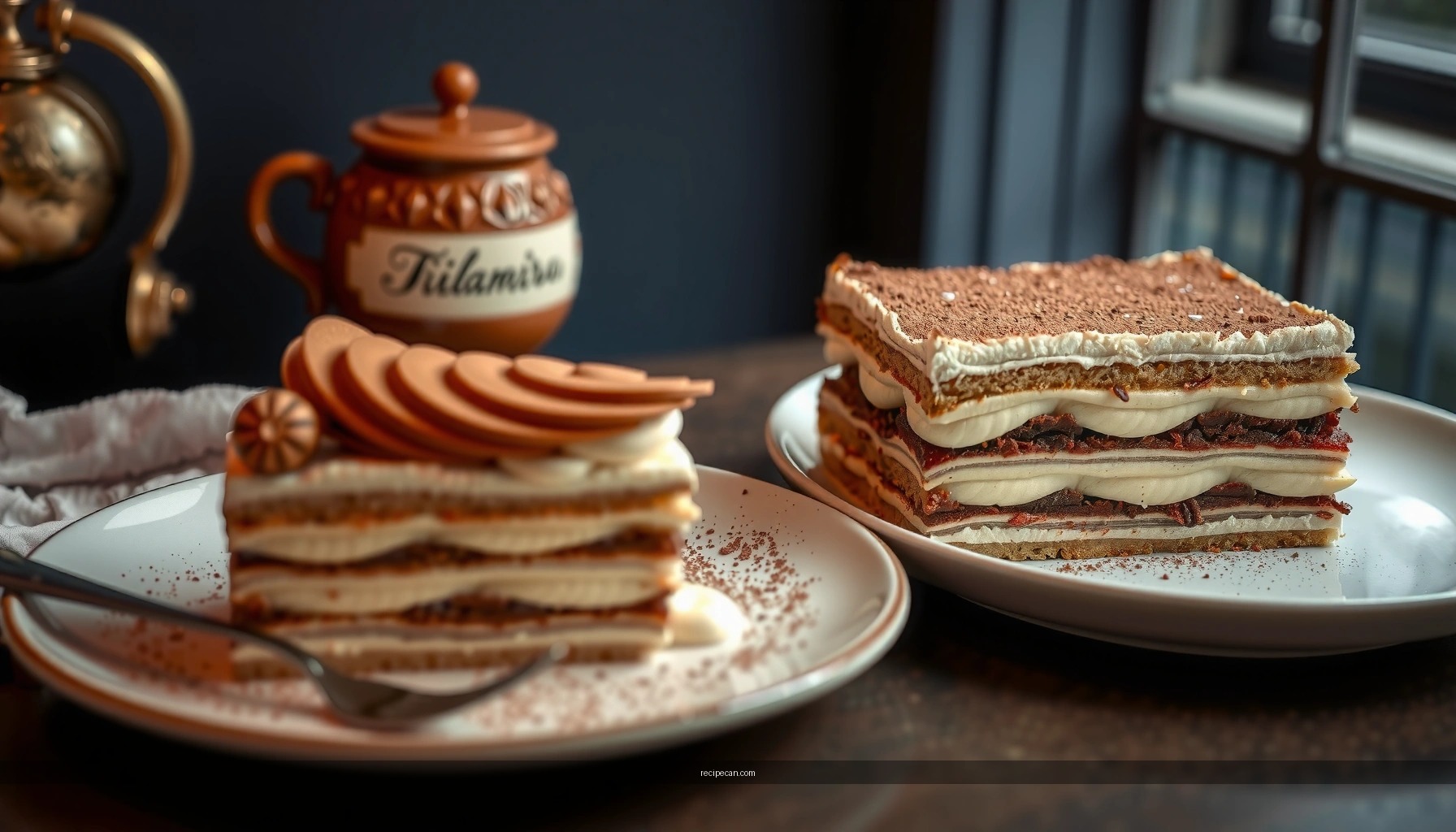
Get the authentic tiramisu cake recipe that delivers a rich, classic dessert with real espresso flavor and the right creamy mascarpone texture—without shortcuts. This straightforward method tells you exactly how to assemble, soak, and bake (not botch), so your tiramisu cake sets cleanly and tastes like the traditional version. If you want one clear winner that’s easy to make and unmistakably classic, this is it.
This authentic tiramisu cake recipe delivers the classic mascarpone flavor and coffee-soaked layers you expect—cleanly set, sliceable, and not soggy—because you’ll follow a precise soak, a stable cream method, and a long enough chill. Use this guide to build the cake layer-by-layer with the right texture control, so the taste stays rich and the structure holds from first slice to the last.
Gather Ingredients for an Authentic Tiramisu Cake
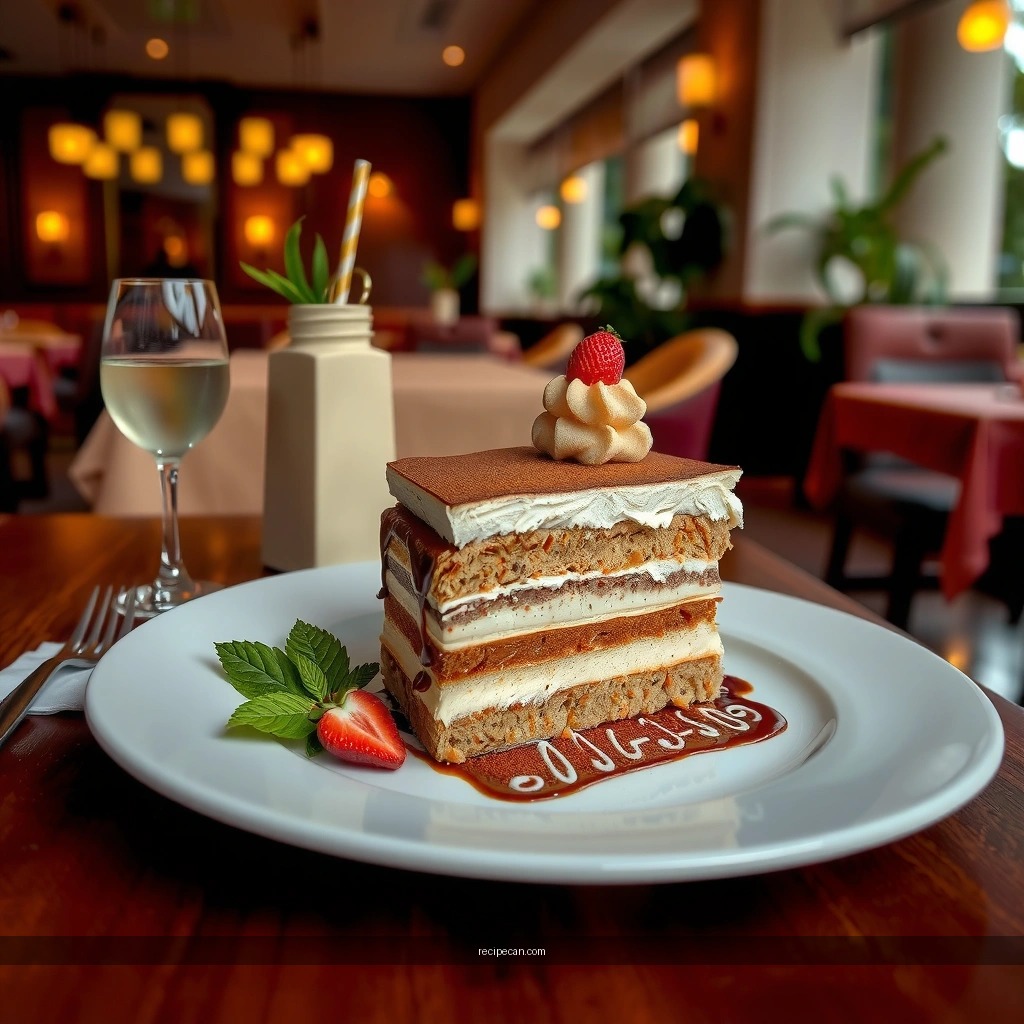
A true tiramisu cake isn’t just “mascarpone + coffee + ladyfingers.” It’s a controlled balance of richness, acidity, and structure—meaning each ingredient plays a specific role. To keep the cake authentic and consistent, start with quality mascarpone, strong coffee, and crisp ladyfingers (or a sturdy cake substitute).
– Mascarpone: The signature base of the filling—full-fat mascarpone yields the classic creamy mouthfeel.
– Espresso/strong coffee: Brew it strong so the flavor survives the soak. Espresso is ideal; robust brewed coffee works too.
– Eggs (or safe substitutes): Many classic versions use egg yolks for richness and (optionally) egg whites for lightness. If you avoid raw eggs, use a tested pasteurized option or a safe stabilized alternative.
– Sugar: Sweetens the cream and smooths perceived bitterness from the coffee.
– Ladyfingers or cake layers: Ladyfingers provide authentic texture; if using cake layers, choose something firm enough not to collapse (like a sponge cut into strips/layers).
– Cocoa powder: For the signature finish—dust right before serving to avoid absorbing moisture and turning muddy.
Practical ingredient checks (worth doing):
– Mascarpone should be cold and thick; if yours looks very loose, your cream may need a bit more chilling time before folding.
– Coffee should be hot-brewed and then cooled slightly (warm coffee soaks faster, but you still want control—too hot can weaken structure).
– Ladyfingers should be crisp. Soft, stale ones will over-absorb quickly.
Make the Tiramisu Cream (Mascarpone Filling)

The cream is where authentic tiramisu cake either becomes “restaurant-quality” or turns grainy and heavy. The goal is smooth mascarpone, properly sweetened egg yolks, and—if you use egg whites—gently incorporated air.
– Whip mascarpone with sweetened egg yolks (or an approved alternative) for a smooth texture
– Classic method: whisk or beat egg yolks with sugar until glossy and slightly thickened, then whip mascarpone in until smooth.
– Texture target: silky, spoonable, and thick enough to hold lines when you spread it.
– If using a safe substitute (pasteurized yolks or stabilized filling), follow that product’s instructions for whipping time and consistency.
– Fold in whipped egg whites (if using) gently for light, airy cream
– Whip egg whites to soft to medium peaks (not dry).
– Fold in 2–3 additions. Overmixing will knock out air and can make the cream dense.
Key analytical point:
Stability comes from temperature + structure. Cold mascarpone and properly whipped whites (if used) help the cream set in the fridge. If the cream feels loose, don’t rush assembly—chill it 10–20 minutes to re-thicken before layering.
Tiramisu Cream Consistency Targets (Quick Reference)
Mascarpone Cream Performance by Preparation Factor
| # | Cream Factor | Typical Range | Expected Result | Outcome Score |
|---|---|---|---|---|
| 1 | Mascarpone temperature | 2–6°C | Thick, stable cream | ★★★★☆ |
| 2 | Egg yolk whipping with sugar | 4–6 min | Glossy base, less grain | ★★★★★ |
| 3 | Mascarpone overmixing | >2–3 extra min | Slight thinning or softness | ★★★☆☆ |
| 4 | Egg white peak level | Soft–medium | Light, spoonable cream | ★★★★☆ |
| 5 | Folding intensity | 12–18 folds | Preserves air pockets | ★★★★☆ |
| 6 | Resting after mixing | 10–20 min chill | Better spreadability | ★★★★★ |
| 7 | Serving wait before slicing | ≥6 hours | Clean edges, defined layers | ★★★★★ |
Brew Coffee and Prep the Layers
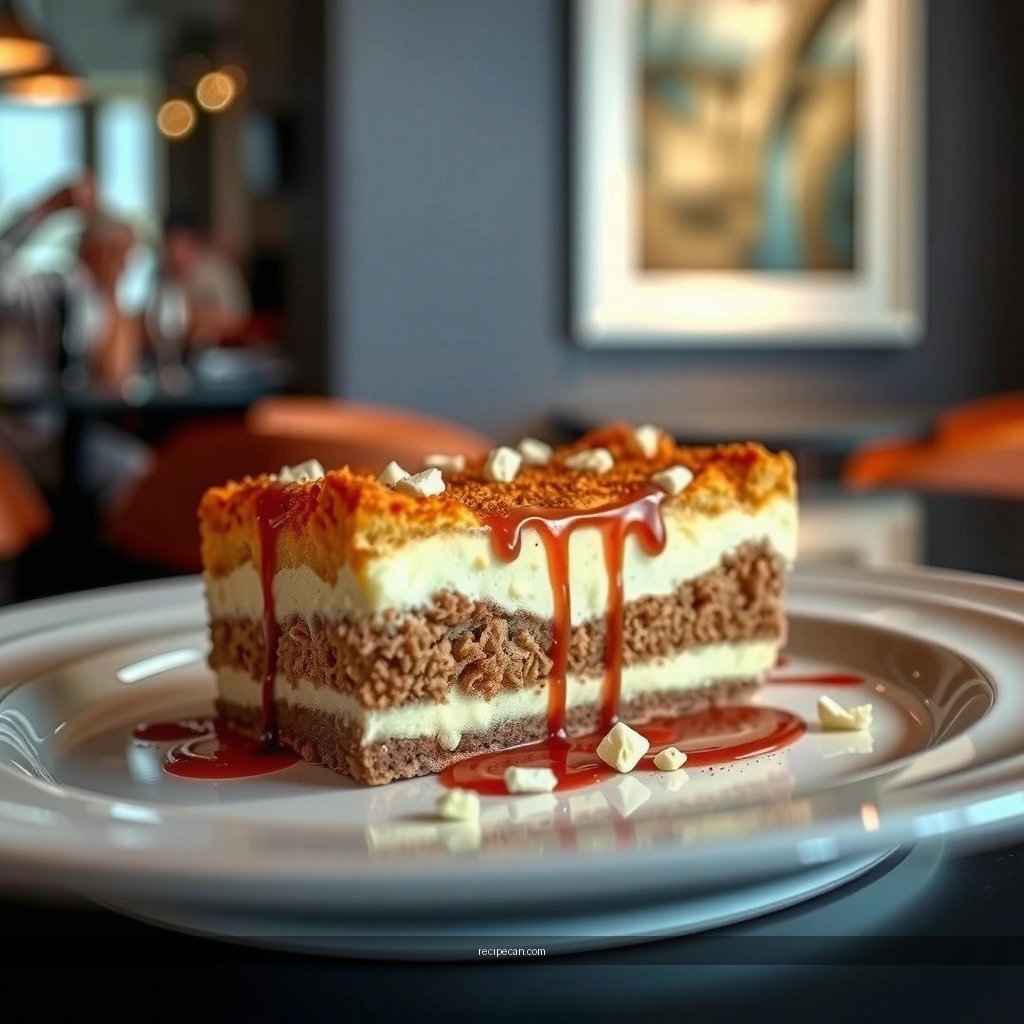
Coffee timing is the difference between “authentic tiramisu” and “a cake that turns to mush.” The goal is to flavor the ladyfingers thoroughly enough to taste coffee in every bite—without letting them dissolve.
– Brew strong espresso (or coffee) and let it cool slightly before dipping
– Use a strong roast or espresso extraction.
– Cool to warm (not boiling). Warm coffee penetrates faster, but cooling helps you control soaking and prevents cream breakdown.
– Avoid over-soaking so the cake stays firm and sliceable
– Dip quickly—think “coating,” not “submerging.”
– Work efficiently: dip, drain briefly, then place.
– If you’re making a cake layer version (sponge strips), consider brushing coffee on rather than fully soaking to preserve structure.
Soak strategy that reliably works:
– Ladyfingers: brief dip, ~1–2 seconds per side, then immediately layer.
– If your ladyfingers feel fragile, reduce dip time slightly and rely on longer chilling for moisture distribution.
Assemble the Cake Like Traditional Tiramisu
Assembly should be rhythmic and measured. Consistent layering is what makes tiramisu cake taste balanced and slice cleanly instead of bleeding flavors.
– Layer coffee-soaked ladyfingers (or cake) with mascarpone cream
– Use a thin base layer of cream so the first ladyfingers “lock in” without sliding.
– Spread cream evenly to the edges for uniform flavor.
– Repeat layers evenly for consistent flavor in every bite
– Standard approach: 2–3 layers of ladyfingers/cake and cream.
– Keep layer thickness consistent—thicker cream layers can feel luxurious, but too much can overpower the coffee balance.
Professional assembly tip:
After you build the first complete layer stack, let it chill 10–15 minutes before adding the next layer. This reduces slippage and helps keep the final structure firm.
Ingredient Quantities and Layer Plan (Flexible but Accurate)
| Component | Recommended Amount (8×8 in / 20×20 cm) | Notes for Authentic Texture |
|—|—:|—|
| Mascarpone | 500 g | Full-fat for classic richness |
| Egg yolks | 3 large | Sweetened and whipped for smoothness |
| Egg whites (optional) | 3 large | For lighter, airy structure |
| Sugar (total) | 120–160 g | Adjust to taste, not to “max sweetness” |
| Strong coffee/espresso | 250–350 ml | Enough for controlled dipping/paints |
| Ladyfingers | 24–32 pieces | Crisp texture soaks correctly |
| Cocoa powder | 2–4 tbsp | Dust right before serving |
(Use this as a practical baseline; slight variation occurs by ladyfinger size and pan depth.)
Chill, Set, and Add the Final Cocoa Dusting
Chilling is not optional—it’s how tiramisu cake becomes sliceable and cohesive. During chilling, moisture distributes gently, and the mascarpone structure firms up for clean cutting.
– Chill long enough for flavors to meld and layers to firm up
– Minimum: 6 hours (overnight is best).
– Short chilling can leave the coffee flavor underdeveloped and the cream too soft for neat slices.
– Dust with cocoa right before serving to keep it rich and not soggy
– Sift cocoa evenly using a fine mesh.
– Dusting early causes cocoa to absorb moisture and lose that signature dry, intense finish.
Serving workflow for best results:
1. Chill overnight.
2. Right before serving, dust cocoa.
3. Slice with a sharp knife wiped between cuts for crisp edges.
Troubleshooting Common Authentic Tiramisu Cake Issues
Even experienced bakers run into predictable texture problems. The fixes are usually about timing and mixing technique—not a total restart.
– If it’s too wet: shorten soak time and chill longer
– Cause: over-dipping, warm coffee, or insufficient chilling.
– Fix: reduce dip time (e.g., 1–2 seconds per side down to ~1 second), use slightly cooler coffee, and chill at least 8–12 hours.
– If it’s too dense: fold more gently and ensure proper whipping
– Cause: egg whites knocked out during folding, or egg whites under-whipped.
– Fix: whip to soft–medium peaks; fold gently until no streaks remain, and avoid overmixing after folding.
Additional quick diagnostics:
– Cream looks grainy: mascarpone + yolks likely needed smoother incorporation—whip yolk-sugar well first, then add mascarpone gradually.
– Layers slide: cream may be too warm—chill between layers and keep mixing bowls/cold ingredients cool.
[CONCLUSION PARAGRAPH – NO HEADING]
Make this authentic tiramisu cake recipe by focusing on the cream texture, the right coffee-soak time, and a thorough chill. Try it this week, then adjust sweetness and coffee strength to match your taste—serve it chilled, dust with cocoa, and enjoy the classic results.
Frequently Asked Questions
What makes an authentic tiramisu cake recipe different from regular tiramisu?
An authentic tiramisu cake recipe keeps the classic flavors of tiramisu—espresso-soaked layers, mascarpone cream, and cocoa dusting—but it’s baked or layered like a cake rather than served only as a no-bake dessert. Traditional tiramisu often uses ladyfingers, while the cake version typically swaps in sponge or cake layers that still absorb coffee and hold the mascarpone mixture well. The key is balancing moisture so the cake is flavorful without becoming soggy.
How do I prevent a tiramisu cake from becoming soggy?
Use espresso in moderation and apply it gradually, letting each layer absorb before adding more. If you’re assembling with sponge cake, slightly day-old cake or baked sponge that’s cooled properly will resist sogginess better than fresh, warm cake. Chill the tiramisu cake long enough for the mascarpone cream to set, and dust with cocoa right before serving to avoid melting into the cream.
Why is mascarpone important in an authentic tiramisu cake recipe?
Mascarpone is the signature ingredient that gives tiramisu its rich, creamy texture and mild sweetness, which is hard to replicate with substitutes. In authentic tiramisu cake recipes, mascarpone is typically folded gently into a mixture that often includes eggs and sugar (or sweetened cream) to create a stable, luscious filling. Using lower-fat cream cheese in place of mascarpone can make the filling tangier or less silky, so taste and texture may change.
Which espresso should I use for the best flavor in tiramisu cake?
For an authentic tiramisu cake recipe, choose a strong espresso or concentrated coffee that won’t taste watery when mixed into soaking layers. Freshly brewed espresso provides the most robust flavor, while cooled, strong brewed coffee can work if you measure carefully. If you want a deeper profile, use a dark roast or espresso concentrate, and avoid overly sweet coffee so the mascarpone cream and cocoa remain balanced.
What’s the best way to assemble and store a tiramisu cake for clean slices?
Assemble the cake in a ring or springform pan so the layers set evenly, then chill for several hours (often overnight) to firm up the mascarpone cream. For clean slices, use a sharp knife wiped between cuts and cut when the cake is cold but not frozen. Store tiramisu cake covered in the refrigerator, and add cocoa topping just before serving to keep the top looking fresh and prevent moisture transfer.
References
- Tiramisu
https://en.wikipedia.org/wiki/Tiramisu - Mascarpone
https://en.wikipedia.org/wiki/Mascarpone - https://en.wikipedia.org/wiki/Savoiardi
https://en.wikipedia.org/wiki/Savoiardi - Espresso
https://en.wikipedia.org/wiki/Espresso - Kahlúa
https://en.wikipedia.org/wiki/Kahl%C3%BAa - Tiramisu | Meaning, Ingredients, Origin, Desserts, & Taste | Britannica
https://www.britannica.com/topic/tiramisu - Google Scholar Google Scholar
https://scholar.google.com/scholar?q=authentic+tiramisu+recipe+mascarpone+egg - Google Scholar Google Scholar
https://scholar.google.com/scholar?q=tiramisu+origin+ingredients+coffee+espresso+%22savoiardi%22 - Google Scholar Google Scholar
https://scholar.google.com/scholar?q=traditional+tiramisu+method+cold+dessert+raw+eggs - Google Scholar Google Scholar
https://scholar.google.com/scholar?q=authentic+tiramisu+cake+recipe