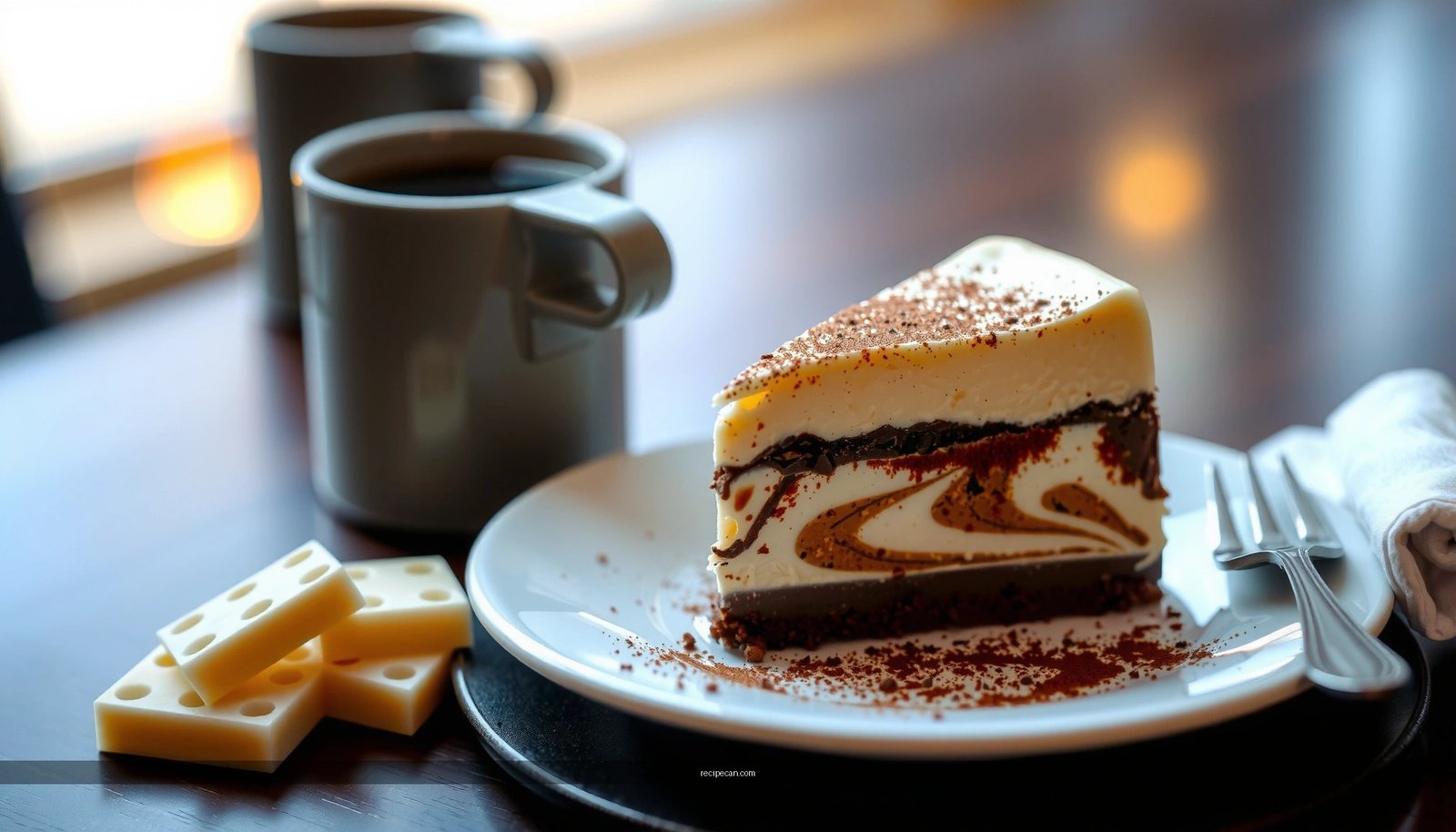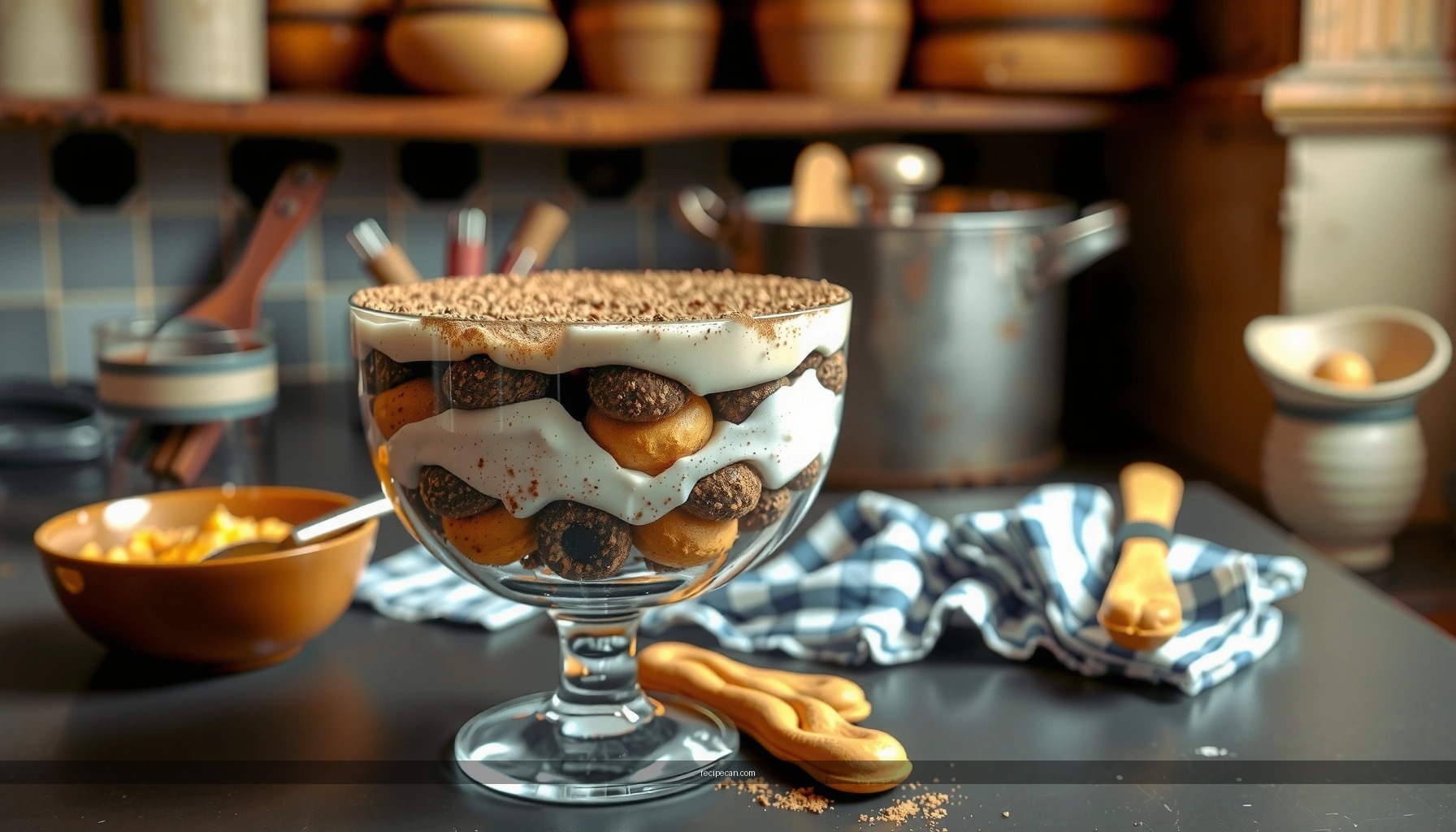
This homemade tiramisu recipe delivers the classic, creamy dessert you want—rich mascarpone, coffee-soaked layers, and a cocoa finish—without fuss. You’ll get a clear, step-by-step method that tells you exactly how long to assemble, chill, and serve for the best texture. If you’re deciding whether homemade tiramisu can match restaurant quality, this is the winner when you follow the timing and soak just right.
This homemade tiramisu recipe delivers a classic, creamy dessert with espresso-soaked ladyfingers and a silky mascarpone filling—without any advanced pastry skills. If you follow the timing (especially the dipping and chilling steps) and use proper folding techniques, your tiramisu will set cleanly and taste like an Italian kitchen favorite.
Essential Ingredients for Homemade Tiramisu

To make the best homemade tiramisu, focus on three pillars: mascarpone, espresso (or strong coffee), and eggs. Those ingredients create the signature flavor and texture—creamy, not custardy, with a balanced bitterness from the coffee.
– Use mascarpone, espresso (or strong coffee), and eggs for the classic flavor
Mascarpone is the core fat that gives tiramisu its luxurious mouthfeel. For the espresso layer, use coffee that’s strong enough to stand up to sweetness and cocoa. If you can taste “weak” coffee, your dessert will too.
– Choose quality cocoa powder and ladyfingers for the best texture
Cocoa powder provides a chocolate finish and visual contrast. A classic approach is unsweetened cocoa powder with a deep, earthy flavor. For ladyfingers, choose dry, slightly crisp ones—these hold up better when dipped.
– Decide on optional add-ins like vanilla or a splash of coffee liqueur
Vanilla can smooth out sharpness in the mascarpone. A small amount of coffee liqueur (or even a touch of extra espresso) boosts aroma. If you prefer a more authentic profile, keep alcohol modest so it doesn’t dominate.
Quick ingredient guidance (so you don’t guess):
– Eggs: use fresh eggs if you’re separating and whipping.
– Mascarpone: keep it cold until you fold—warm mascarpone can turn loose.
– Coffee: brew stronger than you’d drink. You want flavor, not bitterness alone.
Tiramisu Ingredient Checklist & Practical Performance (By Batch Size)
| # | Component | Recommended Amount | Role in Texture | Best Practice Rating |
|---|---|---|---|---|
| 1 | Mascarpone | 16 oz (454 g) | Creamy body + stable richness | ★★★★☆ |
| 2 | Egg yolks | 4 large | Silk + emulsification | ★★★★★ |
| 3 | Egg whites (optional for extra lightness) | 3 large | Air + spoonable finish | ★★★★☆ |
| 4 | Sugar | 1/2 cup (100 g) | Sweet balance + thickening | ★★★★☆ |
| 5 | Espresso / strong coffee | 1 1/2 cups (360 ml) | Moisture + signature aroma | ★★★☆☆ |
| 6 | Ladyfingers | 24–26 pieces | Layer texture + structure | ★★★★☆ |
| 7 | Unsweetened cocoa powder | 2–3 tbsp (for dusting) | Finish + controlled bitterness | ★★★★★ |
Make the Mascarpone Filling

The filling is what determines whether your tiramisu is luscious and stable or grainy and runny. The goal is to emulsify yolks and sugar, then fold in mascarpone gently so you keep the mixture smooth and airy.
– Whisk egg yolks (and/or whole eggs) with sugar until smooth and slightly thick
Whisking adds volume and helps sugar dissolve fully. This step is especially important for achieving that classic creamy texture—undissolved sugar can feel gritty.
– Fold mascarpone gently to keep the mixture airy and creamy
Mascarpone is thick, so stirring aggressively can break the texture. Use a spatula and fold just until smooth. If the mixture looks slightly stiff at first, that’s normal—chilling will help it set.
– Whip egg whites (if using) separately and fold in for extra lightness
Separate egg whites, whip to soft to medium peaks, and fold them in gradually. This creates a lighter mousse-like feel. Overmixing deflates whipped whites, making the final dessert heavier and less spoonable.
Analytical tip:
If you want a classic “tighter” tiramisu, many recipes use yolks + mascarpone without whipped whites. If you want it more airy (modern café-style), include whipped whites. Both are valid—choosing one depends on whether you prefer dense silk or light cream.
Dip Ladyfingers the Right Way
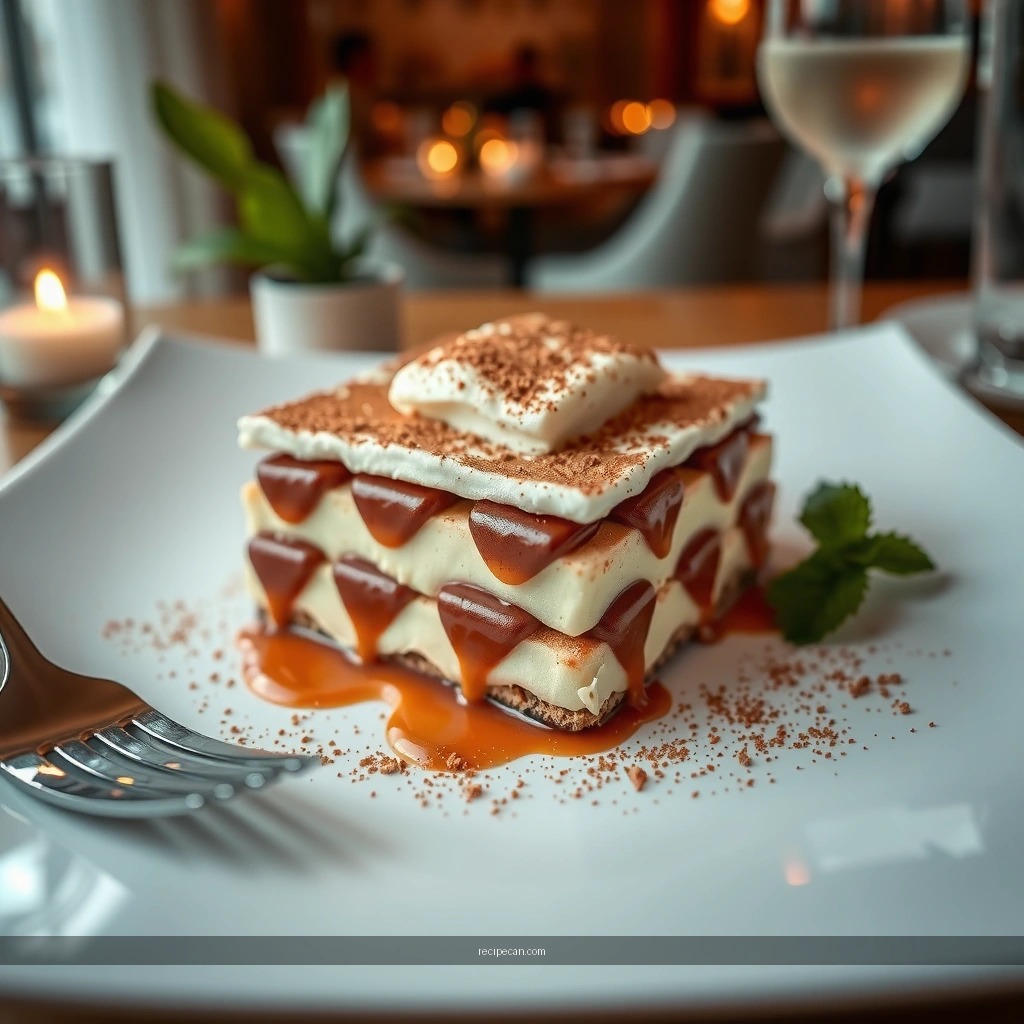
Ladyfingers make the dessert’s foundation. The espresso-soaked layers should be moist and flavorful, not mushy or collapsing.
– Briefly dip ladyfingers in espresso so they’re moist, not soggy
Dip quickly—think “seconds,” not “soak.” A practical approach is dipping each side for about 1–2 seconds, then removing. The cookie should look slightly darkened but still hold structure.
– Keep layers consistent for even flavor throughout the dessert
Try to dip evenly and arrange ladyfingers snugly. Uneven moisture distribution leads to bites that taste overly coffee-forward near the bottom or bland near the top.
– Work quickly to prevent over-soaking
Coffee temperature matters: if espresso is hot, it will soak faster. Let your espresso cool to room temperature so dipping stays controlled.
Serving perspective:
A tiramisu that’s too dry tastes “caked” and under-flavored. One that’s too wet turns pasty. Dipping properly is the balancing act that creates the iconic texture contrast between soaked layers and creamy mascarpone.
Assemble the Tiramisu Layers
Assembly is where you control final structure. Layering isn’t just visual—it influences sliceability, aroma distribution, and how the filling sets.
– Layer mascarpone and soaked ladyfingers in a dish or individual cups
Use a large baking dish for traditional presentation, or portion into cups for easy serving. Regardless of format, keep the ratios consistent.
– Repeat until you reach the top, finishing with a mascarpone layer
A common structure is 2–3 layers of ladyfingers, alternating with filling. Finish with mascarpone so the top stays smooth for cocoa dusting.
– Chill between steps if your filling softens
If your kitchen is warm or mascarpone feels loose after folding, pause assembly and refrigerate for 15–20 minutes. This prevents the layers from blurring.
Operational workflow (fast and reliable):
1. Prepare coffee, ladyfingers, and filling first.
2. Dip and lay ladyfingers in one pass per layer.
3. Spoon and level mascarpone.
4. Repeat.
5. Chill before topping with cocoa.
Chill and Serve for Best Results
Chilling isn’t optional—it’s the step that allows flavors to meld and textures to set.
– Refrigerate at least 4–6 hours (overnight is even better)
Minimum time helps the mascarpone firm slightly and allows coffee to distribute evenly through the cookies. Overnight is best for clean slices and a cohesive flavor profile.
– Dust generously with cocoa powder right before serving
Cocoa absorbs moisture over time and can look dull. Dust at the last moment for the best aroma and visual finish.
– Slice or spoon cleanly after chilling for the best presentation
For clean cuts, wipe your knife between slices. In cups, spoon gently to avoid collapsing the soaked ladyfinger layer.
Quality control check:
When you lift a spoonful, the filling should hold shape while the ladyfingers remain tender—not watery. That’s the “set” you’re aiming for.
Troubleshooting Common Tiramisu Problems
Even with the best ingredients, tiramisu can miss if one variable goes off. Here are the most common issues and how to correct them quickly.
– If it’s runny, chill longer and ensure proper folding for thickness
Runny tiramisu usually means the filling wasn’t folded gently enough (deflating texture), or it wasn’t chilled enough for the fats to firm. Chill longer first; then review your folding technique next time.
– If it’s too bitter, balance espresso strength or add a touch more sugar
Coffee bitterness can come from over-extraction, very dark roast, or using espresso that’s too concentrated. Use a slightly milder espresso blend, and taste your coffee before you assemble.
– If it’s soggy, shorten dipping time and use fresher ladyfingers
Sogginess is almost always over-soaking. Dip faster, and confirm your ladyfingers aren’t stale. Stale cookies absorb moisture differently and break down sooner.
Real-world adjustment mindset:
Tiramisu is forgiving, but coffee and dipping are not. If you treat dipping as a “short coat of moisture” rather than a “drink bath,” you’ll solve most texture problems.
This homemade tiramisu recipe focuses on the key moves—making a fluffy mascarpone filling, dipping ladyfingers correctly, and chilling long enough for the layers to set. Follow the steps, taste your espresso base, and refrigerate before serving for the best texture. Ready to bake? Gather your ingredients and make your first batch today.
Frequently Asked Questions
What’s the best homemade tiramisu recipe for beginners?
A beginner-friendly homemade tiramisu recipe uses no-bake components: espresso-soaked ladyfingers, mascarpone cream, and cocoa powder on top. Choose consistent ladyfinger thickness so layering is even, and whip the mascarpone just until smooth to avoid a grainy texture. For reliable results, use strong cooled espresso (or espresso coffee) and let the finished tiramisu chill at least 4–6 hours so the flavors meld.
How do you make homemade tiramisu without eggs or with pasteurized eggs?
For an egg-free homemade tiramisu, use a mascarpone cream base with whipped cream or a mascarpone + yogurt variation while keeping the same layering method. If you prefer classic texture with eggs, use pasteurized eggs and whip them thoroughly before folding into mascarpone to create a stable, fluffy tiramisu filling. In both cases, chill the tiramisu longer to help the cream set and absorb into the ladyfingers.
Why does homemade tiramisu turn out watery, and how can you fix it?
Watery homemade tiramisu usually happens when the ladyfingers are soaked too long or the coffee mixture is too warm, causing excess liquid to pool. Dip ladyfingers quickly—just 1–2 seconds per side—or use a brush to apply espresso lightly. Also, ensure your mascarpone mixture is thick and well-chilled; if needed, refrigerate longer and keep the tiramisu covered to prevent the top from drying out.
Which coffee works best for homemade tiramisu?
The best coffee for homemade tiramisu is strong espresso or a concentrated espresso-style coffee, because it gives the bold tiramisu flavor without making the dessert bitter. Let the coffee cool completely before assembling so the ladyfingers don’t break down prematurely. You can enhance the flavor by adding a small splash of rum or coffee liqueur (optional) to the espresso mixture for a more traditional taste.
How long should homemade tiramisu chill before serving?
Homemade tiramisu should chill in the refrigerator for at least 4–6 hours, but overnight is best for ideal texture and flavor development. This resting time lets the mascarpone cream and espresso soak into the ladyfingers, creating that signature soft-yet-structured slice. When serving, keep it cold and dust with cocoa powder right before plating for the freshest, richest cocoa finish.
References
- Google Scholar Google Scholar
https://scholar.google.com/scholar?q=homemade+tiramisu+recipe - Google Scholar Google Scholar
https://scholar.google.com/scholar?q=tiramisu+recipe+mascarpone+egg+technique - Google Scholar Google Scholar
https://scholar.google.com/scholar?q=tiramisu+ladyfingers+savoiardi+food+safety+raw+eggs - Tiramisu
https://en.wikipedia.org/wiki/Tiramisu - Tiramisu | Meaning, Ingredients, Origin, Desserts, & Taste | Britannica
https://www.britannica.com/topic/tiramisu - Mascarpone
https://en.wikipedia.org/wiki/Mascarpone - Lady finger
https://en.wikipedia.org/wiki/Ladyfinger - Marsala
https://en.wikipedia.org/wiki/Marsala - Espresso
https://en.wikipedia.org/wiki/Espresso - Cocoa powder
https://en.wikipedia.org/wiki/Cocoa_powder