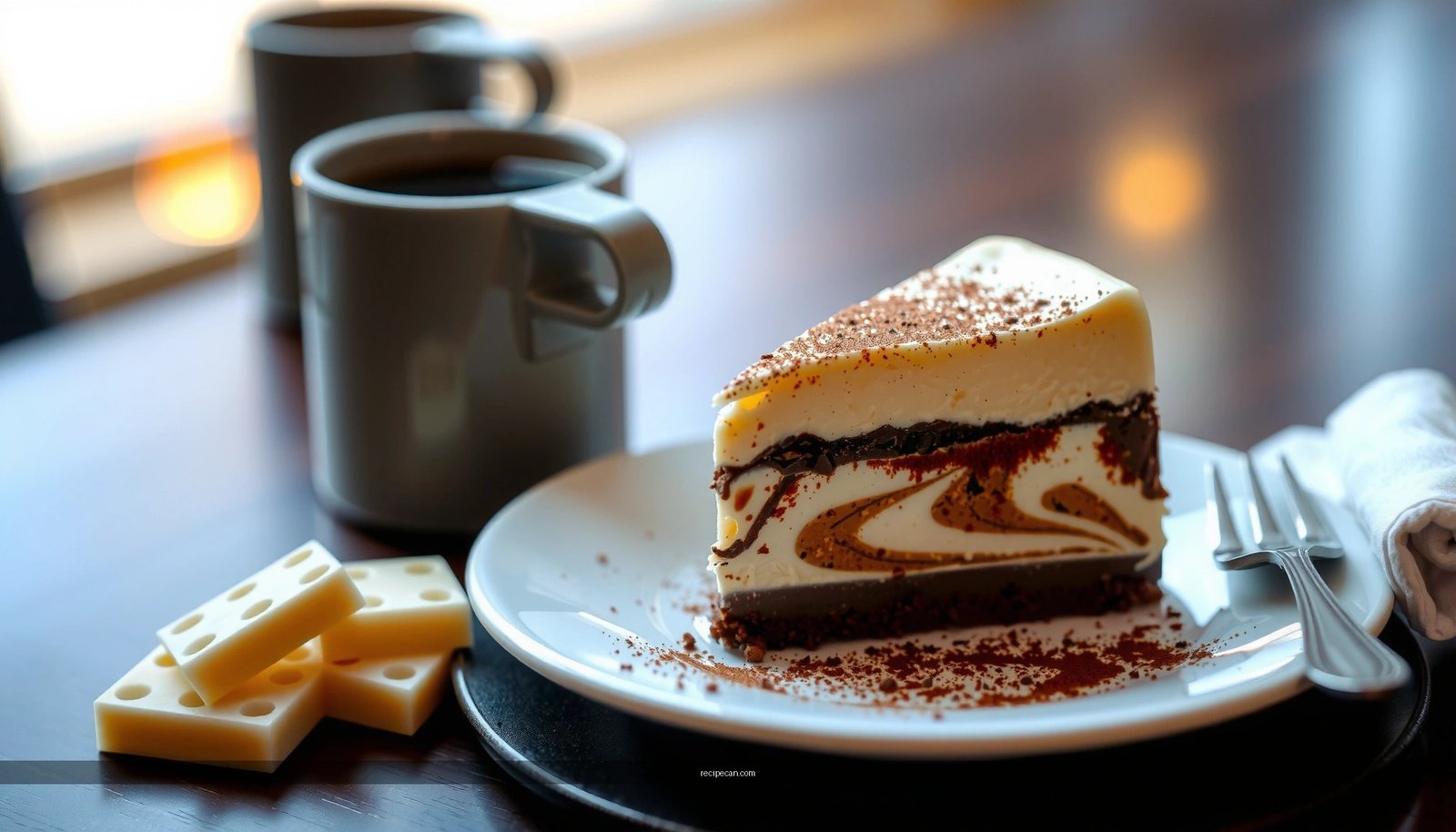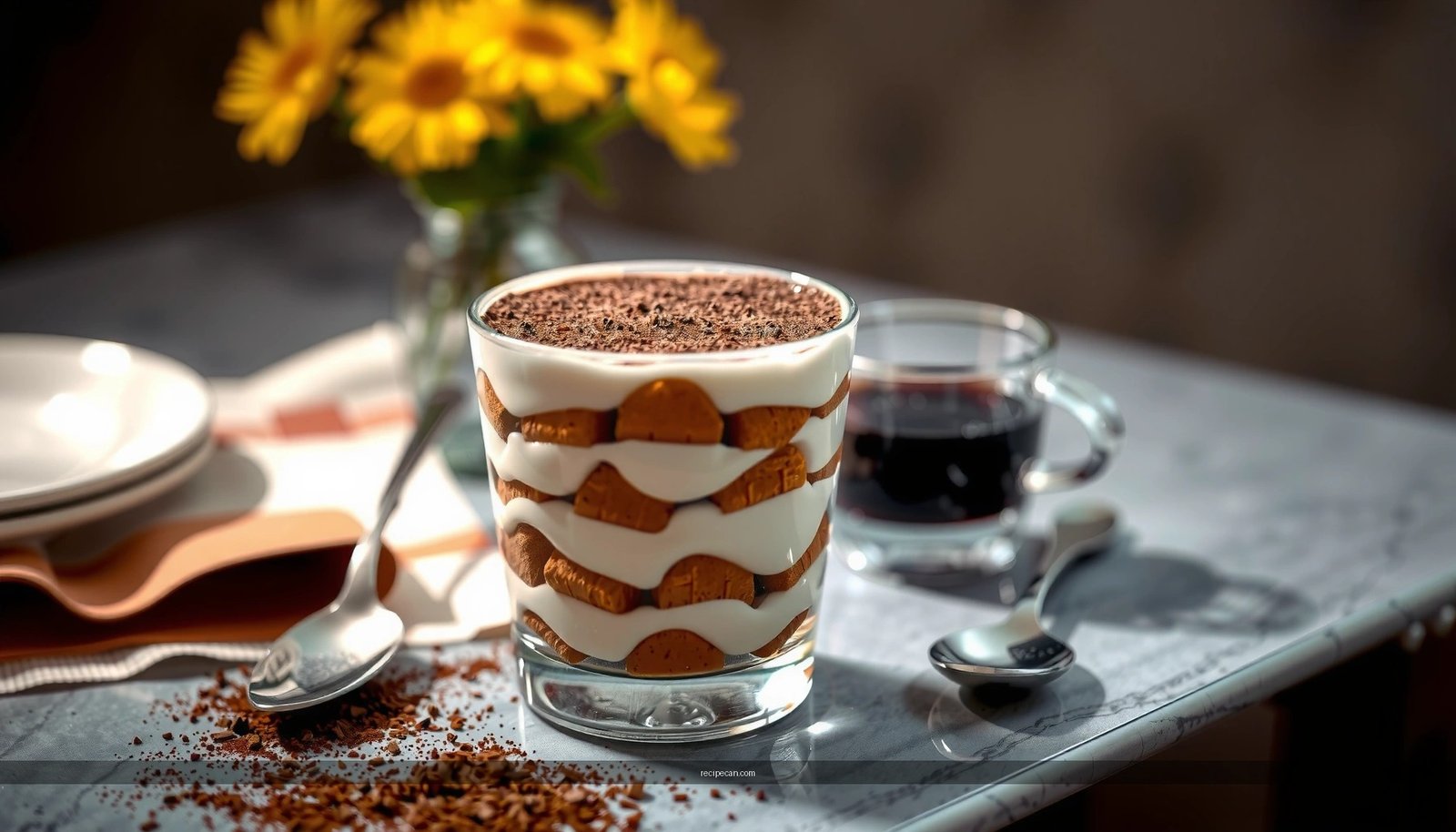
If you’re searching for a recipe for a tiramisu, this classic creamy version is the clear winner: it delivers layered flavor with a silky mascarpone filling every time. Follow these steps to get the right balance of espresso-soaked ladyfingers and rich cream, without turning it runny. The question this answers is simple—how to make authentic, creamy tiramisu with foolproof technique.
You can make classic tiramisu by layering espresso-soaked ladyfingers with a rich mascarpone cream, then chilling long enough for the flavors to meld and the texture to set. Follow the step-by-step process below—especially the quick-dip technique and the proper chilling window—to achieve the signature creamy result you’d expect from an Italian kitchen.
This dessert is often treated like a weekend project, but the core method is surprisingly repeatable and “process-driven.” When you get three elements right—(1) concentrated espresso flavor, (2) stable, smooth mascarpone cream, and (3) enough refrigeration time—you reliably get neat layers, clean slices, and that balanced coffee-and-cocoa finish.
Tiramisu Chilling Time: Texture & Slice Quality (Guidance)
| # | Chill Duration | Cream Set Level | Ladyfinger Softening | Slice Cleanliness | Overall Rating |
|---|---|---|---|---|---|
| 1 | 2 hours | Partial | Light | ★★☆☆☆ | 3/10 |
| 2 | 4 hours | Mostly set | Balanced | ★★★☆☆ | 6/10 |
| 3 | 6 hours | Set | Well hydrated | ★★★★☆ | 8/10 |
| 4 | 8 hours | Firm | Creamy bite | ★★★★★ | 9/10 |
| 5 | 12 hours (overnight) | Fully set | Ideal softness | ★★★★★ | 10/10 |
| 6 | 24 hours | Very firm | Slightly over-soft | ★★★★☆ | 7/10 |
| 7 | 36 hours | Firm to brittle | Over-hydrated | ★★★☆☆ | 5/10 |
Ingredients for a Tiramisu

– Gather mascarpone, eggs (or egg-free alternative), sugar, espresso, and ladyfingers
– Add vanilla and cocoa powder for the signature flavor and finish
A classic tiramisu is deceptively simple: it’s a composition, not a complicated bake. The ingredient list matters because each component has a job—texture control, flavor delivery, and visual finish.
Core ingredients (classic approach)
– Mascarpone cheese: This is the backbone of tiramisu. Choose mascarpone that’s creamy and smooth; overly watery mascarpone can make the filling looser.
– Eggs and sugar: Egg yolks add richness and emulsify into the mascarpone. Egg whites (if you use them) introduce air and create that soft, spoonable structure.
– Espresso: Use strong espresso for a concentrated coffee profile. When diluted by ladyfingers, weaker coffee can disappear.
– Ladyfingers (savoiardi): They’re designed to absorb liquid without falling apart when dipped briefly.
Flavor enhancers
– Vanilla extract (optional, but recommended): Adds a warm, rounded aroma that complements coffee.
– Cocoa powder: Dust only right before serving for the best visual contrast and to prevent the top from going soggy.
Egg safety note (businesslike and practical)
Classic recipes use raw eggs for a light texture. If you need a more cautious option, you can use pasteurized eggs or an egg-free mascarpone cream approach (e.g., stabilized whipped cream folded into sweetened mascarpone). This won’t change the method—only the cream stability and handling.
Brew the Espresso (and Prep the Ladyfingers)
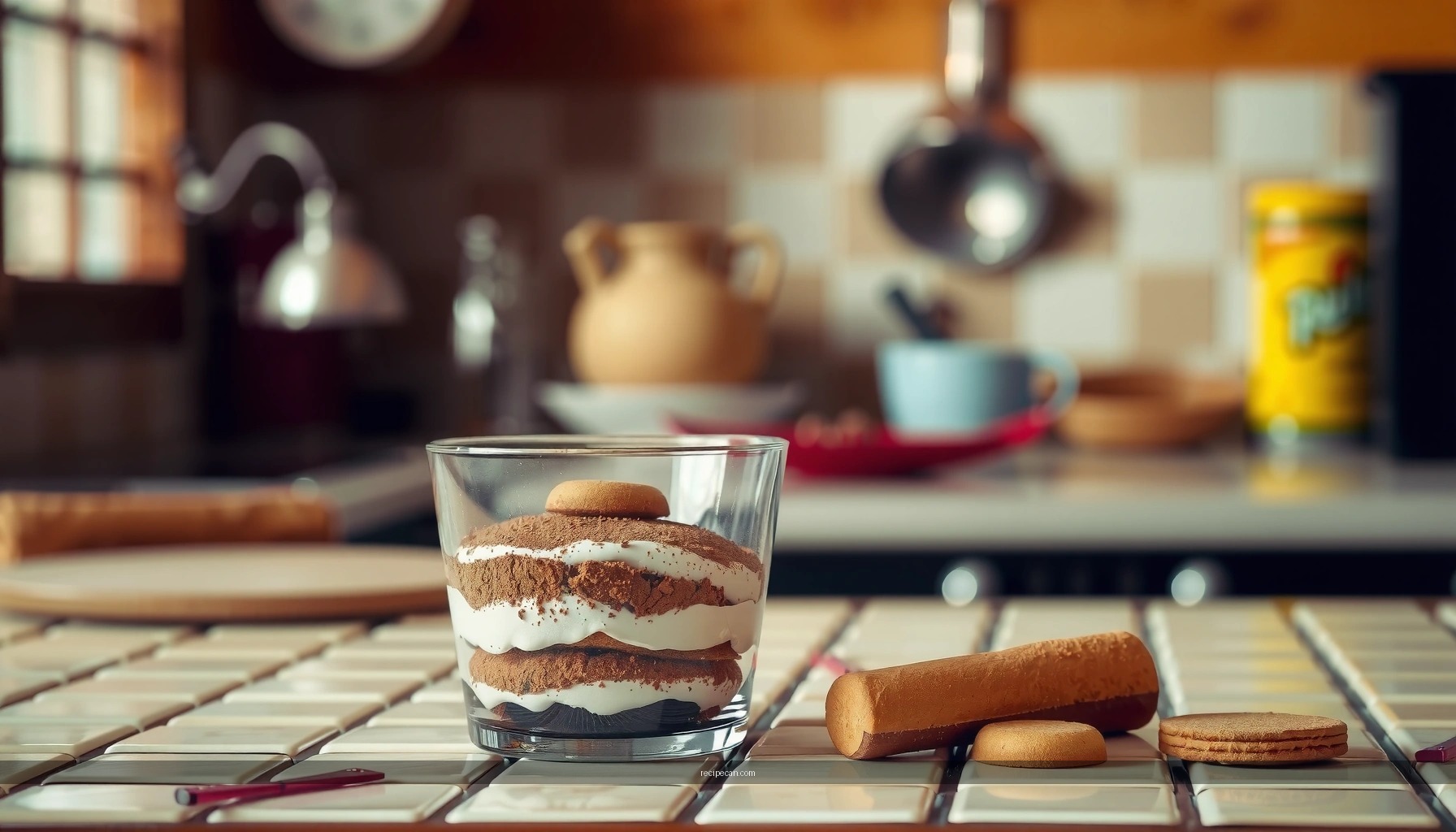
– Brew strong espresso and let it cool slightly for easier dipping
– Quickly dip ladyfingers—don’t soak long enough to turn them mushy
This step is where most tiramisu outcomes are won or lost. Coffee is not just flavor—it’s the hydration that softens the ladyfingers. Too little immersion yields hard bites; too much yields collapsed layers.
How to brew the espresso
– Brew concentrated espresso (or make strong coffee if espresso isn’t available).
– Cool slightly—aim for warm-to-room temperature. If it’s piping hot, it can melt the filling at the edges and over-soften the cookies.
Dipping strategy: “quick coat,” not “bath”
– Hold a ladyfinger and dip briefly (about 1–2 seconds per side).
– You’re looking for a visible darkening and a slight surface dampness—not saturation.
– Set dipped ladyfingers on a plate for a minute to allow surface liquid to equalize before layering.
Operational tip for consistency
Work in batches. If you dip dozens continuously without layering, liquid can seep further than intended. In professional kitchen terms, you’re controlling dwell time.
Make the Mascarpone Cream
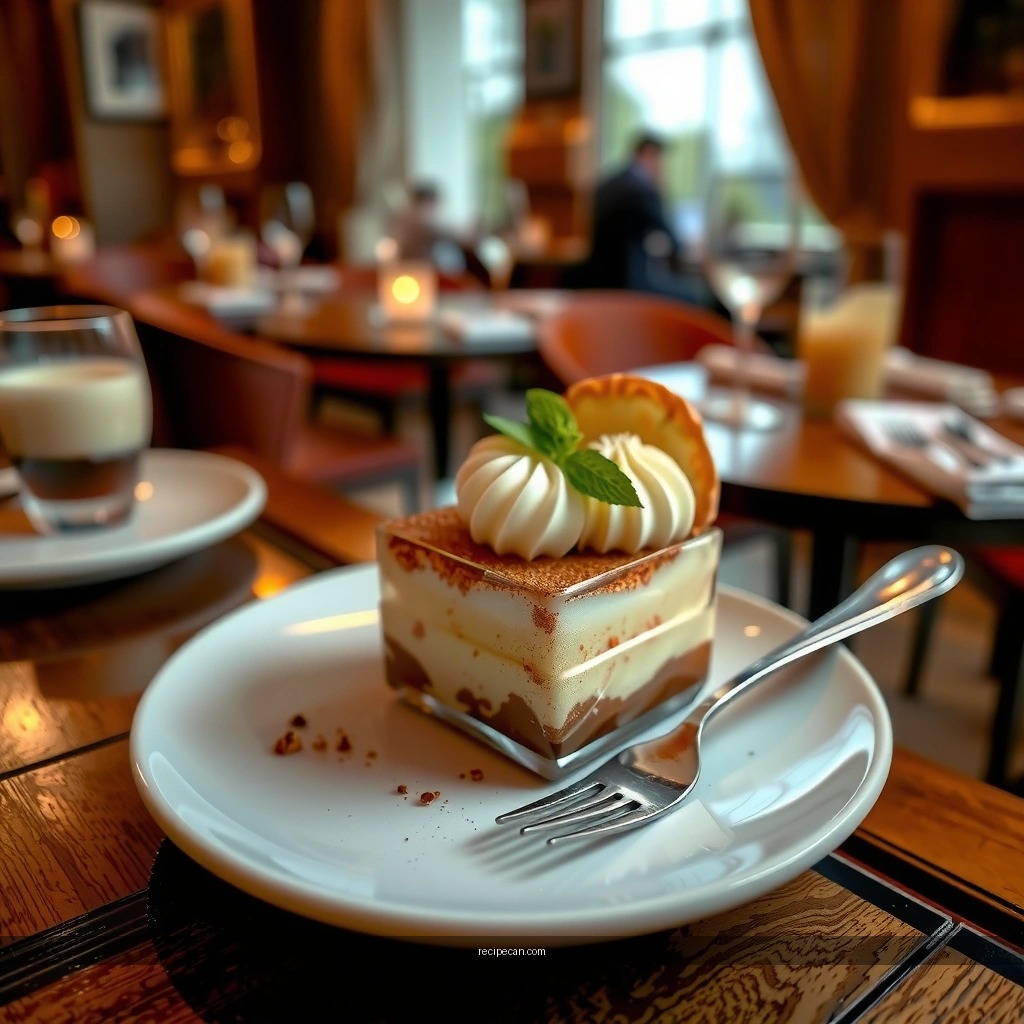
– Whisk egg yolks with sugar, then fold in mascarpone for a smooth base
– Beat egg whites (if using) to soft peaks and gently fold in for lightness
The mascarpone cream is the structural system of tiramisu. You want it silky, stable, and aerated enough to hold layers without becoming dense.
Step-by-step logic
1. Whisk egg yolks + sugar until slightly thickened
– This helps dissolve sugar and creates a glossy emulsion base.
– The goal isn’t to “cook” the yolks; it’s to make them smooth and cohesive.
2. Fold in mascarpone
– Add mascarpone gradually so you don’t introduce lumps.
– Use gentle folding for smooth integration, not aggressive beating that can loosen the mixture.
3. Whip egg whites to soft peaks (if using)
– Soft peaks should hold shape but still look creamy and not dry.
4. Fold egg whites into the mascarpone mixture
– Fold until you see no streaks, but stop as soon as the cream is uniform.
– Overfolding knocks out air, making the filling heavier than “classic creamy.”
Texture troubleshooting
– If your cream looks grainy: mascarpone may have been cold or yolks were not mixed enough—next time let mascarpone come closer to room temperature before combining.
– If the cream is too loose: it may not have been whipped enough (or mascarpone is watery). Chill briefly to firm, and fold again carefully.
Assemble the Tiramisu Layers
– Layer dipped ladyfingers with mascarpone cream, repeating until you run out
– Smooth the top layer so it chills evenly
Assembly is where the dessert becomes “tiramisu” rather than “coffee mascarpone mixture.” Neat layers create the signature slice: coffee-soaked cookies, creamy middle, and cocoa top.
Layering approach
– Start with a thin layer of cream at the bottom of your dish (this prevents sliding).
– Add a single even layer of dipped ladyfingers.
– Cover with a generous layer of mascarpone cream, spreading to the edges.
– Repeat until you reach the top—typically two or three layers depending on your dish size.
Smoothing matters
Use an offset spatula or the back of a spoon to level the top. An even top chills uniformly, improving both texture and appearance.
Portion discipline (for clean slicing)
– Avoid compressing the layers. Gentle placement prevents excess squeezing of coffee into the cream.
– If you’re preparing for a party, use a transparent dish to monitor layer thickness and maintain consistency.
Chill and Set
– Refrigerate at least 4 hours (overnight is best) for the best texture
– Dust with cocoa powder right before serving to keep it looking fresh
Chilling is not optional—it’s what transforms the dessert from “assembled” to “set.” During refrigeration, liquid distributes and the filling firms while flavors marry.
Recommended refrigeration window
– 4 hours is workable, especially for smaller portions.
– Overnight (8–12 hours) is the sweet spot for ideal softness and clean slices.
– Avoid going too long; ladyfingers can become overly soft, and the top can lose contrast.
Best practice for cocoa
Dust cocoa powder right before serving:
– It stays vivid and aromatic.
– It avoids a dull, damp surface that can happen when cocoa sits too long.
Serving temperature
Serve chilled, but let the dish sit at refrigerator temperature for a few minutes only if your kitchen runs very cold—this makes cutting easier without melting the top.
Serving Tips and Variations
– Serve chilled with clean slices for neat layers
– Try variations like adding coffee liqueur or using chocolate shavings for extra flavor
Once your classic tiramisu is stable and flavorful, you can fine-tune it for your audience, event, or personal preference—without breaking the core method.
Serving tips for better presentation
– Use a warm, clean knife for each cut (wipe between slices).
– Plan for a slightly thicker top layer of cream; it improves slice integrity.
– Serve in small portions—tiramisu is rich, and neat single-serve plates often look more professional than large scoops.
Variations that still feel “classic”
1. Coffee liqueur (traditional twist)
– Add a small amount to the cooled espresso (e.g., 1–2 tablespoons per batch).
– This deepens coffee aroma without overpowering mascarpone.
– Keep alcohol moderate to avoid turning the dessert overly boozy.
2. Chocolate shavings
– Add shaved dark chocolate between layers or at the sides.
– Use sparingly so cocoa flavor doesn’t become one-note.
3. Flavor balancing
– If your espresso tastes overly bitter, sweeten the espresso lightly (in small increments) before dipping.
– If you want a brighter profile, add a few drops of vanilla and keep the cocoa finish fresh.
Egg-free consideration
If you’re avoiding raw eggs, use a reliable egg-free filling method (for example, sweetened whipped cream folded into mascarpone). The key remains: aerate gently and chill for proper set.
A great tiramisu is essentially controlled hydration plus a properly aerated cream. Get the dipping timing right, fold carefully for a fluffy mascarpone base, and chill long enough for the layers to set—then finish with fresh cocoa for that signature Italian look. Make this once, save the process, and you’ll be able to reproduce the classic, creamy result every time—save this recipe and make a tiramisu tonight.
Frequently Asked Questions
What is the easiest recipe for a classic tiramisu using mascarpone?
Start by mixing mascarpone, sugar, and vanilla until smooth, then fold in whipped cream or whipped egg whites for a lighter tiramisu texture. Dip ladyfingers quickly in espresso (optionally with a little coffee liqueur) and layer them with the mascarpone mixture in a dish. Chill for at least 4–6 hours so the tiramisu sets and the flavors meld. This no-fuss tiramisu method keeps the dessert creamy and prevents overly soggy ladyfingers.
How do you prevent tiramisu from becoming soggy when dipping the ladyfingers?
Dip each ladyfinger in espresso for just 1–2 seconds per side—quick contact is key for a tiramisu that slices cleanly. Use cooled, room-temperature espresso so it doesn’t make the biscuits too wet too fast. If you’re worried, you can use a lighter hand by brushing espresso onto the ladyfingers instead of soaking them. Finally, refrigerate long enough for the tiramisu to firm up and absorb flavor without turning watery.
Why does tiramisu need to chill, and how long should you refrigerate it?
Tiramisu is a make-ahead dessert—chilling helps the mascarpone cream thicken slightly and lets the espresso and coffee flavors distribute throughout the layers. Aim for at least 4 hours, but overnight chilling usually improves the taste and texture. When chilled properly, the dessert holds its shape better and becomes easier to portion with clean layers.
Which espresso should you use for the best tiramisu flavor?
Use strong brewed espresso or a concentrated coffee so the tiramisu isn’t bland once chilled. For a deeper flavor, consider adding a small amount of coffee liqueur like Kahlúa to the espresso mixture, but keep the dipping time short. Using high-quality coffee grounds or espresso gives you a richer, more authentic tiramisu taste. Let the coffee cool before dipping to avoid melting the cream or over-soaking the ladyfingers.
Best tips for making tiramisu with raw eggs or eggless mascarpone?
If you use a classic egg-based tiramisu, choose pasteurized eggs and whisk them properly until glossy and thick before combining with mascarpone—this stabilizes the cream. For an eggless tiramisu, whip heavy cream to soft peaks and fold it into mascarpone with sugar and vanilla, which still yields a fluffy, stable texture. Whichever method you choose, avoid overmixing once the mascarpone is added to prevent a grainy tiramisu. Chill thoroughly after assembling for the best creamy set and flavor development.
References
- Tiramisu
https://en.wikipedia.org/wiki/Tiramisu - Tiramisù
https://it.wikipedia.org/wiki/Tiramis%C3%B9 - Tiramisu – Wikipedia
https://de.wikipedia.org/wiki/Tiramisu - Tiramisú – Wikipedia, la enciclopedia libre
https://es.wikipedia.org/wiki/Tiramis%C3%BA - Tiramisu — Wikipédia
https://fr.wikipedia.org/wiki/Tiramisu - Tiramisu | Meaning, Ingredients, Origin, Desserts, & Taste | Britannica
https://www.britannica.com/topic/tiramisu - Google Scholar Google Scholar
https://scholar.google.com/scholar?q=Tiramisu+recipe - Google Scholar Google Scholar
https://scholar.google.com/scholar?q=tiramisu+mascarpone+eggs+safety - Google Scholar Google Scholar
https://scholar.google.com/scholar?q=traditional+tiramisu+recipe+history - Google Scholar Google Scholar
https://scholar.google.com/scholar?q=recipe+for+a+tiramisu