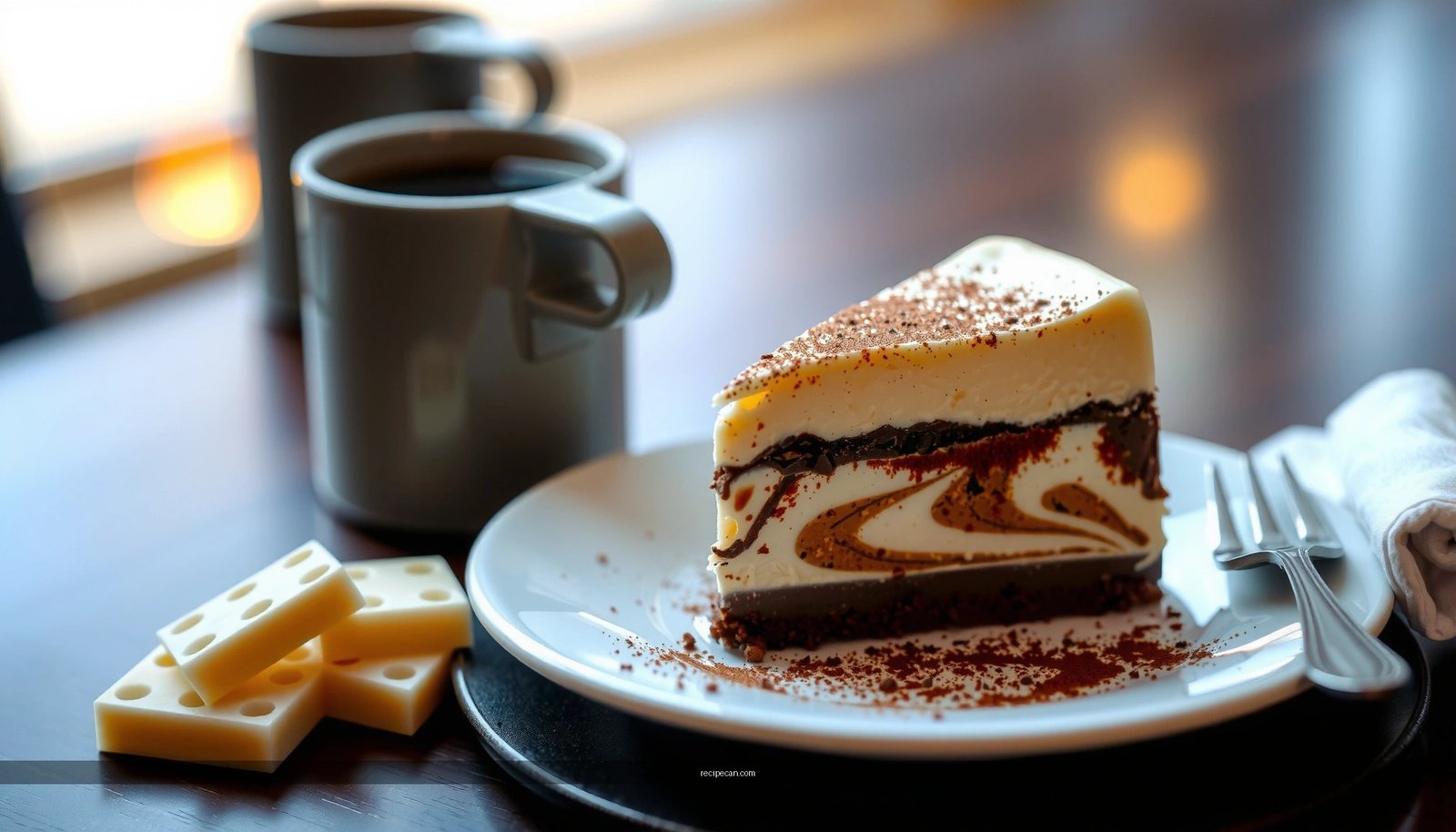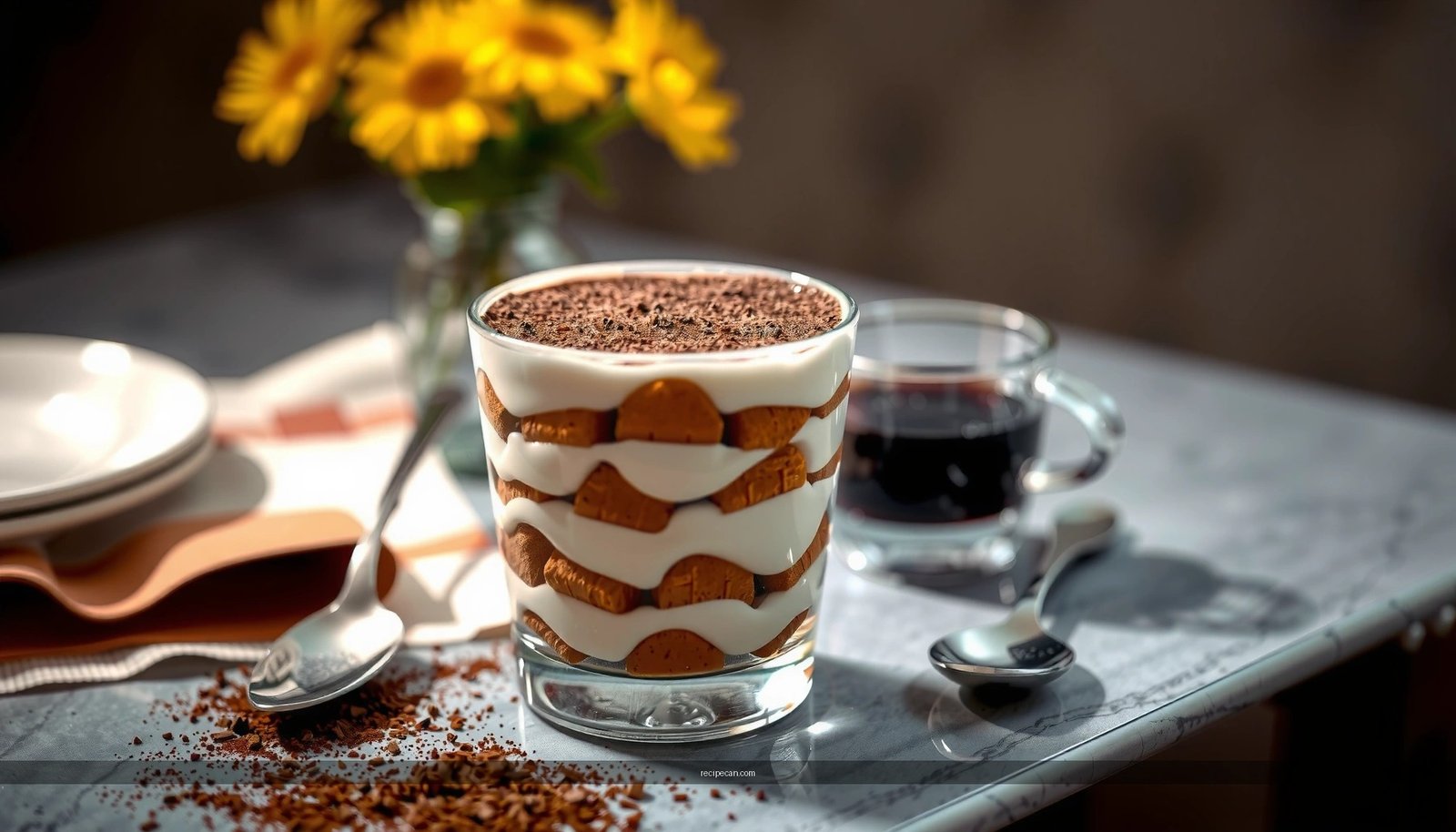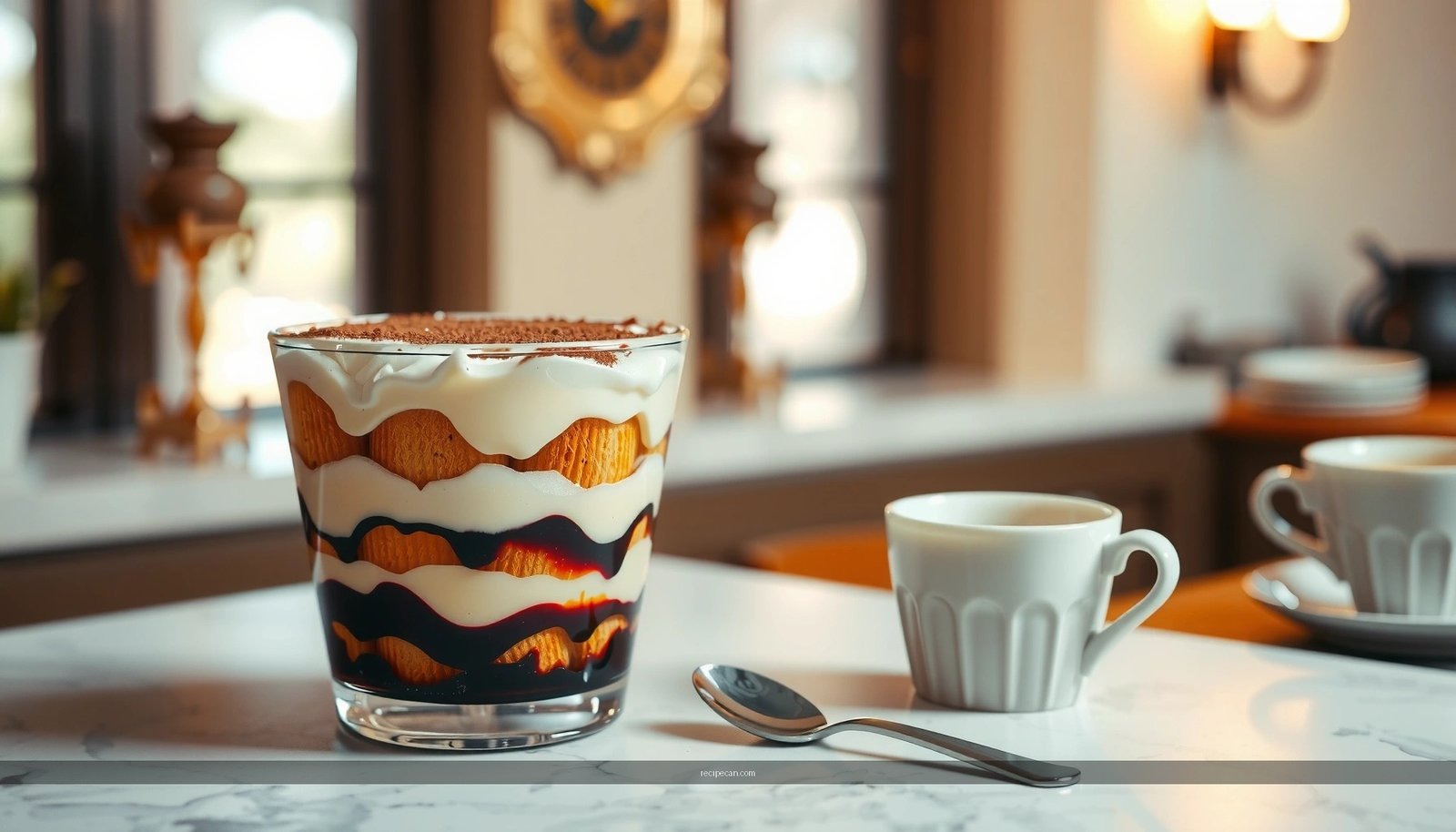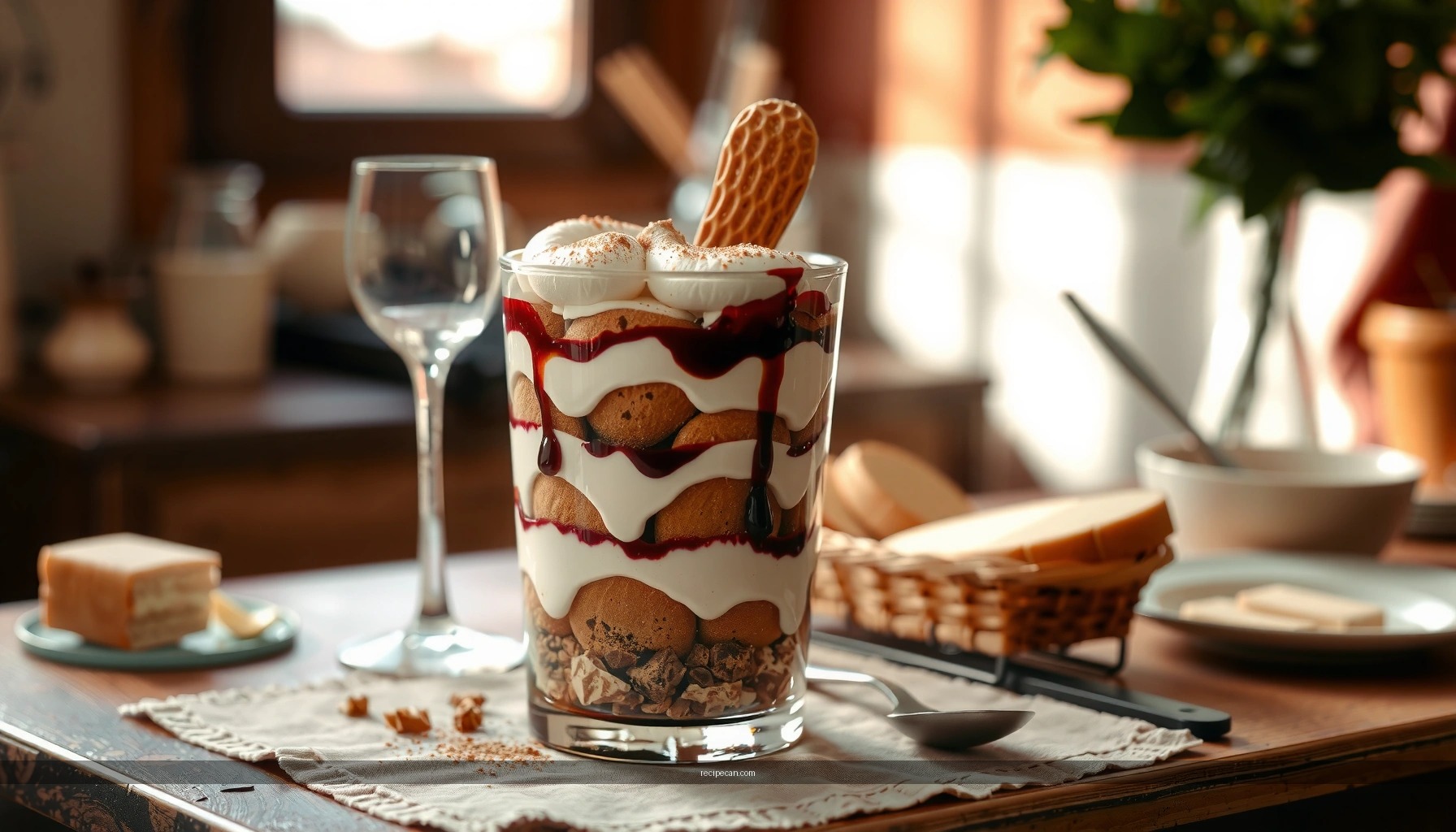
Searching for the best Italian tiramisù recipe that delivers classic, creamy results without complicated steps—this one is your winner. It focuses on the essentials: bold coffee-soaked layers, a silky mascarpone cream, and the right balance of sweetness and cocoa for that unmistakable Italian bite. If you want a straightforward tiramisù that holds its shape and tastes like the real thing, this is the recipe to make.
Yes—you can make classic, creamy Italian tiramisu at home by layering quick espresso-soaked ladyfingers with a smooth mascarpone cream and a final cocoa dusting, then chilling long enough to set cleanly. This guide gives you a reliable method, practical ingredient ratios, and timing rules so your tiramisu slices beautifully instead of turning watery or grainy.
Essential Ingredients for the Best Italian Tiramisu
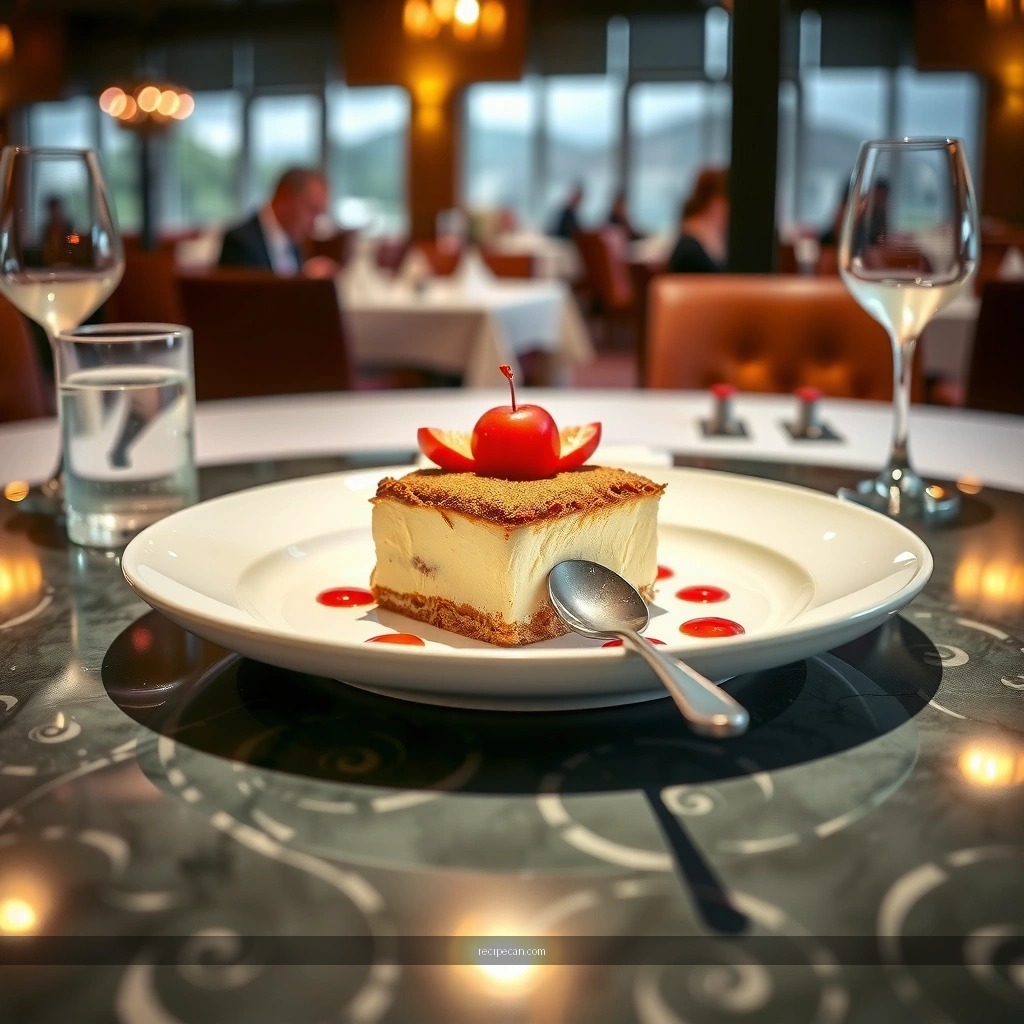
The “best” tiramisu is less about novelty and more about ingredient quality and texture control. Use the traditional components—then choose versions that behave consistently during mixing, dipping, and chilling.
– Mascarpone: This is the backbone of tiramisu’s signature richness. Look for whole-milk mascarpone with a smooth, thick consistency (avoid watery tubs).
– Fresh eggs (or a safer alternative): Traditional Italian recipes whisk egg yolks with sugar and fold into mascarpone; many cooks also use pasteurized eggs or a stabilized substitute to reduce raw-egg concerns.
– Espresso: Strong coffee matters. Brew a concentrated espresso or use espresso concentrate so the flavor stands up against the cream and cocoa.
– Ladyfingers (savoiardi): Their dryness is helpful—tiramisu relies on quick dipping, not soaking, to prevent structural breakdown.
– Sugar: Typically granulated sugar for the cream. For a smoother mouthfeel, some cooks swap part of it for fine sugar.
– Cocoa powder: Use unsweetened cocoa (natural or Dutch-process). Choose a cocoa you genuinely enjoy—its bitterness and aroma define the finish.
Quality levers that improve results immediately:
– Strong espresso (or concentrate): Aim for a coffee with a bold, not sour profile.
– High-quality cocoa and vanilla: Vanilla can be subtle, but it rounds the dairy and coffee notes. If you use it, use a small amount so you don’t turn tiramisu into a dessert-flavored “milk cake.”
Ingredient ratio baseline (for an 8×8-inch / ~20×20 cm dish)
Use this as a practical starting point:
– Mascarpone: 16 oz (450 g)
– Eggs (if traditional): 3 large yolks + 3 whites, or pasteurized equivalents
– Sugar: ~1/2 cup (100 g)
– Espresso: 1 to 1 1/4 cups (240–300 ml) depending on how heavily you dip
– Ladyfingers: ~24–28 cookies (about 2 layers, depending on thickness)
– Cocoa powder: 2–3 tablespoons for the top (plus extra for serving)
Step-by-Step: How to Make Italian Tiramisu
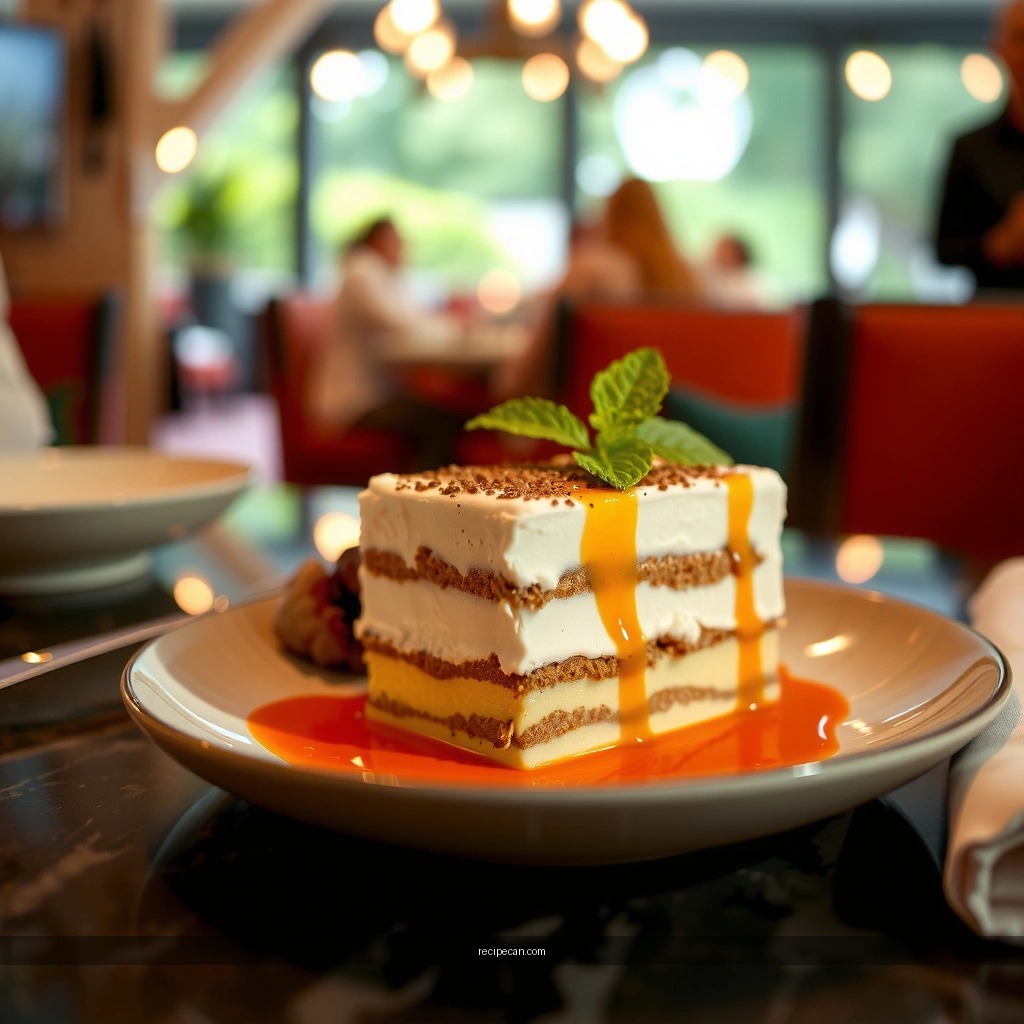
The method below is classic, but it’s engineered for texture: smooth cream, controlled soaking, and layers that hold shape after chilling.
1. Make the mascarpone cream
– Whip mascarpone with sugar until smooth and creamy.
– If using the traditional egg method, whisk yolks with sugar first, then combine with mascarpone; incorporate gently.
2. Dip ladyfingers quickly—do not soak
– Dip each ladyfinger into espresso for about 1–2 seconds per side.
– Transfer immediately to the dish. The cookie should absorb coffee but remain structurally intact.
3. Layer
– Spread a first layer of ladyfingers in the base.
– Add a generous layer of mascarpone cream.
– Repeat with another ladyfinger layer and cream, ending with cream on top (then cocoa).
4. Finish
– Dust with cocoa powder right before serving or shortly after assembly (if you want maximum contrast, dust closer to serving).
What “classic” should taste like
– Coffee: present but not bitterly harsh
– Cream: rich, creamy, and cohesive
– Cocoa: aromatic and slightly dry on top
If your tiramisu tastes watery, it’s usually from over-dipping or under-chilling.
Perfect Mascarpone Cream (No Lumps, Smooth Texture)
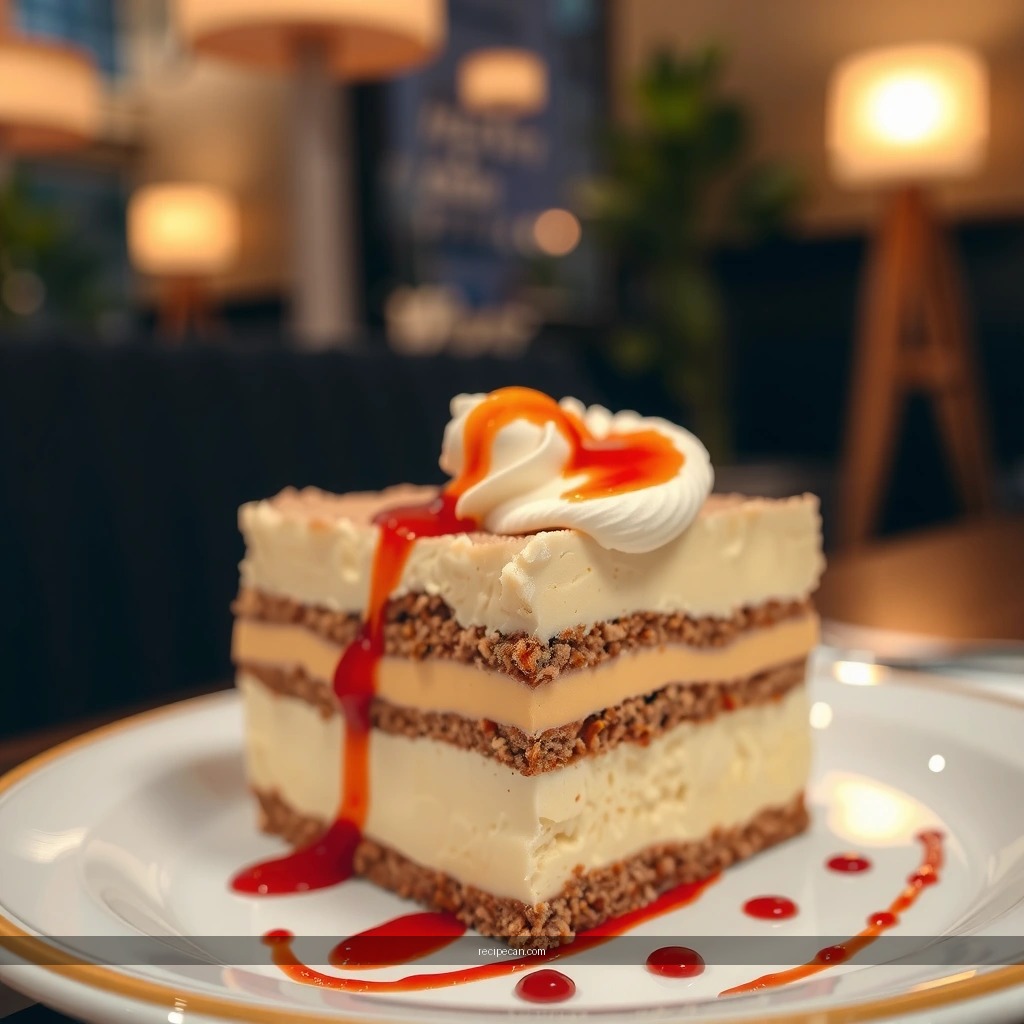
Lumps and graininess usually come from one of three issues: temperature, mixing style, or overworking the mascarpone/eggs. Treat the cream like a delicate emulsion: mix thoroughly enough to be smooth, but stop before it looks shiny or starts to separate.
If using the traditional egg method:
– Separate eggs (yolk and white).
– Whip yolks with sugar until the mixture looks lighter and thicker.
– Whip whites to soft peaks for airiness.
– Fold gently:
– Fold yolk mixture into mascarpone first.
– Then fold in the whites gradually.
– Keep the motion gentle to avoid deflating and to maintain a light, sliceable structure.
If using a safer alternative (common approaches):
– Pasteurized eggs reduce raw-egg risk and behave similarly in cream.
– Stabilized alternatives (such as thickened mascarpone-egg mixtures) help create a cream that slices cleanly even if your kitchen is warm.
– Regardless of method, the goal is the same: a cream that spreads easily without collapsing.
Practical texture checkpoints:
– The cream should be smooth enough to spread with a spoon.
– It should hold a peak or ridge briefly after you spread it.
– If your cream looks curdled or grainy, it’s often a sign you overmixed or combined ingredients at mismatched temperatures—slow down and fold next time.
Cream performance snapshot (what to expect when done right)
Consistency Targets for Classic Mascarpone Cream
| # | Cream Checkpoint | Target | Best For | Signal |
|---|---|---|---|---|
| 1 | Mascarpone-sugar integration | 1–2 min | Smooth base | ★ ★ ★ ★ ★ |
| 2 | Egg yolk thickness | Glossy ribbons | Better emulsion | ★ ★ ★ ★ ★ |
| 3 | Whites to soft peaks | 5–7 min | Air without collapse | ★ ★ ★ ★ ☆ |
| 4 | Folding intensity | 12–18 gentle folds | Light texture | Overmix risk |
| 5 | Spreadability after mixing | Holds ridges 10–15 sec | Clean layers | ★ ★ ★ ★ ★ |
| 6 | Chill stability | 4–6 hours | Slice-ready set | ★ ★ ★ ★ ☆ |
| 7 | Cocoa absorption on top | Lightly matte | Aromatic finish | Soggy risk |
Assembly Tips for Layers That Hold
Layering is where many homemade tiramisu recipes fail—either the structure collapses or the texture turns uneven. The fix is to control distribution and time.
– Spread each cream layer evenly
Uneven cream thickness makes some bites set firmer than others. Use the back of a spoon to smooth the surface to the edges.
– Keep dip time consistent
If you dip some ladyfingers for 5 seconds and others for 1, the dish will have “coffee pockets” and watery seams. Aim for 1–2 seconds per side and repeat steadily.
– Tap the dish lightly to level
After you place the ladyfingers, tap the pan lightly so they settle without crushing into the cream.
– Plan your layering order
– Base: ladyfingers → cream
– Middle: ladyfingers → cream
– Top: cream only (then cocoa)
Serving-slice aesthetics matter for professional presentation. Even layers are easier to portion and look more refined when served to guests.
Chill Time and Serving for the Best Results
Chilling is not optional—it’s what transforms tiramisu from “assembled dessert” into “classic, creamy cake-like slice.”
– Refrigerate at least 4–6 hours
For best texture, chill overnight. During this time, the coffee fully hydrates the ladyfingers without making them fall apart.
– Let it sit 5–10 minutes before serving
Cold mascarpone can feel a bit firm. Brief resting gives the cream that silky softness while still maintaining structure.
– Serve with extra cocoa and optional chocolate shavings
Add a fresh dusting right before plating for contrast and aroma. Chocolate shavings are optional—but they can elevate the “dessert counter” feel.
Best timing plan (practical)
– Make cream and assemble in the morning or early afternoon
– Chill until night or the next day
– Serve shortly after bringing the dish to refrigerator “ready-to-serve” temperature
Common Mistakes to Avoid
If you want a truly dependable Italian tiramisu recipe, treat these as quality-control checkpoints.
– Over-soaking ladyfingers → watery, soggy tiramisu
Espresso is liquid; ladyfingers behave like a sponge. Quick dip only—no extended soak.
– Underwhipping or overmixing mascarpone/egg components → grainy cream
Underwhipping leaves streaks and lumps. Overmixing can destabilize the cream’s texture and reduce its airy quality.
– Skipping chill time → layers don’t set
Fresh tiramisu can taste good immediately, but it won’t slice cleanly. Chilling is what creates the cohesive, classic mouthfeel.
– Weak espresso → muted coffee flavor
If the coffee is too mild, the mascarpone dominates and the dessert loses signature character.
– Uneven assembly → inconsistent bites
If one layer is too thick or dipped too long, diners will notice texture differences across the dish.
Tuck this best Italian tiramisu recipe into your next dessert plan: layer quickly, make the cream smooth, and chill long enough for the perfect slice. Follow the steps above, taste-test your coffee strength, and refrigerate overnight for the creamiest, most classic result.
In summary, the best Italian tiramisu comes down to three execution pillars: strong espresso with fast dipping, a smooth mascarpone cream achieved by gentle folding, and a long enough chill to set the layers. Get those right, and you’ll consistently produce a creamy, classic tiramisu that slices cleanly and tastes as authentic as it looks.
Frequently Asked Questions
What is the best Italian tiramisu recipe for a classic taste?
The best Italian tiramisu recipe balances creamy mascarpone with espresso-soaked ladyfingers and a cocoa-dusted finish. Use fresh mascarpone, strong brewed espresso (not watery coffee), and high-quality cocoa for the most authentic flavor. For classic results, gently fold egg yolks with sugar into mascarpone and dip ladyfingers quickly so they stay creamy, not soggy.
How do you make tiramisu the authentic Italian way without curdled mascarpone?
To avoid curdling, warm your egg yolks and sugar gently using a double boiler, stirring constantly until smooth and slightly thickened. Let the mixture cool before combining with mascarpone, then fold carefully rather than whisking aggressively. This method keeps your tiramisu silky and helps you achieve the rich, velvety texture Italians expect.
Why does tiramisu taste better after chilling, and how long should you wait?
Tiramisu tastes better after chilling because the ladyfingers absorb the espresso and the flavors meld with mascarpone and cocoa. Refrigerate at least 4 hours, but overnight (8–24 hours) is ideal for the creamiest, best-balanced Italian tiramisu. For the best texture, cover it so the top doesn’t dry out and keep it cold but not frozen.
Which espresso should you use for the best flavor in tiramisu?
Use espresso or a very strong coffee concentrate so the flavor stands up to the sweetness and creaminess of mascarpone. Freshly brewed espresso is best, but you can also use a moka pot coffee or a strong Italian roast if you don’t have an espresso machine. If you want a deeper Italian tiramisu profile, consider adding a small splash of espresso-based coffee liqueur, but keep it optional.
What’s the best way to assemble tiramisu so it’s creamy and not watery?
Dip ladyfingers in espresso quickly—about 1–2 seconds per side—so they absorb flavor without becoming oversaturated. If you notice excess liquid in the espresso, let it cool and avoid very wet soaking; the goal is moist, not drenched. Layer evenly, press very lightly, and chill fully to help the Italian tiramisu set into clean, scoopable portions.
References
- Tiramisu
https://en.wikipedia.org/wiki/Tiramis%C3%B9 - Treccani, il portale del sapere – Treccani
https://www.treccani.it/enciclopedia/tiramisu/ - Tiramisu | Meaning, Ingredients, Origin, Desserts, & Taste | Britannica
https://www.britannica.com/topic/tiramisu - https://www.bbc.com/food/recipes/tiramisu_68286
https://www.bbc.com/food/recipes/tiramisu_68286 - https://www.theguardian.com/food/2020/jul/02/classic-tiramisu-recipe
https://www.theguardian.com/food/2020/jul/02/classic-tiramisu-recipe - https://cooking.nytimes.com/recipes/1019550-tiramisu
https://cooking.nytimes.com/recipes/1019550-tiramisu - https://www.accademiaitalianadellacucina.it/it/ricette/tiramisu
https://www.accademiaitalianadellacucina.it/it/ricette/tiramisu - Google Scholar Google Scholar
https://scholar.google.com/scholar?q=best+italian+tiramisu+recipe+mascarpone+espresso - Google Scholar Google Scholar
https://scholar.google.com/scholar?q=tiramis%C3%B9+recipe+history+Savoiardi+egg+preparation - Google Scholar Google Scholar
https://scholar.google.com/scholar?q=classic+italian+tiramisu+recipe+custard+method+raw+eggs