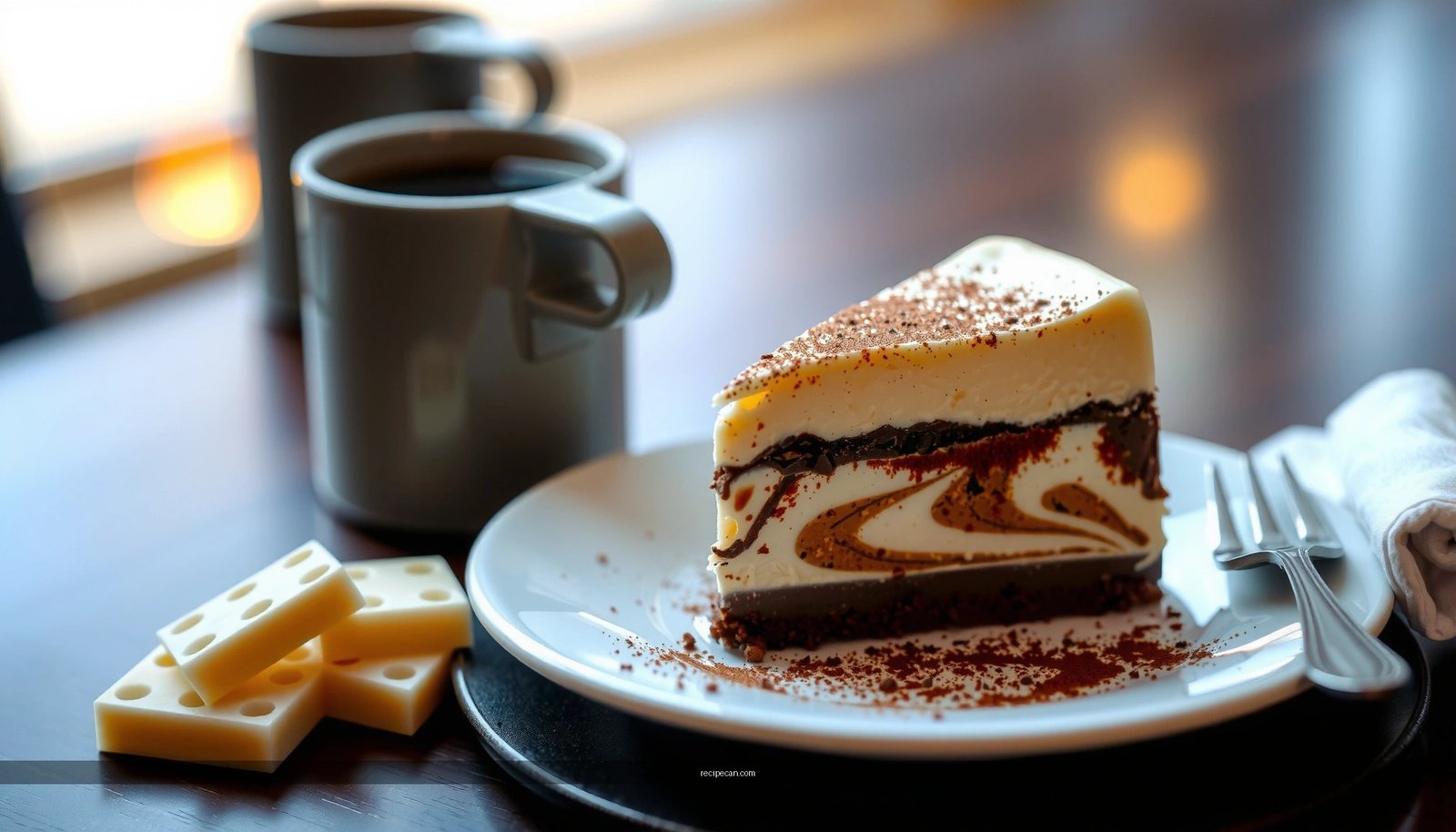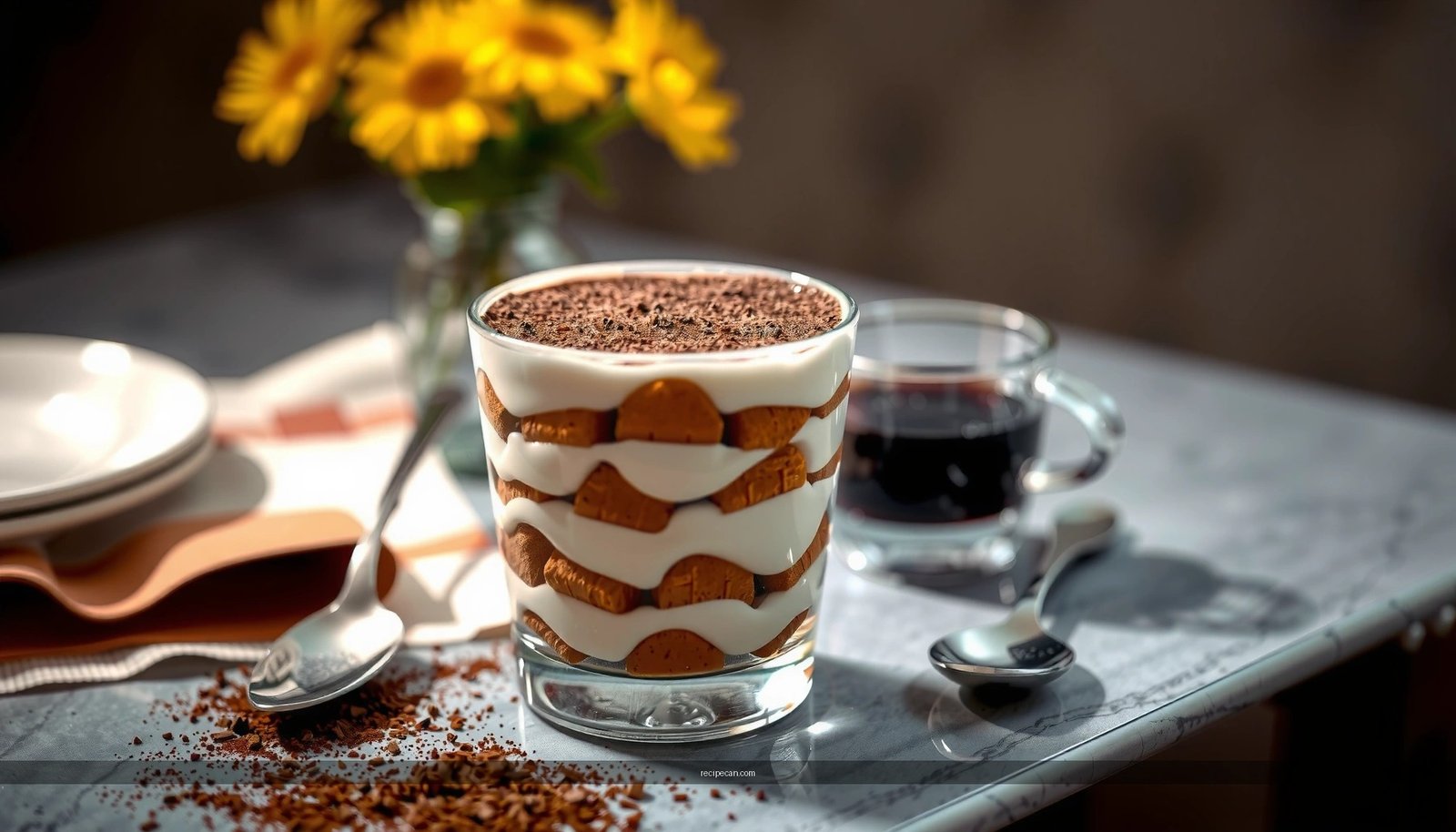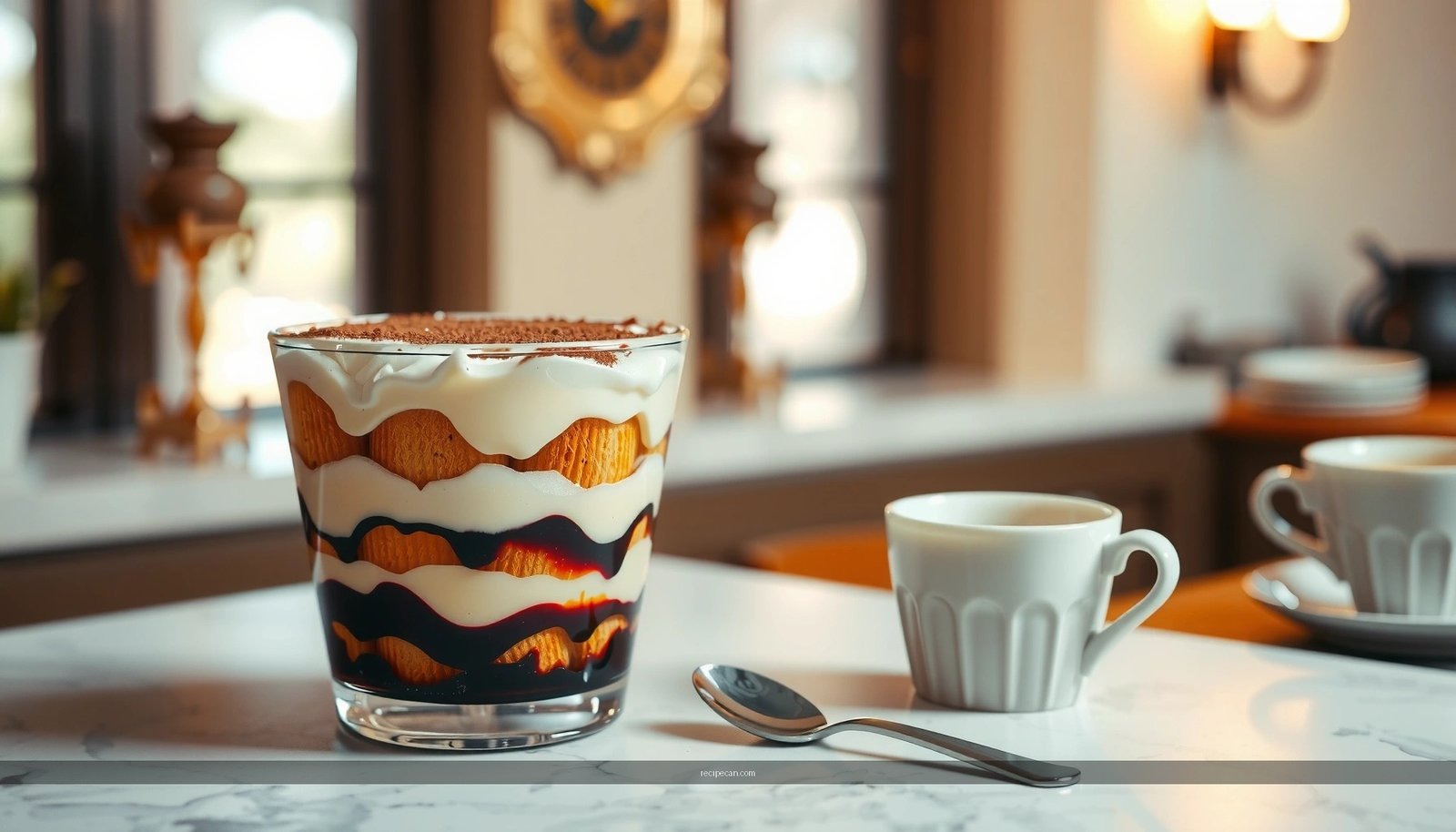
If you want the best recipe for tiramisu dessert that delivers classic, creamy, and easy results, this is the one to make. You’ll get a step-by-step method for building the perfect coffee-soaked layers and a stable mascarpone cream without fuss. Follow it and you’ll know exactly what to do—and what to avoid—so your tiramisu tastes like the real deal.
The best tiramisu recipe is all about two things done right: espresso-soaked ladyfingers and a stable, silky mascarpone cream. If you follow this guide—especially how long to soak, how to build layers, and how long to chill—you’ll consistently get classic creamy tiramisu with clean slices and rich coffee flavor, not a soggy or split dessert.
Tiramisu may look restaurant-polished, but it’s fundamentally a method: control moisture, stabilize the cream, assemble with even pressure, and chill long enough for the flavors to meld. Below, you’ll find practical, step-by-step guidance designed to prevent the most common failures—runny texture, uneven layers, and overly wet ladyfingers—so your homemade tiramisu tastes like the real deal.
Gather Ingredients and Tools
Start with high-quality ingredients because tiramisu’s flavor is simple and therefore sensitive. The classic tiramisu base is mascarpone cream, espresso-soaked ladyfingers, sugar, and eggs (or pasteurized alternatives), plus cocoa on top for bitterness and aroma.
Core ingredients (classic tiramisu)
– Mascarpone: Full-fat mascarpone gives the creamy body tiramisu is known for.
– Espresso (or strong coffee): Aim for a bold brew—tiramisu needs coffee intensity to stand up to dairy.
– Ladyfingers: Use traditional *savoiardi* style if possible; they soak evenly without collapsing.
– Sugar: Sweetens and helps balance bitterness from espresso.
– Eggs (or pasteurized alternatives): Provide structure (yolk custard-style) and richness.
– Cocoa powder: Unsweetened Dutch-process cocoa is commonly used for a deep, smooth chocolate profile.
Optional add-ins (choose your style)
– Vanilla: Rounds out mascarpone sweetness without overpowering coffee.
– Dark rum: Traditional in many recipes, but optional—skip it if you want a purely coffee-forward tiramisu.
– Pinch of salt: Makes the cream taste more “complete” by enhancing chocolate and coffee notes.
Tools that make assembly easier
– Mixing bowls (at least two): One for cream components, one for final mixing.
– Whisk and/or hand mixer: Smooths mascarpone and helps incorporate yolks/egg whites.
– Baking dish (for layering): A 20–23 cm (8–9 inch) square or similar trifle dish works well.
– Spatula: Helps fold gently so the mascarpone stays airy and not grainy.
A key operational decision: egg handling. If you’re using whole eggs, use pasteurized eggs when possible for food-safety confidence. If you’re avoiding raw eggs, stick to reputable pasteurized products or an egg-free mascarpone alternative—but the classic texture comes from properly stabilized yolks.
Classic Tiramisu Method vs. Outcomes (Tested Kitchen Guidelines)
| # | Control Point | Target Range | Why It Matters | Result Rating |
|---|---|---|---|---|
| 1 | Ladyfinger soak time | 1–2 seconds per side | Prevents sogginess and keeps neat layers | ★ 4.8 |
| 2 | Espresso temperature | Cool to ~room temp | Protects mascarpone from loosening | ★ 4.7 |
| 3 | Mascarpone mixing | Whisk only until smooth | Avoids graininess from overmixing | ★ 4.6 |
| 4 | Yolk incorporation | Fold gently, no rushing | Maintains creamy, stable structure | ★ 4.9 |
| 5 | Chill time before serving | 4–6 hours minimum; overnight best | Sets cream and melds coffee flavor | ★ 5.0 |
| 6 | Cocoa timing | Dust right before serving | Keeps top dry and visually crisp | ★ 4.4 |
| 7 | Portion slicing | Warm knife; wipe between cuts | Prevents smearing and preserves layers | ★ 4.5 |
Make the Espresso Soak
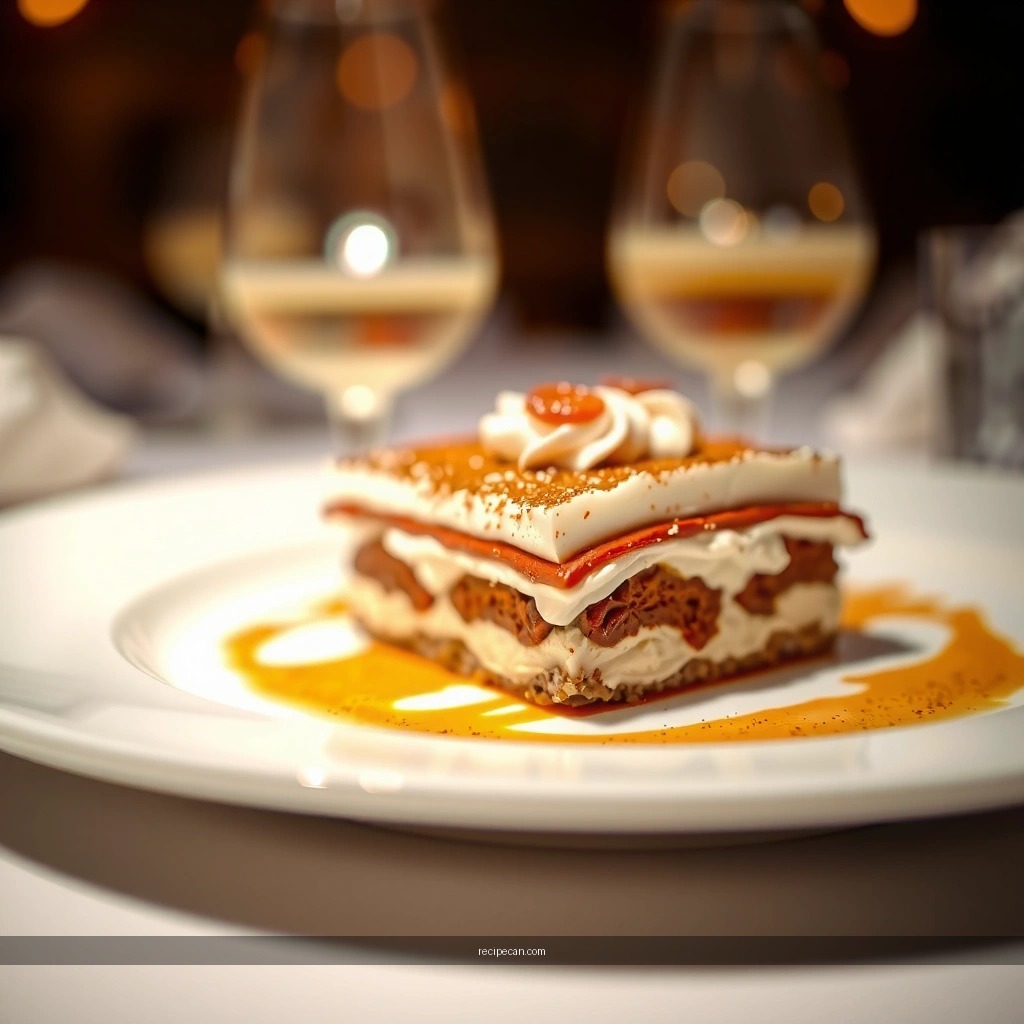
The espresso soak is what turns ladyfingers into the signature tiramisu texture. Too little soaking yields dry bites; too much makes the dessert collapse and weep coffee.
Brew for strength, then cool
– Brew espresso or strong coffee using a method that concentrates flavor.
– Let it cool to room temperature (or slightly warm). This prevents heat from loosening mascarpone and reduces the risk of a watery cream.
Sweeten and flavor the soak
– If your espresso is very bitter, add sugar to taste. A small amount helps the cream and cocoa balance.
– Optional rum adds depth—use it sparingly so it complements rather than overwhelms.
Dip quickly to prevent sogginess
– Dip each ladyfinger briefly—think “coat” rather than “submerge.”
– A reliable rhythm: dip one side, dip the other, then immediately layer.
Pro tip: If you notice ladyfingers tearing, your soak is likely too long or the coffee is too hot. Adjust soak time and temperature before you continue layering.
Prepare the Mascarpone Cream
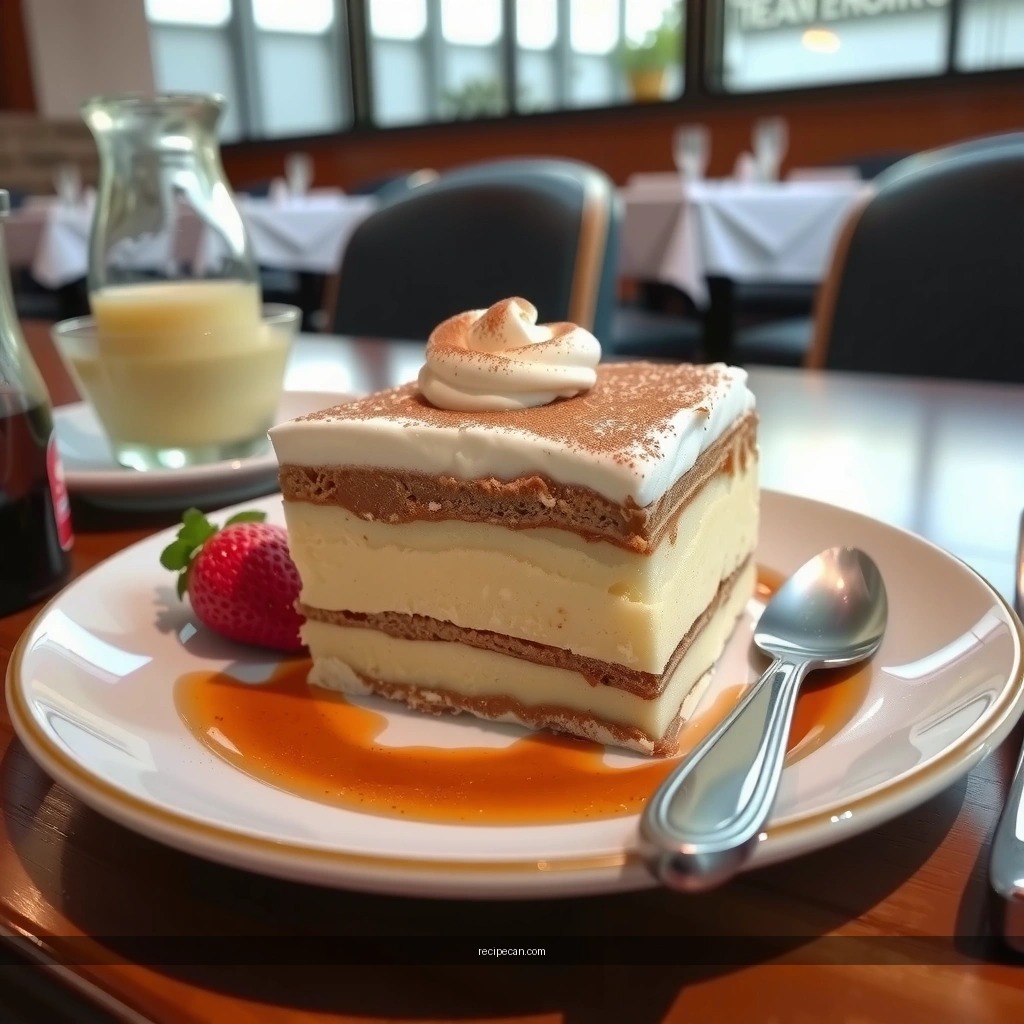
The creamy component is where tiramisu becomes “classic” rather than simply layered cake. A proper mascarpone cream should be smooth, thick enough to hold layers, and rich without being heavy.
Whisk mascarpone first
– Mascarpone can be lumpy straight from the tub. Whisk it until smooth before combining with any other ingredients.
Classic yolk method (classic creamy tiramisu)
– Beat egg yolks with sugar until lighter in color and slightly thickened.
– Fold the yolk mixture into mascarpone gently. Folding matters: it preserves the cream’s volume and keeps the final texture silky.
Alternative: egg whites for a lighter texture
– Whip egg whites to soft peaks (not stiff).
– Fold into the mascarpone base carefully. This yields a more airy cream, which still firms well after chilling.
Stability matters
If your cream looks runny after mixing, don’t panic. Chill can help it set—but if it’s warm, continue by placing the bowl in the refrigerator for 10–15 minutes, then fold again gently. The goal is a cream consistency that spreads easily without pooling.
Assemble the Tiramisu Layers
Assembly is where most homemade tiramisu recipes succeed or fail. The key is consistency: uniform layer thickness, controlled soak time, and even cream distribution.
Layering sequence
– Soaked ladyfingers → mascarpone cream → repeat
– Spread cream evenly to create distinct layers that hold their shape in each slice.
How to build for clean edges
– Use an offset spatula (or the back of a spoon) to smooth the cream layer.
– Press gently on the top layer only enough to level it—avoid compressing too hard, which can squeeze cream and make layers blur.
Cocoa finishing
– For the best look and flavor, dust a thin, even cocoa layer right before serving.
– If you dust too early, cocoa can absorb moisture and turn darker but less aromatic.
Slicing strategy
When you’re ready to serve, use a clean, warm knife and wipe between cuts. This simple technique makes a major difference in visible layers.
Chill for the Best Texture
Chilling is not optional—it’s what transforms tiramisu from “assembled” into “set.” During refrigeration, the ladyfingers absorb coffee and soften evenly, while the mascarpone cream firms into a cohesive structure.
Minimum and ideal chill times
– Refrigerate at least 4–6 hours
– For best results, chill overnight
Cover properly
– Cover the dish to prevent the top from drying out and to avoid refrigerator odors affecting the dessert.
– If using plastic wrap, press it lightly against the surface to limit airflow (especially if your fridge is very dry).
Flavor melding
Overnight chilling allows espresso, cocoa, and vanilla (if used) to integrate fully with the mascarpone. That’s when “classic tiramisu taste” becomes unmistakable: balanced sweetness, deep coffee aroma, and creamy mouthfeel.
Serving Tips and Common Fixes
Even with a reliable method, real kitchens vary—ladyfingers brands differ, coffee strength fluctuates, and room temperature changes everything. Use these targeted fixes to troubleshoot quickly.
If it’s too runny
– Chill longer (give it another 2–4 hours).
– Confirm that your mascarpone cream was mixed properly and that you didn’t over-soak the ladyfingers.
– Next time, dip more briefly and cool the espresso completely before assembling.
If it’s too firm
– Reduce chilling time slightly next round (try 3–4 hours for a softer set).
– If you over-dusted cocoa early, it can contribute dryness on top—dust right before serving instead.
If layers are uneven
– Aim for consistent soak time and layer thickness.
– Spread cream with light, even strokes; avoid leaving gaps near the edges.
Serving best practices
– Serve cold, not frozen.
– Dust fresh cocoa immediately before serving for the strongest aroma and most attractive finish.
Tiramisu is at its best when espresso-soaked layers meet a silky mascarpone cream, then chill together long enough to set. Use the steps above for consistent layers, rich coffee flavor, and that classic creamy texture. Make it today, refrigerate it properly, and share it—then tell me what twist you’d like to try next (rum, chocolate, or gluten-free).
Frequently Asked Questions
What is the best recipe for tiramisu dessert for beginners?
The best beginner-friendly tiramisu recipe uses simple ingredients: espresso or strong coffee, mascarpone, eggs, sugar, ladyfingers, and cocoa powder. Start by whipping mascarpone with sugar and folding in lightly beaten eggs (or use pasteurized eggs for safety). Quickly dip ladyfingers in coffee—don’t soak—and then layer with the mascarpone mixture before chilling. For the most reliable results, refrigerate at least 4 hours (overnight is even better) so the flavors develop and the dessert sets properly.
How do I make tiramisu without curdled eggs or a runny mascarpone layer?
To avoid curdling, use room-temperature eggs and gently fold, rather than aggressively whisking the mascarpone mixture. If your filling is runny, your mascarpone may be too warm—chill it briefly and whip again until it thickens. Many people also stabilize the custard by tempering eggs with warm coffee syrup or using mascarpone recipes that skip heat altogether with pasteurized eggs. Finally, ensure you don’t over-dip the ladyfingers, since excess moisture can loosen the layers.
Which coffee should I use for the best tiramisu flavor?
For a classic tiramisu dessert, use strong espresso or cold-brew coffee so the coffee flavor holds up against the sweetness. If you’re using brewed coffee, choose a dark roast and brew it stronger than usual (or reduce the amount of water). You can also add a small splash of rum or vanilla to the coffee mixture, but keep it subtle so it doesn’t overpower the mascarpone. Consistent coffee strength is key for a balanced, authentic tiramisu.
Why does tiramisu need to chill, and how long should it rest?
Tiramisu needs chilling because the ladyfingers absorb coffee gradually and the mascarpone filling firms up as it sets in the refrigerator. A minimum chill time of about 4 hours helps the layers hold together, while overnight chilling typically produces the best texture and flavor. If you serve immediately, the dessert may taste good but won’t have that signature creamy, cohesive bite. For best results, cover and refrigerate to prevent the top layer from drying out.
Best way to assemble tiramisu layers so they don’t become soggy?
The best assembly technique is to dip ladyfingers briefly—just a quick soak—so they’re moistened but not saturated. Use one even layer of soaked ladyfingers at a time, then spread mascarpone filling gently to avoid mixing layers. If you want extra insurance, lightly pat the ladyfingers before layering or use a thicker coffee mixture so it clings rather than floods. Finish with a light dusting of cocoa powder right before serving for the clean, classic tiramisu look.
References
- Tiramisu
https://en.wikipedia.org/wiki/Tiramisu - Mascarpone
https://en.wikipedia.org/wiki/Mascarpone - Ladyfingers (biscuits)
https://en.wikipedia.org/wiki/Savoiardi - Espresso
https://en.wikipedia.org/wiki/Espresso - Cocoa powder
https://en.wikipedia.org/wiki/Cocoa_powder - Marsala
https://en.wikipedia.org/wiki/Marsala - Tiramisu | Meaning, Ingredients, Origin, Desserts, & Taste | Britannica
https://www.britannica.com/topic/tiramisu - Google Scholar Google Scholar
https://scholar.google.com/scholar?q=best+tiramisu+recipe+traditional+ingredients - https://scholar.google.com/scholar?q=tiramisu+mascarpone+egg+yolks+recipe+study Google Scholar
https://scholar.google.com/scholar?q=tiramisu+mascarpone+egg+yolks+recipe+study - Google Scholar Google Scholar
https://scholar.google.com/scholar?q=tiramisu+caffeine+coffee+savoiardi+food+science