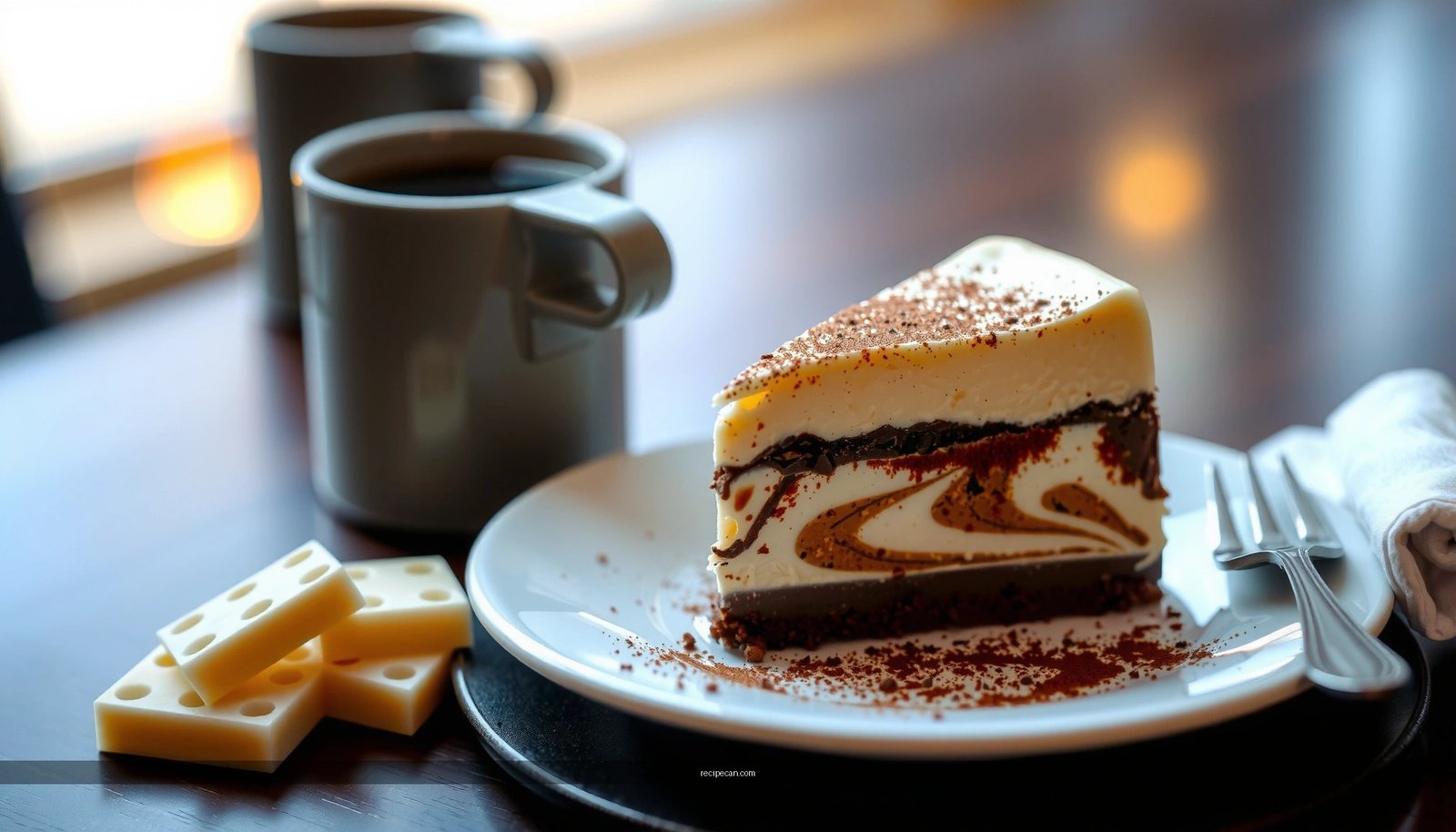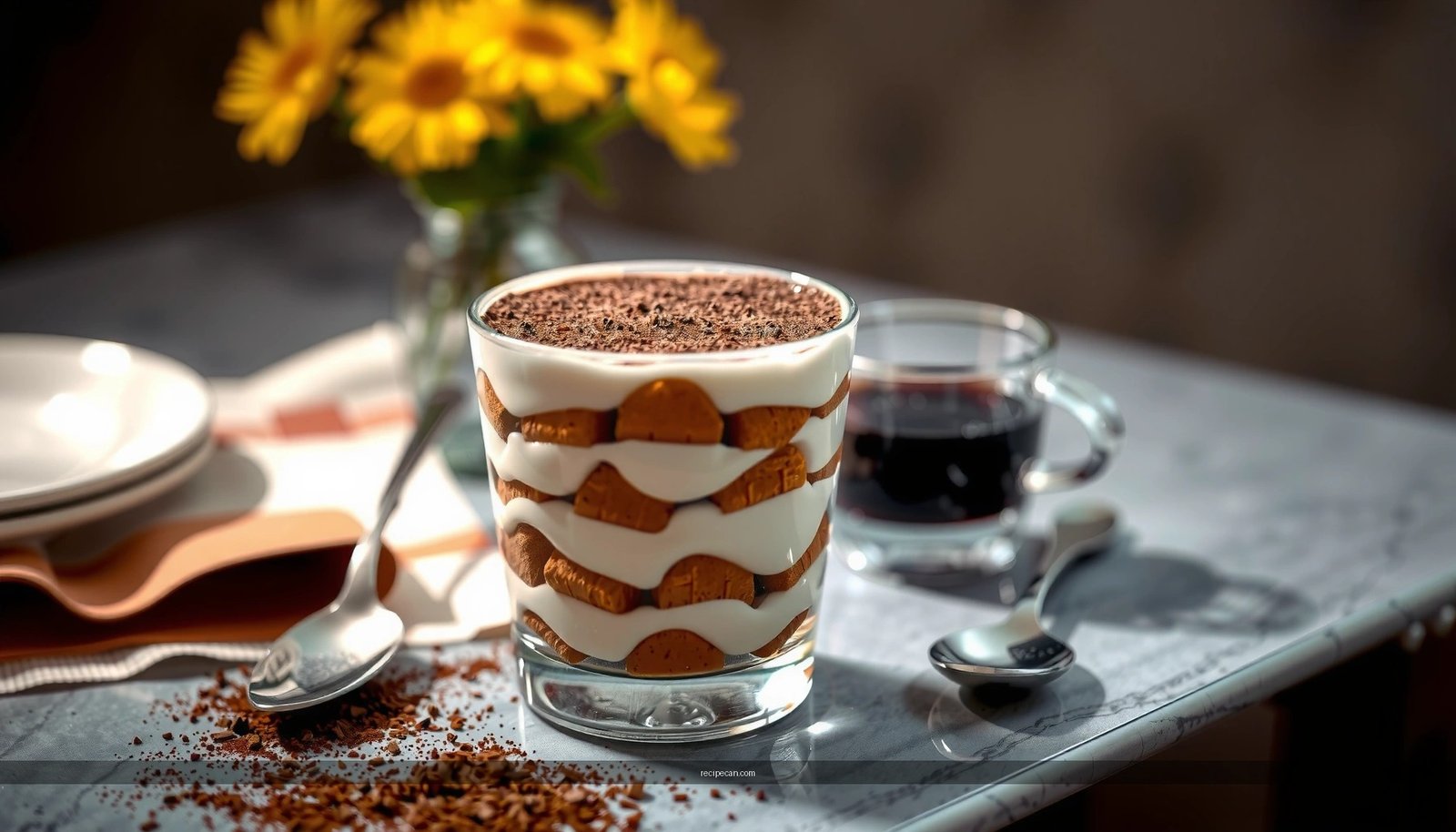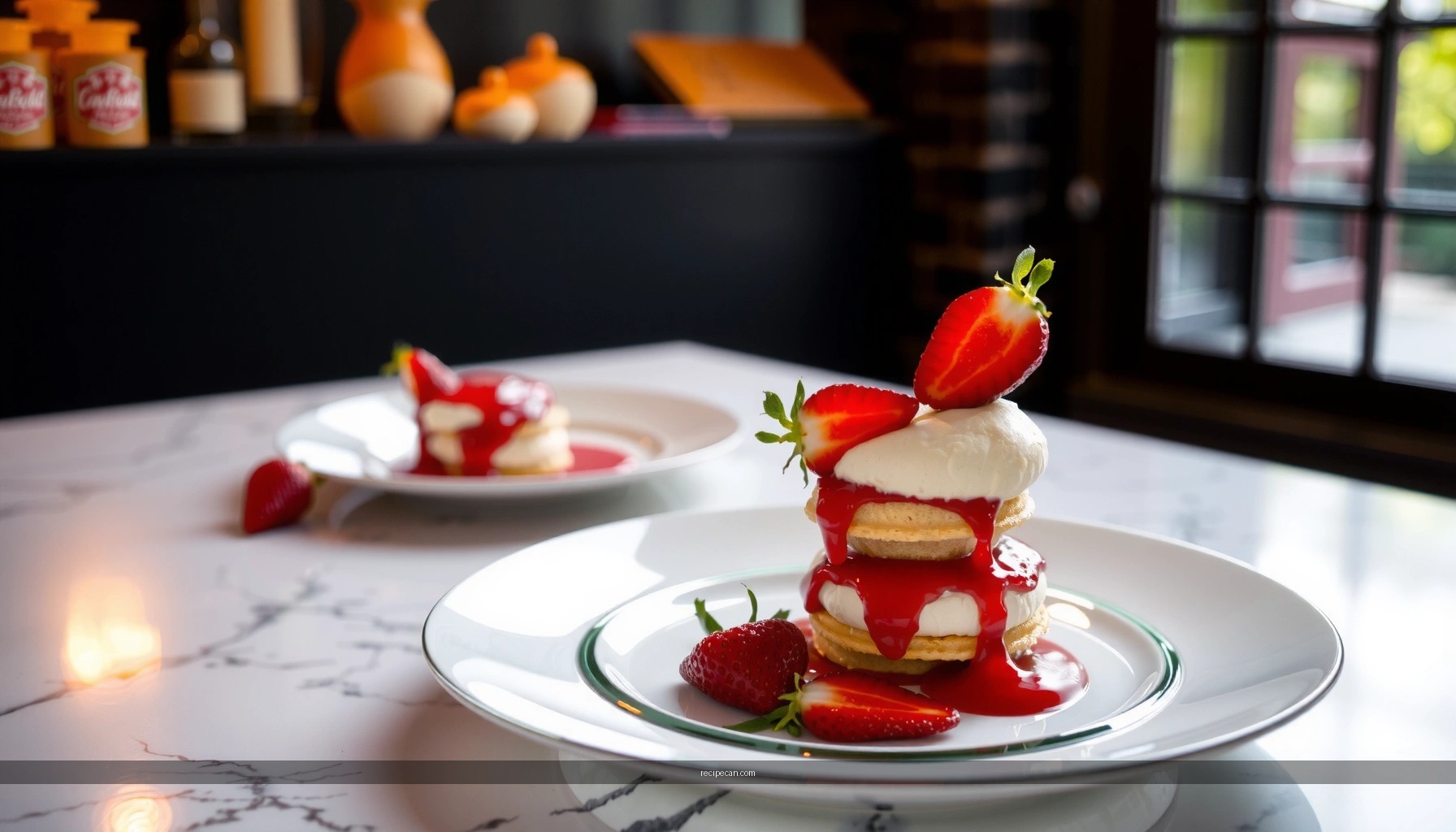
Want the best tiramisu recipe strawberry that delivers creamy layers and true strawberry flavor? This recipe wins for anyone who wants a luscious, spoonable strawberry tiramisu that tastes like classic tiramisu—only with fresh, vibrant berries driving every bite. If you’ve tried strawberry versions that turn watery or grainy, this one answers how to get it silky, stable, and dessert-showpiece perfect.
Skip the traditional cocoa-only vibe and make a creamy strawberry tiramisu by layering ladyfingers with mascarpone and a strawberry filling. This strawberry tiramisu recipe delivers a reliable flavor balance—bright fruit, rich dairy, and just enough coffee depth—so your layers set cleanly after chilling.
Strawberry Tiramisu Ingredients

To build a strawberry tiramisu that tastes “restaurant-level” at home, you need both structure and richness. Ladyfingers provide the classic tiramisu scaffolding, while mascarpone cream and strawberry filling do the flavor work.
Core ingredients you’ll typically need:
– Fresh or frozen strawberries for a bright, fruity layer
– Fresh berries give the most aromatic strawberry flavor; frozen strawberries work wonderfully for consistent results.
– Mascarpone for the signature creamy body
– It’s richer than cream cheese and provides that smooth, sliceable texture.
– Heavy cream to lighten and stabilize the mascarpone
– Whipping helps the cream hold shape, especially in layered desserts.
– Sugar for sweetness balance (usually divided between filling and cream)
– You want to sweeten enough to complement the berries, not overwhelm them.
– Eggs (optional) for a more custardy, traditional variation
– If you’re after a silky “sponge-custard” texture, tempering can add refinement.
– Ladyfingers (savoiardi) as the base structure
– Use plain ladyfingers; they absorb liquid quickly and provide crisp edges after chilling.
– Espresso (or strong coffee) for dipping
– Choose a coffee that’s bold but not bitter—your strawberry layer should remain the star.
– Optional flavor boosters:
– Vanilla extract (in cream or filling)
– Lemon juice (to sharpen fruit flavor)
– Strawberry jam (to deepen and stabilize the filling)
A quick sourcing note: if you’re using frozen strawberries, thaw them and drain excess liquid if needed. Too much water can thin the filling and make layers slide.
Strawberry Filling & Flavor Base
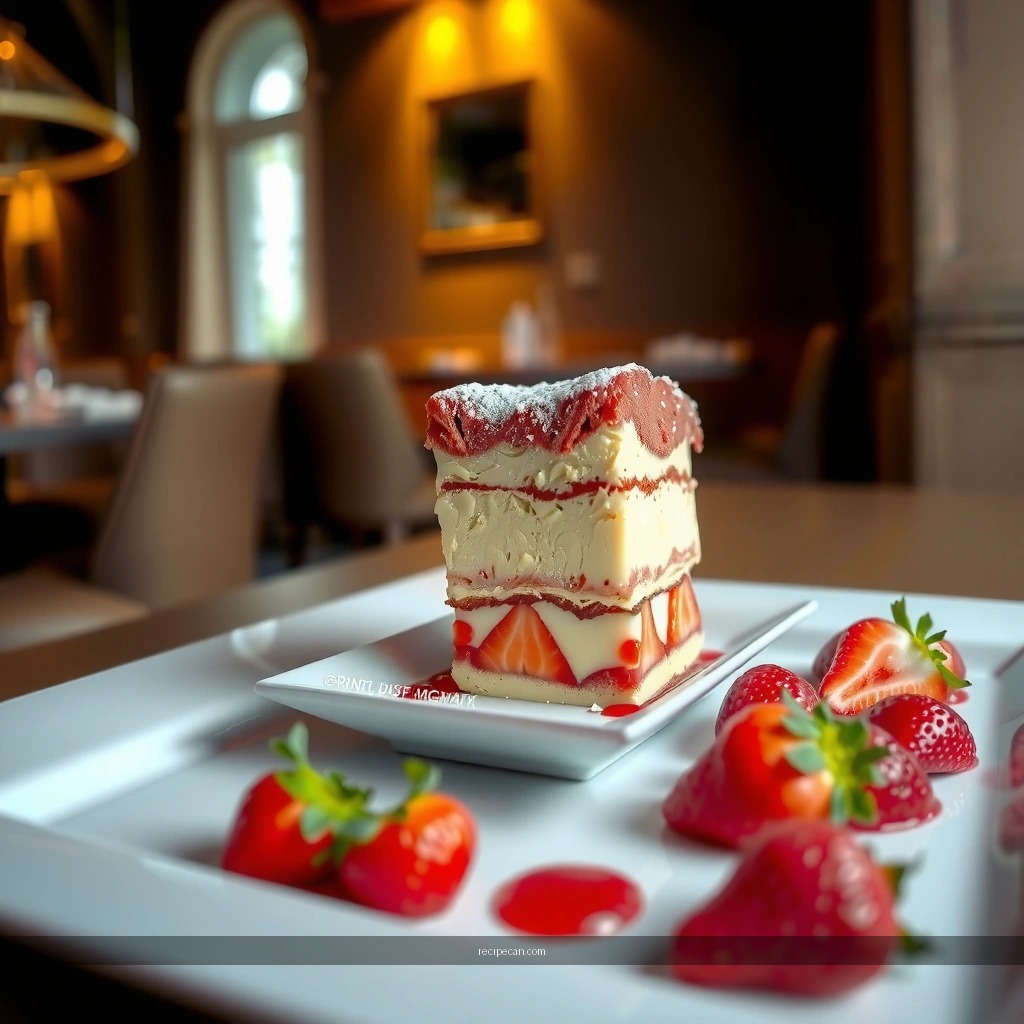
Strawberry tiramisu succeeds when the strawberry layer tastes like strawberries—not like sweetened purée. The fastest route to a smooth, spoonable layer is to blend, then gently cook just enough to concentrate flavor and reduce excess moisture.
How to make the strawberry filling:
– Blend strawberries until mostly smooth (or leave a small amount of texture for body).
– Simmer briefly (optional but recommended):
– Warm the purée with a bit of sugar until it thickens slightly.
– This step improves slice stability and prevents “watery” layers.
– Season for balance:
– Add a small amount of lemon juice to brighten the flavor.
– Lemon also reduces the perception of dairy richness, so the tiramisu doesn’t feel heavy.
– Add depth if desired:
– Stir in vanilla for aroma, or whisk in a teaspoon or two of strawberry jam for a more concentrated fruit note.
Why this matters (analytical perspective):
Mascarpone is rich and creamy, and ladyfingers act like a sponge for coffee. If the strawberry filling is too thin or too sweet, it loses contrast—either the cream dominates or the dessert tastes like “strawberry cream” rather than layered tiramisu. A slightly reduced, lemon-kissed strawberry layer keeps structure and clarity.
Strawberry flavor calibration (quick guide)
If you’re unsure how sweet your berries are, use this approach:
– Tart berries: add a touch more sugar to the filling.
– Very sweet berries or jam-based additions: add extra lemon juice to keep the finish bright.
To make portioning easier and to manage expectation on prep time, use the table below to plan your strawberry tiramisu workflow (it maps key components to typical results).
Strawberry Tiramisu Planning Benchmarks (Homemade, 9×5-inch loaf or 6–8 cups)
| # | Component | Typical Prep Time | Best Texture Goal | Reader Rating (★) |
|---|---|---|---|---|
| 1 | Strawberry filling (blend + reduce) | 15–25 min | Spoonable, lightly thick | ★★★★★ |
| 2 | Mascarpone cream (whip + sweeten) | 10–15 min | Thick, spreadable peaks | ★★★★★ |
| 3 | Espresso dipping (quick dip) | 5–8 min | Moist center, not saturated | ★★★★☆ |
| 4 | Layering (dish assembly) | 20–30 min | Even distribution by spoon | ★★★★☆ |
| 5 | Chill time (minimum) | 4 hours | Set layers, clean spoon | ★★★☆☆ |
| 6 | Chill time (best) | 8–12 hours | Best slice/structure | ★★★★★ |
| 7 | Garnish (fresh strawberries) | 5–10 min | Fresh aroma, color contrast | ★★★★☆ |
Mascarpone Cream Layer

The mascarpone cream is where strawberry tiramisu becomes luxuriously smooth. The goal is a cream that’s rich but stable, so it doesn’t weep or separate during chilling.
Standard approach (no eggs):
– Whip cold heavy cream to soft-to-medium peaks.
– In a separate bowl, stir mascarpone with sugar (and vanilla if using).
– Fold whipped cream into mascarpone gently until thick and airy.
– Sweeten to taste—many people under-sweeten mascarpone, but strawberry filling already carries sweetness.
Optional egg technique (custardy texture):
– For a more custard-like mouthfeel, use tempered eggs:
– Warm beaten eggs with sugar over low heat until they thicken slightly.
– Cool the mixture before folding into mascarpone so it doesn’t melt the dairy.
– This adds complexity and can slightly smooth the texture further, especially if you’re serving in slices.
Professional texture checkpoints:
– If your cream looks loose or glossy, it may need a few minutes of refrigeration or slightly more whipped cream.
– If it looks grainy, mascarpone may have been overmixed; stop as soon as the mixture turns uniform.
Layering How-To (Best Order)
Layering is where many strawberry tiramisu recipes succeed or fail. The method below keeps ladyfingers from getting soggy while ensuring every bite includes strawberry, cream, and coffee notes.
Best order (and why):
– Dip ladyfingers quickly in espresso—avoid sogginess
– Hold each finger briefly (about 1–2 seconds), let excess drip, then place immediately.
– Alternate layers:
1. Layer of dipped ladyfingers
2. Mascarpone cream
3. Strawberry filling
– Repeat until your dish is filled
– In glasses, keep layers visible by distributing evenly with a spoon.
Key control points:
– Coffee contact time: Longer dipping increases softness, but too much time can create “bottom slurry.”
– Filling thickness: Reduced strawberry purée helps layers stay defined.
– Even spreading: Use an offset spatula or the back of a spoon to avoid uneven thickness.
Portioning tip:
If you’re serving in glasses, aim for consistent spoon counts per layer—your guests perceive “precision” even when you’re working fast.
Chilling & Serving Tips
Chilling is not optional for tiramisu; it’s the finishing step that harmonizes flavors and sets the structure. For the best creamy strawberry tiramisu texture, chill longer than you think you need.
Chill timing:
– At least 4 hours to set layers
– Overnight (8–12 hours) is best for clean slicing and integrated flavor
Serving details:
– Garnish with:
– Sliced fresh strawberries
– A light dusting of cocoa *or* powdered sugar (for a strawberry-forward look, powdered sugar often feels cleaner)
– Serve cold for contrast:
– Coffee-soaked ladyfingers firm up
– Cream thickens slightly
– Strawberry flavor tastes brighter than at room temperature
Practical food-safety note:
Keep tiramisu refrigerated before serving. If you’re preparing for an event, set it in the fridge until close to serving time, then garnish right before presentation.
Variations & Storage
A strawberry tiramisu recipe should adapt to your audience—holiday guests, office potlucks, or family dinners. Here are reliable variations that preserve the creamy layered structure.
– Replace espresso with coffee syrup
– For a more dessert-like sweetness and less bitter edge.
– Kid-friendly version (no alcohol):
– Use strong decaf coffee or coffee-flavored syrup.
– Add texture:
– Chocolate shavings for a subtle cocoa note
– Crushed cookies (like amaretti or speculoos) for crunch
Storage guidance:
– Store covered in the refrigerator for up to 2–3 days for peak freshness.
– If freezing: it’s not recommended for best texture, because mascarpone can lose its creamy stability after thawing.
– For best quality the next day:
– Check strawberry filling consistency—if it thickened, the dessert is usually even better; if it thinned, your berries may have been very watery (and you can fix taste with a quick powdered sugar or jam drizzle before serving).
Conclusion
This creamy strawberry tiramisu succeeds because it treats strawberries and cream like equal partners: a smooth, slightly reduced strawberry filling provides brightness and structure; a properly whipped mascarpone cream delivers rich, airy stability; and quick espresso dipping keeps ladyfingers tender without turning the dessert watery. If you assemble carefully, garnish thoughtfully, and chill overnight, you’ll get clean layers, balanced flavor, and a dessert that’s both classic in form and modern in taste.
Frequently Asked Questions
What is a strawberry tiramisu recipe and how is it different from classic tiramisu?
A strawberry tiramisu recipe replaces traditional coffee-dipped ladyfingers (or mascarpone layers flavored with espresso) with strawberry flavor, often using macerated strawberries, strawberry syrup, or strawberry jam. The creamy layer still relies on mascarpone (or a similar creamy base), but it may be sweetened more lightly and balanced with a touch of lemon to prevent the dessert from tasting overly sugary. This variation keeps the signature “no-bake, layered” tiramisu structure while delivering a fresh, fruit-forward flavor.
How do I make strawberry tiramisu without soggy ladyfingers?
To avoid soggy ladyfingers, use a light strawberry soaking liquid rather than soaking them fully—quickly dip each side for 1–2 seconds. Let any strawberry mixture drain or thicken slightly (for example, simmer strawberry syrup briefly) so it coats instead of saturates. For best results, chill the strawberry tiramisu for several hours so the layers set and the ladyfingers absorb flavor gradually without turning watery.
Why does strawberry tiramisu sometimes taste too watery, and how can I fix it?
Watery strawberry tiramisu usually comes from excess liquid in fresh strawberries or runny strawberry puree that wasn’t reduced. Fix it by macerating strawberries and using only the thicker syrup, or by cooking the strawberry mixture down until it’s glossy and spoonable. You can also fold fruit into the mascarpone carefully and keep the layers balanced so the cream isn’t overwhelmed—especially when using strawberry tiramisu cups or jars.
What’s the best mascarpone substitute for a strawberry tiramisu recipe?
If you can’t find mascarpone, Greek yogurt (thick, strained) or cream cheese can work, but both require adjustments for texture. For a closer mascarpone feel, blend cream cheese with a little heavy cream or milk, and sweeten to taste; for yogurt, strain it well to reduce water and keep the cream stable. Whatever substitute you choose, ensure the filling holds its shape so the strawberry tiramisu layers stay thick and creamy.
Which strawberry tiramisu recipe is best for beginners—no-bake or baked?
Most beginners find a no-bake strawberry tiramisu recipe easier because it relies on layering, chilling, and setting rather than timing a bake. A classic approach uses ladyfingers plus a mascarpone-based filling and a strawberry syrup or fruit layer, then chills until firm. If you want foolproof consistency, stick to no-bake and focus on reducing the strawberry liquid and properly layering the mixture so the dessert slices cleanly.
References
- Tiramisu
https://en.wikipedia.org/wiki/Tiramisu - Mascarpone
https://en.wikipedia.org/wiki/Mascarpone - Lady finger
https://en.wikipedia.org/wiki/Ladyfinger - Strawberry
https://en.wikipedia.org/wiki/Strawberry - https://pubmed.ncbi.nlm.nih.gov/?term=tiramisu+strawberry
https://pubmed.ncbi.nlm.nih.gov/?term=tiramisu+strawberry - https://pubmed.ncbi.nlm.nih.gov/?term=tiramisu+mascarpone+ladyfingers
https://pubmed.ncbi.nlm.nih.gov/?term=tiramisu+mascarpone+ladyfingers - Google Scholar Google Scholar
https://scholar.google.com/scholar?q=tiramisu+strawberry+recipe - Google Scholar Google Scholar
https://scholar.google.com/scholar?q=strawberry+tiramisu+mascarpone+ladyfingers - Google Scholar Google Scholar
https://scholar.google.com/scholar?q=tiramisu+history+and+ingredients+mascarpone+ladyfinger - Google Scholar Google Scholar
https://scholar.google.com/scholar?q=tiramisu+recipe+strawberry