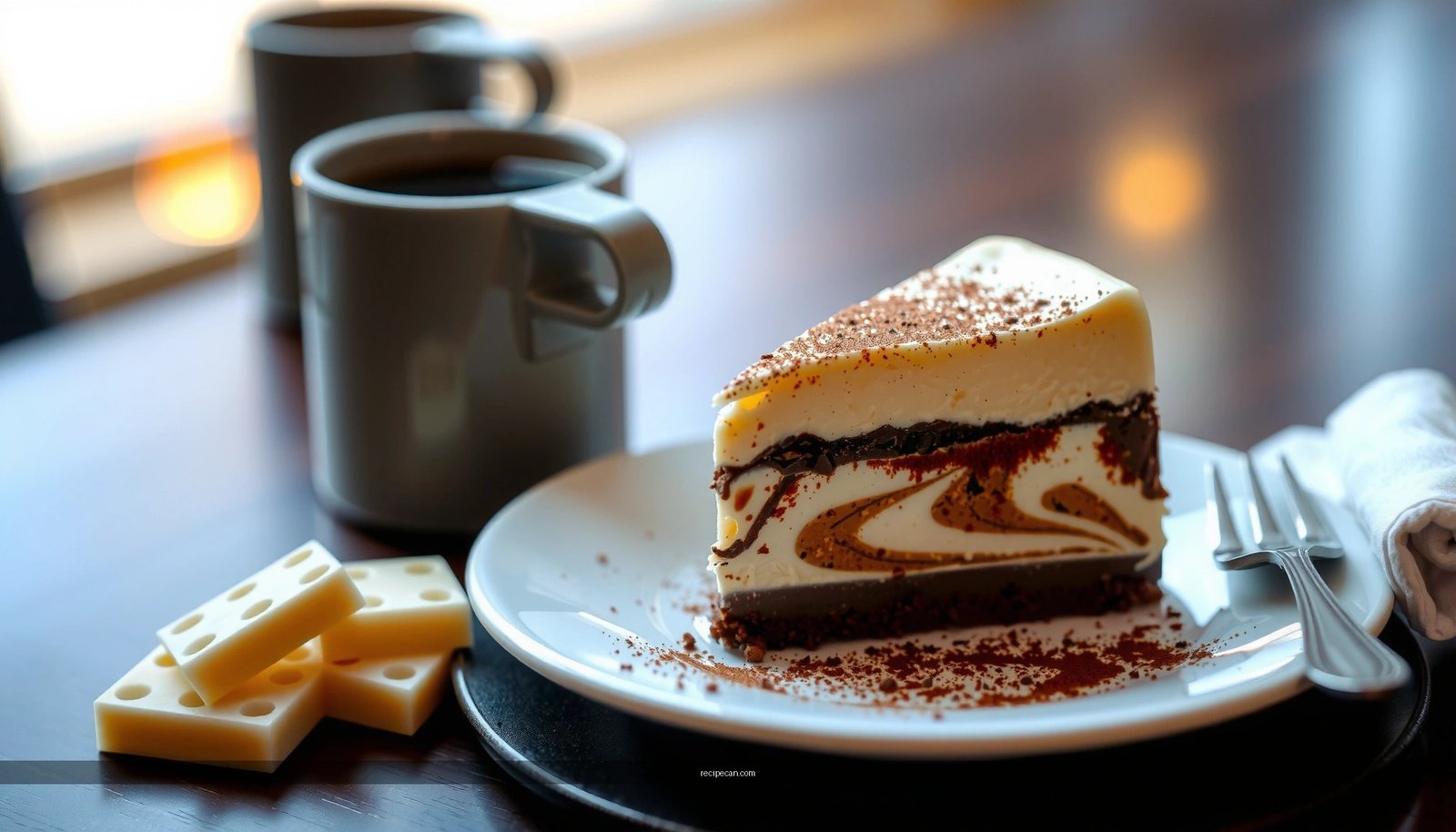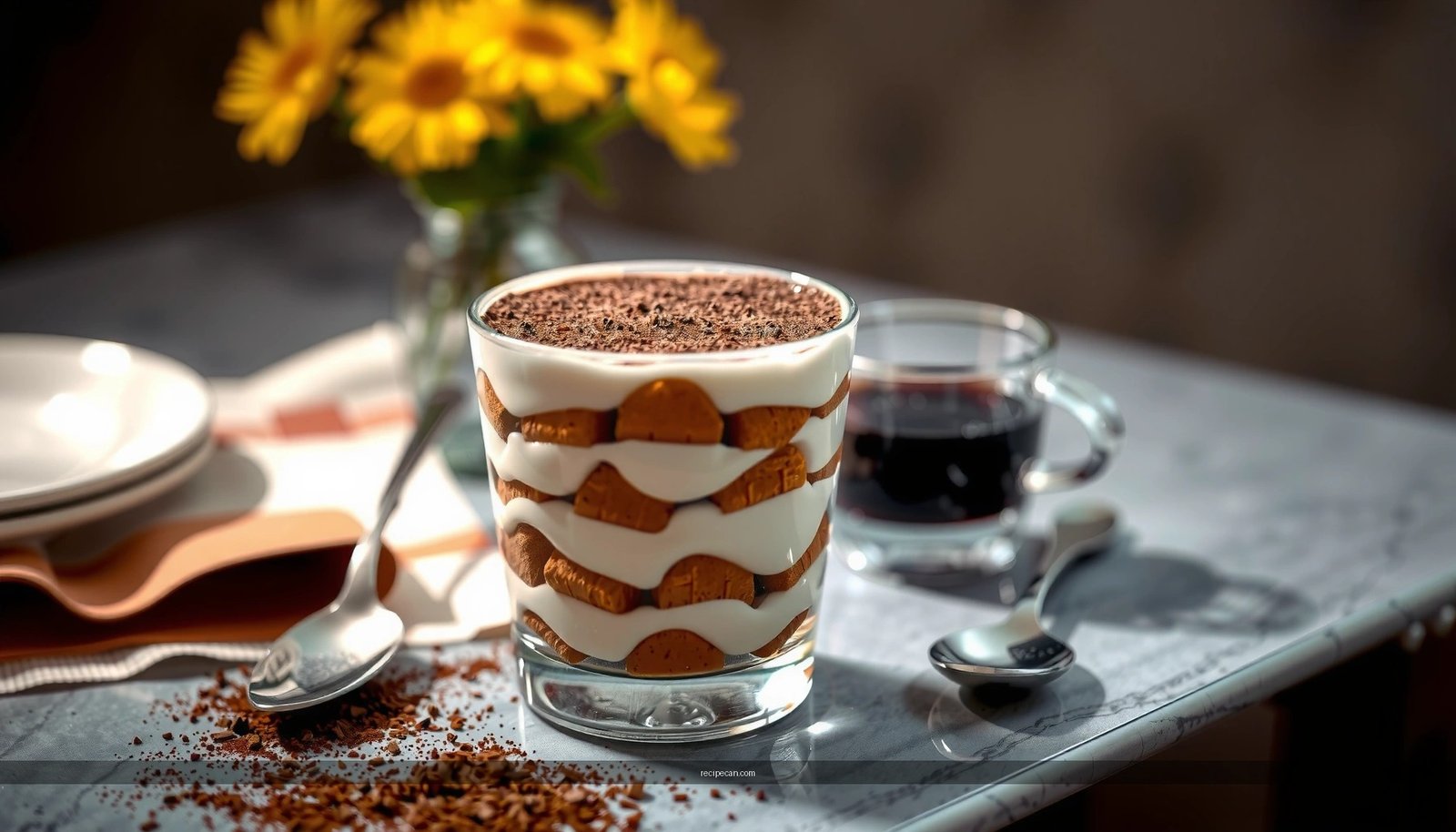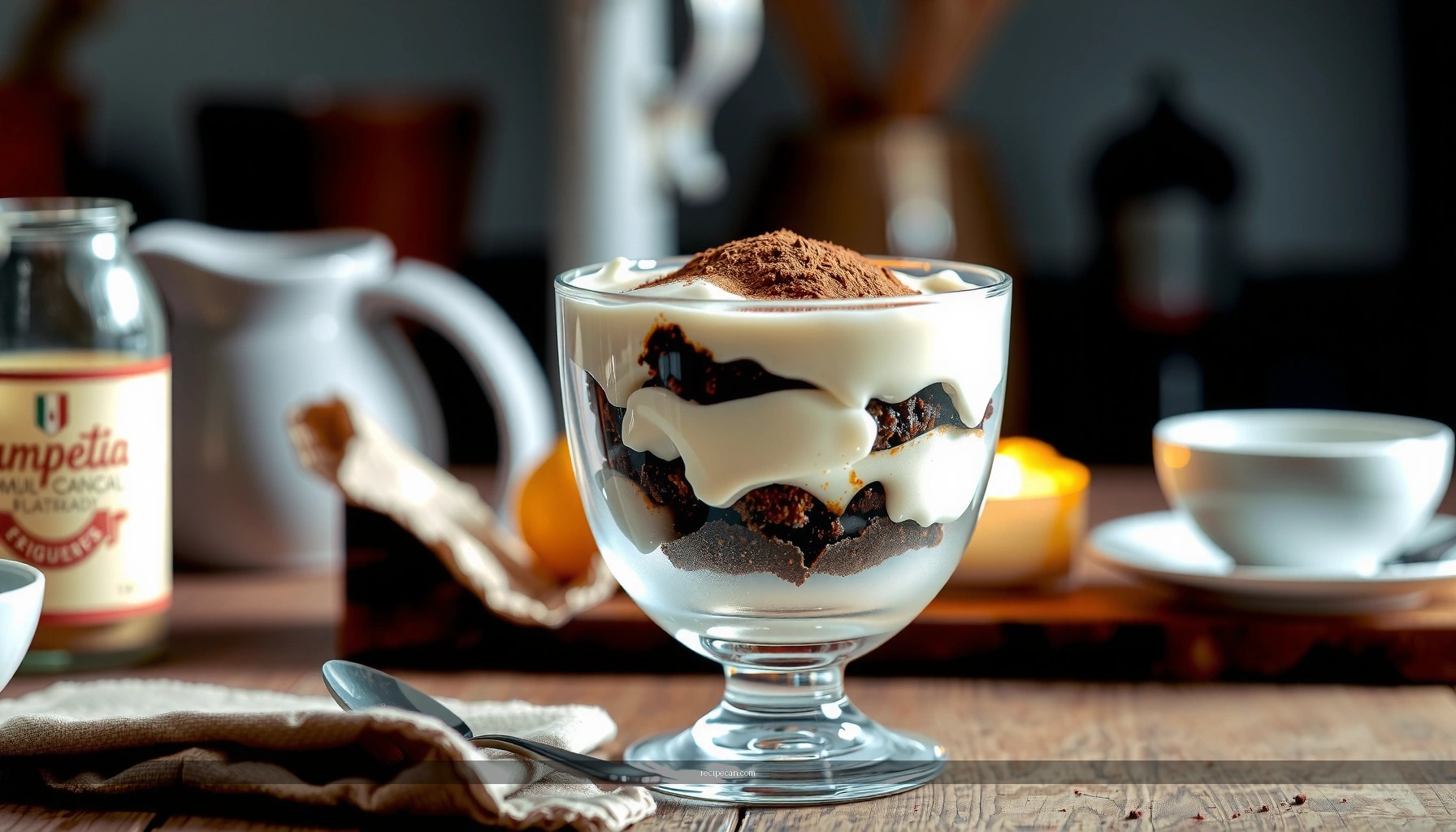
This eggless tiramisu recipe delivers the same bold coffee-chocolate flavor as classic tiramisu—without eggs—so you can decide fast if no-eggs is the right move. You’ll get an easy, foolproof method for a creamy mascarpone-style filling and a clean assembly using ladyfingers, espresso, and cocoa. If you want tiramisu recipe no eggs that actually sets well and tastes right, this is the winner.
You can make classic, sliceable tiramisu without eggs by using an egg-free mascarpone-style filling made with sweetened mascarpone and whipped dairy (or whipped cream), then layering it with brief espresso-dipped ladyfingers and chilling until set. Below is a step-by-step, practical approach to nail the flavor, texture, and structure of eggless tiramisu—no raw egg needed.
Eggless Tiramisu Ingredients
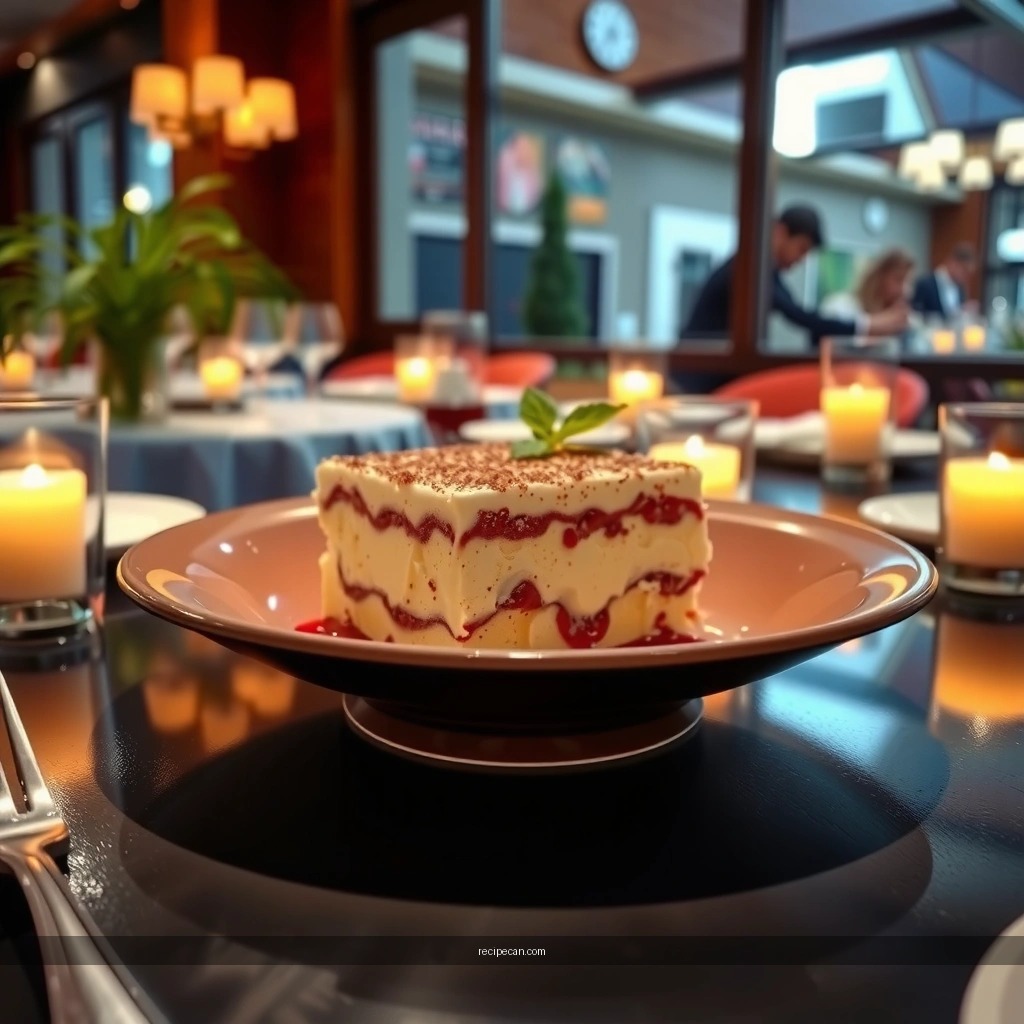
A no-eggs tiramisu recipe is all about recreating two things the traditional method relies on: (1) a rich, creamy “mascarpone” body, and (2) a coffee flavor that shows up clearly without turning the dessert into mush. To do that, focus on ingredients that whip well, hold their shape, and absorb liquid slowly.
– Mascarpone plus whipped cream for a rich, creamy texture
– Use mascarpone as your main base for that signature tang and thickness.
– Add heavy cream (or a high-fat whipped cream) to increase aeration and stability.
– If you’re aiming for an extra-stable cream, choose cold mascarpone and cold cream before whipping.
– Choose strong espresso (or coffee) and ladyfingers that won’t turn mushy
– Brew strong espresso or a concentrated black coffee (slightly stronger than you’d drink).
– Use savoiardi-style ladyfingers that are designed to be soaked; they vary by brand in how quickly they soften.
– If you find your ladyfingers too delicate, shorten soak time even more and assemble promptly.
– Add cocoa powder, sugar, and vanilla for classic tiramisu taste
– Unsweetened cocoa powder for the top—use it generously for the classic “tiramisu” finish.
– Sugar (or powdered sugar) to sweeten the cream smoothly. Powdered sugar dissolves faster and helps avoid graininess.
– Vanilla extract to round out the coffee-and-cocoa profile.
Eggless Tiramisu “Set” Quality by Cream Technique (Practical Benchmarks)
| # | Cream Approach | Chill Time Needed to Slice | Layer Stability | Typical Result |
|---|---|---|---|---|
| 1 | Mascarpone + cold heavy cream, whipped to medium peaks, folded | 6–8 hours | ★ ★ ★ ★ ★ | Very sliceable |
| 2 | Mascarpone whipped alone (no cream) + sugar | 10–12 hours | ★ ★ ★ ★ ☆ | Firm but slightly dense |
| 3 | Warm mascarpone folded with cream (not fully whipped) | Overnight (12–16 hours) | ★ ★ ★ ☆ ☆ | Can slump on cut |
| 4 | Heavy cream whipped to stiff peaks, then over-folded | 6–10 hours | ★ ★ ★ ☆ ☆ | Cream feels grainy/curdled |
| 5 | Mascarpone + cream, folded too aggressively (loss of air) | 8–10 hours | ★ ★ ★ ☆ ☆ | Tastes great, less lofty |
| 6 | Mascarpone + whipped cream with a brief espresso-thickened syrup splash | 6–8 hours | ★ ★ ★ ★ ☆ | Balanced sweetness, stable |
| 7 | Mascarpone + cream, stabilized by chilling between layers (assembly breaks) | 4–6 hours | ★ ★ ★ ★ ★ | Consistently clean cuts |
How to Make the No-Egg Tiramisu Cream
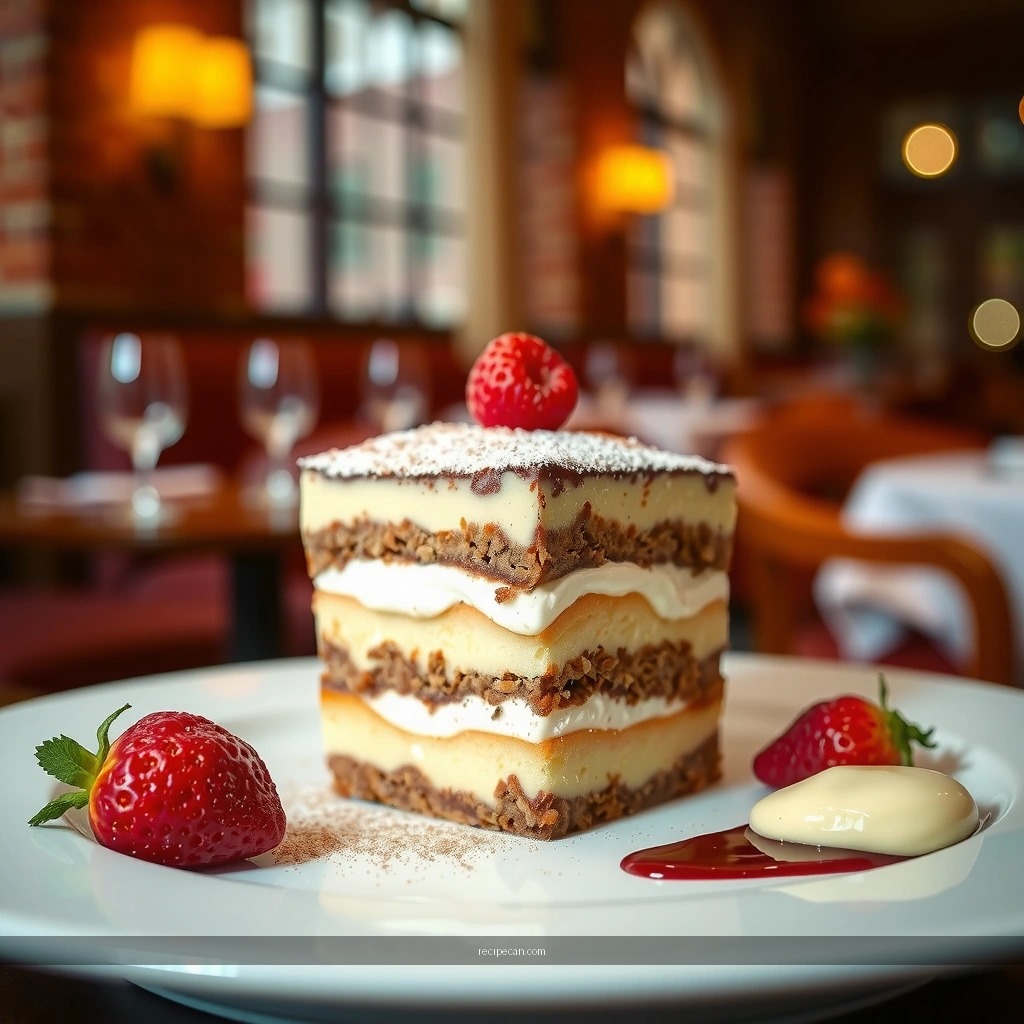
The “no eggs” part isn’t about skipping flavor—it’s about replacing egg-based structure with dairy-based aeration and careful folding. The best eggless tiramisu cream is thick, smooth, and light, so it spreads easily but doesn’t collapse.
– Whip mascarpone with sweetener until smooth and fluffy
– Start with room-temperature mascarpone if it’s very stiff, but don’t let it become greasy or overly soft.
– Mix with powdered sugar (or sugar dissolved in a splash of coffee) until smooth with no lumps.
– Fold in whipped cream gently to keep it airy
– Whip heavy cream to medium peaks—it should hold shape but still look creamy.
– Fold in 2–3 additions of whipped cream using a spatula: lift from the bottom, turn the bowl, and stop when the mixture looks uniform.
– This is where most “runny” failures happen—either cream wasn’t whipped enough, or it was overmixed.
– Ensure the mixture is thick enough to layer without collapsing
– The ideal consistency is “spoonable but resistant.” When you lift the spatula, it should fall in a thick ribbon, not pour.
– If it feels loose, chill the bowl for 10–15 minutes and reassess before you assemble.
Practical tip: keep everything cold. Chilled ingredients slow fat softening, which helps the cream hold its shape during assembly and during the crucial first hour of chilling.
Espresso Soaking Tips for Best Texture
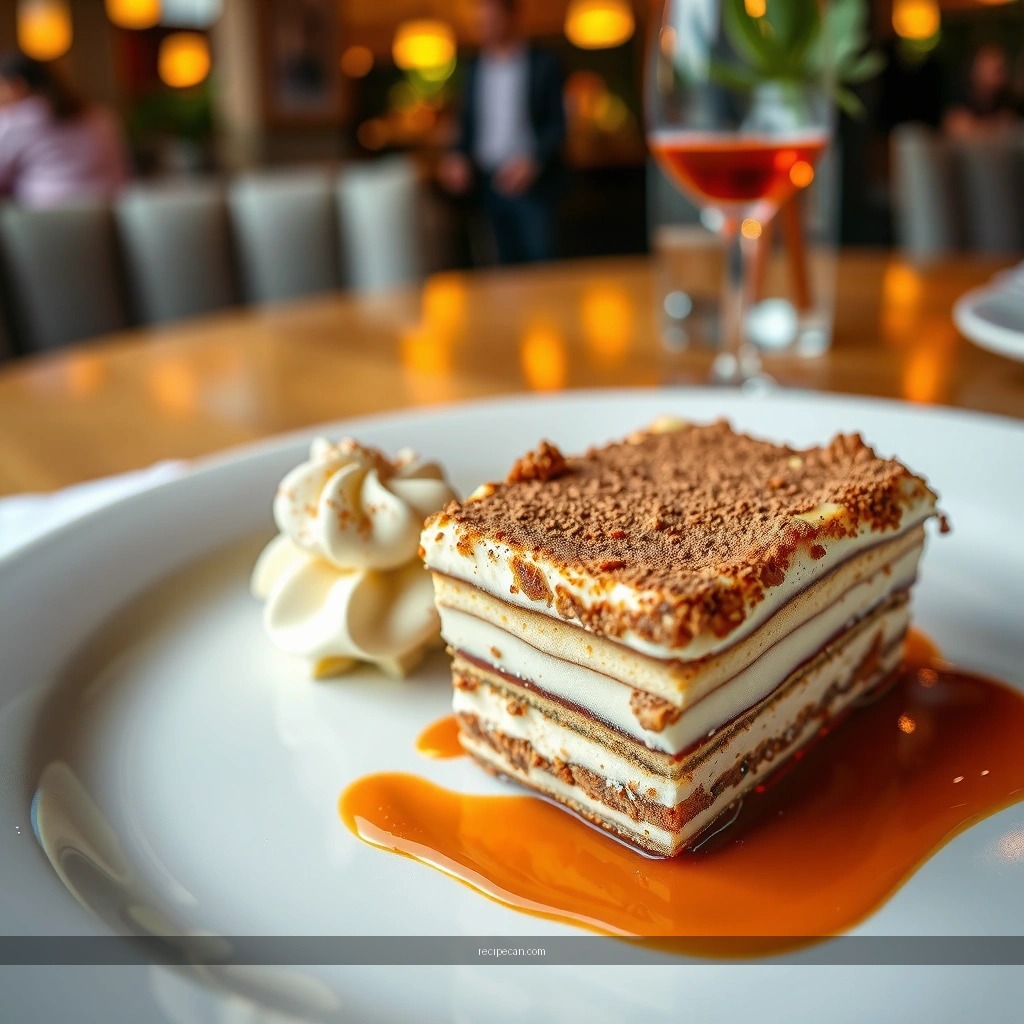
A great tiramisu lives and dies by espresso handling. Too much soaking = watery layers and collapsed structure. Too little = harsh coffee bitterness and weak flavor.
– Quickly dip ladyfingers in espresso to avoid sogginess
– Aim for a 1–2 second dip per side, not a long soak.
– If you want extra control, pour espresso into a shallow dish and dip only enough to coat.
– Use a light hand—short soak times make a big difference
– Ladyfingers continue to soften even after dipping, especially once they’re layered and chilled.
– If you’re using particularly thin ladyfingers, reduce the dip time further and assemble immediately.
– Chill the layers so the flavors meld without watering down
– Don’t rush straight to serving. After assembly, chill the tiramisu long enough for the coffee to disperse evenly and the cream to set.
– If possible, rest the assembled layers in the fridge for at least 4 hours before adding the final cocoa dusting.
High-level reasoning: this method lets espresso flavor move into the cookie while keeping the cookie intact enough to provide a stable “scaffold” under each cream layer.
Step-by-Step Assembly (Layering Method)
Assembling eggless tiramisu is simple, but the order and timing matter. Think “structure first, then elegance.” A reliable layering rhythm keeps the dessert sliceable.
– Start with a thin layer of cream, then ladyfingers, then cream again
– Spread a base layer of cream to prevent the first cookie from sticking or sliding.
– Add a row of briefly dipped ladyfingers in a single tight layer.
– Cover with cream, smoothing the top so the next cookie layer doesn’t create gaps.
– Repeat layers until you reach your desired height
– Two to three cream-cookie-cream cycles are typically ideal for a home pan, balancing height with clean slicing.
– If the pan is deep, break assembly into two sessions and chill between to lock the structure.
– Finish with a generous cocoa dusting on top
– Sift cocoa evenly just before serving if you want a lighter, more aromatic top.
– For best coverage and less moisture transfer, dust cocoa after the tiramisu has chilled and set.
For a standard weeknight bake: assemble, chill, then dust with cocoa right before presenting—this keeps the top visually crisp while the interior stays perfectly set.
Chilling Time & Serving for Perfect Results
If you rush the chill, you’ll feel it in the slice. Eggless tiramisu needs time for two things to happen: cream stabilization and even coffee-cream flavor distribution.
– Refrigerate at least 4–6 hours (overnight is best)
– 4–6 hours can work for shallow pans and tighter layering.
– Overnight chilling (8–16 hours) delivers the most consistent slice, because the cookies hydrate without collapsing and the cream firms up.
– Serve cold for clean slices and balanced flavor
– Use a sharp knife and wipe between cuts for the cleanest edges.
– Let the pan sit at room temperature for 3–5 minutes before slicing if your fridge is very cold—this slightly softens the cream for a smoother bite.
– Store covered in the fridge for up to 2–3 days
– Cover tightly to prevent fridge odors from affecting the coffee aroma.
– The flavor deepens over time, but texture remains best within the first 48 hours.
Operational best practice: If you’re serving guests, assemble the day before. That removes timing pressure and improves consistency.
Troubleshooting: Common No-Egg Issues
Even reliable eggless tiramisu recipes can occasionally misbehave. The key is diagnosing what failed—cream structure, soaking control, or chilling time.
– If it’s runny, chill longer and check whipping/folding technique
– Runny cream usually means whipped cream wasn’t whipped enough (or was overmixed into deflation).
– Next time: aim for medium peaks, fold gently, and chill the cream briefly before layering.
– If it’s too firm, lighten the cream by folding more gently next time
– Overwhipped cream or aggressive folding can change texture and make it feel dense.
– Next time: stop whipping at medium peaks and fold in stages with a light hand.
– If it tastes flat, adjust espresso strength and sweetness
– Flat flavor commonly comes from diluted coffee or insufficient cocoa depth.
– Next time: use strong espresso/coffee, and consider adding vanilla or adjusting sugar slightly.
For analytical cooks: taste issues are often “input” issues (coffee strength and sweetening), while slice issues are usually “process” issues (whipping level, folding, and chilling).
Tiramisu recipe no eggs is totally doable: make an airy mascarpone-and-whipped-cream filling, dip ladyfingers briefly, then chill for a classic, sliceable result. Follow the layering and chilling steps closely, and you’ll get eggless tiramisu with the same bold coffee flavor and creamy texture—now grab your ingredients and make your first batch.
In summary, eggless tiramisu succeeds when you replace egg-based structure with well-whipped dairy and careful folding, control espresso exposure so the ladyfingers absorb flavor without turning watery, and commit to proper chilling for a clean set. Use strong coffee, layer with consistency, dust with cocoa at the right time, and you’ll produce a professional-quality tiramisu recipe no eggs that’s both delicious and reliable.
Frequently Asked Questions
What is an egg-free tiramisu recipe and how does it stay creamy?
An egg-free tiramisu recipe replaces the classic egg-based custard with alternatives like mascarpone blended with sweetened whipped cream or a stabilized cream mixture. Many recipes also use instant pudding, Greek yogurt, or a cooked cornstarch base to create a thick, sliceable texture. The key is whipping mascarpone well and folding gently so the dessert stays light while still holding its shape.
How do you make tiramisu without eggs using mascarpone and whipped cream?
Start by mixing mascarpone with sugar (and sometimes a splash of vanilla) until smooth, then whip in cold heavy cream until you reach soft peaks. Quickly dip ladyfingers in espresso (optionally mixed with a little coffee liqueur) so they absorb flavor without turning soggy. Layer the mascarpone cream and dipped ladyfingers, then chill for several hours so the tiramisu firms up and the flavors meld.
Why do some egg-free tiramisu recipes use pudding or cornstarch instead of eggs?
Eggs are often used in traditional tiramisu to provide structure and thickness, but egg-free tiramisu can still set using dairy proteins and thickeners. Cornstarch or instant pudding creates a reliable, creamy consistency that prevents the filling from becoming runny. This is especially helpful if you’re making tiramisu ahead of time and want clean layers after chilling.
What’s the best way to prevent soggy ladyfingers in a tiramisu recipe no eggs?
Dip ladyfingers briefly—usually 1–2 seconds per side—so they absorb coffee flavor without oversaturating. Use room-temperature espresso and avoid soaking, then layer promptly with your mascarpone cream. If you prefer extra control, you can brush the coffee onto the ladyfingers instead of dipping, which keeps the texture firmer for easy slicing.
Which non-egg ingredients work best for a tiramisu that doesn’t taste “different”?
The most seamless results come from using high-quality mascarpone plus heavy cream, since the combination mimics the richness of classic egg-containing fillings. For added stability, consider using mascarpone with a small amount of instant pudding or thickening whipped cream rather than substituting with low-fat products. Pair with strong espresso, cocoa powder, and optional amaretto or rum to keep the flavor authentic and balanced in your egg-free tiramisu recipe.
References
- Tiramisu
https://en.wikipedia.org/wiki/Tiramisu - Mascarpone
https://en.wikipedia.org/wiki/Mascarpone - Lady finger
https://en.wikipedia.org/wiki/Ladyfinger - Tiramisu | Meaning, Ingredients, Origin, Desserts, & Taste | Britannica
https://www.britannica.com/topic/tiramisu - Egg
https://en.wikipedia.org/wiki/Egg - Coffee
https://en.wikipedia.org/wiki/Coffee - Vanilla extract
https://en.wikipedia.org/wiki/Vanilla_extract - Google Scholar Google Scholar
https://scholar.google.com/scholar?q=eggless+tiramisu+recipe+mascarpone+whipped+cream - Google Scholar Google Scholar
https://scholar.google.com/scholar?q=tiramisu+no+eggs+substitution+gelatin+or+custard+without+eggs - Google Scholar Google Scholar
https://scholar.google.com/scholar?q=mascarpone+dessert+technique+without+raw+eggs