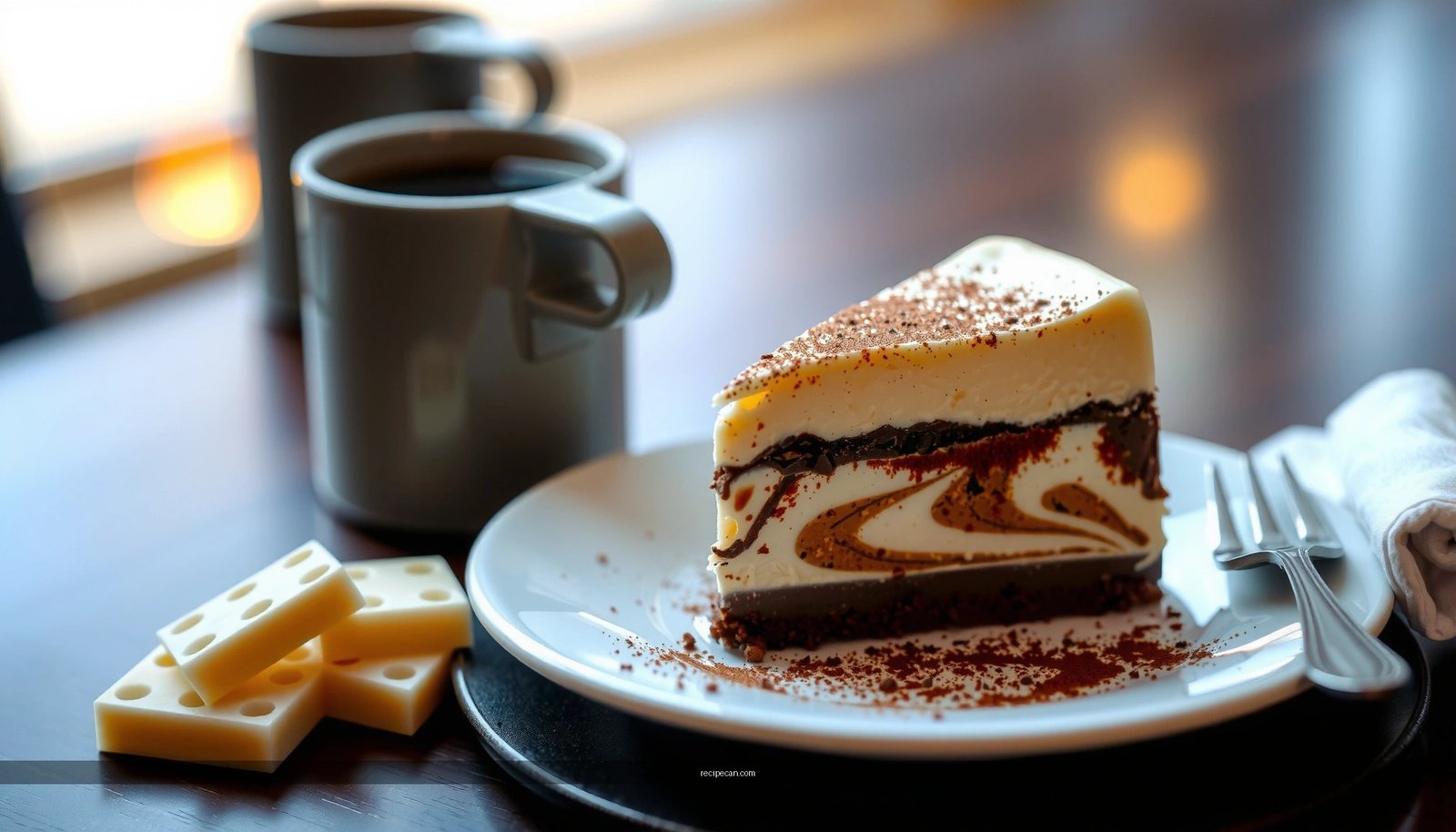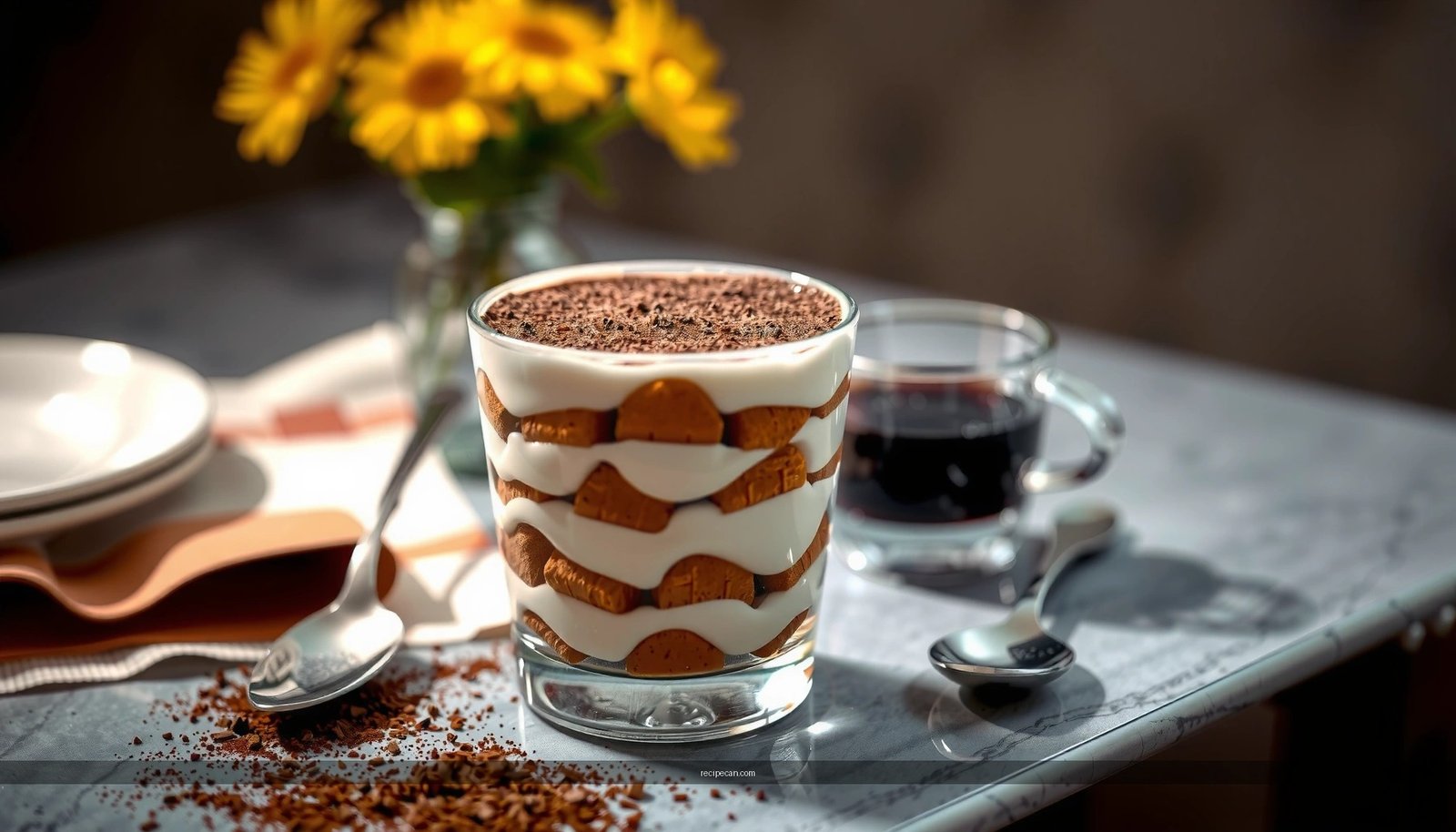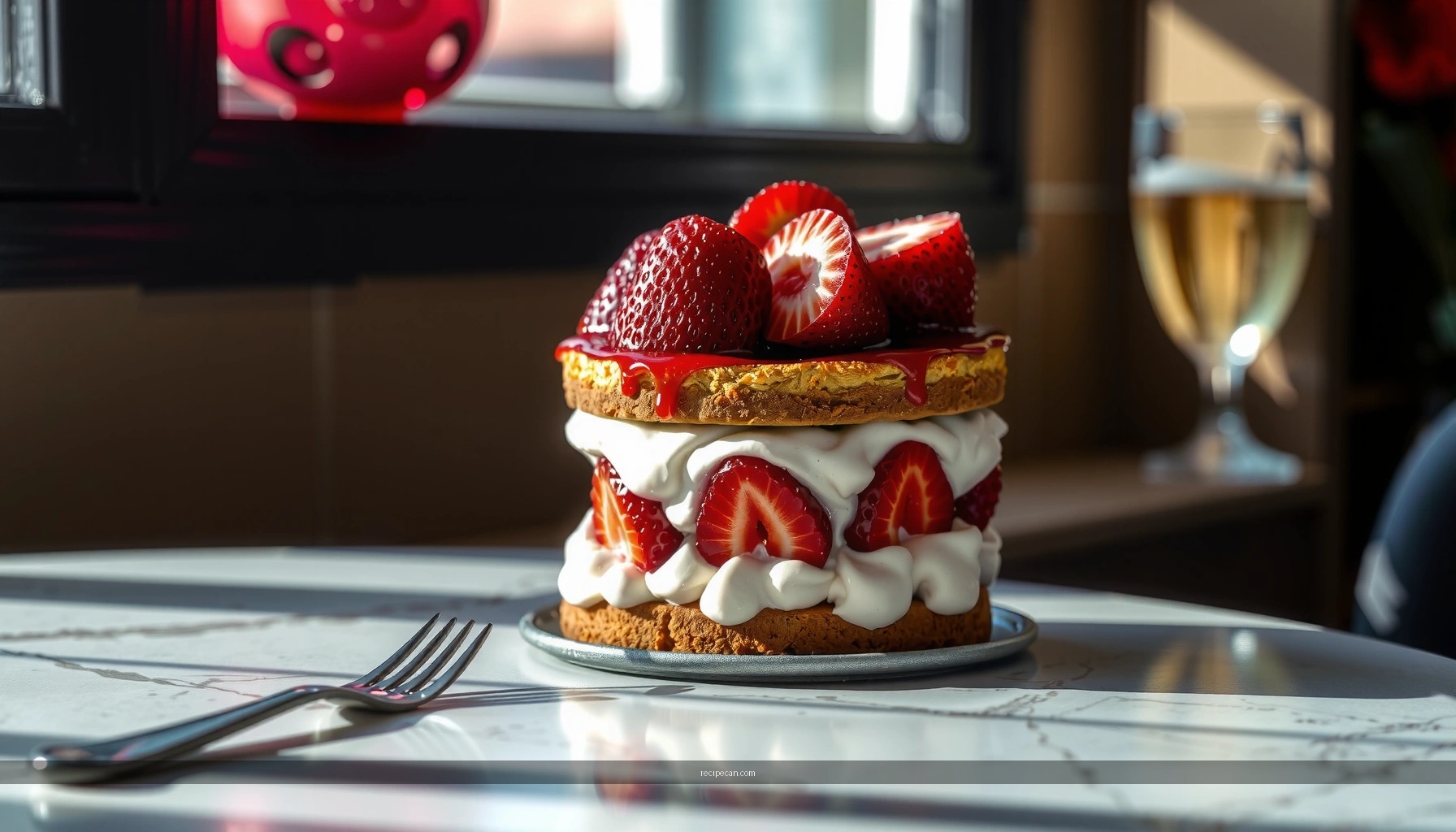
This tiramisu with strawberries recipe delivers the creamiest, most flavorful dessert without complicated steps. You’ll get clear instructions for layering mascarpone, espresso-soaked ladyfingers, and fresh strawberries to set up clean slices every time. If you want an easy tiramisu that tastes bright, not bitter, this is the one to make.
Yes—this tiramisu with strawberries recipe delivers a creamy, café-style dessert with fresh berry brightness using a simple, reliable layering method; no complicated pastry skills required. You’ll learn exactly how to macerate strawberries for flavor, whip a stable mascarpone filling for clean slices, and assemble layers that stay velvety instead of watery—so the final texture is set, balanced, and consistently delicious.
Ingredients for Tiramisu with Strawberries
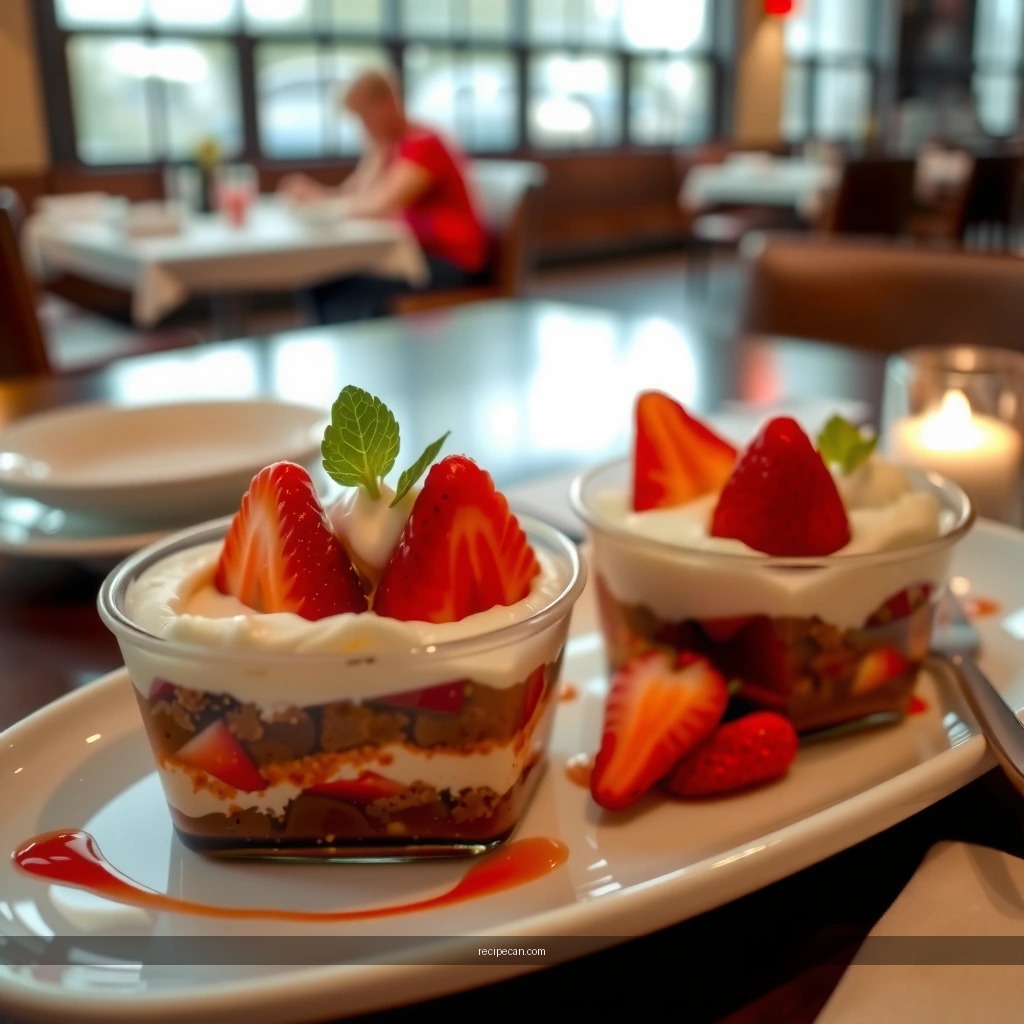
A successful tiramisu (including strawberry tiramisu) comes down to choosing the right components and proportions. The goal is contrast: tender, coffee-kissed ladyfingers paired with a thick mascarpone cream, plus juicy strawberries that add acidity and color.
– Gather mascarpone, whipped cream (or eggs), ladyfingers, and strawberries
– Mascarpone provides the signature richness and smooth body.
– Whipped cream or egg-based sabayon stabilizes the cream so it holds layers.
– Ladyfingers act like “edible sponge,” absorbing coffee without turning to mush (when dipped correctly).
– Strawberries add brightness and a fresh, summery finish.
– Choose coffee or espresso for dipping flavor
– Use strong brewed coffee or espresso so the flavor stands up against sweet cream and berries.
– Add sugar and vanilla for a classic, balanced taste
– Vanilla rounds out the dairy sweetness; sugar is adjusted so the dessert tastes balanced rather than cloying.
Tiramisu-Like Dessert Targets for a Strawberry Mascarpone Layer (Yield: 8 servings)
| # | Component | Recommended Amount | Why It Matters | Level |
|---|---|---|---|---|
| 1 | Mascarpone | 16 oz (454 g) | Cream body + signature tiramisu flavor | High |
| 2 | Whipped Cream (35% fat) | 8 oz (227 g) | Thickens and stabilizes layers | High |
| 3 | Ladyfingers | 24–28 pieces | Sponge structure for clean layers | ★ Medium-High |
| 4 | Brewed Coffee/Espresso | 1 to 1¼ cups (240–300 ml) | Aroma and depth for dipping | High |
| 5 | Strawberries | 3 cups sliced (about 24 oz / 680 g whole) | Berry layer for acidity + freshness | High |
| 6 | Granulated Sugar | 3–6 tbsp (adjust to berries) | Balances mascarpone richness | ★ Medium |
| 7 | Vanilla Extract | 1–2 tsp | Rounds flavor without masking coffee | High |
Prepare the Strawberry Layer
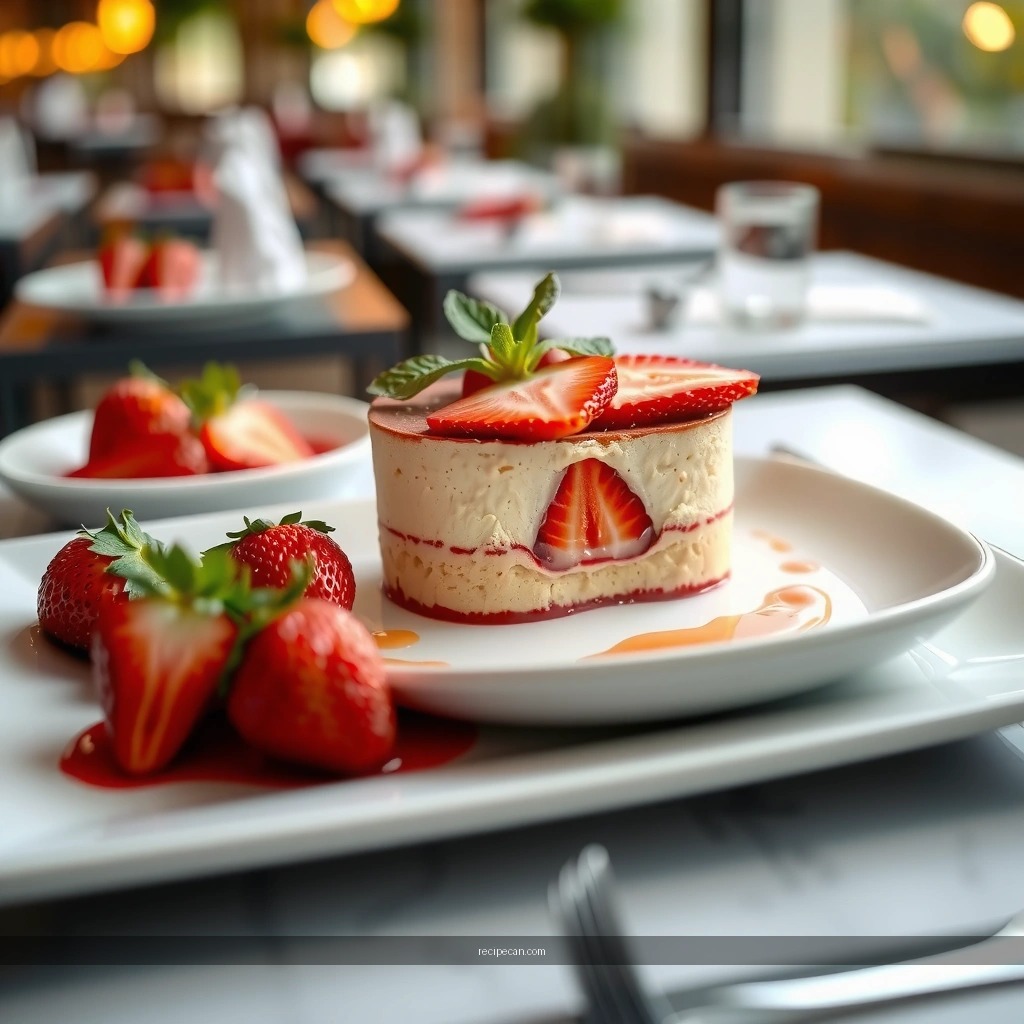
The strawberry layer determines whether your tiramisu tastes lively or watery. Since ladyfingers and mascarpone are rich and creamy, strawberries should contribute fresh flavor and acidity, not excess liquid.
– Slice strawberries and optionally macerate with sugar
– Slice evenly so every bite has consistent texture.
– Macerate for 20–40 minutes with a light dusting of sugar to draw out juices and intensify sweetness.
– Use a light syrup or berry juices for extra flavor
– After macerating, you’ll have a natural strawberry syrup. Use just enough to season the fruit and lightly gloss the layer—avoid soaking.
– If your strawberries are very juicy, consider reserving the syrup and using it sparingly (or reducing it gently).
– Keep pieces fresh and not overly watery
– If slices look flooded, pat lightly or drain briefly. Watery berries can thin the cream and blur the clean tiramisu structure.
Practical tip: If you’re using very ripe berries, macerate less time. If your berries are tart or underripe, macerate slightly longer to improve balance.
Mix the Creamy Mascarpone Filling
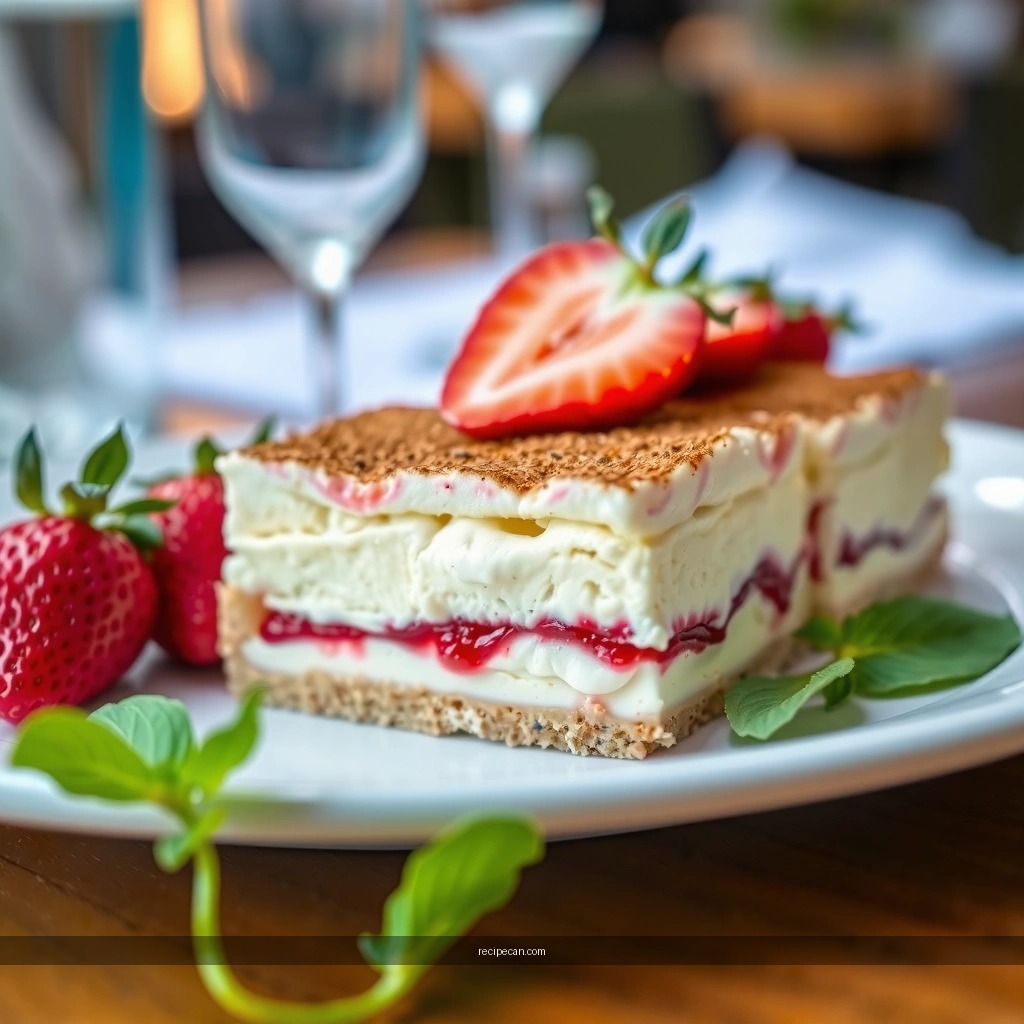
A stable mascarpone filling is the difference between “it tastes amazing” and “it slices perfectly.” You’re aiming for a cream that’s smooth, thick, and spreadable—not runny.
– Whip mascarpone until smooth and fold in whipped cream
– Start by loosening mascarpone with a spatula or short whisking so it’s lump-free.
– Whip cold heavy cream to soft-to-medium peaks, then fold gently to keep volume.
– Sweeten to taste and add vanilla (or a splash of liqueur, optional)
– Add sugar gradually. Strawberries provide natural sweetness, so you usually need less sugar than a classic tiramisu.
– Vanilla is a must for depth. Optional liqueur (like amaretto or coffee liqueur) can add aroma, but use sparingly to avoid dominating the berry profile.
– Keep the filling thick enough to hold layers
– Over-whipping or under-whipping changes texture. If the cream looks too loose, chill it for 10–15 minutes before assembling.
– If you notice graininess, keep mixing gentle—mascarpone can tighten if handled too aggressively.
Best practice: Chill your bowl and whisk/beaters if your kitchen runs warm. A cooler environment helps you maintain cream structure throughout layering.
Assemble the Tiramisu Layers
Layering is where you control texture: coffee-wet ladyfingers must stay tender, not soggy; cream must stay thick; strawberries must stay juicy but not watery.
– Dip ladyfingers quickly in coffee to avoid sogginess
– Dip seconds, not minutes. Aim for coffee contact on the surface—ladyfingers should look slightly darkened but not collapsing.
– If needed, work in batches so you can keep consistency.
– Layer ladyfingers, mascarpone cream, and strawberries evenly
– Start with a thin layer of cream to anchor the first row of ladyfingers.
– Add a layer of cream, then distribute strawberries so you don’t get a “fruit-only” pocket.
– Repeat to build depth and balanced bites.
– Repeat layers and finish with cream on top
– Finish with mascarpone cream as the top layer. This creates a clean, elegant surface that sets well in the fridge.
Assembly strategy for even slices: Rotate your dish halfway through layering and press gently on each cream layer—just enough to remove major air gaps.
Chill for the Best Texture
Chilling isn’t optional if you want professional results. The fridge time allows the cream to set, the ladyfingers to soften evenly, and flavors to meld.
– Refrigerate at least 4–6 hours (overnight is even better)
– Minimum: 4 hours for a noticeable set.
– Ideal: overnight for a more cohesive texture where coffee, cream, and strawberries integrate.
– Let flavors develop and layers set
– Coffee flavor becomes smoother, and the mascarpone cream stabilizes as it hydrates slightly from surrounding components.
– Strawberry juices distribute into the top and edges, enhancing brightness without overwhelming the dessert.
– Serve cold for clean, sliceable results
– For neat slices, let the dish sit 5–10 minutes at cool room temperature before cutting—too long at room temp can soften the cream.
If you’re serving at an event, prepare the tiramisu the day before, then keep it covered and chilled.
Serving Tips and Storage
Presentation and storage protect texture—especially because strawberries release moisture over time.
– Garnish with fresh strawberries and cocoa or chocolate shavings
– Add cocoa or chocolate shavings just before serving to keep the topping visually fresh.
– Garnish with a few reserved strawberry slices for color contrast and to signal “fresh berry” quality.
– Store covered in the fridge for 1–2 days
– Keep covered to prevent odors and to reduce surface drying.
– Expect peak freshness and best texture within 24 hours.
– Freeze only if needed; texture may soften after thawing
– Freezing can change the cream’s structure and how strawberries break down.
– If you must freeze, thaw in the refrigerator and plan for a softer texture.
Quality control cue: If the top looks slightly watery after storage, blot lightly and add fresh strawberry slices and cocoa to restore visual appeal.
Practical Variations (for consistency and customization)
– Lower-sugar version: Reduce sugar in the mascarpone by 1–2 tbsp and rely more on ripe strawberries for sweetness.
– More coffee-forward flavor: Use espresso and add a teaspoon of finely grated chocolate or extra cocoa on top to deepen bitterness without increasing sweetness.
– Extra berry brightness: Add a teaspoon of lemon zest to the strawberry layer (skip the zest if your strawberries are already very sharp).
Toss together this tiramisu with strawberries recipe for a quick, crowd-pleasing dessert with bold coffee-and-berry flavor. Follow the layering and chilling steps for the perfect texture, then serve chilled with fresh strawberries and cocoa—try it today and share your version!
This strawberry tiramisu works because it treats texture like a measurable outcome: slice and season strawberries without excess water, build a thick mascarpone filling that holds its shape, dip ladyfingers briefly to avoid sogginess, and chill long enough for layers to set. When you follow these principles, you get a creamy, flavorful dessert that tastes impressive, slices neatly, and delivers reliable results for both casual gatherings and more formal service.
Frequently Asked Questions
What is the best tiramisu with strawberries recipe for beginners?
A beginner-friendly tiramisu with strawberries recipe uses store-bought ladyfingers, fresh strawberries (or thawed frozen), mascarpone, whipped cream, and a simple espresso-milk soak. Slice the strawberries evenly so every spoon has fruit in it, and keep the cream mixture cold for stable layers. For the cleanest results, assemble in a single dish or small glasses and chill before serving so the tiramisu sets.
How do I make a strawberry tiramisu without raw eggs?
To avoid raw eggs, use no-egg whipped cream or whipped cream plus mascarpone as your base instead of an egg custard. You can also choose a mascarpone mixture stabilized with gelatin if you want extra firmness. The key is to fold gently so the tiramisu stays light while still holding its layers with the strawberry topping.
How long should tiramisu with strawberries chill before serving?
Chill the strawberry tiramisu at least 4–6 hours, preferably overnight, so the ladyfingers fully soften and the flavors blend. If you’re using fresh strawberries, keep the assembly chilled and covered to prevent the fruit from releasing excess liquid. For best texture, serve within 24 hours of making because tiramisu can thin as strawberries macerate.
Which strawberries work best for tiramisu—fresh or frozen?
Fresh strawberries are ideal for a bright, fresh flavor and a firmer texture in tiramisu with strawberries. If using frozen, thaw and drain well (and pat dry) to reduce watery layers, then gently fold or layer them after draining. Either way, macerate with a little sugar for 10–15 minutes if you want a more syrupy strawberry effect without watering down the mascarpone.
Why does my strawberry tiramisu become watery, and how can I fix it?
Watery tiramisu usually comes from over-soaking the ladyfingers or from strawberries releasing too much juice into the mascarpone. Use espresso soak lightly—dip quickly rather than soaking—and drain strawberries well if they’ve been hulled and stored or thawed. You can also add a thicker mascarpone filling (extra whipped cream or a brief chill to firm it up) and assemble closer to serving time for cleaner layers.
References
- Tiramisu
https://en.wikipedia.org/wiki/Tiramisu - Strawberry
https://en.wikipedia.org/wiki/Strawberry - Mascarpone
https://en.wikipedia.org/wiki/Mascarpone - Lady finger
https://en.wikipedia.org/wiki/Ladyfinger - Espresso
https://en.wikipedia.org/wiki/Espresso - Zabaione
https://en.wikipedia.org/wiki/Zabaglione - Italian cuisine
https://en.wikipedia.org/wiki/Italian_cuisine - Google Scholar Google Scholar
https://scholar.google.com/scholar?q=tiramisu+strawberry+recipe - Google Scholar Google Scholar
https://scholar.google.com/scholar?q=strawberry+tiramisu+mascarpone+ladyfingers - Google Scholar Google Scholar
https://scholar.google.com/scholar?q=strawberry+tiramis%C3%B9+espresso+mascarpone+dessert