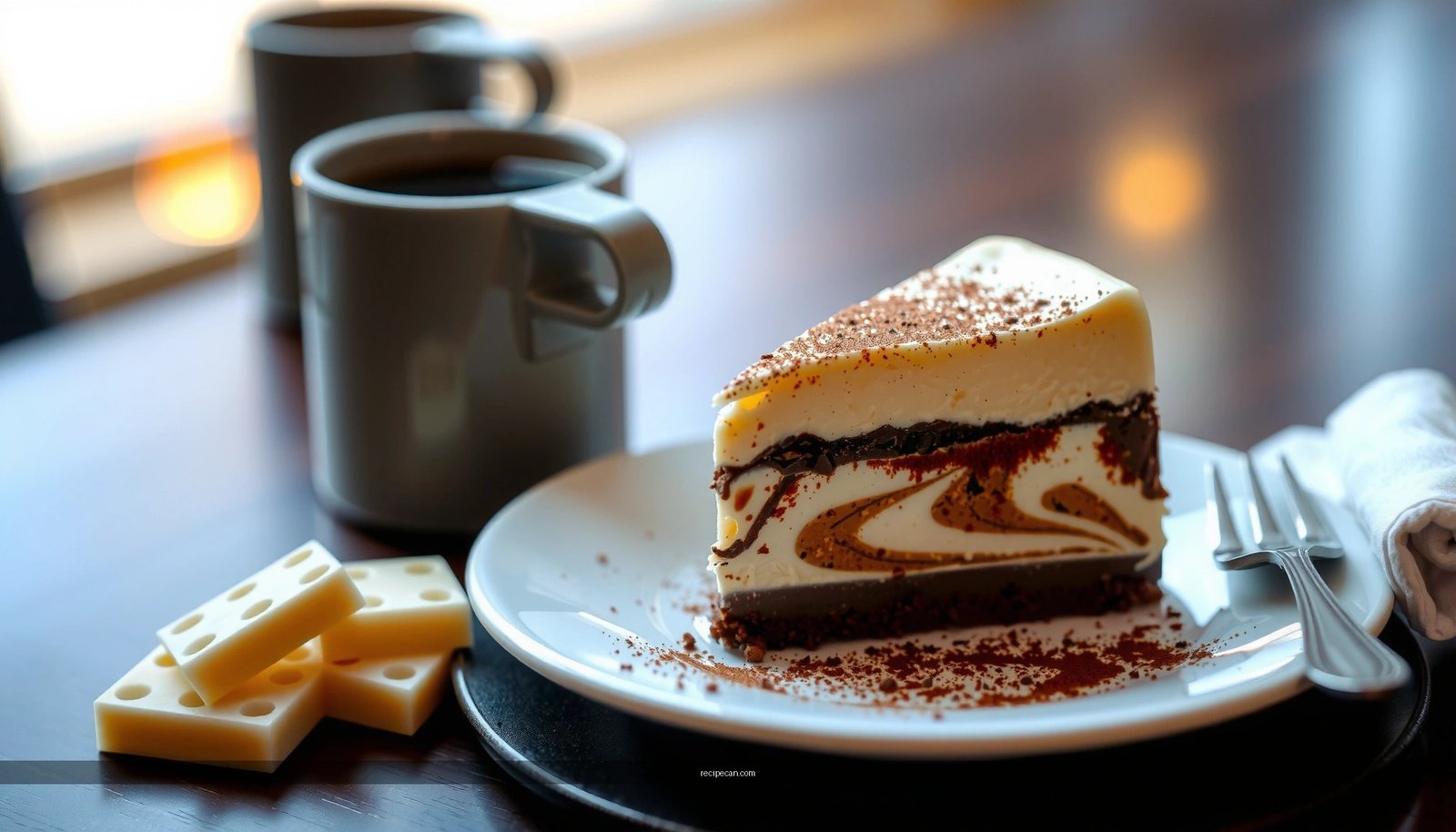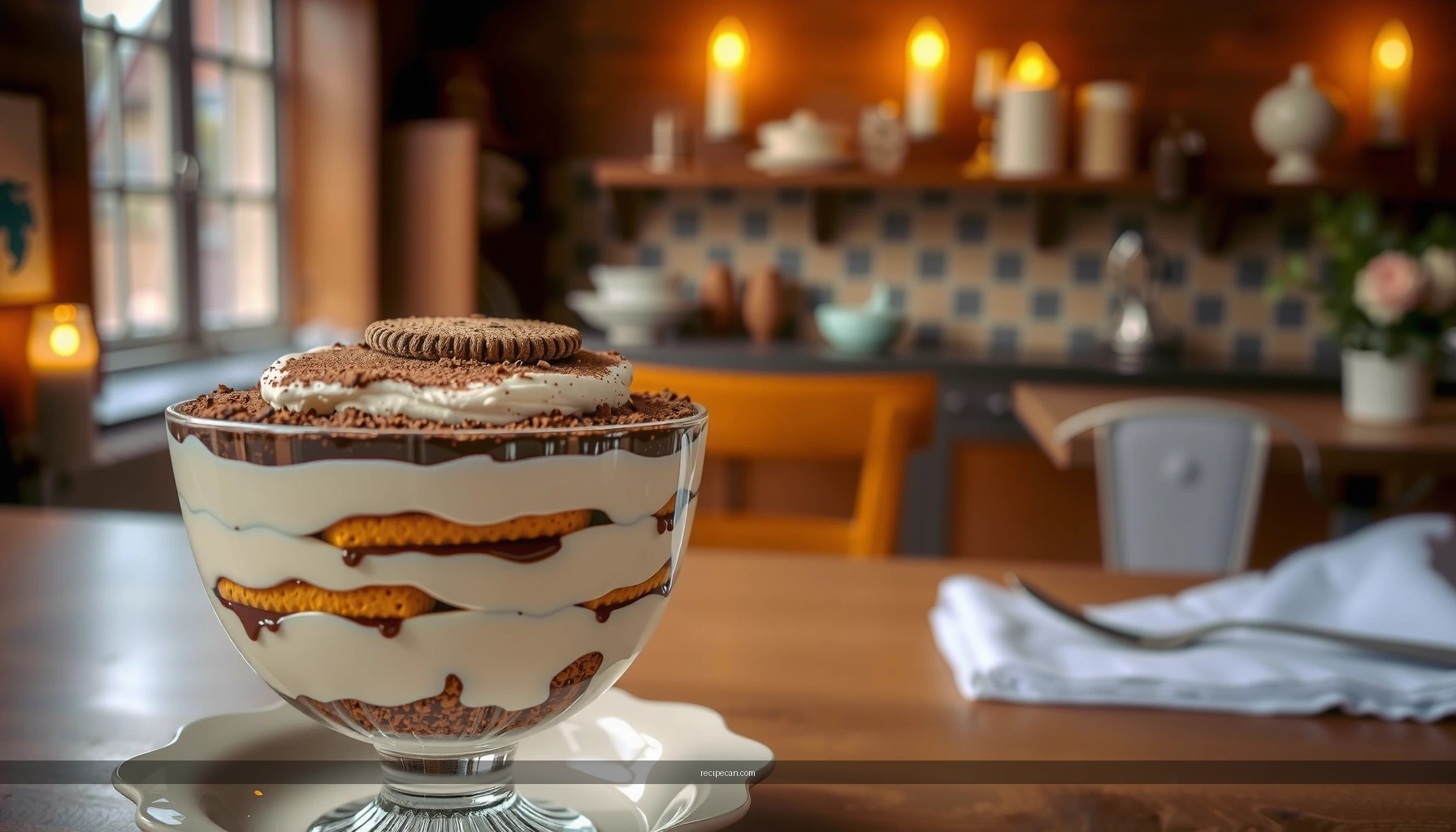
Get the Italian recipe for tiramisu with a classic, step-by-step process that delivers the right texture and flavor every time. If you want to know exactly how to assemble ladyfingers, espresso, mascarpone, and cocoa without a runny result, this guide answers it with clear instructions from start to finish. Follow it closely and you’ll produce the classic tiramisu that sets cleanly, tastes intensely coffee-rich, and looks finished on the first slice.
Italian tiramisu comes down to one practical formula: quick espresso-soaked ladyfingers plus a stable mascarpone-egg cream, then sufficient chilling so the layers set correctly. Follow this classic, step-by-step guide for the right texture (not watery), the right sweetness (balanced), and a bold coffee flavor in every slice.
This recipe is designed for consistency—so if you’ve struggled with runny tiramisu or a bland coffee profile, you’ll have clear checkpoints to fix it. Tiramisu is deceptively simple, but the outcomes depend on timing (how quickly you dip), technique (how you fold the cream), and resting time (how long you chill).
Ingredients You’ll Need for Tiramisu

– Mascarpone, eggs, sugar, and espresso are the core ingredients
– Ladyfingers and cocoa powder create the signature layers and finish
– Optional add-ins: vanilla, rum, or Marsala for extra depth
A classic tiramisu centers on four elements: espresso (for bitterness and aroma), ladyfingers (for structure), mascarpone (for body and richness), and eggs + sugar (for cream stability and sweetness balance). If you can source high-quality mascarpone and brew strong espresso, you’re already most of the way there.
Core ingredients (classic balance)
– Mascarpone cheese: Adds creaminess and a mild tang. Choose a reputable brand; overly soft mascarpone can make the filling looser.
– Eggs (separated or whole, depending on method): Provide emulsification and lift. Whole-egg methods tend to be denser; separated-egg methods can feel airier.
– Granulated sugar: Sweetness should complement espresso rather than overpower it.
– Espresso: Ideally freshly pulled; strong and aromatic. If using instant espresso, use a concentrated mix.
Layering ingredients
– Ladyfingers (savoiardi): They should absorb flavor but not collapse. Their thickness and dryness affect dipping time.
– Unsweetened cocoa powder: Use it for the final dusting to avoid sogginess and maintain aroma.
Optional add-ins (use with intent)
– Vanilla extract: Rounds out coffee bitterness.
– Rum or Marsala: Adds depth and warmth. Use sparingly—too much can mask the mascarpone flavor.
– Pinch of salt (optional): Enhances chocolate and coffee perception.
Quick reference: ingredient quantities for a classic layered tray
Below is a practical set of amounts for a standard 9×13-inch (or similar) baking dish. Adjust only if your dish size differs materially.
Classic Tiramisu Ingredients & Practical Targets (9×13-inch dish)
| # | Ingredient / Target | Amount | What It Controls | Outcome Score |
|---|---|---|---|---|
| 1 | Mascarpone | 24 oz (680 g) | Rich body & cream stability | ★ ★ ★ ★ ★ |
| 2 | Egg yolks | 5 large | Emulsification & creamy texture | ★ ★ ★ ★ ★ |
| 3 | Sugar (cream) | 3/4 cup (150 g) | Sweetness balance with espresso | ★ ★ ★ ★ ☆ |
| 4 | Espresso (for dipping) | 2 cups (480 ml) | Bold coffee flavor & aroma | ★ ★ ★ ★ ★ |
| 5 | Ladyfingers | ~28–32 pieces | Structure & layer thickness | ★ ★ ★ ★ ☆ |
| 6 | Cocoa powder (unsweetened) | 2–3 tbsp | Finish, bitterness, visual appeal | ★ ★ ★ ★ ★ |
| 7 | Chill time | 4–6 hours (min), overnight best | Proper softening & slice integrity | ★ ★ ★ ★ ★ |
Make the Espresso and Prep the Ladyfingers

– Brew strong espresso (or espresso substitute) and let it cool slightly
– Dip ladyfingers quickly to avoid sogginess
– Keep the coffee flavorful and balanced for the best overall taste
Start by brewing strong espresso—this is your tiramisu’s flavor anchor. If the coffee is weak, the mascarpone will taste sweet but flat. For dipping, let espresso cool to warm, not hot; hot coffee can melt the cream and accelerate over-soaking.
Dip with discipline (the most common failure point)
– Dip each ladyfinger for about 1–2 seconds per side.
– Move immediately to the baking dish.
– Use a “light coat” approach rather than immersion.
Why quick dipping matters
Ladyfingers are porous. Even if they look intact at placement, they continue absorbing liquid during assembly and chilling. If you oversoak, the tiramisu can become watery and lose clean layering.
Balancing espresso strength
A classic approach is bold but not harsh. If your espresso tastes extremely bitter, consider:
– Diluting slightly with warm water (small adjustments only), or
– Adding a small amount of rum or Marsala to round the profile.
If you’re using an espresso substitute (e.g., instant), prepare it strongly, then taste and adjust. Your goal is a coffee that still tastes good on its own.
Prepare the Mascarpone Cream

– Whip mascarpone with sugar until smooth and creamy
– Whisk eggs properly and fold gently for a light, airy texture
– Mix until combined—don’t overwork the filling
The cream is where texture is either won or lost. Work efficiently: once the cream is cohesive, stop mixing. Overworking can make mascarpone grainy and reduce the “silky” mouthfeel.
Method overview (separated eggs for lift)
1. Whip mascarpone + sugar until glossy and smooth.
2. Whisk egg yolks separately (or whisk yolks into mascarpone gradually) until uniform.
3. Whisk egg whites until soft peaks form (if using the separated method).
4. Fold whites gently into the mascarpone base.
Folding is a controlled motion: lift from the bottom, rotate the bowl, and stop when no streaks remain. This preserves air bubbles for a lighter, classic tiramisu texture.
Stability cues
– The cream should spread smoothly on a spoon.
– It shouldn’t look runny or separate.
– If the cream is too loose, chill it 10–15 minutes before assembly; cold temperature helps it hold structure.
Optional flavor
– Add vanilla to the cream if you want a more aromatic finish.
– For rum/Marsala, mix a small amount directly into the espresso dipping liquid, then taste to ensure the coffee remains dominant.
Assemble the Classic Tiramisu Layers
– Layer cream, then espresso-dipped ladyfingers, then cream again
– Repeat to build height while keeping layers even
– Smooth the top layer for a clean, professional look
Assembly is straightforward, but precision determines whether you get the iconic stacked look and consistent slices.
Layering pattern (repeat)
– Spread a thin base layer of mascarpone cream (prevents ladyfingers from sticking and helps the first bite set).
– Arrange espresso-dipped ladyfingers in a single layer.
– Add a generous layer of mascarpone cream.
– Repeat until you reach the top.
Evenness is functional
Uneven layers can mean some sections soften more than others. Keep ladyfingers close together and align edges for clean stacking.
How to smooth the top
Use a spatula to level the final mascarpone layer. A smooth surface matters because cocoa dusting settles better on an even cream top—no patchy clumps.
Portioning tip
If you’re aiming for 10–12 servings, plan layer thickness accordingly:
– Ladyfingers: enough to cover the dish base without thick gaps
– Cream: consistent thickness for predictable slice structure
Chill for the Best Tiramisu Texture
– Refrigerate at least 4–6 hours (overnight is even better)
– Let the flavors meld so the ladyfingers soften correctly
– Keep it covered to prevent drying out
Tiramisu isn’t fully “done” when it’s assembled; it’s done when it sets. Chilling lets espresso migrate into ladyfingers while the mascarpone holds the layered structure.
Recommended resting
– Minimum: 4–6 hours
– Best: overnight (12–24 hours)
Cover it
Use plastic wrap or a lid to prevent the top from drying. Dry surfaces can cause cocoa powder to sit inconsistently and create a faint skin on the cream.
What you should notice
After chilling:
– The ladyfingers should be noticeably softened but not collapsing into a pool.
– The cream should feel set and sliceable, not loose.
If it’s too firm after a short chill, allow a bit more time. If it’s watery, the most likely culprit was over-dipping or a cream that wasn’t stable enough.
Serving Tips and Common Mistakes to Avoid
– Dust generously with cocoa powder just before serving
– Avoid soaking ladyfingers too long to prevent a watery result
– Taste and adjust sweetness and coffee strength as needed
Serve chilled, not warm
Tiramisu’s ideal texture is cold and creamy. Warmth causes cocoa to melt into the cream and can soften structure before slicing.
Cocoa timing
Dust cocoa powder right before serving. If you dust too early, the cocoa can absorb moisture and turn muddy, reducing the bright chocolate aroma.
Common mistake #1: soaking too long
Even if ladyfingers look fine during assembly, they continue absorbing during chilling. Use the 1–2 second dip rule as your baseline.
Common mistake #2: overmixing
Overmixing mascarpone can become grainy and heavy. Once combined, stop. If folding eggs, be gentle to keep air.
Common mistake #3: weak coffee
Under-extracted espresso produces a flat flavor that mascarpone can’t fix. Taste your espresso before dipping—if it doesn’t taste right, your tiramisu won’t either.
Sweetness adjustments
If you prefer a less sweet dessert:
– Reduce sugar slightly in the cream (small adjustments only), and
– Consider slightly stronger espresso to maintain balance.
If you prefer it sweeter:
– Increase marginally, but remember: overly sweet tiramisu mutes the signature coffee bitterness that makes it “classic.”
After chilling, serve your Italian tiramisu chilled, cocoa-dusted on top, for the perfect creamy texture and bold coffee flavor. Gather your ingredients, follow the layering and chill steps, and make your next batch today—then share it while it’s freshest.
A successful Italian tiramisu is the result of three disciplined decisions: brew espresso with real intensity, dip ladyfingers quickly to prevent sogginess, and fold mascarpone cream with minimal overworking for a stable, airy texture. Chill long enough for the layers to set and the flavors to meld, then dust with cocoa at the last moment for the cleanest finish. Follow this guide and you’ll get a classic, sliceable tiramisu that tastes like it belongs in a true Italian dessert bar—every time.
Frequently Asked Questions
What ingredients do I need for an authentic Italian tiramisu recipe?
A classic Italian recipe for tiramisu uses mascarpone cheese, espresso (or strong brewed coffee), egg yolks and sugar, ladyfingers (savoiardi), and cocoa powder. You’ll also want a pinch of salt to balance sweetness and optional dark rum or Marsala wine for traditional flavor. Make sure the mascarpone is fresh and thick—watery mascarpone can ruin the creamy texture.
How do I make tiramisu with a safe egg mixture for a classic Italian taste?
Many Italian tiramisu recipes use raw egg yolks, but you can improve safety by using pasteurized eggs or heating the yolk-sugar mixture gently over a double boiler until it slightly thickens. Whisk until it becomes pale and creamy, then fold in mascarpone carefully to avoid lumps. If you prefer a no-raw-egg approach, ask for pasteurized eggs or use a method that cooks the yolks while keeping the dessert smooth.
Which coffee should I use for tiramisu and how strong should it be?
For the best Italian tiramisu, use espresso or very strong, freshly brewed coffee so the flavor holds up against the sweet mascarpone. Let the coffee cool, then dip ladyfingers quickly—just 1–2 seconds per side—so they absorb flavor without turning the dessert runny. If your coffee is too weak, the tiramisu tastes bland; if it’s too hot, it can melt the cream.
Best way to prevent runny tiramisu—how long should it chill?
To avoid a watery Italian tiramisu, chill it at least 4–6 hours, and overnight is even better for best set and flavor. The mascarpone cream firms up as it cools, and the ladyfingers fully hydrate without collapsing. If you notice looseness, check that the coffee was fully cooled and that you didn’t soak the ladyfingers for too long.
Why does my tiramisu have lumps or a grainy mascarpone texture, and how can I fix it?
Lumps usually come from overmixing or mascarpone being cold and not fully blended with the egg mixture. To fix it, mix the mascarpone gently first to loosen it, then fold in the yolk mixture slowly until smooth—stop as soon as it looks creamy. If the cream is already grainy, you can try smoothing it by whisking gently with a small amount of warm coffee mixture, but prevention with correct mixing and temperature is the best solution.
References
- Tiramisu
https://en.wikipedia.org/wiki/Tiramisu - https://www.britannica.com/recipe/tiramisu
https://www.britannica.com/recipe/tiramisu - https://www.theguardian.com/food/2021/mar/29/tiramisu-recipe
https://www.theguardian.com/food/2021/mar/29/tiramisu-recipe - https://cooking.nytimes.com/recipes/1015682-tiramisu
https://cooking.nytimes.com/recipes/1015682-tiramisu - Google Scholar Google Scholar
https://scholar.google.com/scholar?q=italian+tiramisu+recipe+mascarpone+savoiardi - Google Scholar Google Scholar
https://scholar.google.com/scholar?q=tiramisu+history+origin+italy - Google Scholar Google Scholar
https://scholar.google.com/scholar?q=tiramisu+coffee+espresso+cocoa+recipe+method - https://www.nytimes.com/2015/03/20/dining/tiramisu-your-way.html
https://www.nytimes.com/2015/03/20/dining/tiramisu-your-way.html - Google Scholar Google Scholar
https://scholar.google.com/scholar?q=italian+recipe+for+tiramisu - italian recipe for tiramisu – Search results
https://en.wikipedia.org/wiki/Special:Search?search=italian+recipe+for+tiramisu