Get a classic no-bake tiramisu recipe with distinct coffee-soaked layers and a rich mascarpone filling that sets cleanly without eggs or cooking. This recipe delivers the best results when you want bold espresso flavor, silky texture, and crisp cocoa on top—made in layers you can assemble fast. Follow these steps for a dessert that tastes like the traditional version and holds its shape for slicing.
This classic tiramisu recipe delivers creamy mascarpone layers with espresso-soaked ladyfingers—no complicated steps required. By cooling the espresso, building properly thick mascarpone filling, and chilling long enough, you’ll get defined slices with a balanced coffee-and-cocoa finish.
Tiramisu succeeds or fails on execution details that are easy to overlook: the espresso dip must flavor the ladyfingers without turning them into mush; the filling must be airy (not broken) yet stable enough to hold layers; and refrigeration must give the dessert time to set and harmonize. The sections below walk through each critical phase—ingredients, coffee prep, filling, assembly, and troubleshooting—so you can reproduce the result consistently.
Ingredients You’ll Need for Tiramisu
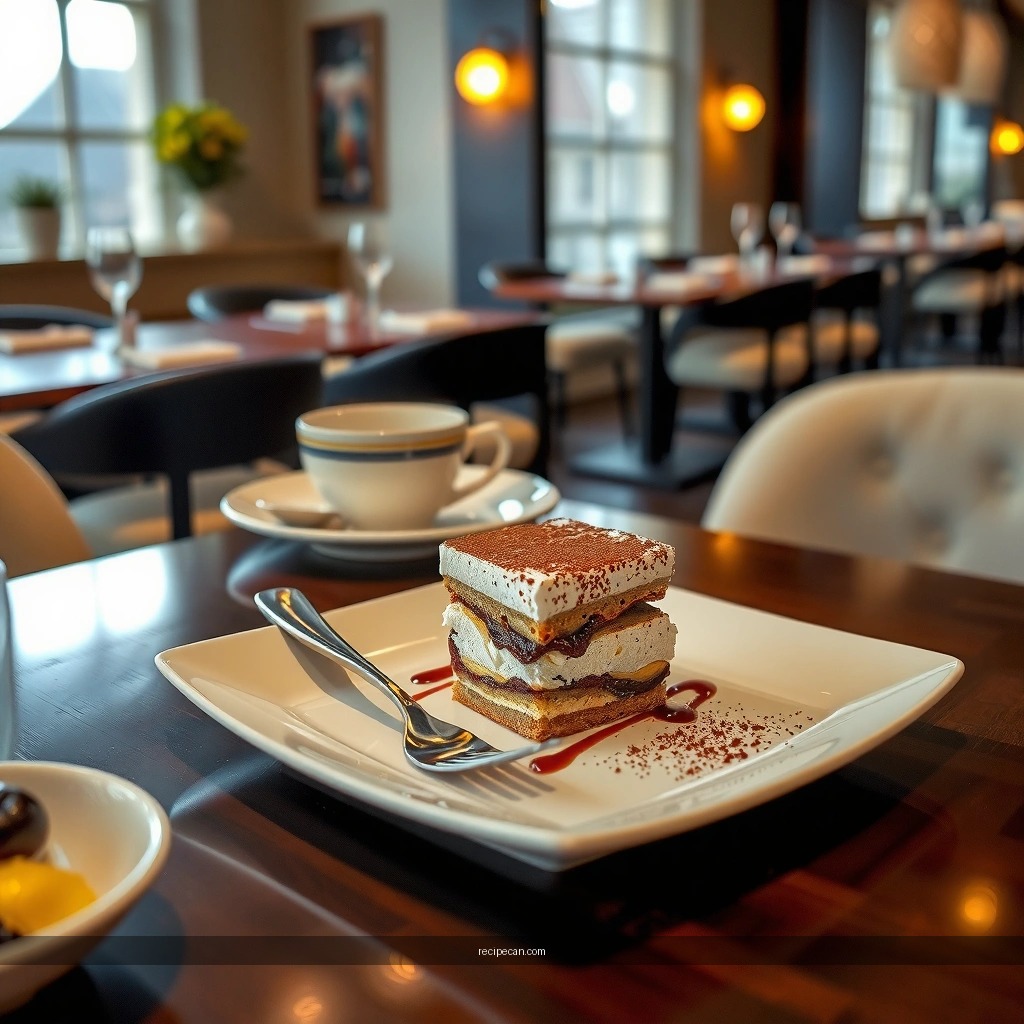
A classic, no-bake tiramisu is built from a small number of high-impact ingredients. The goal isn’t to add complexity—it’s to choose components that behave predictably when combined, chilled, and sliced.
Core ingredients (the “structure” of tiramisu):
– Ladyfingers (savoiardi): These are the sponge that absorbs espresso and provides the layered texture contrast.
– Espresso (or strong coffee): Drives the signature bitterness and aroma that balance sweetness and richness.
– Mascarpone: The primary creamy element—thick, tangy, and stable when folded correctly.
Traditional custard-style filling components:
– Egg yolks + sugar: Create a silky base when whisked until lighter in color and slightly thickened.
– Egg whites: Whipped to add volume and that “cloud-like” mouthfeel.
– Optional vanilla: Adds warmth and rounds espresso notes.
Finishing touches:
– Cocoa powder: Typically unsweetened Dutch-process or natural cocoa. Use it at the end to keep the surface aromatic and fresh.
Professional ingredient notes (quality control):
1. Mascarpone temperature matters: If it’s too cold, it can resist mixing and become lumpy. If it’s too warm, it may loosen. Aim for a cool, scoopable texture.
2. Ladyfingers vary: Some are drier and absorb more quickly. If yours feel fragile, shorten dipping time and chill a bit longer.
3. Egg safety choice: Traditional tiramisu uses eggs for volume and custard-like structure. If you prefer to minimize raw-egg risk, use pasteurized eggs (available in many supermarkets and specialty stores).
Storage & Quality Window for Classic No-Bake Tiramisu
| # | Tiramisu Preparation / Storage Context | Typical Temp | Best Quality Window | Max Safety Limit | Overall Quality |
|---|---|---|---|---|---|
| 1 | Assembled tiramisu with **pasteurized eggs** (refrigerated) | ≤4°C (≤40°F) | 24–48 hours | 72 hours | ★★★★☆ |
| 2 | Assembled tiramisu with **raw eggs** (refrigerated) | ≤4°C (≤40°F) | 18–24 hours | 48 hours | ★★★☆☆ |
| 3 | Classic tiramisu stored **without cocoa dusting** | ≤4°C (≤40°F) | 24–72 hours | 72 hours | ★★★★☆ |
| 4 | Tiramisu with **cream substitution** (no eggs; whipped cream) | ≤4°C (≤40°F) | 24–48 hours | 96 hours | ★★★★☆ |
| 5 | Tiramisu **left out** at room temperature (dinner timing) | 20–25°C (68–77°F) | 0–2 hours | 2 hours | ★☆☆☆☆ |
| 6 | Tiramisu frozen (best-effort texture; dairy may soften) | ≤-18°C (0°F) | 1 month | 2 months | ★★☆☆☆ |
| 7 | Freshly assembled & served **same day** (minimal rest) | ≤4°C (≤40°F) | 4–8 hours | 18 hours | ★★★☆☆ |
Make the Espresso So It’s Perfect for Dipping
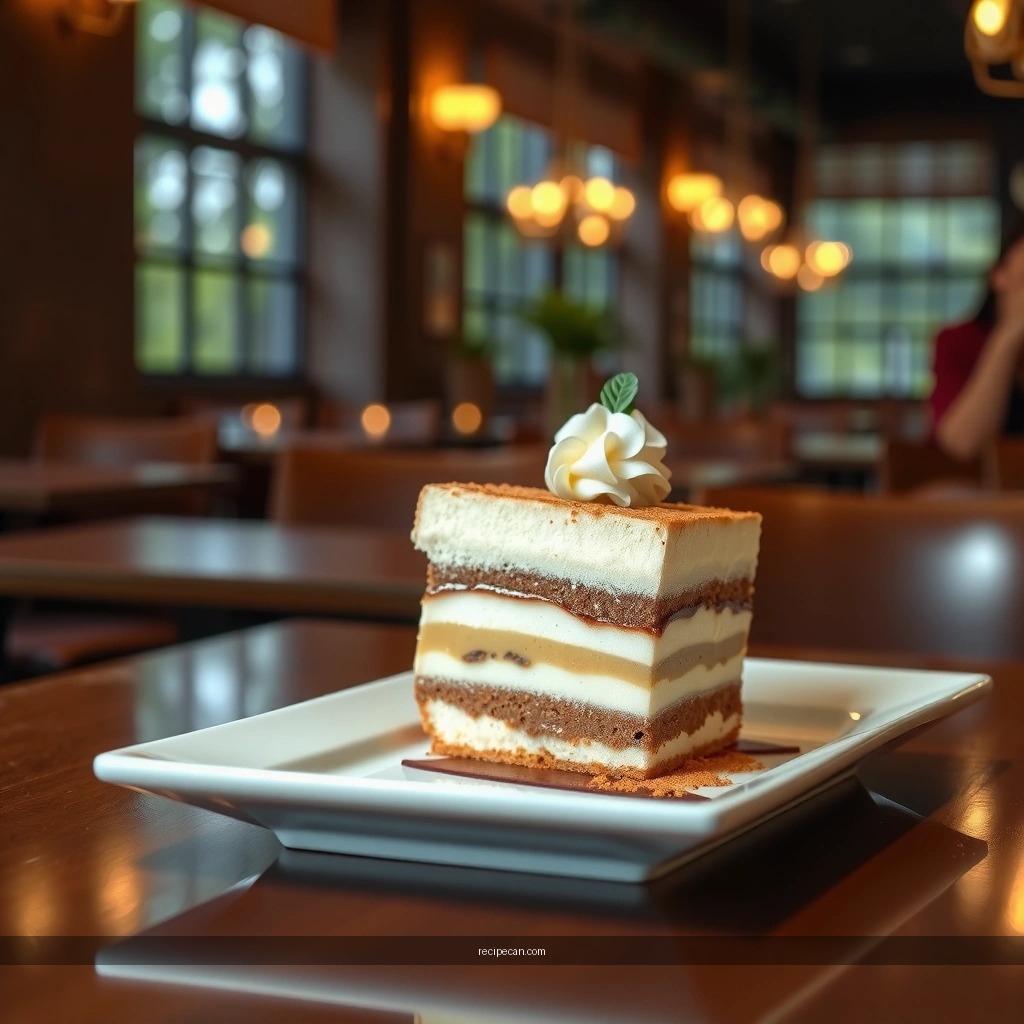
The espresso component should taste strong and slightly concentrated—because much of its flavor is diluted when it soaks ladyfingers. However, it must be cooled to prevent heat from melting or loosening the mascarpone filling during assembly.
Steps to get professional dipping results:
– Brew strong espresso (or use a very strong coffee concentrate). If you’re using espresso, aim for a rich, dark profile—not watery.
– Cool it to warm room temperature. A quick benchmark: it should feel comfortable to hold briefly against a spoon without steaming anything.
– Dip quickly: 1–2 seconds per side is typically enough. The goal is “coffee contact” rather than “coffee absorption to the center.”
– Taste and calibrate sweetness: The sweetness in the filling controls how intense the coffee should feel. If your espresso is particularly bitter, increase sugar slightly; if it tastes mild, reduce sweetness to keep the balance.
Common process error (and how to correct it):
– If your coffee tastes great straight, but the final dessert tastes flat, it’s often because the espresso isn’t concentrated or the ladyfingers aren’t saturated enough. Fix by using a stronger brew and controlling dip time rather than adding instant coffee granules after assembly (which can create uneven flavor).
Prepare the Mascarpone Filling
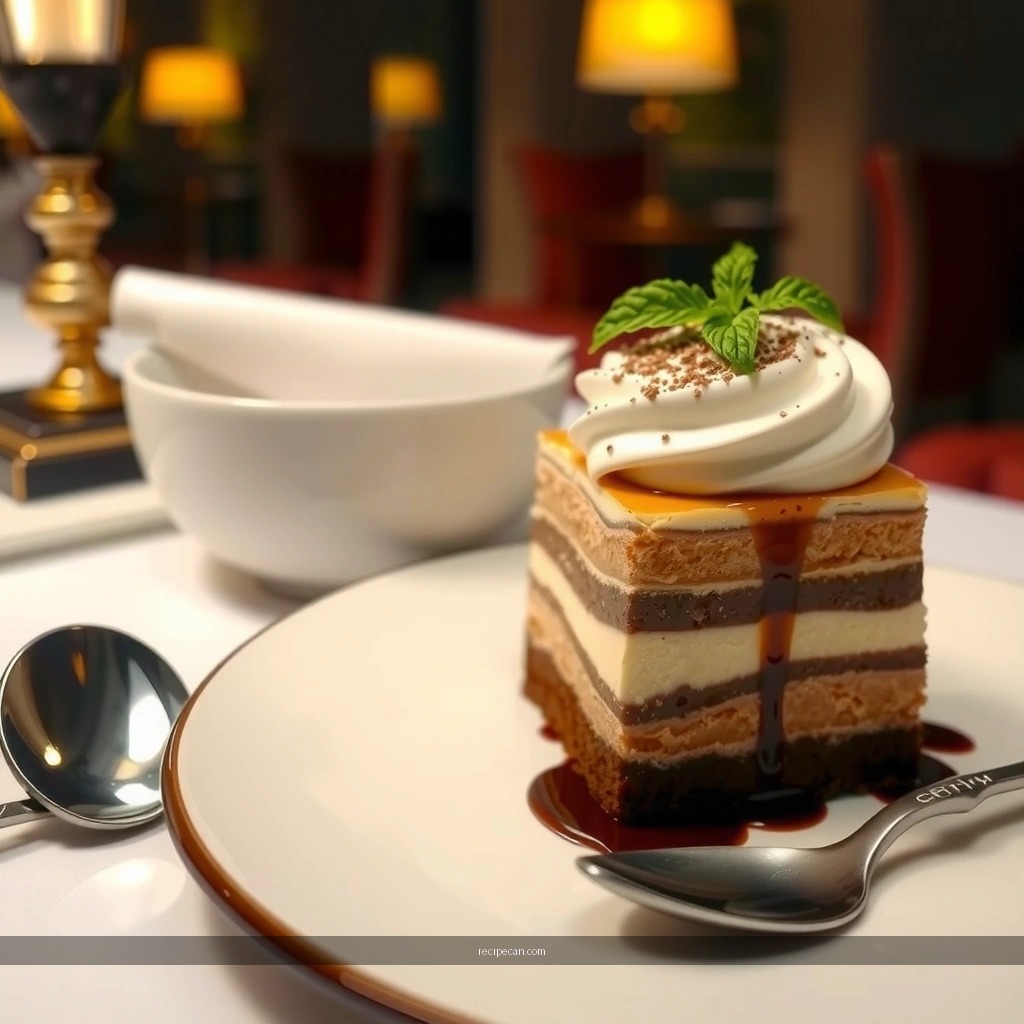
The filling is where tiramisu gains its signature texture: creamy, thick, and light at the same time. The technique is about gentle folding and correct aeration.
1) Build the yolk base
– Whisk yolks and sugar until the mixture looks lighter and smoother. This step helps dissolve sugar and adds a custard-like consistency.
– Continue whisking until it holds a ribbon for a short moment—don’t stop too early, but also don’t overheat (this is still no-bake).
2) Fold in mascarpone
– Add mascarpone and fold gently. Aggressive mixing can break the structure or make the filling grainy.
– If mascarpone seems too stiff, let it sit at room temperature for a few minutes before mixing—small temperature adjustments solve many “lumpy filling” problems.
3) Aerate with whipped whites (or cream)
– Whip egg whites until they form soft to medium peaks (not dry, clumpy peaks).
– Fold into the mascarpone base in stages. Folding preserves air bubbles so the final dessert is airy and spoonable.
Easier variation for reliability (still no-bake):
– Some home bakers substitute whipped cream for whipped whites. The result is slightly less “traditional custard,” but it’s often easier to stabilize and less sensitive to egg handling.
Assemble the Tiramisu Layers
Assembly determines the dessert’s slice integrity. You want alternating thickness: not so thin that everything collapses, and not so saturated that the layers bleed.
Layering method that consistently works:
1. Start with a thin filling layer at the bottom of your dish. This prevents ladyfingers from sticking and ensures clean separation.
2. Dip ladyfingers quickly in espresso, then lay them in a single layer. Overlapping is fine, but keep it organized so you can portion neat squares later.
3. Add a generous but even layer of filling.
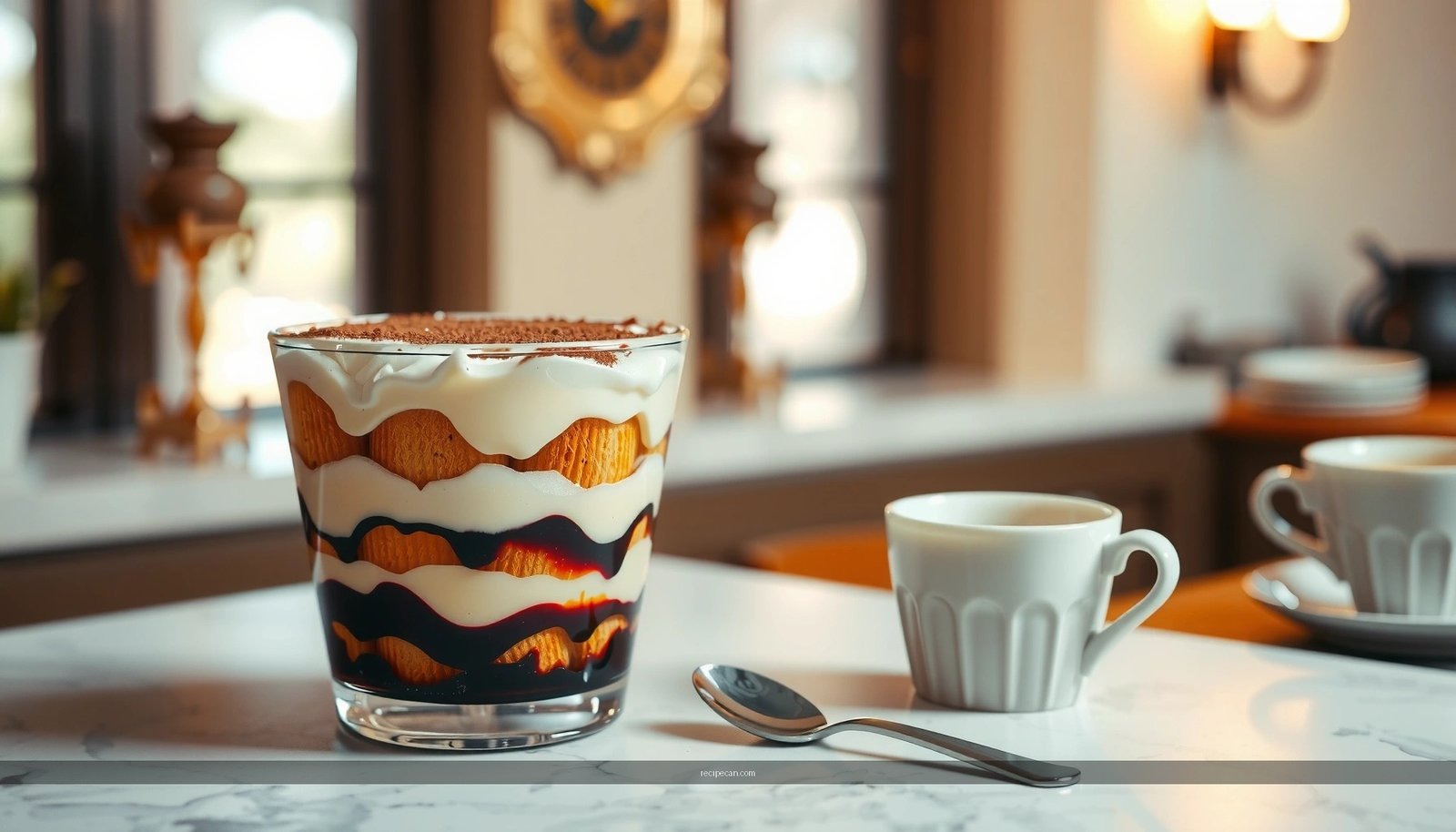
4. Repeat: ladyfingers → filling → ladyfingers → filling, until you reach the top.
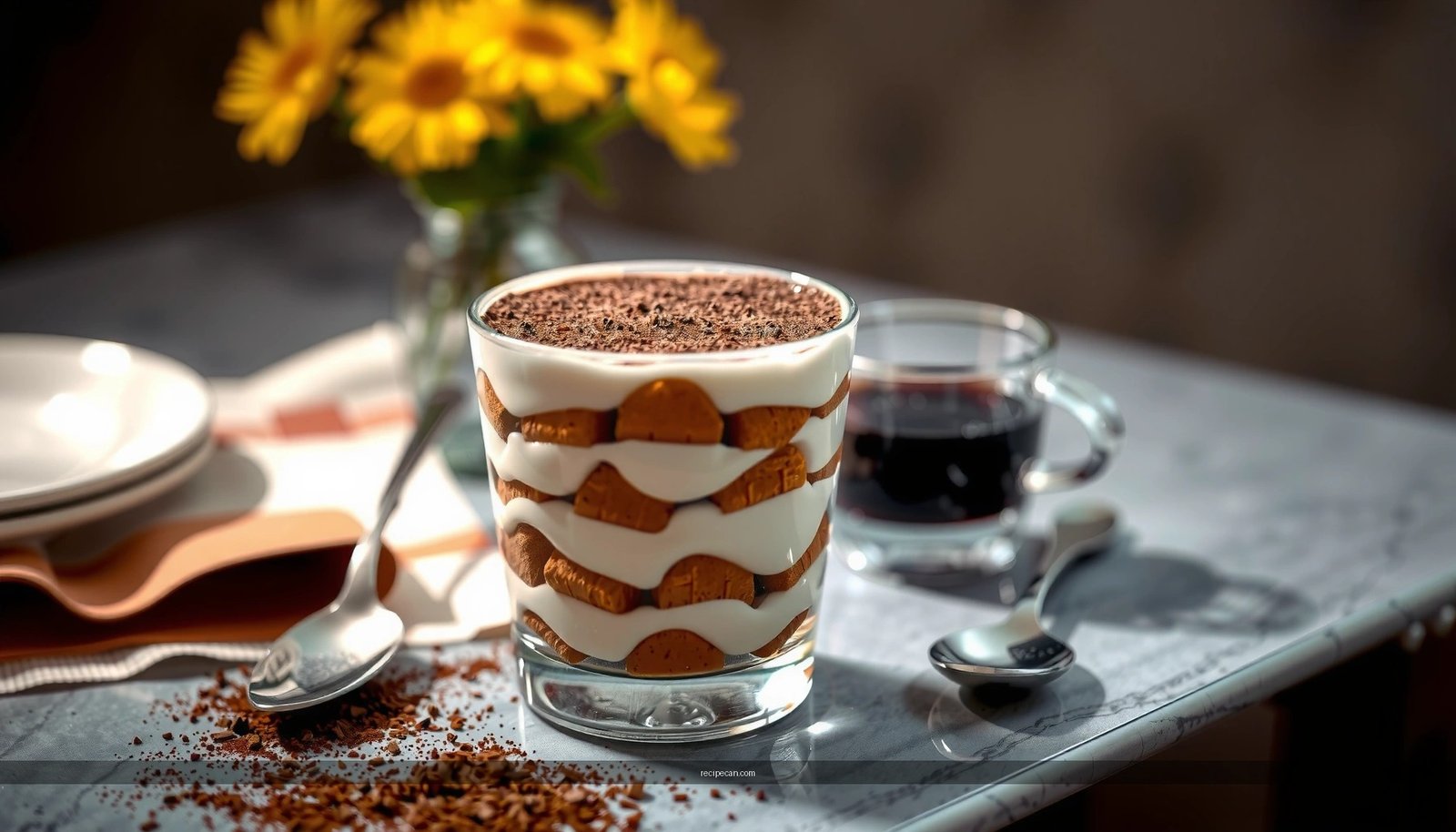
5. Finish with filling for a clean surface that supports a smooth cocoa dusting.
Slicing tip (often overlooked):
– Chill first, then use a sharp knife wiped between cuts. This reduces drag through mascarpone and keeps layers distinct.
Chill and Set for the Best Texture
Chilling isn’t optional—it’s the “final step” that converts a layered mix into a cohesive tiramisu with defined structure and unified flavor.
Timing guidance:
– Refrigerate at least 4 hours.
– For the best texture and sliceability, overnight (8–12 hours) is ideal.
Cocoa timing for maximum impact:
– Dust cocoa just before serving. Cocoa sitting too long on moist filling can absorb moisture and lose its aromatic, slightly velvety profile.
How to know it’s set:
– The top should look matte (not shiny-wet), and when you lift a spoonful, the layers should hold without immediately slumping into coffee cream.
Serving Tips and Common Fixes
Even well-executed tiramisu can drift slightly depending on ladyfinger dryness, espresso strength, and how long the dessert sat before serving. Use the fixes below to recover quickly.
If it’s too wet
– Shorten dipping time next batch (aim for 1–2 seconds per side).
– Chill longer before serving. If your overnight rest is interrupted, texture often looks looser than expected.
If it’s too thick or tight
– Gently loosen the filling by folding in a small amount of cooled coffee (start with 1–2 teaspoons at a time).
– Avoid adding too much liquid at once, which can make layers uneven.
If the flavor is too mild
– Use espresso you genuinely enjoy (coffee quality matters).
– Dust with cocoa from a tin with a fine sieve for better distribution; uneven cocoa reads as “weak” even when the flavor is present.
If layers won’t slice cleanly
– Ensure the finished dessert was chilled long enough.
– Slice with a sharp knife, wiping the blade between cuts to avoid dragging mascarpone.
Tiramisu is all about balanced layers: properly cooled espresso, airy mascarpone filling, and enough chilling time to set. Follow the steps above, then taste and adjust next time—make this recipe your go-to dessert by serving it chilled and dusting cocoa right before serving.
Frequently Asked Questions
What is the best recipe for tiramisu using traditional ingredients?
A classic tiramisu recipe uses ladyfingers (savoiardi), mascarpone cheese, eggs (or pasteurized eggs), sugar, brewed espresso, and cocoa powder. Whisk egg yolks with sugar until pale, fold in mascarpone, and separately whip egg whites to add a light, creamy texture. Dip ladyfingers quickly in cooled espresso so they don’t become soggy, then layer with the mascarpone mixture and finish with a dusting of cocoa.
How do you prevent tiramisu from becoming runny or watery?
The most common cause of watery tiramisu is over-dipping the ladyfingers or using espresso that’s too hot, which can melt the cream. Let the espresso cool completely, and dip each ladyfinger just 1–2 seconds before layering. Also, make sure the mascarpone is well-mixed but not overwhipped, and chill the assembled dessert for at least 4–6 hours (overnight is best) to let it set.
Why do some tiramisu recipes use raw eggs, and is there a safer alternative?
Traditional tiramisu tiramisu recipes often use raw or lightly cooked eggs to create a fluffy, airy filling. If you want a safer option, use pasteurized eggs or try a cooked custard method where you gently heat egg yolks with sugar (like a zabaglione-style base) before folding in mascarpone. Both approaches keep the creamy texture while reducing food-safety concerns.
How do you make tiramisu without alcohol or with no-espresso options?
If your tiramisu recipe calls for rum or Marsala, you can omit it and replace with vanilla extract or a little espresso-flavored coffee syrup for depth. For no-espresso tiramisu, use strong brewed coffee (caffeine still works similarly for flavor) or make a quick coffee concentrate to dip the ladyfingers. Keep the soaking brief and chill well so the dessert stays sliceable even with alternative liquids.
Which cocoa powder is best for finishing tiramisu, and how should it be applied?
For the classic tiramisu topping, use unsweetened cocoa powder such as Dutch-process or natural cocoa, since it provides a rich, bitter contrast to the sweet mascarpone. Sift the cocoa powder through a fine mesh sieve right before serving to avoid clumps and maintain a clean, professional look. If you’re storing it overnight, consider adding some cocoa at serving time for the freshest presentation.
References
- Tiramisu
https://en.wikipedia.org/wiki/Tiramisu - Tiramisù
https://it.wikipedia.org/wiki/Tiramis%C3%B9 - https://fr.wikipedia.org/wiki/Tiramisu
https://fr.wikipedia.org/wiki/Tiramisu - Tiramisu – Wikipedia
https://de.wikipedia.org/wiki/Tiramisu - Tiramisú – Wikipedia, la enciclopedia libre
https://es.wikipedia.org/wiki/Tiramis%C3%BA - Cookbook:Tiramisù – Wikibooks, open books for an open world
https://en.wikibooks.org/wiki/Cookbook:Tiramisu - Tiramisu | Meaning, Ingredients, Origin, Desserts, & Taste | Britannica
https://www.britannica.com/topic/tiramisu - Google Scholar Google Scholar
https://scholar.google.com/scholar?q=tiramis%C3%B9+recipe - Google Scholar Google Scholar
https://scholar.google.com/scholar?q=tiramisu+coffee+mascarpone+ingredients - Google Scholar Google Scholar
https://scholar.google.com/scholar?q=tiramisu+ladyfingers+egg+whipping+food+science