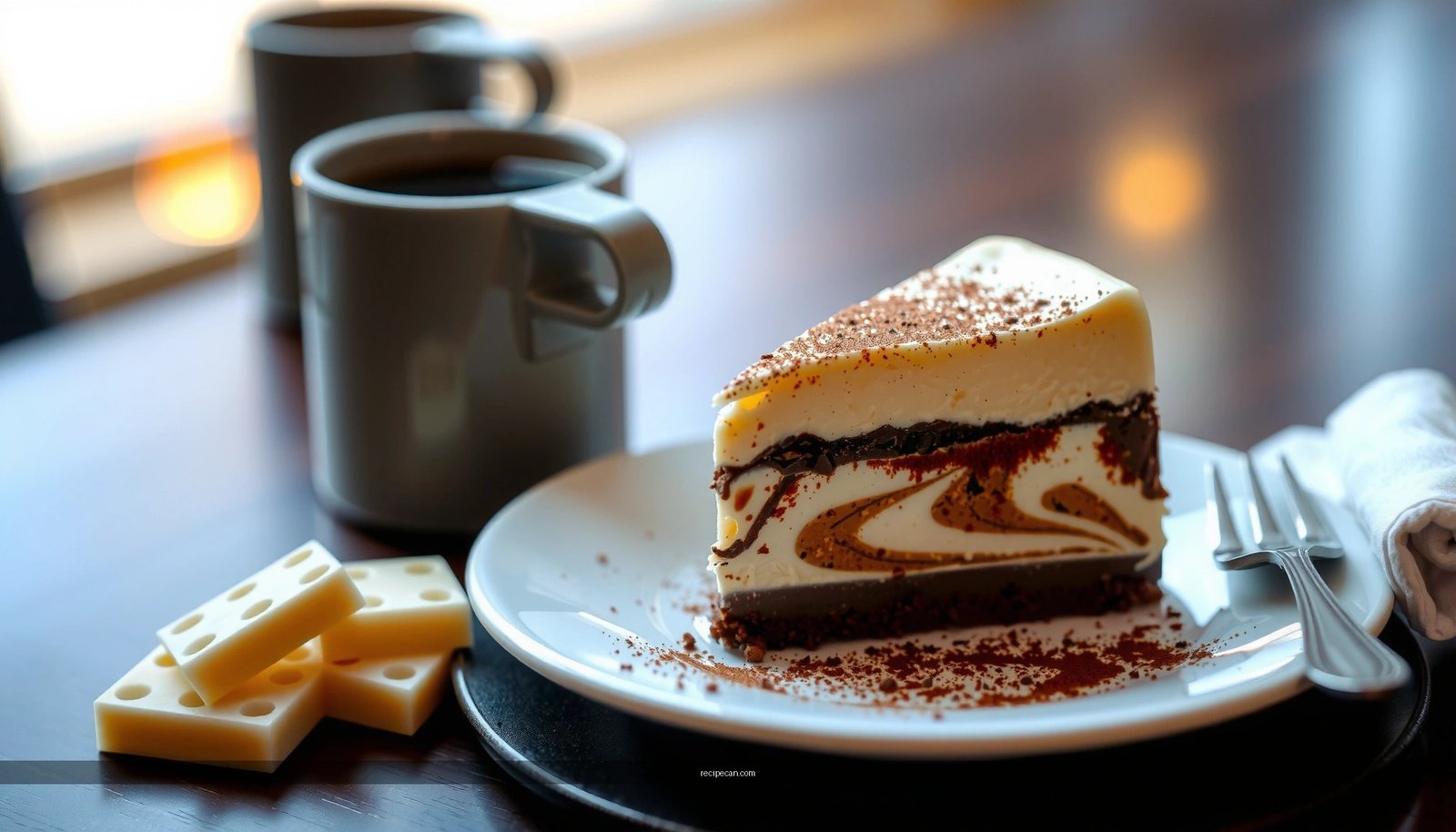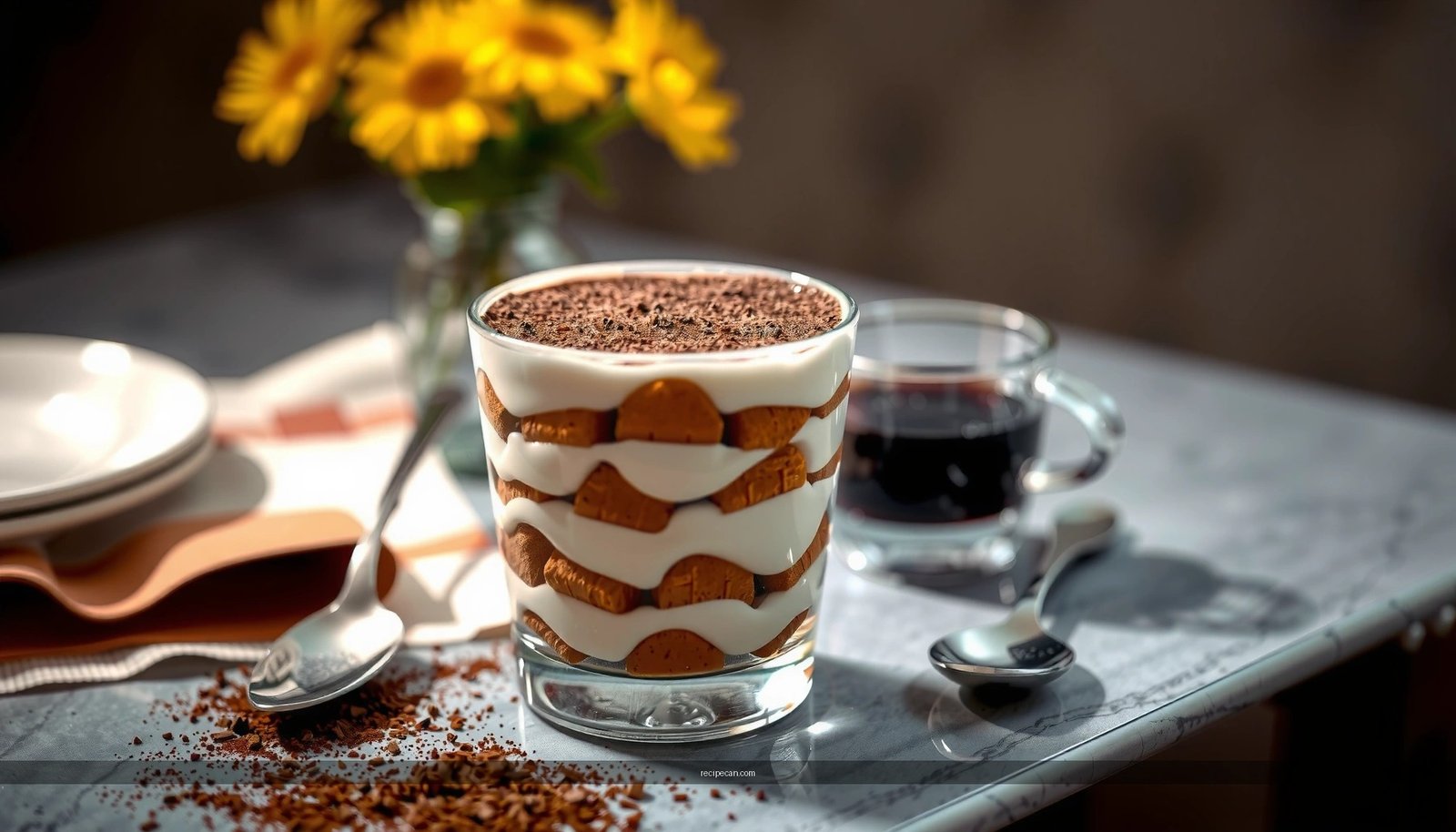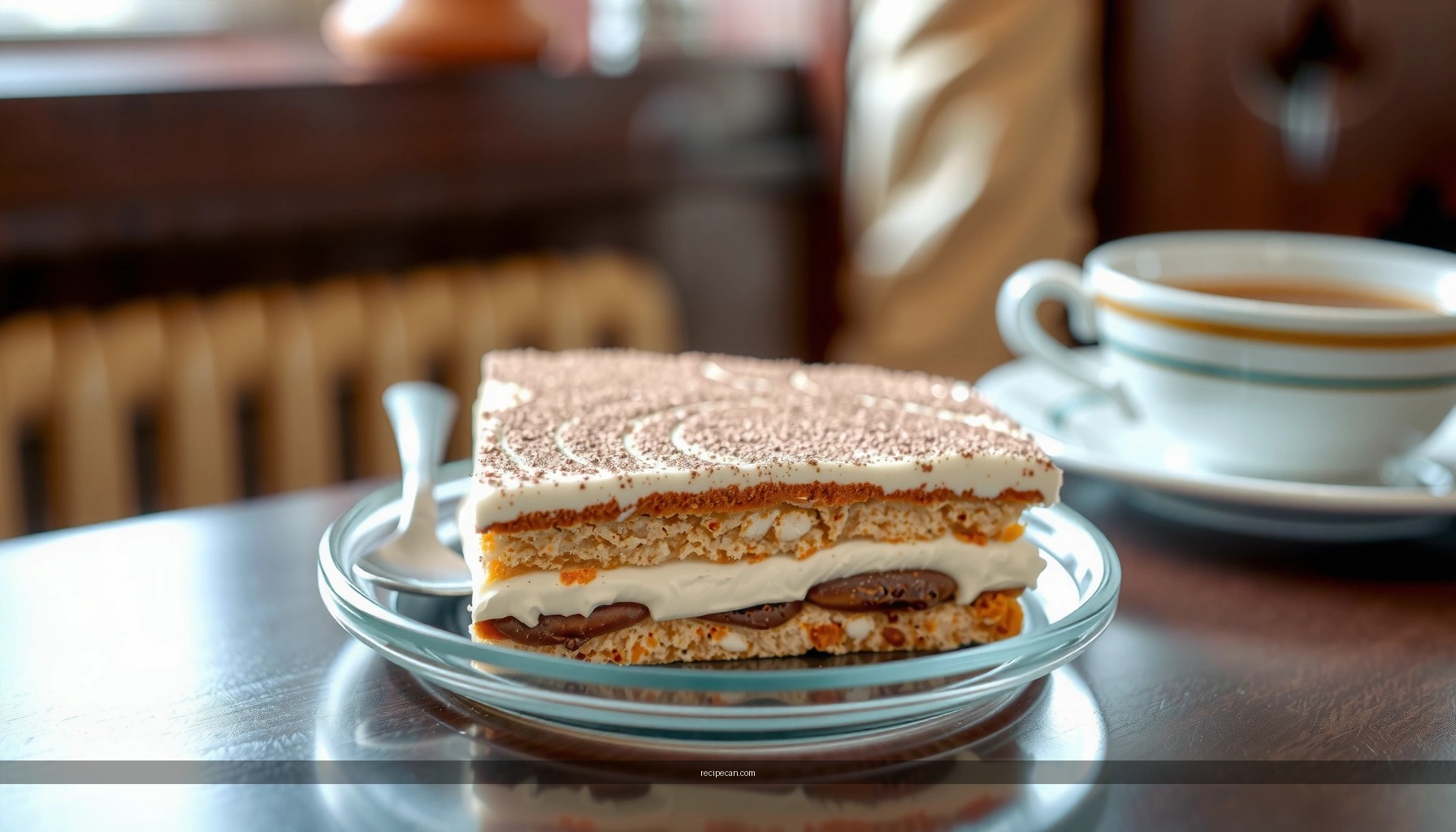
This tiramisu cake recipe delivers the classic layered dessert with espresso-soaked cake and mascarpone cream, using easy, step-by-step directions that are hard to mess up. If you want the most reliable way to make a tiramisu cake at home—without complicated techniques or missing key ingredients—this is the fastest path to a dessert that tastes like the real thing. You’ll also get the exact process for assembling, chilling, and serving so the flavors set properly.
Make a classic tiramisu cake by layering lightly espresso-soaked ladyfingers (or cake layers) with a mascarpone cream, then chilling until fully set. This recipe gives you precise steps for building even layers, balancing coffee bitterness with sweet mascarpone, and serving a tiramisu cake with the signature cocoa finish.
Ingredients You’ll Need for Tiramisu Cake
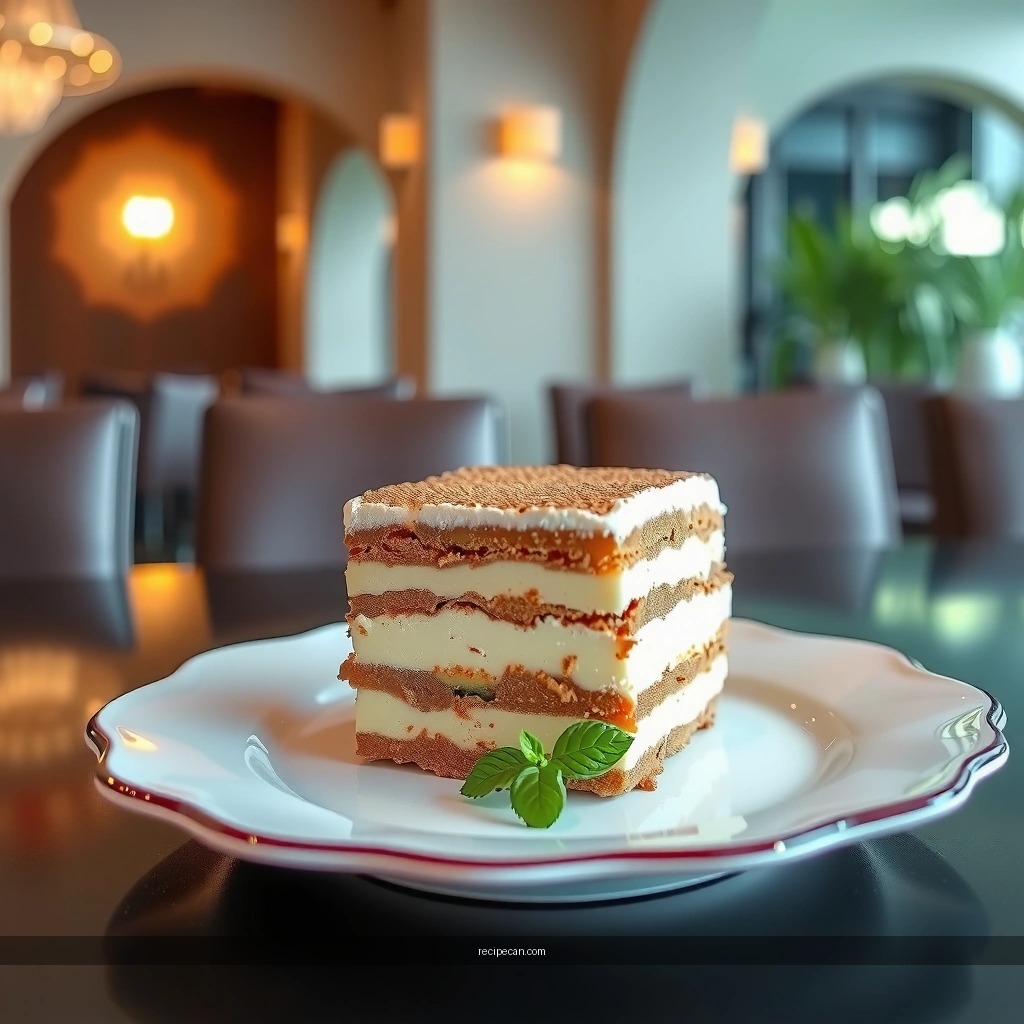
To make tiramisu cake at home, focus on two components: the coffee soak and the mascarpone cream. The exact ingredients below are designed for a classic, sliceable dessert with clean layers.
– Mascarpone: the heart of tiramisu; use full-fat mascarpone for the best texture.
– Heavy cream: whips up for lightness and helps stabilize the cream.
– Sugar: sweetens and balances espresso’s bitterness.
– Eggs (optional): some traditional recipes use yolks to create a richer custard-style cream. If you prefer extra safety and simplicity, you can omit.
– Espresso or strong coffee: freshly brewed espresso is ideal; strong brewed coffee works well.
– Ladyfingers (savoiardi) or cake layers: ladyfingers create the classic structure; cake layers are easier for beginners if you want uniform thickness.
For flavor and finish
– Cocoa powder: unsweetened cocoa for dusting (use right before serving).
– Optional chocolate shavings: adds visual contrast and a stronger chocolate aroma.
Quality and scaling tips
– Aim for full-fat mascarpone (not “tiramisu spread” products).
– Use strong coffee rather than watered-down brew. If your coffee tastes mild, your soak won’t deliver that signature tiramisu punch.
– For portioning, this recipe style typically yields 8–12 slices depending on pan size.
Recommended Texture Targets for a Sliceable Tiramisu Cake
| # | Step Metric | Target Range | Why It Matters |
|---|---|---|---|
| 1 | Ladyfinger soak time | 1–2 seconds per side | Prevents sogginess while still delivering coffee flavor. |
| 2 | Cream whipping peak | Soft-to-medium peaks | Gives lightness without making the cream grainy or separated. |
| 3 | Cream consistency after mixing | Holds ridges, spreads smoothly | Ensures clean layers that slice neatly after chilling. |
| 4 | Resting/chill time | 4–6 hours minimum; overnight best | Allows coffee to permeate evenly and cream to set fully. |
| 5 | Top cocoa dusting timing | Right before serving | Prevents cocoa from dissolving and turning dark or patchy. |
| 6 | Serving temperature | Cold, not frozen | Best slice stability and balanced mouthfeel. |
| 7 | Pan build depth (layers) | 2–3 cream layers typical | Maintains structure and delivers the classic “coffee–cream–cocoa” profile. |
How to Make the Tiramisu Coffee Soak

The coffee soak is where tiramisu cake gets its identity. You want bold flavor, but you don’t want the ladyfingers to collapse.
1. Brew strong espresso or coffee.
Use a concentrated brew—espresso is naturally intense, while filter coffee may need a stronger ratio. If you’re using brewed coffee, consider using less water (or a finer grind) to boost intensity.
2. Let the coffee cool slightly.
Hot coffee can melt the cream and prematurely soften layers. Aim for warm to room temperature, so soaking affects texture rather than cooking the cake components.
3. Optional flavor boosters.
For deeper flavor, mix in either:
– a small amount of sugar to smooth bitterness, or
– a splash of coffee liqueur (like Kahlúa) for a more pronounced aroma.
4. How to soak correctly (the non-negotiable).
Dip each ladyfinger briefly (about 1–2 seconds per side). Think “coated, not soaked.” If you fully submerge them, you’ll likely end up with a wet, heavy dessert that won’t slice cleanly.
Analytical perspective:
Tiramisu succeeds when moisture transfer is controlled. The ladyfingers act like a sponge, but the mascarpone cream acts like a structural binder. Too much liquid overwhelms the binder; too little liquid creates a “dry” tasting layer. Your goal is a balanced moisture gradient.
Make the Mascarpone Cream Layer
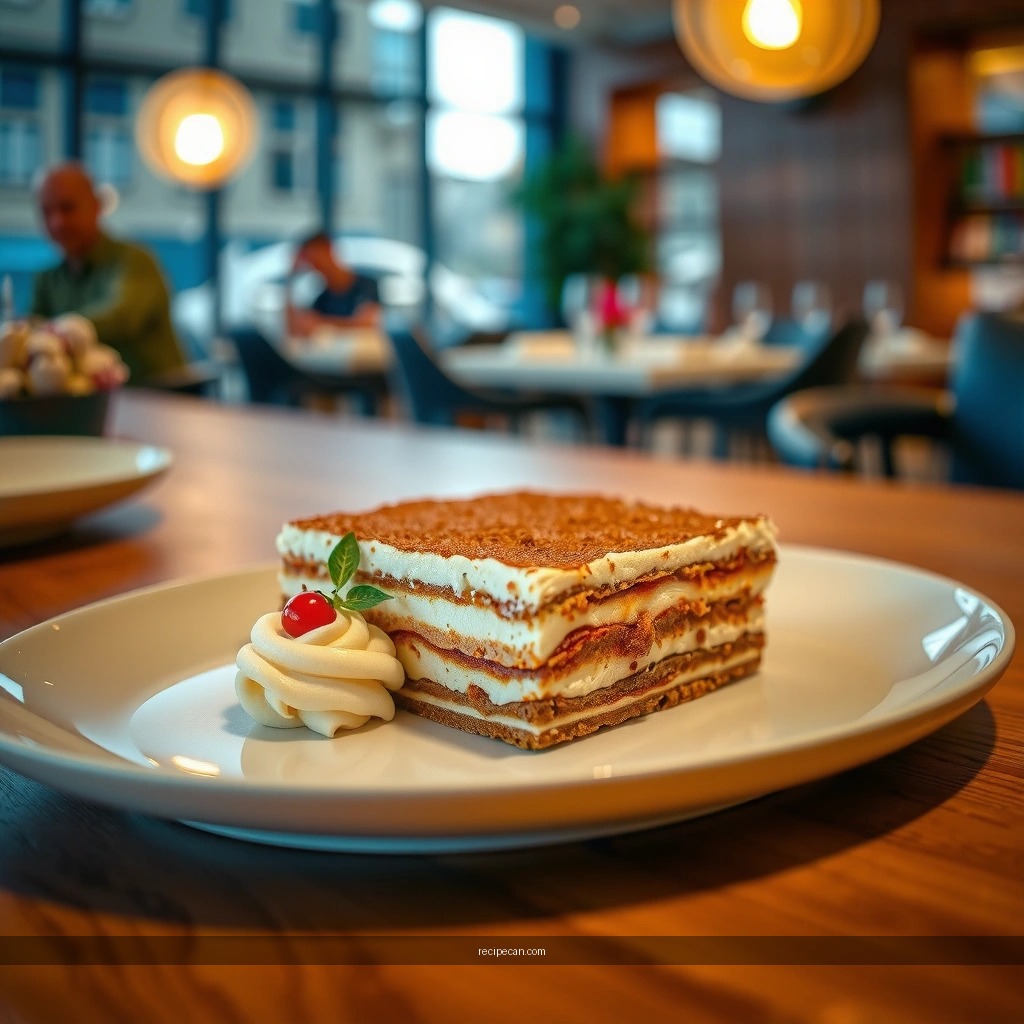
A great tiramisu cake lives or dies by the mascarpone cream. You’re building a mixture that is silky, airy, and stable—so it holds layers after chilling.
Core approach (simple, consistent, and slice-friendly)
1. Smooth mascarpone.
Stir or beat mascarpone just until smooth. This prevents lumps and ensures even flavor.
2. Whip heavy cream to soft-to-medium peaks.
Over-whipping can cause a grainy texture or make the cream unstable.
3. Combine using folding.
Fold whipped cream into mascarpone gently. Folding preserves air and keeps the cream light rather than dense.
4. Balance sweetness and coffee/cocoa intensity.
Taste the cream. If your espresso is strong or your cocoa is very dark, you may need a touch more sugar. Conversely, if your coffee is mild, don’t over-sweeten—tiramisu should taste like coffee and cocoa, not dessert syrup.
Optional eggs (traditional variation)
Some versions include eggs—often yolks—whipped or tempered to add richness. This can produce a more custard-like flavor, but it requires more technique to avoid scrambled egg bits. If you’re aiming for the most consistent “easy steps” experience, the eggless method with mascarpone + whipped cream is often the safer route.
Quality control note:
Your cream should hold a shape when spread, but still glide smoothly. If it’s too loose, chilling may help briefly, but it’s usually an indication you whipped to the wrong peak or under-folded.
Assemble Your Tiramisu Cake Layers
Layering is where your tiramisu cake goes from “ingredients” to “result.” The method below keeps the structure tight while still delivering classic flavor.
1. Prepare your pan and plan your layers.
Line a dish with parchment if you want easy lifting and clean slices. Map out how many layers you’ll make (commonly 2–3 cream layers depending on pan depth).
2. Soak ladyfingers briefly and evenly.
Dip each piece quickly, then place into your pan immediately. Arrange them closely but don’t press hard.
3. Add mascarpone cream in an even thickness.
Spread a layer of cream to the edges so each bite has coffee and mascarpone in proportion.
4. Repeat coffee-soaked base + cream, building height.
Continue alternating layers until you reach the top. Keep your top layer mostly cream so the final cocoa dusting looks neat.
5. Smooth the top.
Use an offset spatula or the back of a spoon. Even surfaces help the cocoa settle uniformly and look professional.
Common assembly pitfalls (and what they cause)
– Over-soaking ladyfingers: soggy layers, difficulty slicing, and a watery bottom.
– Undercooling coffee: cream can loosen and create streaks.
– Uneven cream thickness: one bite tastes too bitter or too sweet.
Chill and Set for the Best Texture
Chilling is not optional for traditional tiramisu cake. It’s the step that turns a layered dessert into a cohesive slice.
1. Refrigerate at least 4–6 hours.
This gives time for coffee to permeate and cream to firm up.
2. Overnight is best.
After 8–12 hours, the flavors integrate more deeply and the texture becomes consistently creamy with defined layers.
3. Keep it covered.
Cover with plastic wrap or an airtight lid. This prevents the top from drying and helps maintain smooth cream texture.
4. Serve straight from the fridge.
Avoid serving at room temperature for long periods; the cream can soften and slices may slump.
Texture logic:
In tiramisu cake, set time controls moisture migration and cream stabilization. Longer chilling balances the coffee taste—initial bitterness softens slightly as the dessert hydrates evenly.
Serving Tips and Common Fixes
A classic tiramisu cake should look elegant and taste balanced—coffee-forward, not harsh, and creamy without being heavy.
Serving tips
– Dust with cocoa right before serving.
This preserves color, aroma, and avoids dissolving into the cream.
– Use a clean, warm knife to slice.
If you wipe the blade between cuts, you’ll keep layers crisp and professional-looking.
Common fixes (troubleshooting)
– If it’s too runny: chill longer (at least overnight). Next time, ensure your cream reaches soft-to-medium peaks and fold gently to maintain structure.
– If it’s too firm or dense: your whipped cream may have been over-whipped or your mascarpone mixture may have been mixed too aggressively. Next time, whip to soft peaks and fold with a lighter touch.
– If it tastes too bitter: add a small amount of sugar to the coffee soak (or reduce brew intensity slightly). Cocoa can also intensify bitterness—choose unsweetened cocoa and balance sweetness in the cream.
– If it’s too sweet: reduce sugar in the cream by 1–2 tablespoons and consider using slightly stronger coffee so the flavor profile stays coffee-centric.
– If layers slide: the dessert likely needs more set time or the soak was too wet. Stick to the short dip time and chill thoroughly.
Conclusion
A classic tiramisu cake is easiest when you control three variables: how briefly you soak the ladyfingers, how you whip and fold the mascarpone cream, and how long you chill for. Follow the step-by-step layering method, refrigerate for at least 4–6 hours (overnight is best), and finish with a fresh cocoa dusting right before serving for a professional, sliceable dessert with the authentic coffee-and-cocoa profile everyone expects.
Frequently Asked Questions
What is the best tiramisu cake recipe for a beginner?
A beginner-friendly tiramisu cake recipe uses a simple sponge base (store-bought or homemade) and a no-fuss mascarpone filling. Look for instructions that clearly specify soaking time for espresso so the cake stays moist but doesn’t turn soggy. Choose a recipe that includes stabilized whipped mascarpone (often with whipped cream) so the tiramisu cake holds its layers and slices cleanly.
How do you make a tiramisu cake that doesn’t become soggy?
To avoid a soggy tiramisu cake, brush or drizzle espresso gradually rather than soaking the entire cake at once. Let the espresso flavor sink in for a short time, then assemble immediately so the sponge doesn’t over-hydrate. Also use the right balance of mascarpone and whipped cream—too much liquid can break the structure—so your tiramisu cake slices well.
Why does my mascarpone filling separate in tiramisu cake?
Mascarpone filling can separate if the mascarpone or cream is too warm or the mixture is overmixed. Use chilled mascarpone and cold heavy cream, then fold gently until smooth to keep a stable tiramisu texture. If your recipe uses cream cheese or eggs, follow exact temperature and timing because improper mixing can cause curdling or a grainy tiramisu filling.
Which espresso should you use for a tiramisu cake recipe?
For the best flavor, use strong brewed espresso or concentrated coffee so it stands up to the sweet mascarpone. If you’re aiming for an authentic tiramisu cake, avoid weak coffee and opt for espresso-style coffee or finely ground espresso. You can also chill the espresso first, which helps the sponge absorb evenly without overheating the mascarpone filling.
How do you store tiramisu cake and how long does it last?
Store your tiramisu cake covered in the refrigerator to keep the mascarpone filling fresh and prevent it from drying out. Most tiramisu cake recipes are best within 2–3 days because the sponge can soften as it sits. For best results, assemble ahead of time and chill for several hours (often overnight) so the espresso and cocoa flavors fully develop.
References
- Tiramisu
https://en.wikipedia.org/wiki/Tiramisu - https://www.bbc.co.uk/food/recipes/tiramisu_70355
https://www.bbc.co.uk/food/recipes/tiramisu_70355 - https://www.theguardian.com/food/2014/dec/10/tiramisu-recipe
https://www.theguardian.com/food/2014/dec/10/tiramisu-recipe - https://cooking.nytimes.com/recipes/1015825-tiramisu
https://cooking.nytimes.com/recipes/1015825-tiramisu - Google Scholar Google Scholar
https://scholar.google.com/scholar?q=tiramisu+recipe - Google Scholar Google Scholar
https://scholar.google.com/scholar?q=tiramisu+cake+recipe - Google Scholar Google Scholar
https://scholar.google.com/scholar?q=mascarpone+ladyfingers+coffee+tiramisu - tiramisu cake recipe – Search results
https://en.wikipedia.org/wiki/Special:Search?search=tiramisu+cake+recipe - https://www.ncbi.nlm.nih.gov/search/research-articles/?term=tiramisu+cake+recipe
https://www.ncbi.nlm.nih.gov/search/research-articles/?term=tiramisu+cake+recipe