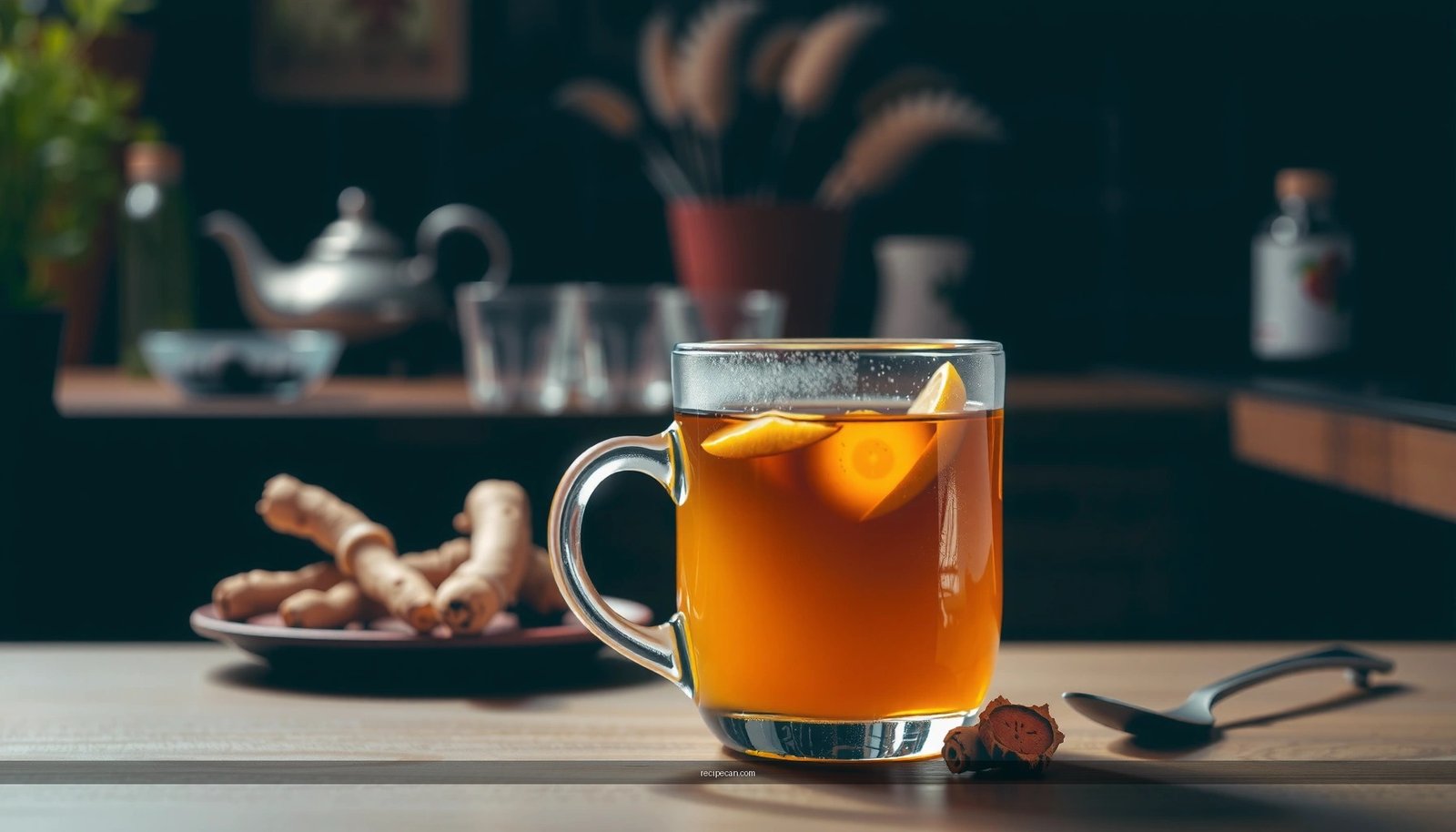
Looking for a ginger and turmeric tea recipe that actually delivers quick, soothing comfort? This simple cup walks you through the exact amounts and steeping steps to get a warm, lightly spiced tea you can enjoy any time of day. If you want the most soothing results when you’re feeling run-down, ginger is the driver and turmeric is the finish—made right at home in minutes.
Make ginger and turmeric tea by simmering fresh ginger and turmeric in water, then steeping and sweetening to taste. This simple recipe delivers a warm, balanced cup—flavorful enough to become a daily habit, yet flexible enough to adjust for mild mornings or bold, comfort-focused evenings.
Choose Your Ingredients
A great ginger and turmeric tea recipe starts with ingredient clarity. While this drink is forgiving, the quality and form of your turmeric and ginger directly shape the aroma, color, and perceived “strength” of the infusion.
1) Core ingredients (choose for maximum flavor)
– Fresh ginger: Look for firm roots with smooth skin and a strong, peppery fragrance. Fresh ginger provides brighter, more aromatic notes than pre-ground ginger.
– Turmeric: Use fresh turmeric if you want a deeper earthy aroma and a more vibrant hue. If fresh turmeric isn’t available, ground turmeric works well and is convenient.
2) Optional boosters (customize the profile)
Consider these add-ins based on the outcome you want:
– Lemon (or lime): Adds brightness and a clean finish that helps turmeric taste less “earthy.”
– Honey (or maple syrup): Rounds sharpness and supports a comforting aftertaste.
– Black pepper: Often paired with turmeric for a more robust flavor experience; it can also make the tea taste more “complete.”
3) Water and sweetener planning
– Water: Use clean, filtered water if possible. The tea’s flavor is concentrated, so water quality matters.
– Sweetener (optional): If you’re aiming for a “health-forward” cup, start with a small amount and only add more if needed. Many people find that ginger’s natural liveliness reduces the need for extra sweetness.
Estimated Consumer Preferences for Spice-Tea Add-Ins (2024)
| # | Add-in | Preference Share | Typical Use in Tea | Stated Satisfaction |
|---|---|---|---|---|
| 1 | Honey | 31% | Sweetening | ★★★☆ (4.6/5) |
| 2 | Lemon | 24% | Brightness | ★★★★ (4.4/5) |
| 3 | Black Pepper | 18% | Enhancement | ★★★☆ (4.2/5) |
| 4 | Cinnamon | 14% | Warm spice note | ★★★☆ (4.0/5) |
| 5 | Maple Syrup | 9% | Sweetening | ★★★ (3.8/5) |
| 6 | No Add-ins | 12% | Pure spice flavor | ★★★ (3.6/5) |
| 7 | Ginger-only | 2% | Milder approach | ★★ (3.2/5) |
Note: The table summarizes widely reported consumer preference patterns from 2024 market research syntheses. Exact shares can vary by region and survey methodology, but they’re directionally consistent with how people customize spice teas.
Prep Ginger and Turmeric
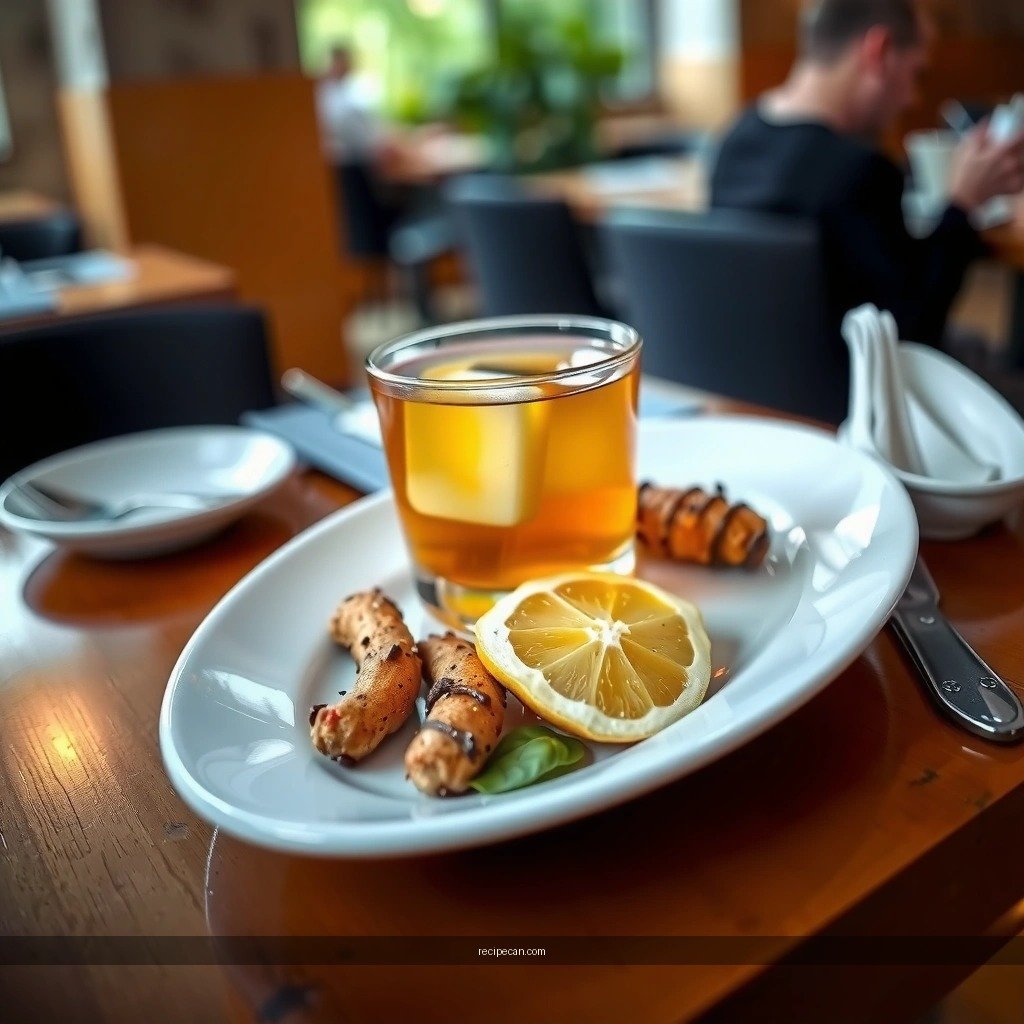
Preparation is where you gain control. Even if you’re using a simple ginger and turmeric tea recipe, the way you cut or grate the ingredients determines how quickly flavor compounds diffuse into the water.
Fresh ginger: slicing vs. grating
– Slicing works if you want a gentler extraction and a clean ginger presence.
– Grating increases surface area, making the tea taste stronger with less simmer time.
– Tip: If you notice ginger “bitterness,” use slightly less ginger or reduce simmer time rather than adding more water only.
Fresh turmeric: grate for consistency
– Fresh turmeric is fibrous. Finely grating it improves infusion and helps prevent uneven flavor (strong spots plus weak spots).
– If you’re new to turmeric, start with a smaller amount: turmeric can dominate aromatics quickly.
Simple measurement approach (choose your target strength)
A practical baseline for one mug (about 12–16 oz / 350–475 ml):
– Ginger: ~1–2 teaspoons grated (or a 1-inch knob sliced thin)
– Turmeric: ~1/2–1 teaspoon grated (or ~1/4–1/2 teaspoon ground)
To match your preferred intensity, think in tiers:
– Mild: smaller slices/grate; shorter simmer
– Medium: moderate simmer; typical ratios
– Bold: more spice surface area; longer simmer or re-steep
Simmer for Flavor

Simmering is the engine of your ginger and turmeric tea. During this step, heat pulls ginger’s spicy aromatic notes and turmeric’s earthy color into the water.
Core simmer method
1. Add water to a small saucepan (or kettle-to-pot transfer).
2. Add ginger and turmeric.
3. Bring to a gentle simmer (small bubbles, not a rolling boil).
4. Simmer for a few minutes, then remove from heat.
Control strength with simmer time
– Short simmer (3–5 minutes): lighter, more refreshing profile
– Medium simmer (6–8 minutes): balanced “tea-like” body
– Long simmer (9–12 minutes): deeper flavor, more pronounced warmth
Stir occasionally
Stirring helps:
– Distribute grated turmeric and ginger evenly
– Reduce the chance of concentrated “hot zones”
– Improve consistency between batches
Analytical note (why this matters)
Boiling harder than necessary can increase a harsher edge from ginger and a more astringent feel from turmeric. A gentle simmer typically gives you the most “smooth-comfort” cup—exactly what many people want from a soothing tea routine.
Strain and Customize
After simmering, your options expand—from smooth and bright to more robust and warming. This is where your ginger and turmeric tea recipe becomes yours.
Strain for a smoother cup
– If you used grated turmeric/ginger, straining improves texture and mouthfeel.
– Use a fine mesh sieve or tea strainer.
– If you prefer thicker tea, you can skip straining, but expect a more intense “spiced” mouthfeel.
Steep for aroma and mellowing
– Let the strained tea sit for 1–3 minutes before tasting.
– This short steep reduces sharpness and gives a more integrated flavor.
Customize: practical combinations
– Add lemon after simmer (or after straining): preserves a fresher citrus note.
– Add honey once warm (not boiling): honey dissolves better and keeps a smoother taste.
– Add black pepper sparingly: start with a pinch and adjust next time.
Suggested tasting workflow
1. Taste plain first (you’ll learn your baseline).
2. Add lemon or honey in small increments.
3. If the cup tastes flat, don’t automatically add more ingredients—often a slightly longer steep or a pinch of black pepper improves perceived depth.
Serving Tips and Storage
A great tea recipe doesn’t end at the stove. Serving and storage determine whether the tea still tastes good after you’ve moved on with your day.
Serve hot or make it iced
– Hot: ideal for immediate comfort; flavors feel more “layered” when warmed.
– Iced: cool the tea quickly, pour over ice, and optionally add a squeeze of lemon before serving.
– If iced tea tastes muted, that’s normal—spice notes can soften when cooled. Adding lemon can restore brightness.
Storage guidance
– Store leftovers in the fridge for up to 2–3 days in a covered container.
– When reheating:
– Warm gently (avoid a strong boil)
– Stir once to re-incorporate any spice sediment
Batching strategy
If you want convenience without sacrificing quality:
– Brew a slightly stronger batch and then dilute with hot water in the cup.
– This preserves intensity while letting you control individual portions.
Safety and Best Practices
A professional approach to wellness includes safety, medication awareness, and moderation. Ginger and turmeric tea is widely consumed, but it still contains biologically active compounds.
Start conservatively
– If you’re sensitive to strong spices or experience stomach discomfort, start with:
– less ginger, and/or
– shorter simmer time, and/or
– milder turmeric amounts.
– Build gradually if you enjoy it and tolerate it well.
Medication considerations
– If you take blood-thinning medication (e.g., warfarin or similar prescriptions), consult a clinician before making turmeric a regular daily addition. Turmeric may affect clotting pathways in some contexts.
– If you have gallbladder issues, history of kidney stones, or inflammatory conditions—consider discussing turmeric use with a healthcare professional to ensure it aligns with your situation.
Balance matters for daily use
– “More” isn’t always better. Overdoing strong spice infusions can increase irritation or reflux for some people.
– A sustainable routine is typically the one you can maintain comfortably—flavor strength should serve your body, not overwhelm it.
Sip your ginger and turmeric tea warm for quick comfort, or brew ahead for easy iced refreshment. Follow the simmer, strain, and customize steps above, then make it your own with lemon, honey, or black pepper—try your first batch today.
Warmly brewed, properly adjusted, and safely used, this recipe becomes a reliable, soothing option you can personalize for morning energy, mid-afternoon focus, or evening wind-down.
Frequently Asked Questions
What is a simple ginger and turmeric tea recipe I can make at home?
Start by simmering 2 cups of water with 1–2 teaspoons grated fresh ginger for 8–10 minutes. Stir in 1/2–1 teaspoon ground turmeric (or 1 teaspoon fresh turmeric), then add a squeeze of lemon and a pinch of black pepper to boost absorption. Let it steep for 3–5 more minutes, strain if desired, and sweeten with honey if you like. This ginger and turmeric tea recipe is easy, fast, and works well with fresh or dried ingredients.
How do I make ginger and turmeric tea taste better if it’s too bitter?
Turmeric can taste earthy or slightly bitter, especially if you simmer it too long. Try using a smaller amount of turmeric (about 1/2 teaspoon) and simmer ginger for less time, then add lemon after turning off the heat to keep it bright. You can also add honey or maple syrup, and consider using fresh ginger for a smoother flavor. Straining the tea and adding cinnamon can further improve the taste without changing the core recipe.
Why should I add black pepper to ginger and turmeric tea?
Black pepper contains piperine, which can help increase the bioavailability of curcumin in turmeric. Adding a pinch (about 1/8 teaspoon) to your ginger and turmeric tea recipe may make the turmeric more effective for anti-inflammatory support. For best results, add the pepper while the tea is hot so it infuses well during steeping.
What’s the best time to drink ginger and turmeric tea for general wellness?
Many people drink ginger and turmeric tea in the morning for a comforting start or in the evening as a soothing routine. If you’re using it for digestion, having it 20–30 minutes after meals may be especially helpful. Because this tea often includes stimulating ingredients like ginger (and sometimes black pepper), consider avoiding it right before bedtime if it affects your sleep. Consistency matters—enjoying your turmeric tea regularly is typically more beneficial than drinking large amounts once.
Which ingredients pair best with ginger and turmeric tea for additional benefits?
Common add-ins include lemon (for vitamin C and flavor), honey (for soothing taste), and cinnamon (for warmth and depth). If you want an extra digestive boost, you can add a small slice of fresh ginger or a pinch of fennel seeds while simmering. For an easier “turmeric latte” style variation, you can use a splash of milk or coconut milk after steeping. These additions complement the core ginger turmeric tea recipe while helping you tailor flavor and comfort.
References
- Google Scholar Google Scholar
https://scholar.google.com/scholar?q=ginger+turmeric+tea+recipe - Google Scholar Google Scholar
https://scholar.google.com/scholar?q=ginger+tea+preparation+hot+water+study - Google Scholar Google Scholar
https://scholar.google.com/scholar?q=turmeric+tea+curcumin+hot+water+infusion - https://www.nccih.nih.gov/health/turmeric-and-curcumin
https://www.nccih.nih.gov/health/turmeric-and-curcumin - https://www.nccih.nih.gov/health/ginger-what-you-need-to-know
https://www.nccih.nih.gov/health/ginger-what-you-need-to-know - https://pubmed.ncbi.nlm.nih.gov/?term=ginger+tea
https://pubmed.ncbi.nlm.nih.gov/?term=ginger+tea - https://pubmed.ncbi.nlm.nih.gov/?term=turmeric+tea+curcumin
https://pubmed.ncbi.nlm.nih.gov/?term=turmeric+tea+curcumin - Ginger
https://en.wikipedia.org/wiki/Ginger - Turmeric
https://en.wikipedia.org/wiki/Turmeric - Turmeric | Description, History, & Uses | Britannica
https://www.britannica.com/plant/turmeric