Get a reliable elderberry tea recipe with simple steps for a warming, healthful cup you can make at home. This guide answers the key question of how to steep elderberries (or elderberry tea bags) to bring out the flavor and get the most from every batch. Follow the exact brew time and proportions for a comforting result that’s consistent every time.
If you want a simple, warming cup at home, make elderberry tea by simmering dried (or fresh) elderberries in water, sweetening to taste, and straining. This easy elderberry tea recipe walks you through reliable timing and flavor adjustments—so you can brew a smooth, bold cup that fits your preferences.
Choose Your Ingredients
To make elderberry tea that tastes good and feels consistent, start with a short list of ingredients and choose quality over complexity. Elderberries naturally provide a deep, slightly tart flavor, so your ingredient choices mostly determine the tea’s “body” (strength) and overall balance (sweetness and aromatics).
1) Elderberries: dried vs. fresh
– Dried elderberries are usually the most convenient option because they’re shelf-stable and typically standardized in size and potency. They also tend to brew with a consistent color and flavor.
– Fresh elderberries can be great when in season, but they’re wetter and may require a slightly longer simmer to fully extract color and flavor.
2) Water
Use filtered water when possible. Elderberry tea leans on the clarity of its flavor profile—filtering improves taste consistency, especially if your tap water has strong mineral notes.
3) Sweetener (optional, but recommended for palatability)
Sweetening is personal, but many people find elderberry tea tastes best with gentle sweetness:
– Honey (classic and soothing)
– Maple syrup (richer, caramel-like)
– Sugar (neutral sweetness)
– No sweetener for a more tart, tea-like experience
4) Flavor enhancers (optional)
If you want elderberry tea that reads “cozy” rather than strictly “medicinal,” add one or two supporting flavors rather than many at once:
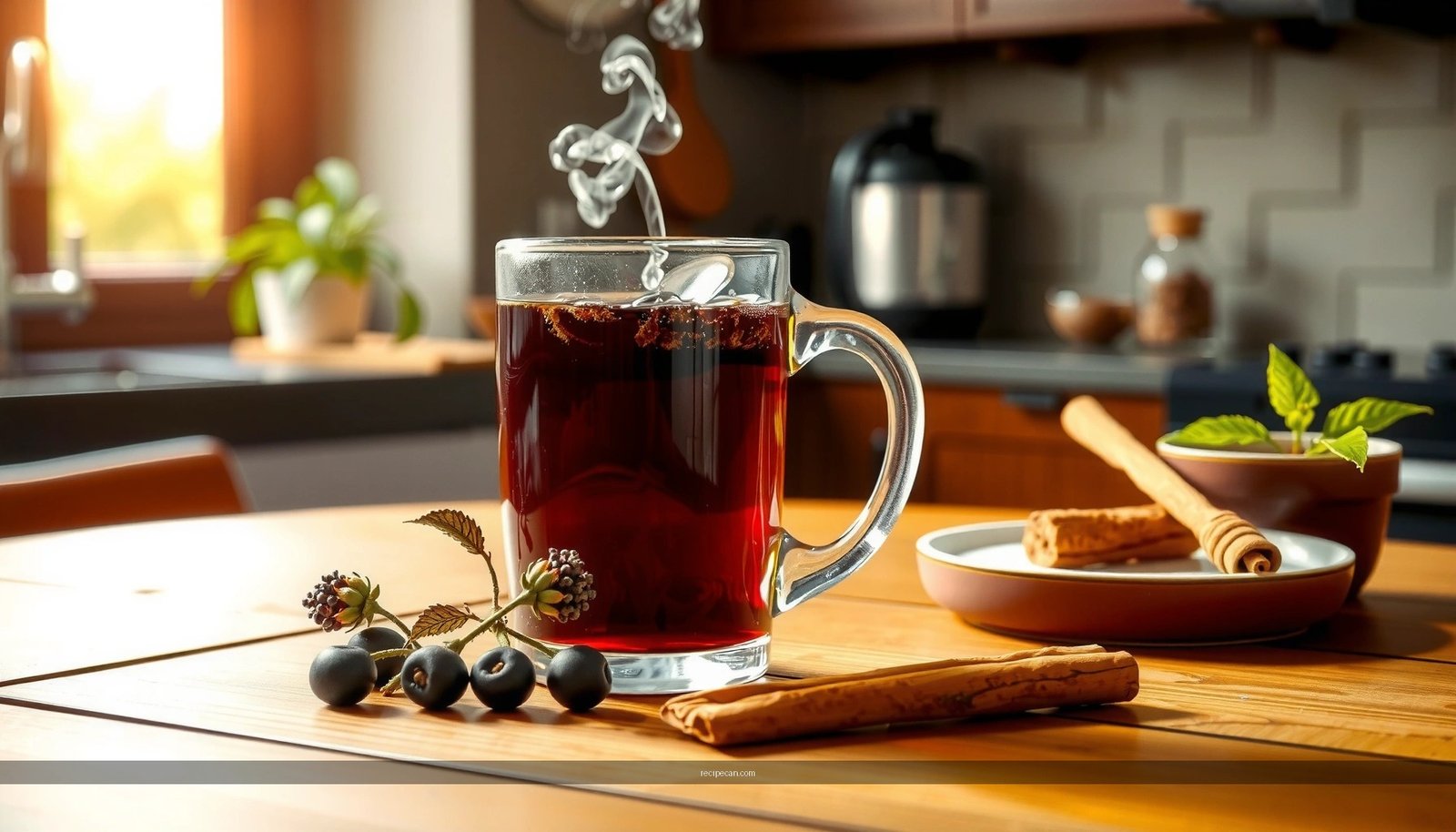
– Cinnamon stick or ground cinnamon for warmth
– Ginger for a bright, warming bite
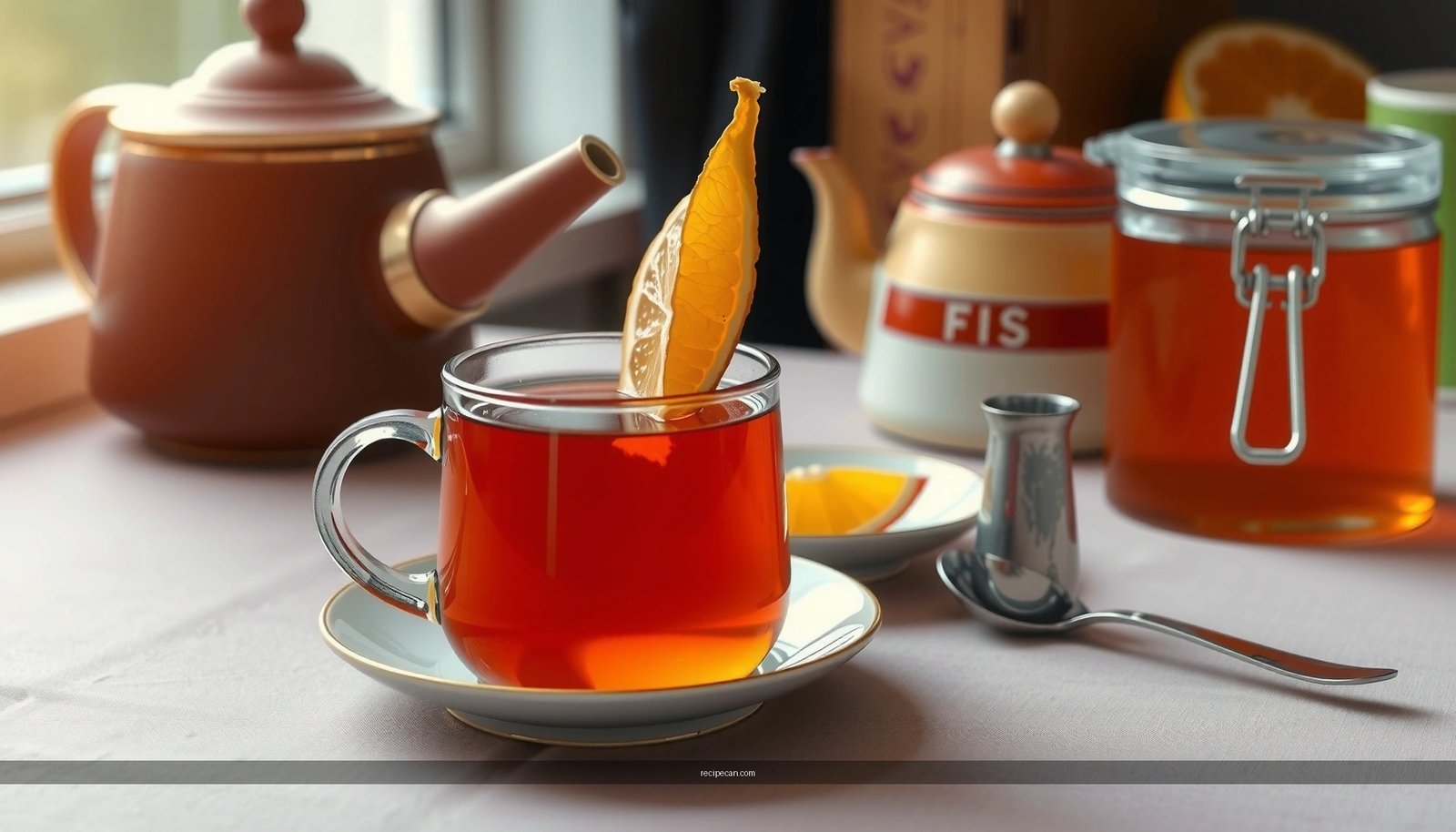
– Orange or lemon peel for a subtle citrus lift
Elderberry Tea Recipe (Basic Method)
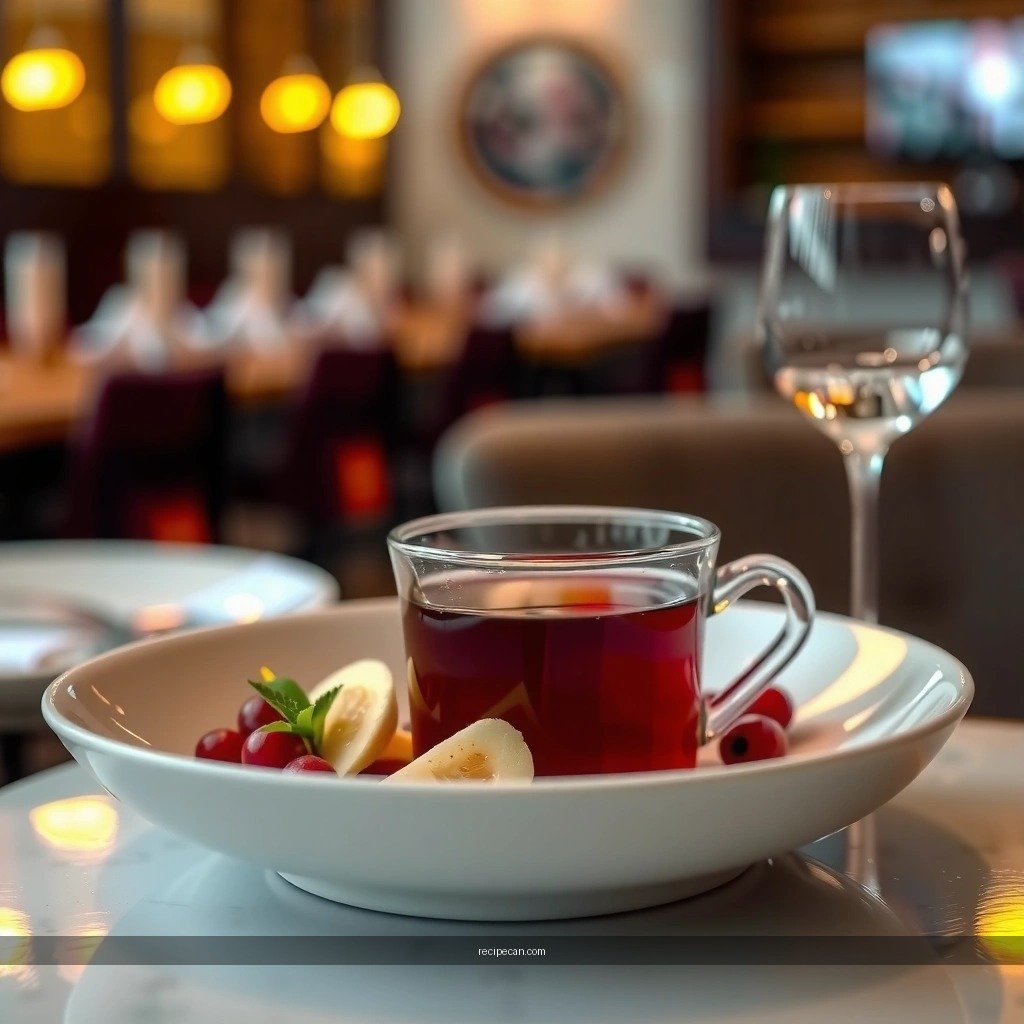
Below is the basic elderberry tea recipe method designed for dependable results. The goal is to extract color and flavor from the berries without scorching, while keeping the process simple enough for everyday use.
Step-by-step
1. Measure your berries and water
– For a standard mug: start with 1 tablespoon dried elderberries per 8–10 ounces (240–300 ml) water.
– If using fresh berries, start with about 1–2 tablespoons per 8–10 ounces, since fresh fruit can vary in size and water content.
– Combine elderberries and water in a small saucepan.
– Bring to a gentle simmer (not a hard boil), then maintain simmering for 10–20 minutes.
– You’ll know you’re on track when the water turns deep purple-red and the aroma becomes noticeably fruity and warming.
3. Strain thoroughly
– Pour the mixture through a fine mesh strainer or tea strainer into your mug or a heat-safe container.
– For a smoother texture, press the berries gently with a spoon.
4. Sweeten while warm
– Stir in your sweetener after straining while the tea is warm.
– Honey dissolves best when the liquid is warm but not aggressively hot.
5. Optional finish
– Add a cinnamon stick for the last 2–3 minutes of simmering, or stir in ginger if you’re using a pre-made ginger infusion.
– For citrus brightness, add a strip of lemon peel after simmering (steep 2 minutes, then remove).
A quick reality check on “strength”
Elderberry tea is often perceived as “strong” when the flavor is deeper, not when it’s bitter or harsh. If your tea tastes overly sharp, reduce the simmer time or lower the elderberry amount next time.
Data snapshot: extraction strength by elderberry form (practical brew targets)
Practical Brew Guide for Elderberry Tea (1 Mug, 8–10 oz)
| # | Elderberry Form | Berries Used | Simmer Time | Flavor Intensity | Best For |
|---|---|---|---|---|---|
| 1 | Dried (standard) | 1 Tbsp | 12–15 min | ★★★☆☆ | Daily cup |
| 2 | Dried (heavier) | 2 Tbsp | 15–20 min | ★★★★☆ | Bold flavor |
| 3 | Fresh (standard) | 1.5 Tbsp | 15–18 min | ★★★☆☆ | Balanced tea |
| 4 | Fresh (heavier) | 2.5 Tbsp | 18–22 min | ★★★★☆ | Deep color |
| 5 | Dried (short simmer) | 1 Tbsp | 8–10 min | ★★☆☆☆ | Too light? Add time |
| 6 | Dried (long simmer) | 1 Tbsp | 20–25 min | ★★★★☆ | For stronger taste |
| 7 | Fresh (short simmer) | 1.5 Tbsp | 10–12 min | ★★☆☆☆ | Try 15+ min |
How to Adjust Strength and Taste
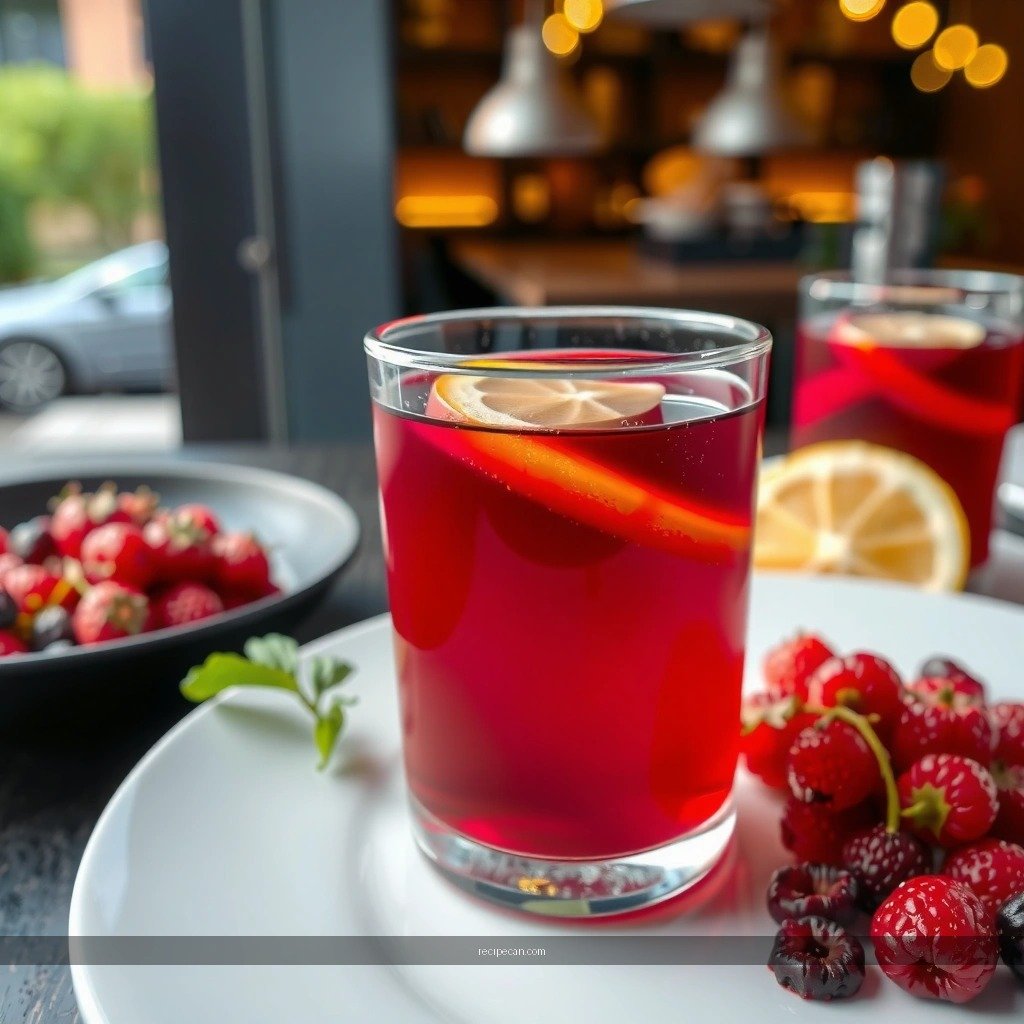
One of the most useful parts of learning how to make elderberry tea is understanding that “strength” is adjustable without changing the recipe framework. You’re essentially tuning three variables: berry quantity, simmer time, and add-ins (spices and sweeteners).
1) Control boldness with berries
– If you like a gentle, tea-like cup: use 1 tablespoon dried per mug and keep simmering closer to 12–15 minutes.
– If you want a more robust, deeply colored tea: increase to 2 tablespoons dried and simmer toward 15–20 minutes.
2) Control smoothness with simmer time
Longer simmering can deepen flavor, but it can also push bitterness if you overdo it—especially with a heavier berry ratio. If your tea tastes sharp:
– Reduce simmer time by 3–5 minutes
– Lower the next batch’s berry quantity
– Strain more thoroughly
3) Add warming spices strategically
Spices can make elderberry tea taste more “seasonal” and less purely fruity:
– Cinnamon: Add a stick during the last 5 minutes of simmering for a balanced sweetness.
– Ginger: For a bright kick, steep freshly grated ginger in warm tea after straining for 5–10 minutes. (This often preserves the ginger’s fresh aroma better than boiling it.)
– Clove (optional): Use sparingly—too much can overpower.
4) Sweeten after straining for better control
Sweeteners distribute more predictably when stirred into warm liquid after straining. If you sweeten during simmering, you can end up with uneven flavor and a slightly “cooked” taste. For honey, avoid overheating—stir in once the tea is hot, but not at a rolling boil.
5) Add citrus for a cleaner finish
A small slice of lemon or a strip of orange peel can lift the flavor and reduce the perception of heaviness. Steep for only a few minutes to avoid bitterness from the peel.
How to Serve and Store
Serving elderberry tea is about matching the cup to the moment—cozy in winter, refreshing when served slightly warm, and easy to customize.
– Hot and simple: Sweeten to taste, stir well, and enjoy immediately.
– Bright option: Add a squeeze of lemon right before drinking.
– Spice-laced comfort: Use cinnamon stick in the steep and optionally add a pinch of ground cinnamon to the mug.
– Honey-forward option: Stir in honey after straining for a smooth texture.
Temperature matters
Elderberry tea can taste different at different temperatures. If the flavor feels too intense, let it cool for 2–3 minutes before sweetening—it can read less sharp and more balanced.
Storing leftovers safely
– Cool the tea promptly, then refrigerate in a covered container.
– Use within 3–4 days for best quality.
– Reheat gently on the stove or in the microwave. Avoid repeated boiling; reheating is best when done briefly and gently.
Batch-brewing tip
If you want convenience, double the water and berries, simmer, strain, and refrigerate in portions. This helps you avoid repeating the same simmer process daily.
Safety Tips and Best Practices
Elderberry tea is widely consumed as a home beverage, but practical safety matters—especially around preparation and individual health circumstances.
1) Simmer properly and strain thoroughly
– Keep the simmer gentle, not aggressive, while extracting flavor.
– Strain carefully. Leaving behind berry solids can create an unpleasant texture and makes dosing inconsistent if you’re using the tea regularly.
2) Stick to reliable sources for elderberries
If you’re using dried berries, choose a reputable brand and keep an eye on any preparation notes provided on the packaging. For fresh elderberries, only use fruit from dependable sources and follow preparation guidance.
3) Consider personal health factors
If you’re pregnant, nursing, or managing chronic conditions, it’s wise to check with a healthcare professional first—especially if you plan to drink elderberry tea frequently or in larger quantities.
4) Don’t treat tea as a substitute for medical care
Elderberry tea can be a comforting beverage, but it should not replace evidence-based medical treatment.
When to Drink Elderberry Tea
Timing isn’t magic, but it can improve your routine consistency and overall enjoyment.
Daily wellness rhythm
– Many people treat elderberry tea as a seasonal wellness beverage during cold or flu season.
– Others prefer it as a soothing daily drink in the mornings or evenings, especially when paired with hydration and regular sleep.
Pair it with broader habits
If your goal is general wellness support, pair elderberry tea with:
– Adequate daily water intake
– Balanced meals and consistent nutrition
– Stress-reduction routines (tea time can anchor a calming habit)
Use it when comfort is the priority
Elderberry tea is particularly fitting for late afternoon or early evening when you want a warm drink that feels restorative.
Sip your homemade elderberry tea warm, adjust sweetness and flavor to your liking, and store any extra for later. Follow the basic simmer-and-strain method, add optional ginger or cinnamon, and make it a go-to cozy routine—try the recipe today and brew your first cup.
Frequently Asked Questions
What is a simple elderberry tea recipe I can make at home?
To make elderberry tea, simmer 1–2 teaspoons of dried elderberries (or follow the package directions for your product) in 2 cups of water for about 10–15 minutes. Strain the liquid, then add honey and lemon to taste if desired. For a smoother cup, you can steep the mixture off the heat for 5–10 minutes before straining. Always use edible, food-grade elderberries and avoid relying on raw preparations.
How do I make elderberry tea with dried elderberries (step-by-step)?
Start by adding dried elderberries and water to a small saucepan, using roughly 1–2 teaspoons berries per cup of water. Bring to a gentle simmer for 10–15 minutes, stirring occasionally, then remove from heat and let it steep for 5 minutes for deeper flavor. Strain out the berries, cool slightly, and sweeten with honey if you want. Store leftover elderberry tea in the refrigerator for up to 3 days.
Why is it important to avoid raw elderberries when making elderberry tea?
Raw or improperly prepared elderberries can contain compounds that are not safe to consume in their natural form. A proper elderberry tea recipe uses dried or properly processed berries and applies heat to ensure safer preparation. If you’re using elderberry syrup, tea bags, or supplements, follow the label directions closely since they’re made for consumer use. When in doubt, stick to tested elderberry tea recipes and reputable products.
Which sweeteners and flavor add-ins work best in elderberry tea?
Honey is a popular choice because it complements the tart, berry-like flavor and can enhance the overall taste of elderberry tea. Lemon or orange zest adds brightness and makes the tea feel less “heavy,” while cinnamon can create a warm, comforting profile. You can also add ginger slices for a spiced, soothing option. Use add-ins after simmering so the flavor stays fresh and you can taste-adjust easily.
What’s the best time and how often should I drink elderberry tea?
Many people drink elderberry tea in the evening during cold and flu season, or as a warm daily ritual when they feel under the weather. A common approach is 1–2 cups per day, but the ideal frequency depends on the specific elderberry product and strength you’re using. If you’re using elderberry tea as a supplement, review the product label for dosing guidance and consider talking with a healthcare professional if you’re pregnant, breastfeeding, or taking medications.
References
- Google Scholar Google Scholar
https://scholar.google.com/scholar?q=elderberry+tea+recipe - Google Scholar Google Scholar
https://scholar.google.com/scholar?q=Sambucus+nigra+elderberry+preparation+tea - Google Scholar Google Scholar
https://scholar.google.com/scholar?q=elderberry+safety+toxicology+cyanogenic+glycosides - Elderberry: Usefulness and Safety | NCCIH
https://www.nccih.nih.gov/health/elderberry - https://www.mayoclinic.org/drugs-supplements/elderberry/art-20365291
https://www.mayoclinic.org/drugs-supplements/elderberry/art-20365291 - https://www.britannica.com/plant/elder
https://www.britannica.com/plant/elder - Sambucus
https://en.wikipedia.org/wiki/Elderberry - https://pubmed.ncbi.nlm.nih.gov/?term=elderberry+toxicity
https://pubmed.ncbi.nlm.nih.gov/?term=elderberry+toxicity - https://pubmed.ncbi.nlm.nih.gov/?term=Sambucus+nigra+cyanogenic+glycosides
https://pubmed.ncbi.nlm.nih.gov/?term=Sambucus+nigra+cyanogenic+glycosides - elderberry tea recipe – Search results
https://en.wikipedia.org/wiki/Special:Search?search=elderberry+tea+recipe