Crumbled feta cheese recipes that actually use every last bit without turning bland or salty are the real test—and this is the winning set for quick, high-impact meals. You’ll get easy, fail-safe ideas that pair crumbled feta with pasta, salads, roasted veg, and savory bakes so it delivers tang in every bite. If your question is what to make with leftover crumbled feta that doesn’t waste it, these recipes answer it fast.
Crumbled feta cheese recipes turn salty, tangy feta into fast flavor for salads, pastas, bakes, and dips—without needing complicated techniques. If you learn how to crumble, balance salt, and choose the right serving temperature, you can keep feta creamy, bright, and never clumpy from the first sprinkle to the very last bit.
Feta is naturally high in salt and has a distinctive tangy, milky character that behaves differently depending on how it’s handled: served cold, it tastes punchy and holds its crumble; warmed gently, it softens and can become silky; baked, it melts in spots but may dry if overheated. The good news is that nearly every recipe below is designed around “feta behavior”—so you get consistent results whether you’re topping a bowl or folding feta into a hot mixture.
How Feta Preparation Affects Texture & Flavor (Practical Kitchen Benchmarks)
| # | Feta Use Case | Best Temperature | Expected Texture | Salt Perception Impact |
|---|---|---|---|---|
| 1 | Cold crumble topping (salads) | ≤40°F / 4°C | Firm, dry crumble | High |
| 2 | Room-temp crumble (grain bowls) | 68–72°F / 20–22°C | Slightly soft, flaky | Moderate |
| 3 | Warm pasta toss (last 60–90 seconds) | 150–170°F / 65–77°C | Creamy, partially melty | Moderate–Low |
| 4 | Gently heated dip base | 120–140°F / 49–60°C | Smooth, spoonable | Low |
| 5 | Sheet-pan topping (final 3–5 minutes) | 190–205°F / 88–96°C | Softened crumbles | High–Moderate |
| 6 | Baked pasta fold-in | 165–180°F / 74–82°C | Creamy pockets | Moderate |
| 7 | Freezer-safe crumble (storage) | 0°F / -18°C | Dryer crumble after thaw | High |
Easy Crumbled Feta Toppings
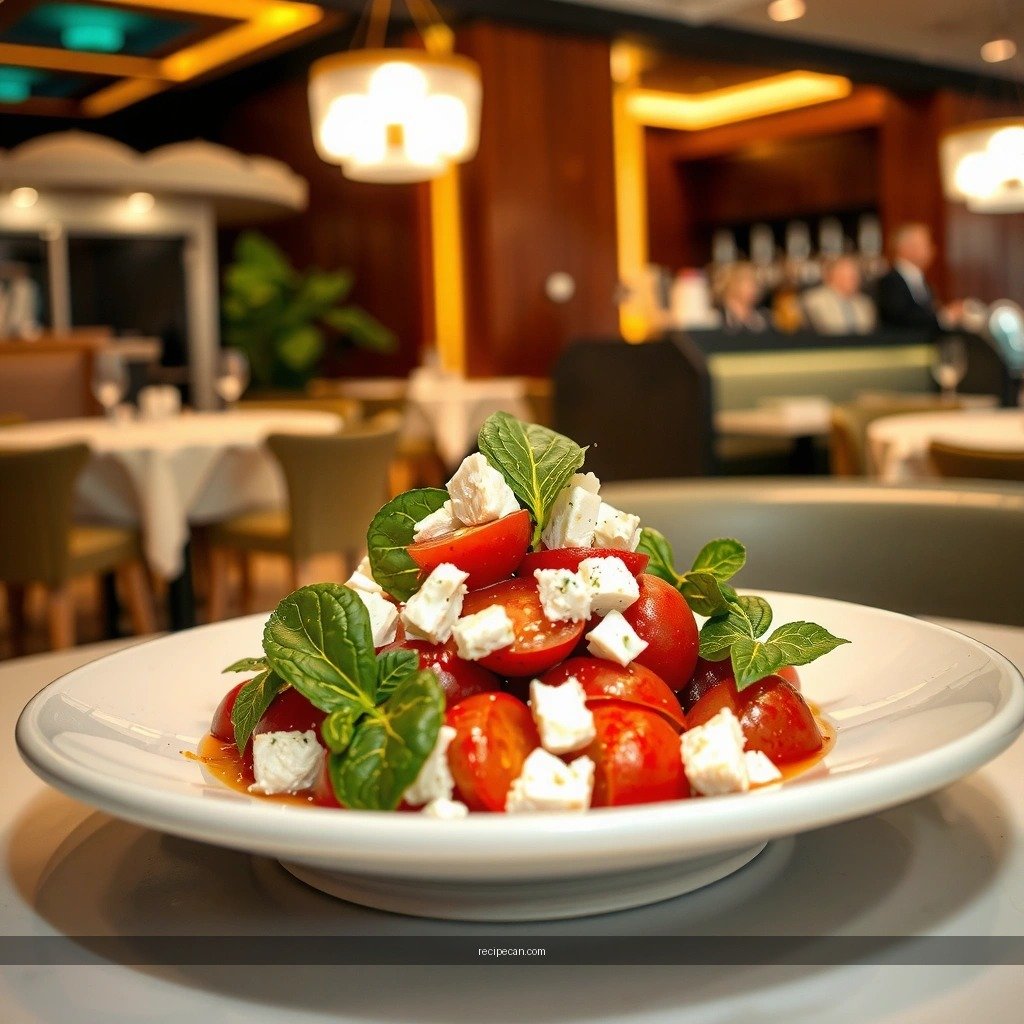
Crumbled feta cheese recipes start with the simplest move: turn feta into an instant “seasoning,” not just an ingredient. Because feta already carries salt and tang, it works like a concentrated finishing sauce—especially on warm components where olive oil and acidity can help round out the flavor.
– Sprinkle over warm grains, roasted veggies, or soups
Think farro, couscous, bulgur, roasted sweet potato, charred broccoli, or lentil soup. For maximum impact, add feta right before serving so it doesn’t lose its creamy bite. If your grains are very hot, let them sit for 2–3 minutes after reheating, then crumble feta on top to avoid fully drying it out.
– Pair with lemon zest, black pepper, and olive oil for instant flavor
A classic “feta plus acid” formula is: lemon zest for aromatics, black pepper for heat, and extra-virgin olive oil for silkiness. Even a small squeeze of lemon can make feta taste less salty and more vibrant. For best results, drizzle olive oil after tossing or topping—this helps the feta coat evenly rather than clumping.
– Add herbs like parsley, oregano, or basil to brighten the taste
Herbs don’t just add freshness; they correct feta’s tang by providing green, slightly bitter notes. Parsley works well with nearly everything; oregano pairs naturally with roasted vegetables and tomato-based dishes; basil is especially effective with fresh tomatoes and olive oil. Chop herbs finely, then sprinkle generously so you get even distribution in each bite.
Pro workflow tip: Keep a “topping bowl” by the stove: olive oil, lemon zest, black pepper, and herbs. Toss the warm base quickly, then finish with crumbled feta.
Mediterranean-Inspired Salad Recipes
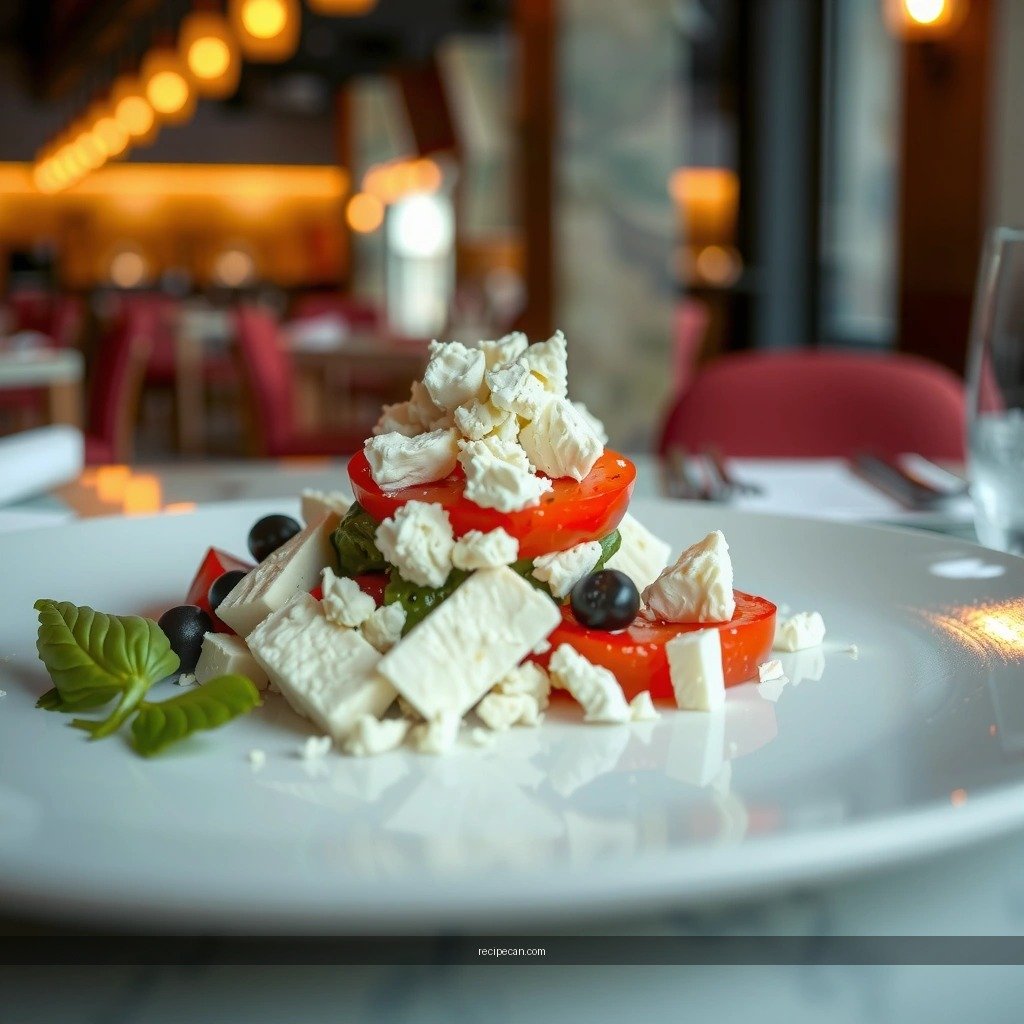
Salads are where crumbled feta truly shines because its saltiness contrasts cleanly with crunchy vegetables and bright dressings. The analytical approach here is balance: feta brings salt + tang, vegetables bring water + crunch, and dressing controls perceived saltiness.
– Combine crumbled feta with cucumber, tomatoes, and red onion
Start with a base of cooling, crisp ingredients (English cucumber or diced cucumbers, vine tomatoes, and thin red onion). The onion should be sliced thin enough to soften slightly, or you can soak it in cold water for 5–10 minutes to mellow raw bite. For extra texture, add chopped bell pepper or celery.
– Make a fast dressing with olive oil, lemon, garlic, and a pinch of salt
Use olive oil as the “binding” element that carries flavor. Lemon juice provides acidity that lifts feta and makes it taste less one-note. Garlic adds savory depth. Importantly: go light on salt—feta is already salty. If your feta is particularly briny, skip salt entirely and rely on lemon + pepper to wake up the salad.
– Add olives or chickpeas for extra protein and texture
Olives add salty, savory intensity that harmonizes with feta; chickpeas add body and fiber so the salad becomes a full meal. If you’re using chickpeas, pat them dry (or drain thoroughly) so the salad doesn’t water down. A handful of chopped olives also helps ensure every forkful has “something feta-adjacent” even when feta is modest.
Business-style serving guidance: Portion salads into containers with dressing on the side if prepping for lunches. Dress when ready to eat to preserve cucumber crunch and prevent feta from turning overly soft.
Simple Feta Pasta and Grain Bowls
When you fold crumbled feta into hot pasta or warm grains, you’re essentially building a quick sauce system. The pasta’s starch and the oil create a creamy emulsion, while feta melts into pockets that distribute tang throughout.
– Toss crumbled feta into hot pasta with olive oil and reserved pasta water
Reserve pasta water before draining; start with 2–4 tablespoons per serving and add gradually. The goal is a glossy, lightly thickened coating—not watery soup. Add feta in the final minute and toss off-heat for 30–45 seconds so it softens without drying.
– Build bowls with roasted vegetables, quinoa, or couscous
Grain bowls are ideal for “use every last bit” cooking because you can scale easily. Roast vegetables with a little oil and seasoning (but don’t over-salt); then layer: warm grain → roasted veg → crumbled feta → drizzle of lemon-olive oil or a quick vinaigrette. Quinoa adds nutty structure; couscous adds softness and absorbs dressing well.
– Finish with fresh herbs and a drizzle of balsamic or lemon vinaigrette
Choose your finishing profile:
– Lemon vinaigrette leans bright and clean—perfect for zucchini, asparagus, or tomato.
– Balsamic (or a balsamic glaze) adds sweetness that rounds feta’s tang—great with roasted carrots, mushrooms, or chicken.
Fresh herbs should be the last step so they retain aroma.
If you want a creamy pasta effect: crumble feta slightly larger than dust, then allow it to sit for 20–30 seconds in the hot pasta before stirring—this creates more creamy pockets.
Bakes and Skillet Meals with Crumbled Feta
Baked and skillet meals help you use feta as a flavor “finisher” that also contributes richness. The key technique is timing: add feta later in the baking process or fold it in once the dish is already hot enough to soften.
– Use feta as a topping for sheet-pan chicken, potatoes, or vegetables
Sheet-pan cooking benefits from the “final minutes” approach. Roast your main items until nearly done, then scatter feta and return to the oven briefly (typically 3–5 minutes). This warms feta enough to soften its edges while keeping most of its crumble texture.
– Fold feta into baked pasta or zucchini casseroles
Fold feta into casseroles near the end of assembly, especially if your recipe already contains a creamy binder (yogurt, ricotta, or béchamel). Feta will melt into uneven but desirable creamy pockets, adding tang to every bite. If your dish is very wet, add feta at the end to avoid too much moisture pulling from the cheese.
– Bake briefly to warm feta without fully drying it out
Overheating feta can make it grainy and dry. If you’re unsure, err on “less time” and rely on residual heat. Another pro move: lightly drizzle olive oil over feta before the final bake; it helps keep feta supple.
Practical scaling: For a household recipe, plan about 1/4 to 1/3 cup crumbled feta per 2 servings in bakes. For meal prep, slightly under-scoop and top additional portions after baking if you’re worried about texture changes.
Quick Dips and Spreads
Crumbled feta cheese recipes also excel in dips because feta’s tang cuts through richness. The analytical consideration is emulsification: fat (yogurt/sour cream) plus flavor (lemon, garlic, herbs) plus feta’s salt make a fast, stable dip.
– Stir crumbled feta into Greek yogurt or sour cream for a creamy base
Start with plain, thick Greek yogurt (or use sour cream for higher fat). Add feta gradually, taste, and adjust lemon before salt—because feta provides the salt profile. For a smoother dip, mash feta against the side of the bowl first, then stir.
– Add garlic, lemon, and herbs for a bold, tangy dip
Garlic can be grated for sharpness or minced and rested with lemon juice for 5–10 minutes to mellow. Add chopped parsley, dill, or oregano depending on what you’re serving it with. Dill and feta are a classic pairing and work especially well with cucumber, carrots, and pita.
– Serve with pita, crackers, or crunchy veggies for an easy snack
The best dips balance crunch with “scoop stability.” If your dip is too thick, loosen with a teaspoon of olive oil or a splash of lemon juice. If it’s too loose, chill for 20 minutes to firm the texture.
Meal-prep advantage: These dips hold well for 2–3 days in the fridge. Stir before serving—separation is normal when feta and yogurt sit, and quick mixing restores texture.
Flavor Boosting Tips for Best Results
Small handling choices determine whether crumbled feta tastes creamy, salty, or annoyingly dry. Think of these as control points in your workflow.
– Crumble feta just before using to maintain texture
Fresh crumbles stay flaky and tangy. If you pre-crumble, store covered in the fridge and use within a day. If you’re using leftover feta, press it gently with a paper towel first to reduce surface moisture, which helps prevent clumping.
– Avoid over-salting—feta is already salty
This is the most common mistake in crumbled feta cheese recipes. Taste your dish after feta goes in, not before. When you need “more flavor,” prioritize acidity (lemon), aroma (black pepper, herbs), and fat (olive oil) over added salt.
– Warm gently if you want it creamier, or keep cold for a firmer crumble
For creamy results, add feta to hot dishes briefly—finish off-heat or use a short final warm step. For firmer crumble, serve cold or room temperature, especially on salads and grain bowls that need crunch integrity.
Extra credit: If your feta seems unusually salty (common with brined varieties), soak crumbled pieces in cold water for 10 minutes, drain well, then dry and use. You’ll keep the tang while lowering the harsh salt edge.
Crumbled feta cheese recipes are your shortcut to big Mediterranean flavor with minimal effort. Start with a topping or salad, then try a pasta bowl or quick dip for variety—apply the temperature and seasoning tips so your feta stays creamy, bright, and perfectly balanced from start to finish.
Frequently Asked Questions
What are easy recipes that use crumbled feta cheese?
Crumbled feta is perfect for quick Mediterranean meals like Greek salad with cucumbers, tomatoes, and olives, where the salty feta adds instant flavor. You can also use it in simple wraps and sandwiches, stirring it into roasted vegetable bowls, or sprinkling it over sheet-pan potatoes and chickpeas. For something warm, mix crumbled feta into a skillet of sautéed spinach and garlic, then serve with pita or rice for an easy feta dinner.
How do I make crumbled feta cheese taste less salty in recipes?
If your feta is very salty, soak the crumbles in cold water for 10–15 minutes, then drain and pat dry before using. You can also balance the salt by adding sweet or acidic ingredients like cherry tomatoes, lemon juice, or a splash of vinegar. For creamy texture, stir feta into Greek yogurt or tahini sauces so it blends smoothly while keeping the flavor bright.
Why is crumbled feta a good choice for meal prep?
Crumbled feta holds up well in fridge-friendly recipes like grain bowls, lentil salads, and chopped salads because it distributes evenly and adds flavor without extra cooking. It also works in multiple stages—sprinkle it into salads now and fold it into warm reheated meals later. To keep it fresh, store feta-based components separately when possible and add fresh herbs or dressing just before serving.
What’s the best way to use crumbled feta in pasta dishes?
For best results, choose recipes where feta can melt or coat—like baked feta pasta-style dishes or pasta tossed with a creamy sauce made from olive oil, garlic, and a small amount of pasta water. Stir crumbled feta in at the end so it softens without turning grainy, then finish with black pepper, lemon zest, and chopped herbs. You can also use feta in creamy pasta bakes by layering it between pasta and vegetables to ensure even flavor in every bite.
Which vegetables and flavors pair best with crumbled feta?
Classic pairings include roasted zucchini, bell peppers, eggplant, tomatoes, cucumbers, and red onions—these complement feta’s tang with natural sweetness and acidity. Flavor boosters that work especially well are garlic, oregano, dill, lemon, black pepper, and a drizzle of olive oil. For extra depth, combine feta with olives, chickpeas, or lentils, or add a sweet-salty contrast using roasted grapes, figs, or honey in salads and sheet-pan recipes.