Looking for Alton Brown French toast recipe that actually delivers custardy, golden slices—this is the one you’ll want. It answers whether you can get true restaurant-style French toast at home, with a simple method that soaks bread just long enough to stay creamy. If you want a dependable bread-breakfast recipe with crisp edges and a rich custard center, follow this step-by-step version.
Alton Brown French toast is the easy path to thick-cut, custardy centers with crisp, golden edges: soak brioche/challah briefly in a well-proportioned spiced egg-milk mixture, then cook on steady, preheated medium heat. The trick is controlling two variables—how long the bread absorbs custard (not soggy) and how hot the pan is (browned outside, tender inside)—so every slice comes out like a bakery-style breakfast.
Ingredients for Alton Brown French Toast
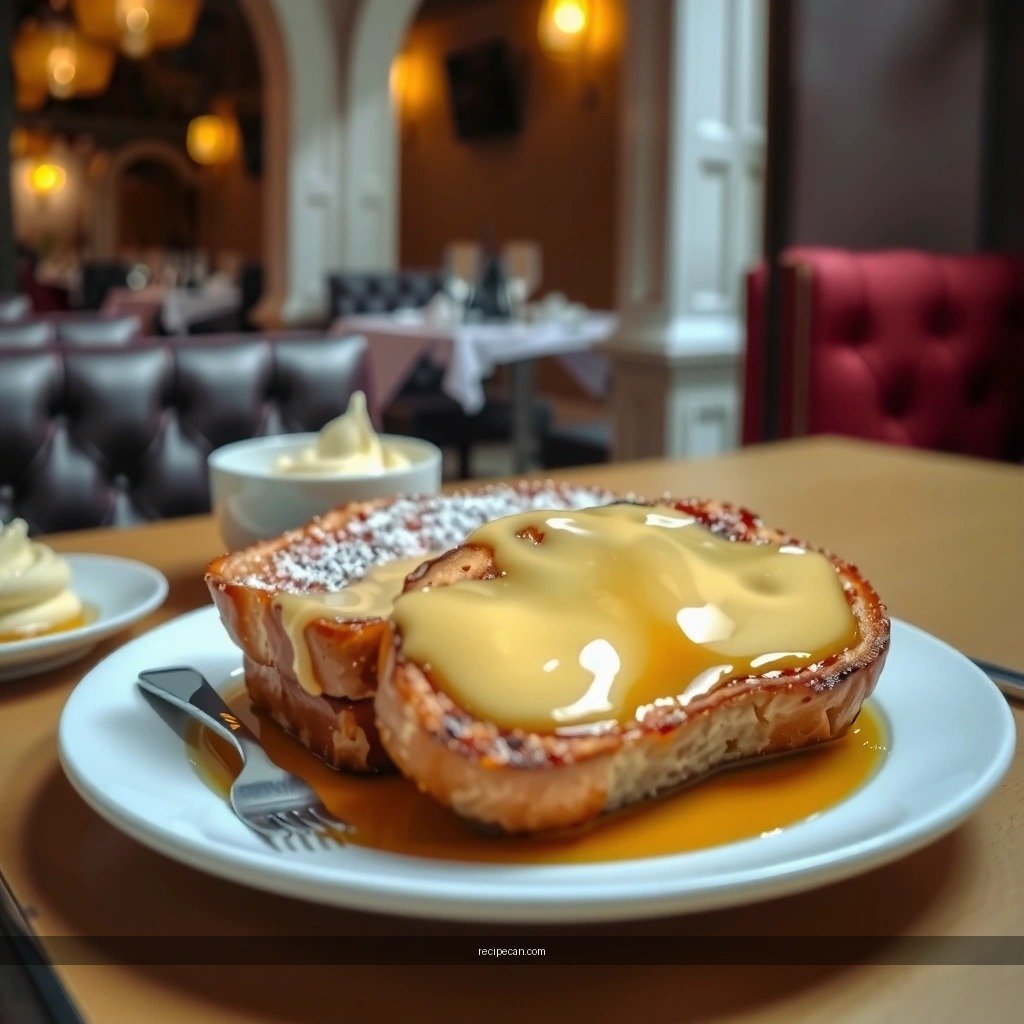
A great custardy bread breakfast starts with two choices: the right bread and the right custard ingredients. Alton Brown’s approach relies on thick, tender bread that can hold custard without collapsing, then uses classic flavor building blocks (eggs, dairy, vanilla, warm spice, and salt) to create a uniform custard set.
– Use thick bread (like brioche or challah) for a creamy interior
Thick slices matter because they create a custard “reservoir” in the bread—more surface area and more crumb depth—so you get custardy French toast rather than bread that dries out before the exterior browns. Aim for slices about 3/4-inch to 1-inch thick (or cut wide, not thin).
– Gather eggs, milk, vanilla, cinnamon, and salt for the classic custard
Eggs provide structure (the custard sets), milk controls richness and mouthfeel, and vanilla/cinnamon/salt balance sweetness and warmth. Salt is easy to overlook, but it sharpens egg and dairy flavor so the toast tastes “complete,” not flat.
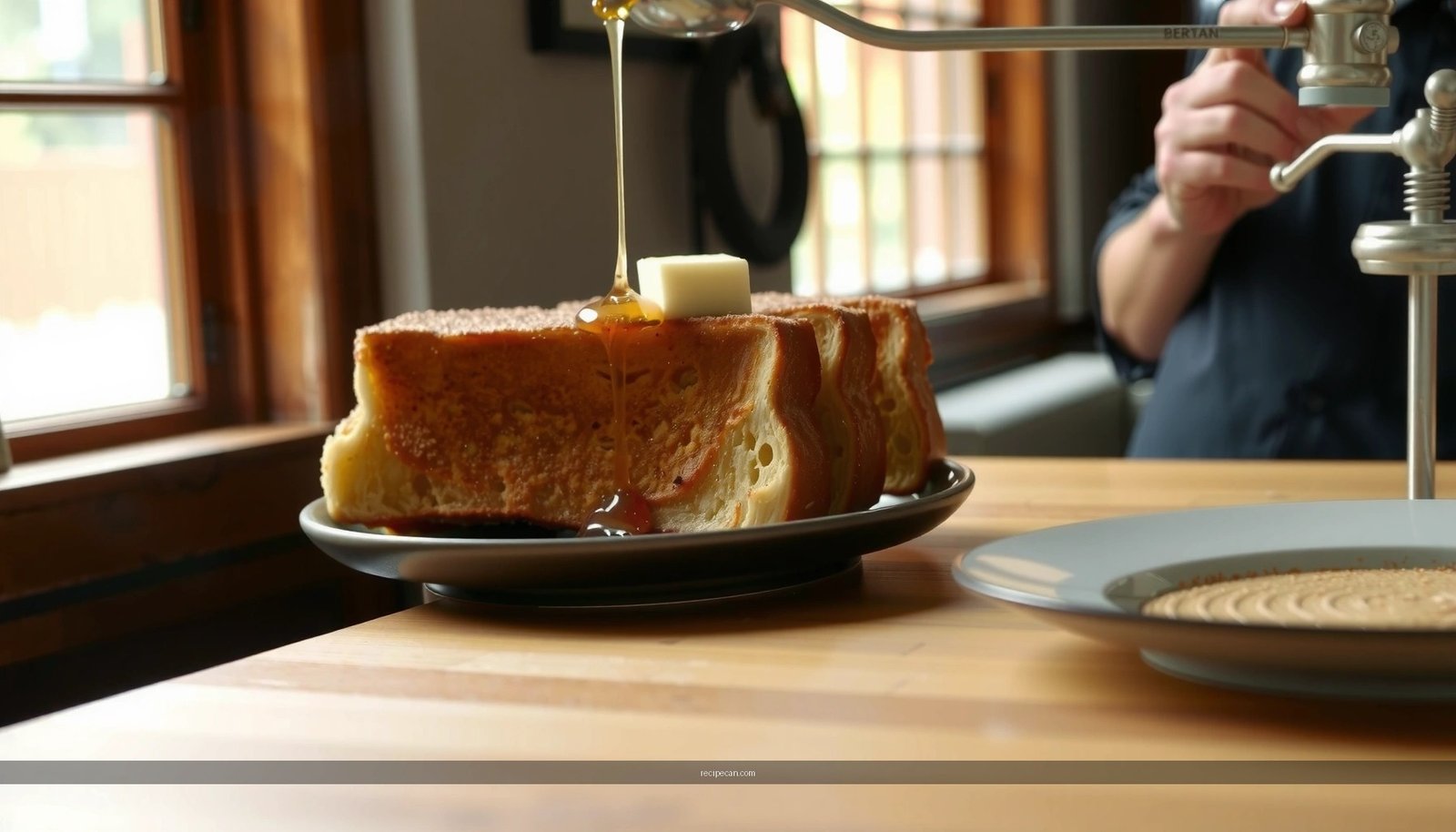
– Add butter (and optionally sugar) for rich flavor and browning
Butter is for frying flavor and the Maillard browning effect. If you add sugar, do it in moderation—too much can brown too quickly and turn bitter. Many people prefer skipping sugar in the custard entirely and relying on maple syrup after cooking for sweetness that stays bright.
French Toast Custard Balance: Milk-to-Egg Ratio (Practical Range)
| # | Custard Approach | Milk : Eggs (by volume/number) | Custardy Texture (Taste) | Browning Risk |
|---|---|---|---|---|
| 1 | Balanced (Alton-style target) | 3/4 cup milk : 2 eggs | ★ ★ ★ ★ ★ | Low |
| 2 | More milk than eggs | 1 cup milk : 2 eggs | ★ ★ ★ ★ ☆ | Moderate |
| 3 | Evenly matched custard | 2/3 cup milk : 2 eggs | ★ ★ ★ ★ ★ | Low |
| 4 | More eggs than milk | 1/2 cup milk : 2 eggs | ★ ★ ★ ☆ ☆ | Higher |
| 5 | Low-milk custard (thicker set) | 1/3 cup milk : 2 eggs | ★ ★ ★ ☆ ☆ | Higher |
| 6 | Dairy blend (milk + cream) | 1/2 cup milk : 1 egg + 1/4 cup cream | ★ ★ ★ ★ ★ | Low |
| 7 | Thinner custard (restaurant-style) | 1 1/4 cups milk : 2 eggs | ★ ★ ★ ☆ ☆ | Moderate |
Make the Custard Mixture
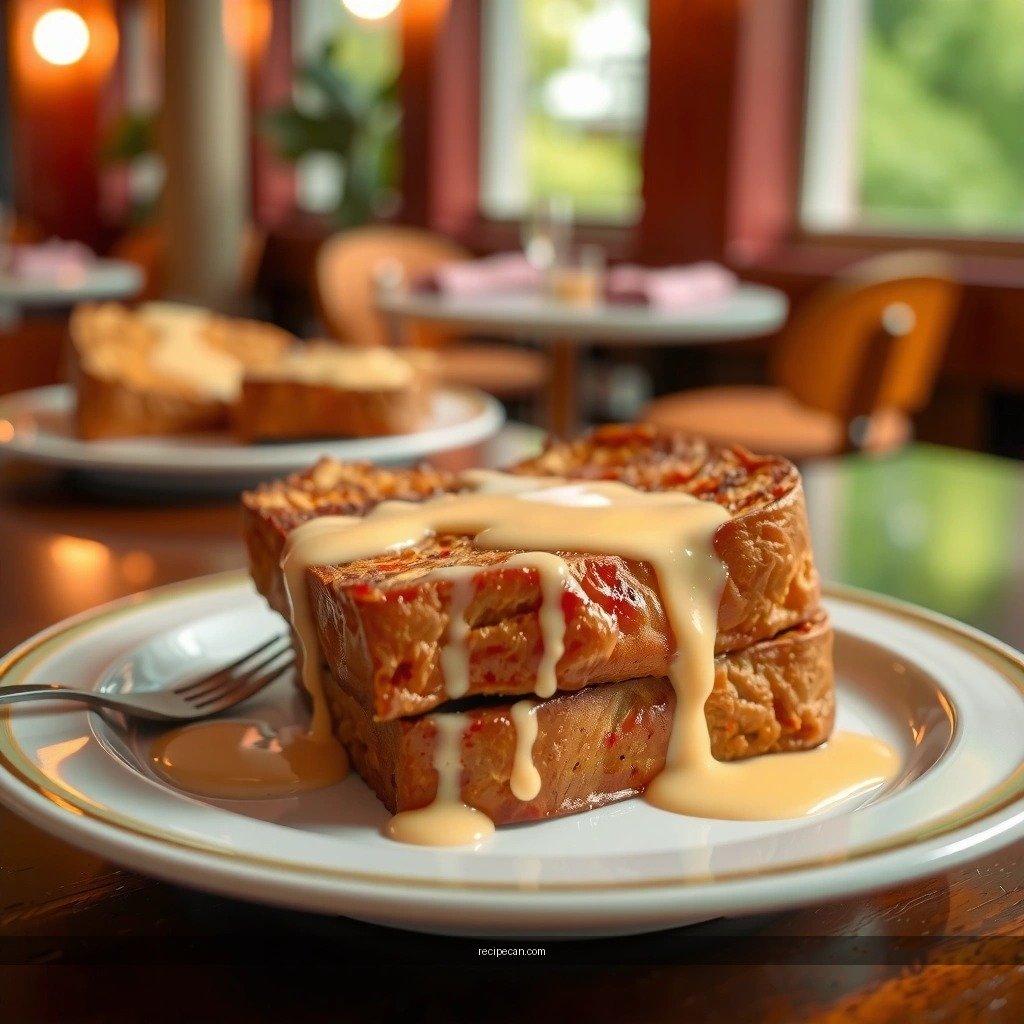
The custard mixture is where you lock in the final texture. If the eggs aren’t fully blended, you can get streaks that set unevenly. If your seasoning is off, the French toast tastes like sweet bread instead of a balanced breakfast.
– Whisk eggs and milk until fully combined and smooth
Whisking thoroughly matters more than most people expect. Eggs contain proteins that coagulate when heated; if you don’t mix evenly, you’ll get small curds and a “lumpy” custard effect. Use a whisk and mix until the liquid is uniform and slightly foamy.
– Stir in vanilla, cinnamon, and salt for balanced flavor
Vanilla rounds the egg flavor and makes the custard smell like dessert-bakery. Cinnamon brings warmth, but the real “Alton Brown effect” is restraint—cinnamon should complement, not dominate. Salt should be present enough to make the sweetness taste richer.
– Let the custard sit briefly so the bread absorbs evenly
A short rest (a few minutes) helps hydrated bread edges absorb more consistently. This also gives time for cinnamon and salt to dissolve fully. You’re not cooking the custard—you’re just letting it stabilize so every slice soaks in a similar way.
Soak the Bread Without Making It Soggy
This is the difference between custardy French toast and soggy bread. The goal is surface absorption with a controlled interior soak—enough egg set when cooked to create tender custard, but not so much liquid that the toast collapses or tastes waterlogged.
– Dip each side quickly, aiming for even coverage
For thick brioche or challah, dip-and-hold briefly rather than soaking. A practical approach is roughly 10–20 seconds per side, just long enough for the bread to saturate at the surface and edges. If your bread is very fresh and dense, you may need the longer end; if it’s already soft, shorten the soak.
– Use thicker slices to prevent breakdown during cooking
Thick slices are structurally better when custard is hot and the crumb is warming. Thin bread can look done outside while the center remains dry—or it can turn mushy because it can’t hold the custard without collapsing.
– Let excess custard drip off before it hits the pan
This step is overlooked and critical. After dipping, hold the slice over the custard bowl for a few seconds so excess liquid falls away. That reduces pooling in the pan and prevents steaming (the enemy of crispness).
Cook for Golden, Crisp Sides
Even with the right custard, pan temperature determines your crust. Too hot: you burn the outside before the center sets. Too cool: it steams and stays pale, never achieving that crisp, caramelized edge.
– Preheat a skillet or griddle to medium heat before adding butter
Preheating prevents temperature swings that ruin the browning timeline. Medium heat should be hot enough that butter foams gently when it hits the pan, not aggressively smokes.
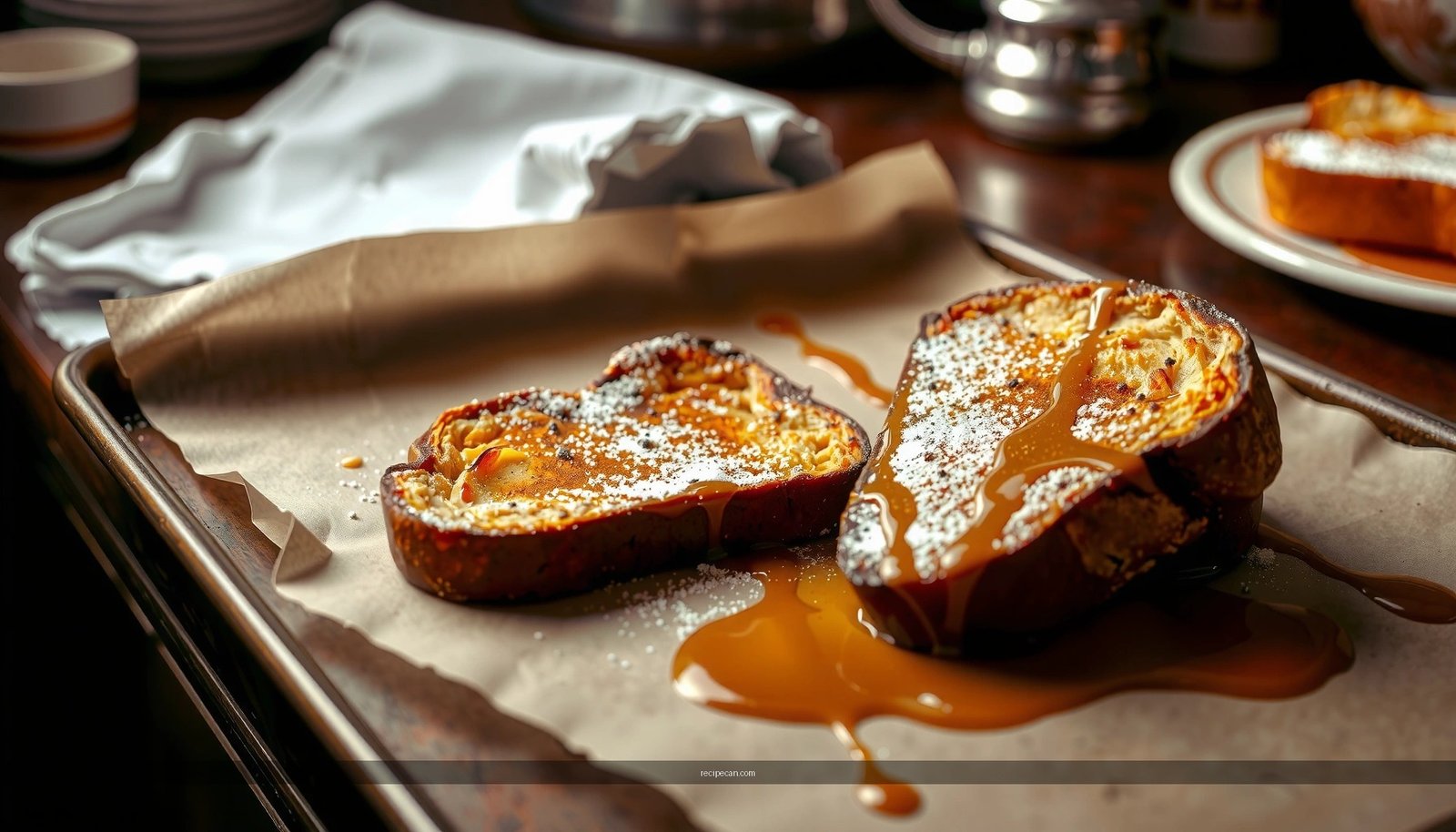
– Cook until deeply golden, then flip carefully once
Flip only once to avoid tearing the custard-soaked crust. Let it cook until the bottom is deeply golden—this is your signal that the proteins in the egg have set sufficiently in that side to hold the structure.
– Adjust heat as needed to avoid burning while keeping the center tender
If you notice browning too fast, drop slightly and continue cooking longer. If it browns too slowly, raise heat a touch and shorten cook time. Consistent medium heat yields the “custardy in the middle / crisp at the edges” hallmark of Alton Brown French toast.
Serve and Flavor Options
Serving is not just plating—it’s where you fine-tune the final experience. French toast is best when served immediately because the contrast of textures (crisp edges + custardy center) declines as it cools.
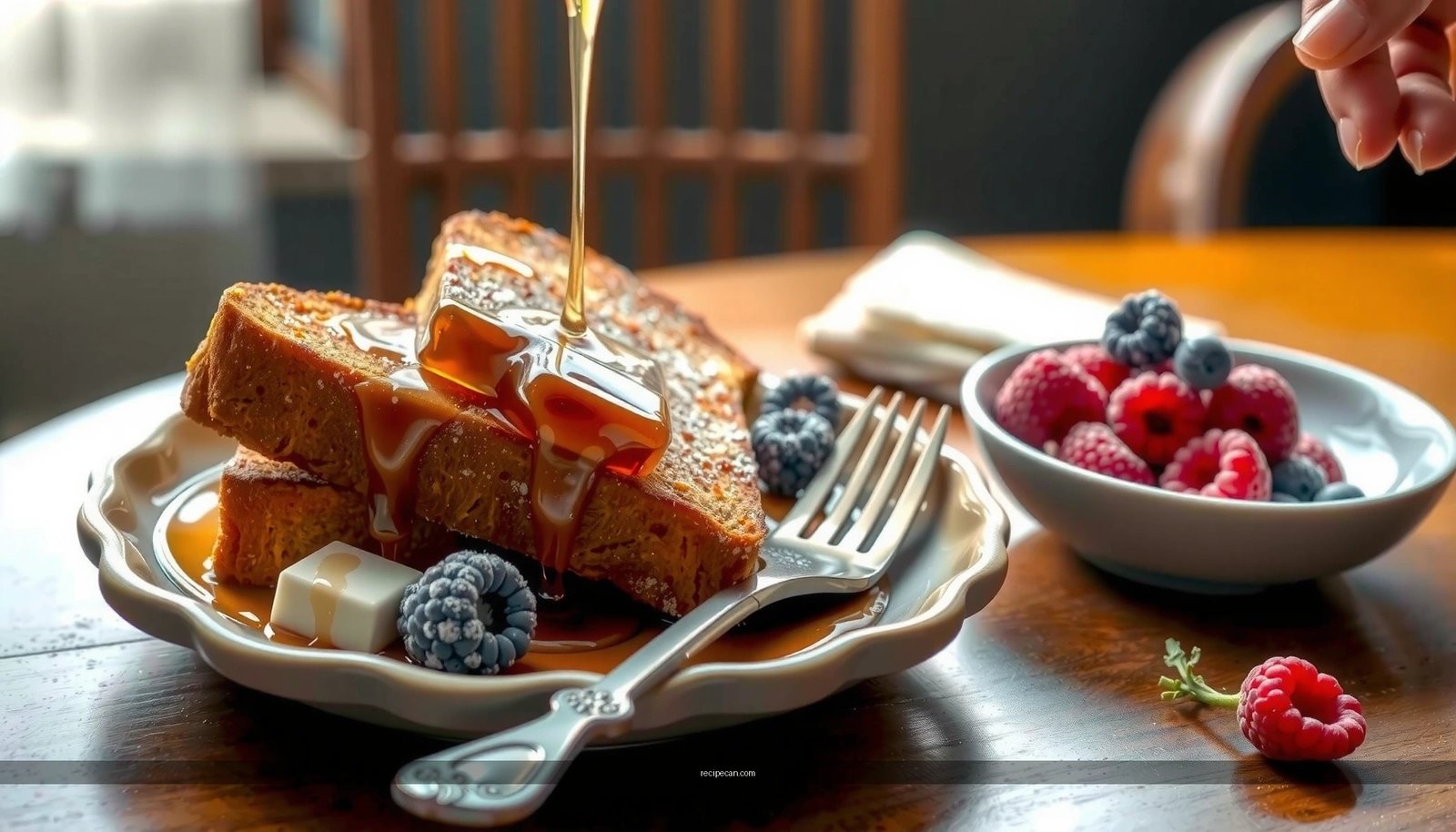
– Top with maple syrup and fresh fruit for a classic finish
Maple syrup provides sweetness that tastes clean and aromatic, and fruit adds acidity and freshness. Berries work especially well because their tartness keeps the dish from feeling heavy.
– Consider powdered sugar, whipped cream, or a cinnamon-sugar dusting
Powdered sugar is quick, but don’t drown the toast—too much can melt into a sticky glaze. Whipped cream adds richness, while cinnamon-sugar dusting boosts aroma similarly to French pastries.
– Serve immediately for the best crisp-to-custardy contrast
If you’re making a crowd, keep cooked slices warm on a rack in a low oven (around 200°F / 93°C) rather than stacking on a plate. A rack prevents sogginess by allowing steam to escape.
Troubleshooting Common French Toast Problems
Even precise recipes fail if bread, heat, and timing vary. Use these diagnostics to correct quickly—without starting over.
– If it’s soggy: shorten soak time and reduce pan crowding
Sogginess usually comes from over-soaking or steaming due to overcrowding. Use thicker slices, dip briefly, and leave space so each piece heats properly.
– If it’s undercooked: lower temperature slightly and cook longer
Under-done centers often result from high heat that browns the exterior but doesn’t allow the custard to set. Reduce heat and give the center time to coagulate fully.
– If it’s browning too fast: use medium-low heat and monitor flips
If edges are dark while centers remain wet, reduce heat and flip less urgently. Browning is a gradient—you want deep gold, not rapid charcoal.
Alton Brown French toast is all about the right custard balance, quick soaking, and steady medium heat for a golden crust with a custardy center. Follow the ingredient list, soak briefly, cook until deeply browned, and finish with your favorite toppings—then make your next breakfast batch and tweak the soak time until it’s perfect for your bread.
Frequently Asked Questions
What is Alton Brown’s French toast recipe and what makes it different?
Alton Brown’s French toast recipe is known for using a custard-style batter with eggs, milk or cream, and a splash of flavoring like vanilla, then soaking the bread so it cooks evenly. Many versions also rely on controlled soaking time and a well-preheated pan to get crisp, browned edges without a soggy center. The result is classic French toast with a custardy interior and a reliable technique that works for different bread types.
How do you make Alton Brown French toast using the correct custard ratio?
Start with a simple egg-and-milk base, then season it with vanilla and optionally a little sugar and salt for balance. For best results, whisk until fully blended and then soak each slice long enough to absorb the custard but not so long that it falls apart. If you’re using thicker bread, you may need slightly longer soaking; thinner bread may only need a quick dip to avoid mushy Alton Brown French toast.
Why does Alton Brown French toast call for soaking the bread, and how long should you soak it?
Soaking allows the bread to absorb the custard so the inside turns soft and creamy while the exterior fries up golden. If you under-soak, your French toast may be dry or bready in the center; if you over-soak, it can become dense and fragile. A practical approach is to soak until saturated but still sturdy—typically a few minutes per side depending on the bread thickness.
Which bread works best for Alton Brown French toast, and should you use stale bread?
Thick-cut brioche, challah, or Texas toast are common favorites because they hold custard well and toast up with a rich texture. Stale or day-old bread is often recommended because it absorbs egg mixture more evenly and resists falling apart during cooking. If you want a shortcut, you can lightly dry fresh bread in the oven before making Alton Brown French toast.
What’s the best way to cook Alton Brown French toast so it’s crispy outside and custardy inside?
Use a preheated skillet over medium heat so the custard sets without burning the sugars too quickly. Cook until golden brown on the first side, then flip and finish until the center is cooked through and no longer wet. For the best texture, avoid overcrowding the pan and keep the finished slices warm in an oven while you cook the rest of the Alton Brown French toast.
References
- French toast
https://en.wikipedia.org/wiki/French_toast - Custard
https://en.wikipedia.org/wiki/Custard - Egg
https://en.wikipedia.org/wiki/Egg - https://www.britannica.com/topic/french-toast
https://www.britannica.com/topic/french-toast - https://www.foodsafety.gov/food-safety-basics/food-safety-for-eggs
https://www.foodsafety.gov/food-safety-basics/food-safety-for-eggs - Eggs | Food Safety and Inspection Service
https://www.fsis.usda.gov/food-safety/safe-food-handling-and-preparation/eggs - https://pubmed.ncbi.nlm.nih.gov/?term=salmonella+eggs+prevention
https://pubmed.ncbi.nlm.nih.gov/?term=salmonella+eggs+prevention - Google Scholar Google Scholar
https://scholar.google.com/scholar?q=Alton+Brown+French+toast+recipe - Google Scholar Google Scholar
https://scholar.google.com/scholar?q=french+toast+egg+milk+custard+ratio+study - Google Scholar Google Scholar
https://scholar.google.com/scholar?q=thermal+processing+eggs+cook+temperature+custard+science