This Thai iced tea recipe delivers the creamy, spiced classic you want—without guesswork or complicated steps. You’ll get a clear, reliable method for brewing the tea, sweetening it properly, and mixing it for that signature orange tint and smooth finish. If you need the quickest path to a café-style Thai iced tea at home, this is the winning formula.
Make Thai iced tea at home by steeping black tea (or Thai tea mix) with warm spices, sweetening it, then chilling and serving it over lots of ice with condensed milk. This approach delivers the signature deep amber-orange color, bold tea-forward flavor, and creamy finish—without complicated equipment—so you can replicate café-style results reliably.
Ingredients for Thai Iced Tea
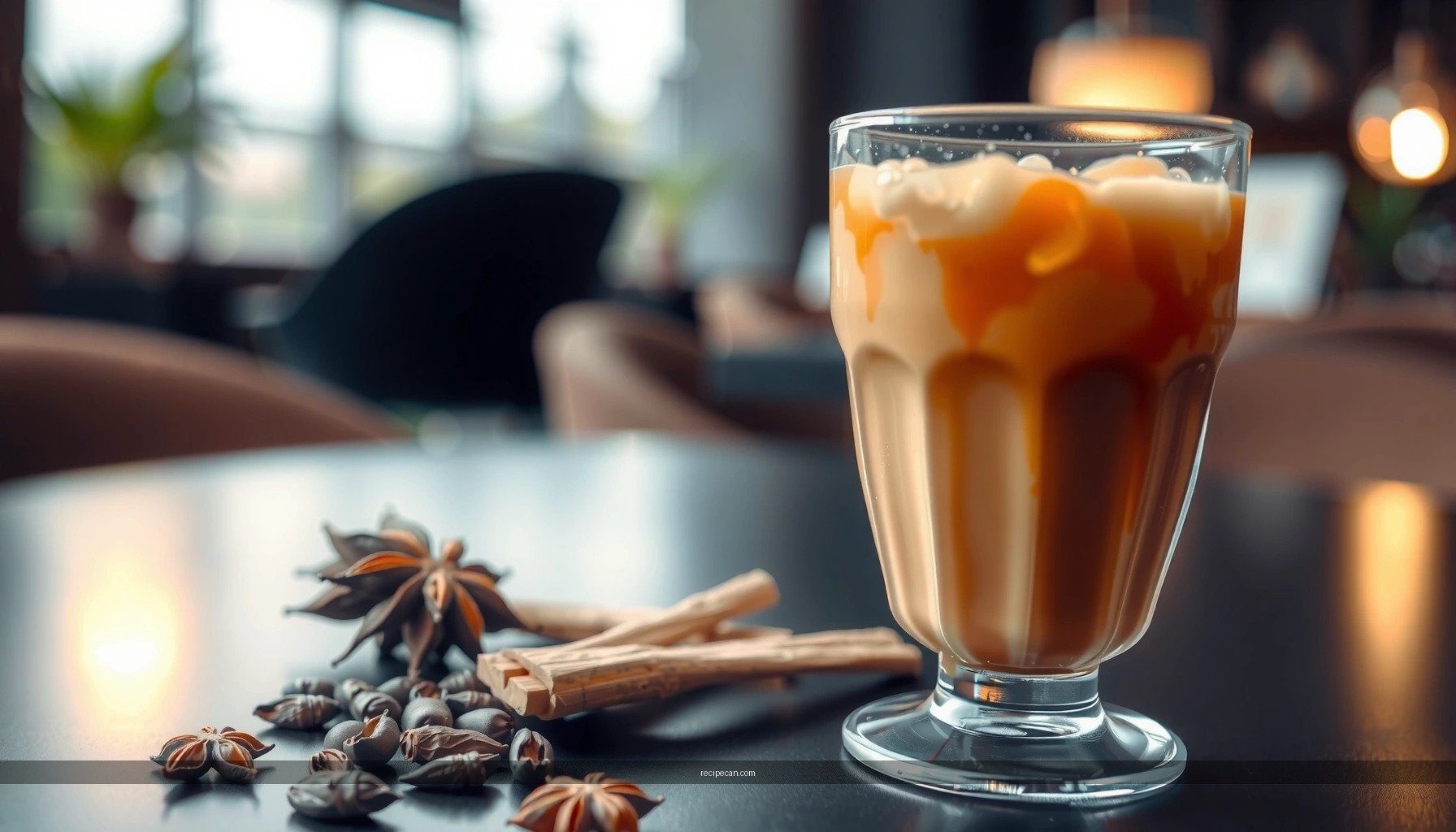
– Black tea (or Thai tea mix) as the base for the classic flavor
– Sweetened condensed milk and evaporated milk for the creamy texture
To make this recipe work in practice, you’ll want to think beyond the two-line ingredient list and focus on what each component contributes to the final drink:
Core tea (for strength and color)
– Thai tea mix (recommended for authenticity): This blend is designed to brew the classic amber-orange tone and aromatic profile in a shorter time.
– Black tea (great if you want control): Choose a robust tea such as Assam, Keemun, or Ceylon for body. Lighter teas will taste thinner and may not reach the deep color you’re after.
Spices (for depth, not bitterness)
Traditional versions often include warming spices. If you’re building from black tea (rather than using a prepared Thai tea mix), spices help the drink feel “Thai tea–like” instead of just sweetened iced tea:
– Star anise (licorice aroma; go easy)
– Tamarind (tangy complexity; optional but excellent)
– Cinnamon stick or ground cinnamon (warm sweetness)
– Cloves (sparingly—can dominate)
Sweetness + creamy finish
– Sweetened condensed milk provides sugar and a thick, creamy texture.
– Evaporated milk adds “silkiness” while keeping the drink less cloying than using condensed milk alone.
– Optional sugar: If your condensed milk isn’t enough for your palate, a small amount of sugar can help—just be sure to taste before chilling.
—
Key Brewing Targets (So You Get the Signature Result)
If you want the orange hue and bold flavor to show up every time, use these targets as your quality checklist.
Thai Iced Tea Brewing Targets (1 Batch)
| # | Batch Element | Target Value | Taste Outcome | Result Indicator |
|---|---|---|---|---|
| 1 | Tea strength (tea-to-water) | 1.5–2.0 g black tea / 100 ml | Bold, not watery | Bolder body |
| 2 | Spice intensity (star anise) | 1 small star per 500 ml | Licorice aroma in the background | Balanced aroma |
| 3 | Spice timing (tamarind, optional) | Steep with tea 10–20 min | Tangy depth without harshness | Clean tang |
| 4 | Steep time (Thai tea mix or black tea) | 12–20 minutes | Deep amber color | Proper hue |
| 5 | Sweetness calibration (per 500 ml) | 2–4 tbsp sugar OR taste via condensed milk | Sweet, tea-forward finish | No bite |
| 6 | Straining (remove solids) | Fine mesh or filter | Smooth, clean mouthfeel | Silky texture |
| 7 | Chill time before serving | At least 2 hours | Crisp, refreshing flavor | Proper temperature |
Brew the Tea for Maximum Flavor
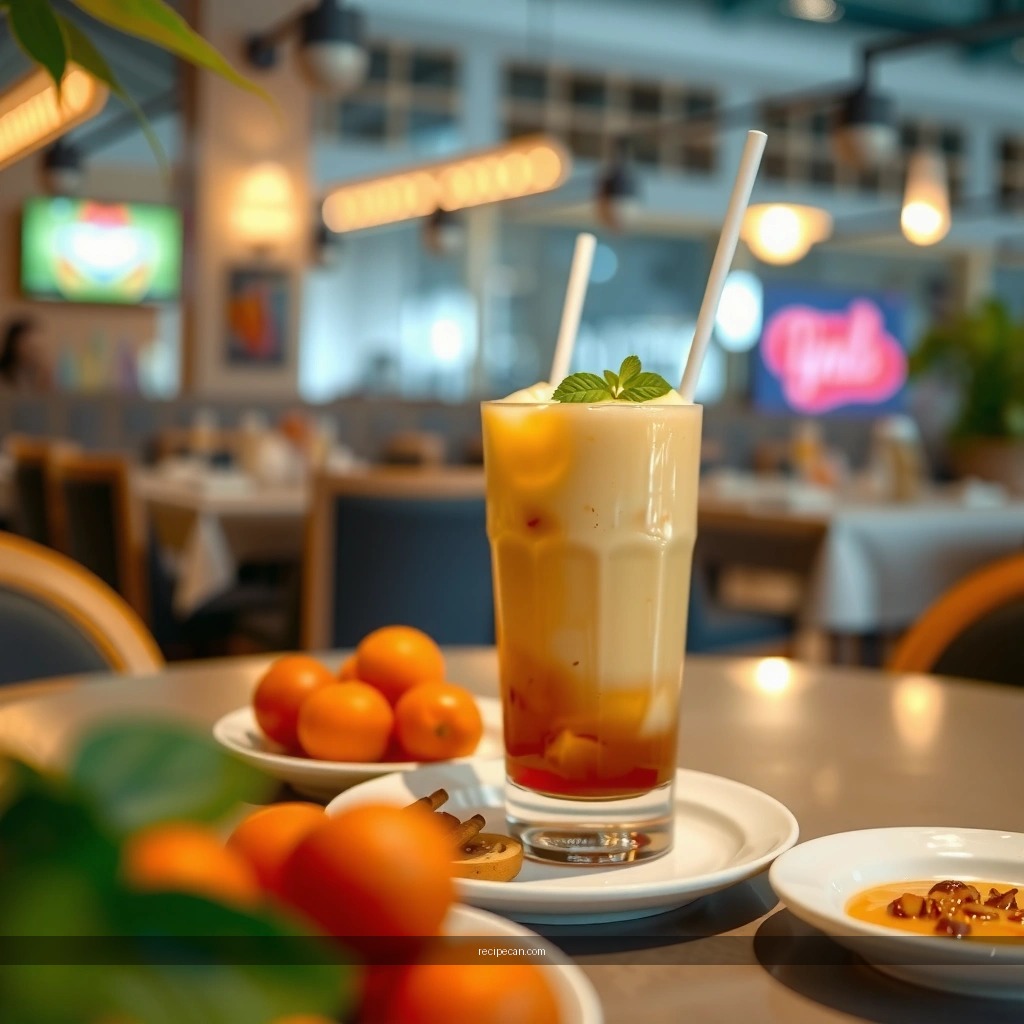
– Steep tea with spices (like star anise and tamarind, if using) to develop depth
– Cool the brewed tea before assembling to keep it smooth and not watered down
The foundation of Thai iced tea is not the milk—it’s the brewed tea concentrate. If you under-steep or skip spices (when using plain black tea), your drink will taste like sweet iced tea rather than the complex, orange-amber café classic.
Step-by-step brewing logic
1. Heat water to near-boiling (just under boiling is ideal).
2. Add tea (Thai tea mix or black tea) and spices if you’re using them.
3. Steep longer than you would for hot tea—typically 12–20 minutes—to extract body and color. Thai tea mix is often formulated to yield a deeper amber more quickly, but black tea usually needs more time.
4. Strain immediately. Leaving solids in the liquid can lead to bitterness and a grainy mouthfeel.
Cool before mixing
If you combine dairy with the tea while it’s hot, you risk uneven flavor integration and a less “smooth” texture when it’s served over ice. Chill the brewed tea to room temperature first, then refrigerate until cold.
Common flavor mistakes (and fixes)
– Bitter Thai iced tea: Usually caused by over-steeping black tea or leaving too many spice particles in contact too long. Fix: strain thoroughly and shorten steep time next batch.
– Weak color: Usually means tea quantity is too low or steeping time was too short. Fix: increase tea slightly or extend steeping by 3–5 minutes.
– Too strong, too licorice: Star anise is potent. Fix: reduce to one small star per 500 ml, or omit cinnamon/clove if you already use strong spices.
Sweeten Like a Pro
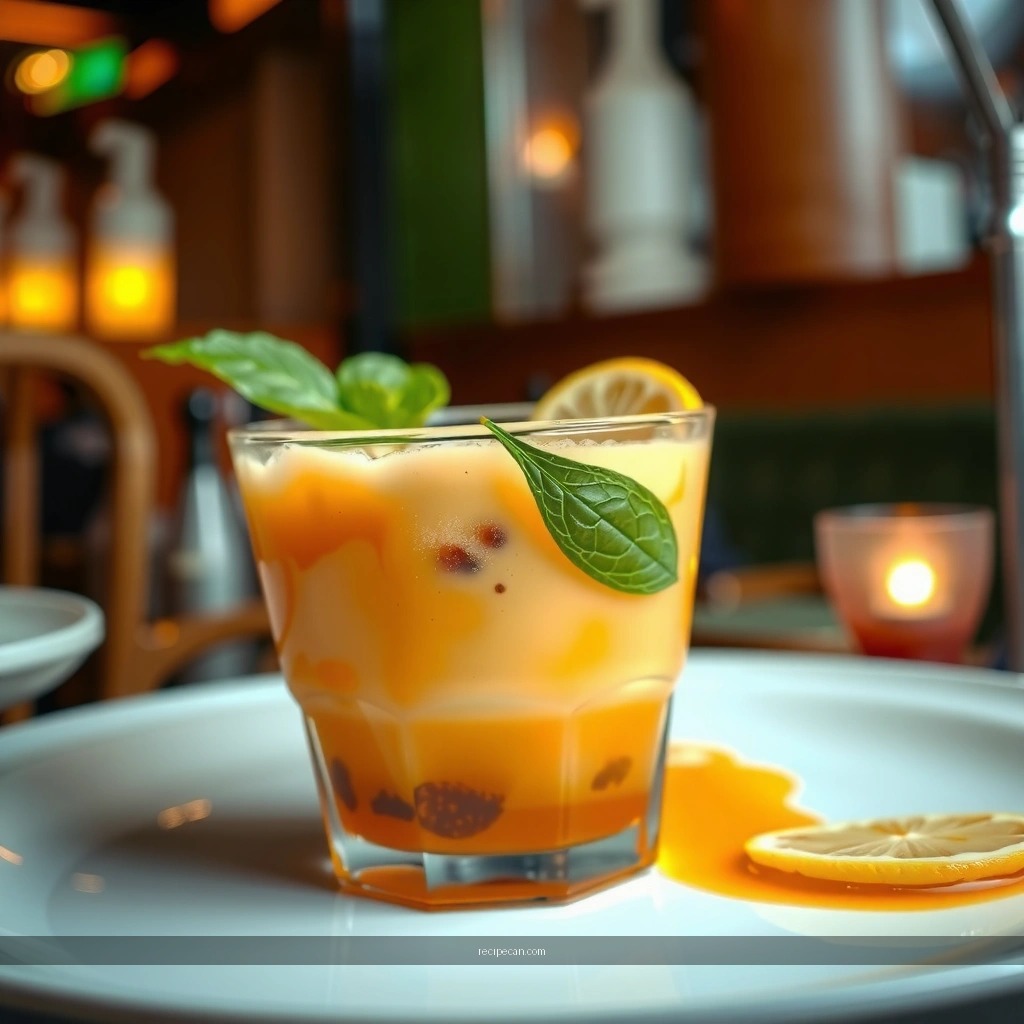
– Add sugar (or condensed milk) to balance bitterness and create the signature sweetness
– Adjust sweetness to taste before chilling and mixing with dairy
Thai iced tea is intentionally sweet, but the best version is not “dessert in a cup.” It’s a balance where the tea remains clearly present beneath the sweetness and spice.
Taste before chilling
Sweetness becomes more noticeable when the drink is served cold and diluted by ice over time. That means you should:
– Sweeten the tea while it’s warm (so sugar dissolves completely),
– Then taste it before refrigerating, adjusting until it’s slightly sweeter than you think you want.
Practical sweetening approach
– If you’re using Thai tea mix, it may already contain some sweet components or flavorings—start with less added sugar.
– If you’re brewing with plain black tea, add sugar gradually:
– Start with 2 tbsp sugar per 500 ml, dissolve fully, taste,
– Increase in small increments until the tea tastes right.
Condensed milk as both sweetness and cream
Condensed milk brings sugar plus viscosity. Many home brewers add condensed milk at the end and assume it will “fix” sweetness. In practice, it’s better to ensure the tea itself is properly seasoned first, then use condensed/evaporated milk for the creamy finish.
Get the Perfect Orange Color
– Use Thai tea mix or steep long enough for that deep amber look
– Strain well to remove tea solids for a clean, smooth drink
The iconic orange-amber appearance comes from what’s in the tea base and how it’s extracted. Your goal is a color that looks like amber tea—not cloudy brown.
How to achieve the signature hue
– Use Thai tea mix if you want consistent color with minimal variables. Many mixes are blended to yield that deep amber-orange tone.
– With black tea + spices: Extend steeping and choose a naturally malty black tea (Assam-style works well). The combination of extraction and spice aromatics will move the drink closer to classic Thai tea.
Strain for clarity
Straining matters in two ways:
1. Appearance: It removes floating tea particles that can dull the color.
2. Mouthfeel: It prevents grit from building up once milk is added.
A fine mesh strainer or paper filter works well. Pour slowly so the surface doesn’t trap solids.
Pro tip for consistency
Make a note the first time you nail it (tea brand, steep time, sugar amount). Thai iced tea is easy to repeat once you’ve identified your “sweet spot” for color and strength.
Assemble and Serve Over Ice
– Fill a glass with ice and pour in Thai iced tea mixture
– Add condensed milk/evaporated milk on top or mix for your preferred creaminess
Serving is where your method affects perceived quality. Poor assembly turns a great concentrate into a watered-down drink.
Best assembly method
1. Use lots of ice. A smaller amount of ice will melt quickly and dilute the tea before you can enjoy it.
2. Pour Thai iced tea over ice.
3. Add dairy either:
– Swirl-in method: Mix condensed milk and evaporated milk into the tea before serving for a uniform creamy texture, or
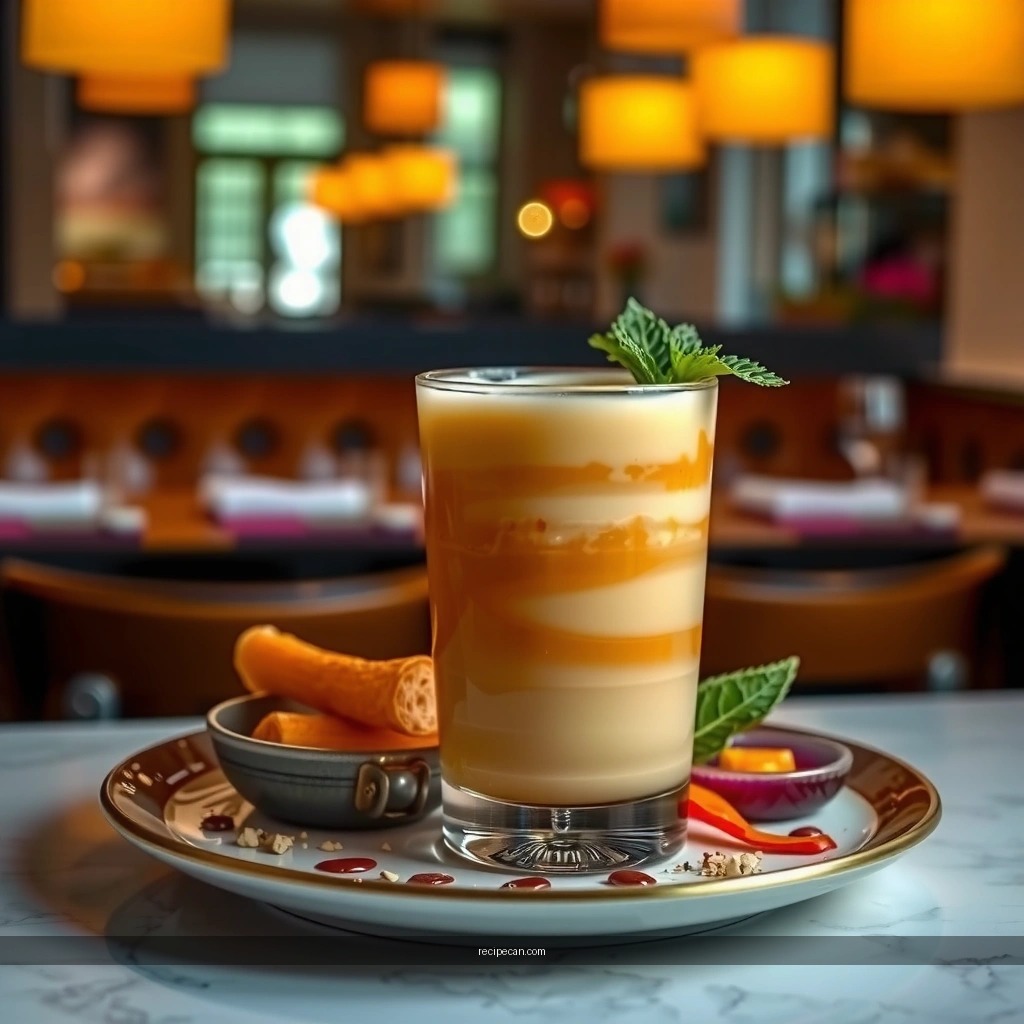
– Layered method: Add dairy gradually on top so you get a visually layered café style.
How to avoid watery results
– Keep the brewed tea chilled.
– Chill the dairy too, if possible.
– If batch-making for guests, consider adding dairy per serving rather than all at once, so the ice melt doesn’t thin the cream.
Garnish ideas (optional, but effective)
A thin layer of foam isn’t necessary, but you can enhance presentation with:
– A light drizzle of evaporated milk,
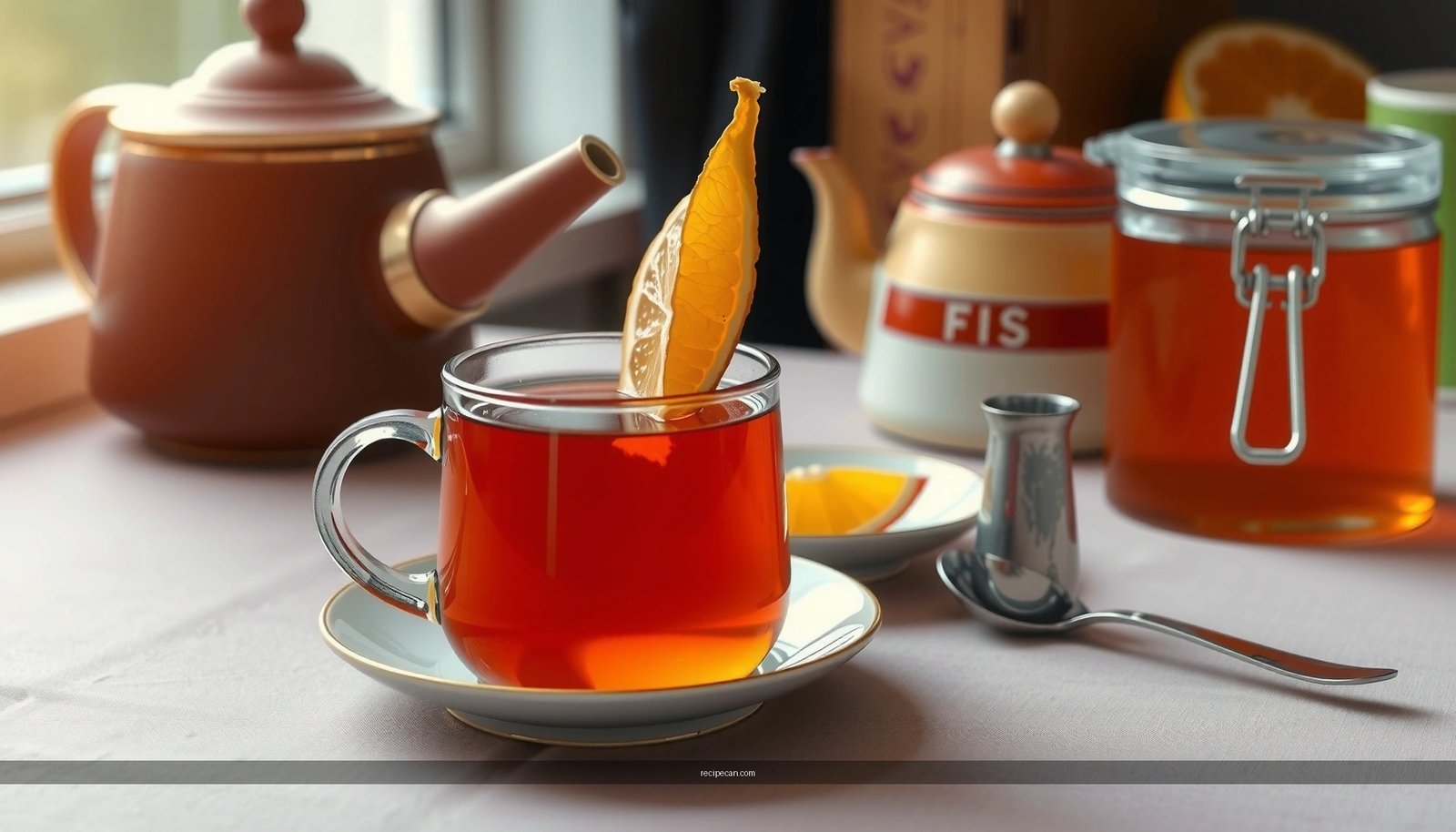
– A cinnamon stick or orange slice garnish (especially if you’re serving homemade versions at events).
Variations and Easy Customizations
– Make it less sweet by reducing sugar and increasing tea strength
– Try dairy-free options (coconut milk or plant-based creamer) for a twist
Thai iced tea is flexible. The trick is changing one variable at a time so you can predict the outcome.
1) Less sweet, still authentic
If you reduce sugar, your tea may taste more bitter by comparison. Fix it by increasing tea strength slightly so the flavor stays balanced:
– Reduce sugar by 25–50%,
– Increase steep time by 2–3 minutes (or slightly increase tea quantity),
– Taste and then adjust.
This keeps the signature “tea-spice-sweet” harmony without turning the drink into plain bitter tea.
2) Stronger tea profile
For a bolder, more tea-forward cup:
– Use a heavier tea-to-water ratio,
– Keep spices modest to avoid overpowering licorice or clove notes.
3) Dairy-free Thai iced tea
You can mimic creamy texture using:
– Coconut milk (rich, tropical, pairs well with spice),
– Oat creamer or other plant-based creamers (choose ones that froth or thicken for best texture).
Because dairy-free options vary in sweetness and thickness, sweeten carefully and adjust after tasting.
4) Spice control
If you want a cleaner tea flavor:
– Skip tamarind or reduce it,
– Use only cinnamon or star anise (one accent at a time).
Conclusion
Thai iced tea comes down to three repeatable levers: strong, spiced steeping for bold flavor and amber color, intentional sweetness balanced against tea bitterness, and proper chilling plus creamy dairy for a smooth finish over ice. Use the brewing targets as your baseline, strain for clarity, and assemble with plenty of ice—then adjust sweetness, strength, and spice level to match your palate. Make a batch today, and once you’ve dialed in your tea-to-sweet ratio, you’ll be able to recreate café-style Thai iced tea at home anytime.
Frequently Asked Questions
What is the best Thai iced tea recipe for making it at home?
A classic Thai iced tea recipe uses Thai tea leaves or a Thai tea mix steeped in hot water, then sweetened with condensed milk and/or evaporated milk. After steeping, strain the concentrated tea, add ice, and top with the milk and a splash of water or evaporated milk to taste. For that signature orange color, look for Thai tea mix that’s labeled for Thai iced tea rather than generic black tea alone.
How do you make Thai iced tea without Thai tea mix?
If you don’t have Thai tea mix, you can use a combination of strong black tea (like Assam or Ceylon) plus a pinch of flavoring spices for a similar profile. Brew extra-strong tea, then sweeten it well with condensed milk and evaporated milk to replicate the dessert-like taste. The most accurate shortcut is to find tea blends marketed as “Thai tea” or “Thai-style milk tea,” but strong black tea plus sweetened milk will still produce a satisfying Thai iced tea.
Why does Thai iced tea taste so sweet and creamy?
Thai iced tea is typically sweetened with condensed milk and often thinned with evaporated milk, which creates a smooth, creamy texture. Many recipes also use a concentrated steeping method so the tea flavor stands up to the sweetness. That balance—bold black tea, fragrant steeping spices, and dairy sweetness—is what makes it taste rich instead of just like regular iced tea.
Which milk and sweetener combinations work best for Thai iced tea?
The most common Thai iced tea sweetener is sweetened condensed milk, often paired with evaporated milk for a lighter, creamier consistency. If you want it thicker, use more condensed milk; if you want it more pourable, add more evaporated milk or a little water after straining the tea. You can also use coconut milk for a different twist, but keep in mind it may change the classic flavor and mouthfeel.
How do you get the right color and strong flavor when making Thai iced tea?
To achieve the classic orange-brown color, use Thai tea leaves or a Thai iced tea mix and steep it hot long enough to extract color and flavor. Strain thoroughly to remove loose tea sediment so the drink looks clean and smooth. For stronger flavor, make a more concentrated brew before adding ice, then balance it with milk and water so the Thai iced tea doesn’t get diluted too quickly.
References
- Thai tea
https://en.wikipedia.org/wiki/Thai_iced_tea - Thai tea
https://en.wikipedia.org/wiki/Thai_tea - Google Scholar Google Scholar
https://scholar.google.com/scholar?q=thai+iced+tea+recipe - Google Scholar Google Scholar
https://scholar.google.com/scholar?q=thai+tea+orange+food+color+ingredients - Google Scholar Google Scholar
https://scholar.google.com/scholar?q=thai+milk+tea+condensed+milk+brewing - https://pubmed.ncbi.nlm.nih.gov/?term=Thai+tea
https://pubmed.ncbi.nlm.nih.gov/?term=Thai+tea - https://pubmed.ncbi.nlm.nih.gov/?term=Thai+iced+tea
https://pubmed.ncbi.nlm.nih.gov/?term=Thai+iced+tea - https://www.sciencedirect.com/search?qs=Thai+tea
https://www.sciencedirect.com/search?qs=Thai+tea - https://www.sciencedirect.com/search?qs=milk+tea+ice+brewed+black+tea
https://www.sciencedirect.com/search?qs=milk+tea+ice+brewed+black+tea - https://www.britannica.com/topic/iced-tea
https://www.britannica.com/topic/iced-tea