Get the perfect sweet tea recipe with a clear, reliable method that produces crisp, balanced sweetness and a clean tea flavor every time. This guide shows the exact brew time, tea-to-water ratio, and sweetener timing so your glass tastes right instead of cloudy or overly syrupy. If you’ve ever wondered how to make sweet tea the best way, this is the winner method.
Perfect sweet tea comes from brewing a strong tea base first, dissolving sugar while the tea is hot, and then cutting it down with plenty of cold water and fresh ice for a smooth, balanced finish. This guide walks you through the exact method, practical sweetness targets, and the most common flavor mistakes that cause bitter, dull, or grainy sweet tea.
Choose the Right Tea for Sweet Tea
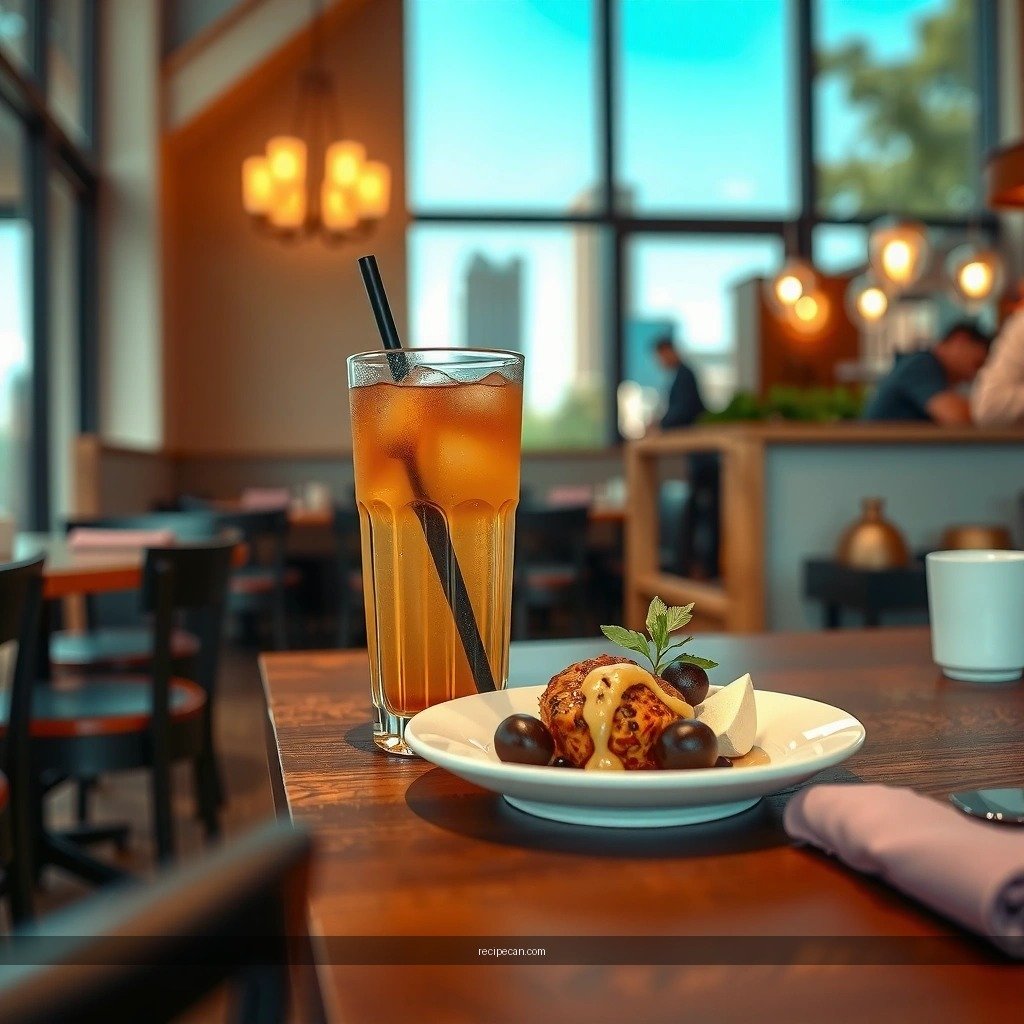
Sweet tea is only as good as the tea base, because sugar can’t “fix” weak extraction or poor tea quality—it just masks it temporarily. For the classic, Southern-style flavor profile, use black tea for body, tannin structure, and a caramel-like sweetness you can taste when sugar is added.
– Use black tea (like Ceylon or Assam) for classic, bold flavor.
– Assam tends to be malty and full-bodied, which holds up well against sweetness.
– Ceylon is more bright and structured; it can taste cleaner, especially if you don’t want a heavy, earthy profile.
– Select tea bags or loose leaf, but keep brew strength consistent.
Tea bags are fine—just don’t treat them like a “light tea.” For repeatable results, use the same brand/size (or weigh loose leaf) and use the same steep time and temperature each batch.
To help you make a decision quickly, here’s how common black tea styles behave in sweet tea:
Black Tea Options for Classic Sweet Tea (Taste Expectations)
| # | Tea Type | Flavor Note | Best Sweetness Match | Sweet Tea Performance | Recommendation |
|---|---|---|---|---|---|
| 1 | Assam (breakfast-style) | Malt, cocoa | 3/4 cup per quart | ★★★★☆ | Top pick |
| 2 | Ceylon (medium grade) | Bright, honeyed | 1/2–2/3 cup per quart | ★★★☆☆ | Clean finish |
| 3 | English Breakfast (blend) | Round, classic | 3/4 cup per quart | ★★★★☆ | Balanced body |
| 4 | Darjeeling (black, lighter) | Floral, brisk | 1/2 cup per quart | ★★★☆☆ | Can get thin |
| 5 | Keemun (China black) | Smoky-fruity | 2/3–3/4 cup per quart | ★★★☆☆ | Nice variation |
| 6 | Bulk loose-leaf black (garden mix) | Variable body | Start at 1/2–3/4 cup | ★★☆☆☆ | Needs testing |
| 7 | Black tea bags (standard breakfast) | Consistent baseline | Adjust by taste | ★★★☆☆ | Easiest consistency |
Brew Strong Tea First
Sweet tea tastes “right” when it has enough tea strength to stand up to sugar and dilution from cold water and ice. That’s why the first step is not a gentle cup of tea—it’s a robust concentrate.
– Steep tea long enough to create a robust base before sweetening.
A dependable starting point for sweet tea is to steep 3–5 minutes for tea bags or 6–8 minutes for loose leaf (at hot/near-boiling water). Then cool and dilute to your final volume. Consistency matters more than chasing an exact number.
– Avoid over/under-steeping to prevent bitter or weak tea.
– Under-steeping makes the final drink taste watery even if it’s sweet.
– Over-steeping can bring out a harsh, bitter edge that sugar won’t truly eliminate.
Practical extraction control:
If you’re using tea bags, consider using slightly more bags or slightly longer steep time to match the strength you get from loose leaf. The goal is a base that tastes pleasantly strong on its own—before sugar.
Add Sugar While It’s Hot
This is the pivot point for the smoothest sweet tea. Sugar dissolves best when the liquid is hot, so adding it early prevents graininess and ensures uniform sweetness.
– Stir in sugar immediately while the tea is warm so it dissolves fully.
Start with a target ratio, then adjust. Many people love a classic sweet profile around 3/4 cup sugar per quart (about 6 ounces by weight of sugar per quart), but the “best” amount depends on how strong your tea is and how diluted your final serving becomes.
– Taste after sweetening and adjust to your preferred sweetness level.
Measure once, then fine-tune by taste. If the base tastes too concentrated, dilute before adding more sugar—otherwise you’ll overshoot and end up with overly sweet sweet tea.
Why hot dissolving matters: Cold tea thickens slightly and holds onto sugar particles; even if sugar eventually settles or dissolves slowly, the mouthfeel can turn gritty. In commercial kitchens, the same principle is used for consistent flavor—temperature is part of formulation, not just convenience.
Finish with Cold Water and Ice
The final texture and balance come from dilution. You’re not just cooling your tea—you’re shaping the flavor.
– Combine the sweetened tea with cold water for the right balance.
A common approach is to steep to a concentrated base, sweeten while warm, and then add cold water to reach your final volume (for example, turning a strong brew into a full quart with additional cold water). This ensures sweetness isn’t “too intense” or “too mild.”
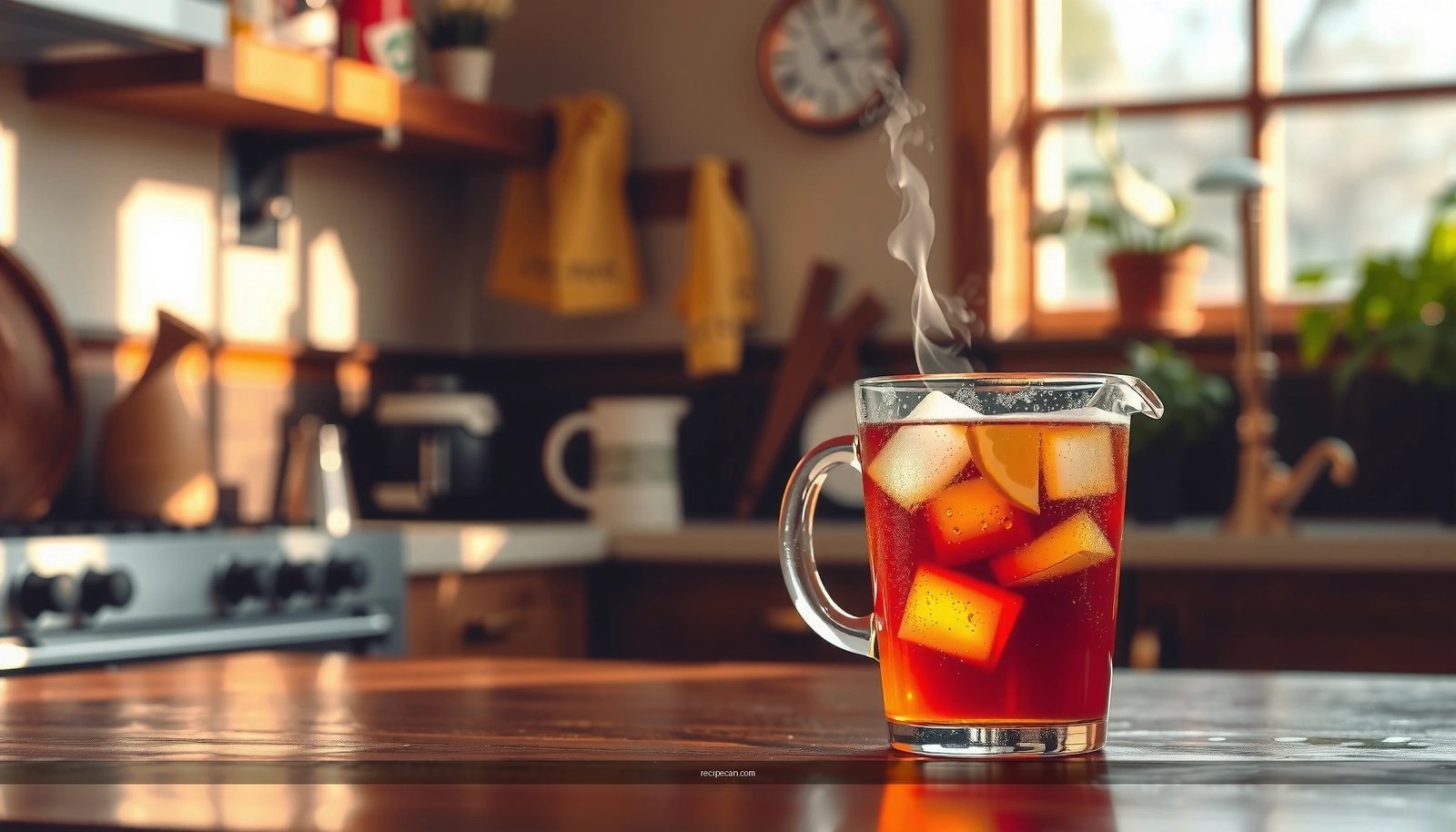
– Chill thoroughly and serve over fresh ice for the best texture.
Let it cool in the fridge for at least a couple of hours. When serving, use **fresh ice**, not old melted ice slush. Old ice can introduce off flavors and reduce clarity of taste.Service tip for a business-ready standard:
Keep a separate container of ice or use a controlled “ice charge” so dilution is predictable. Variability in ice-to-liquid ratio is one of the biggest reasons batches taste different, even when the recipe is the same.
Flavor Tips and Common Mistakes
Most sweet tea problems fall into a few predictable categories. Avoid these, and your recipe will feel repeatable—batch after batch.
– Don’t add sugar to cold tea—it may not dissolve and can taste grainy.
If you forgot and sugar is already in, gently warm only enough to dissolve (or re-steep and re-formulate). Don’t just stir harder; dissolved sugar should remain invisible.
– Keep ratios steady so every batch tastes consistent.
Sweet tea “quality” is controlled by three ratios: tea-to-water (strength), sugar-to-final-volume (sweetness), and ice/water dilution (balance).
Other common issues (and quick fixes):
– Bitter aftertaste: likely over-steeping or too-hot extended simmering. Reduce steep time next batch.
– Weak flavor despite enough sugar: likely under-steeped tea. Increase steep time or tea quantity, then re-balance sweetness.
– Flat, dull sweetness: you may have used a lighter tea or diluted too much. Brew stronger and chill properly.
Make-Ahead and Storage for Next-Day Sweet Tea
Sweet tea is ideal for make-ahead planning, especially when you’re serving guests, events, or team lunches. The key is to store it without breaking its flavor balance.
– Brew ahead, chill quickly, and store in a sealed container.
Cool promptly to preserve aroma and prevent the tea from shifting toward muted, stale notes. Use a sealed pitcher or container so it doesn’t absorb refrigerator odors.
– Re-stir before serving and avoid watering it down with old ice.
Sweet tea can settle slightly (especially if using loose leaf). Stir to redistribute flavor, then add fresh ice for each serving moment.
Operations-minded guidance:
If you’re scaling production, store tea concentrate and add sweetened concentrate to measured cold water as needed. That gives you consistent sweetness and reduces the “guessing game” of ice dilution.
Perfect sweet tea is all about strong brewed tea, dissolving sugar while hot, and finishing with cold water and fresh ice. Follow the steps above for a smooth, sweet, non-bitter glass every time—then make a batch today and adjust sweetness to your taste.
If you want, tell me whether you prefer less sweet (tea-forward) or classic sweet (dessert-like), and whether you’re using tea bags or loose leaf—I’ll suggest a precise starting ratio for your next batch.
Frequently Asked Questions
What is the perfect sweet tea recipe ratio of tea to sugar?
A classic sweet tea recipe typically uses about 1 cup (8 oz) of brewed black tea to 1/2 to 3/4 cup sugar, depending on how sweet you like it. Brew your tea strong first, then dissolve the sugar while the tea is hot so it blends evenly. For balanced flavor, many people aim for roughly 1/2 cup sugar per 8 oz, then adjust to taste.
How do I make perfect sweet tea without it tasting bitter?
Use black tea and steep it correctly: steep for about 5 to 7 minutes, then remove the tea bags or strain out leaves to stop further extraction. Avoid boiling the tea too aggressively, because excessive heat can pull out more tannins that create a bitter finish. If your tea still tastes harsh, try a slightly lower steep time next batch or reduce steep temperature and increase sweetness gradually.
Why does my sweet tea get cloudy, and how can I prevent it?
Cloudiness often happens when tea is over-steeped, chilled too quickly, or when sugar doesn’t fully dissolve before refrigerating. Make sure the sugar is completely dissolved in hot tea before adding ice or chilling. Let the tea cool at room temperature first, then refrigerate, which helps keep your perfect sweet tea looking clear and fresh.
Which tea is best for the perfect sweet tea recipe?
Most traditional sweet tea recipes use black tea, especially styles like Assam or Keemun because they provide bold flavor that holds up to sugar. If you want a classic Southern taste, choose a dependable black tea blend and steep until strong but not bitter. You can also use tea leaves for more control over strength, but tea bags work well if you follow the steep time and flavor intensity you prefer.
What’s the best way to brew perfect sweet tea in large batches?
Brew a concentrate by using your tea bags or leaves with the full amount of water you want, then stir sugar into the hot concentrate to dissolve fully. Cool the brewed tea before adding ice, or pre-chill the tea so your perfect sweet tea doesn’t get watered down. For large batches, keep your steep time consistent and measure sugar by volume so each pitcher of sweet tea tastes the same.
References
- Sweet tea
https://en.wikipedia.org/wiki/Sweet_tea - Iced tea
https://en.wikipedia.org/wiki/Iced_tea - Tea
https://en.wikipedia.org/wiki/Tea#Preparation - Syrup
https://en.wikipedia.org/wiki/Simple_syrup - https://scholar.google.com/scholar?q=perfect+sweet+tea+recipe Google Scholar
https://scholar.google.com/scholar?q=perfect+sweet+tea+recipe - Google Scholar Google Scholar
https://scholar.google.com/scholar?q=iced+tea+brewing+temperature+time+study - Google Scholar Google Scholar
https://scholar.google.com/scholar?q=sweetened+beverages+sugar+concentration+guidance - Guideline: sugars intake for adults and children
https://www.who.int/publications/i/item/9789241549028 - https://www.cdc.gov/nutrition/data-statistics/sugars.html
https://www.cdc.gov/nutrition/data-statistics/sugars.html - https://www.britannica.com/topic/tea
https://www.britannica.com/topic/tea