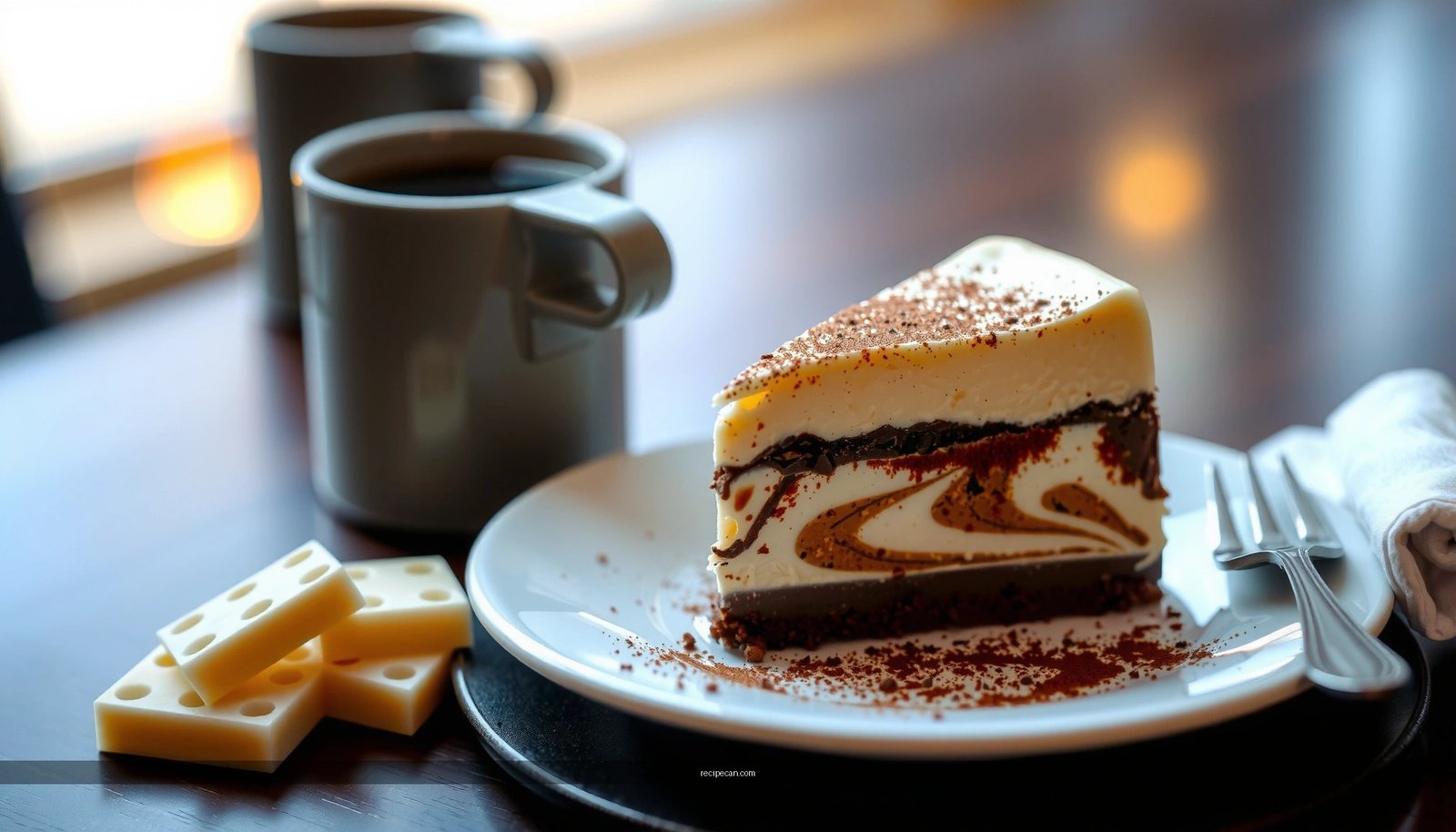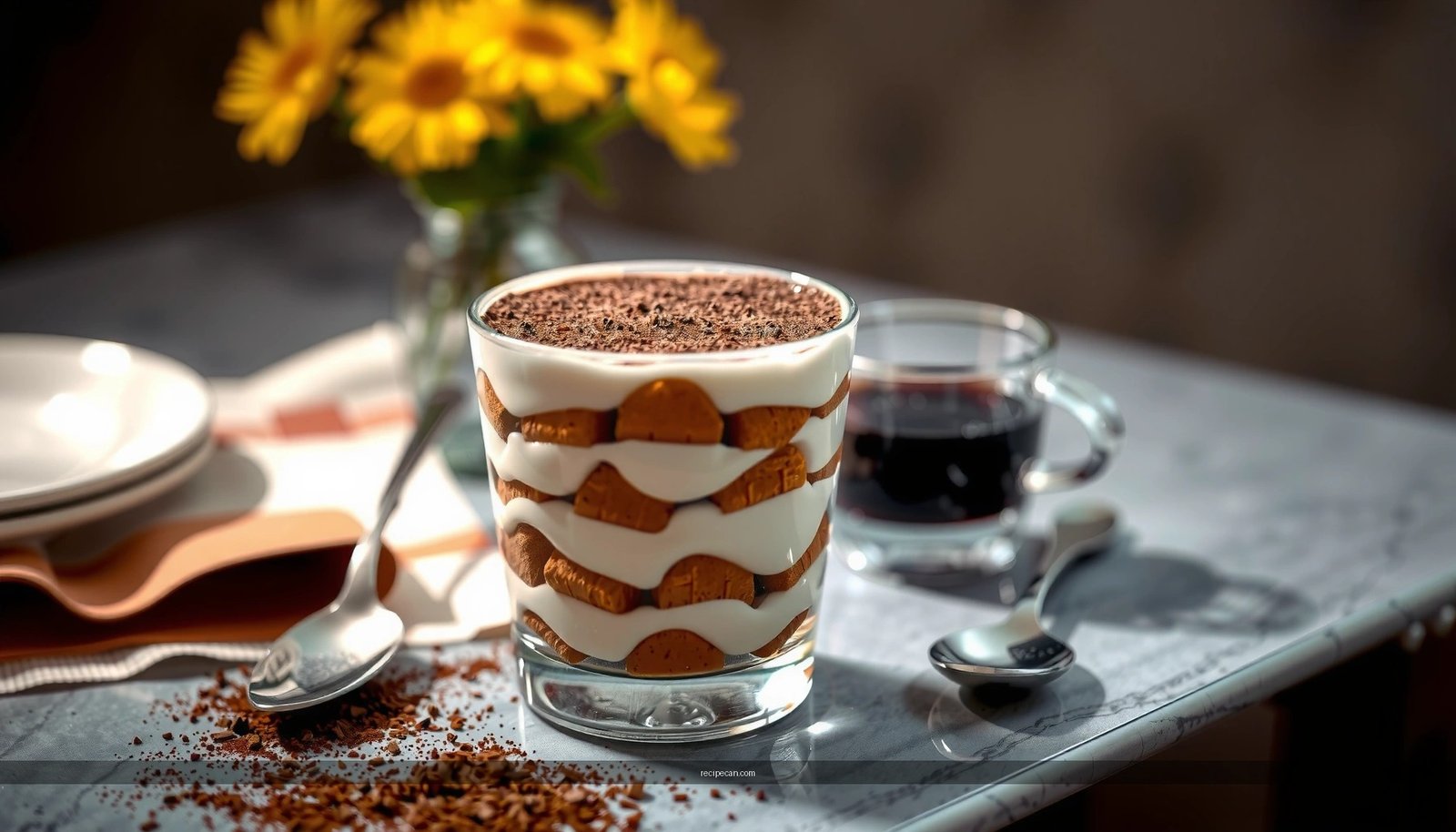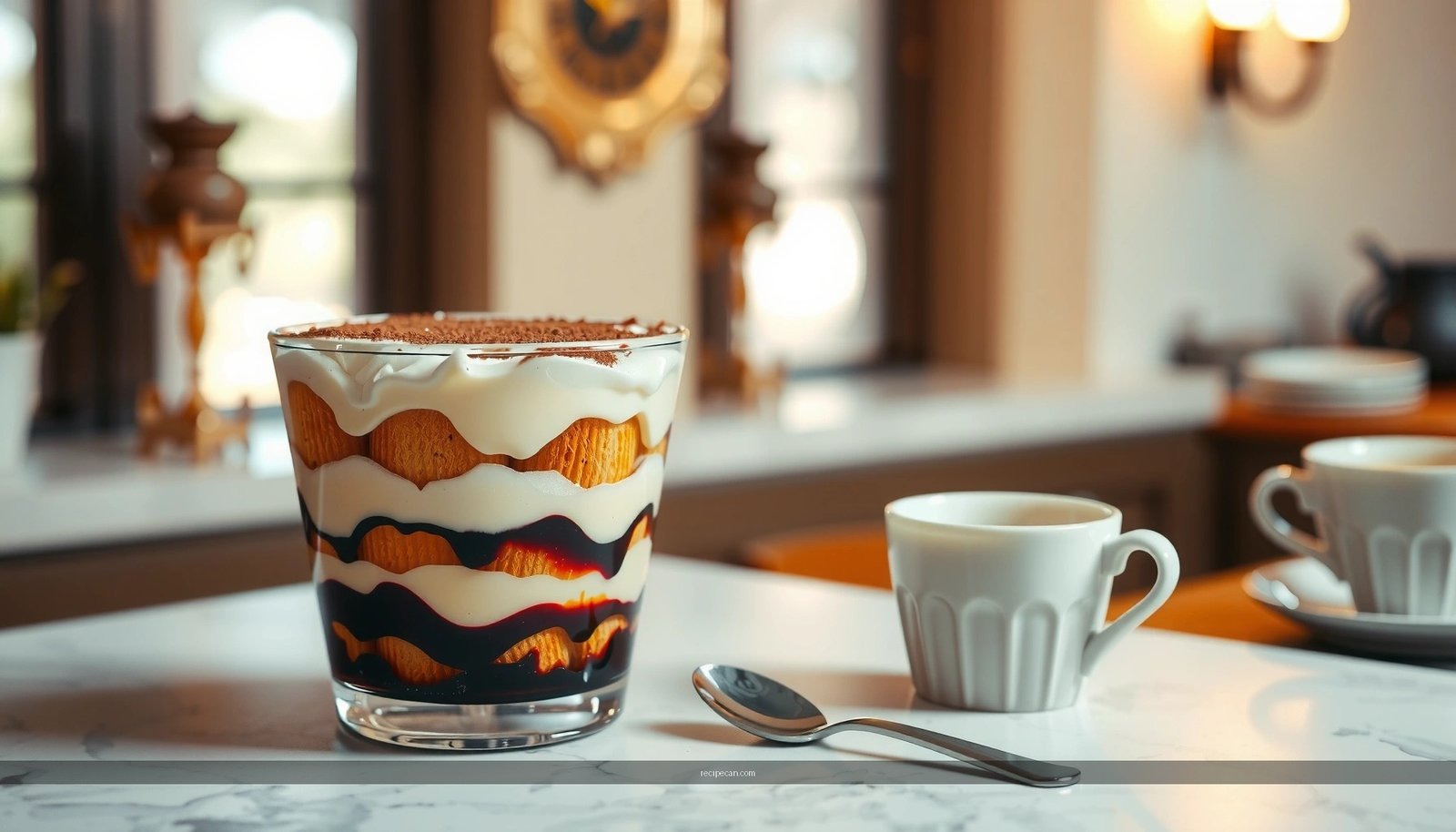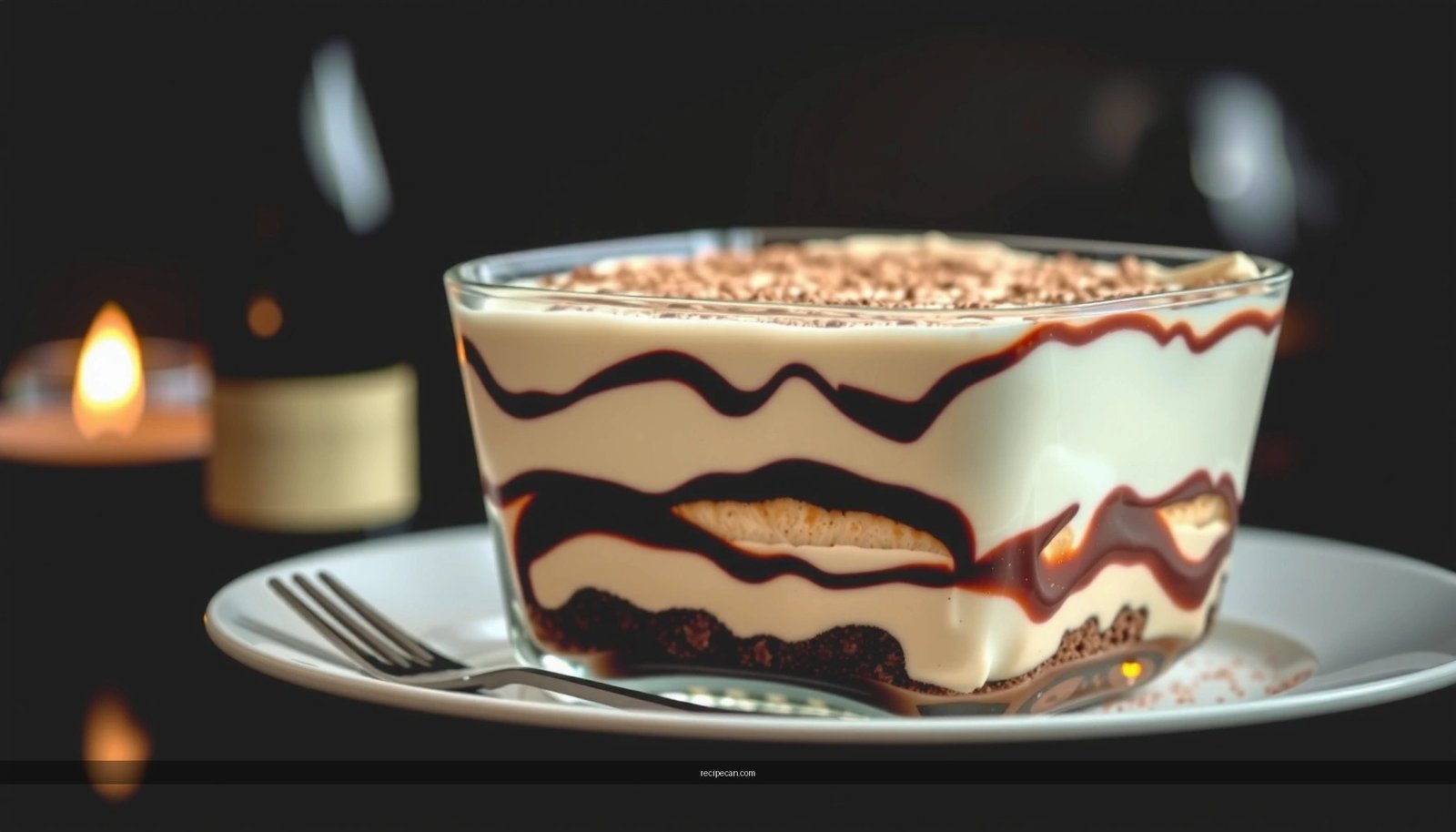
Looking for a tiramisu with alcohol recipe that uses coffee-cocoa liqueur and tastes unmistakably classic? This recipe delivers a clear winner: deeply coffee-soaked layers, a silky mascarpone filling, and the exact boozy finish that makes it taste grown-up without overpowering the cocoa. If you want traditional flavor with a reliable alcohol measure, you’ll have everything you need to make it right the first time.
Make tiramisu with alcohol by soaking ladyfingers briefly in a coffee-liqueur mixture, then layering them with stabilized mascarpone cream and cocoa—this is the key to creamy, sliceable texture instead of sogginess. Follow the soak-time guidance, choose a liqueur that complements coffee, and chill long enough for the dessert to set and the alcohol to mellow into a balanced, classic flavor.
Choose Your Alcohol for Tiramisu
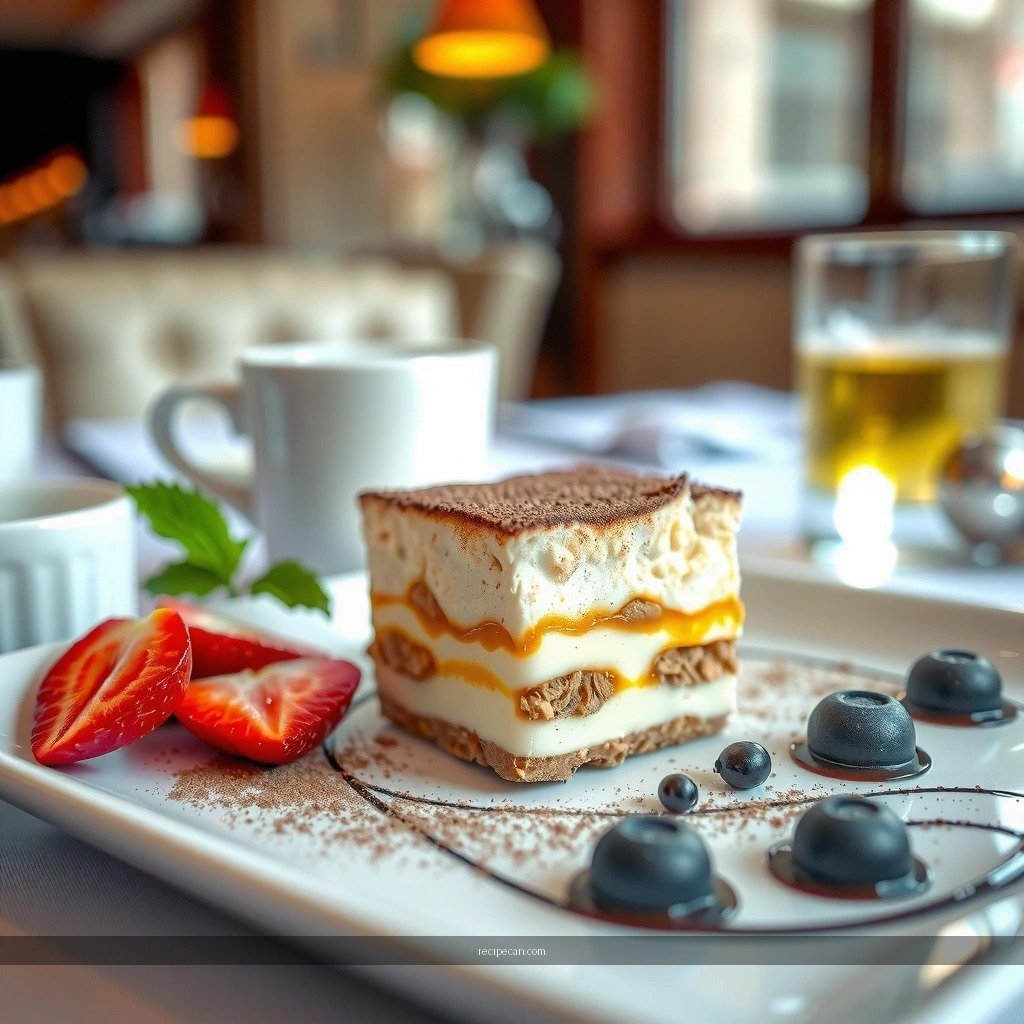
Selecting the right alcohol is less about “strongest flavor wins” and more about matching coffee aromatics while keeping the overall mixture gentle enough for mascarpone. Classic tiramisu relies on harmony: bitter espresso offsets creamy sweetness, and the liqueur provides caramelized, vanilla, or toasted notes that echo coffee.
Best alcohol profile for coffee tiramisu
– Coffee-forward liqueurs (Kahlúa-style) bring notes of espresso, vanilla, and caramel.
– Marsala adds warm, dried-fruit and fortified-wine depth that can make the dessert taste more “bakery-style.”
– Rum-based options (especially those labeled coffee or golden rum) contribute spice and mild oak-like warmth.
How much alcohol to use (the practical rule)
– Keep alcohol at a moderate ratio so the mascarpone doesn’t feel diluted or overly loose.
– If you’re using a liqueur that’s very sweet or very strong, reduce the liqueur portion and rely more on strong brewed coffee/espresso for structure.
Strength matters—but so does balance
– Coffee provides bitterness and body.
– Liqueur provides aromatics.
– Mascarpone provides richness.
When these three elements are balanced, alcohol elevates tiramisu rather than dominating it.
Ingredients You’ll Need
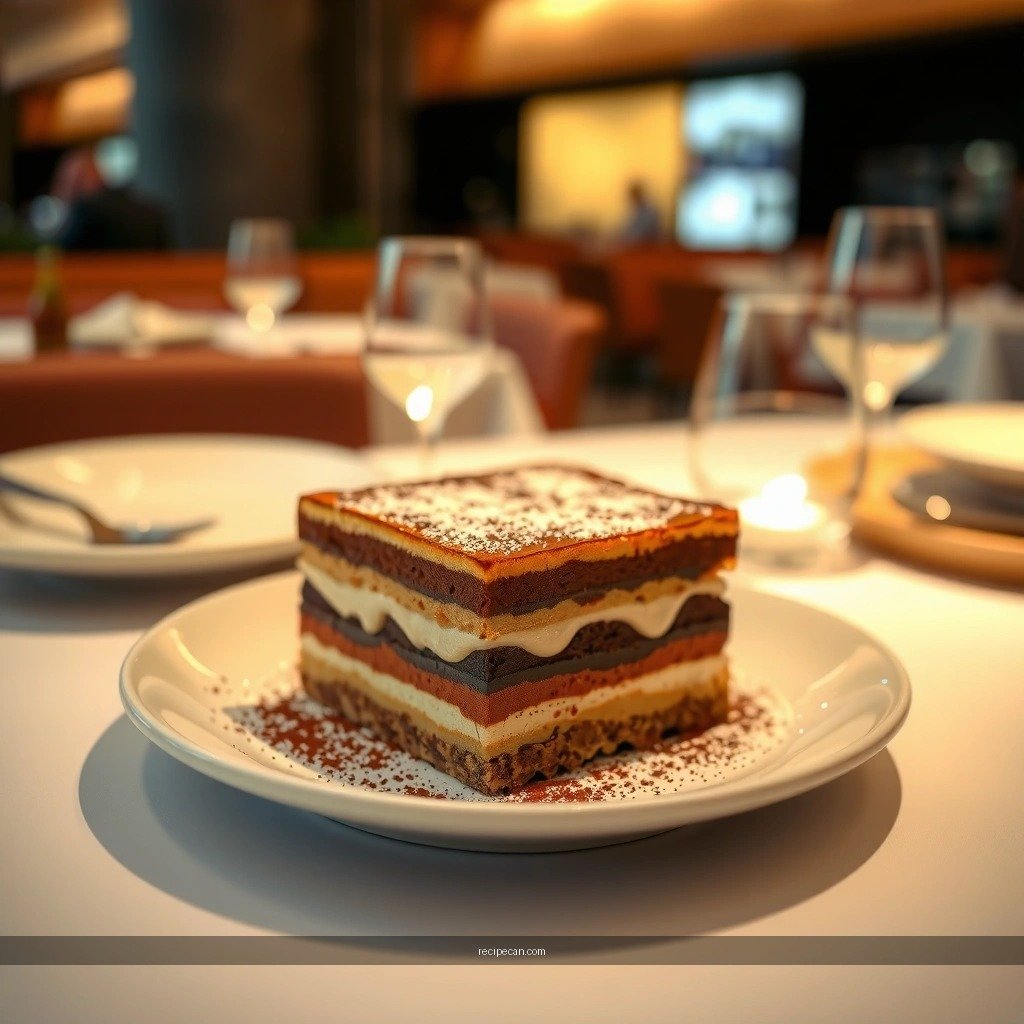
A reliable tiramisu with alcohol starts with classic components plus a few targeted choices that improve stability and depth. For businesslike consistency (and easier slicing), treat “ingredients” as a system: flavor inputs (coffee, cocoa, liqueur) + structure inputs (mascarpone, eggs or a safe alternative) + texture inputs (proper soaking and chilling).
– Mascarpone cheese (the richness base)
– Eggs (commonly used; see note below)
– If using eggs: many classic recipes use separated or lightly cooked yolks/whites for a mousse-like cream.
– If avoiding eggs: use a pasteurized egg product or a stabilized mascarpone alternative approach (for example, mascarpone + whipped cream with careful sweetening).
– Sugar (to balance espresso bitterness and cocoa)
– Strong coffee / espresso (for the soak)
– Cocoa powder (for both flavor and finishing)
Tiramisu assembly basics
– Ladyfingers (savoiardi). Choose ones that are sturdy enough to handle quick dips without instantly breaking.
– Your chosen liqueur (rum, Marsala, or coffee liqueur like Kahlúa-style)
Optional depth boosters
– Vanilla extract (rounds out espresso bitterness)
– Salt (tiny pinch improves sweetness perception and boosts cocoa flavor)
– Espresso powder (intensifies the coffee profile without adding more liquid)
– Unsweetened cocoa (for the topping—keeps sweetness controlled)
> Note on alcohol-forward desserts: if you’re serving guests who want “coffee dessert, not a cocktail,” measure conservatively and taste the soak mixture before assembling.
Recommended Coffee-Liqueur Soak Strength for Creamy (Not Soggy) Tiramisu
| # | Liqueur Style | Target Soak Mix (Coffee: Liqueur) | Dip Time per Ladyfinger | Best For |
|---|---|---|---|---|
| 1 | Coffee Liqueur (Kahlúa-style) | 80:20 | 1–2 seconds | ★ Classic, dessert-forward coffee aroma |
| 2 | Marsala | 85:15 | 1–2 seconds | ★ Warm, raisin-like depth without sweetness overload |
| 3 | Golden Rum | 88:12 | 1–2 seconds | ★ Subtle spice, caramel warmth, crowd-pleasing flavor |
| 4 | Spiced Rum | 92:8 | ~1 second | ★ Guests who like “holiday spice” notes in coffee desserts |
| 5 | Brandy / Cognac-style | 90:10 | ~1–1.5 seconds | ★ Strong, can overpower mascarpone if not moderated |
| 6 | Amaretto (almond liqueur) | 82:18 | 1 second | ★ If you enjoy nutty-caramel notes alongside cocoa |
| 7 | Coffee syrup / non-liqueur concentrate | 95:5 (flavor only) | 1–2 seconds | ★ Can get too sweet—use less and add cocoa intensity |
Mix the Coffee-Alcohol Soak
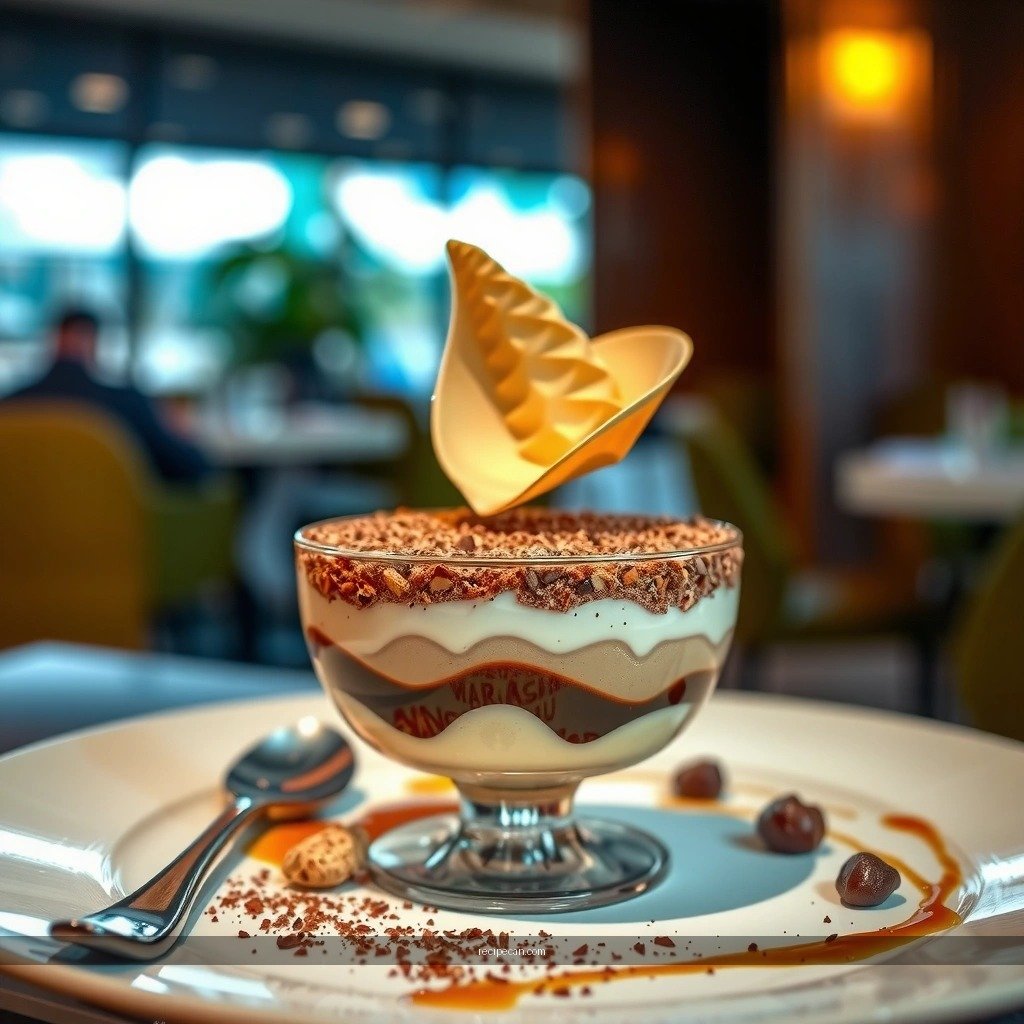
The soak is where tiramisu quality is won or lost. Too little liquid makes the ladyfingers taste dry; too much makes the layers collapse into a watery matrix. The goal is surface saturation: ladyfingers should soften without dissolving.
A practical soak formula
– Brew strong espresso or coffee and let it cool slightly (hot liquid can make the biscuits disintegrate faster).
– Add your liqueur in a moderate ratio (use the table above as a starting point).
– If needed, add a small amount of sugar—but first taste your coffee. Espresso bitterness often requires only a touch of sweetness.
Dip technique (the real secret to creamy texture)
– Dip ladyfingers quickly, typically 1–2 seconds total.
– Don’t submerge for long; you’re coating, not soaking through.
– If a ladyfinger starts to flex or break, reduce dip time and/or switch to a sturdier brand.
Achieve even saturation
– Rotate the ladyfinger briefly so both sides get contact.
– Work in small batches to keep the biscuits from sitting wet.
Tuning flavor like a chef, not a guesser
– Start with less sugar than you think you need; mascarpone cream will add sweetness.
– If your liqueur is already sweet, skip added sugar or reduce it.
Assemble the Tiramisu Layers
Layering is not just aesthetic—it’s functional. Proper layering distributes moisture and ensures the mascarpone cream sets into clean slices once chilled.
How to build a stable tiramisu
1. Start with cream: Spread a thin layer of mascarpone cream at the bottom of your dish. This helps prevent the first layer from sliding.
2. Add soaked ladyfingers: Arrange in a single layer, snug but not overly packed.
3. Add mascarpone cream: Spoon and spread evenly, using an offset spatula for smoothness.
4. Repeat: Alternate ladyfingers and cream until you reach the top.
Cream handling considerations
– If using an egg-based mixture, ensure the cream is thick enough to hold ridges.
– If using a non-egg stabilized alternative, maintain appropriate stiffness with careful whipping so layers don’t ooze.
– Don’t overmix once cream is aerated; it can break down and lose structural integrity.
Smoothing the final layer
– Finish with a uniform mascarpone layer to support the top cocoa dust.
– Tap the dish gently on the counter to settle gaps and reduce “air pockets.”
Covering and chilling right away
– Once assembled, cover tightly to prevent the surface from drying out.
– Chill early—waiting room temperature too long encourages the biscuits to absorb excess liquid.
Chill, Dust, and Serve
Chilling is where tiramisu becomes “dessert,” not “assembled components.” Time allows the coffee-liqueur moisture to equilibrate and the cream to set.
Chill schedule
– Minimum: 4–6 hours in the refrigerator.
– Best results: overnight (8–12 hours).
Overnight chilling typically yields cleaner slices and deeper flavor integration.
Cocoa dusting timing
– Dust cocoa powder right before serving.
– This keeps cocoa from dissolving into the cream and turning patchy or gummy.
Slicing for clean portions
– Use a sharp knife.
– Wipe the blade between cuts to prevent sticky mascarpone smear.
– For best presentation, slice, then serve promptly.
Serving tips for a professional finish
– Serve slightly cool, not icy cold. If your kitchen is very cold, let tiramisu sit at refrigerator temperature for 5–10 minutes before slicing.
– For events, portion into ramekins or smaller dishes so guests get uniform soak-to-cream ratio.
Alcohol Variations and Substitutions
Alcohol flexibility is one of tiramisu’s strengths, but replacements still need the same technical principles: aroma, moisture balance, and soak control.
Make it stronger (without losing texture)
– Increase liqueur slightly (for example, move from 80:20 to 78:22 coffee:liqueur), but keep dip time at 1 second to 2 seconds max.
– If alcohol is stronger, consider slightly more coffee intensity (a bit more espresso powder) so flavor doesn’t skew boozy.
Make it milder
– Reduce liqueur ratio and use more coffee.
– Consider a liqueur that’s naturally smoother (e.g., coffee liqueur rather than a very intense brandy).
No-alcohol option
– Swap liqueur for alcohol-free coffee flavoring or alcohol-free espresso concentrate.
– Keep the same soak method: quick dip, controlled moisture, and adequate chilling.
– Tip: add a touch of vanilla or espresso powder to restore depth lost when alcohol is removed.
If your brand is sweet or heavy
– Some liqueurs are both sugary and viscous, which increases the risk of soft, collapsing layers.
– Before assembling, taste your soak mixture and adjust sweetener:
– If the soak tastes sweet already, reduce added sugar in the cream.
Keep guest expectations in mind
– For office gatherings and mixed audiences, offering a milder alcohol profile can be a safe default, while presenting an “extra boozy” version in a separate batch.
Tiramisu with alcohol is all about the soak balance and careful layering—quick dip, creamy mascarpone, and plenty of chilling time. Follow the sections above to pick your liqueur, assemble clean layers, and serve a perfectly set dessert. Make this recipe today, then tweak your alcohol choice next time to match your preferred flavor.
And when you do, remember: the best tiramisu isn’t the one with the most alcohol—it’s the one where coffee aroma, cocoa intensity, and mascarpone richness arrive in the same bite, every time.
Frequently Asked Questions
What is a classic tiramisu with alcohol recipe and which spirits work best?
A classic tiramisu with alcohol recipe typically uses coffee-soaked ladyfingers flavored with espresso and a small amount of espresso liqueur or rum. Common alcohol choices include Kahlúa-style coffee liqueur, dark rum, Marsala wine, or amaretto for a sweeter note. Use about 1–3 tablespoons of alcohol per batch so the tiramisu keeps a balanced coffee flavor rather than tasting boozy. If you want a more traditional Italian profile, rum or Marsala are often preferred.
How do you make tiramisu with alcohol without the dessert becoming too strong?
Start by mixing your alcohol into the coffee mixture (espresso or strong cold coffee) and taste it before soaking the ladyfingers. Dip quickly—about 1–2 seconds per side—so the alcohol-laced coffee doesn’t oversaturate and overpower the mascarpone cream. If you’re worried, reduce the alcohol amount by half and add a touch of vanilla to round out the flavor. Chilling at least 4–6 hours also helps the tiramisu flavors mellow and meld.
Why does tiramisu need alcohol at all, and what does it add to the flavor?
In a tiramisu with alcohol recipe, alcohol adds depth and aroma, enhancing the coffee and cocoa flavors. It can also contribute a subtle sweetness and a more complex finish, especially with coffee liqueur, rum, or amaretto. When used in moderation, the alcohol boosts perceived richness without making the dessert taste harsh. The key is using enough to flavor the soak and cream, but not so much that the ladyfingers turn soggy or the tiramisu tastes like spirits.
Which alcohol is best for tiramisu if you want a coffee-forward dessert?
For a coffee-forward tiramisu, choose a coffee liqueur (like Kahlúa) or add a splash of dark rum to complement the espresso. Coffee liqueur provides a direct, recognizable coffee flavor that pairs perfectly with mascarpone and cocoa powder. If you prefer a less sweet option, use rum or a small amount of Marsala wine and let the espresso carry the main taste. Keep the ratio modest so the coffee remains the star.
How long should tiramisu with alcohol chill for the best texture and flavor?
For the best results, chill your tiramisu with alcohol for at least 4–6 hours, ideally overnight, so the ladyfingers fully absorb the coffee mixture and soften evenly. During this rest time, the mascarpone cream thickens slightly and the alcohol flavors integrate into the tiramisu. If you’re serving the same day, aim for a minimum 4 hours and avoid cutting right away. For clean slices, let it come to cool room temperature for about 10 minutes before serving.
References
- Tiramisu
https://en.wikipedia.org/wiki/Tiramis%C3%B9 - Tiramisu | Meaning, Ingredients, Origin, Desserts, & Taste | Britannica
https://www.britannica.com/topic/tiramisu - https://cooking.nytimes.com/recipes/101902-tiramisu
https://cooking.nytimes.com/recipes/101902-tiramisu - Marsala
https://en.wikipedia.org/wiki/Marsala - https://www.britannica.com/food/marsala
https://www.britannica.com/food/marsala - List of liqueur brands
https://en.wikipedia.org/wiki/Coffee_liqueur - Amaretto
https://en.wikipedia.org/wiki/Amaretto - Mascarpone
https://en.wikipedia.org/wiki/Mascarpone - Google Scholar Google Scholar
https://scholar.google.com/scholar?q=tiramisu+alcohol+recipe - Google Scholar Google Scholar
https://scholar.google.com/scholar?q=tiramisu+with+alcohol+recipe